
The Enduring Legacy of Ancient Northern India: Lessons for Modern Society

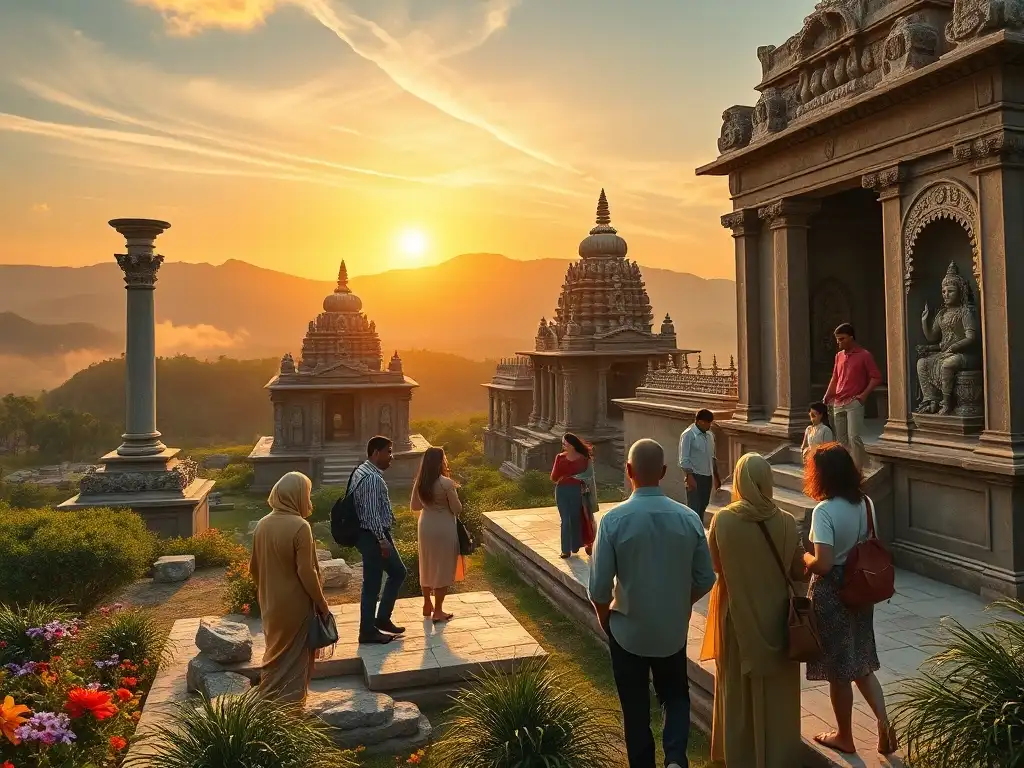
Welcome to Ancient India History, where we invite you to embark on a fascinating journey through the rich tapestry of ancient civilizations. Discover the profound insights and remarkable achievements of ancient northern India as we delve into its enduring legacy. Our featured article, "The Enduring Legacy of Ancient Northern India: Lessons for Modern Society," explores the intricate connections between the past and present, revealing how the wisdom of bygone eras continues to influence our world today. Are you ready to uncover the secrets of a civilization that shaped much of what we know? Let's dive in!
Introduction to Ancient Northern India Legacy
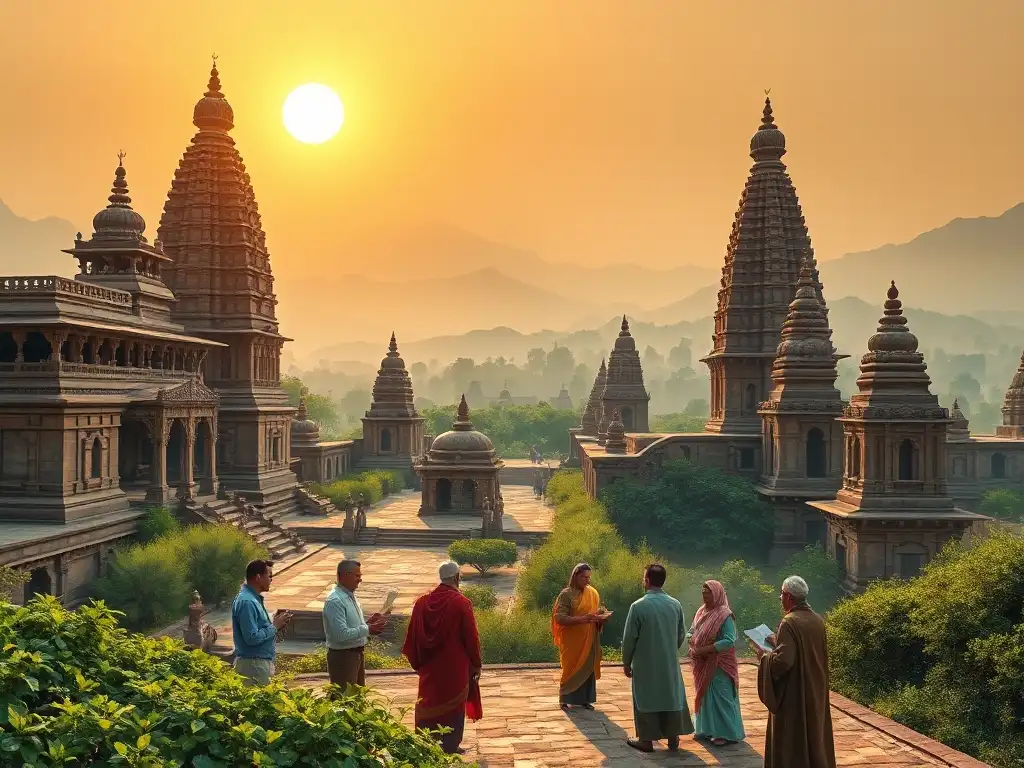
The legacy of ancient northern India is a profound tapestry woven from the threads of its rich history, diverse cultures, and remarkable contributions to the world. Stretching from the sophisticated urban planning of the Indus Valley Civilization to the intellectual advancements during the Gupta Empire, this region has played a pivotal role in shaping the trajectory of human civilization. As we explore the enduring lessons from ancient northern India, we uncover insights that remain relevant in today's society, emphasizing the importance of cultural heritage, innovation, and philosophical thought.
Overview of Ancient Northern India
Ancient northern India encompasses a vast geographical expanse that includes significant regions such as the Punjab, Haryana, Uttar Pradesh, and parts of Bihar. This area has been a cradle of civilization for millennia, with evidence of sophisticated urban centers dating back to around 2500 BCE. The region's strategic location along trade routes facilitated cultural exchanges and economic prosperity, fostering an environment ripe for innovation and artistic expression.
Key historical milestones in ancient northern India include the rise of the Maurya and Gupta Empires, which were marked by significant advancements in governance, science, and culture. The Mauryan ruler Ashoka, known for his promotion of Buddhism, and the Gupta period, often referred to as the "Golden Age" of India, are just a few examples of the remarkable contributions that emerged from this region.
Significance of Ancient Northern India in Historical Context
Understanding the significance of ancient northern India requires an exploration of its role in the broader context of global history. This region was not only a hub of economic activity but also a melting pot of ideas, philosophies, and religions that transcended borders. The interactions between indigenous cultures and outside influences laid the groundwork for a unique synthesis of traditions.
The legacy of ancient northern India can be observed in various aspects of modern society, from governance structures to artistic expressions. The emphasis on tolerance, intellectual inquiry, and cultural pluralism that characterized ancient Indian civilizations serves as a valuable lesson for contemporary societies grappling with issues of diversity and inclusion.
The Cultural Contributions of Ancient Northern India
Artistic Achievements: Sculpture and Architecture
The artistic contributions of ancient northern India are exemplified by stunning sculptures and architectural marvels that continue to inspire admiration. From the intricate carvings of the rock-cut Ajanta and Ellora caves to the majestic temples of Khajuraho, the region showcases a rich tradition of artistic expression that reflects both religious devotion and technical prowess.
Sculpture in ancient northern India often conveyed deep spiritual narratives, with figures depicting gods, goddesses, and mythological scenes. The craftsmanship displayed in these artworks not only demonstrates the skill of ancient artisans but also provides insight into the societal values and beliefs of the time.
Literary Works and Philosophical Thought
Ancient northern India was a fertile ground for literary and philosophical advancements. The Vedas, Upanishads, and epics like the Mahabharata and Ramayana are cornerstones of Indian literature, offering profound insights into the human experience, morality, and the nature of existence. These texts have influenced not only Indian culture but also global philosophical discourse.
The region was home to notable scholars and philosophers such as Chanakya and Aryabhata, whose contributions to political science and mathematics, respectively, remain influential today. The emphasis on knowledge and inquiry during this era underscores the importance of intellectual pursuits in shaping a society's trajectory.
The Role of Religion and Spirituality
Religion and spirituality have always been integral to the cultural fabric of ancient northern India. The region is the birthplace of major religious traditions, including Hinduism and Buddhism, and has been a center for spiritual thought and practice for centuries. Temples, monasteries, and pilgrimage sites dot the landscape, serving as reminders of the profound impact these religions have had on the lives of millions.
The teachings and philosophies arising from ancient northern India continue to resonate in modern spiritual practices, emphasizing values such as compassion, non-violence, and the pursuit of truth. Understanding these spiritual legacies can provide contemporary society with essential lessons in fostering harmony and understanding among diverse cultures.
The Political Landscape of Ancient Northern India
The political landscape of ancient northern India was characterized by the rise and fall of significant dynasties, each contributing to the region's legacy. This landscape was not static but evolved through various political ideologies, governance structures, and military conquests. The complexities of this political environment laid the groundwork for subsequent developments in governance, culture, and society.
Major Dynasties: Maurya, Gupta, and Others
Among the most notable dynasties in ancient northern India were the Maurya and Gupta empires. The Maurya Empire, established by Chandragupta Maurya in the 4th century BCE, marked a turning point in Indian history. Under the rule of Ashoka, the Maurya Empire expanded significantly, embracing Buddhism and promoting non-violence, which left a lasting impact on Indian culture and philosophy.
Following the Mauryan period, the Gupta Empire emerged around the 3rd century CE, often referred to as the "Golden Age of India." This era was marked by advancements in science, mathematics, and the arts. The Guptas established a strong centralized government that facilitated trade and cultural exchange, further enriching the region’s legacy.
Other dynasties, such as the Shakas and the Kushans, also played crucial roles in shaping the political dynamics of northern India, contributing to its diversity and cultural richness.
Governance and Administrative Innovations
The governance structures established by these ancient dynasties were pivotal in shaping political practices in northern India. The Mauryan Empire is particularly noted for its administrative innovations, including the establishment of a centralized bureaucracy that effectively managed a vast territory. The empire utilized a system of provincial governors, known as Uparikas, to maintain control and ensure the efficient collection of taxes.
The Gupta Empire built upon these foundations by implementing a more localized governance model that empowered local rulers and village councils. This decentralization allowed for greater administrative efficiency and fostered a sense of local identity, which proved beneficial for the stability of the empire.
Innovations such as the introduction of standardized coinage and an extensive road network facilitated trade and communication, further enhancing governance and economic activities across northern India.
Warfare and Its Impact on Society
Warfare in ancient northern India was a significant factor in shaping its political landscape. The incessant conflicts among various kingdoms led to the rise of formidable military strategies and technologies. The use of war elephants, chariots, and infantry units became common, showcasing the military prowess of these ancient societies.
The impacts of warfare extended beyond mere territorial conquests. It influenced social structures, as successful military leaders often ascended to power, creating new dynasties. Additionally, the social stratification intensified, as warriors and their families gained prominence, while the common populace often bore the brunt of conflicts.
Moreover, warfare catalyzed cultural exchanges between different regions, as conquerors brought new ideas and practices, enriching the cultural tapestry of ancient northern India.
Economic Foundations of Ancient Northern India
The economy of ancient northern India was multifaceted, relying on a combination of agriculture, trade, and craftsmanship. These economic foundations were crucial in sustaining the political powers of the time while also facilitating cultural exchanges that contributed to the region's legacy.
Trade Routes and Economic Exchanges
Ancient northern India was strategically located along major trade routes that connected it to Central Asia, the Middle East, and beyond. The Silk Road and several overland routes facilitated not only the exchange of goods—such as spices, textiles, and precious stones—but also ideas and cultural practices.
Cities like Taxila and Pataliputra emerged as bustling trade centers, thriving on the commerce of local and foreign goods. The establishment of a robust system of trade networks enabled merchants to engage in economic exchanges that spanned vast distances, contributing to the prosperity of the region.
In addition to overland trade, maritime routes along the Indian Ocean also played a significant role, allowing northern Indian products to reach distant markets, thus enhancing economic interconnectivity.
Agricultural Practices and Innovations
Agriculture formed the backbone of the economy in ancient northern India, with fertile plains and a favorable climate supporting diverse crops. The use of advanced agricultural techniques, such as crop rotation and irrigation systems, allowed for increased productivity.
The introduction of new crops, such as rice and sugarcane, alongside traditional staples like wheat and barley, diversified the agricultural output. The Kharif and Rabi cropping seasons were effectively utilized to maximize yields, ensuring food security for the growing population.
These agricultural innovations not only supported the local economy but also facilitated trade, as surplus produce could be exchanged for goods, thus embedding agriculture into the broader economic framework of ancient northern India.
The Role of Crafts and Artisans in Society
Craftsmanship played a vital role in the economic fabric of ancient northern India. Artisans and craftsmen specialized in various trades, including textiles, metalwork, pottery, and sculpture. Their contributions were not only essential for local consumption but also for trade, as high-quality crafts became sought after in regional and international markets.
Guilds, known as Shreni, organized artisans into communities, providing them with a platform for collaboration and innovation. These guilds regulated production standards, facilitated training for new artisans, and engaged in trade negotiations, thereby enhancing the economic stability of their members.
The artistic expressions of these craftsmen, particularly during the Gupta period, reflected the cultural richness and sophistication of ancient northern Indian society, leaving a lasting legacy that continues to influence contemporary art and craftsmanship.
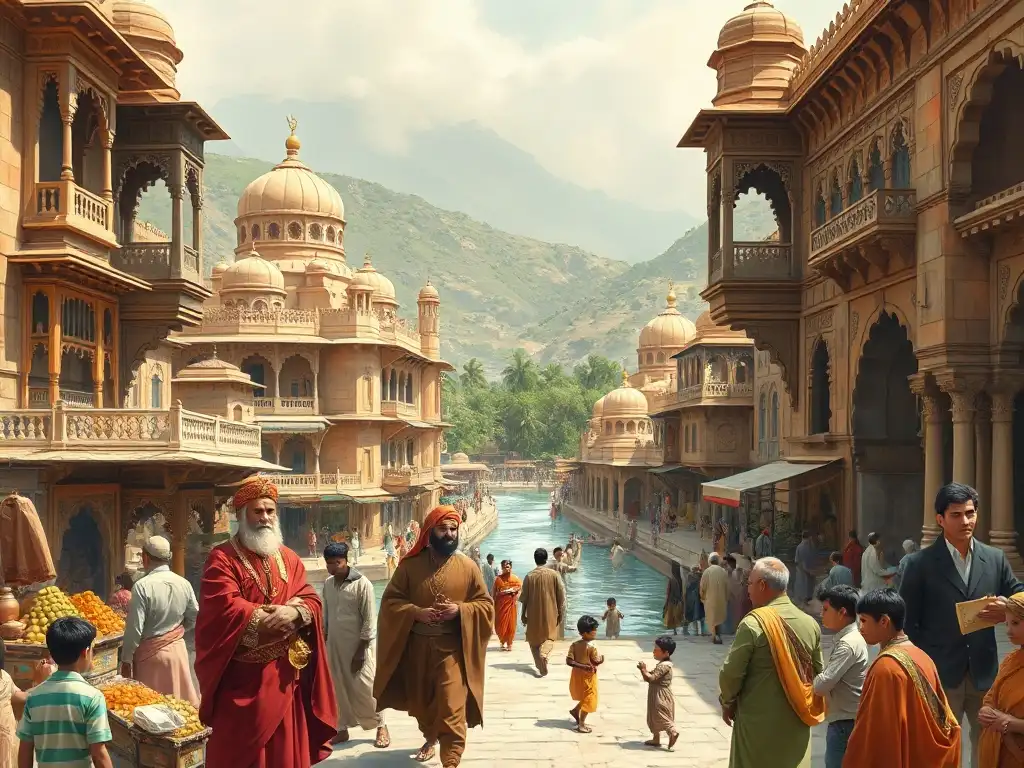
Ancient Northern India was characterized by intricate social structures that shaped the daily lives of its people. These structures were not only pivotal in organizing society but also laid the foundation for various cultural, economic, and political practices that have resonated throughout history. The social organization during this period was complex and multifaceted, deeply influenced by religious, geographical, and historical contexts. Understanding these social structures provides insight into the legacy they left behind, which continues to influence modern Indian society.
Caste System and Its Evolution
The caste system emerged as a prominent feature of social organization in ancient Northern India, rooted in Vedic texts and religious beliefs. Initially, it consisted of four main varnas: Brahmins (priests and scholars), Kshatriyas (warriors and rulers), Vaishyas (traders and agriculturists), and Shudras (laborers and service providers). Over time, this system became more rigid, leading to the formation of numerous sub-castes or jatis, which further stratified society.
The evolution of the caste system was influenced by various factors, including economic changes, foreign invasions, and the growth of urban centers. While it provided a sense of order and identity within communities, it also led to social stratification and inequality. In contemporary society, discussions around the caste system's implications have sparked movements advocating for social justice and equity, highlighting the need to learn from ancient practices while striving for inclusivity.
Gender Roles and Women in Ancient Society
Gender roles in ancient Northern India were largely defined by a patriarchal framework, where men typically held positions of authority in both public and private spheres. Women were often expected to fulfill domestic roles, managing households and raising children. However, the historical record reveals that women in ancient India also engaged in various professions, including weaving, pottery, and trade. Notable figures, such as the philosopher Gargi and the poetess Mirabai, challenged conventional norms and contributed to intellectual and spiritual discourses.
The status of women varied across different regions and periods, influenced by factors such as religion and local customs. While some texts advocate for women's education and empowerment, others reinforce restrictive practices. Understanding these dynamics not only sheds light on the historical context of gender roles but also offers valuable lessons for modern society in advocating for gender equality and women's rights.
Community Life and Social Organizations
Community life in ancient Northern India was vibrant, with social organizations playing a crucial role in fostering unity and cooperation among members. Villages often functioned as self-sufficient units, where families collaborated in agricultural practices and shared resources. Festivals, rituals, and communal gatherings strengthened social bonds and cultural identity.
Trade and commerce also facilitated interactions among diverse communities, leading to the establishment of guilds and associations. These organizations provided support and protection for their members, contributing to economic stability and social cohesion. The legacy of these communal practices remains relevant today, as modern societies can learn from the values of cooperation, mutual aid, and cultural celebration that characterized ancient Northern Indian communities.
Lessons from Ancient Northern India for Modern Society
The rich tapestry of ancient Northern India's social structures offers numerous lessons for contemporary society. By examining the governance, cultural heritage, and economic practices of this era, we can glean insights that inform our current challenges and aspirations.
Governance and Leadership Models
Governance in ancient Northern India was often characterized by a blend of monarchy and regional autonomy. Kings were expected to uphold dharma (moral law) and ensure the welfare of their subjects. This emphasis on ethical leadership resonates with modern democratic ideals, where leaders are accountable to the people. Furthermore, the presence of councils and assemblies in some regions reflected a degree of participatory governance, suggesting that inclusive decision-making processes can enhance societal well-being.
Modern societies can draw from these ancient models by promoting transparency, ethical governance, and community involvement in leadership roles. The lessons from ancient Northern India stress the importance of responsible leadership that prioritizes the common good.
Cultural Heritage and Preservation
Ancient Northern India was a melting pot of cultures, languages, and traditions, with art, literature, and philosophy flourishing during this period. The preservation of cultural heritage is essential for maintaining identity and continuity in society. This legacy underscores the importance of valuing and safeguarding cultural diversity in the modern world.
Efforts to preserve historical sites, languages, and traditions can foster a sense of belonging and pride among communities. Engaging younger generations in cultural education and heritage conservation can ensure that the vibrant legacies of the past remain relevant and cherished in contemporary society.
Economic Practices and Sustainability
The economic practices of ancient Northern India were largely agrarian, with an emphasis on sustainable farming and trade. Ancient practices such as crop rotation, organic farming, and community-based resource management showcased an understanding of ecological balance. These methods can offer valuable insights into contemporary issues of sustainability and environmental stewardship.
Modern societies face significant challenges related to climate change and resource depletion. By revisiting the sustainable practices of ancient agricultural societies, we can develop more effective strategies for managing natural resources and ensuring food security for future generations. The enduring legacy of ancient Northern India serves as a reminder that sustainable practices are not only beneficial but essential for the well-being of society and the planet.
Conclusion: The Lasting Impact of Ancient Northern India Legacy
The legacy of ancient northern India is one that continues to resonate profoundly in today's society. From its pioneering advancements in science, mathematics, and governance to its rich cultural and philosophical contributions, the influence of this region can be seen in various aspects of modern life. Ancient northern India not only laid the groundwork for numerous disciplines but also fostered a sense of unity among diverse communities through shared values and traditions. The rich tapestry of its history encourages us to examine how these lessons can guide contemporary society, urging us to embrace knowledge, diversity, and innovation.
Furthermore, the architectural marvels, artistic expressions, and literary works from this era serve as a reminder of the creativity and ingenuity of our ancestors. They teach us the importance of preserving cultural heritage while simultaneously adapting to modern advancements. As we reflect on the legacies of ancient northern India, we are reminded that the lessons learned from the past can provide invaluable insights into navigating the complexities of today's world.
Reflection on the Relevance of Ancient Lessons Today
In our fast-paced and often chaotic modern society, the wisdom of ancient northern India offers a treasure trove of insights. The emphasis on holistic well-being, as seen in the development of Ayurvedic medicine, illustrates the importance of balancing physical, mental, and spiritual health. This ancient understanding of wellness is increasingly relevant as contemporary society grapples with stress and lifestyle-related ailments.
Additionally, the principles of governance and justice from ancient texts, such as the Arthashastra by Kautilya, highlight the significance of ethical leadership and strategic planning. These teachings encourage modern leaders to prioritize integrity and public welfare, fostering a political environment that is more accountable and transparent.
Moreover, the rich philosophical traditions of ancient northern India, particularly the teachings of Buddhism and Jainism, emphasize compassion, respect for all living beings, and the pursuit of knowledge. These ideals are crucial in addressing the pressing global challenges we face today, such as environmental degradation and social inequality. By reflecting on these ancient lessons, we can cultivate a more harmonious and equitable society.
Encouraging Modern Society to Learn from History
Encouraging modern society to learn from the legacy of ancient northern India involves a multifaceted approach. First and foremost, education systems can integrate the study of ancient history into their curricula, emphasizing its relevance to contemporary issues. By exploring ancient philosophies, scientific advancements, and artistic achievements, students can gain a deeper appreciation for the interconnectedness of history and modern life.
Community initiatives can also play a vital role in promoting awareness and appreciation of this legacy. Workshops, cultural festivals, and public lectures can serve as platforms for sharing knowledge and fostering discussions about the significance of ancient contributions. By engaging with history in a communal setting, individuals can collectively reflect on the lessons of the past and their applicability to present-day challenges.
Moreover, leveraging technology to disseminate information about ancient northern India's achievements can reach a broader audience. Virtual exhibitions, online courses, and interactive platforms can make ancient wisdom accessible to all, encouraging a global dialogue about the lessons of history.
Ultimately, recognizing the enduring legacy of ancient northern India is not merely an academic pursuit; it is a call to action. By learning from the past, modern society can move towards a future that honors cultural heritage while addressing contemporary challenges with wisdom and compassion.
- Introduction to Ancient Northern India Legacy
- The Cultural Contributions of Ancient Northern India
- The Political Landscape of Ancient Northern India
- Economic Foundations of Ancient Northern India
- Social Structures in Ancient Northern India
- Lessons from Ancient Northern India for Modern Society
- Conclusion: The Lasting Impact of Ancient Northern India Legacy
- What is the legacy of ancient northern India?
- How did the Indus Valley Civilization contribute to this legacy?
- What role did the Gupta Empire play in shaping this legacy?
- How does the article suggest modern society can learn from ancient northern India?
- Why is it important to study the history and culture of ancient northern India today?
Frequently Asked Questions
What is the legacy of ancient northern India?
The legacy of ancient northern India includes significant advancements in art, science, and philosophy that shaped not only Indian civilization but also influenced other cultures worldwide.
How did the Indus Valley Civilization contribute to this legacy?
The Indus Valley Civilization is known for its urban planning, advanced drainage systems, and trade networks, laying the groundwork for future societies in northern India.
What role did the Gupta Empire play in shaping this legacy?
The Gupta Empire is often referred to as a golden age of Indian culture, known for its contributions to mathematics, astronomy, and literature, which continue to impact modern society.
How does the article suggest modern society can learn from ancient northern India?
The article emphasizes that modern society can learn from the sustainable practices, communal living, and cultural integration that characterized ancient northern Indian civilizations.
Why is it important to study the history and culture of ancient northern India today?
Studying the history and culture of ancient northern India is crucial for understanding the foundations of contemporary Indian identity and the universal values that can foster global harmony.
Final Reflection: Embracing the Ancient Northern India Legacy for a Modern Tomorrow
The lessons derived from the ancient Northern India legacy are not merely relics of the past; they are vital threads woven into the fabric of our contemporary society. As we navigate the complexities of modern life, the philosophies, innovations, and cultural practices that emerged from this rich historical tapestry continue to resonate, reminding us of the timeless values of wisdom, community, and resilience. The enduring legacy of ancient Northern India serves as a beacon, illuminating paths toward a more harmonious and enlightened future.
Cultural and social landscapes are profoundly shaped by the echoes of our history. The teachings of ancient Northern India, from its advancements in mathematics and astronomy to its profound spiritual philosophies, have laid the groundwork for many aspects of modern civilization. These influences are not just historical footnotes; they are integral to our identity and progress. History is not a burden on the memory but an illumination of the soul.
This quote encapsulates the importance of understanding our past as we strive to build a better tomorrow.
As we reflect on the significance of the ancient Northern India legacy, I invite you to consider how these lessons can be integrated into your own life. How can the wisdom of the past guide your actions today? Embrace the values of innovation, compassion, and interconnectedness that have stood the test of time.
Let the legacy of ancient Northern India inspire you to cultivate a deeper understanding of your own heritage and to contribute positively to the world around you. Together, we can honor this legacy and create a future that is as rich and vibrant as the history that precedes us.
Unlock the Wisdom of Ancient Northern India!
Thank you for taking the time to delve into the enduring legacy of ancient Northern India. Your interest in this rich history opens the door to connecting with invaluable lessons that can shape our modern lives. Now, let’s turn those insights into action that can inspire both you and those around you!
- Embrace the Learnings: Reflect on the teachings of ancient Northern Indian thinkers. Choose one lesson that resonates with you and integrate it into your daily routine.
- Start a Conversation: Share your insights with friends or family. Discuss how these ancient principles can apply to contemporary challenges.
- Explore Further: Dive deeper into this fascinating history! Visit ancientindiahistory.com for more articles that expand on the lessons from ancient cultures.
What aspects of ancient Indian wisdom do you believe could address today’s societal challenges? Let’s keep the conversation going!