
The Legacy of Western Indian Kings: Rulers Who Shaped History

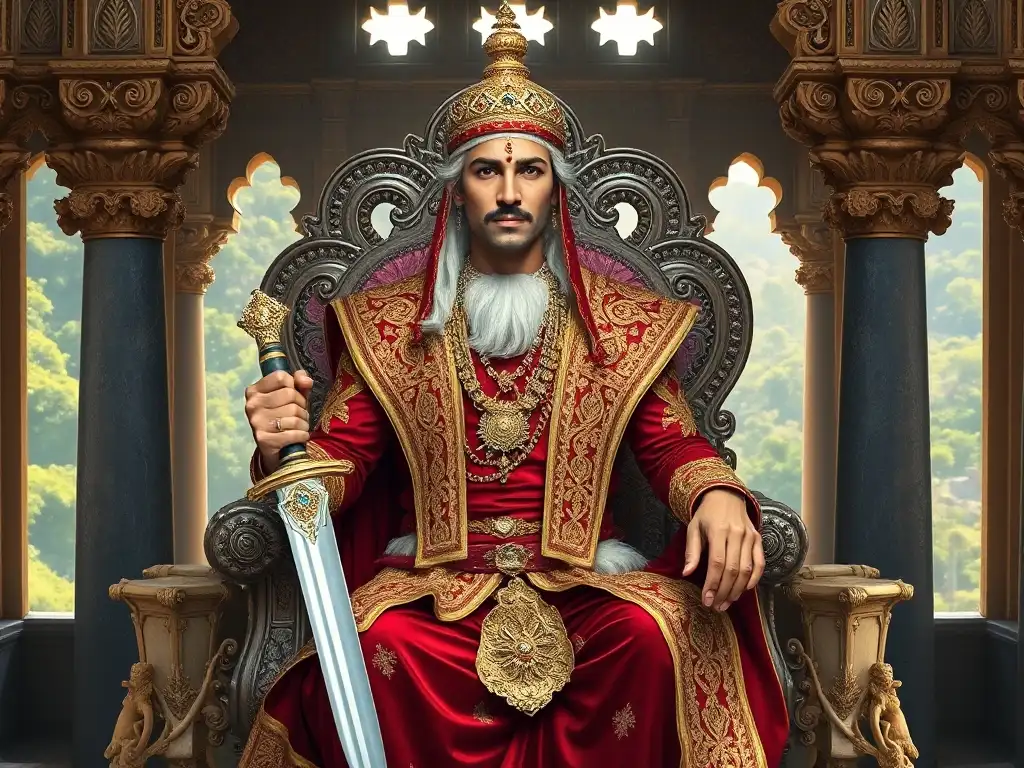
Welcome to Ancient India History, where we embark on a fascinating journey through time to uncover the rich tapestry of civilizations that once thrived on the Indian subcontinent. In our latest article, "The Legacy of Western Indian Kings: Rulers Who Shaped History," we delve into the compelling stories of powerful monarchs who left an indelible mark on the region's cultural and historical landscape. What drove these kings, and how did their reigns influence the course of history?
Join us as we explore the remarkable legacies of these rulers and ignite your curiosity about the Western Indian kings' history. The past is waiting to be discovered—dive in and let the adventure begin!
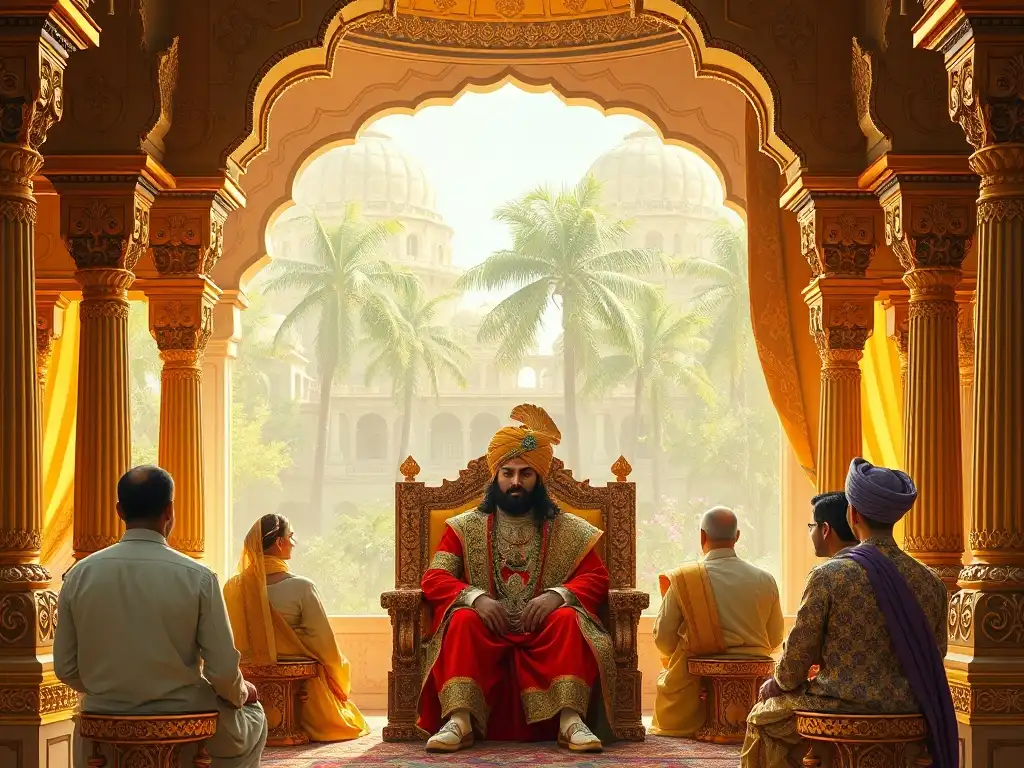
Introduction to Western Indian Kings History
The history of Western Indian kings is a fascinating tapestry woven with the threads of power, culture, and innovation. Spanning several centuries, this legacy encompasses notable dynasties that not only ruled vast territories but also significantly influenced the socio-political landscape of ancient India.
From the flourishing cities of the Indus Valley Civilization to the artistic and economic advancements during the Gupta Empire, the rulers of Western India played a pivotal role in shaping the region's identity and legacy. Understanding the history of these kings provides valuable insights into how their governance, culture, and contributions have left an indelible mark on the broader narrative of Indian history.
Overview of Western India’s Historical Significance
Western India, characterized by its diverse geography ranging from coastal regions to arid deserts, has been a cradle for numerous civilizations. This region has served as a vital crossroads for trade, culture, and ideas, linking the Indian subcontinent with the broader world. Notably, the strategic location of Western India facilitated maritime trade with distant lands, including the Roman Empire and Southeast Asia, leading to a vibrant exchange of goods, culture, and knowledge.
The historical significance of Western India is further underscored by the emergence of powerful kingdoms that rose to prominence from ancient times. These kingdoms not only contributed to the political stability of the region but also fostered advancements in arts, architecture, and literature, laying the foundation for a rich cultural heritage that continues to resonate today.
The Role of Kings in Shaping Ancient Indian Civilizations
The kings of Western India were more than mere rulers; they were visionaries who influenced every aspect of life in their realms. Their governance styles varied from autocratic rule to more participative models, reflecting the complexity of ancient Indian society. These kings were patrons of art and architecture, commissioning magnificent temples, stupas, and palaces that have become integral to India’s cultural identity.
Moreover, the kings played a crucial role in the promotion of trade and commerce, establishing trade routes that facilitated economic growth. Their policies often aimed at enhancing agricultural productivity, leading to prosperous economies that supported large urban centers. The legacy of these rulers, therefore, extends beyond their reigns, impacting the lives of countless generations.
Key Dynasties of Western India
The Maurya Dynasty and Its Influence on Western Indian Kings
The Maurya Dynasty, which emerged in the 4th century BCE, stands as a significant chapter in the history of Western Indian kings. Under the leadership of Chandragupta Maurya and later his grandson Ashoka, this dynasty unified a large part of the Indian subcontinent. Ashoka, in particular, is celebrated for his transformative policies that emphasized non-violence and the welfare of his subjects. His edicts, inscribed on pillars across the region, reflect a commitment to governance that prioritized moral values alongside political power.
The influence of the Maurya Dynasty extended beyond politics; it catalyzed the spread of Buddhism as a major religion, impacting cultural and spiritual life in Western India and beyond. The Mauryan period is often regarded as a golden age that set a precedent for future kings in the region.
The Western Kshatrapas: A Unique Governance Model
The Western Kshatrapas were a prominent dynasty that ruled over parts of Western India during the early centuries of the Common Era. Known for their unique governance model, they combined indigenous traditions with influences from the Hellenistic world, resulting in a distinctive cultural amalgamation. The Kshatrapas were notable for their monetary system, which facilitated trade and commerce across the region.
Their patronage of Buddhist art and architecture is evident in the numerous stupas and rock-cut caves that adorned the Western Indian landscape. The Western Kshatrapas' contributions to the region's cultural and economic life underscore their importance in the legacy of Western Indian kings.
The Satavahana Dynasty: Cultural and Economic Contributions
The Satavahana Dynasty, which flourished from the 1st century BCE to the 3rd century CE, is renowned for its significant contributions to Western Indian history. This dynasty played a crucial role in the cultural and economic development of the region, fostering trade networks that linked Western India with the rest of the subcontinent and beyond.
The Satavahanas were also patrons of art, literature, and religion, encouraging the flourishing of both Buddhism and Hinduism. Their legacy is reflected in the rich artistic heritage of the region, including intricate sculptures and reliefs that depict various aspects of life and spirituality. The Satavahana period is often celebrated for its cultural richness and economic vitality.
The Rashtrakuta Empire: A Period of Prosperity and Expansion
The Rashtrakuta Empire, which emerged in the 8th century, marked a high point in the history of Western Indian kings. Renowned for their military prowess and administrative capabilities, the Rashtrakutas expanded their territory significantly, encompassing large parts of Western and Southern India. This period is characterized by economic prosperity and cultural renaissance, with significant advancements in literature, art, and architecture.
The empire is particularly noted for the rock-cut temples at Ellora, which showcase the architectural brilliance of the time. The Rashtrakutas' legacy continues to inspire awe and admiration, reflecting the grandeur of Western Indian kings and their lasting impact on the region's history.
Notable Western Indian Kings and Their Contributions
The history of Western Indian kings is marked by a series of influential rulers who played pivotal roles in shaping the region's culture, economy, and political landscape. Each king brought unique contributions that left a lasting legacy on Western India, impacting everything from governance to religion, arts, and trade. This section highlights some of the most notable kings and their significant contributions to the region.
King Chandragupta Maurya: Unifying the Northern and Western Regions
Chandragupta Maurya, the founder of the Maurya Empire in the 4th century BCE, is celebrated for his remarkable achievement in unifying the Indian subcontinent, including the northern and western regions. Under his leadership, the Mauryan Empire expanded significantly, establishing a centralized administration that fostered trade and communication across vast distances. His alliance with the Nanda dynasty and subsequent conquests laid the groundwork for a politically stable and economically prosperous region.
Chandragupta's governance strategies included appointing skilled administrators, which ensured effective rule over diverse territories. His close advisor, Chanakya, played a crucial role in formulating policies that enhanced statecraft and diplomacy. Furthermore, Chandragupta's conversion to Jainism later in life reflects his commitment to non-violence and social welfare, resonating with the values of many in his empire.
King Ashoka: The Spread of Buddhism and Its Impact
King Ashoka, the grandson of Chandragupta, ascended to the throne in the 3rd century BCE and is renowned for his transformative role in promoting Buddhism throughout India and beyond. After the Kalinga War, which inflicted heavy casualties, Ashoka embraced the principles of Buddhism, advocating for peace, non-violence, and moral governance. His edicts, inscribed on pillars and rocks, served to disseminate Buddhist teachings and ethical guidelines across his empire.
Ashoka's patronage of Buddhism led to the establishment of numerous stupas and monasteries, facilitating the religion's spread throughout Asia. His efforts not only solidified Buddhism's place in Indian culture but also fostered intercultural exchanges along trade routes, significantly influencing the spiritual and philosophical landscape of the region.
King Nahapana: The Zoroastrian Influence in Western India
King Nahapana, a ruler of the Western Kshatrapas in the 1st century CE, is known for his unique approach to governance, which was heavily influenced by Zoroastrianism. His reign marked a significant period of cultural exchange between Indian and Persian traditions. Nahapana's administration was characterized by religious tolerance, allowing diverse beliefs to coexist, which contributed to the region's multicultural environment.
Under Nahapana's rule, trade flourished, especially with the western provinces and beyond. His inscriptions reveal a keen interest in promoting trade routes that connected India with the Mediterranean world, thereby enhancing economic prosperity. This cross-cultural interaction not only enriched Western India's economy but also facilitated the exchange of ideas and practices between different civilizations.
King Bhoja of the Paramara Dynasty: Patron of Arts and Literature
King Bhoja, a prominent ruler of the Paramara dynasty during the 11th century CE, is celebrated for his exceptional contributions to arts, literature, and architecture. A polymath himself, Bhoja was known for his patronage of scholars, poets, and artists, which led to a flourishing of intellectual activity in his court. His support for the Sanskrit language and literature resulted in significant works, including the renowned Saraswati Kantha and Saraswati Vijay, which enriched the cultural fabric of Western India.
Bhoja's contributions extended beyond literature; he was instrumental in the construction of exquisite temples and palaces, many of which exemplify the intricate architectural styles of the time. His commitment to education and the arts not only elevated the cultural status of his reign but also laid the foundation for future generations to appreciate and develop the rich heritage of Western India.
The Cultural Legacy of Western Indian Kings
The cultural legacy of Western Indian kings is characterized by a rich tapestry of artistic, intellectual, and economic achievements that continue to influence modern India. Their contributions transcended mere governance, impacting various facets of life, including architecture, literature, and trade. This section explores the cultural legacy left by these rulers, highlighting their enduring influence.
Architectural Contributions: Temples and Forts of Western India
The architectural legacy of Western Indian kings is prominently visible in the numerous temples and forts that dot the landscape. These structures are not only marvels of engineering but also serve as historical records of the artistic styles and religious practices of their time. For instance, the intricately carved caves of Ajanta and Ellora, commissioned during the reign of the Vakataka dynasty, showcase exquisite rock-cut architecture and elaborate sculptures that depict Buddhist, Hindu, and Jain traditions.
Forts such as the Rajgad and Shivneri, built during the Maratha Empire, reflect strategic military architecture while also serving as centers of administration and culture. The fusion of functionality and aesthetic appeal in these structures illustrates the kings' commitment to leaving a lasting mark on the region's landscape.
Literature and Philosophy: The Intellectual Contributions of Western Indian Rulers
Western Indian kings were instrumental in fostering a rich intellectual environment that led to significant advancements in literature and philosophy. The patronage of rulers like Bhoja and the encouragement of scholars contributed to a thriving literary tradition. Notable literary works produced during this era include treatises on philosophy, poetry, and grammar, which continue to be studied for their depth and insight.
The development of the Navratna (Nine Gems) concept in royal courts, where scholars and artists were honored, exemplifies the importance placed on intellectual pursuits. This tradition of intellectual patronage not only elevated the status of literature and philosophy in Western India but also laid the groundwork for future cultural developments.
Influence on Trade and Economy: The Role of Kings in Maritime Trade
The kings of Western India played a crucial role in enhancing trade and the economy, particularly through maritime routes. Their strategic positioning along the Arabian Sea enabled them to establish trade networks that connected India with distant lands, including the Roman Empire, Persia, and Southeast Asia. Kings such as Ashoka and later the Cholas and Rashtrakutas invested in maritime infrastructure, facilitating the growth of port cities like Surat and Broach.
These trade networks fostered economic prosperity, resulting in the exchange of goods such as spices, textiles, and precious stones, which significantly contributed to the wealth of the region. The economic policies implemented by these rulers not only bolstered Western India's status as a trade hub but also promoted cultural exchanges that enriched the local society.
The Decline of Powerful Western Indian Kingdoms

The decline of powerful Western Indian kingdoms marks a significant turning point in the region's history. By the late medieval period, several prominent kingdoms, including the Western Chalukyas, the Rashtrakutas, and the Mughals, faced considerable challenges that led to their eventual dissolution or fragmentation. This decline can be attributed to a combination of internal strife, economic difficulties, and external pressures that reshaped the political landscape of Western India.
As these kingdoms struggled to maintain control over vast territories, the rise of regional powers and smaller states began to erode their influence. Additionally, the central authority weakened as local rulers and chieftains asserted more autonomy, leading to a decline in the coherence and unity of these once-mighty empires.
Factors Leading to the Decline of Western Indian Kings
Several factors contributed to the decline of Western Indian kings:
- Internal Conflicts: Succession disputes, power struggles among nobles, and civil wars weakened the centralized power of kings. Factionalism often resulted in fragmented loyalties, making it difficult to maintain a unified front against external threats.
- Economic Decline: The agricultural base that supported these kingdoms suffered due to natural calamities, wars, and mismanagement. The decline in revenue from agriculture and trade led to weakened military and administrative capabilities.
- Rise of Regional Powers: As the influence of dominant kingdoms waned, smaller regional powers began to emerge. These local rulers capitalized on the instability and often engaged in conflicts that further destabilized the region.
- Shifts in Trade Routes: The discovery of new trade routes and the rise of maritime trade shifted economic focus away from traditional land-based routes that were once vital to the Western Indian kingdoms.
The Impact of Foreign Invasions on Western Indian History
Foreign invasions played a crucial role in the decline of Western Indian kingdoms. The recurrent invasions by the Arabs, Turks, and later the Mughals introduced severe disruptions in the region:
- Arab Invasions: Beginning in the 8th century, the Arabs invaded parts of Western India, leading to the establishment of Islamic rule in areas like Gujarat. This influenced local politics, culture, and economy.
- Turkic Invasions: The influx of Turkic invaders in the 12th century further destabilized the region. The establishment of the Delhi Sultanate marked a significant shift in power dynamics, undermining the authority of existing kingdoms.
- Mughal Expansion: The rise of the Mughal Empire in the 16th century brought about a centralized power that overshadowed the local rulers. While some Western Indian kings tried to negotiate autonomy, many were ultimately absorbed into the Mughal empire, leading to a significant loss of power and influence.
The Transition of Power: From Kings to Regional Governors
As Western Indian kingdoms declined, the transition of power from kings to regional governors became evident. This shift occurred for several reasons:
- Centralized Administration: The Mughal Empire established a bureaucratic system that relied on local governors to maintain control over vast territories. These governors often wielded significant power, diminishing the influence of local kings.
- Emergence of New Political Entities: The decline of centralized authority led to the rise of new political entities, such as princely states, where regional governors operated semi-independently. This fragmentation of power changed the political landscape significantly.
- Cultural Assimilation: As regional governors became more influential, they played a vital role in blending local traditions with the administrative practices of the Mughals. This cultural synthesis had lasting impacts on the identity of the region.
The Lasting Impact of Western Indian Kings on Modern India
The legacy of Western Indian kings continues to resonate in modern India, influencing various aspects of contemporary culture, governance, and regional identities.
Historical Significance in Contemporary Indian Culture
The historical significance of Western Indian kings is evident in the cultural practices and architectural marvels that remain today. Their contributions to art, literature, and philosophy laid the groundwork for a rich cultural heritage. Festivals, local traditions, and folk tales often pay homage to these rulers, reflecting their enduring influence.
- Architectural Heritage: Many forts, palaces, and temples built during the reign of Western Indian kings serve as pivotal tourist attractions, showcasing the region's historical richness.
- Cultural Festivals: Numerous festivals celebrate the legacies of these kings, fostering a sense of pride and identity among local communities.
The Role of Western Indian Kings in Shaping Regional Identities
Western Indian kings were instrumental in shaping the regional identities that persist today. Their patronage of various art forms, languages, and religious practices contributed to the development of unique cultural identities:
- Language and Literature: The encouragement of regional languages and literature flourished under these kings, leading to a rich literary tradition that is celebrated in modern times.
- Religious Syncretism: Many kings promoted a syncretic approach to religion, leading to a fusion of various beliefs and practices that characterize the region's diverse spiritual landscape.
Lessons from the Governance of Western Indian Rulers
The governance styles of Western Indian kings offer valuable lessons for modern administrators:
- Decentralization of Power: Effective governance often requires a balance of power between central authorities and local leaders, ensuring responsiveness to regional needs.
- Cultural Inclusivity: Emphasizing cultural diversity and inclusivity can enhance social cohesion and community engagement, fostering a sense of belonging among citizens.
- Sustainable Economic Practices: The importance of sustainable economic practices is evident from the decline of these kingdoms, highlighting the need for resource management and economic resilience.
The legacy of Western Indian kings is not merely a historical narrative but a living influence that continues to shape modern India in profound ways. Their contributions to governance, culture, and regional identity are integral to understanding the complexities of contemporary Indian society.
Conclusion: Reflecting on the Legacy of Western Indian Kings
The history of Western Indian kings is a tapestry woven with threads of valor, culture, and governance that has significantly shaped the Indian subcontinent's historical landscape. From the strategic prowess of the Mauryas to the artistic achievements of the Rashtrakutas, these rulers not only expanded their territories but also fostered an environment where art, literature, and trade flourished. The legacy of these kings is not merely confined to their achievements but extends to the cultural and social fabric of modern India, influencing contemporary governance, art, and society.
As we reflect on the contributions of these great rulers, it becomes evident that their legacies continue to resonate. The architectural marvels they left behind, the administrative innovations they introduced, and the cultural exchanges they promoted are integral to understanding the evolution of Indian civilization. This legacy serves as a reminder of the rich history that defines Western India, encouraging a deeper appreciation for the region's past and its impact on the present.
Summary of Contributions to Indian History
The contributions of Western Indian kings to Indian history are multifaceted and profound. Key achievements include:
- Political Unity and Expansion: Rulers such as Chandragupta Maurya and his successors unified vast territories, establishing robust administrative systems that laid the groundwork for future empires.
- Cultural Flourishing: The Western Indian kings were patrons of the arts, promoting literature, sculpture, and architecture. Notable examples include the rock-cut caves of Ajanta and Ellora, which exemplify the artistic brilliance of the period.
- Economic Development: These kings played a pivotal role in enhancing trade routes, facilitating economic exchanges between India and other civilizations, which significantly contributed to the prosperity of their realms.
- Religious Syncretism: The rulers were instrumental in promoting religious diversity and coexistence, allowing various faiths to thrive, which fostered a rich cultural dialogue.
Through these contributions, Western Indian kings have indelibly shaped the trajectory of Indian history, making their study essential for anyone interested in the region's past.
The Importance of Preserving the History of Western Indian Kings
Preserving the history of Western Indian kings is crucial for several reasons:
- Cultural Identity: Understanding the history of these rulers helps in fostering a sense of identity and pride in the rich heritage of Western India.
- Historical Insights: The study of their reigns provides valuable insights into governance, diplomacy, and social structures, which can inform contemporary political and social practices.
- Educational Value: Teaching the stories of Western Indian kings in schools and universities can inspire future generations to appreciate their heritage and contribute positively to society.
- Tourism and Economy: Many historical sites associated with these kings attract tourists, contributing to the local economy and promoting cultural exchange.
By preserving their history, we honor their contributions and ensure that future generations can learn from the past.
Further Reading and Resources on Western Indian Kings History
Suggested Books and Articles on Ancient Western India
To deepen your understanding of Western Indian kings and their legacies, consider exploring the following resources:
- "The Mauryan Empire" by Romila Thapar: An in-depth analysis of the Mauryan dynasty's impact on Indian history.
- "The History and Culture of the Indian People" edited by R.C. Majumdar: A comprehensive overview of various dynasties, including those in Western India.
- "Rashtrakutas and Their Times" by R.S. Sharma: This book delves into the achievements and contributions of the Rashtrakuta dynasty.
- "Medieval India: From Sultanat to the Mughals" by Satish Chandra: This work provides context to the dynasties that ruled Western India and their influence on Indian history.
Online Resources for Exploring the History of Western Indian Kings
Several online resources can enrich your exploration of Western Indian kings:
- Digital South Asia Library: Offers a wealth of texts and maps related to Indian history, including the Western region.
- Indian History Congress: A platform for scholarly articles and papers focused on various aspects of Indian history, including Western India.
- Ancient Indian History Blog: Features discussions and articles on different dynasties and their contributions to Indian civilization.
- YouTube Channels: Channels like "History with Ranjit" provide engaging documentaries and discussions on the rulers of Western India, making history accessible and interesting.
These resources provide a solid foundation for anyone seeking to explore the rich and diverse history of Western Indian kings.
- Introduction to Western Indian Kings History
- Key Dynasties of Western India
- Notable Western Indian Kings and Their Contributions
- The Cultural Legacy of Western Indian Kings
- The Decline of Powerful Western Indian Kingdoms
- The Lasting Impact of Western Indian Kings on Modern India
- Conclusion: Reflecting on the Legacy of Western Indian Kings
- Further Reading and Resources on Western Indian Kings History
- What were the significant contributions of Western Indian kings in ancient history?
- How did the Western Indian kings influence trade routes?
- Which dynasties are considered Western Indian kings?
- What role did Western Indian kings play in the spread of Buddhism?
- How did the legacy of Western Indian kings shape modern India?
Frequently Asked Questions
What were the significant contributions of Western Indian kings in ancient history?
Western Indian kings made important contributions in various fields, including art, architecture, and trade. Their patronage led to the development of notable structures and cultural exchanges that enriched the region.
How did the Western Indian kings influence trade routes?
The Western Indian kings established and maintained key trade routes that facilitated commerce between India and other regions, including the Middle East and Africa. This helped in the exchange of goods, ideas, and cultures.
Which dynasties are considered Western Indian kings?
Prominent dynasties include the Mauryas, Satavahanas, and the Guptas. Each of these dynasties contributed uniquely to the cultural and political landscape of ancient India.
What role did Western Indian kings play in the spread of Buddhism?
Many Western Indian kings were patrons of Buddhism, helping to spread its teachings through monasteries and stupas. Their support was crucial in establishing Buddhism as a major religion in the region.
How did the legacy of Western Indian kings shape modern India?
The legacy of Western Indian kings is evident in modern India through cultural practices, architectural styles, and historical narratives. Their contributions continue to influence contemporary Indian identity and pride.
Final Reflection: The Enduring Legacy of Western Indian Kings
The history of Western Indian kings is not just a tale of power and conquest; it is a profound narrative that continues to resonate in our contemporary society. As we explore the legacies left by these rulers, we uncover the intricate tapestry of culture, governance, and social structures that they established, which still influence modern India today. Their stories remind us that history is not merely a collection of dates and events but a living entity that shapes our identities and values.
Culture and heritage are often reflections of the past, and the influence of Western Indian kings is evident in our art, architecture, and social norms. The contributions of these rulers have fostered a rich cultural landscape that continues to inspire generations. As Mahatma Gandhi once said, “A nation’s greatness is measured by how it treats its weakest members.” This sentiment echoes the governance philosophies of many Western Indian kings, who prioritized the welfare of their subjects, leaving a legacy that encourages us to reflect on our own responsibilities to society.
As we conclude this exploration of Western Indian kings, I invite you to reflect on the lessons embedded in their histories. Consider how the values of leadership, resilience, and cultural pride demonstrated by these rulers can inspire your own journey. Embrace the opportunity to learn from the past and apply these insights to foster a more inclusive and vibrant future. Let us honor their legacy by becoming active participants in shaping our own histories, ensuring that the stories of our time resonate just as powerfully for future generations.
Unveil the Rich Legacy of India's Western Kings!
Thank you for taking the time to delve into the remarkable legacies of Western Indian kings. You've unlocked a treasure trove of history, revealing how these rulers shaped the cultural and political landscape of their time. Now, it’s your turn to actively engage with this fascinating heritage!
Here are some exciting ways you can explore further:
- Dive deeper into local histories: Research the stories of a specific king that resonated with you and share your findings with others. It could spark interest within your community!
- Visit historical sites: Plan a trip to historical landmarks or museums that celebrate the legacy of these rulers. Experience their world firsthand!
- Join the conversation: Engage with fellow history enthusiasts online. Share insights or ask questions in forums or on social media platforms dedicated to ancient Indian history.
Which story or king from this era intrigues you the most, and why? Share your thoughts below!