
The Art and Craftsmanship of Western India: A Legacy of Creativity

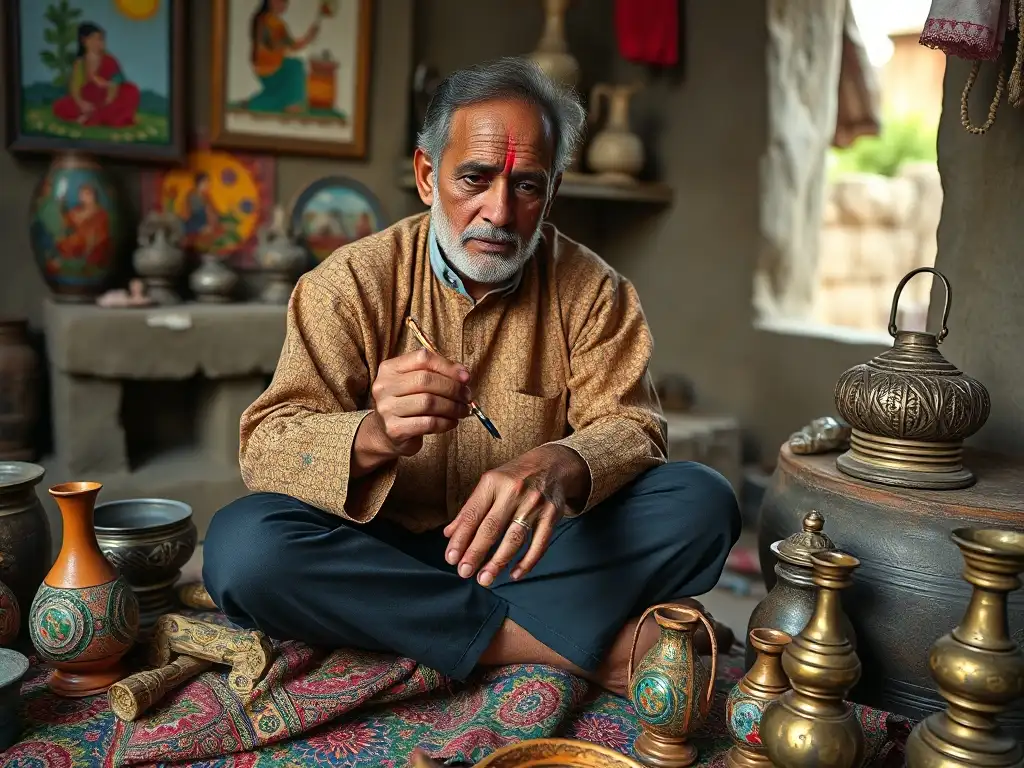
Welcome to Ancient India History, where we embark on a journey through the vibrant tapestry of India's past. Today, we invite you to dive into the enchanting world of Western India art and craftsmanship, a testament to the rich creativity and skill that flourished in this remarkable region. From intricate carvings to exquisite textiles, the legacy of these ancient artisans continues to inspire and captivate. As you explore the depths of this fascinating article, prepare to uncover the stories behind the masterpieces that defined a culture and shaped a civilization. Join us and let your curiosity lead the way!
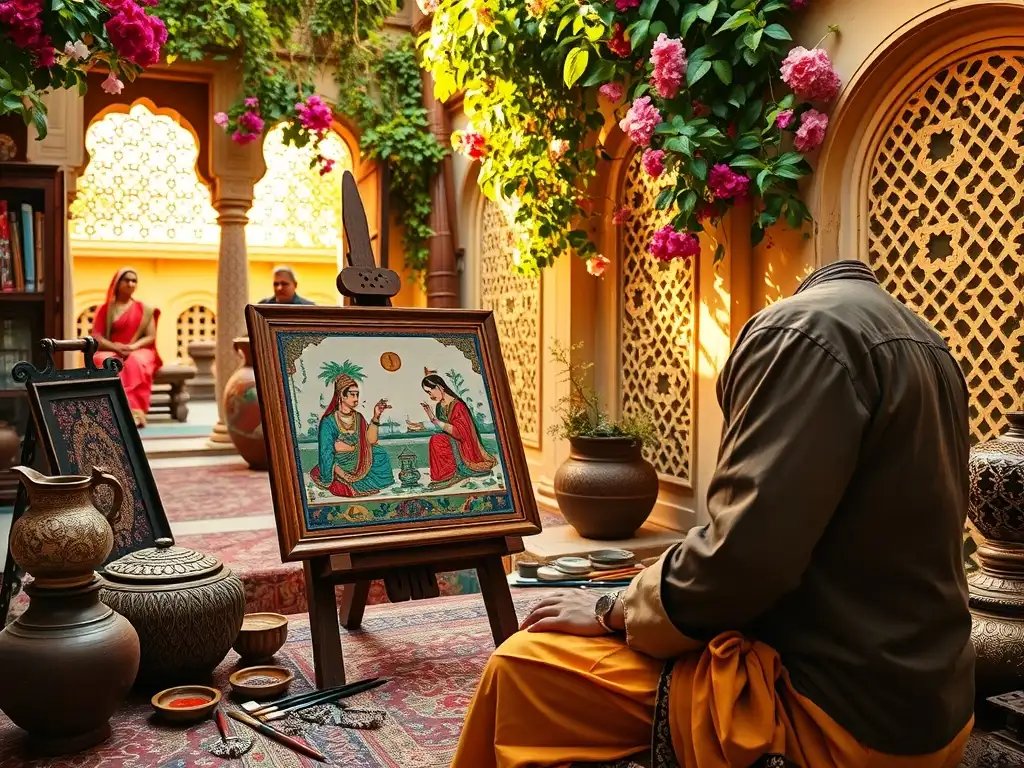
Western India has long been recognized as a cradle of artistic expression and craftsmanship, deeply rooted in its rich and diverse cultural heritage. From the intricate carvings of ancient temples to the vibrant textiles and pottery, the art of this region reflects a confluence of various influences and traditions that have evolved over centuries.
The craftsmanship of Western India is not merely a visual delight; it embodies the stories, beliefs, and values of the civilizations that thrived here. This article aims to explore the multifaceted realm of Western India art and craftsmanship, delving into its historical context, significant influences, and the enduring legacy that continues to inspire contemporary artisans.
Introduction to Western India Art and Craftsmanship
Overview of Western India's Cultural Heritage
Western India encompasses a variety of states, including Maharashtra, Gujarat, and Rajasthan, each contributing to a rich tapestry of artistic traditions. The cultural heritage of this region is characterized by:
- Diverse Artistic Expressions: From the ancient rock-cut caves of Ajanta and Ellora to the colorful murals of Rajasthan, artistic expressions vary widely.
- Craftsmanship: Skilled artisans have preserved and passed down techniques in textiles, pottery, metalwork, and woodcraft, showcasing a blend of functionality and artistry.
- Religious Influences: Many artworks reflect the spiritual and religious beliefs of the people, with themes drawn from Hinduism, Jainism, and Buddhism.
Significance of Art in Ancient Indian Civilizations
Art in ancient Indian civilizations served multiple purposes, including:
- Cultural Identity: Artifacts and artworks often represented the identity of various communities and dynasties.
- Historical Narratives: Many art forms acted as visual storytelling, chronicling historical events and social norms.
- Spiritual Connection: Art was frequently intertwined with spiritual practices, serving as a medium for devotion and connection to the divine.
Historical Context of Art and Craftsmanship in Western India
Ancient Influences on Western Indian Art
The evolution of Western Indian art has been shaped by various influences, such as:
- Indus Valley Civilization: Early examples of craftsmanship can be traced back to the Indus Valley, where intricate seals and pottery reflected advanced techniques.
- Mauryan and Gupta Periods: The introduction of new artistic styles and themes during these periods enriched the existing traditions, paving the way for more elaborate expressions.
The Role of Trade in Artistic Development
Trade routes played a pivotal role in the artistic development of Western India:
- Cultural Exchange: Contact with traders from Persia, Africa, and Southeast Asia facilitated the exchange of artistic ideas and materials.
- Economic Prosperity: The wealth generated through trade allowed for patronage of the arts, leading to the flourishing of craftsmanship in various forms.
Key Historical Periods and Their Contributions to Art
Several historical periods stand out for their contributions to Western Indian art:
- Chalukya Dynasty: Known for their intricate temple architecture and sculpture.
- Mughal Influence: The Mughal period introduced Persian aesthetics, which blended with local styles to create unique artistic expressions.
- Rajput Schools of Painting: These schools developed distinctive styles that emphasized vibrant colors and elaborate detailing, reflecting the cultural ethos of the time.
The art and craftsmanship of Western India represent a legacy of creativity that has been shaped by its historical context, cultural influences, and the interplay of various traditions. As we delve deeper into the specifics of this artistic journey, we will uncover the nuances that make Western Indian art a significant chapter in the annals of ancient history.
Major Forms of Art in Western India
Western India is renowned for its rich tapestry of art and craftsmanship that reflects a blend of cultural influences, historical narratives, and regional traditions. The art forms in this region range from intricate paintings and sculptures to exquisite textiles, each contributing to the legacy of creativity that defines Western India's artistic heritage. This section explores various major forms of art, including painting styles, sculpture, and textile craftsmanship, showcasing the unique characteristics that set them apart.
Traditional Painting Styles
Traditional painting styles in Western India are notable for their vibrant colors, intricate patterns, and cultural significance. Among the most famous styles are:
- Madhubani Painting: Originating from the Mithila region, these paintings are characterized by their detailed lines and bright colors, often depicting mythological themes, nature, and daily life.
- Warli Art: This tribal art form from Maharashtra utilizes simple geometric shapes to represent human figures and animals, often reflecting the harmony of nature and tribal lifestyle.
- Pattachitra: Known for its intricate details and mythological narratives, this Odisha-style painting has found its way into Western India, especially in Gujarat. The use of natural colors and the storytelling aspect make it highly revered.
- Gond Art: A vibrant tribal art form that primarily uses dots and lines to create elaborate patterns and designs, often illustrating the artist's connection with nature and spirituality.
These painting styles not only serve aesthetic purposes but also function as a means of storytelling, preserving cultural heritage, and expressing community identity.
Sculpture and Carving Traditions
Sculpture and carving traditions in Western India exhibit remarkable craftsmanship, with a focus on religious themes and intricate designs. The major types include:
- Stone Carvings: The ancient temples of Western India, such as the Sun Temple in Modhera and the Dilwara Temples in Mount Abu, showcase exceptional stone carvings that depict deities, mythological scenes, and floral motifs. The precision and detail of these carvings attest to the skill of the artisans.
- Bronze Sculptures: Particularly prominent in Maharashtra, bronze sculptures often represent Hindu deities and are crafted using the lost-wax casting technique. The Chhatrapati Shivaji Maharaj statue is a notable example of this tradition.
- Wooden Carvings: The intricate wooden carvings found in doorways and windows of traditional homes, especially in Gujarat and Rajasthan, reflect the local craftsmanship and aesthetic sensibilities. These carvings often feature floral patterns and geometric designs.
These sculptural forms not only serve religious purposes but also enhance the architectural beauty of temples and heritage sites throughout the region.
Textile Art and Craftsmanship
Textile art in Western India is a vivid expression of creativity that encompasses a variety of techniques and styles. Key highlights include:
- Bandhani: This tie-dye technique from Gujarat involves intricate patterns created by tightly tying the fabric before dyeing. The result is a stunning array of colors and designs, often used in traditional garments.
- Patola Silk Weaving: A hallmark of Gujarat, Patola is one of the most intricate forms of silk weaving, known for its double ikat technique. The vibrant colors and detailed patterns make Patola sarees highly sought after.
- Kutch Embroidery: Originating from the Kutch region, this form of embroidery is characterized by its vibrant colors and mirror work, often used in traditional garments and home decor.
- Ajrak Printing: This traditional block printing technique from Maharashtra and Gujarat uses natural dyes and intricate patterns, creating unique textiles that are used in clothing and furnishings.
These textile arts not only reflect the rich cultural heritage of Western India but also showcase the skilled craftsmanship that has been passed down through generations.
Notable Regions and Their Artistic Contributions
Western India is home to several regions that have made significant contributions to the art and craftsmanship landscape. Each region possesses its unique styles and traditions that reflect local culture and history.
Gujarat: The Hub of Art and Craftsmanship
Gujarat stands out as a vibrant hub of art and craftsmanship, known for its diverse traditional arts. The state's rich cultural heritage is encapsulated in its textiles, pottery, and paintings. The intricate work of artisans can be seen in the famous Patola silk sarees, Bandhani textiles, and the exquisite handicrafts of Kutch. Furthermore, Gujarat's folk art, including Warli and Pattachitra, provides insight into the local traditions and storytelling practices. The state's commitment to preserving these art forms through various fairs and exhibitions enhances its reputation as a center of creativity.
Maharashtra: A Blend of Tradition and Modernity
Maharashtra showcases a fascinating blend of traditional art forms and contemporary influences. The state's artistic heritage includes Warli and Gond art, both of which have gained national recognition. The vibrant culture of Maharashtra is also reflected in its theater, dance forms, and music, which often incorporate visual art. Additionally, the influence of modern artists has led to innovative expressions that draw from traditional techniques while embracing contemporary themes. This dynamic artistic environment makes Maharashtra a significant player in the realm of Indian art and craftsmanship.
Rajasthan: A Melting Pot of Cultures
Rajasthan's artistic contributions are steeped in history, owing to its rich tapestry of cultures and traditions. The state's famous for its intricate miniature paintings, royal palaces decorated with frescoes, and vibrant textiles like block-printed fabrics and embroidered garments. The craftsmanship of Rajasthani artisans is evident in their pottery, metalwork, and jewelry making. The annual Pushkar Camel Fair and other cultural festivals highlight Rajasthan's dedication to preserving its artistic heritage while promoting it to a global audience. This melting pot of cultures makes Rajasthan a vital region for understanding the diverse art and craftsmanship of Western India.
Contemporary Expressions of Western Indian Art
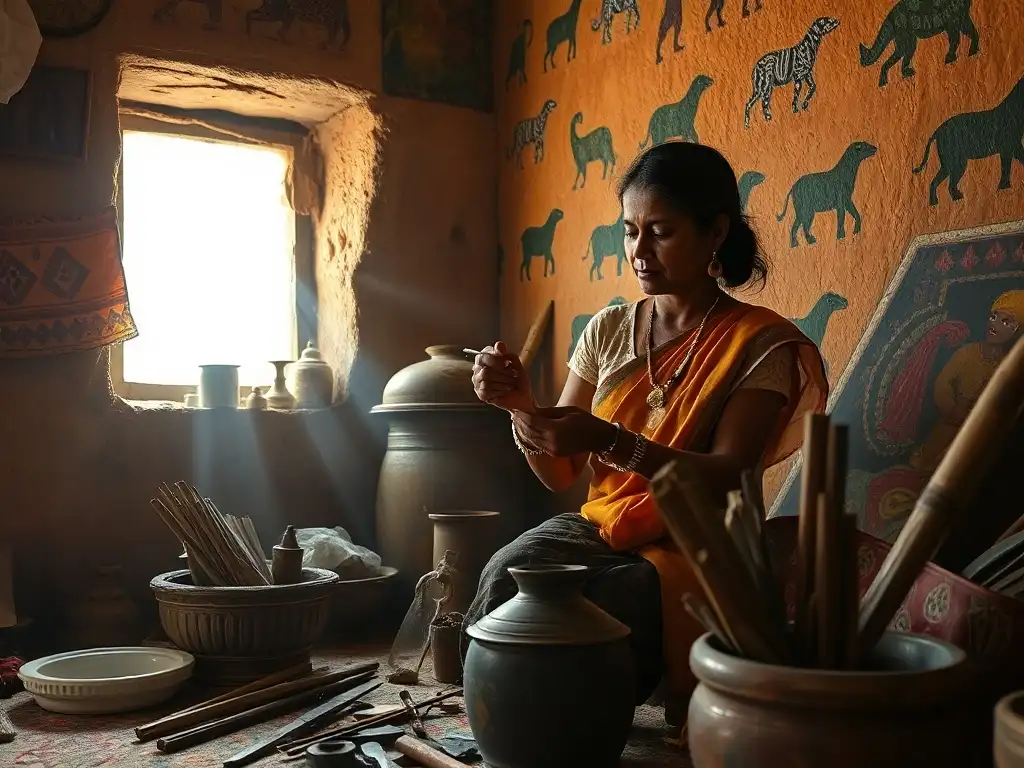
Western India is a vibrant tapestry of artistic expression, where traditional techniques and modern influences blend seamlessly. Artists from this region have embraced both age-old practices and contemporary styles, resulting in a dynamic art scene that reflects the cultural diversity of the area. From intricate textiles to innovative sculptures, the contemporary expressions of Western Indian art are characterized by their ability to communicate stories, emotions, and social messages, often drawing inspiration from the rich historical legacy of the region.
In cities like Mumbai, the fusion of traditional motifs with modern aesthetics has given rise to unique art forms. Many contemporary artists experiment with mediums such as digital art, installations, and performance, while still paying homage to their roots. This interplay of tradition and innovation not only enhances the visual appeal but also engages a broader audience, inviting them to explore the complexities and nuances of Western Indian culture through the lens of modern art.
Revival of Traditional Techniques in Modern Times
The revival of traditional techniques is a noteworthy trend in contemporary Western Indian art. Many artists and artisans are rediscovering and revitalizing ancient crafts, such as Warli painting, beadwork, and pottery, integrating them into modern designs and contexts. This resurgence is often motivated by a desire to preserve cultural heritage while making it relevant to today's audience.
For instance, the use of Warli art, which originally served as a form of communication among tribal communities, has found its place in contemporary interiors and fashion. Designers incorporate these traditional motifs into home decor, clothing, and accessories, thus bridging the gap between the past and the present. Workshops and training programs are also being established to teach these techniques to younger generations, ensuring that the skills are passed down and evolve with time.
The Impact of Globalization on Local Crafts
Globalization has significantly influenced Western Indian art and craftsmanship, introducing new markets and opportunities for artisans. The accessibility of international platforms allows local crafts to reach a global audience, fostering appreciation for Western Indian artistry beyond its geographical confines. This exposure has led to collaborations between local artisans and global designers, resulting in innovative products that marry traditional craftsmanship with contemporary design sensibilities.
However, globalization also poses challenges. The influx of mass-produced goods can overshadow traditional crafts, leading to a decline in demand for handmade products. Artisans often struggle to compete with cheaper imports, which may threaten the viability of traditional practices. To combat this, there is a growing movement aimed at promoting the value of handcrafted items, emphasizing their uniqueness and the stories behind them.
Preservation of Western Indian Art and Craftsmanship
The preservation of Western Indian art and craftsmanship is crucial for maintaining the region's cultural identity. Various initiatives are being undertaken to safeguard traditional practices and ensure that they thrive in a rapidly changing world. These efforts involve collaboration between government bodies, non-profits, and local communities, highlighting the importance of collective action in the preservation process.
One key aspect of preservation is documentation. Various organizations are working to catalog traditional techniques, materials, and forms of art, creating a comprehensive archive that can serve as a resource for future generations. Additionally, festivals and exhibitions dedicated to showcasing Western Indian art provide platforms for artisans to display their work, ensuring that these traditions continue to receive recognition and appreciation.
Initiatives for Conservation and Promotion
Numerous initiatives have emerged to promote and conserve Western Indian art and craftsmanship. Government programs often provide financial support and training to artisans, enabling them to refine their skills and adapt to market demands. Organizations focused on cultural heritage play a pivotal role in organizing workshops, exhibitions, and fairs that not only highlight local crafts but also educate the public about their historical significance.
Moreover, collaborations with educational institutions have been established to integrate traditional arts into curricula, fostering a sense of pride and ownership among younger generations. These initiatives aim to create a sustainable ecosystem where traditional craftsmanship is valued and nurtured, ensuring its continuity for years to come.
Challenges Faced by Artisans in the Modern Era
Despite the positive strides towards preservation, artisans in Western India face numerous challenges in the modern era. Economic pressures are one of the most significant hurdles. Many artisans struggle to make a living due to the rising costs of materials and competition from cheaper mass-produced alternatives. This financial strain can discourage young people from pursuing traditional crafts, leading to a decline in skilled artisans.
Additionally, the lack of access to modern marketing tools and platforms can limit artisans' reach to potential buyers. While globalization has opened new markets, many local craftsmen lack the resources to effectively promote their work online or through social media. This gap highlights the need for targeted support and training to empower artisans in navigating the contemporary marketplace while preserving their unique artistic heritage.
While the art and craftsmanship of Western India face challenges, ongoing efforts to revive traditional techniques and promote local crafts provide hope for a vibrant future. Embracing both heritage and innovation will ensure that the legacy of creativity continues to thrive in this culturally rich region.
Conclusion: The Enduring Legacy of Western India Art and Craftsmanship
The artistic heritage of Western India stands as a testament to the region's rich cultural tapestry and its enduring legacy. From the sophisticated sculptures of the ancient caves at Ajanta and Ellora to the intricate textile patterns of Gujarat, the craftsmanship of Western India reflects a confluence of tradition, spirituality, and innovation. This legacy not only showcases the artistic prowess of ancient artisans but also serves as a source of inspiration for contemporary artists and craftspeople.
The region's art and craftsmanship continue to thrive, adapting to modern sensibilities while retaining the essence of their historical roots. As we reflect on this legacy, it becomes clear that the art and craftsmanship of Western India are not merely relics of the past; they are living traditions that enrich our present and future.
The Importance of Cultural Preservation
Cultural preservation is vital for maintaining the identity and history of Western India. As globalization and modernization threaten to dilute traditional practices, efforts to safeguard these artistic expressions become increasingly crucial. Preserving art forms such as Warli painting, Patola weaving, and stone carving not only honors the skills and stories of past generations but also fosters a sense of community and belonging among artisans.
Initiatives aimed at documenting techniques, supporting local artists, and promoting traditional crafts ensure that the knowledge is passed down through generations. By valuing and preserving these cultural expressions, we can celebrate the diversity of Western India's heritage and encourage future innovation rooted in tradition.
Future Prospects for Western Indian Artistic Traditions
The future of Western Indian artistic traditions appears promising, driven by a growing appreciation for heritage crafts and sustainable practices. There is an increasing demand for authentic, handcrafted products in both domestic and international markets, encouraging artisans to innovate while staying true to their roots. Collaborative projects between traditional artisans and contemporary designers are emerging, resulting in unique fusions that attract a wider audience.
Moreover, social media and digital platforms provide artisans with new avenues to showcase their work, connect with consumers, and share their stories. As educational programs and workshops proliferate, the younger generation is becoming more engaged with traditional arts, ensuring that the skills and knowledge are preserved and adapted. The confluence of tradition and modernity will likely lead to a vibrant future for Western Indian art and craftsmanship, solidifying its role in the cultural landscape of India and beyond.
- Introduction to Western India Art and Craftsmanship
- Historical Context of Art and Craftsmanship in Western India
- Major Forms of Art in Western India
- Notable Regions and Their Artistic Contributions
- Contemporary Expressions of Western Indian Art
- Preservation of Western Indian Art and Craftsmanship
- Conclusion: The Enduring Legacy of Western India Art and Craftsmanship
Frequently Asked Questions
What are the main features of Western India art?
The art of Western India is characterized by its intricate designs, vibrant colors, and a blend of religious themes that reflect the region's cultural diversity.
How did craftsmanship evolve in Western India?
Western India’s craftsmanship evolved through centuries of influences, including royal patronage and trade, leading to the development of unique styles in textiles, pottery, and metalwork.
What role did religion play in Western Indian art?
Religion played a crucial role, often inspiring sculptures, paintings, and architecture that depict mythological stories and serve as a form of devotion in various temples and monuments.
Can you name some notable crafts from Western India?
Some notable crafts include block printing, embroidery, and terracotta pottery, each showcasing the skills and creativity of local artisans and their cultural heritage.
How does the art of Western India compare to other regions?
The art of Western India is distinct due to its regional materials, techniques, and influences, making it unique when compared to the art forms of Northern or Southern India.
Final Reflection: Celebrating the Legacy of Western India’s Art and Craftsmanship
The rich tapestry of Western India’s art and craftsmanship is not just a relic of the past; it is a vibrant expression of cultural identity that resonates deeply in today’s world. As we navigate an increasingly globalized society, the unique artistic traditions of this region remind us of the importance of preserving our heritage while embracing innovation. The intricate designs, vibrant colors, and skilled techniques that define Western Indian art are not merely aesthetic choices; they are a testament to the resilience and creativity of its people.
The influence of Western India’s artistic heritage extends far beyond its geographical boundaries, shaping contemporary art and design across the globe. From traditional textiles to modern interpretations of ancient crafts, the legacy of Western Indian artisans continues to inspire new generations of creators. As the renowned artist Anjolie Ela Menon once said, Art is not what you see, but what you make others see.
This sentiment encapsulates the transformative power of art, inviting us to engage with the world through a lens of creativity and cultural appreciation.
As we reflect on the significance of Western India’s art and craftsmanship, let us commit to honoring and promoting these traditions in our own lives. Take a moment to explore the local artisans in your community, support their work, and share their stories. By doing so, you not only celebrate the rich heritage of Western India but also contribute to a global dialogue about creativity, sustainability, and the importance of cultural preservation. Embrace the legacy of creativity that has shaped our world, and let it inspire your own journey of artistic exploration.
Unleash Your Inner Artisan: Dive into Western India's Craftsmanship!
Thank you for exploring the rich tapestry of creativity that Western India has to offer! Your journey through the artistry and craftsmanship discussed in this article showcases the deep cultural heritage and skills that have flourished over centuries. Now, let’s take that inspiration and turn it into action—your next adventure awaits!
Here are some actionable steps you can take:
- Start creating! Try your hand at a craft from Western India, whether it's pottery, weaving, or painting. Share your creations on social media to celebrate these timeless art forms.
- Join local workshops or classes focused on traditional crafts. Connect with artisans who can guide you in mastering these beautiful techniques.
- Spread the word! Share this article with friends or communities interested in cultural heritage, and spark conversations about the importance of preserving these art forms.
Which piece of craftsmanship from Western India resonates most with you, and how do you plan to carry that legacy forward in your own life?