
Religious Diversity in Western India: Temples of Ancient Faith

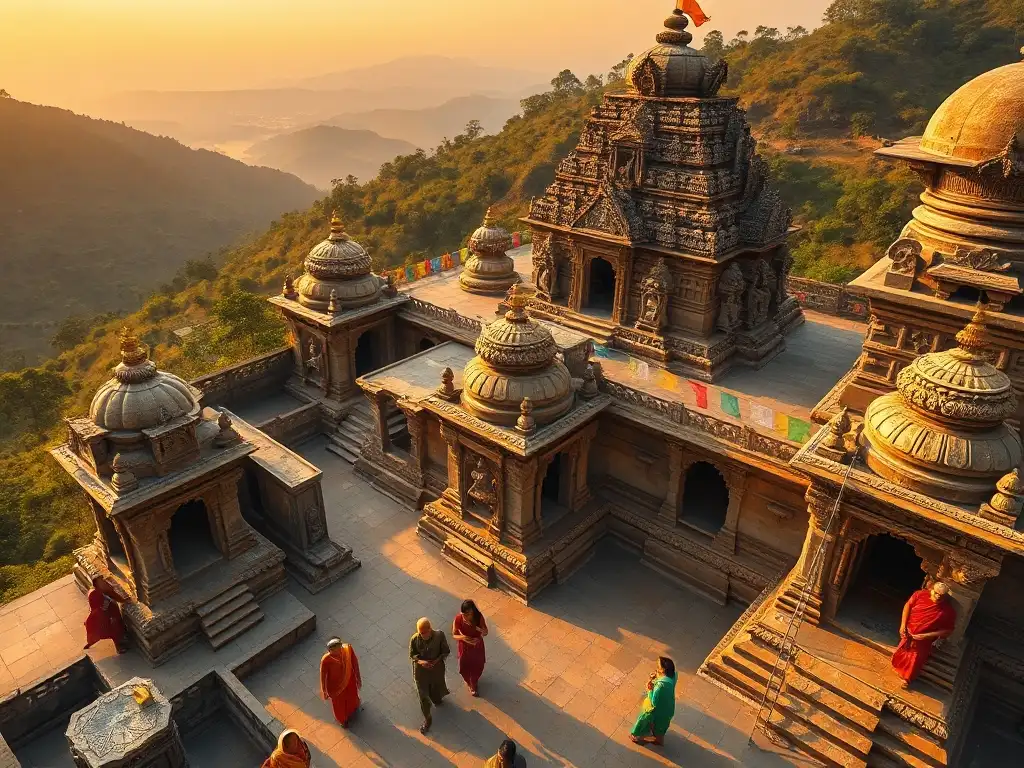
Welcome to Ancient India History, where we embark on a fascinating journey through the rich and diverse tapestry of ancient Indian civilizations. Today, we delve into the Ancient temples of Western India, exploring the intricate stories and spiritual significance behind these remarkable structures. As we uncover the religious diversity and architectural marvels of this region, you'll discover how these ancient sanctuaries reflect the profound cultural and spiritual heritage of India. Join us in this exploration, and let the wonders of the past ignite your curiosity for what lies ahead!
- Introduction to Religious Diversity in Western India
- Historical Context of Ancient Temples in Western India
- Major Ancient Temples of Western India
- Diverse Faiths Represented in Western India
- Preservation and Cultural Significance of Ancient Temples
- Conclusion: The Legacy of Ancient Temples in Western India
-
Frequently Asked Questions
- What are the main ancient temples of Western India?
- How does the architecture of these temples reflect ancient Indian culture?
- What role did religion play in the construction of these temples?
- How did the Gupta Empire influence temple architecture in Western India?
- What is the significance of these temples in contemporary Indian society?
- Final Reflection: Embracing the Tapestry of Ancient Faiths
- Explore and Celebrate Religious Diversity Today!
Introduction to Religious Diversity in Western India
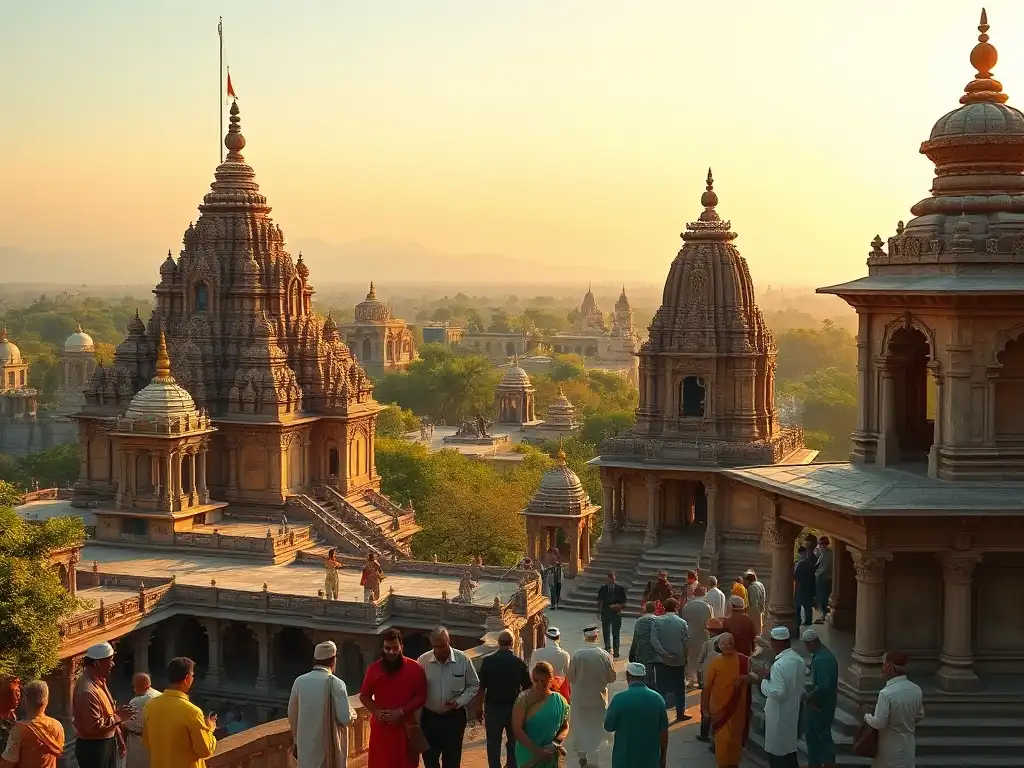
Western India, a region steeped in history and tradition, serves as a vibrant tapestry woven with diverse strands of religious beliefs and practices. From the sacred banks of the Saraswati River to the majestic hills of the Western Ghats, the ancient temples of Western India stand as testaments to the region's rich spiritual legacy.
These temples are not merely places of worship; they embody the philosophical, artistic, and social dimensions of the civilizations that flourished in this part of the subcontinent. Exploring the ancient temples of Western India offers invaluable insights into the myriad faiths that have coexisted, influenced one another, and contributed to the cultural mosaic that characterizes this area.
In this article, we will delve into the significance of these ancient temples, examining their architectural marvels, religious practices, and the historical contexts in which they were built. We will also highlight the interplay between various faiths, showcasing how the spiritual landscape of Western India evolved over centuries, reflecting a unique blend of indigenous and external influences. By understanding the religious diversity represented in these sacred sites, we gain a deeper appreciation for the complexities of ancient Indian heritage.
Significance of Ancient Temples in Western India
The ancient temples of Western India are not only architectural wonders but also pivotal centers of community life and spiritual learning. They served as hubs for religious gatherings, festivals, and cultural activities, fostering a sense of belonging among devotees. The significance of these temples can be understood through several key aspects:
- Architectural Excellence: The temples showcase remarkable architectural styles that range from the intricate carvings of the Jain temples to the imposing structures of Hindu shrines. Each temple reflects the artistic sensibilities and technological advancements of its time.
- Cultural Syncretism: Many ancient temples in Western India are dedicated to multiple deities and incorporate elements from various religious traditions. This syncretism illustrates the harmonious coexistence of different faiths, including Hinduism, Jainism, Buddhism, and Islam.
- Historical Records: Temples often serve as repositories of history, with inscriptions and sculptures that provide insights into the socio-political landscapes of their times. They document the patronage of various dynasties, such as the Chalukyas, Rashtrakutas, and Marathas, highlighting their contributions to the region's religious and cultural life.
- Pilgrimage Centers: Temples like Somnath, Dwarka, and Mahakaleshwar have been revered pilgrimage sites, attracting thousands of devotees. These temples hold immense spiritual significance and are integral to the religious identity of the region.
Overview of Cultural Heritage and Ancient Faiths
The cultural heritage of Western India is deeply intertwined with its ancient faiths, each contributing to the region's spiritual landscape. The diversity of these faiths is reflected in the myriad temples that dot the landscape, each narrating its own story of devotion and artistry.
- Hindu Temples: Dominating the landscape, Hindu temples are dedicated to a plethora of deities, each representing different aspects of life and nature. Iconic temples such as the Eklingji Temple and the famous Khajuraho group highlight the artistic brilliance and devotion of the time.
- Jain Temples: Known for their exquisite craftsmanship, Jain temples like those in Ranakpur and Mount Abu exemplify the principles of non-violence and asceticism central to Jain philosophy. These temples are adorned with intricate marble carvings and provide a glimpse into Jain cosmology.
- Buddhist Sites: The ancient caves of Ajanta and Ellora serve as monumental reminders of Buddhism's historical presence in Western India. These caves feature stunning rock-cut architecture and intricate frescoes that depict the life of the Buddha and various Jataka tales.
- Islamic Influences: The arrival of Islam in Western India brought new architectural styles and religious practices. Temples that were later converted into mosques or built alongside existing temples reflect the region's evolving religious dynamics.
The ancient temples of Western India are not merely relics of the past; they are living embodiments of the region's rich cultural heritage and religious diversity. As we explore these sacred spaces, we uncover the profound connections between faith, architecture, and the historical narratives that shape the identity of Western India.
Historical Context of Ancient Temples in Western India
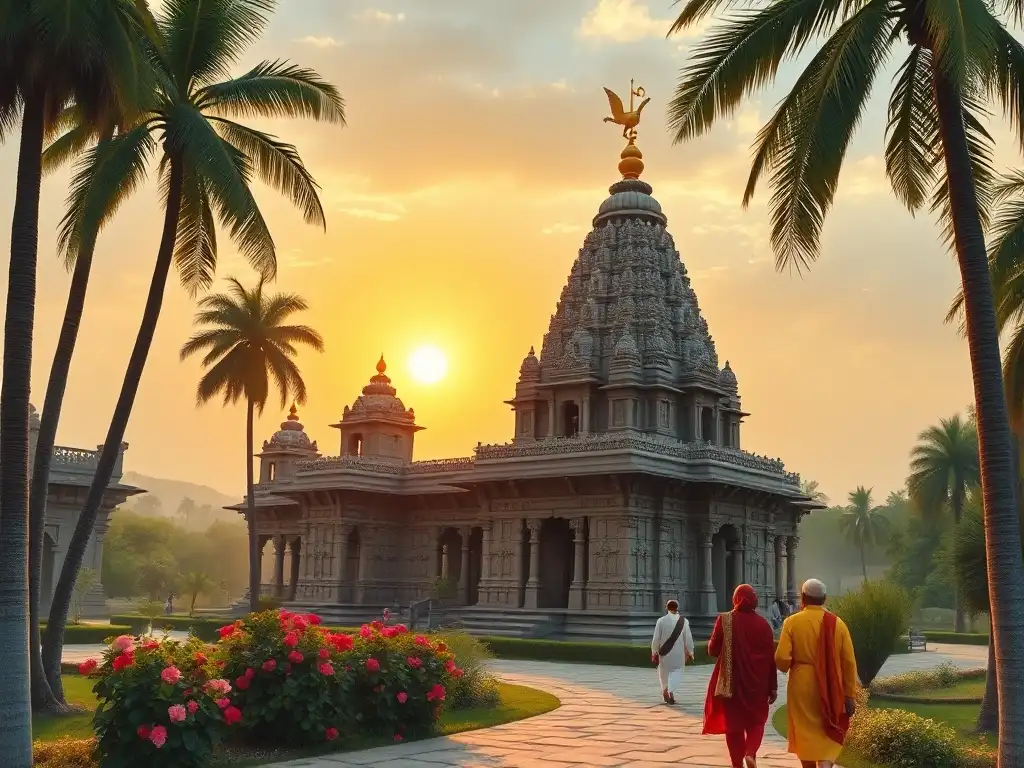
The historical context of ancient temples in Western India is deeply intertwined with the region's religious practices, cultural exchanges, and architectural innovations. The temples serve not only as places of worship but also as repositories of art, philosophy, and community life. Their evolution reflects the diverse spiritual landscape of the region, influenced by various religious traditions including Hinduism, Buddhism, and Jainism.
The ancient temples of Western India can be traced back to the Indus Valley Civilization, where archaeological findings suggest early forms of worship and ritual practices. As time progressed, the arrival of new religious ideologies and the patronage of powerful dynasties led to a significant transformation in temple architecture and function. Temples became central to societal organization, often serving as hubs for pilgrimage, education, and social gatherings.
Evolution of Religious Practices in the Region
Religious practices in Western India evolved significantly from the Vedic period through the medieval era, incorporating a variety of beliefs and rituals that shaped the construction and design of temples.
- Vedic Influence: The earliest forms of worship were centered around fire rituals and nature deities, which later transitioned into more structured temple worship as the region saw the rise of urban settlements.
- Buddhism's Impact: The advent of Buddhism in the 3rd century BCE brought significant architectural styles, such as rock-cut caves like those at Ajanta and Ellora. These sites illustrate the early integration of monastic life with temple practices.
- Jainism: Jain temples, characterized by intricate carvings and unique architectural styles, emerged around the same time, reflecting the region's pluralistic nature.
- Hindu Revival: The resurgence of Hinduism during the Gupta period (4th to 6th centuries CE) led to the construction of significant temples, which emphasized intricate sculptures and elaborate rituals. This era marked a notable shift towards the consolidation of Hindu deities as central figures in temple worship.
The evolution of these practices demonstrates a blend of indigenous and foreign influences, leading to a rich tapestry of spiritual expression that is still evident in the ancient temples of Western India today.
Influence of Major Dynasties on Temple Architecture
The architectural style and grandeur of ancient temples in Western India were profoundly shaped by the patronage of various dynasties. Each dynasty contributed unique characteristics that reflect their cultural values and religious beliefs.
- Mauryan Dynasty (322–185 BCE): The Mauryan period is known for the establishment of stupas and rock-cut architecture. Notably, the Great Stupa at Sanchi, though not in Western India, set a precedent for subsequent temple designs across the region.
- Gupta Empire (c. 240–550 CE): Often referred to as the Golden Age of India, the Gupta Empire saw a flourishing of temple architecture. The temples built during this period, such as those in Ujjain and the famous Dashavatara temple in Deogarh, exhibit intricate carvings and vibrant iconography that celebrate Hindu deities.
- Rashtrakuta Dynasty (c. 753–982 CE): The Rashtrakutas are renowned for their rock-cut temples, particularly the Kailasa temple at Ellora. This remarkable structure illustrates the zenith of rock-cut architecture, showcasing the dynasty's commitment to artistic and architectural excellence.
- Chalukya Dynasty (c. 543–753 CE): The Chalukyas contributed to temple architecture through their innovative styles, as seen in the temples at Badami and Aihole. Their temples often featured elaborate ornamentation and unique temple layouts, blending elements of both Hindu and Jain architectural traditions.
- Mughal Influence (16th–18th centuries): Although primarily associated with Islamic architecture, the Mughal period also saw the integration of Hindu motifs and styles, influencing temple designs, particularly in the later constructions in Western India.
The ancient temples of Western India not only reflect the religious diversity of the region but also serve as a testament to the dynamic interplay of culture, politics, and spirituality throughout history. The influences of various dynasties have left an indelible mark on temple architecture, creating a rich legacy that continues to inspire and engage scholars and visitors alike.
Major Ancient Temples of Western India
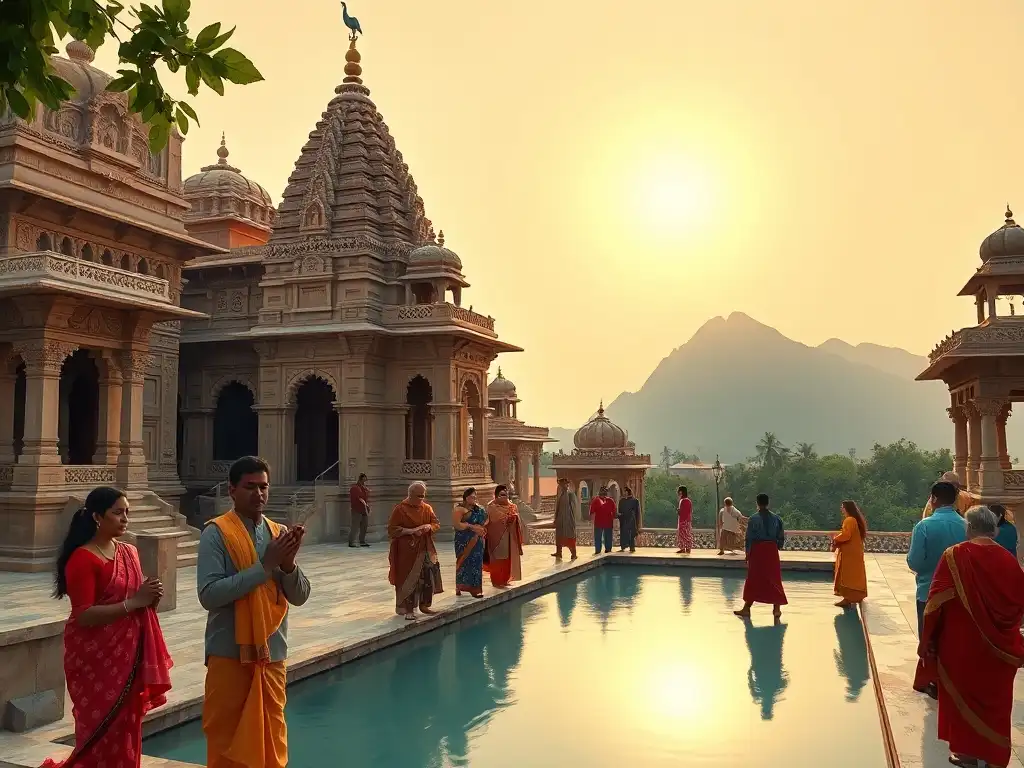
The Kailasa Temple at Ellora
Architectural Marvels and Historical Importance
The Kailasa Temple, located in the Ellora Caves of Maharashtra, stands as a monumental achievement in ancient Indian architecture. Carved from a single rock during the 8th century under the reign of the Rashtrakuta dynasty, this temple exemplifies the grandeur of rock-cut architecture. Measuring approximately 30 meters in height and 60 meters in length, it is a testament to the engineering prowess of the artisans of that era.
The temple is dedicated to Lord Shiva and is adorned with intricate sculptures and reliefs depicting various deities and mythological narratives. The sheer scale and detailed craftsmanship have earned it a designation as one of the largest monolithic structures in the world. The Kailasa Temple not only serves as a place of worship but also reflects the socio-political climate of its time, demonstrating the wealth and power of the Rashtrakutas.
Religious Significance in Hinduism and Jainism
The Kailasa Temple holds profound religious significance in both Hinduism and Jainism. For Hindus, it symbolizes the cosmic mountain, Mount Kailash, considered the abode of Lord Shiva. The temple's design and iconography resonate with Shaivite traditions, emphasizing devotion and the divine connection through its elaborate carvings.
Interestingly, it also reflects Jain influences, particularly in its portrayal of Tirthankaras, which indicates the syncretic nature of ancient Indian spirituality. The temple complex includes numerous smaller shrines, further underscoring its role as a pilgrimage site for followers of both faiths. This dual significance showcases the rich tapestry of religious diversity in ancient India, particularly in Western regions.
The Sun Temple at Modhera
Unique Features and Design Elements
The Sun Temple at Modhera, built in the early 11th century during the rule of the Solanki dynasty, is a remarkable example of temple architecture dedicated to the solar deity, Surya. The temple is renowned for its intricate carvings and its unique orientation towards the east, allowing the first rays of sunlight to illuminate the sanctum on the equinoxes.
A notable feature of the temple is its stepwell, or "baoli," which is not only functional but also adds to the aesthetic appeal. The stepwell is adorned with exquisite sculptures and serves as a testament to the advanced water management techniques of the time. Moreover, the temple complex is surrounded by beautifully landscaped gardens that enhance its serenity and spiritual ambiance, making it a significant architectural and cultural landmark.
Role in Ancient Solar Worship
The Sun Temple at Modhera was a pivotal site for solar worship in ancient India. The temple's design incorporates elements that align with astronomical events, particularly the equinoxes and solstices. This alignment reflects the importance of solar deities in ancient Indian cosmology, where the sun was revered as a source of life and energy.
Festivals dedicated to Surya, such as the Uttarayan, were celebrated with great fervor at this temple, highlighting the cultural significance of solar worship in the region. The temple not only served as a place for rituals and ceremonies but also as a center for astronomical studies, showcasing the advanced understanding of celestial phenomena by ancient Indian scholars.
The Somnath Temple
The Somnath Temple, located in the Prabhas Patan near Veraval in the Saurashtra region of Gujarat, is one of the most revered pilgrimage sites in Hinduism. It is dedicated to Lord Shiva and is considered the first of the twelve Jyotirlinga shrines. The temple's rich history, adorned with tales of glory and resilience, reflects the spiritual and cultural ethos of ancient India.
Historical Background and Restoration Efforts
The origins of the Somnath Temple date back to ancient times, with the earliest references found in texts such as the Skanda Purana. The temple was believed to have been constructed around 200 BCE, making it a vital center for Shaivism. Throughout its history, Somnath faced numerous invasions and destructions, notably by Mahmud of Ghazni in the 11th century, who plundered the temple multiple times.
Restoration efforts began as early as the 19th century under the British Raj, with significant contributions from Sardar Vallabhbhai Patel after India's independence. In 1951, the temple was reconstructed, reflecting its original grandeur with intricate carvings and a majestic shikhara. Today, the Somnath Temple stands as a symbol of resilience and faith, attracting millions of devotees and tourists alike.
Cultural Impact and Pilgrimage Significance
The Somnath Temple is not just a religious site but a cultural icon that plays a crucial role in the spiritual landscape of India. It draws pilgrims from all over the country, especially during festivals like Mahashivaratri, which sees thousands of devotees paying homage to Lord Shiva.
The temple also serves as a venue for various cultural events, promoting traditional music, dance, and art forms associated with Hindu rituals. Its significance extends beyond religion, as it embodies the ethos of Indian identity and heritage, inspiring a sense of pride among Hindus. The temple’s narrative of destruction and regeneration symbolizes the enduring spirit of Indian civilization, making it an essential pilgrimage site for spiritual seekers.
The Dwarkadhish Temple
The Dwarkadhish Temple, situated in the coastal town of Dwarka in Gujarat, is another ancient temple of great significance. Dedicated to Lord Krishna, this temple is a major pilgrimage destination and is believed to be one of the original seven Moksha Puri (places of liberation).
Architectural Styles and Religious Traditions
The architectural style of the Dwarkadhish Temple is a blend of ancient Indian and modern Hindu architecture, characterized by intricate stone carvings, towering spires, and beautifully designed mandapas (pillared halls). The temple complex features a five-story structure adorned with exquisite carvings that depict various scenes from Hindu mythology.
The religious traditions at Dwarkadhish are deeply rooted in the worship of Lord Krishna, particularly his childhood exploits and his role as a divine guide. Rituals and festivals, such as Janmashtami and Holi, are celebrated with great enthusiasm, drawing large crowds of devotees who engage in prayers, dances, and communal feasts.
Connection to Lord Krishna and Local Legends
The Dwarkadhish Temple holds immense spiritual significance due to its association with Lord Krishna, who is believed to have established the city of Dwarka as his kingdom. According to local legends, the temple is built on the site where Krishna ruled and where he performed numerous miracles.
Numerous stories and scriptures, including the Mahabharata, enhance the temple’s allure, depicting Krishna's life, teachings, and divine play. The temple not only represents the historical and religious aspects of Krishna's life but also serves as a vital link connecting devotees to their cultural heritage. The annual rath yatra (chariot festival) is a testament to the temple's vibrant traditions and community involvement, making it a focal point for spiritual and cultural convergence in Western India.
Diverse Faiths Represented in Western India
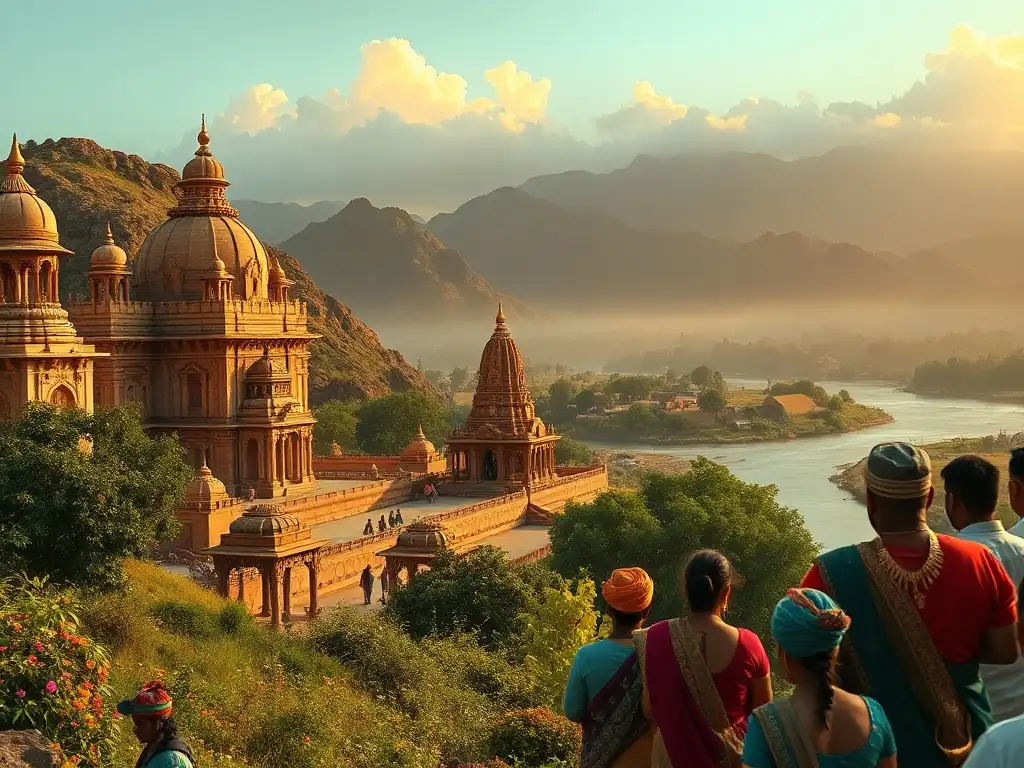
Hinduism: The Dominant Religion
Western India boasts a rich tapestry of religious traditions, with Hinduism standing as the most prominent faith. This region is home to numerous ancient temples that not only serve as places of worship but also as repositories of cultural heritage and artistic expression.
Hinduism in Western India is characterized by a variety of practices and beliefs that reflect the diverse sects and philosophies within the religion. Temples such as the Somnath Temple in Gujarat and the Mahakali Temple in Mumbai showcase intricate architectural styles and elaborate rituals, demonstrating the devotion of worshippers.
Key Practices and Beliefs in Temple Worship
- Ritual Offerings: Devotees engage in pujas, or worship rituals, which often include offerings of flowers, fruits, and incense. These offerings symbolize devotion and gratitude towards deities.
- Festivals: Major festivals such as Navratri and Diwali are celebrated with great fervor, attracting pilgrims from far and wide. These events often involve processions, dances, and communal feasting, reinforcing community bonds.
- Pilgrimage: Many Hindus undertake pilgrimages to significant temples, often referred to as tirthas. The Dwarka and Ujjain temples are notable pilgrimage sites that draw thousands annually, highlighting the faith's emphasis on spiritual journeys.
- Sacred Texts: Temples serve as centers for the recitation of sacred texts, including the Vedas and Upanishads. These texts form the philosophical foundation of Hindu beliefs and practices.
The architectural grandeur and spiritual significance of these ancient temples of Western India continue to attract scholars, tourists, and spiritual seekers alike.
Jainism: The Religion of Non-Violence
Jainism, another significant faith in Western India, emphasizes the principles of non-violence ( ahimsa), truth ( satya), and asceticism. The region is dotted with exquisite Jain temples, such as the Jain Temples of Ranakpur and the Dilwara Temples in Mount Abu, which are renowned for their stunning marble craftsmanship and intricate carvings.
Jain temples not only serve as places of worship but also as centers of learning and spirituality, fostering a deeper understanding of life’s ethical dimensions.
Temples as Centers of Learning and Spirituality
- Educational Institutions: Many Jain temples historically functioned as educational hubs, where scholars taught philosophy, mathematics, and sciences, contributing to intellectual advancements in ancient India.
- Community Gatherings: Jain temples often host community events and discussions that promote ethical living and spiritual growth, reinforcing the importance of sangha (community).
- Art and Architecture: The architectural style of Jain temples reflects their philosophical ideals, focusing on simplicity and tranquility. The ornate carvings often depict the lives of the Tirthankaras, serving as visual narratives of their teachings.
- Pilgrimage Sites: Just like Hinduism, Jainism encourages pilgrimage to sacred sites. Temples like Palitana are considered extremely holy and attract thousands of devotees who seek spiritual merit.
The ancient temples of Western India stand as a testament to the region's rich religious diversity, offering insights into the beliefs, practices, and contributions of both Hinduism and Jainism throughout history.
Buddhism’s Influence on the Region
Buddhism emerged in India during the 6th century BCE and became a significant religious and cultural force throughout the subcontinent, particularly in Western India. The region played a crucial role in the dissemination of Buddhist teachings and practices, supported by various kings and merchants who embraced the religion. Notably, the Mauryan Emperor Ashoka, who reigned in the 3rd century BCE, was instrumental in promoting Buddhism across his empire, including Western India. His efforts led to the establishment of numerous stupas, monastic complexes, and educational institutions that contributed to the growth of Buddhism.
The presence of Buddhism in Western India is marked by its syncretic nature, where the local beliefs and practices often intertwined with Buddhist doctrines. This blending is evident in the art and architecture of the region, where Buddhist motifs coexisted with indigenous styles. Furthermore, the rock-cut caves of Western India, such as those found in Ajanta and Ellora, showcase intricate carvings and sculptures that illustrate Buddhist narratives, reflecting the religion's impact on the cultural landscape.
Despite facing challenges from the rise of Hinduism and later Islamic influences, Buddhism's legacy remains visible in Western India. The teachings of the Buddha continue to inspire spiritual seekers, while archaeological sites serve as reminders of the region's rich Buddhist heritage. This historical significance highlights how Buddhism not only shaped the religious practices of the time but also influenced the social and cultural fabric of Western India.
Ancient Stupas and Their Historical Relevance
Ancient stupas are among the most iconic architectural forms associated with Buddhism, serving as reliquaries that house sacred relics. In Western India, stupas played a vital role in the spread of Buddhist practices and beliefs. The most famous of these is the Sanchi Stupa, located in Madhya Pradesh, which, while not in Western India strictly speaking, influenced nearby regions and their architectural developments. The stupas in Western India, such as the Kanheri Caves and the Ajanta Caves, are significant examples of how these structures were utilized for worship and meditation.
The stupas were not merely religious structures; they also served as centers for community gatherings and education. Pilgrims traveled from afar to pay homage, thereby fostering cultural exchange and trade. The design of these stupas—often featuring a dome-shaped structure, a square base, and a circumambulatory path—symbolizes the universe and the path to enlightenment, embodying key Buddhist principles.
Moreover, the decorative carvings and inscriptions found on the stupas provide invaluable insights into the socio-political dynamics of the era, including patronage by local rulers and the artistic expressions of the time. For instance, the presence of Brahmi script on some stupas indicates the literacy and the administrative complexities of ancient Indian society.
The ancient stupas of Western India not only serve as a testament to the architectural ingenuity of the period but also highlight the historical relevance of Buddhism in shaping the cultural and spiritual landscape of the region. These structures remind us of a time when diverse faiths coexisted, contributing to the rich tapestry of ancient Indian civilization.
Preservation and Cultural Significance of Ancient Temples
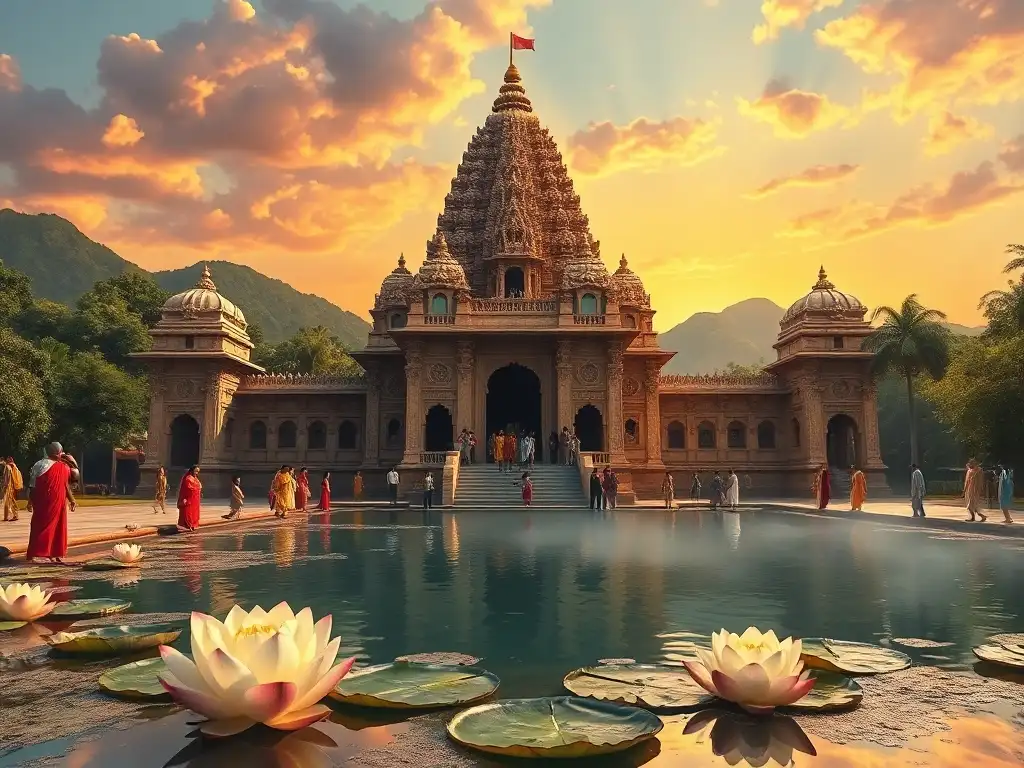
The ancient temples of Western India are not just architectural marvels but also serve as vital links to the region's rich cultural and religious past. Their preservation is critical for understanding the historical narratives, artistic expressions, and spiritual traditions that have shaped the identity of Western India over the centuries. These temples, many of which date back to the 6th century CE and beyond, encapsulate intricate carvings, sacred texts, and unique architectural styles that reflect the socio-religious dynamics of their time.
The preservation of these ancient structures is essential for several reasons, including the safeguarding of cultural heritage, the promotion of tourism, and the educational value they provide to future generations. Moreover, they continue to inspire contemporary artisans and architects, bridging the gap between the past and the present.
Efforts in Conserving Ancient Temples of Western India
The conservation of ancient temples in Western India involves a collaborative approach that brings together government bodies, non-profit organizations, and local communities. This multifaceted strategy aims to address the physical, cultural, and educational aspects of temple preservation.
Government and Community Initiatives
- Legislative Framework: The Archaeological Survey of India (ASI) has played a pivotal role in the protection and restoration of ancient temples. Laws such as the Ancient Monuments and Archaeological Sites and Remains Act (1958) provide a framework for the conservation of these sites.
- Restoration Projects: Numerous projects have been initiated to restore dilapidated temples. For instance, the restoration of the Sun Temple at Modhera has been a significant effort, involving both state and central government funding.
- Community Involvement: Local communities are often integral to conservation efforts. Initiatives like Heritage Walks and Awareness Campaigns encourage local residents to take pride in their cultural heritage, fostering a sense of ownership towards temple preservation.
- International Collaboration: Partnerships with international organizations, such as UNESCO, have attracted funding and expertise for various conservation projects, enhancing the preservation efforts of ancient temples.
- Digital Documentation: The use of technology in documenting temples has become increasingly important. 3D scanning and drone photography are being employed to create digital archives that help in monitoring the condition of temples and planning restoration activities.
The Role of Temples in Modern Religious Practices
The ancient temples of Western India continue to play a vital role in contemporary religious practices, extending their relevance beyond mere historical artifacts. They serve as active sites for worship, community gatherings, and cultural events, thus maintaining their spiritual significance.
Festivals and Rituals Celebrated Today
- Major Festivals: Temples are central to the celebration of numerous festivals, such as Navratri, Diwali, and Makar Sankranti. These events often attract thousands of devotees, fostering a vibrant communal spirit.
- Daily Rituals: Daily rituals, including puja (worship) and aarti (light offering), are integral to temple life. These practices not only preserve ancient traditions but also provide a spiritual framework for contemporary worshippers.
- Cultural Events: Many temples host cultural events, including music and dance performances, which reflect the rich artistic heritage of the region. These events help in educating the younger generation about their cultural roots.
- Pilgrimage Tourism: Temples are key attractions for pilgrimage tourism, drawing visitors from across the country and beyond. This influx of pilgrims not only supports the local economy but also promotes the preservation of cultural heritage.
- Interfaith Dialogues: Some temples also act as venues for interfaith dialogues, fostering understanding and respect among different religious communities in an increasingly pluralistic society.
The ancient temples of Western India are not only historical treasures but also living entities that continue to shape the cultural and spiritual landscape of the region. Their preservation and the ongoing religious practices surrounding them are vital for maintaining the rich tapestry of India's heritage.
Conclusion: The Legacy of Ancient Temples in Western India
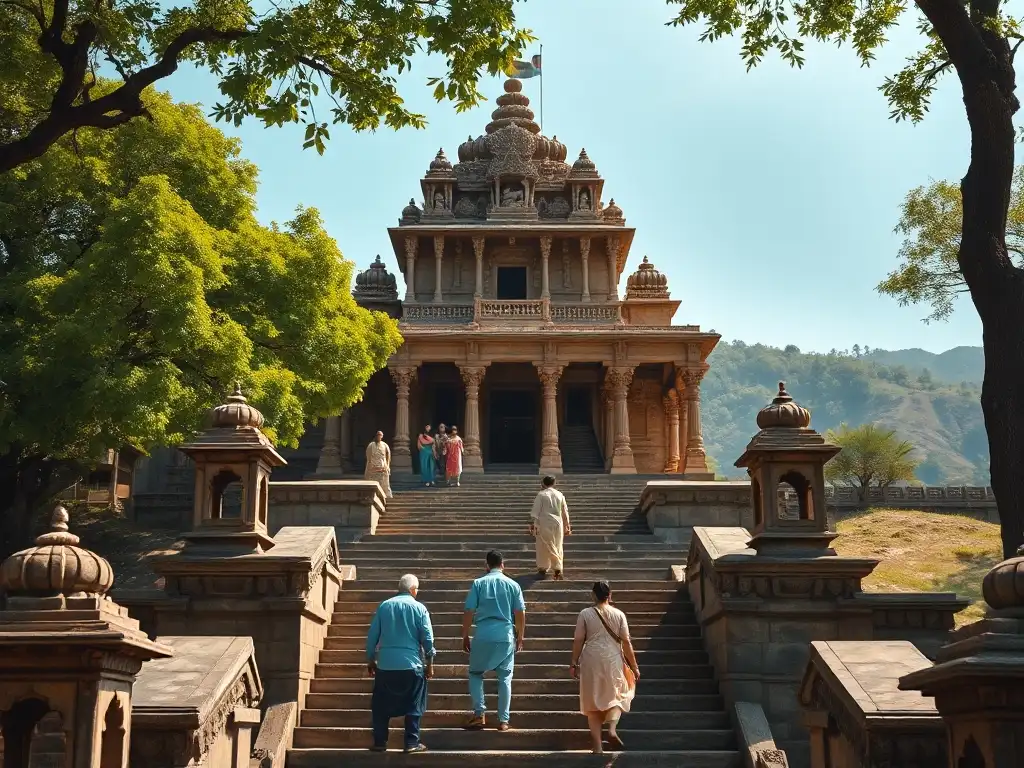
The ancient temples of Western India stand as monumental testaments to the region's rich tapestry of religious diversity and cultural heritage. These architectural marvels not only served as places of worship but also as centers of community, learning, and cultural expression. From the awe-inspiring carvings of the Khajuraho group to the serene architecture of the Elephanta Caves, these temples encapsulate the various faiths, including Hinduism, Jainism, and Buddhism, that flourished in this vibrant region.
As we explore the lasting impact of these sacred sites, it becomes evident that they have significantly shaped the socio-cultural landscape of Western India. The intricate designs and religious iconography found within these temples reflect the philosophical and theological debates of their time, offering insights into the spiritual lives of the communities that built and maintained them. Furthermore, the festivals and rituals associated with these temples continue to play a crucial role in the daily lives of the local populations, fostering a sense of identity and continuity amidst the changing tides of modernity.
Lasting Impact on Culture and Identity
The ancient temples of Western India have left an indelible mark on the region's culture and identity. They are not merely remnants of the past; they are living monuments that continue to influence contemporary practices and beliefs. The architectural styles and artistic expressions found in these temples have inspired generations of artisans, sculptors, and architects, contributing to a distinctive regional aesthetic that is celebrated today.
- Cultural Festivals: Many temples host annual festivals that attract pilgrims and tourists alike, reinforcing community bonds and providing a platform for cultural exchange. These events often involve traditional music, dance, and art, showcasing the region's rich artistic heritage.
- Pilgrimage and Tourism: The temples serve as pilgrimage sites for devotees, drawing people from far and wide. This not only preserves the spiritual significance of these locations but also contributes to the local economy through tourism.
- Educational Centers: Historically, many temples functioned as centers of learning, where scholars engaged in philosophical discourse and the study of scriptures. This tradition of scholarship continues, with temples often hosting seminars and discussions on religious texts and cultural heritage.
The temples' role in shaping local identity cannot be overstated. They stand as symbols of resilience and continuity, reflecting the diverse beliefs that have coexisted in this region for centuries.
Future Prospects for Religious Diversity and Heritage Preservation
Looking ahead, the future of religious diversity and heritage preservation in Western India is both promising and challenging. As modernity and globalization exert their influence, the ancient temples face the dual pressures of maintaining their relevance and adapting to contemporary needs.
- Heritage Conservation Efforts: There is a growing recognition of the importance of preserving these ancient sites. Various governmental and non-governmental organizations are working to ensure that the temples are maintained, restored, and protected from environmental degradation and urban encroachment. This includes initiatives to document and archive the history and significance of these sites for future generations.
- Community Involvement: Engaging local communities in preservation efforts is crucial. By fostering a sense of ownership and pride in their heritage, communities are more likely to participate actively in safeguarding their temples and the traditions associated with them.
- Interfaith Dialogues: Promoting interfaith dialogues and collaborations can enhance the understanding and appreciation of the region's religious diversity. These initiatives can help mitigate communal tensions and foster a spirit of unity among different faith groups.
- Sustainable Tourism: Developing sustainable tourism practices around these ancient temples can provide economic benefits while ensuring that their cultural integrity is preserved. This includes responsible visitor management and educational programs that emphasize the historical and spiritual significance of these sites.
The ancient temples of Western India are not merely relics of a bygone era; they are vibrant symbols of faith, culture, and community that continue to inspire and shape the identity of the region. As we move forward, a commitment to preserving this rich heritage will be essential in nurturing the diverse tapestry of beliefs that characterizes Western India.
Frequently Asked Questions
What are the main ancient temples of Western India?
Western India is home to several historic temples, such as the Sun Temple in Modhera and the Mahakali Temple in Mumbai, showcasing the region's religious diversity.
How does the architecture of these temples reflect ancient Indian culture?
The architectural styles of ancient temples in Western India, like Solanki and Chalukya, reflect the cultural richness and artistic innovations of their respective periods.
What role did religion play in the construction of these temples?
Religion served as a driving force behind the construction of temples, as they were built to honor deities and promote spiritual practices, thus fostering community identity.
How did the Gupta Empire influence temple architecture in Western India?
The Gupta Empire is known for its golden age of art and culture, which significantly influenced temple architecture, leading to more intricate carvings and structural innovations.
What is the significance of these temples in contemporary Indian society?
Today, ancient temples in Western India symbolize both cultural heritage and spiritual identity, attracting pilgrims and tourists, and serving as sites for historical education.
Final Reflection: Embracing the Tapestry of Ancient Faiths
The exploration of ancient temples of Western India reveals a profound truth about our shared humanity: the celebration of religious diversity is not just a relic of the past, but a vital aspect of our present and future. In a world increasingly marked by division, the harmonious coexistence of various faiths within these ancient structures serves as a powerful reminder of the beauty that arises when different cultures and beliefs intertwine. The temples stand not only as architectural marvels but as living testaments to the resilience and adaptability of faith through centuries.
Cultural landscapes are continuously shaped by the legacies of our ancestors, and the ancient temples of Western India are pivotal in this ongoing narrative. These sacred spaces foster a sense of belonging and community, allowing individuals to connect with their heritage while also embracing the diversity around them. As Mahatma Gandhi once said, “Our ability to reach unity in diversity will be the beauty and the test of our civilization.” This quote encapsulates the essence of what these temples represent: a unifying force that encourages dialogue and understanding among different faiths.
As you reflect on the rich tapestry of beliefs that these ancient temples embody, I invite you to consider how you can contribute to this spirit of inclusivity in your own life. Take a moment to appreciate the diversity around you, engage with different cultures, and foster connections that transcend boundaries.
By doing so, you not only honor the legacy of these ancient faiths but also help weave a brighter, more harmonious future for all. Let the lessons learned from the temples inspire you to embrace diversity as a strength, enriching both your life and the lives of those around you.
Explore and Celebrate Religious Diversity Today!
Thank you for joining us on this enlightening journey through the vibrant tapestry of ancient faiths in Western India! We hope you gained valuable insights into the rich religious diversity that shapes this region. Now, it's time to take the next step and bring this knowledge to life!
- Visit a local temple or spiritual site that represents a faith different from your own, and immerse yourself in its history and culture.
- Share your newfound knowledge with friends and family, whether through engaging conversations or by writing a blog post about your experiences.
- Join or organize a community event centered on promoting religious harmony, fostering understanding and appreciation of diverse traditions.
What new perspectives will you discover when you engage with the religious practices and beliefs of those around you? We invite you to share your thoughts in the comments below!