
The Significance of Western Indian Textiles in Ancient Trade

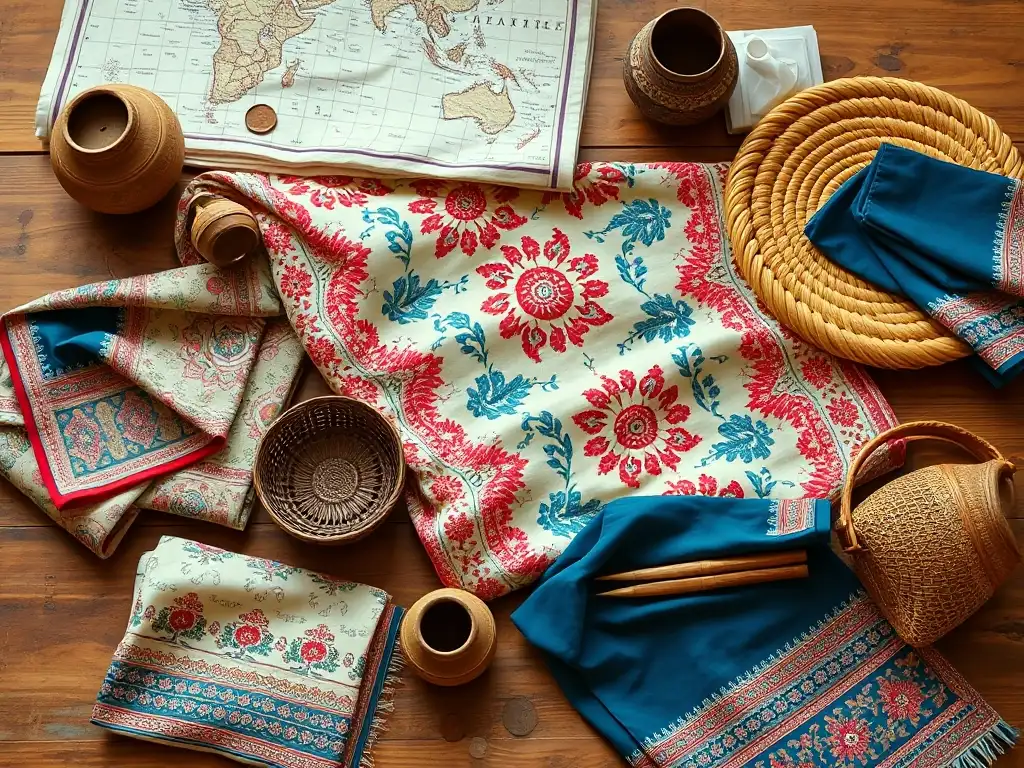
Welcome to Ancient India History, where we embark on a journey through time to uncover the rich tapestry of India's past. In our latest article, "The Significance of Western Indian Textiles in Ancient Trade," we delve into the intricate world of textile production and trade that flourished in western India, revealing how these exquisite fabrics not only adorned the elite but also played a pivotal role in the economic and cultural exchanges of ancient civilizations.
Prepare to be captivated as we unearth stories of artistry, commerce, and the enduring legacy of these vibrant textiles. Join us as we explore the threads that wove together diverse cultures and civilizations, inviting you to delve deeper into the fascinating history that awaits!
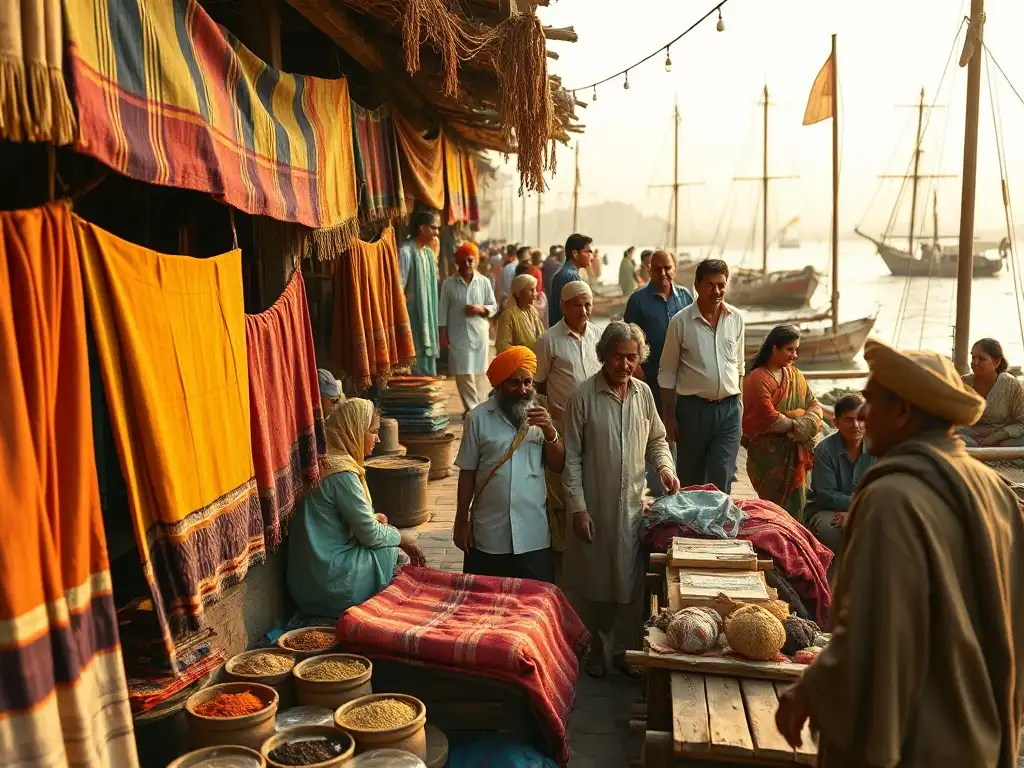
The history of Western Indian textiles is a testament to the region's vibrant contribution to ancient trade networks, cultural exchanges, and economic prosperity. From the intricate techniques of weaving to the vibrant colors and patterns that adorned garments, textiles were not merely functional items but also carriers of cultural identity and economic value.
This article delves into the significance of Western Indian textiles within the context of ancient trade, exploring their evolution, production centers, and the broader implications they had on interactions among ancient civilizations. By examining the rich tapestry of textile history, we can appreciate how these artifacts played a pivotal role in shaping the socio-economic landscape of Western India.
Introduction to Western Indian Textiles
Overview of Western Indian Textiles
Western India has a long-standing reputation for producing exquisite textiles that have been sought after both regionally and internationally. The art of textile production in this region encompasses a variety of techniques, materials, and designs that reflect the diverse cultural influences that have permeated the area over centuries. Common textiles from Western India include cotton fabrics, silk sarees, and embroidered pieces, each showcasing unique characteristics and craftsmanship.
Some notable textiles include:
- Bandhani: A tie-dye technique that creates intricate patterns.
- Kutch embroidery: Known for its vibrant colors and mirror work.
- Ajrak: A block-printed textile with geometric patterns, originating from Sindh and popular in Kutch.
These textiles were often traded across vast distances, revealing their significance not only in local markets but also in the global trade routes that connected ancient civilizations.
Importance of Textiles in Ancient Trade
Textiles served as one of the most important commodities in ancient trade, acting as a medium of exchange and a marker of wealth and status. The flourishing textile industry in Western India contributed significantly to trade with various regions, including the Middle East, Southeast Asia, and even Europe.
The significance of textiles in ancient trade can be summarized as follows:
- Economic Value: Textiles were highly valued, often fetching high prices in trade markets.
- Cultural Exchange: Textiles facilitated cultural interactions, as different designs and techniques influenced one another across borders.
- Social Status: Fine textiles often signified wealth and prestige, making them desirable items for nobility and affluent traders.
Thus, the production and trade of textiles were integral to the economic and cultural dynamics of ancient Indian civilizations.
Historical Context of Textile Production in Western India
The Evolution of Textile Techniques in Ancient India
The evolution of textile techniques in ancient India can be traced back to the Indus Valley Civilization, which showcased advanced methods of weaving and dyeing. Over the centuries, these techniques evolved, influenced by regional resources, trade interactions, and cultural practices.
Key developments in textile techniques include:
- Innovations in Dyeing: The use of natural dyes derived from local flora and fauna enhanced the color palette available to artisans.
- Weaving Techniques: The introduction of various looms allowed for intricate designs and patterns, elevating the artistic quality of textiles.
- Embroidered Textiles: Techniques such as embroidery became prevalent, showcasing the skill and creativity of local artisans.
These advancements not only improved the quality of textiles but also contributed to their desirability in ancient trade.
Major Centers of Textile Production in Western India
Western India is home to several prominent centers of textile production that have played a crucial role in the region's trade history. Some of the most notable centers include:
- Ahmedabad: Known for its cotton textiles and rich tradition of dyeing, particularly the resist-dyeing technique called "bandhani."
- Kutch: Famous for its embroidery and traditional crafts, Kutch textiles are characterized by vibrant colors and intricate designs.
- Surat: A vital port city that was a hub for silk and cotton trade, connecting India with international markets, especially during the Mughal era.
These centers not only produced textiles but also became melting pots of cultural exchanges, significantly influencing the textile trade in ancient India and beyond.
The Role of Western Indian Textiles in Ancient Trade Networks
Western Indian textiles played a pivotal role in the ancient trade networks that connected various civilizations across Asia and beyond. The region, characterized by its rich cultural heritage and skilled artisans, became a significant hub for textile production and trade, particularly during the Mauryan and Gupta periods. The textiles from Western India, notably those made from cotton, silk, and wool, were highly sought after for their quality, craftsmanship, and vibrant colors.
Trade networks facilitated the exchange of not only textiles but also ideas, technologies, and cultural practices. The textiles produced in Western India were not just commodities; they carried with them the artistic expressions and traditions of the region. As merchants traveled along established trade routes, they brought with them stories and techniques that enriched the tapestry of ancient commerce. The flourishing trade in textiles contributed significantly to the economy of Western India, fostering urban centers and stimulating local craft industries.
Furthermore, the prominence of Western Indian textiles in international markets underscored the region's integration into a larger economic system that spanned from the Mediterranean to the Far East. This interconnectedness allowed for the diffusion of styles and techniques, influencing textile production in neighboring regions and creating a legacy that would endure for centuries.
Trade Routes Connecting Western India to Other Regions
The trade routes connecting Western India to other regions were crucial for the dissemination of textiles and other goods. Prominent among these routes was the Silk Road, which, while often associated with silk, also facilitated the movement of cotton textiles from India to Central Asia and the Middle East. This network of trade routes allowed merchants to transport the textiles across vast distances, reaching markets in Persia, Arabia, and even as far as the Roman Empire.
In addition to overland routes, maritime trade played a significant role in the distribution of Western Indian textiles. The Arabian Sea served as a conduit for trade with countries such as Egypt, East Africa, and Southeast Asia. Ports like Sopara and Kalyan became bustling centers of commerce where textiles were loaded onto ships bound for distant shores. The exchange of goods via these maritime routes not only enhanced the reach of Western Indian textiles but also facilitated cultural exchanges that enriched the region's artistic and commercial landscape.
Key Trade Partners and Their Influence on Western Indian Textiles
Western Indian textiles were traded with a diverse array of partners, each contributing to the evolution of textile production in the region. Key trade partners included the Persians, Greeks, and Romans, who were particularly fond of Indian textiles for their quality and unique designs.
- Persians: The influence of Persian tastes led to the incorporation of intricate patterns and motifs in Western Indian textiles. The use of vibrant colors and elaborate designs can be traced back to Persian artistic traditions, which were absorbed by Indian artisans.
- Greeks: Greek merchants introduced new weaving techniques and styles that influenced the production of textiles in Western India. The demand for fine cotton and silk textiles in Greece spurred innovations and adaptations in local textile manufacturing.
- Romans: The Roman Empire's appetite for Indian textiles was insatiable, with records indicating that significant quantities of Indian cotton and silk were imported to satisfy their markets. This trade not only enriched Western Indian economies but also led to the establishment of trade agreements and diplomatic relations.
The interaction with these trade partners not only enhanced the quality and diversity of textiles produced in Western India but also facilitated the exchange of cultural practices, contributing to a rich tapestry of artistic expression.
Types of Textiles Produced in Western India
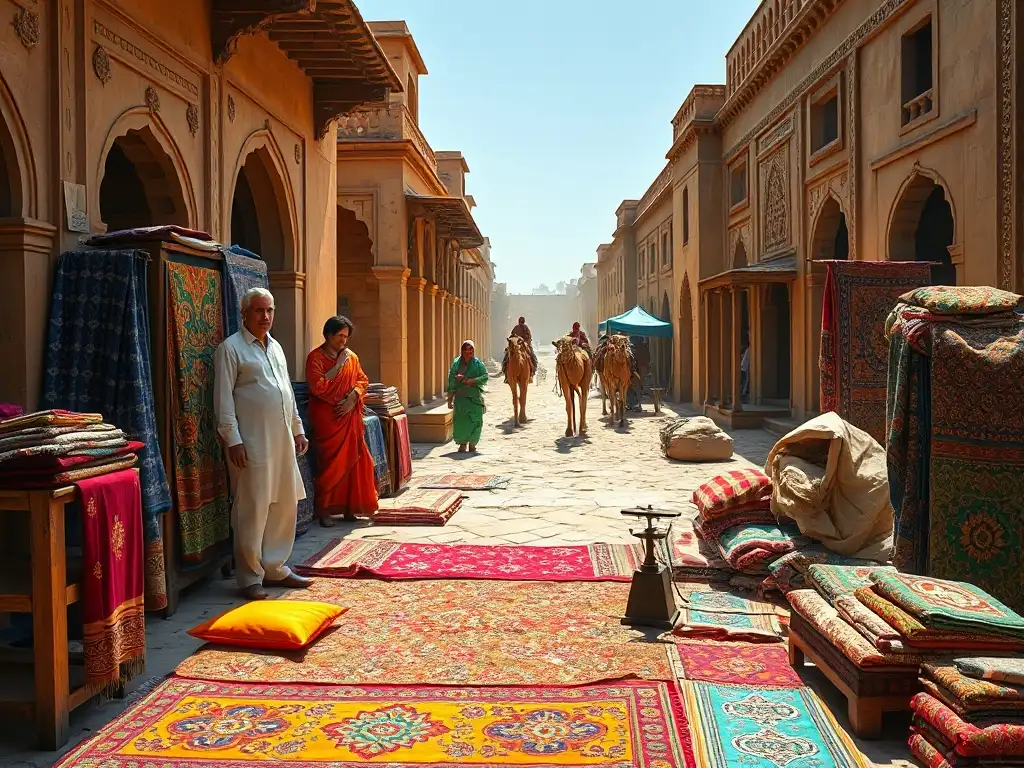
Western India was renowned for producing a variety of textiles, each reflecting the region's diverse cultural heritage and skilled craftsmanship. The main types of textiles included cotton, silk, and wool, each serving distinct purposes in trade and daily life.
Cotton Textiles: The Backbone of Trade
Cotton textiles were the cornerstone of Western India's textile trade, renowned for their softness, durability, and vibrant colors. The region's climate and fertile land made it an ideal location for cotton cultivation, leading to the development of a thriving cotton industry. Techniques such as block printing, dying, and weaving evolved over centuries, resulting in a wide range of products, including sarees, dhotis, and turbans.
The demand for cotton textiles extended far beyond Indian borders. Exported to various regions, these textiles became a symbol of luxury and quality. The advent of trade routes facilitated their distribution, allowing Western Indian cotton to find its way into markets across Asia, the Middle East, and Europe. The flourishing cotton trade significantly contributed to the region's economy, establishing Western India as a key player in the global textile market.
Silk Textiles: Luxury Goods in Ancient Markets
Silk textiles from Western India were synonymous with luxury and sophistication. Imported from China, the production of silk in India gained momentum, particularly during the early centuries CE. The intricate weaving techniques and elaborate designs made these textiles highly coveted among the elite.
Silk garments, such as saris and shawls, were often adorned with exquisite embroidery and embellishments, making them popular choices for royal courts and wealthy merchants. The trade of silk textiles not only enhanced the region's economic standing but also established Western India as a center for high-quality silk production, attracting traders from far and wide.
Woolen Textiles: Regional Variations and Uses
Woolen textiles, though less prominent than cotton and silk, also played a significant role in Western India's textile landscape. Predominantly produced in the hilly regions, these textiles were characterized by their warmth and durability. The use of local sheep breeds contributed to the unique texture and quality of the wool.
Woolen products included shawls, blankets, and clothing that catered to both local needs and trade demands. The regional variations in woolen textiles often reflected the cultural practices and traditions of the local communities. For instance, the Kutch region is known for its vibrant woolen embroideries, while the Rajasthani wool textiles feature distinctive patterns and colors.
The trade of woolen textiles, although more localized, contributed to the overall richness of Western Indian textiles, further diversifying the offerings available in ancient markets.
Cultural Significance of Textiles in Western India
Western Indian textiles have played a pivotal role in shaping the cultural landscape of the region. The fabrics produced here, ranging from intricately woven cotton and silk to the vibrant tie-dye techniques of Bandhani, reflect the diverse traditions and practices of the communities involved in their creation. Textiles served not only as practical items of clothing but also as mediums of artistic expression, often adorned with motifs and patterns that hold cultural significance.
The historical context of these textiles reveals their connection to the social fabric of Western India. Various communities, including the Kutchis and the Maharashtrians, contributed unique styles and techniques, embedding local narratives within their work. The art of weaving and dyeing became a means of preserving heritage, with many techniques being passed down through generations, thus maintaining a living link to the past.
The textiles of Western India also played a vital role in trade networks, connecting local artisans to distant markets. The trade routes facilitated the exchange of not just goods but also ideas and cultural practices, further enriching the tapestry of Western Indian identity.
Textiles as Symbols of Identity and Status
In ancient Western India, textiles were more than mere clothing; they were powerful symbols of identity and social status. Different fabrics and patterns were often associated with specific communities or castes, enabling individuals to express their heritage and belonging. For instance, the use of bandhani and leheriya in Gujarat is closely tied to regional identity and is often worn during significant cultural celebrations and rituals.
Moreover, textiles were indicators of wealth and social standing. Luxurious silks and intricately embroidered fabrics were favored by the elite, while simpler cotton weaves were common among the lower classes. This distinction was not only a reflection of economic status but also played a role in the broader social hierarchy of ancient Indian society.
The significance of textiles as markers of identity extended to marriage customs as well. Different textiles were often gifted during weddings, symbolizing familial ties and alliances. The choice of fabric could denote the bride's family’s status, reinforcing the importance of textiles in social structures.
The Role of Textiles in Religious and Social Practices
Textiles in Western India also held considerable importance in religious and social practices. Many fabrics were used in rituals and ceremonies, serving as offerings to deities or adorning temples. For instance, specific colors and patterns were believed to invoke divine favor, making the choice of textile crucial in religious contexts.
Furthermore, textiles were integral to festivals and celebrations. Traditional garments worn during festivals like Navratri or Diwali often showcased elaborate designs and vibrant colors, reflecting the joyous spirit of the occasions. The act of wearing these textiles was not merely about aesthetics; it was a way of participating in cultural narratives and affirming one’s identity within the community.
In addition, textiles facilitated social interactions. The exchange of garments during ceremonies or communal gatherings fostered relationships and reinforced social bonds. This interconnectedness illustrates the multifaceted role textiles played in both religious devotion and community cohesion.
Economic Impact of Textile Trade in Ancient India
The textile trade was a cornerstone of the economy in ancient Western India, significantly influencing local and regional markets. The production of high-quality textiles attracted traders from various regions, establishing Western India as a hub for textile commerce. This trade was not only economically beneficial but also catalyzed the growth of urban centers known for their textile markets.
Western India's textiles were highly sought after, both locally and internationally. The export of cotton and silk to markets in the Middle East, Africa, and beyond facilitated the inflow of wealth and contributed to the prosperity of the region. The economic impact of this trade was profound, with textiles becoming one of the primary commodities shaping trade relationships.
Contribution to the Local Economies of Western India
Local economies in Western India thrived due to the textile industry, which provided employment to thousands of artisans and laborers. Weaving communities, often organized into guilds, played a critical role in this economy, maintaining the skills and traditions essential for textile production. These guilds not only ensured the quality of textiles but also set standards that influenced market dynamics.
The rise of textile markets in cities like Ahmedabad and Surat created vibrant economic hubs. These cities attracted merchants and traders, leading to the growth of ancillary industries such as dyeing, printing, and embroidery. The interconnectedness of these industries fostered a diverse economic landscape, where textiles served as a catalyst for innovation and entrepreneurship.
Moreover, the revenue generated from textile trade contributed to the funding of various public projects, including infrastructure development and education, further enhancing the quality of life in these regions.
The Influence of Textile Trade on Ancient Indian Society
The textile trade significantly influenced various aspects of ancient Indian society, shaping social structures, cultural practices, and trade relationships. The movement of textiles across regions not only facilitated economic exchanges but also allowed for the mingling of cultures. This interaction enriched the local customs and traditions, leading to the emergence of hybrid styles and techniques.
Additionally, the prosperity generated by the textile trade enabled the patronage of arts and crafts, leading to a flourishing of artistic expression. Textiles became a canvas for storytelling, with motifs often depicting mythological themes, historical events, or social commentary. This artistic dimension added layers of meaning to the fabric, making it an integral part of cultural narratives.
Furthermore, the textile trade contributed to the establishment of social networks, connecting local artisans with global markets. The relationships formed through trade facilitated the sharing of knowledge and techniques, fostering a spirit of collaboration that transcended geographical boundaries. This exchange of ideas played a crucial role in the evolution of textile production and design, leaving a lasting legacy on the craftsmanship of Western Indian textiles.
Decline and Transformation of Textile Trade
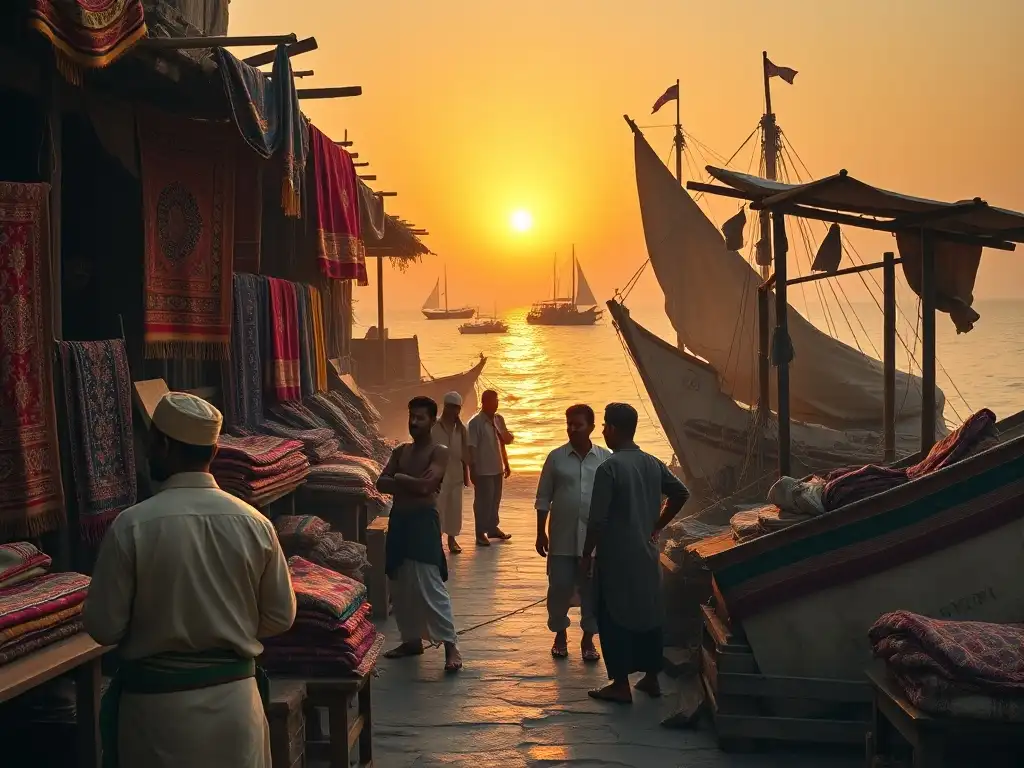
The decline of Western Indian textiles in ancient trade can be attributed to a combination of internal and external factors, leading to a significant transformation in the production and trade practices of this once-thriving industry. As trade routes evolved and the geopolitical landscape changed, the once-prominent textile centers in Western India faced numerous challenges that resulted in a gradual decline.
Factors Leading to the Decline of Western Indian Textiles in Trade
Several key factors contributed to the decline of Western Indian textiles in trade, including:
- Competition from Other Regions: As trade expanded to other parts of Asia, especially regions like the Deccan and the eastern coast of India, Western Indian textiles faced stiff competition. The emergence of new textile hubs offering innovative designs and cheaper production costs diluted the market share of Western Indian weavers.
- Political Instability: The rise and fall of dynasties in the region often led to periods of instability. The invasions and conquests during the medieval period disrupted trade routes and led to the decline of established textile centers. The Mughal Empire, while initially a benefactor, later imposed heavy tariffs that adversely affected local artisans and traders.
- Colonial Impact: The arrival of European colonial powers in India marked a significant turning point. British colonial policies favored the import of British textiles over traditional Indian fabrics, leading to a drastic reduction in demand for Western Indian textiles. This shift not only impacted local economies but also marginalized traditional craftsmanship.
- Changing Consumer Preferences: As trade expanded, so did consumer preferences. The demand for synthetic and machine-made fabrics increased, overshadowing handwoven textiles. This change in tastes made it challenging for traditional weavers to sustain their livelihoods.
The Transformation of Textile Production and Trade Practices
In response to the challenges faced, Western Indian textiles underwent a transformation in production and trade practices:
- Adaptation to New Markets: Weavers began to adapt their designs and techniques to cater to the changing tastes of consumers. This included the incorporation of new motifs and patterns that appealed to both domestic and international markets.
- Diversification of Products: To survive the competition, artisans diversified their product ranges. Traditional textiles were supplemented with new materials and techniques, such as the introduction of block printing and dyeing methods that enhanced the aesthetic appeal of fabrics.
- Shift to Local Markets: With the decline of international trade, many weavers shifted their focus to local markets, where there was still demand for handcrafted textiles. This pivot helped sustain the craft, though often at a diminished scale.
- Formation of Cooperatives: In the latter part of the decline, artisans began forming cooperatives to pool resources, share knowledge, and improve bargaining power against middlemen. This collective approach not only supported the preservation of crafts but also ensured fair trade practices.
Conclusion: Legacy of Western Indian Textiles in Trade History
The legacy of Western Indian textiles in trade history is multifaceted, reflecting the rich cultural heritage and craftsmanship that characterized this vibrant sector. Despite the decline, the impact of these textiles continues to resonate in modern times.
Lasting Impact on Modern Indian Textiles
The decline of Western Indian textiles did not erase their influence; instead, it laid the groundwork for contemporary textile practices. Modern Indian textiles often draw inspiration from traditional designs, weaving techniques, and dyeing methods that originated from this rich history. The revival of artisanal crafts has seen a resurgence in the appreciation of handwoven fabrics, with many designers and brands incorporating these elements into their collections, thus celebrating the heritage of Western Indian textiles.
Reflections on the Historical Importance of Western Indian Textiles in Trade
The historical importance of Western Indian textiles in trade extends beyond mere economic significance. These textiles were vessels of cultural exchange, embodying the stories, traditions, and artistic expressions of the communities that produced them. They played a crucial role in shaping trade networks, connecting diverse regions through shared craftsmanship and creativity. The narrative of Western Indian textiles serves as a reminder of the resilience and adaptability of artisans, whose contributions continue to enrich India's cultural tapestry today.
References and Further Reading
The study of Western Indian textiles and their role in ancient trade is enriched by a variety of scholarly works and resources. These texts not only provide insights into the historical significance of textiles but also explore the intricate trade networks that connected Western India to other regions. Below are some key texts and suggested resources that can serve as a foundation for further exploration of this fascinating topic.
Key Texts on Western Indian Textiles
-
"Textiles of India: From the Indus Valley to the Present" by John Gillow and Brigitte Wright
This comprehensive book delves into the history of Indian textiles, highlighting the evolution of techniques and styles from ancient to modern times. It includes detailed sections on the significance of textiles in trade and cultural exchange.
-
"The Fabric of India" by Rosemary Crill
This book provides an in-depth look at the diversity of Indian textiles, including those from Western India. Crill discusses the historical context of these textiles, their production methods, and their role in trade routes.
-
"Indian Textiles: 1,000 Years of Art and Design" by Peter J. D. Wright
This work focuses on the artistic aspects of Indian textiles, particularly emphasizing the craftsmanship of Western Indian textiles. It also explores the trade networks that facilitated their distribution.
-
"The Weaver's Craft: Textile Production in Ancient India" by Jaya Kumar
Kumar’s book examines the technical aspects of textile production in ancient India, with a focus on the craftsmanship and the economic implications of textile trade.
-
"Trade and Traders in Ancient India" by R. C. Majumdar
This classic text outlines the broader trade practices in ancient India, offering insights into how textiles were a significant commodity in the marketplace.
Suggested Resources for Deeper Understanding of Ancient Trade
-
Academic Journals
-
Journal of Indian Textile History
This journal features articles and research papers dedicated to the history and significance of textiles in India, including trade practices and economic implications.
-
Indian Economic and Social History Review
This journal provides a broader context for understanding trade in ancient India, with articles that frequently address the role of textiles.
-
-
Online Databases
-
JSTOR
A digital library offering access to thousands of academic journals, books, and primary sources related to Indian history and textiles.
-
Google Scholar
An accessible platform to search for scholarly articles and theses on Western Indian textiles and their trade significance.
-
-
Museums and Exhibitions
-
The Calico Museum of Textiles, Ahmedabad
This museum houses a rich collection of textiles and provides insights into the historical significance of fabrics in trade.
-
National Museum, New Delhi
The museum includes exhibits on ancient Indian culture, including textile artifacts that provide context for trade practices.
-
By exploring these references and resources, readers can gain a more profound understanding of the significance of Western Indian textiles in ancient trade and the broader historical context in which these textiles thrived.
- Introduction to Western Indian Textiles
- Historical Context of Textile Production in Western India
- The Role of Western Indian Textiles in Ancient Trade Networks
- Types of Textiles Produced in Western India
- Cultural Significance of Textiles in Western India
- Economic Impact of Textile Trade in Ancient India
- Decline and Transformation of Textile Trade
- Conclusion: Legacy of Western Indian Textiles in Trade History
- References and Further Reading
- What were the primary textiles produced in Western India during ancient times?
- How did Western Indian textiles influence ancient trade routes?
- What were the key factors that contributed to the success of Western Indian textile trade?
- How did the Gupta Empire impact the textile industry in Western India?
- What role did Western Indian textiles play in cultural exchanges?
Frequently Asked Questions
What were the primary textiles produced in Western India during ancient times?
Western India was known for producing fine cotton fabrics, silk, and woolen textiles. These materials were highly sought after in both local and international markets.
How did Western Indian textiles influence ancient trade routes?
Western Indian textiles played a crucial role in trade networks that connected India to the Middle East and Southeast Asia. Their demand contributed to the flourishing of maritime trade routes.
What were the key factors that contributed to the success of Western Indian textile trade?
The success of Western Indian textile trade can be attributed to the quality of materials, skilled craftsmanship, and the establishment of trade partnerships with other civilizations.
How did the Gupta Empire impact the textile industry in Western India?
The Gupta Empire enhanced the textile industry by promoting artisanship and patronizing crafts, leading to advancements in techniques and increased exports of textiles.
What role did Western Indian textiles play in cultural exchanges?
Western Indian textiles facilitated significant cultural exchanges by introducing artistic motifs and design techniques from various cultures, influencing both local and foreign textile practices.
Final Reflection: The Enduring Legacy of Western Indian Textiles in Ancient Trade
The significance of Western Indian textiles in ancient trade is not merely a relic of the past; it is a vibrant thread woven into the fabric of our global heritage. Today, as we navigate an increasingly interconnected world, the historical trade routes that facilitated the exchange of these exquisite textiles remind us of the profound impact of cultural exchange and economic interdependence. The artistry and craftsmanship of Western Indian textiles continue to inspire contemporary designers and artisans, illustrating that the past is not just a memory but a living influence on our present.
The legacy of Western Indian textiles extends beyond their aesthetic appeal; they serve as a testament to the rich cultural narratives and social dynamics of ancient trade networks. These textiles were not only commodities but also carriers of stories, traditions, and identities that transcended geographical boundaries. As noted by historian John Keay, "> The trade in textiles was not just about fabric; it was about the relationships and dialogues that shaped civilizations." This ongoing influence invites us to reflect on how our current practices in trade and cultural exchange can echo the lessons learned from these ancient interactions.
As we contemplate the significance of Western Indian textiles in ancient trade, I encourage you to consider how you can engage with and celebrate this rich heritage in your own life. Reflect on the ways in which you can support artisans, appreciate cultural diversity, and foster connections that honor the past while building a more inclusive future. By embracing the lessons of history, we can contribute to a world where the artistry of textiles and the stories they tell continue to thrive, enriching our lives and communities for generations to come.
Embrace the Threads of History!
Thank you for diving into the captivating world of Western Indian textiles and their role in ancient trade! We hope you gained a fresh perspective on how these beautifully crafted fabrics shaped commerce and cultural exchange. Now, it’s time to take action and deepen your exploration!
- Discover local artisans: Look for craft fairs or markets in your area that showcase textile art and culture. Supporting local artisans helps to preserve the rich legacy of traditional craftsmanship!
- Share your insights: Discuss what you've learned about Western Indian textiles with friends or on social media to inspire others. A simple post can significantly spread awareness and appreciation!
- Explore further: Visit a museum or an online archive dedicated to ancient trade artifacts or textiles to fully immerse yourself in this rich history.
How do you think modern fashion can benefit from the techniques and materials used in historical textiles? We invite you to share your thoughts below!