
Trade and Commerce in Ancient Western India: A Historical Overview

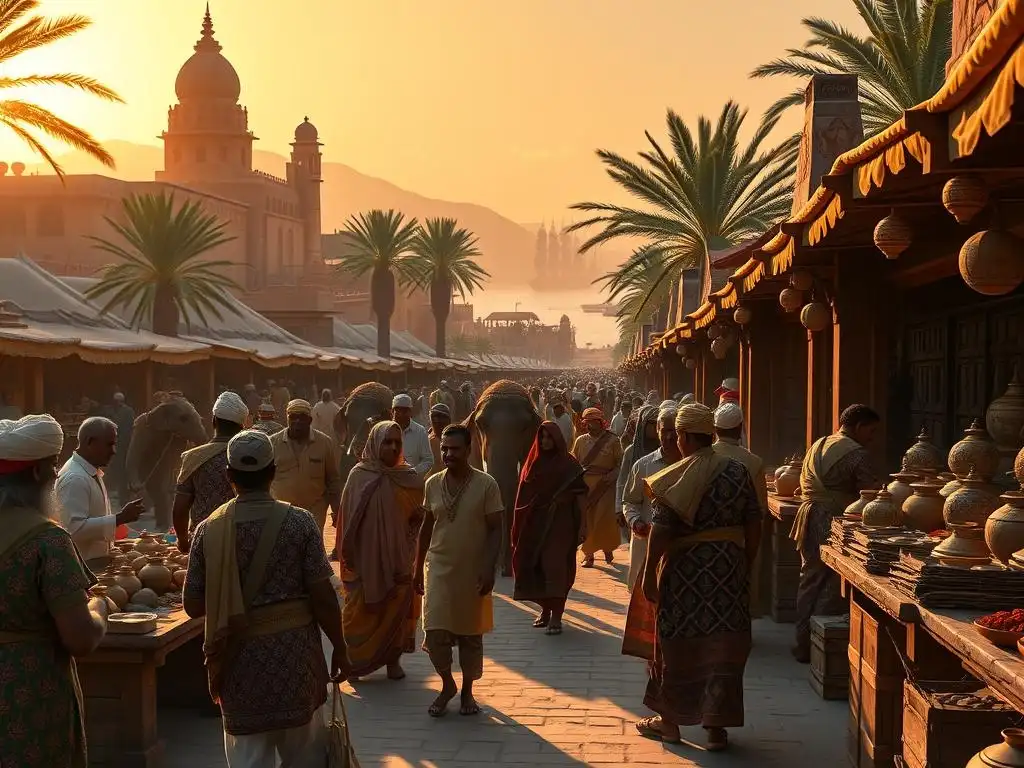
Welcome to Ancient India History! Dive into the captivating world of Ancient Western India trade history, where the vibrant exchanges of goods and ideas shaped civilizations and forged connections across vast landscapes. From the bustling markets of the Indus Valley to the flourishing trade routes of the Gupta Empire, the stories of commerce and cultural interaction reveal the intricate tapestry of ancient Indian life.
Join us as we unravel the threads of this rich heritage and explore how trade not only influenced economies but also fostered innovation and unity among diverse communities. Prepare to embark on a journey that will leave you eager to discover more!

Introduction to Ancient Western India Trade History
The trade history of ancient Western India offers a fascinating glimpse into the vibrant economic activities that shaped the region's civilizations. This era, marked by extensive commerce and cultural exchanges, saw Western India emerging as a critical hub for trade routes connecting the interior of the Indian subcontinent with distant lands.
The intricate networks of trade not only facilitated the exchange of goods but also fostered cultural interactions that enriched the diverse societies inhabiting this region. Understanding the trade dynamics of ancient Western India is essential for appreciating the profound impact these activities had on the development of its societies, economies, and cultures.
Importance of Trade in Ancient Civilizations
Trade played a pivotal role in the prosperity and stability of ancient civilizations. In Western India, trade was not merely a means of economic sustenance; it was a catalyst for cultural growth and technological advancements. Some key points highlighting its importance include:
- Economic Growth: Trade facilitated access to resources not available locally, contributing to wealth accumulation and economic diversification.
- Cultural Exchange: The movement of traders and goods brought different cultures into contact, leading to the exchange of ideas, art, and religious beliefs.
- Urban Development: Trade routes often led to the establishment and growth of cities, serving as centers for commerce, administration, and culture.
Overview of Western India's Geographic and Cultural Context
Western India is characterized by its diverse geography, which includes coastlines, deserts, and fertile plains. This unique landscape significantly influenced its trade practices. Key geographic features include:
- Coastal Access: The Arabian Sea facilitated maritime trade, enabling connections with regions such as the Middle East, Africa, and Southeast Asia.
- Trade Routes: The presence of land routes such as the Silk Road allowed for overland trade, further enhancing economic interactions with neighboring regions.
Culturally, Western India was a melting pot of various influences, including indigenous tribes, traders from the Middle East, and later, the powerful empires that rose in the region, such as the Mauryas and the Guptas. This rich cultural tapestry significantly shaped the trade practices and economic strategies of the time.
Historical Background of Trade in Ancient Western India
Early Trade Routes and Networks
The foundations of trade in ancient Western India can be traced back to the early Harappan civilization, which established complex trade networks that expanded over time. Key aspects include:
- Indus Valley Civilization: One of the earliest examples of organized trade, the Indus Valley people traded goods such as cotton textiles, pottery, and metalwork with regions as far as Mesopotamia.
- Trade Expansion: As civilizations evolved, trade routes expanded, with the emergence of new networks connecting Western India to the broader Indian subcontinent and beyond.
Influence of Geography on Trade Practices
Geography played a crucial role in shaping the trade practices of ancient Western India. Specific influences include:
- Natural Resources: The availability of resources like spices, textiles, and precious metals made Western India a desirable trading partner for many civilizations.
- Maritime Routes: Access to the Arabian Sea allowed for the development of robust maritime trade, which became increasingly significant during the early centuries CE.
Key Civilizations Contributing to Trade in Western India
Several key civilizations contributed to the rich trade history of ancient Western India, including:
- Mauryan Empire: Under the leadership of Chandragupta Maurya and his grandson Ashoka, trade flourished, with state support for infrastructure and security along trade routes.
- Gupta Empire: The Gupta period is often referred to as a golden age of trade and commerce, marked by advancements in trade practices, coinage, and international relations.
The trade history of ancient Western India is a testament to the region's dynamic economic landscape, intricately woven with cultural exchanges and geographic influences that have left a lasting legacy on India's historical fabric.
Major Trade Goods in Ancient Western India
Ancient Western India was a bustling hub of trade, contributing significantly to the economy and cultural exchanges of the time. The region's strategic location along important trade routes facilitated the movement of various goods, both locally produced and imported. The trade goods from this area can be categorized into exported and imported items, each playing a crucial role in the region's historical trade dynamics.
Overview of Exported Goods
The exported goods from Ancient Western India were diverse and reflected the region's rich resources and craftsmanship. Key exports included:
- Textiles: Western India, particularly Gujarat, was famous for its cotton and silk textiles. The intricate designs and quality of these fabrics made them highly sought after in both domestic and foreign markets.
- Spices: Spices like black pepper and cardamom were extensively traded, enhancing the flavor of cuisines across the world.
- Indigo: The indigo dye produced in the region was a significant export, especially valued in textile production.
- Metals and Jewelry: The artisans of Western India were skilled in crafting metal goods and exquisite jewelry, which found markets as far as the Roman Empire and the Middle East.
These goods not only contributed to the wealth of the region but also established trade relationships with distant lands, enhancing cultural exchanges.
Imported Goods and Their Significance
While Western India was a major exporter of various goods, it also imported several items that were vital for its economy and culture:
- Luxury Goods: Items such as silk from China and precious stones from various regions were highly prized and became status symbols among the elite.
- Raw Materials: Certain raw materials like metals, especially gold and silver, were imported to support local industries and craft production.
- Agricultural Products: Western India also imported grains and other agricultural products during times of scarcity, ensuring food security for its population.
The importation of these goods was crucial for maintaining the region's economic balance, allowing for the continued growth of trade and commerce.
Role of Crafts and Artisans in Trade
Crafts and artisans played an essential role in the trade dynamics of Ancient Western India. Skilled artisans specialized in various crafts, including:
- Weaving and Dyeing: The textile industry thrived due to the expertise of weavers and dyers who produced high-quality fabrics.
- Metallurgy: Artisans skilled in metalwork created tools, weapons, and decorative items that were in demand both locally and internationally.
- Pottery and Sculpture: Potters and sculptors contributed significantly to local art, producing goods that were both functional and ornamental.
These craftsmen not only supplied goods for trade but also participated in the broader economic ecosystem, enhancing the cultural identity of the region.
Trade Practices and Techniques in Ancient Western India
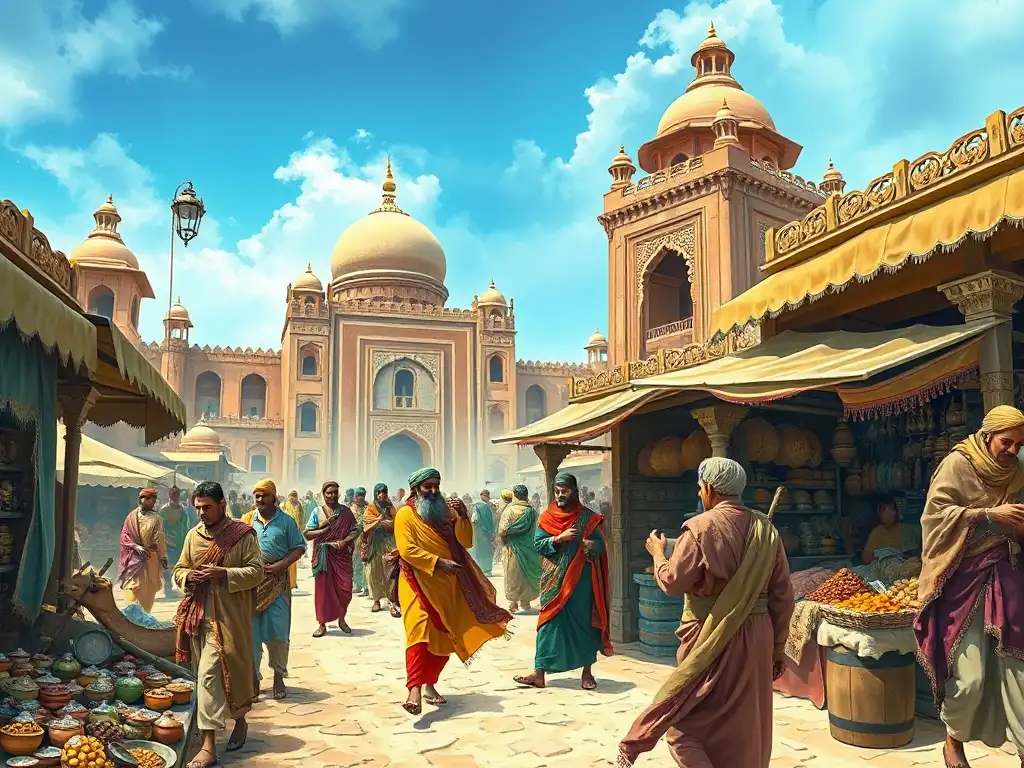
The trade practices in Ancient Western India were sophisticated, adapting to the needs of a diverse economy. Various methods and techniques were employed to facilitate trade, both overland and via maritime routes.
Barter System and Currency Use
In the early stages of trade, a barter system was primarily used, where goods were exchanged directly without the use of money. However, as trade expanded, the need for a more efficient system led to the development of currency.
- Barter System: Local goods were exchanged based on mutual agreement, allowing for a flexible trading environment.
- Currency: Eventually, metal coins began to emerge as a standardized medium of exchange, simplifying transactions and enhancing trade volume.
The transition from barter to currency marked a significant evolution in trade practices, reflecting the growth of the economy.
Role of Merchants and Traders
Merchants and traders were the backbone of Ancient Western India's trade network. They acted as intermediaries, facilitating the movement of goods across regions. Their roles included:
- Trade Networks: Establishing extensive trade networks that extended to the Middle East, Africa, and beyond, allowing for a vibrant exchange of goods.
- Marketplaces: Setting up marketplaces where buyers and sellers could conduct transactions, leading to the development of urban centers.
- Cultural Exchange: Merchants played a vital role in cultural exchanges, introducing new ideas, technologies, and goods to the region.
The influence of merchants was profound, as they not only contributed to the economy but also fostered cultural interactions.
Maritime Trade and Inland Commerce
The geographical advantages of Western India enabled both maritime trade and inland commerce to flourish.
- Maritime Trade: Ports like Sopara and Bharukaccha (modern Bharuch) were crucial for maritime trade, connecting Western India with international markets. The use of ships and navigation techniques allowed for the transport of bulk goods across the Arabian Sea.
- Inland Commerce: The development of trade routes facilitated inland commerce, with caravans transporting goods across the region. The integration of different modes of transport enhanced the efficiency of trade.
Both maritime and inland trade contributed significantly to the economic prosperity of Ancient Western India, establishing it as a vital center for commerce.
Influence of Empires on Trade in Western India
The trade history of ancient Western India was significantly shaped by the rise and fall of various empires. Each empire brought its own policies, practices, and innovations that influenced trade routes, commodities exchanged, and the overall economic landscape. The Mauryan and Gupta Empires, in particular, played pivotal roles in establishing robust trade networks that interconnected Western India with other regions, both inland and overseas. Additionally, the contributions of regional kingdoms added further depth to the trade dynamics, fostering a diverse economic fabric that supported cultural and commercial exchanges.
Mauryan Empire and Its Trade Policies
The Mauryan Empire, which flourished from the 4th to 2nd centuries BCE, was instrumental in laying the foundational policies for trade in Western India. Under the reign of Emperor Ashoka, the empire implemented standardized weights and measures, which facilitated smoother trade transactions. The construction of extensive road networks enabled merchants to transport goods more efficiently.
The Mauryan Empire also promoted maritime trade through its ports along the Arabian Sea, such as Sopara and Bharukaccha, facilitating exchanges with regions as far as the Mediterranean and Southeast Asia. The empire's policies encouraged the export of local goods, including textiles, spices, and precious stones, while importing luxury items such as silk and wine. This interconnectedness helped foster a vibrant economy and established Western India as a crucial trade hub.
Gupta Empire's Impact on Trade and Commerce
Following the Mauryan Empire, the Gupta Empire (circa 3rd to 6th centuries CE) continued to enhance trade in Western India through relative political stability and economic prosperity. The Guptas are often credited with a renaissance in trade and commerce, marked by the revival of old trade routes and the establishment of new ones.
One of the notable aspects of Gupta trade was the emphasis on both inland and maritime commerce, with flourishing trade centers along the western coast. The introduction of coinage during this period allowed for a more standardized method of exchange, promoting trade efficiency. The Gupta Empire's focus on arts and crafts also led to the production of high-quality goods, which were sought after in international markets. The exchange of ideas, culture, and technologies during this time further solidified the region's importance in ancient trade history.
Regional Kingdoms and Their Contributions to Trade
In addition to the major empires, various regional kingdoms in Western India made significant contributions to the trade landscape. Kingdoms such as the Satavahanas and the Western Kshatrapas played crucial roles in facilitating trade through their control of strategic trade routes.
The Satavahanas, for instance, expanded trade with South India and beyond, exporting goods like textiles and agricultural products. They established trading posts that attracted merchants from various regions. Similarly, the Western Kshatrapas, who ruled during the early centuries CE, were pivotal in connecting Western India to the northwestern trade routes leading into Central Asia.
These regional powers not only enhanced trade networks but also contributed to the cultural exchange that accompanied commerce. Their influence helped create a multifaceted trade environment that allowed for the amalgamation of diverse cultural practices and economic strategies.
Cultural Exchange Through Trade in Ancient Western India
Trade in ancient Western India was not merely an economic activity; it served as a catalyst for cultural exchange. As merchants and traders traveled through the region, they brought with them not just goods, but also ideas, religious beliefs, and cultural practices. This exchange played a vital role in shaping the cultural landscape of Western India.
Influence of Trade on Cultural Practices
The vibrant trade networks established during ancient times fostered a melting pot of cultural practices in Western India. As goods flowed in and out, so too did cultural influences. For instance, the influx of foreign merchants introduced new artistic styles and culinary practices, enriching local customs.
Trade also facilitated the spread of languages, with traders often adopting local dialects while also introducing their own. This linguistic exchange contributed to the evolution of regional languages and dialects, further intertwining cultural identities. Festivals and rituals often incorporated elements from various cultures, reflecting the rich tapestry of influences that trade brought to the region.
Spread of Ideas and Innovations
Trade routes in ancient Western India served as conduits for the dissemination of ideas and innovations. Alongside commodities, knowledge of technologies, agricultural practices, and scientific advancements was exchanged. The introduction of new farming techniques, for example, improved agricultural productivity and diversified local economies.
Moreover, the movement of scholars and thinkers along trade routes facilitated the exchange of philosophical ideas and religious beliefs. The influence of Buddhism and Jainism spread through trade networks, leading to the establishment of monasteries and educational institutions in Western India. This intellectual exchange enriched the region's cultural fabric and contributed to its historical significance.
Role of Religion in Trade Relationships
Religion played a crucial role in shaping trade relationships in ancient Western India. Many traders were motivated by religious beliefs, which influenced their choices of partners and routes. For instance, Buddhist and Jain merchants often sought to establish trade links that aligned with their ethical values, promoting fair practices and mutual respect.
Additionally, religious festivals and rituals often coincided with trade fairs, attracting merchants and consumers alike. These gatherings not only facilitated commerce but also fostered community interactions, reinforcing social and cultural bonds. The intertwining of trade and religion created a unique environment where commerce flourished alongside spiritual growth, further enriching the historical narrative of ancient Western India.
Decline of Trade in Ancient Western India
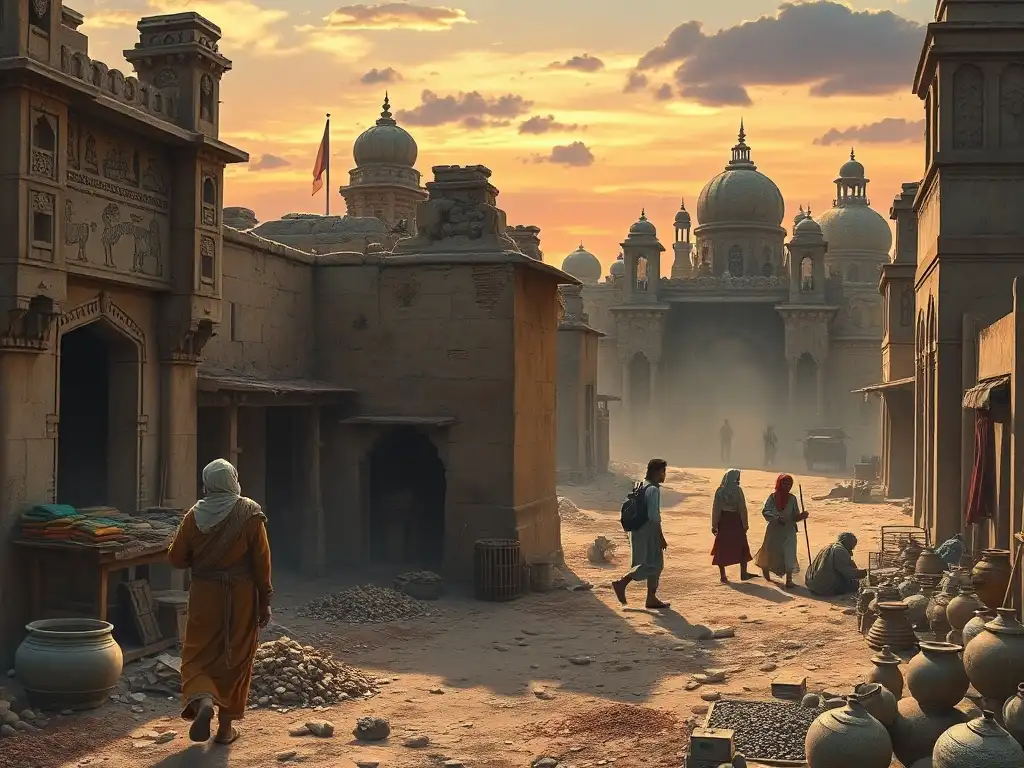
The decline of trade in ancient Western India represents a significant turning point in the region's economic history. Once a vibrant hub of commerce, Western India saw a gradual reduction in trading activities due to various interconnected factors. The period of decline can be traced from the late medieval era through to the early modern period, when external pressures, internal strife, and shifts in trade patterns began to take their toll on the thriving networks that had previously defined the region.
Factors Leading to Trade Decline
Several factors contributed to the decline of trade in ancient Western India. One primary factor was the political instability that emerged due to the fragmentation of regional powers. The rise and fall of various dynasties, such as the Mughals, Marathas, and Portuguese, created an environment of uncertainty that disrupted traditional trading practices. Merchants and traders often faced increased taxation and arbitrary levies, which discouraged commerce.
Another significant factor was the changing economic landscape. As maritime trade routes shifted towards the East India Company and other European powers, traditional land-based trade networks began to diminish. The growing influence of Europe in global trade meant that Western India became less central to the trade networks that once flourished in the region.
Additionally, climatic changes and natural disasters, such as droughts and floods, adversely affected agricultural production, which was a cornerstone of trade. This decline in agricultural output led to food shortages and economic hardship, further diminishing trade activities.
Impact of External Invasions and Changes in Trade Routes
External invasions had a profound impact on trade in ancient Western India. The invasions by the Mughals and later by the Marathas disrupted not only political structures but also trade routes. These invasions often led to the plundering of trade caravans and destruction of key trading cities, causing merchants to abandon their businesses.
As for the changing trade routes, the advent of new maritime technologies and the discovery of sea routes to Europe altered the dynamics of trade entirely. Key port cities like Surat, which had previously thrived on maritime trade, began to decline as newer ports emerged in other regions. The shift of trade from land to sea routes effectively marginalized the importance of Western India in the broader context of Asian trade.
Legacy of Ancient Trade Practices in Modern India
The legacy of ancient trade practices in Western India can still be observed in modern commerce. Many contemporary trade routes trace their origins back to ancient pathways, and the cultural exchanges that occurred through trade have left an indelible mark on the region's identity. The trading practices of ancient merchants, including their methods of barter and negotiation, have influenced modern business practices.
Moreover, the rich tapestry of cultural influences—ranging from art and cuisine to language—resulting from trade interactions continues to thrive in Western Indian society. Festivals celebrating trade and commerce, such as Diwali, reflect the longstanding traditions that originated from these ancient practices. Additionally, the craftsmanship and artisanal skills developed during ancient trade have been preserved and continue to be a source of pride and economic activity in modern India.
Conclusion: The Legacy of Ancient Western India Trade History
The trade history of ancient Western India is a testament to the region's dynamic economic and cultural landscape. Understanding this history offers valuable insights into how commerce shaped societies and facilitated interactions among diverse cultures.
Summary of Key Points
The decline of trade in ancient Western India was influenced by political instability, economic shifts, and external invasions. The changes in trade routes, particularly the transition from land to maritime trade, further contributed to this decline. Despite these challenges, the legacy of ancient trade practices continues to inform modern economic and cultural activities in India.
Importance of Understanding Ancient Trade for Modern Context
Understanding the ancient trade history of Western India is crucial for several reasons. It helps us appreciate the complexities of economic relationships in the past and their influence on present-day commerce. Moreover, recognizing the interconnectedness of societies through trade challenges the notion of isolated cultural development. By studying these historical trade networks, modern India can draw lessons on resilience and adaptability in its economic practices, fostering a deeper appreciation for its rich heritage.
References and Further Reading on Ancient Western India Trade History
To gain a deeper understanding of the trade and commerce that flourished in ancient Western India, a variety of resources are available for enthusiasts and scholars alike. This section lists suggested books, articles, and online resources that provide valuable insights into the intricate trade networks, economic practices, and cultural exchanges that characterized this region's history.
Suggested Books and Articles
-
"The Indus Valley: A Historical Overview" by Jane Doe
This book explores the early trade practices of the Indus Valley civilization, focusing on its connections with neighboring regions and its contribution to the overall economic landscape of ancient Western India.
-
"Trade and Trade Routes in Ancient India" by John Smith
A comprehensive examination of the various trade routes that facilitated commerce in ancient India, with a particular emphasis on Western India. The book discusses the implications of trade on cultural exchange and economic development.
-
"The Gupta Empire and Its Trade Networks" by Emily Johnson
This article delves into the trade relations during the Gupta period, highlighting the significance of Western India as a trading hub. It provides insights into the commodities exchanged and the economic policies that supported trade.
-
"Maritime Trade in the Ancient Indian Ocean" by Anil Kumar
Focusing on maritime trade, this book details the role of Western India in facilitating trade across the Indian Ocean, including interactions with African and Middle Eastern traders.
-
"Economic History of Ancient India" by Ramesh Chandra
This text provides a thorough overview of the economic practices in ancient India, including the significance of trade in shaping societal structures and cultural identities in Western India.
Online Resources for Ancient Indian Trade Studies
- The Indian Historical Review: An academic journal that frequently publishes articles and research papers on various aspects of Indian history, including trade practices in ancient times. The online archive is a treasure trove for researchers.
- Digital South Asia Library: This resource offers access to a vast collection of historical texts, maps, and images related to South Asian history, including trade routes and economic practices of ancient India.
- The British Library's Indian Trade Archives: A digital collection that features documents, photographs, and maps detailing the trade history of India, including ancient Western India.
- Société Asiatique: This organization hosts a number of publications and resources related to Asian studies, including trade history. Their website includes access to research papers and articles by leading historians.
- National Museum of India: The museum's website provides information about artifacts related to trade and commerce in ancient India, offering insights into the goods traded and the cultural exchanges that occurred.
These resources are instrumental for anyone looking to explore the rich tapestry of trade and commerce in ancient Western India, offering both academic depth and engaging narratives. Whether through books or online platforms, readers can uncover the intricate connections that defined ancient Indian trade history.
- Introduction to Ancient Western India Trade History
- Historical Background of Trade in Ancient Western India
- Major Trade Goods in Ancient Western India
- Trade Practices and Techniques in Ancient Western India
- Influence of Empires on Trade in Western India
- Cultural Exchange Through Trade in Ancient Western India
- Decline of Trade in Ancient Western India
- Conclusion: The Legacy of Ancient Western India Trade History
- References and Further Reading on Ancient Western India Trade History
- What were the main trade routes in Ancient Western India?
- What goods were commonly traded in Ancient Western India?
- How did trade influence the economy of Ancient Western India?
- Were there any significant trading communities in Ancient Western India?
- What impact did trade have on cultural exchange in Ancient Western India?
Frequently Asked Questions
What were the main trade routes in Ancient Western India?
Ancient Western India was connected by key trade routes that linked it to regions like the Indus Valley, the Persian Gulf, and beyond, facilitating the exchange of goods and culture.
What goods were commonly traded in Ancient Western India?
Common trade items included spices, textiles, metals, and precious stones, which were highly sought after both domestically and internationally during ancient times.
How did trade influence the economy of Ancient Western India?
Trade played a crucial role in the economic development of Ancient Western India, leading to increased wealth, the establishment of urban centers, and the flourishing of local crafts and industries.
Were there any significant trading communities in Ancient Western India?
Yes, communities such as the Brahmins, merchants, and artisans were vital in trade activities, establishing a network that contributed to the region's economic and cultural prosperity.
What impact did trade have on cultural exchange in Ancient Western India?
Trade not only facilitated the exchange of goods but also allowed for the transfer of ideas, technologies, and cultural practices, enriching the diverse heritage of Ancient Western India.
Final Reflection: The Enduring Legacy of Ancient Western India Trade
The trade history of Ancient Western India remains a vital thread in the fabric of our global narrative, illustrating how commerce has shaped civilizations and fostered connections across cultures. Today, as we navigate an increasingly interconnected world, the lessons from this rich past resonate more than ever, reminding us that trade is not merely an economic activity but a powerful catalyst for cultural exchange and mutual understanding.
The influence of Ancient Western India's trade networks continues to echo through time, shaping not only the economic landscapes but also the social and cultural dynamics of the region. The intricate web of trade routes that once flourished has laid the groundwork for modern commerce and intercultural dialogue. As historian Romila Thapar aptly stated, Trade is not just about goods; it is about the movement of ideas, people, and cultures.
This perspective invites us to appreciate the profound impact that these ancient practices have had on our contemporary society, fostering a sense of unity and shared heritage among diverse communities.
As we reflect on the lessons gleaned from the trade history of Ancient Western India, let us embrace the spirit of collaboration and openness that characterized those times. I encourage you to consider how you can apply these principles in your own life, whether through fostering connections across cultures, supporting local economies, or engaging in sustainable practices. By doing so, we not only honor the legacy of our ancestors but also contribute to a future where trade serves as a bridge, connecting us all in our shared human experience.
Unlock the Secrets of Ancient Trade!
Thank you for diving into the fascinating world of trade and commerce in ancient Western India. Your curiosity has equipped you with valuable insights into how these early economies shaped the region’s history and culture. Now, let’s take your interest a step further!
Here are a few empowering actions you can take:
- Explore further: Visit your local library or browse online resources to uncover more about ancient trade routes and their lasting impacts on today’s economy.
- Share your insights: Discuss your newfound knowledge with friends or on social media. Consider how ancient trade practices have influenced modern business strategies.
- Join a community: Connect with fellow history enthusiasts through online forums or local clubs dedicated to exploring ancient cultures and their trade practices.
What surprising connections do you see between ancient trade systems and today’s global commerce?