
The Evolution of Art Styles in Ancient Western India

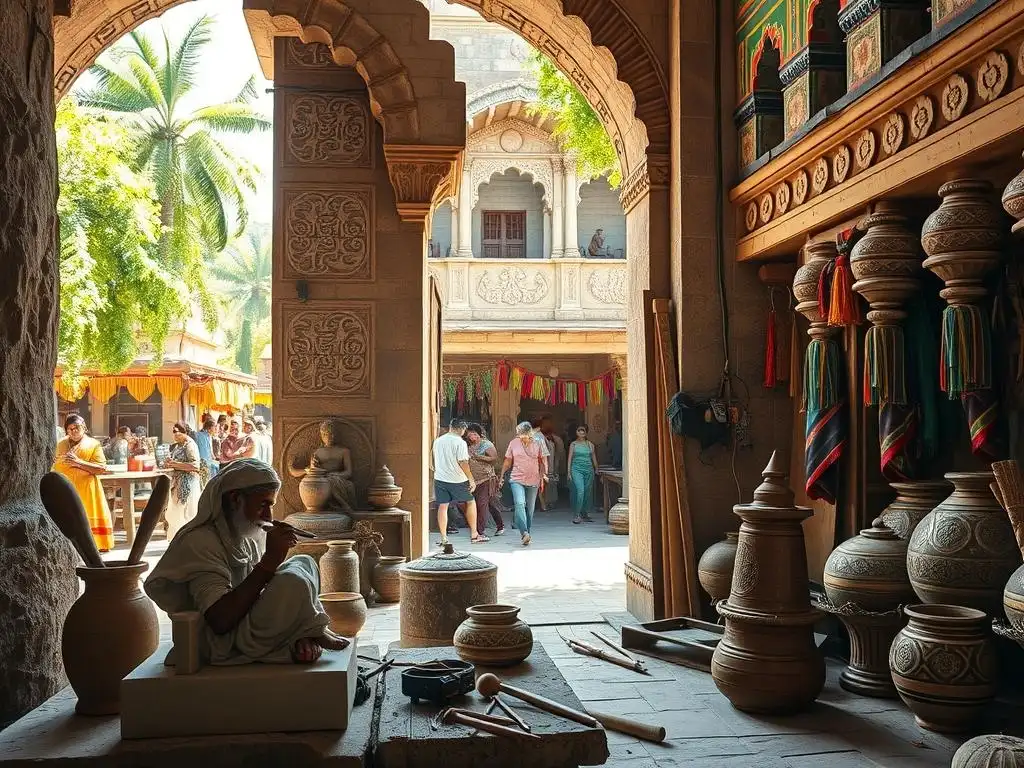
Welcome to Ancient India History, where we embark on a fascinating journey through the rich tapestry of India’s past. In our featured article, “The Evolution of Art Styles in Ancient Western India,” we delve into the captivating world of ancient Western Indian art styles, exploring their intricate forms, cultural significance, and enduring legacy.
Prepare to uncover the stories behind the masterpieces that shaped an era, as we invite you to immerse yourself in the vibrant history and diverse contributions of ancient Indian civilizations. Discover how these artistic expressions reflect the soul of a society and spark your curiosity to learn more about the artistic heritage that continues to inspire today!
Introduction to Ancient Western Indian Art Styles
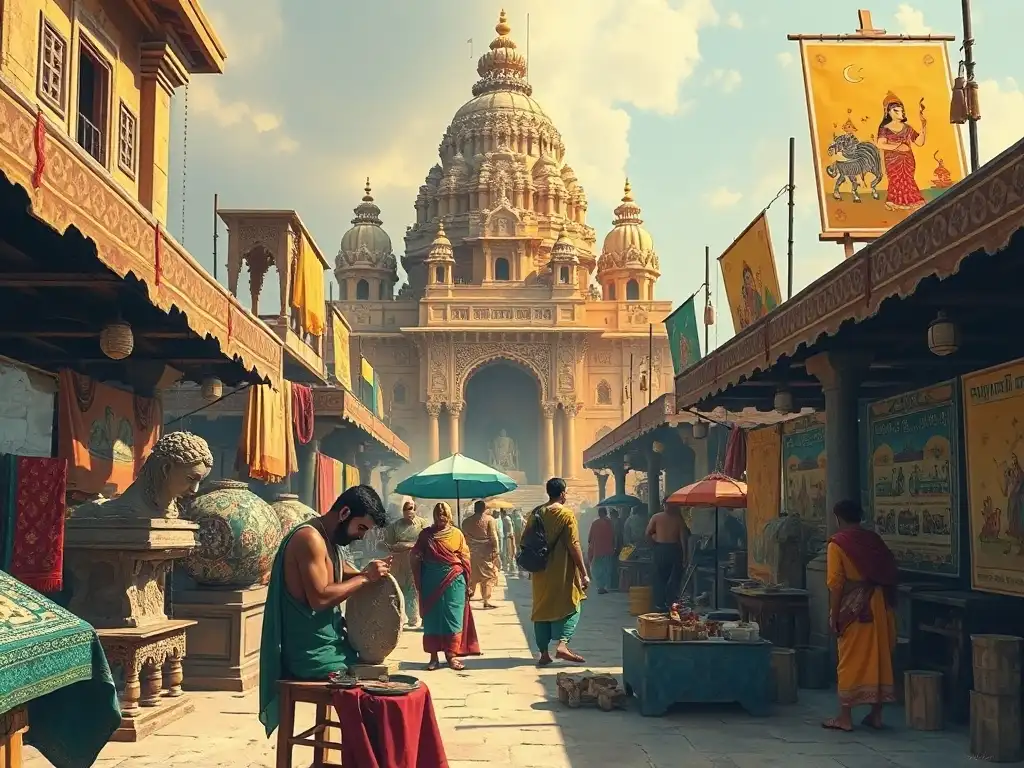
Ancient Western Indian art styles represent a unique tapestry woven from the rich cultural heritage of the region, characterized by a blend of indigenous traditions and external influences. From the intricate terracotta figurines of the Indus Valley Civilization to the majestic rock-cut caves of the Western Ghats, the evolution of these art forms reflects the dynamic interactions of various communities, beliefs, and artistic expressions over millennia.
Understanding the development of these styles not only sheds light on the aesthetic values of ancient societies but also reveals the underlying social, political, and economic contexts that shaped them. This exploration is essential for appreciating the enduring legacy of ancient Western Indian art and its profound impact on subsequent artistic movements in India.
Importance of Art in Ancient Indian Culture
Art in ancient India was not merely a form of aesthetic expression but a vital component of spiritual and social life. It served several fundamental purposes:
- Religious and Spiritual Significance: Many art forms were created to honor deities and express religious beliefs, often depicted in sculptures, paintings, and architecture.
- Cultural Identity: Art represented the ethos of communities, encapsulating their traditions, stories, and values, thus fostering a sense of belonging.
- Political Propaganda: Rulers commissioned monumental art and architecture to demonstrate power, influence, and divine right, often using art as a means of communication with their subjects.
- Societal Reflection: The themes and subjects of artwork provide insights into the daily life, customs, and societal norms of ancient Indian civilizations.
Overview of Regional Influences on Art Styles
The art styles of ancient Western India were shaped by a confluence of regional and cultural influences, including:
- Geographical Diversity: The varied landscapes, from the arid deserts of Rajasthan to the lush Ghats, influenced the materials and techniques used in art.
- Trade and Interaction: The region's strategic location along trade routes facilitated cultural exchanges with civilizations such as Mesopotamia and Persia, bringing new ideas and techniques.
- Religious Movements: The rise of Buddhism and Jainism, alongside Hinduism, introduced distinct artistic motifs and styles, leading to a rich diversity in religious iconography.
The Indus Valley Civilization and Its Artistic Contributions
The Indus Valley Civilization (c. 3300–1300 BCE) marks a significant chapter in the evolution of ancient Western Indian art. Known for its advanced urban planning, the civilization also made remarkable contributions to art that laid the foundation for future styles.
Key Characteristics of Indus Valley Art
Indus Valley art is characterized by its:
- Naturalism: Sculptures and figurines exhibit realistic proportions and intricate details, reflecting a keen observation of the human form and animal life.
- Terracotta and Bronze Works: The use of materials such as terracotta for figurines and bronze for tools and ornaments demonstrates advanced metallurgical skills.
- Symbolism: Many artifacts feature symbols and motifs that suggest a complex belief system, possibly linked to fertility and prosperity.
Notable Artifacts and Their Significance
Several artifacts from the Indus Valley stand out due to their artistic and cultural significance:
| Artifact | Description | Significance |
|---|---|---|
| Dancing Girl Statue | A bronze statue showcasing a young girl in a dance pose | Represents the artistic skill and cultural practices of the time. |
| Seals | Carved with intricate designs and inscriptions | Indicate trade practices and possibly religious beliefs. |
| Terracotta Figurines | Small figures depicting animals and humans | Suggest a connection to ritual practices and daily life. |
Influence on Later Art Styles in Western India
The artistic traditions of the Indus Valley had a lasting impact on subsequent art styles in Western India. Elements of naturalism and symbolism can be seen in later periods, such as:
- Mauryan Art: The realistic portrayal of figures in Mauryan art can be traced back to Indus Valley influences.
- Buddhist Art: The iconography developed during the Indus period influenced the themes and styles of early Buddhist sculptures, particularly in the depiction of the human form and narratives.
The evolution of ancient Western Indian art styles reflects a rich interplay of cultural influences, serving as a testament to the region's historical depth and artistic innovation.
The Mauryan Period: A Shift in Artistic Expression
The Mauryan period, spanning from the 4th to the 2nd century BCE, marked a significant shift in artistic expression in ancient Western India. Under the rule of Emperor Ashoka, the Mauryan Empire not only expanded its political boundaries but also its cultural influence, leading to a renaissance in artistic endeavors. This era is characterized by the integration of diverse artistic traditions and the emergence of monumental art forms that reflected the empire's ethos and the Buddhist faith.
The period witnessed the rise of monumental architecture, including stupas, pillars, and rock-cut caves, which served as focal points for religious and cultural gatherings. The most notable example is the Sanchi Stupa, a UNESCO World Heritage Site, which exemplifies the intricate craftsmanship and elaborate symbolism that defined Mauryan art. In addition to religious structures, the period also saw advancements in sculpture, painting, and decorative arts that were fundamentally linked to the socio-political context of the time.
The Impact of the Mauryan Empire on Art
The Mauryan Empire's influence on art was profound and multifaceted. As the first empire to unify a significant portion of the Indian subcontinent, it facilitated the exchange of ideas, styles, and techniques across regions. This unification fostered a sense of identity, which was reflected in the art produced during this time. The empire's patronage of Buddhism led to the proliferation of Buddhist art, which emphasized spiritual themes and ideals.
Furthermore, the Mauryan Empire's diplomatic relations with neighboring regions, including Persia and Greece, introduced new artistic styles and concepts. This cross-cultural interaction enriched Western Indian art, resulting in a unique blend of indigenous and foreign elements. The use of motifs and iconography from Hellenistic art alongside traditional Indian themes exemplifies this cultural syncretism.
Introduction of New Materials and Techniques
The Mauryan period also heralded the introduction of new materials and techniques that revolutionized art production in ancient Western India. With advancements in mining and metallurgy, artisans began to experiment with various materials such as stone, metal, and terracotta. The use of polished sandstone for sculptures, as seen in the intricate carvings of the Ashoka Pillars, highlighted the skilled craftsmanship of the time.
In addition to materials, the Mauryan era saw the adoption of new techniques in sculpture, including the use of lost-wax casting for bronze statues. This method allowed for greater detail and complexity in the creations, marking a departure from earlier styles that were more simplistic. The innovations in artistic techniques not only enhanced the aesthetic quality of the artworks but also reflected the empire's technological advancements.
Prominent Art Styles During the Mauryan Era
During the Mauryan era, several prominent art styles emerged, each characterized by distinct features and thematic elements. One of the most significant styles was the Buddhist art, which encompassed a range of artistic expressions, from the grand stupas to the intricate sculptures depicting the life of the Buddha. The use of symbolic representations, such as the lotus and the wheel, became central to Buddhist iconography.
Another notable style was Mauryan sculpture, which is characterized by its realism and attention to detail. The sculptures often depicted animals and human figures in dynamic poses, showcasing a high level of skill and understanding of anatomy. The lion capital of Ashoka is a prime example, representing both artistic finesse and historical significance.
Additionally, the rock-cut architecture of the period, exemplified by the caves at Barabar, displayed a blend of architectural innovation and religious function. These caves served as monastic retreats and were adorned with elaborate carvings that reflected the spiritual aspirations of the time.
The Post-Mauryan Era: Regional Diversification of Art
The post-Mauryan era, following the decline of the Mauryan Empire, was marked by a significant diversification of art styles across ancient Western India. As regional powers emerged and local identities strengthened, distinct artistic traditions began to take shape. This period saw a departure from the centralized artistic norms of the Mauryan period, allowing for greater individual expression and innovation in art.
The Emergence of Distinct Artistic Traditions
As various kingdoms rose to prominence after the Mauryan Empire, such as the Shatavahanas and the Western Kshatrapas, unique artistic traditions began to emerge. Each region developed its own style, heavily influenced by local cultures, religious practices, and the patronage of different rulers. For instance, the Shatavahana period is known for its narrative relief sculptures that depicted scenes from Buddhist stories, emphasizing storytelling in art.
Moreover, the Gandhara art tradition, influenced by Hellenistic styles due to trade routes, introduced new forms and techniques, particularly in sculpture. The fusion of Indian and Greco-Roman elements led to the creation of lifelike figures with intricate drapery and expressions, which became hallmarks of this artistic style.
Influence of Trade and Cultural Exchange on Art Styles
Trade and cultural exchange played a crucial role in shaping the art styles of ancient Western India during the post-Mauryan era. The flourishing trade routes connected India with regions as far as the Mediterranean and Central Asia, facilitating the movement of goods, ideas, and artistic influences. This exchange enriched the local artistic landscape, introducing new themes, motifs, and techniques.
For instance, the presence of foreign artisans and traders influenced the development of art in the coastal regions of Western India. The cave complexes at Ajanta and Ellora, which emerged during this period, showcased a blend of indigenous styles with influences from abroad, particularly in their intricate frescoes and sculptures. This cultural melting pot allowed for a vibrant artistic expression that reflected the dynamic interactions of the time.
Major Art Centers in Ancient Western India
Several art centers emerged across ancient Western India, each contributing to the region's rich artistic heritage. Notable among these were:
- Ajanta Caves: Renowned for their exquisite frescoes and sculptures, the Ajanta Caves illustrate the pinnacle of Buddhist art and narrative storytelling.
- Ellora Caves: A UNESCO World Heritage Site, the Ellora Caves showcase a remarkable blend of Hindu, Buddhist, and Jain art, representing the harmonious coexistence of diverse religious traditions.
- Sanchi: Famous for its stupas and gateways, Sanchi served as a significant center for Buddhist art and architecture, reflecting the religious and cultural ethos of the Mauryan and post-Mauryan periods.
These centers not only produced remarkable works of art but also served as hubs for artistic training and innovation, ensuring the continuation and evolution of ancient Western Indian art styles.
The Gupta Empire and the Flourishing of Art
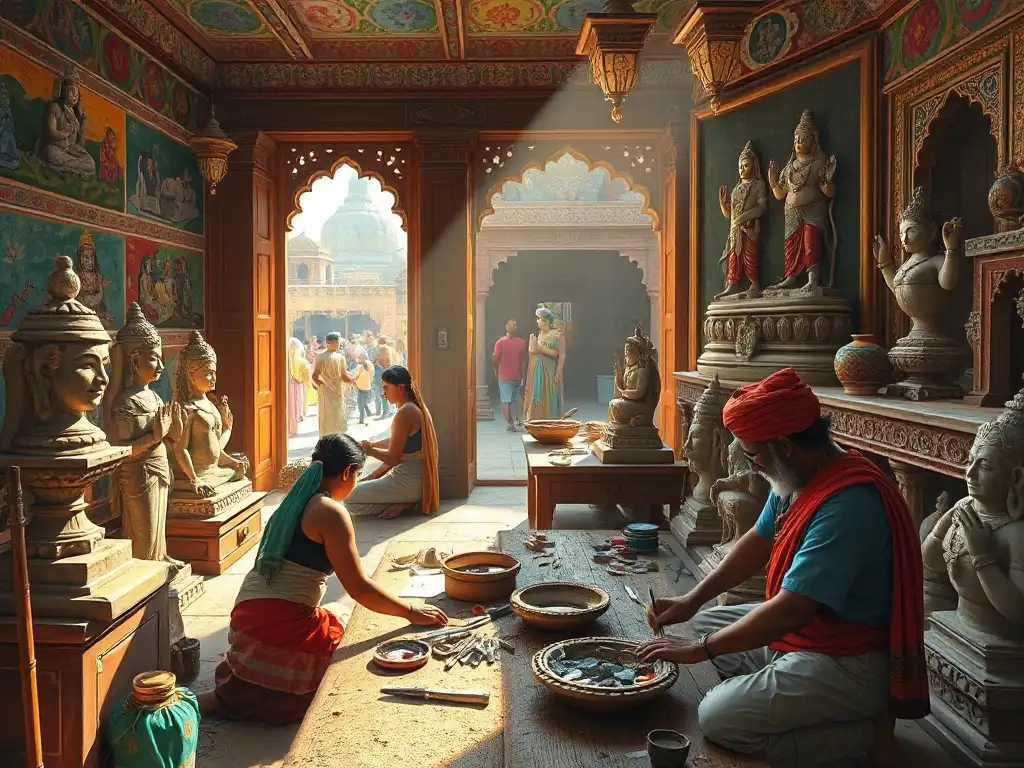
The Gupta Empire, which thrived from approximately 320 to 550 CE, is often referred to as a golden age in Indian history, particularly for its advancements in art, science, and culture. Located in a region that includes present-day Western India, the Gupta period witnessed a remarkable evolution of artistic expression that blended indigenous traditions with influences from other cultures. This era saw a significant patronage of the arts, leading to the creation of exquisite sculptures, paintings, and architectural marvels that reflected the socio-political dynamics of the time.
Gupta art is characterized by its emphasis on naturalism and aesthetics, showcasing the skilled craftsmanship of artists who were adept in various mediums. The period's artworks often conveyed deep philosophical and spiritual meanings, rooted in Hindu, Buddhist, and Jain traditions. This blend of artistic styles helped to unify the diverse cultures within the empire while also allowing for regional variations that highlighted local traditions and themes.
Characteristics of Gupta Art Styles
The art styles of the Gupta period are distinguished by several key characteristics:
- Naturalism: Artists during this time focused on creating lifelike representations of human figures, animals, and nature. This shift towards realism marked a departure from the more stylized forms of earlier periods.
- Expression and Emotion: Gupta sculptures often depict figures with expressive faces and intricate poses, conveying a range of emotions that invite viewers to connect with the art on a personal level.
- Iconography: The use of symbolic motifs and themes is prevalent in Gupta art. Divine figures, especially those from Hindu mythology, are commonly represented, adorned with elaborate jewelry and garments.
- Architectural Innovation: The period saw remarkable advancements in temple architecture, with intricate carvings and sculptures adorning the walls, showcasing both aesthetic beauty and religious significance.
This combination of characteristics resulted in a rich artistic legacy that has continued to inspire generations.
The Role of Religion in Art During the Gupta Period
Religion played a pivotal role in shaping the art of the Gupta period. The era is known for its religious pluralism, which allowed for the flourishing of Hindu, Buddhist, and Jain art forms. Temples became the focal points of artistic expression, with elaborate carvings and sculptures designed to invoke the divine presence.
- Hindu Art: The Gupta period saw the emergence of intricate depictions of deities, particularly in temple sculptures. Notable examples include beautifully carved images of Vishnu, Shiva, and Durga, often portrayed in dynamic poses that reflect their divine attributes.
- Buddhist Influence: The decline of Buddhism in some regions coincided with the rise of Hinduism, yet Buddhist art continued to thrive, especially in Western India. The creation of stupas and monastic complexes featured elaborate carvings that depicted scenes from the life of the Buddha and various Jataka tales.
- Jain Art: Jainism also flourished during this time, with artists creating detailed sculptures of Tirthankaras (spiritual teachers) in temples. These works emphasized simplicity and serene expressions, reflecting Jain values.
This religious diversity not only enriched Gupta art but also facilitated the exchange of ideas and techniques among artists, leading to innovations in style and representation.
Noteworthy Gupta Artworks from Western India
Western India is home to several remarkable Gupta artworks that stand as testaments to the artistic achievements of the period. Noteworthy examples include:
- The Cave Temples of Ajanta: These rock-cut caves, dating from the 2nd century BCE to the 6th century CE, are renowned for their stunning frescoes and intricate sculptures. The murals depict various Buddhist themes, showcasing the technical prowess and artistic vision of Gupta artisans.
- The Elephanta Caves: Located near Mumbai, the Elephanta Caves feature exquisite sculptures of Hindu deities, particularly the colossal figure of Trimurti, representing the trinity of Brahma, Vishnu, and Shiva. These carvings reflect the grandeur and spiritual depth of Gupta artistry.
- The Uparkot Fort Sculptures: Situated in Gujarat, the Uparkot Fort contains numerous sculptural reliefs that highlight the intricacies of Gupta art. These reliefs often depict scenes from mythology and daily life, showcasing the cultural context of the time.
These artworks not only exemplify the aesthetic qualities of Gupta art but also serve as important historical markers of the region's cultural and religious milieu.
Key Themes in Ancient Western Indian Art Styles
Ancient Western Indian art styles encompass a variety of themes that reflect the region's rich cultural heritage and diverse influences. Understanding these themes provides insight into the values, beliefs, and daily life of the people during ancient times.
Religious Symbolism and Iconography
Religious symbolism is a dominant theme in ancient Western Indian art, deeply influencing the artistic narrative. Artworks often serve as visual representations of spiritual beliefs and religious practices, embodying the ideals of the time.
- Symbolic Motifs: Common motifs such as lotus flowers, mandalas, and sacred animals are frequently used to convey deeper meanings. For instance, the lotus symbolizes purity and spiritual awakening in Hindu and Buddhist art.
- Divine Representations: Artists meticulously crafted images of deities, often incorporating specific iconographic elements that identify them. The presence of multiple arms, unique hairstyles, and specific postures are all indicative of particular gods and their attributes.
This emphasis on symbolism not only enhanced the spiritual experience of viewers but also played a crucial role in the devotional practices of the era.
Nature and Daily Life in Art Representations
Ancient Western Indian art also reflects themes of nature and daily life, capturing the essence of the environment and everyday experiences of the people.
- Natural Landscapes: Artists depicted lush landscapes, flora, and fauna, showcasing the natural beauty of Western India. These representations often served as a backdrop for religious narratives, enhancing the spiritual connection to nature.
- Daily Activities: Artworks frequently portray scenes of daily life, such as farming, festivals, and social gatherings. These depictions provide valuable insights into the customs, attire, and social structures of ancient communities.
By illustrating both nature and daily life, ancient Western Indian art offers a holistic view of the cultural landscape, celebrating the harmony between people and their environment.
The Role of Patronage in Artistic Development
Patronage played a crucial role in the development of ancient Western Indian art styles, influencing the direction and quality of artistic output throughout history.
- Royal Patronage: Kings and wealthy merchants often commissioned artworks for temples, public spaces, and personal collections. This financial support allowed artists to experiment with new techniques and materials, leading to advancements in style and complexity.
- Community Involvement: Local communities also participated in the patronage of art, particularly in the context of temple construction and decoration. This collective effort fostered a sense of shared cultural identity and pride.
The relationship between patrons and artists was symbiotic, where the support of patrons enabled the flourishing of artistic traditions that continue to resonate today.
The Legacy of Ancient Western Indian Art Styles
The legacy of ancient Western Indian art styles is a testament to the region's rich cultural heritage and its significant contributions to the broader canvas of Indian art. Spanning various periods, from the Indus Valley Civilization to the Gupta Empire, Western India has been a crucible of artistic experimentation and refinement. Notably, the art produced in this region is characterized by intricate craftsmanship, diverse themes, and a profound spiritual connection, reflecting the socio-political and religious dynamics of the time.
The artistic expressions from Western India include notable styles such as the rock-cut architecture of the Ajanta and Ellora caves, which showcase exquisite frescoes and sculptures that narrate Buddhist, Jain, and Hindu stories. These sites not only highlight the technical prowess of ancient artisans but also serve as a window into the spiritual and cultural narratives that shaped the lives of the people. Furthermore, the use of local materials and techniques, such as the intricate stone carvings and the vibrant mural paintings, signifies a deep understanding of the environment, allowing artists to create works that resonate with their surroundings.
Influence on Subsequent Indian Art Movements
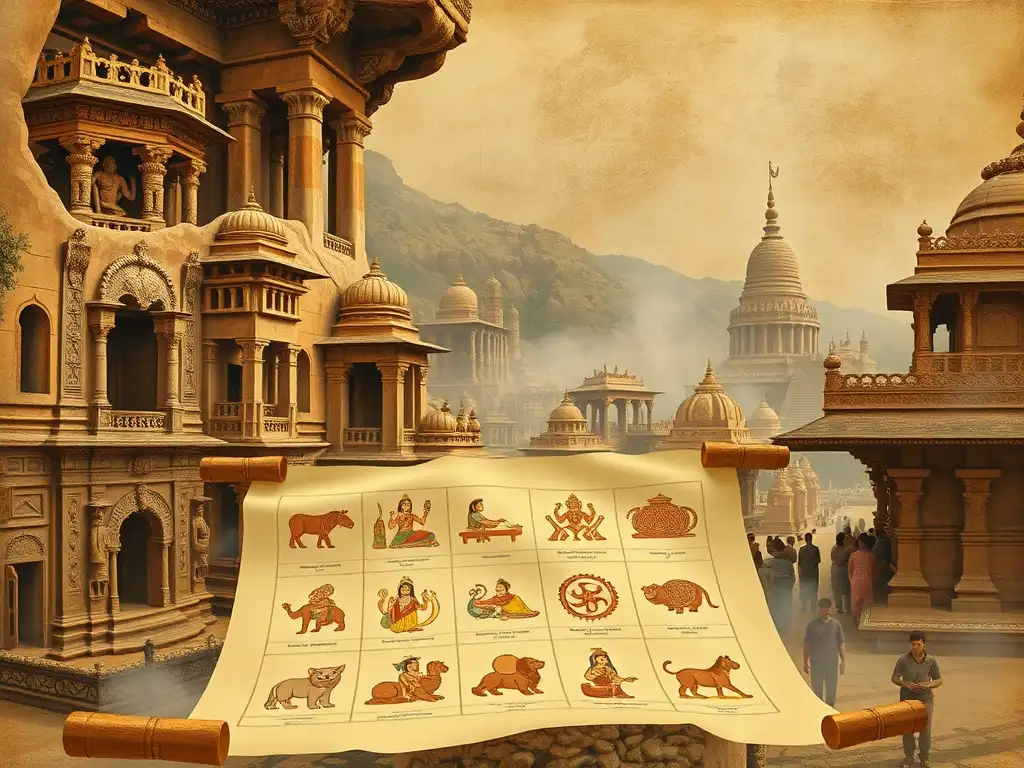
The influence of ancient Western Indian art styles on subsequent Indian art movements cannot be overstated. The techniques and themes developed during ancient times laid the groundwork for various regional styles that emerged later. For instance, the sculptural techniques seen in the Western Indian cave complexes significantly impacted the artistic practices in South India, particularly during the Chola and Pandya dynasties. The emphasis on realistic human forms and dynamic poses became a hallmark of later Indian sculpture, reflecting the enduring legacy of Western Indian artistry.
Moreover, the iconography and themes prevalent in ancient Western Indian art found their way into classical Indian dance and drama, enriching the narratives and expressions in these forms. The intricate storytelling through dance, evident in forms such as Kathak and Bharatanatyam, can trace its roots back to the narrative styles depicted in ancient art. This cross-pollination of artistic elements underscores the interconnectedness of various Indian art movements and highlights how ancient Western Indian art styles served as a foundational pillar for the evolution of Indian aesthetics.
Preservation of Ancient Art Styles in Modern India
The preservation of ancient art styles in modern India is crucial in maintaining the cultural identity and heritage of the region. Numerous initiatives have been undertaken to safeguard the traditional techniques and styles that emerged from ancient Western India. Artisans today strive to keep alive the intricate craftsmanship evident in ancient sculptures and paintings, often blending traditional methods with contemporary themes.
Institutions dedicated to art conservation play a vital role in this preservation effort. They not only provide training to artisans in traditional techniques but also engage in research to document and revive lost practices. Festivals and exhibitions celebrating ancient Western Indian art styles have gained prominence, allowing modern audiences to appreciate and engage with this rich heritage. Additionally, educational programs aimed at young artists encourage the exploration of traditional art forms, ensuring that these styles do not fade into obscurity.
Continuing Research and Discoveries in Ancient Art
Continuing research and discoveries in ancient art are reshaping our understanding of ancient Western Indian art styles. Archaeological explorations, coupled with advancements in technology, have unveiled new sites and artifacts that provide insights into the artistic practices of the time. For instance, recent excavations in regions like Gujarat have revealed pottery and sculptures that exhibit unique stylistic features, prompting scholars to reevaluate the timelines and influences of ancient art.
Interdisciplinary studies, involving art history, archaeology, and anthropology, have also shed light on the socio-cultural contexts in which these art forms developed. Such research not only enhances our appreciation of ancient Western Indian art but also highlights its relevance in understanding broader historical narratives. Conferences and symposiums focusing on ancient Indian art are becoming platforms for sharing findings, fostering collaboration among scholars, and promoting awareness of this significant cultural heritage.
Conclusion: The Significance of Ancient Western Indian Art Styles
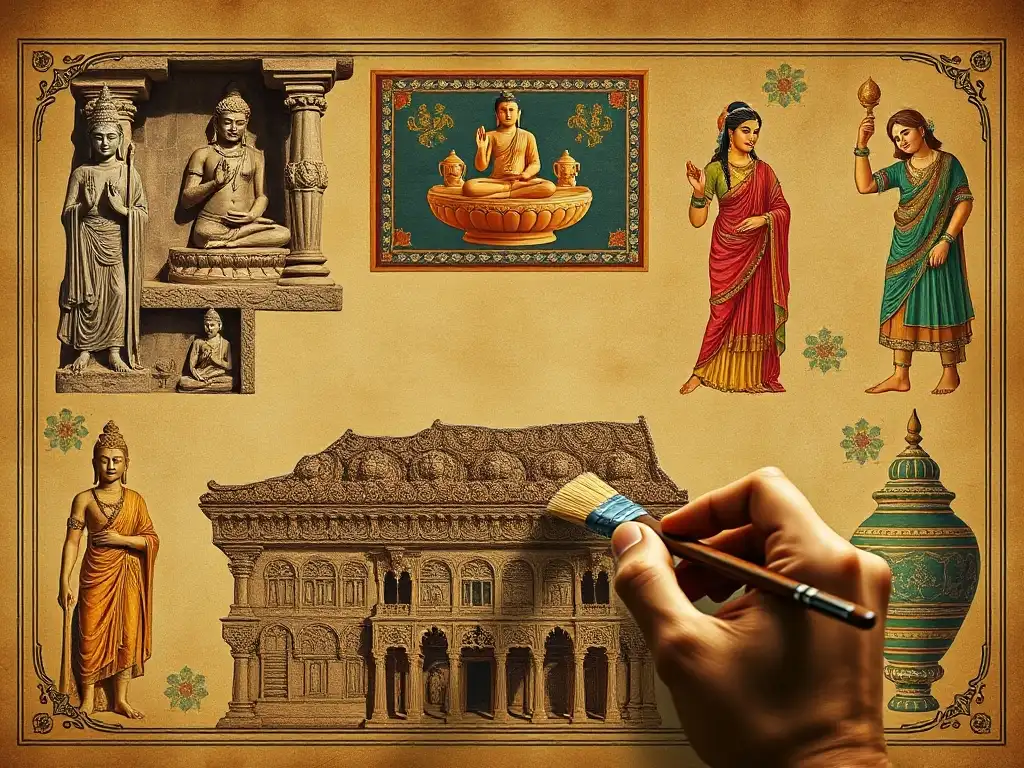
The significance of ancient Western Indian art styles lies in their ability to encapsulate the essence of a bygone era while influencing contemporary artistic expressions. These art forms serve as a bridge connecting past and present, offering insights into the lives, beliefs, and aspirations of ancient civilizations. The intricate craftsmanship and innovative techniques developed during this period continue to inspire artists and scholars alike, emphasizing the importance of preserving these legacies for future generations.
Reflection on the Evolution of Art in Ancient Western India
Reflecting on the evolution of art in ancient Western India reveals a dynamic interplay of influences and innovations. From the early figurines of the Indus Valley to the elaborate sculptures of the Gupta period, the artistic journey of this region showcases a remarkable adaptability to changing cultural and spiritual landscapes. The fusion of various styles and techniques highlights the region's role as a melting pot of ideas and creativity, contributing to a rich tapestry of Indian art.
This evolution also mirrors the broader historical changes in Indian society, including the rise and fall of empires, the spread of religions, and the interactions between diverse communities. Each phase of artistic development not only marks a distinct aesthetic but also encapsulates the spirit of the times, offering a narrative that is both complex and fascinating.
The Lasting Impact of Ancient Art on Indian Culture
The lasting impact of ancient art on Indian culture is evident in various facets of contemporary life. Ancient Western Indian art styles have transcended their historical context, influencing modern architecture, fashion, and visual arts. The motifs and themes from ancient artworks are often reinterpreted in contemporary designs, showcasing the timelessness of these artistic expressions.
Moreover, festivals celebrating traditional art forms often highlight the importance of ancient styles, fostering a sense of cultural pride and continuity. The teachings and philosophies embedded within these art forms continue to resonate with modern audiences, reinforcing the idea that art is not merely a reflection of aesthetics but a profound medium of cultural expression and identity. As India navigates the complexities of modernity, the enduring legacy of ancient Western Indian art serves as a reminder of the rich cultural heritage that continues to shape its narrative.
- Introduction to Ancient Western Indian Art Styles
- The Indus Valley Civilization and Its Artistic Contributions
- The Mauryan Period: A Shift in Artistic Expression
- The Post-Mauryan Era: Regional Diversification of Art
- The Gupta Empire and the Flourishing of Art
- Key Themes in Ancient Western Indian Art Styles
- The Legacy of Ancient Western Indian Art Styles
- Influence on Subsequent Indian Art Movements
- Preservation of Ancient Art Styles in Modern India
- Continuing Research and Discoveries in Ancient Art
- Conclusion: The Significance of Ancient Western Indian Art Styles
- Reflection on the Evolution of Art in Ancient Western India
- The Lasting Impact of Ancient Art on Indian Culture
- What are the main art styles that evolved in Ancient Western India?
- How did the Indus Valley Civilization influence ancient art?
- What role did the Gupta Empire play in the development of art?
- How did religion impact art in Ancient Western India?
- Are there any significant artifacts from Ancient Western India that are still studied today?
Frequently Asked Questions
What are the main art styles that evolved in Ancient Western India?
Ancient Western India saw the emergence of distinct art styles such as Gujarat's terracotta sculptures, the Maitraka period's rock-cut caves, and the stunning Cave paintings of Ajanta.
How did the Indus Valley Civilization influence ancient art?
The Indus Valley Civilization laid the groundwork for artistic expression through its intricate seal carvings, pottery, and urban planning, which set a precedent for later artistic traditions.
What role did the Gupta Empire play in the development of art?
The Gupta Empire is often considered the Golden Age of Indian art, notable for its advancements in sculpture, architecture, and the elaboration of religious themes, especially in Buddhist and Hindu art.
How did religion impact art in Ancient Western India?
Religion was a significant influence, with Buddhism, Jainism, and Hinduism inspiring the creation of iconic sculptures and temple architecture, reflecting spiritual beliefs and narratives.
Are there any significant artifacts from Ancient Western India that are still studied today?
Yes, artifacts like Ajanta's murals, Ellora's cave sculptures, and Gujarat's ancient pottery continue to be crucial for understanding the cultural and artistic developments of the region.
Final Reflection: The Timeless Journey of Ancient Western Indian Art Styles
The evolution of art styles in ancient Western India is not merely a historical account; it is a testament to the enduring power of creativity and cultural expression. Today, as we navigate a rapidly changing world, the significance of these ancient art forms resonates more than ever, reminding us of our shared human experience and the diverse narratives that shape our identities. The intricate sculptures, vibrant frescoes, and unique architectural styles serve as a bridge connecting us to our past, urging us to appreciate the rich tapestry of history that informs our present.
The impact of ancient Western Indian art styles extends far beyond their aesthetic appeal; they have profoundly influenced contemporary art and cultural discourse. As we explore these artistic legacies, we find ourselves reflecting on how they continue to inspire modern artists and thinkers. The essence of these styles—blending spirituality, nature, and human emotion—remains relevant in today's society, where art serves as a powerful medium for social commentary and personal expression. Art is the most beautiful of all lies.
This quote encapsulates the idea that art, in all its forms, has the ability to transcend time and space, allowing us to connect with emotions and ideas that are universal.
As we conclude our exploration of ancient Western Indian art styles, I invite you to reflect on the lessons these artistic expressions impart. Consider how the themes of resilience, innovation, and cultural dialogue found in these works can inspire your own creative journey. Whether you are an artist, a historian, or simply an admirer of beauty, let the stories behind these ancient masterpieces encourage you to embrace your own unique voice and contribute to the ever-evolving narrative of art in our world.
Unleash Your Artistic Exploration!
Thank you for diving into the fascinating evolution of art styles in ancient Western India! You’ve uncovered the rich tapestry of history and culture that has shaped this remarkable region. Now, it’s time to take your newfound knowledge further and embrace your own creative journey.
Here are a few practical steps to keep the inspiration flowing:
- Create Your Own Art Piece: Whether it’s painting, drawing, or crafting, let the styles you’ve learned about inspire your work. Share your creation on social media to connect with others who appreciate art!
- Visit a Local Museum or Gallery: Seek out exhibitions that focus on ancient Indian art. Immerse yourself in the beauty and techniques that have been passed down through generations.
- Join an Online Community: Engage with fellow art enthusiasts and historians by participating in forums or social media groups dedicated to ancient Indian art, where you can share insights and inspiration.
Which art style from ancient Western India resonates with you the most, and how do you plan to incorporate it into your creative expression?