
Unraveling the Mysteries of the Western Indian Dynasties

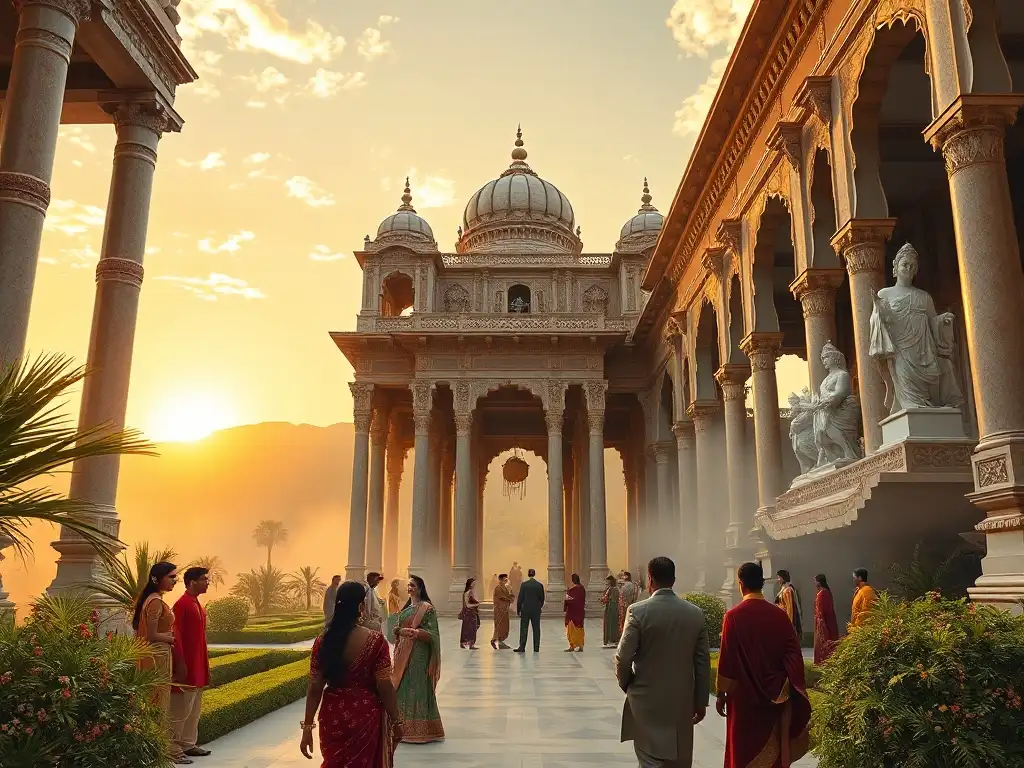
Welcome to Ancient India History, where we embark on a captivating journey through the rich tapestries of time that shape our understanding of ancient civilizations. In this exploration, we will delve into the intriguing world of the Western Indian dynasties, unearthing the mysteries that lie within their legacies. From the grandeur of their palaces to the whispers of their cultural contributions, each story beckons you to discover the profound impact these dynasties had on the fabric of Indian history.
Are you ready to unravel the secrets of the past? Join us as we dive deeper into this fascinating chapter of Western Indian dynasties history.
The history of Western India is a tapestry woven with the threads of various dynasties that have left an indelible mark on the region's culture, architecture, and governance. From the flourishing cities of the Indus Valley Civilization to the majestic palaces of the Marathas, these dynasties encapsulate a rich narrative of power, prosperity, and cultural exchange. Examining the Western Indian dynasties history unveils not only the political maneuvers and conflicts that shaped the region but also the profound contributions to art, science, and philosophy that emerged from this vibrant part of the subcontinent.
In this article, we will delve into the various dynasties that have ruled Western India, exploring their origins, achievements, and the lasting impact they have had on the cultural landscape of the region. By understanding their legacies, we can appreciate the complexity of Western India's history and its role in the broader narrative of ancient Indian civilization. Join us as we unravel the mysteries surrounding these remarkable dynasties and their significance in the annals of history.
- Introduction to Western Indian Dynasties History
- Historical Context of Western India
- Major Western Indian Dynasties
- Cultural Contributions of Western Indian Dynasties
- Economic Aspects of Western Indian Dynasties
- Legacy of the Western Indian Dynasties
- Conclusion: The Significance of Western Indian Dynasties History
-
Frequently Asked Questions
- What are the major Western Indian dynasties highlighted in the article?
- How did the Western Indian dynasties influence trade?
- What cultural contributions did the Western Indian dynasties make?
- How did the political landscape change in Western India during these dynasties?
- Why is the study of Western Indian dynasties history important?
- Final Reflection: Embracing the Legacy of Western Indian Dynasties
- Unlock the Rich Heritage of Western Indian Dynasties!
Introduction to Western Indian Dynasties History
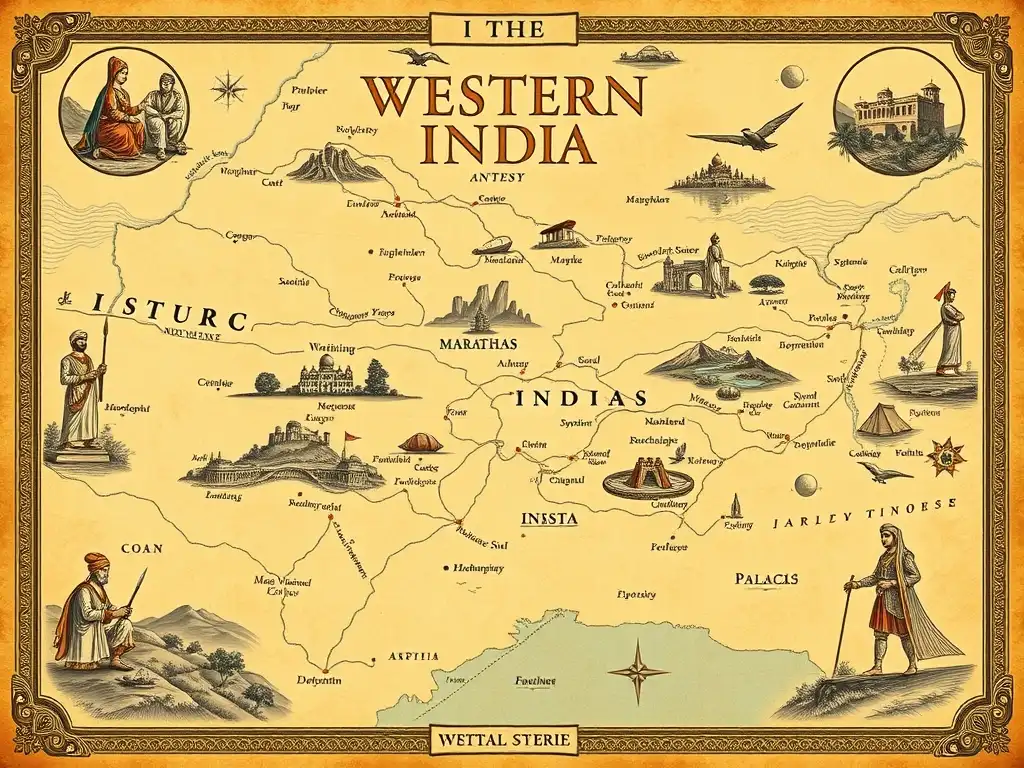
Western India has been a cradle for numerous dynasties that played pivotal roles in shaping the socio-political and cultural landscape of the region. The history of Western Indian dynasties is marked by a rich tapestry of rulers, each contributing uniquely to the development of art, architecture, trade, and governance. This section aims to dive deeper into the definition and significance of these dynasties, offering insight into their enduring legacy.
Definition of Western Indian Dynasties
Western Indian dynasties refer to the various royal families and governing factions that ruled over the western regions of India, primarily encompassing present-day states such as Gujarat, Maharashtra, Rajasthan, and parts of Madhya Pradesh. These dynasties emerged from the early historical period and continued to flourish until the advent of colonial rule.
Key dynasties in this region include:
- The Maurya Empire (322–185 BCE): Although primarily centered in Magadha, its influence extended into western India.
- The Satavahanas (1st century BCE – 3rd century CE): Known for their contributions to trade and culture, they were one of the first major dynasties in Western India.
- The Western Kshatrapas (1st–4th centuries CE): A significant power in Western India, known for their coinage and cultural exchanges with the West.
- The Gupta Empire (c. 240–550 CE): Often regarded as a golden age of Indian culture, their influence reached into the western territories.
- The Chalukyas (c. 543–753 CE): Renowned for their architectural achievements and advancements in art.
- The Rashtrakutas (8th–10th centuries CE): Known for their patronage of art and literature, as well as their military prowess.
- The Mughals (16th–19th centuries CE): Their rule marked a significant cultural amalgamation in Western India.
Understanding these dynasties provides insight into how historical events and cultural exchanges have shaped the modern identity of Western India.
Importance of Studying Western Indian Dynasties
Studying the history of Western Indian dynasties is vital for several reasons:
- Cultural Heritage: The dynasties of Western India have enriched the cultural fabric of the region through their contributions to art, literature, and architecture. Monuments such as the Ajanta and Ellora caves, built during the rule of the Western Indian dynasties, showcase a blend of religious influences and artistic excellence.
- Political Evolution: Analyzing the political structures and governance models of these dynasties provides insights into the evolution of statecraft in ancient India. This includes understanding the role of local governance, administrative practices, and the impact of foreign influences.
- Economic Impact: The trade routes established during the rule of these dynasties facilitated not only local commerce but also international trade, connecting India with distant lands. This economic activity played a crucial role in the region's wealth and prosperity.
- Social Dynamics: The interactions among different communities and cultures under these dynasties have led to a diverse social structure. Understanding these dynamics helps in grasping the complexities of communal relations and societal evolution in Western India.
- Historical Legacy: The legacies of Western Indian dynasties continue to influence contemporary society, from local governance to cultural practices. Studying their history allows us to appreciate the roots of modern Indian civilization.
The history of Western Indian dynasties is not just a narrative of rulers and conquests; it is a profound exploration of the cultural, economic, and social developments that have forged the identity of Western India.
Historical Context of Western India
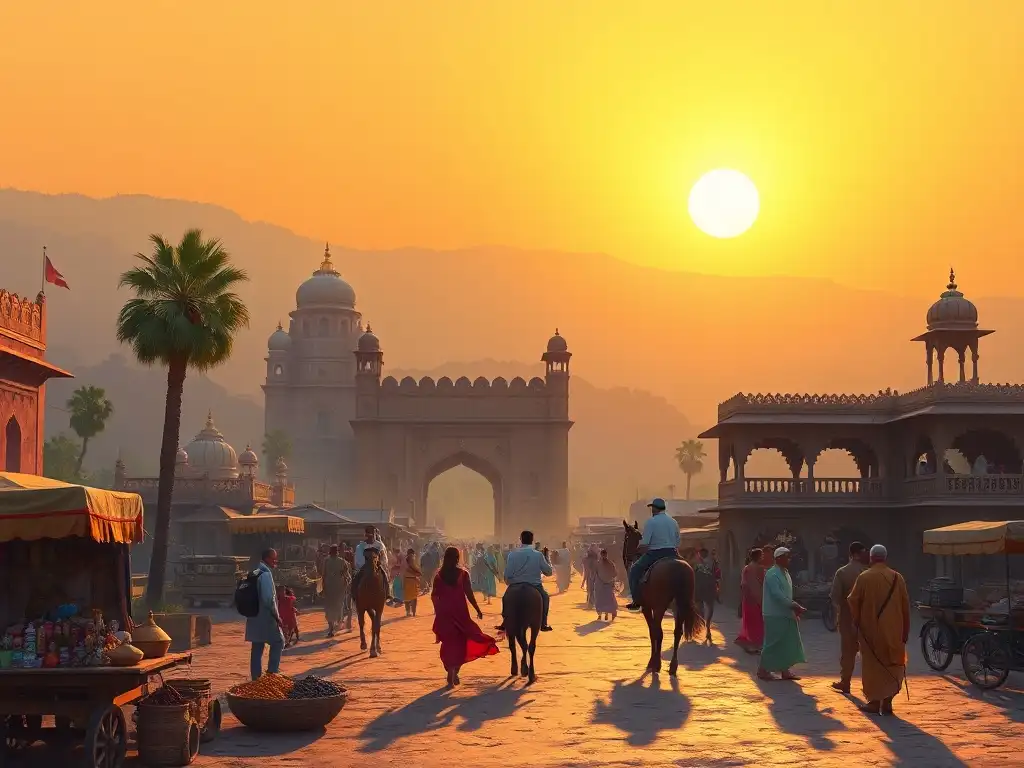
Overview of Ancient Indian Civilizations
Western India has been a cradle of civilization since ancient times, witnessing the rise and fall of numerous dynasties that contributed significantly to the region's history. The timeline of ancient Indian civilizations begins with the Indus Valley Civilization (approximately 3300–1300 BCE), known for its advanced urban planning and impressive architecture. Cities like Harappa and Mohenjo-Daro illustrate the sophistication of this early society, which thrived due to its strategic location along trade routes.
As the Indus Valley Civilization began to decline, several regional powers emerged, including the Maurya Empire (322–185 BCE) and the Gupta Empire (c. 240–550 CE). The Maurya Empire, under the leadership of Chandragupta Maurya and later Ashoka, unified a large part of India, including western regions, fostering trade and cultural exchanges. The Gupta Empire, often referred to as the Golden Age of India, further advanced art, science, and philosophy, influencing western Indian dynasties through cultural integration and trade.
Geographical Significance of Western India
The geographical landscape of Western India has played a crucial role in shaping its historical narrative. The region is bordered by the Arabian Sea to the west, offering access to maritime trade routes. This proximity facilitated interactions with various civilizations, including those from the Middle East and Africa, making Western India a melting pot of cultures.
Furthermore, the rugged Western Ghats mountain range creates a natural barrier, influencing settlement patterns and agricultural practices. The fertile river valleys, particularly those around the Narmada and Tapi, supported agrarian societies that thrived economically. The strategic location of cities like Ujjain, which became a significant trading hub, underscores the importance of geography in the history of Western Indian dynasties.
Cultural Influences on Western Indian Dynasties
The cultural tapestry of Western India is rich and diverse, shaped by various influences over centuries. The Marathas, one of the prominent western dynasties, emerged in the 17th century and played a pivotal role in resisting Mughal dominance. Their cultural legacy includes the promotion of the Marathi language and literature, as well as unique architectural styles exemplified by structures like the Shivneri Fort.
The Rathores of Marwar and the Sisodias of Mewar also left a lasting imprint on the region's culture, known for their valor and patronage of the arts. The construction of grand palaces, temples, and forts, such as the Mehrangarh Fort and Udaipur’s City Palace, reflects the architectural brilliance of these dynasties.
The influence of Jainism and Buddhism in Western India is notable, with numerous ancient temples and stupas that showcase intricate carvings and artistry. The Ajanta and Ellora caves, UNESCO World Heritage Sites, are prime examples of the region's artistic heritage, attracting scholars and tourists alike.
The history of Western Indian dynasties is intricately linked to its geographical advantages, rich cultural influences, and the legacy of ancient civilizations that have shaped the region's identity through time.
Major Western Indian Dynasties
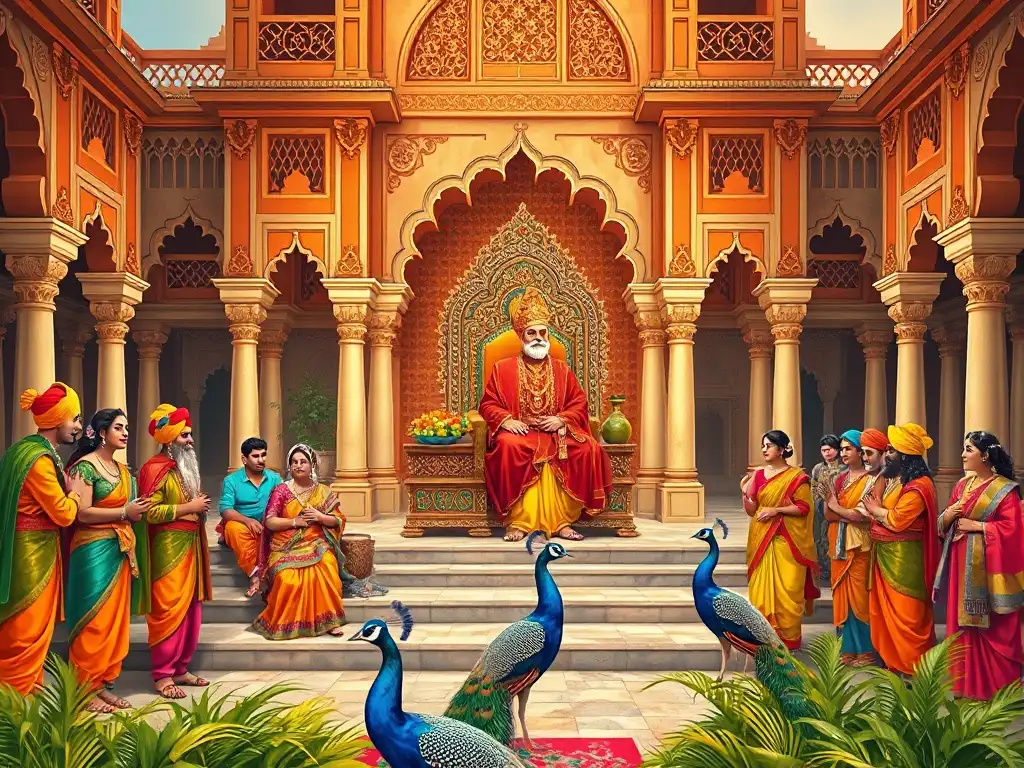
Western India has been home to several influential dynasties that have played a crucial role in shaping the region's history, culture, and politics. Among these, the Maurya Empire and the Western Satraps stand out as key contributors to the rich tapestry of Western Indian history. This section will delve into the specifics of these dynasties, highlighting their contributions and notable rulers.
The Maurya Empire and Its Influence
The Maurya Empire, founded in the 4th century BCE by Chandragupta Maurya, marked a significant turning point in Indian history. Spanning most of the Indian subcontinent, this empire is renowned for its administrative efficiency, military prowess, and cultural advancements.
Key Contributions of the Maurya Dynasty
- Administrative Innovations: The Maurya Empire is credited with establishing a centralized administration that included a vast bureaucratic system. This system enabled effective governance across diverse regions, ensuring stability and order.
- Economic Prosperity: The Mauryan period saw considerable economic growth, largely due to extensive trade routes that connected Western India with other regions. The establishment of trade networks facilitated commerce, enhancing the wealth of the empire.
- Cultural Flourishing: This era witnessed remarkable advancements in art, architecture, and literature. The construction of stupas, such as the famous Sanchi Stupa, exemplified the architectural brilliance of the time. The spread of Buddhism during Ashoka's reign further enriched the cultural landscape.
Notable Rulers and Their Legacies
- Chandragupta Maurya: As the founder of the Maurya Empire, Chandragupta is known for unifying the Indian subcontinent and establishing a strong centralized government.
- Ashoka the Great: Perhaps the most renowned Mauryan ruler, Ashoka is celebrated for his promotion of Buddhism and non-violence. His edicts, inscribed on pillars and rocks, are crucial historical documents that provide insights into his governance and philosophy.
- Bindusara: The son of Chandragupta, Bindusara expanded the empire further into southern India and maintained stability within the region.
The Western Satraps: A Unique Dynasty
The Western Satraps emerged around the 1st century CE, ruling parts of Western India, including Gujarat and Maharashtra. This dynasty is notable for its unique blend of Indian and Greco-Roman influences, reflecting the diverse cultural interactions of the time.
Historical Overview of the Western Satraps
- Origins and Establishment: The Western Satraps are believed to be a branch of the Satavahana dynasty, with their rule marked by a significant degree of autonomy. They filled the power vacuum left by the decline of the Maurya Empire and are often associated with the Kushan Empire's influence.
- Political Structure: The Satraps maintained a decentralized form of governance, allowing local chieftains to exercise authority while they oversaw regional administration. This approach enabled them to effectively manage the diverse populations within their realm.
Cultural Contributions and Governance
- Cultural Synthesis: The Western Satraps played a pivotal role in the cultural synthesis of the region, as they integrated Indian traditions with Hellenistic influences. This resulted in unique art forms, such as coinage that featured both Indian motifs and Greek inscriptions.
- Buddhist Patronage: The Satraps were known for their support of Buddhism, which flourished during their reign. Significant archaeological sites, such as the rock-cut caves of Ajanta, are believed to have received patronage from this dynasty.
- Trade and Commerce: The Western Satraps contributed to the prosperity of trade in Western India, facilitating commerce with regional and international markets, including those linked to the Roman Empire.
The history of the Western Indian dynasties highlights a complex interplay of governance, culture, and commerce, with each dynasty leaving a lasting legacy on the region. Understanding these dynasties provides valuable insights into the broader historical context of ancient India.
The Gupta Empire's Impact on Western India
The Gupta Empire, which flourished from approximately 240 to 550 CE, is often referred to as the "Golden Age" of India due to its remarkable advancements in various fields, including science, mathematics, arts, and literature. While the heart of the Gupta Empire was in northern India, its influence extended significantly into western India, contributing to the cultural and economic development of the region.
The Guptas established a peaceful and prosperous environment that facilitated trade and cultural exchanges. Their rule encouraged the establishment of educational institutions and the patronage of scholars and artists. Western India, with its strategic location along trade routes, became a vital area for commerce, connecting the subcontinent with regions such as Persia and the Mediterranean. This resulted in an influx of goods, ideas, and cultural practices that enriched western Indian civilizations.
Achievements of the Gupta Dynasty
The Gupta Dynasty is known for several key achievements that had profound impacts on western India:
- Mathematics and Astronomy: The mathematician Aryabhata, who lived during the Gupta period, made significant contributions to mathematics and astronomy, including the concept of zero and the approximation of pi. These advancements influenced scientific thought and education in western India.
- Art and Architecture: The Guptas were great patrons of art, leading to the development of distinctive styles in sculpture and architecture. The famous Ajanta and Ellora caves, with their elaborate rock-cut temples and intricate frescoes, date back to this period and showcase the artistic excellence that flourished in western India.
- Literature: The Gupta period saw the emergence of notable literary figures such as Kalidasa, whose works are celebrated for their poetic beauty and depth. The proliferation of Sanskrit literature during this time laid the groundwork for future literary developments in the region.
These achievements not only enriched the cultural fabric of western India but also established a legacy that would influence subsequent dynasties.
Interaction with Other Dynasties
The Gupta Empire's interactions with other regional dynasties enhanced its influence and facilitated a rich exchange of cultural and political ideas. For instance, the Guptas maintained diplomatic relationships with the Western Kshatrapas and the Maitrakas of Vallabhi, which fostered trade and cultural ties.
Moreover, the Guptas often engaged in military campaigns to protect their interests and expand their territory. This led to the assimilation of various cultures and practices, particularly in western India, where the synthesis of local traditions with Gupta influences created a unique blend of customs and governance.
The Rashtrakutas: A Powerful Force
The Rashtrakutas rose to prominence in the 6th century CE and became one of the most powerful dynasties in western India, ruling over large swathes of territory from Gujarat to Karnataka. Their reign marked a significant period of cultural and political development in the region.
The dynasty was characterized by its strong administrative structure and military prowess, allowing it to expand aggressively and maintain control over diverse populations. The Rashtrakutas played a crucial role in the regional power dynamics, often challenging neighboring kingdoms and asserting their dominance.
Rise and Expansion of the Rashtrakutas
The rise of the Rashtrakutas can be traced back to the leadership of Dantidurga, who defeated the Maitrakas and established the dynasty's stronghold in the Deccan region. Under the reign of subsequent rulers, such as Krishna I and Amoghavarsha, the Rashtrakutas expanded their territory significantly, incorporating parts of modern-day Maharashtra, Madhya Pradesh, and Gujarat.
Their military campaigns were not only aimed at territorial expansion but also at consolidating power over trade routes, enhancing their economic strength. The Rashtrakutas established their capital at Manyakheta (modern Malkhed), which became a center of administration, culture, and commerce.
Contributions to Art and Literature
The Rashtrakutas are renowned for their contributions to art and literature, particularly in the fields of rock-cut architecture and poetry. One of their most significant contributions is the astonishing rock-cut temples at Ellora, particularly the Kailasa temple, which exemplifies the architectural ingenuity and artistic brilliance of the period.
In literature, the Rashtrakutas promoted Sanskrit and Kannada poetry, leading to the emergence of notable poets such as the famous Kannada poet, Amoghavarsha, who composed the "Kavirajamarga," an important text on poetics and aesthetics. This literary flourishing during the Rashtrakuta rule not only enriched the cultural landscape of western India but also laid the groundwork for future literary traditions in the region.
Through their artistic and literary contributions, the Rashtrakutas left an indelible mark on western Indian history, influencing subsequent generations and establishing a rich cultural heritage that continues to be celebrated today.
Cultural Contributions of Western Indian Dynasties
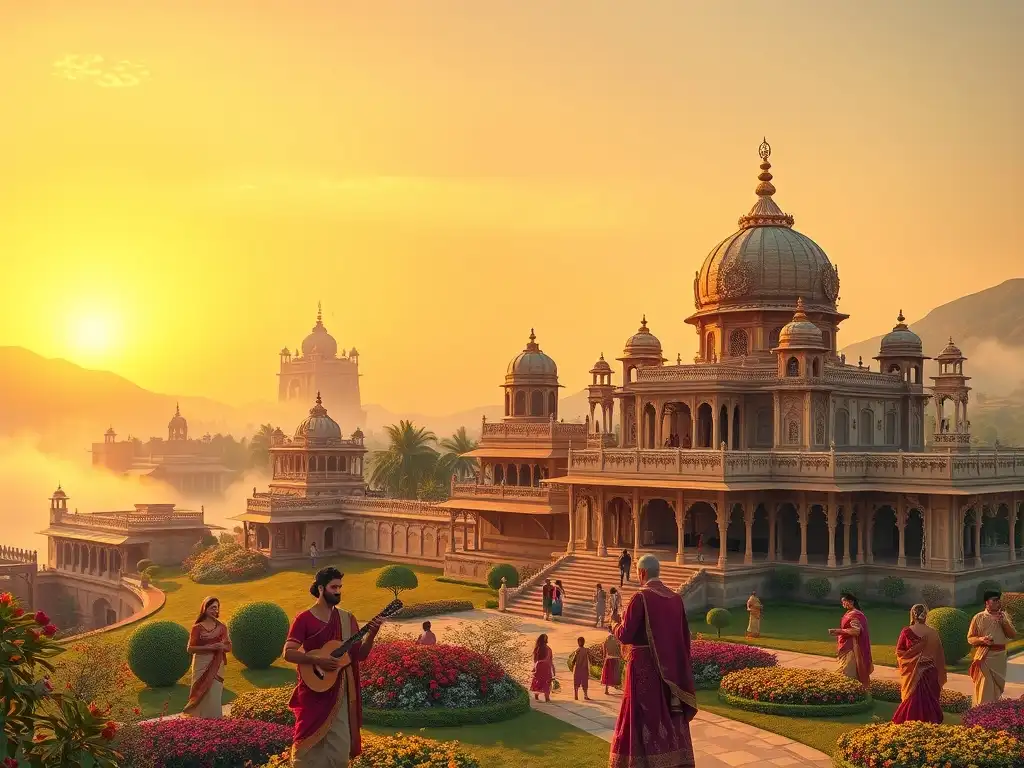
Art and Architecture in Western India
The Western Indian dynasties, including the Mauryas, Satavahanas, and the Rashtrakutas, left an indelible mark on the art and architecture of the region. Their contributions reflect a synthesis of cultural influences that shaped the identity of Western India, making it a vibrant hub of creativity and innovation.
Temples and Monuments: A Historical Overview
The temples of Western India are a testament to the architectural prowess of ancient craftsmen. The rock-cut caves of Ajanta and Ellora, dating back to the 2nd century BCE to the 6th century CE, exemplify this mastery. These sites feature intricate carvings and stunning frescoes that depict Buddhist, Hindu, and Jain motifs, showcasing the region's religious diversity.
| Cave | Location | Era | Style |
|---|---|---|---|
| Ajanta Caves | Maharashtra | 2nd century BCE - 6th century CE | Buddhist |
| Ellora Caves | Maharashtra | 5th century - 10th century CE | Hindu, Jain |
| Khajuraho Temples | Madhya Pradesh | 950 - 1050 CE | Nagara style |
The intricate carvings on these temples often narrate stories from epics like the Ramayana and Mahabharata, reflecting the socio-cultural milieu of the time. Furthermore, the large-scale monuments built during the reign of the Rashtrakutas, such as the Kailasa Temple at Ellora, highlight a unique blend of rock-cut architecture and sculpture.
Influence of Religion on Art
Religion played a pivotal role in shaping the artistic expressions of Western Indian dynasties. The flourishing of Buddhism during the reign of the Mauryas resulted in the construction of stupas, such as the one at Sanchi, which served as important pilgrimage sites. These structures were adorned with sculptures that symbolized the teachings of Buddha, emphasizing compassion and enlightenment.
In contrast, the rise of Hinduism during the Gupta period brought forth a renaissance in temple architecture and iconography. Temples became centers of worship and community gathering, with elaborate carvings depicting deities and celestial beings. The artistic innovations during this period led to the establishment of a distinctive style that influenced later architectural developments across India.
Literature and Philosophy in Western India
The literary and philosophical contributions of Western Indian dynasties are equally significant, enriching the cultural fabric of the region.
Prominent Literary Figures and Their Works
Western India was home to several renowned literary figures whose works have stood the test of time. One notable figure is Kalidasa, often regarded as one of the greatest Sanskrit poets and playwrights. His plays, such as "Shakuntala," showcase not only exceptional storytelling but also a deep understanding of human emotions and nature.
Another influential literary figure is Bhasa, whose plays are characterized by their dramatic narratives and complex characters. His work reflects the socio-political landscape of the time, offering insights into the societal norms and values of ancient Western India.
Philosophical Movements in Ancient Western India
The philosophical landscape of Western India was marked by various schools of thought, including Jainism and Buddhism. Jain philosophy, with its emphasis on non-violence (ahimsa) and asceticism, contributed significantly to the ethical framework of the region. The teachings of Mahavira, the 24th Tirthankara, laid the foundation for Jain literature and practices.
Similarly, Buddhism, which gained prominence under the Mauryan Empire, fostered a culture of inquiry and debate. The establishment of universities like Nalanda attracted scholars from across the subcontinent, facilitating the exchange of ideas and philosophical discourse. This intellectual environment nurtured various philosophical movements, including the development of logic and epistemology.
The cultural contributions of the Western Indian dynasties, encompassing art, architecture, literature, and philosophy, reflect a rich and diverse heritage. These elements not only shaped the identity of Western India but also left a lasting impact on the broader tapestry of Indian civilization.
Economic Aspects of Western Indian Dynasties
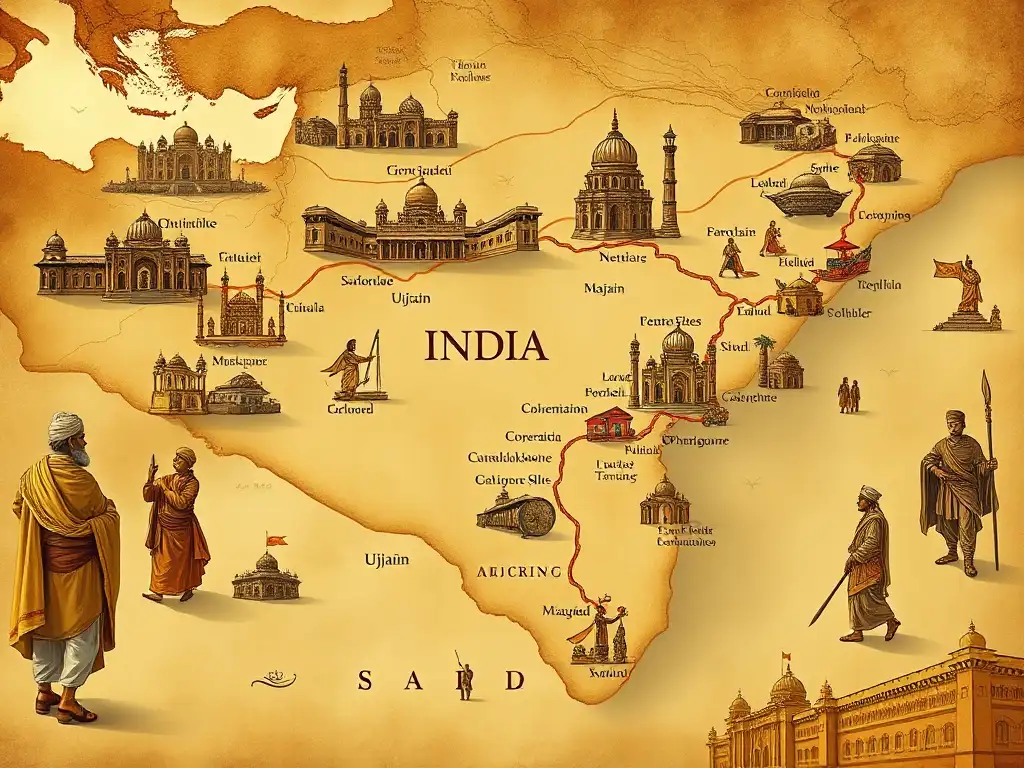
The economic landscape of the Western Indian dynasties was as diverse as the myriad cultures that thrived in this region. From the bustling trade routes crisscrossing the land to the agricultural practices that sustained these civilizations, the economy played a crucial role in the development and prosperity of these dynasties. Understanding these economic aspects is essential to grasp the full picture of Western Indian dynasties history.
Trade Routes and Economic Development
Western India served as a pivotal hub for trade, connecting various regions both within the Indian subcontinent and with distant lands. The presence of significant trade routes facilitated not only the exchange of goods but also the movement of ideas and cultures. Key trade routes included:
- The Grand Trunk Road: This ancient route linked the eastern and western parts of India, promoting trade and cultural exchange.
- The Arabian Sea Trade: Ports like Surat and Diu became critical points for maritime trade, connecting India with the Middle East, Africa, and beyond.
Key Trade Goods
The trade routes supported the exchange of numerous goods, which included:
- Spices: Western India was known for its rich spices, attracting traders from around the world.
- Textiles: The region's vibrant textile industry produced high-quality cotton and silk fabrics, which were highly sought after.
- Precious Gems and Metals: Western Indian dynasties often traded in valuable stones and metals, enhancing their economic stature.
The economic development fostered by these trade routes led to the growth of urban centers where merchants, artisans, and laborers coexisted, contributing to a flourishing economy. Cities such as Ahmedabad and Surat emerged as significant commercial hubs, facilitating trade and attracting diverse populations.
Agriculture and Land Ownership Patterns
Agriculture formed the backbone of the economy in the Western Indian dynasties, with fertile plains and a suitable climate providing the ideal conditions for farming. The agricultural practices varied significantly among different dynasties but shared common traits that contributed to their sustainability.
Agricultural Practices
- Crop Diversity: Farmers grew a variety of crops, including wheat, rice, pulses, and cotton. This diversity helped ensure food security and economic stability.
- Irrigation Systems: The development of sophisticated irrigation systems, including canals and wells, allowed for enhanced agricultural productivity, particularly in arid regions.
Land Ownership Patterns
Land ownership played a crucial role in the socio-economic structure of Western Indian societies. The patterns of land ownership can be summarized as follows:
- Feudal System: Many dynasties adopted a feudal system where land was owned by local lords or zamindars, who managed agricultural production and collected taxes from peasants.
- Temple Land: Temples often owned large tracts of land, which were cultivated by tenant farmers. The revenues generated were used to support religious and cultural activities.
These land ownership patterns not only shaped the agricultural landscape but also influenced social hierarchies and economic relations within Western Indian societies. The relationship between landowners and peasants was vital for maintaining the agricultural economy, which in turn supported trade and urban development.
The economic aspects of Western Indian dynasties reveal a complex interplay between trade, agriculture, and social structures. The thriving trade routes and diverse agricultural practices contributed significantly to the prosperity of these dynasties, leaving a lasting legacy in the rich tapestry of Western Indian dynasties history.
Legacy of the Western Indian Dynasties
The legacy of the Western Indian dynasties is a tapestry woven with threads of remarkable achievements, cultural advancements, and significant contributions that have shaped not only the region but also the broader spectrum of Indian history. From the early rulers of the Maurya and Gupta Empires to the powerful dynasties like the Chalukyas, Rashtrakutas, and the Yadavas, each dynasty left an indelible mark on the subcontinent's cultural and political landscape.
How Western Indian Dynasties Shaped Modern India
The influence of Western Indian dynasties on modern India can be observed through various lenses, including architecture, administration, art, and trade.
- Architectural Innovations:
- The Western Indian dynasties were prolific builders. The exquisite rock-cut caves of Ajanta and Ellora, commissioned during the rule of the Vakatakas and the Rashtrakutas, stand as testaments to the architectural brilliance of the time.
- The intricate carvings and sculptures reflect a blend of religious influences, showcasing Buddhism, Hinduism, and Jainism, thus promoting a culture of tolerance and diversity.
- Administrative Systems:
- The administrative frameworks established by these dynasties laid the groundwork for future governance models in India. The Chalukyas, for instance, implemented a decentralized form of governance that allowed for local autonomy, a concept that resonates in contemporary administrative practices.
- The introduction of comprehensive taxation systems and revenue collection methods by the Rashtrakutas further enhanced the efficiency of governance and economic stability.
- Cultural Exchange and Trade:
- Western India was a significant hub for trade routes connecting the western coast to the interiors of India and beyond. The flourishing trade networks established by the Western Indian dynasties facilitated cultural exchange and the spread of ideas.
- The maritime trade led by ports like Surat and Bharuch not only boosted the economy but also allowed for the introduction of diverse cultural practices, culinary traditions, and artistic expressions that continue to be part of Indian society today.
- Literature and Language:
- The patronage of literature and the arts by various dynasties enriched the linguistic diversity of the region. The Rashtrakutas, for example, promoted Kannada literature, while the Chalukyas contributed significantly to Sanskrit literature.
- This cultural investment has led to a rich literary heritage that modern Indian literature continues to draw upon.
The confluence of these factors illustrates how the rich tapestry of Western Indian dynasties history has profoundly influenced the evolution of modern India, making it a cornerstone of the nation's identity.
Preservation of Cultural Heritage in Western India
Preserving the cultural heritage of Western India is essential not only for historical continuity but also for fostering a sense of identity among its people. The region's heritage, encapsulated in its monuments, traditions, and practices, serves as a bridge connecting the past with the present.
- Conservation Efforts:
- Numerous organizations and government initiatives are dedicated to the conservation of historical sites. For instance, the Archaeological Survey of India (ASI) plays a pivotal role in the preservation of ancient monuments, such as the intricately carved temples of Khajuraho and the forts of Maharashtra.
- Local communities also engage in grassroots efforts to protect their cultural heritage through festivals, traditional crafts, and oral histories, ensuring that these practices are passed down through generations.
- Cultural Festivals:
- Festivals like Ganesh Chaturthi and Diwali in Maharashtra not only celebrate religious beliefs but also serve as platforms for showcasing traditional arts, music, and dance forms, fostering a sense of belonging and cultural pride.
- These festivals attract tourism, providing economic benefits while promoting awareness of the region's rich history and traditions.
- Educational Initiatives:
- Educational institutions and cultural organizations are increasingly incorporating the history of Western Indian dynasties into their curricula, ensuring that younger generations appreciate their heritage.
- Workshops, seminars, and cultural exchanges are conducted to engage the community in discussions about the importance of preserving their unique identity within the larger context of Indian history.
The preservation of cultural heritage in Western India is vital for maintaining the region's historical narrative. By honoring the legacies of the Western Indian dynasties, current and future generations can continue to celebrate their rich cultural identity and contribute to the ongoing story of India’s diverse history.
Conclusion: The Significance of Western Indian Dynasties History
The history of Western Indian dynasties is not only a fascinating tapestry of power, culture, and innovation but also a significant aspect of India's overall historical narrative. These dynasties, including the Mauryas, Satavahanas, and the Chalukyas, played crucial roles in shaping the social, economic, and political landscapes of the region. Understanding their contributions offers insights into the broader historical developments that occurred in ancient India.
Summary of Key Points
- Cultural Flourishing: Western Indian dynasties were pivotal in the promotion of arts, literature, and architecture. For instance, the rock-cut caves of Ajanta and Ellora are testaments to the artistic achievements during the rule of the Vakatakas and Rashtrakutas.
- Trade and Economy: The strategic location of Western India along trade routes facilitated economic prosperity. The Satavahanas, for example, established trade links with regions as far as Rome and Southeast Asia, enhancing cultural exchanges.
- Political Dynamics: The rise and fall of various dynasties reflect the complex political landscape of ancient India. The interactions among local rulers, such as alliances and conflicts, illustrate the region's dynamic history.
- Religious Developments: Western Indian dynasties were instrumental in the spread of religions such as Buddhism and Jainism. The patronage of these faiths led to the establishment of significant religious sites, contributing to India's spiritual heritage.
- Technological Advancements: Innovations in agriculture, urban planning, and engineering emerged during the reign of these dynasties, showcasing their contributions to technological progress in ancient India.
The Continuing Influence of Western Indian Dynasties in Today's India
The legacies of Western Indian dynasties continue to resonate in modern India. Their architectural marvels remain key tourist attractions, drawing visitors interested in both history and culture. Furthermore, the economic trade routes established during their reigns laid the groundwork for contemporary commerce in the region.
- Cultural Heritage: Festivals, traditional crafts, and local cuisines in Western India can trace their roots back to these ancient dynasties, reflecting a rich cultural continuity.
- Political Framework: The governance models and administrative practices from these dynasties have influenced modern political structures, emphasizing the importance of local governance.
- Tourism and Education: Heritage sites associated with these dynasties are now focal points for educational tours, helping to instill a sense of pride and awareness of India's rich history among younger generations.
The history of Western Indian dynasties is not just a relic of the past; it is an enduring legacy that continues to shape the cultural, economic, and political fabric of contemporary India. Understanding this history is vital for appreciating the complexities of India's regional identities and the profound impact of its ancient civilizations.
Frequently Asked Questions
What are the major Western Indian dynasties highlighted in the article?
The article discusses several key dynasties, including the Satavahanas, Rashtrakutas, and Chalukyas, each contributing significantly to the region's history and culture.
How did the Western Indian dynasties influence trade?
The Western Indian dynasties played a crucial role in facilitating trade routes, especially through coastal ports, enhancing economic prosperity and cultural exchanges with other regions.
What cultural contributions did the Western Indian dynasties make?
These dynasties are known for their architectural marvels, literature, and art forms, which included remarkable temples, sculptures, and inscriptions that reflect their rich cultural heritage.
How did the political landscape change in Western India during these dynasties?
The political landscape saw significant shifts due to conquests and alliances among dynasties, leading to a dynamic and often tumultuous history characterized by power struggles.
Why is the study of Western Indian dynasties history important?
Understanding the Western Indian dynasties history is essential for grasping the broader context of ancient Indian civilization, as it showcases the region's diverse contributions to India's overall heritage.
Final Reflection: Embracing the Legacy of Western Indian Dynasties
The history of the Western Indian dynasties is not merely a collection of dates and events; it is a vibrant tapestry that continues to shape our cultural identity today. As we delve into the past, we uncover the profound influence these dynasties have had on art, architecture, and social structures, reminding us that understanding our history is essential for navigating the complexities of the present. The legacies of these dynasties are not relics of a bygone era but rather living narratives that resonate with our contemporary experiences.
The impact of Western Indian dynasties extends far beyond historical texts; it permeates our cultural landscape, inspiring generations to explore their roots. The architectural marvels and artistic expressions born from these dynasties serve as a testament to human creativity and resilience. As historian Romila Thapar once said, "> History is not just about the past; it is a way of understanding the present." This perspective invites us to appreciate how the stories of these dynasties continue to influence our values, traditions, and even our aspirations today.
As we reflect on the rich history of the Western Indian dynasties, I encourage you to take a moment to consider how these narratives resonate within your own life. What lessons can we draw from their triumphs and tribulations? Let us honor their legacy by embracing the diversity and richness of our cultural heritage, fostering a deeper understanding of our shared history. In doing so, we not only celebrate the past but also empower ourselves to shape a more inclusive and enlightened future.
Unlock the Rich Heritage of Western Indian Dynasties!
Thank you for diving into the fascinating world of the Western Indian dynasties with us! We hope you have uncovered insights that ignite your passion for Ancient India’s rich history. Now, let’s take that curiosity and transform it into action!
Here’s how you can further engage with this incredible topic:
- Explore local museums or exhibitions that feature artifacts from these dynasties – experiencing history firsthand is unforgettable!
- Join online forums and groups focused on Indian history to share your thoughts and learn from fellow enthusiasts.
- Consider writing your own article about a specific dynasty or historical figure that captivated your interest – unearthing your own stories can deepen your connection to the past!
What aspect of the Western Indian dynasties inspired you the most, and how will you explore it further? We invite you to share your thoughts in the comments!