
The Technological Advancements in Ancient Indian Surgery

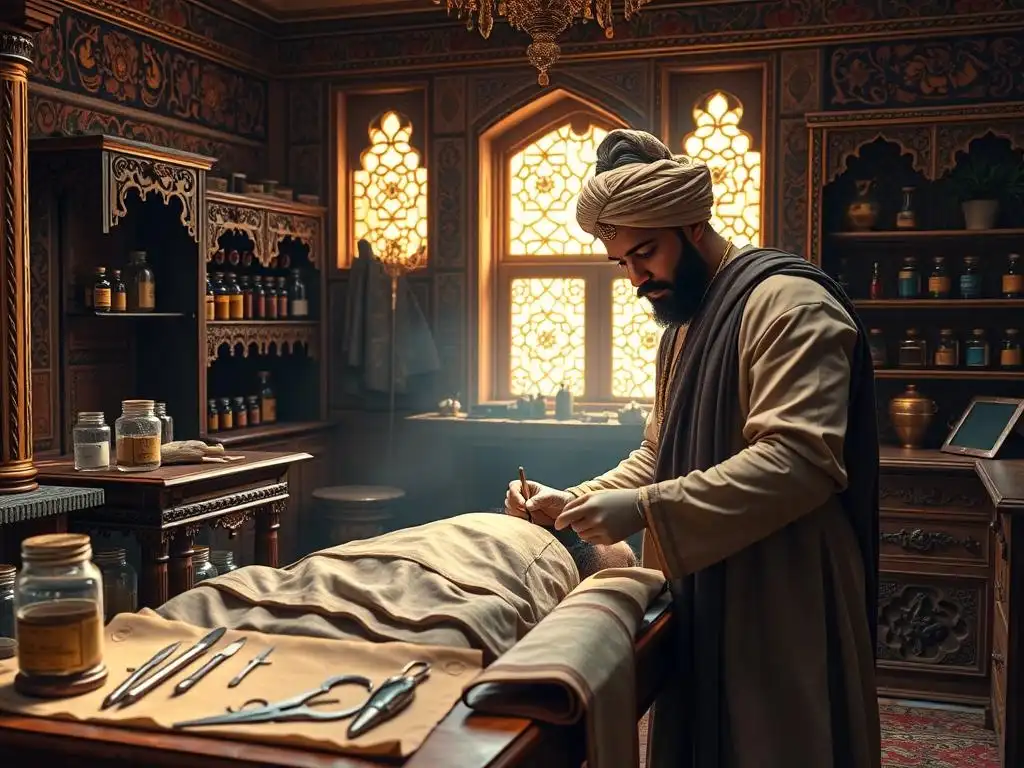
Welcome to Ancient India History, where we embark on a fascinating journey through time to uncover the rich tapestry of cultures and innovations that shaped one of the world's oldest civilizations. In our featured article, "The Technological Advancements in Ancient Indian Surgery," we delve into the remarkable ancient Indian surgical techniques that revolutionized medicine long before the modern age.
Prepare to be amazed as we reveal the groundbreaking contributions that not only highlight the ingenuity of ancient Indian scholars but also their profound understanding of human anatomy. Join us as we unravel these historical gems and prompt your curiosity to explore further into the vibrant world of ancient India!
- Introduction to Ancient Indian Surgical Techniques
- Historical Context of Ancient Indian Surgical Techniques
- Key Features of Ancient Indian Surgical Techniques
- Remarkable Surgical Procedures and Techniques
- The Role of Ancient Indian Surgery in Medicine
- Comparisons with Other Ancient Surgical Practices
- Legacy and Influence of Ancient Indian Surgical Techniques
- Conclusion: The Significance of Ancient Indian Surgical Techniques Today
-
Frequently Asked Questions
- What were some notable ancient Indian surgical techniques?
- How did the Indus Valley Civilization contribute to surgery?
- Who were the prominent figures in ancient Indian surgery?
- What role did Ayurveda play in ancient Indian surgical practices?
- How did ancient Indian surgical techniques influence modern medicine?
- Final Reflection: Embracing the Legacy of Ancient Indian Surgical Techniques
- Unveil the Secrets of Ancient Indian Surgery!
Introduction to Ancient Indian Surgical Techniques
The history of ancient Indian surgical techniques is a fascinating journey through innovation, skill, and profound understanding of human anatomy. Ancient Indian civilizations, particularly during the Vedic and post-Vedic periods, made remarkable strides in medical science, including surgery, which was often intertwined with spirituality and philosophy.
The practices and knowledge of these ancient techniques not only highlight the sophistication of medical understanding at the time but also underscore the contributions of ancient Indian scholars to global medical practices. From the detailed texts of Sushruta Samhita to the practical applications in surgical procedures, ancient Indian surgery reflects a rich tapestry of knowledge that has influenced modern surgical practices worldwide.
Overview of Ancient Indian Surgery
Ancient India is credited with pioneering various surgical techniques that were advanced for their time. One of the foremost figures in this domain is Sushruta, often referred to as the "father of surgery." His seminal work, the Sushruta Samhita, composed around 600 BCE, serves as a foundational text in the field of surgery and medicine.
Key aspects of ancient Indian surgical techniques include:
- Surgical Instruments: Ancient Indian surgeons utilized a variety of sophisticated instruments, many of which were made of metals like iron and bronze. These instruments included scalpels, forceps, and suction devices, showcasing an understanding of tools that closely resembles modern surgical equipment.
- Anesthesia and Pain Management: The use of herbal anesthetics was prevalent, with substances derived from plants like cannabis and opium used to alleviate pain during surgical procedures. This early form of anesthesia allowed for more complex surgeries to be performed with reduced discomfort for patients.
- Surgical Procedures: Techniques such as rhinoplasty (reconstruction of the nose), cataract surgery, and the treatment of wounds were documented extensively. The meticulous methods described in ancient texts illustrate a comprehensive approach to surgical intervention, focusing not only on the physical but also on the holistic well-being of patients.
Importance of Surgical Advancements in Ancient India
The advancements in surgical techniques during ancient Indian times hold significant importance for several reasons:
- Cultural Influence: Ancient Indian surgical practices reflect a unique blend of science, art, and spirituality. They demonstrate how medical knowledge was not only about treating ailments but also about understanding the human body as part of a larger cosmic order.
- Foundation for Future Medicine: The techniques and principles developed in ancient India laid the groundwork for future medical practices in various cultures. The concepts of surgical precision and care for patients influenced subsequent generations of medical practitioners, both in India and abroad.
- Legacy and Relevance: The study of ancient Indian surgical techniques continues to be relevant today. Modern surgeons often refer back to the principles established by ancient practitioners to enhance contemporary surgical methods, proving that the wisdom of the past holds value in modern medicine.
Through this exploration of ancient Indian surgical techniques, we can better appreciate the ingenuity and skill of those who laid the foundation for modern surgical practices. The legacy of these early medical pioneers exemplifies the remarkable achievements of ancient Indian civilizations in the realm of science and medicine.
Historical Context of Ancient Indian Surgical Techniques
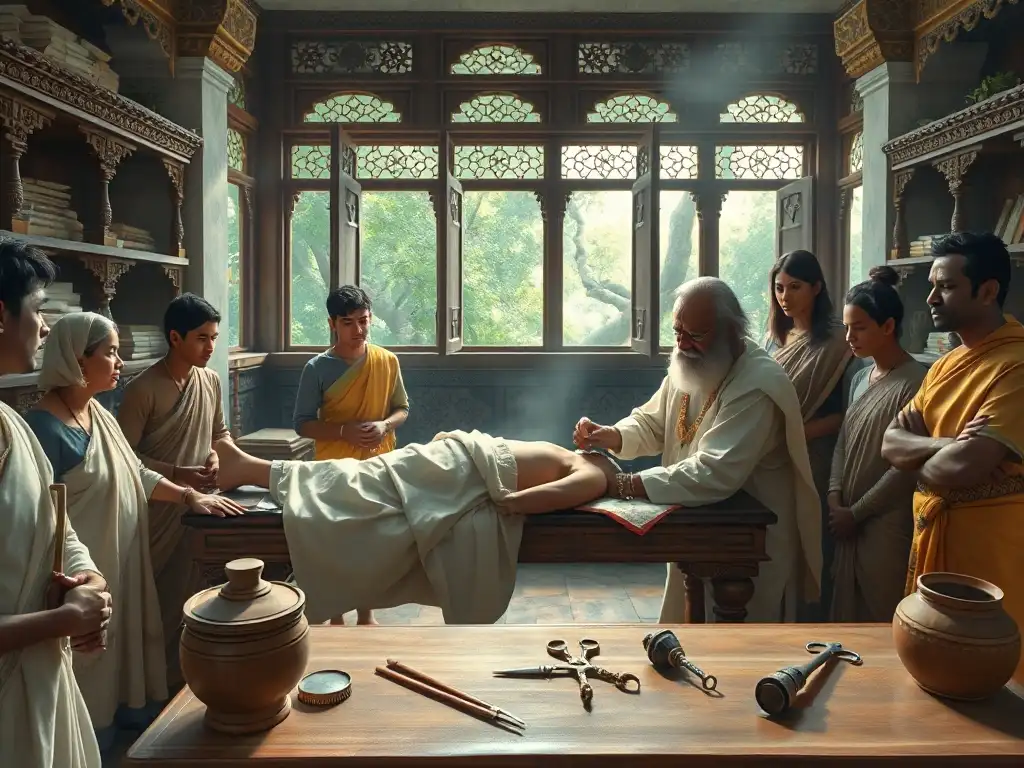
The history of surgical techniques in ancient India is a testament to the advanced medical knowledge and practices that flourished in the region long before modern medicine emerged. Ancient Indian surgical techniques were characterized by their innovative approaches to health and healing, reflecting a deep understanding of human anatomy and physiology. This sophisticated medical practice was not only rooted in empirical observations but was also influenced by spiritual and philosophical beliefs prevalent in ancient Indian culture.
The development of surgery in ancient India can be traced back to the Indus Valley Civilization, where archaeological findings suggest that early practitioners engaged in rudimentary surgical procedures. As time progressed, surgical practices evolved through the merging of indigenous knowledge with insights gained from interactions with other civilizations, such as the Greeks and Persians. This cross-cultural exchange allowed for the incorporation of diverse techniques and philosophies, leading to a rich tapestry of surgical practices that defined ancient India.
Timeline of Surgical Practices in Ancient India
The timeline of surgical practices in ancient India is marked by several key periods and milestones that highlight the evolution of surgical techniques:
- Indus Valley Civilization (c. 3300 - 1300 BCE): Evidence of surgical tools made of bronze and copper, indicating early forms of surgery, including trepanation (the removal of a piece of the skull).
- Vedic Period (c. 1500 - 500 BCE): The emergence of Ayurvedic texts, which contained references to surgical procedures, herbal remedies, and the importance of hygiene in surgical practices.
- Sushruta Samhita (c. 600 BCE): Written by the renowned surgeon Sushruta, this foundational text is considered one of the oldest surgical manuals in the world. It detailed over 300 surgical procedures, including complex operations like cataract removal and plastic surgery.
- Gupta Empire (c. 320 - 550 CE): A golden age for science and medicine, where surgical knowledge expanded significantly. Scholars like Charaka and Dhanvantari contributed to the understanding of surgical techniques and anesthesia.
- Medieval Period (c. 800 - 1200 CE): The integration of Islamic medical practices with existing Indian techniques, leading to further advancements in surgery and medical knowledge.
Influential Texts and Scholars in Ancient Indian Surgery
The contributions of ancient Indian scholars and texts played a pivotal role in shaping surgical knowledge. Among the most significant are:
- Sushruta Samhita: Often referred to as the "Father of Surgery," Sushruta's work encompasses a wide array of surgical techniques, including:
- Rhinoplasty: Reconstruction of the nose using skin flaps.
- Lithotomy: Surgical removal of urinary stones.
- Cauterization: Use of heat to stop bleeding or remove tissue.
- Charaka Samhita: This text focuses primarily on internal medicine but also provides insights into surgical practices and the importance of understanding human anatomy.
- Dhanvantari: A legendary figure in Ayurvedic medicine, credited with the advancement of surgical techniques and the development of surgical instruments.
- Bower Manuscript: A collection of ancient texts that includes references to surgical practices and provides insights into the medical knowledge of the time.
The comprehensive nature of these texts showcases the depth of knowledge possessed by ancient Indian surgeons and their significant contributions to the field of medicine. These foundational works not only laid the groundwork for future surgical practices but also influenced medical traditions across the globe.
The historical context of ancient Indian surgical techniques reveals a sophisticated understanding of medicine that thrived in a culturally rich environment. The timeline of surgical practices and the influential texts and scholars highlight the remarkable achievements of ancient Indian civilization in the realm of surgery, setting the stage for future advancements in medical science.
Key Features of Ancient Indian Surgical Techniques
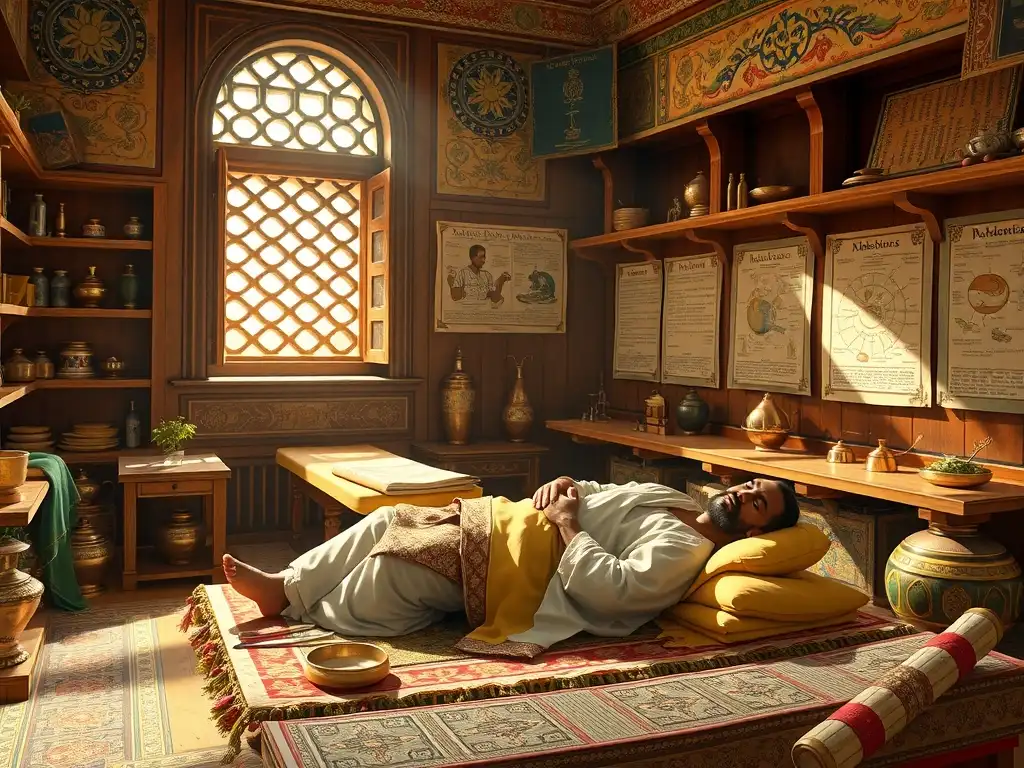
Ancient Indian surgical techniques are renowned for their sophistication and effectiveness, reflecting a deep understanding of anatomy and the human body that was far ahead of their time. These techniques were not merely practical; they were deeply intertwined with the philosophical and medicinal principles of Ayurveda. Below, we explore the key features that define ancient Indian surgical practices, including the use of instruments, specific techniques, and the foundational contributions from figures like Sushruta.
Use of Surgical Instruments in Ancient India
The surgical landscape of ancient India was marked by the use of a variety of specialized instruments, many of which were crafted from materials like iron, bronze, and even gold. The meticulous design of these tools reflects a remarkable understanding of their intended use.
- Types of Instruments:
- Scalpels: Used for incisions, ancient Indian scalpels were sharp and designed for precision.
- Forceps: Essential for grasping tissues, these instruments were critical during surgical procedures.
- Surgical Hooks: Employed to hold back tissues during operations, allowing greater visibility and access to the surgical site.
- Cauteries: Used for cauterization, these instruments helped control bleeding and prevent infection.
- Manufacturing Techniques:
- Craftsmen utilized advanced metallurgical techniques to forge these instruments, ensuring durability and sharpness.
- Techniques included forging, polishing, and sometimes even decorative engravings, highlighting the significance of these tools in surgical practices.
Techniques and Procedures in Ancient Indian Surgery
The ancient Indian approach to surgery encompassed a wide range of procedures, including but not limited to:
- Incision and Drainage: Treatment of abscesses was common, where incisions were made to allow pus to drain, relieving pressure and promoting healing.
- Suturing and Wound Management: Techniques for stitching wounds were well-developed, utilizing materials such as silk and cotton threads.
- Amputation: Performed when necessary, often with careful pre-operative planning and post-operative care to ensure the patient’s well-being.
- Plastic Surgery: Remarkably, ancient Indian surgeons performed reconstructive surgeries, notably rhinoplasty (nose reconstruction), which showcased their advanced understanding of human anatomy and aesthetics.
Sushruta's Contributions to Surgical Methods
Sushruta, often hailed as the "Father of Surgery," made groundbreaking contributions to surgical methods in ancient India. His work, Sushruta Samhita, is a comprehensive text that outlines surgical techniques, instruments, and principles.
- Systematic Approach: Sushruta emphasized a systematic approach to surgery, integrating diagnosis, prognosis, and treatment planning.
- Ethical Practices: He introduced ethical standards in surgical practices, ensuring that patient welfare was prioritized.
- Innovative Techniques: He pioneered techniques in plastic surgery and developed methods for treating complex injuries, laying the groundwork for future advancements in surgery.
Ayurvedic Principles in Surgical Practices
Ayurveda played a crucial role in shaping ancient Indian surgical techniques, intertwining surgical practices with holistic health principles.
- Holistic Perspective: Ayurvedic practices view the body as a system of interconnected elements. Surgical interventions were designed not just to address the immediate issue but also to restore balance within the body.
- Pre and Post-operative Care: Emphasis was placed on pre-operative preparations, including dietary recommendations and herbal treatments, as well as post-operative care to enhance recovery.
- Philosophical Underpinnings: The integration of spiritual and physical healing practices reinforced the importance of the mind-body connection in the surgical process.
Ancient Indian surgical techniques reflect a rich tradition of medical knowledge that combined practical skills with philosophical insights. The advancements made by practitioners like Sushruta and the incorporation of Ayurvedic principles have significantly influenced the evolution of surgery throughout the ages, marking an important chapter in the history of medicine.
Remarkable Surgical Procedures and Techniques
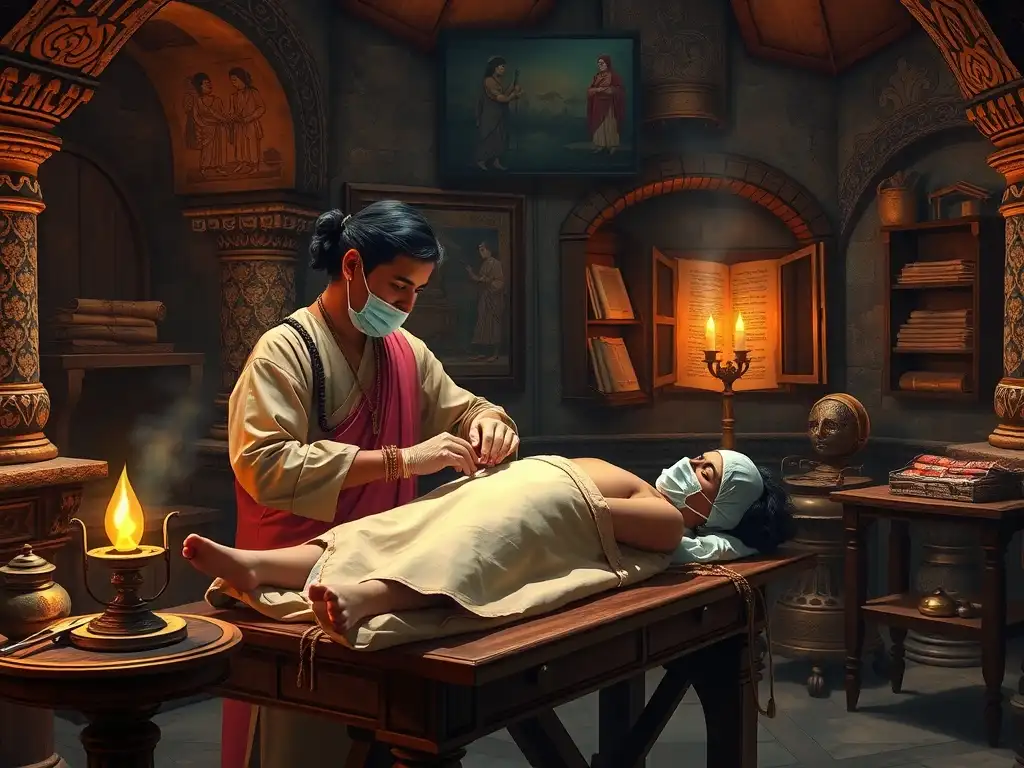
Ancient Indian surgical techniques are a testament to the remarkable advancements achieved by early Indian physicians and surgeons. The ancient texts, notably the Sushruta Samhita, attributed to Sushruta, provide detailed descriptions of various surgical procedures that were performed thousands of years ago. These techniques not only highlight the surgical skills of ancient Indian practitioners but also their understanding of human anatomy, physiology, and the importance of hygiene in medical practice.
Plastic Surgery Techniques in Ancient India
One of the most fascinating aspects of ancient Indian surgical techniques is the field of plastic surgery. Sushruta is often referred to as the "father of surgery" for his pioneering work in this area. He described procedures such as rhinoplasty, the reconstruction of noses, which was performed using skin grafts from other parts of the body. This technique was notably advanced for its time, demonstrating a profound understanding of tissue healing and aesthetics.
Key Techniques in Plastic Surgery:
- Rhinoplasty:
- Procedure: Involves the reconstruction of the nose after trauma or disfigurement.
- Method: Utilization of a flap of skin from the forehead, which was meticulously grafted to form a new nose.
- Otoplasty:
- Procedure: Correction of prominent ears.
- Method: Involves reshaping the cartilage to create a more aesthetically pleasing contour.
- Labioplasty:
- Procedure: Reconstruction of the lips, especially after injury.
- Method: Involves the suturing of tissues to restore normal appearance.
These procedures were not merely functional but also aimed at restoring dignity and social acceptance, indicating a sophisticated understanding of the psychological implications of physical appearance.
Treatment of Fractures and Wounds
Ancient Indian surgical techniques also included effective methods for the treatment of fractures and wounds. The Sushruta Samhita outlines various approaches to manage these injuries, emphasizing both surgical intervention and the use of natural remedies.
Key Practices:
- Reduction of Fractures:
- Method: The realignment of broken bones was achieved through manual manipulation.
- Support: Use of splints made from bamboo and other materials to stabilize the fracture site during healing.
- Wound Care:
- Cleaning: Thorough cleaning of wounds with herbal antiseptics, such as turmeric and neem, known for their antibacterial properties.
- Dressings: Application of medicated pastes and bandages made from natural fibers, which aided in the healing process.
- Suture Techniques:
- Material: Use of fine threads made from animal sinews or plant fibers to close wounds.
- Knots: Knowledge of various knotting techniques to ensure the sutures remained secure.
These practices were significant in promoting faster healing and reducing complications, showcasing the advanced understanding of trauma care in ancient Indian medicine.
Use of Anesthetics and Pain Management
The management of pain during surgical procedures was a critical aspect of ancient Indian surgical techniques. The Sushruta Samhita reveals that ancient surgeons employed various methods to ensure patient comfort and reduce pain.
Pain Management Techniques:
- Herbal Anesthetics:
- Medicines: The use of substances like soma and cannabis was common to induce sedation and alleviate pain.
- Administration: These herbal concoctions were often administered orally or as infusions before surgery.
- Physical Techniques:
- Hypnosis: Practitioners may have utilized forms of hypnosis or distraction techniques to help patients endure pain during procedures.
- Breathing Exercises: Patients were taught to control their breathing to manage pain and anxiety.
- Postoperative Care:
- Restorative Practices: Recommendations for rest, dietary modifications, and herbal remedies to promote recovery and minimize discomfort after surgery.
The integration of these pain management techniques illustrates the holistic approach of ancient Indian medicine, emphasizing not only the physical but also the emotional well-being of patients undergoing surgical interventions.
The rich history of ancient Indian surgical techniques offers invaluable insights into the sophistication of medical practices in early civilizations. The combination of innovative surgical procedures, meticulous care for injuries, and effective pain management reflects a deep understanding of both medicine and humanity.
The Role of Ancient Indian Surgery in Medicine
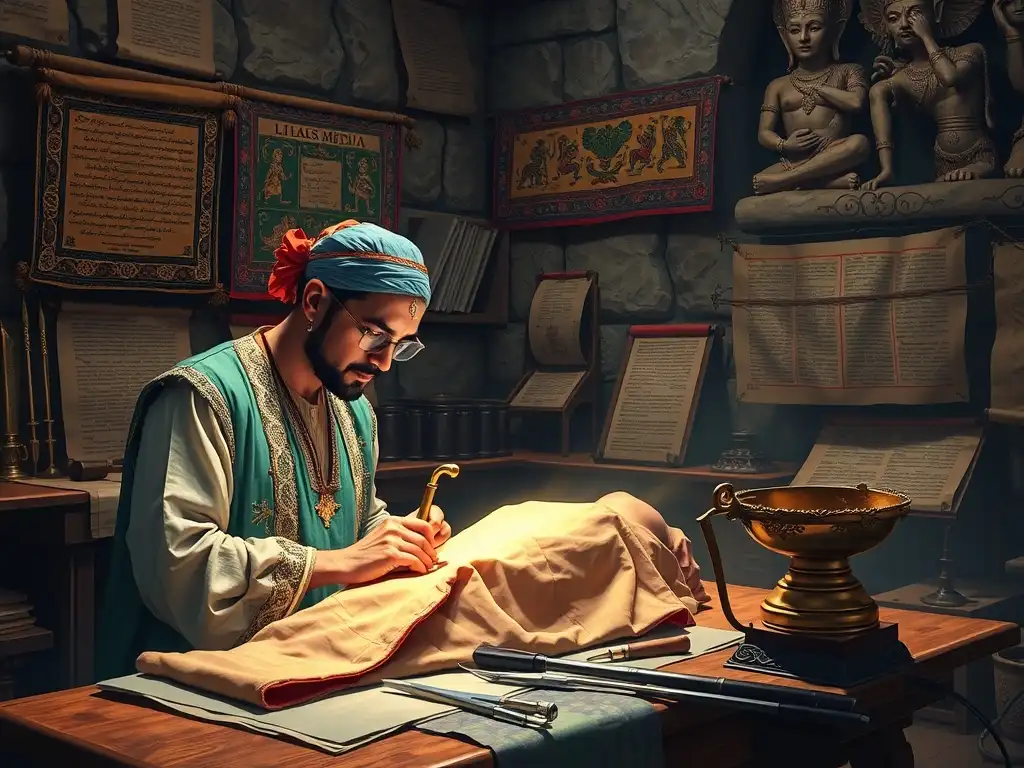
Ancient Indian surgery played a pivotal role in the evolution of medical practices, merging the principles of surgery with the holistic approaches of Ayurveda. The surgical techniques developed during this era not only addressed physical ailments but also emphasized the importance of mental and spiritual well-being, showcasing a profound understanding of the human body.
Integration of Surgery with Ayurveda
The integration of surgical techniques within Ayurvedic practices is a hallmark of ancient Indian medicine. Ancient texts such as the Sushruta Samhita, attributed to the renowned surgeon Sushruta, provide detailed descriptions of surgical procedures, tools, and methodologies. Here are some key aspects of this integration:
- Holistic Approach: Ancient Indian surgical techniques were not just focused on the physical ailment but considered the patient’s overall health, including diet, lifestyle, and mental state. The holistic perspective of Ayurveda ensured that surgery was seen as one component of a broader health regimen.
- Surgical Specialties: The Sushruta Samhita classified various surgical specialties, including ophthalmology (treatment of eye diseases), obstetrics, and even plastic surgery. This classification reflected an advanced understanding of human anatomy and the specific needs of different medical fields.
- Instruments and Techniques: The ancient surgeons utilized a wide range of instruments, many of which are still relevant today. Instruments like scalpels, forceps, and probes made from materials such as iron and bronze were meticulously crafted and used with precision. Sushruta's descriptions of surgical techniques, including incision methods and suturing practices, highlight an impressive level of skill and knowledge.
- Anesthesia and Pain Management: Ancient Indian texts refer to the use of herbal concoctions and other natural substances to induce anesthesia and minimize pain during surgical procedures. This early understanding of pain management can be seen as a precursor to modern anesthetic practices.
The incorporation of these surgical techniques into Ayurveda not only advanced surgical practice but also set a foundation for future medical developments in the region.
The Impact of Ancient Indian Surgical Techniques on Modern Medicine
The contributions of ancient Indian surgical techniques have left a lasting impact on modern medicine, particularly in the fields of surgery and holistic health. Key influences include:
- Surgical Knowledge Transmission: The principles and techniques outlined in texts like the Sushruta Samhita have been studied and integrated into various medical curricula worldwide. This foundational work laid the groundwork for surgical education, influencing generations of surgeons.
- Innovations in Plastic and Reconstructive Surgery: The fascinating techniques described by Sushruta for reconstructive surgeries, particularly rhinoplasty (nose reconstruction), are acknowledged as some of the earliest forms of plastic surgery. Modern plastic and reconstructive surgery owe much to these ancient practices, with many techniques still in use today.
- Holistic Health Models: The Ayurvedic approach to surgery emphasizes the importance of treating the whole person, not just the ailment. This perspective has influenced modern holistic health practices, encouraging a more integrated approach to patient care.
- Cultural Exchange: The advancements in surgical techniques from ancient India were disseminated through trade routes and cultural exchanges, influencing surgical practices in other regions, including the Middle East and Europe. This exchange fostered a broader understanding and appreciation of surgical knowledge across different cultures.
- Research and Revitalization: Contemporary researchers continue to explore ancient texts to rediscover and validate the efficacy of traditional surgical techniques and herbal anesthetics. This resurgence of interest highlights the relevance of ancient wisdom in modern medical practices.
The technological advancements in ancient Indian surgical techniques not only contributed significantly to the medical landscape of their time but also provided a rich legacy that continues to influence modern medicine. The integration of surgery with the holistic principles of Ayurveda exemplifies a comprehensive approach to health that remains relevant today.
Comparisons with Other Ancient Surgical Practices
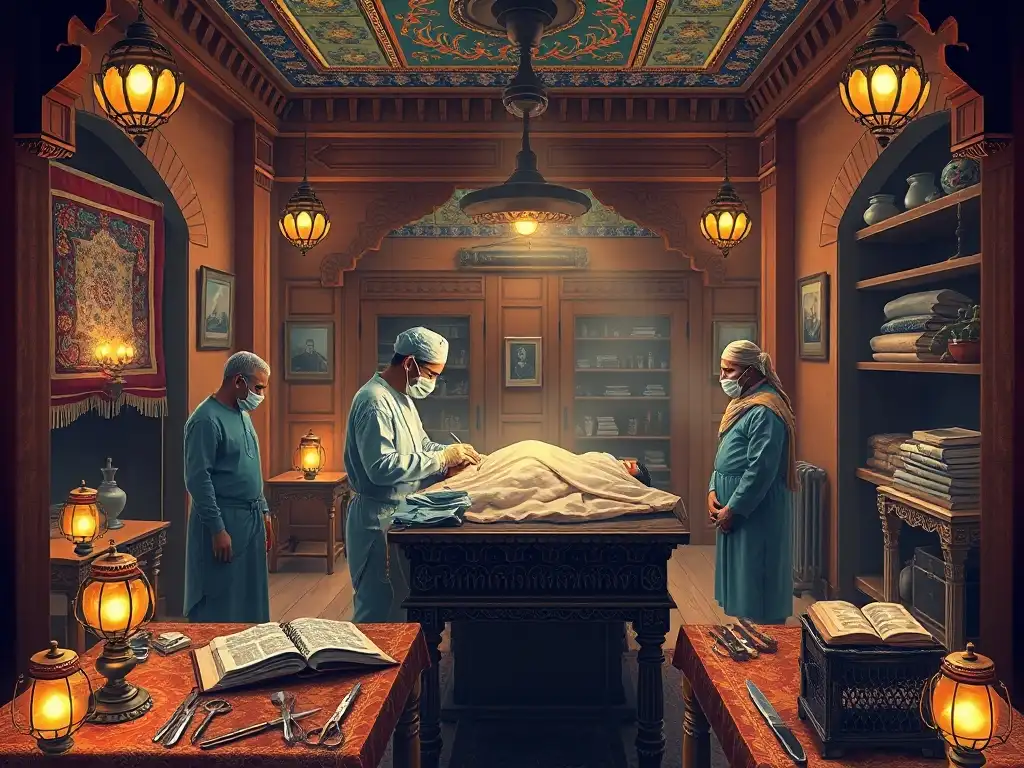
Ancient Indian Surgery vs. Ancient Greek Surgery
Ancient Indian surgical techniques, as documented in texts such as the Sushruta Samhita, showcase a sophisticated understanding of medicine and surgery that parallels and, in some aspects, surpasses contemporary practices in ancient Greece. While both civilizations contributed significantly to the field of surgery, their methodologies and philosophical approaches varied greatly.
- Philosophical Underpinnings:
- Indian Surgery: The foundation of ancient Indian surgery was rooted in holistic medicine, emphasizing the balance of bodily elements (doshas) and the importance of patient care. Sushruta emphasized the need for a surgeon to be well-versed not only in surgical techniques but also in the art of healing and patient interaction.
- Greek Surgery: Greek surgeons, influenced by Hippocrates and Galen, focused more on the theoretical aspects of medicine. They often categorized illnesses and surgical procedures based on observable symptoms, which sometimes led to a more detached approach to patient care.
- Techniques and Tools:
- Instrumentation: Ancient Indian surgeons utilized an array of surgical instruments, many of which were made from iron and bronze, including scalpels, forceps, and specialized tools for specific procedures such as rhinoplasty and cataract surgery. The Sushruta Samhita lists over 120 surgical instruments.
- Greek Innovations: Greek surgery primarily employed simpler tools and techniques. The Greek corpus, while insightful, lacked the comprehensive list of surgical instruments that characterized Indian surgery. Their methods often revolved around draining fluids or setting broken bones, with less emphasis on complex procedures.
- Surgical Procedures:
- Complexity of Procedures: Ancient Indian surgical techniques included advanced procedures such as plastic surgery (specifically rhinoplasty) and urological surgeries, demonstrating a remarkable understanding of human anatomy and surgical intervention. Sushruta’s contributions in these areas were pioneering and set a high standard for surgical practice.
- Greek Practices: The Greeks, while innovative in their own right, often resorted to more conservative treatments and had limited practices in areas such as plastic surgery. Their techniques were primarily focused on trauma and acute conditions rather than elective surgeries.
While both ancient Indian and Greek surgical practices laid the groundwork for modern surgery, the breadth and depth of ancient Indian surgical techniques highlight a remarkable sophistication that has often been overshadowed by Greek contributions.
Unique Aspects of Indian Surgical Techniques
The uniqueness of ancient Indian surgical techniques lies in their comprehensive approach, which combined detailed anatomical knowledge, innovative surgical methods, and an understanding of patient care that was quite advanced for the time.
- Surgical Education and Ethics:
- Training: The Sushruta Samhita outlines a rigorous training program for aspiring surgeons, which included not just practical skills but also ethical considerations in patient care. This emphasis on surgical education ensured that practitioners were well-prepared for the complexities of surgery.
- Ethical Standards: Indian surgical traditions stressed the importance of ethical conduct, including patient consent and the responsibility of the surgeon towards their patients. This contrasts with some ancient practices that did not prioritize ethical considerations.
- Innovative Techniques:
- Anesthesia and Pain Management: Ancient Indian texts describe the use of herbal medicines and other natural substances to alleviate pain during surgical procedures, showcasing a sophisticated understanding of anesthesia long before it became standard practice in the West.
- Surgical Techniques for Reconstruction: Notably, the techniques for rhinoplasty and the repair of other bodily features highlight the advanced nature of cosmetic surgery in ancient India. Sushruta’s methods were not merely reconstructive but aimed at restoring the dignity and identity of individuals.
- Holistic Approach to Health:
- Integration with Ayurveda: Ancient Indian surgery was deeply intertwined with Ayurveda, the traditional Indian system of medicine. This holistic approach emphasized the need to treat the whole person rather than just the ailment, which included lifestyle recommendations alongside surgical intervention.
- Patient-Centric Care: The focus on patient-centered care, including pre-operative and post-operative management, sets ancient Indian surgical practices apart from many of their contemporaries. This attention to the patient's overall health and recovery process was pivotal in ensuring successful surgical outcomes.
The unique aspects of ancient Indian surgical techniques reflect a highly developed and integrated approach to medicine and surgery, emphasizing ethical practice, innovative methods, and a holistic perspective that contributed significantly to the field of surgery as we know it today.
Legacy and Influence of Ancient Indian Surgical Techniques
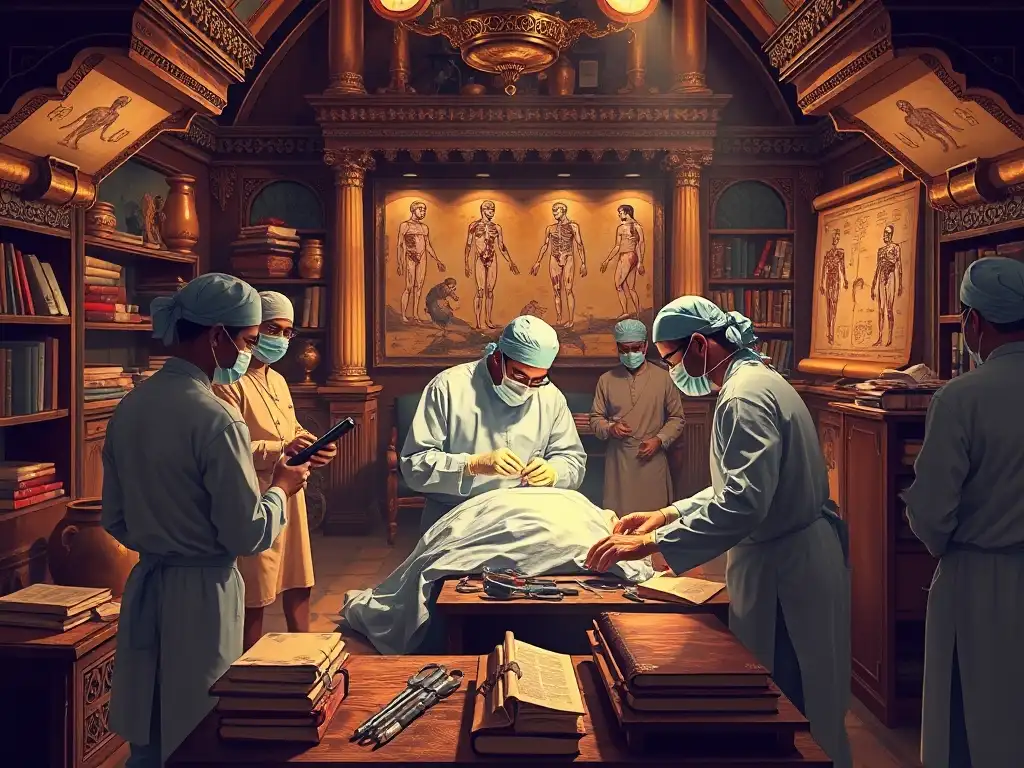
The legacy of ancient Indian surgical techniques is profound, showcasing the sophisticated understanding of medicine and surgery that flourished in India thousands of years ago. These techniques not only laid the groundwork for future medical practices in India but also influenced surgical practices around the world. The remarkable achievements of ancient Indian surgeons, particularly those documented in texts such as the Sushruta Samhita, highlight the intricate knowledge of anatomy, surgical procedures, and patient care.
Preservation and Transmission of Surgical Knowledge
The preservation of surgical knowledge in ancient India can largely be attributed to the meticulous documentation by scholars and practitioners. Texts like the Sushruta Samhita and the Charaka Samhita served as comprehensive manuals that detailed various surgical procedures, instruments, and ethical medical practices.
- Oral Tradition: In addition to written texts, the oral tradition played a crucial role in transmitting surgical knowledge. Experienced practitioners would pass their skills and teachings to apprentices, ensuring that techniques were preserved and refined over generations.
- Universities and Learning Centers: Ancient universities, such as Nalanda and Taxila, were centers of medical learning where students from various regions gathered to study. This facilitated not only the preservation of surgical techniques but also their evolution through scholarly discourse.
- Translations and Adaptations: As interactions with other cultures increased, ancient Indian surgical knowledge was translated and adapted into different languages and medical systems. This cross-cultural exchange allowed for the integration of Indian techniques into the practices of other civilizations, such as those in Persia and Greece.
Contributions to Global Medical Practices
Ancient Indian surgical techniques have made significant contributions to global medical practices, influencing various cultures and medical systems. The advancements made in surgery during this period laid the foundation for several modern surgical practices.
- Innovative Surgical Procedures: Techniques such as rhinoplasty (reconstruction of the nose) are believed to have originated in ancient India. The detailed descriptions provided in ancient texts demonstrate a remarkable understanding of plastic surgery that was ahead of its time.
- Surgical Instruments: The variety of surgical instruments described in texts like the Sushruta Samhita reflects a sophisticated approach to surgery. Instruments such as scalpels, forceps, and even specialized tools for specific procedures were developed, many of which are still in use today, albeit in modernized forms.
- Holistic Approach to Medicine: Ancient Indian surgery was not limited to physical interventions. The integration of Ayurveda emphasized a holistic approach to health, considering the patient's overall well-being, diet, and lifestyle. This perspective has influenced global medical practices by promoting a more comprehensive approach to patient care.
- Legacy in Modern Medicine: Many principles of asepsis and surgical technique that are standard today can trace their roots back to ancient Indian practices. The meticulous attention to hygiene and the use of herbal antiseptics in ancient surgeries paved the way for modern surgical protocols.
The ancient Indian surgical techniques represent a rich legacy that has not only shaped the medical landscape of India but has also had a lasting impact on global medical practices. The preservation and transmission of surgical knowledge through texts, oral traditions, and educational institutions ensured that these advancements continued to influence generations of medical practitioners around the world.
Conclusion: The Significance of Ancient Indian Surgical Techniques Today
The study of ancient Indian surgical techniques reveals a sophisticated understanding of medicine that has profoundly influenced not only the subcontinent but also the world. The achievements of ancient Indian surgeons, particularly during the time of Sushruta, who is often referred to as the "father of surgery," laid the groundwork for various surgical practices that continue to resonate through modern medical science.
Reflections on the Evolution of Surgery
The evolution of surgery from ancient Indian practices illustrates a remarkable journey marked by innovation and adaptation. Ancient Indian surgical texts, notably the Sushruta Samhita, documented numerous surgical techniques, instruments, and methodologies that demonstrated a profound understanding of human anatomy and pathology.
- Detailed Surgical Techniques: Techniques such as rhinoplasty (reconstruction of the nose), cataract surgery, and treatments for fractures showcased a high level of expertise. The careful and systematic approach to surgery not only highlighted the technical skills of ancient surgeons but also their philosophical and ethical considerations regarding the practice of medicine.
- Instruments and Tools: The use of specialized instruments, many of which were crafted from metals and demonstrated a keen understanding of material properties, reflects an advanced technological capability. Instruments such as scalpels, forceps, and probes were meticulously designed for specific surgical procedures, indicating a blend of art and science in ancient Indian surgery.
- Holistic Approach: Ancient Indian surgeons often integrated surgical practices with holistic healing methods, including herbal medicine and dietary regulations, which resonates with current trends in integrative medicine. This comprehensive view of health and well-being emphasizes the importance of treating the whole patient rather than merely focusing on the surgical procedure.
The Enduring Influence of Ancient Indian Surgery on Modern Practices
The legacy of ancient Indian surgical techniques continues to influence contemporary medicine in various ways:
- Foundational Principles: Modern surgical practices still adhere to principles laid out in ancient texts, such as the importance of aseptic techniques and patient care. These foundational guidelines remain essential in today’s surgical environments.
- Surgical Education: The structured methodologies of learning and training in surgery, as outlined in ancient texts, inform current educational frameworks for medical students and surgical residents. The emphasis on mentorship and hands-on experience can be traced back to these ancient practices.
- Global Impact: The techniques and philosophies developed in ancient India have permeated various cultures over centuries. The adoption of these surgical methods in other civilizations, particularly through translations of Sushruta Samhita, highlights the global significance of ancient Indian contributions to medicine.
- Innovation and Research: Current research often revisits ancient surgical techniques to inspire modern innovations. The revival and study of these techniques can lead to new methods of treatment and surgery in contemporary practice, demonstrating the timeless nature of this ancient knowledge.
The significance of ancient Indian surgical techniques is not merely historical but continues to resonate within modern medical practice. As we explore the depths of these advancements, we recognize the enduring impact that ancient Indian surgeons have had on the field of surgery and medicine as a whole, reminding us of the rich tapestry of human ingenuity in the pursuit of health and healing.
Frequently Asked Questions
What were some notable ancient Indian surgical techniques?
Ancient Indian surgeons employed advanced techniques including suturing, trepanation, and the use of specialized instruments for operations.
How did the Indus Valley Civilization contribute to surgery?
The Indus Valley Civilization displayed early medical practices, including surgical tools and evidence of medical knowledge that laid the groundwork for later advancements.
Who were the prominent figures in ancient Indian surgery?
Sushruta, often referred to as the father of surgery, authored the Sushruta Samhita, a foundational text that detailed surgical procedures and instruments.
What role did Ayurveda play in ancient Indian surgical practices?
Ayurveda emphasized a holistic approach to health, integrating surgical techniques with herbal remedies and lifestyle practices for comprehensive care.
How did ancient Indian surgical techniques influence modern medicine?
Many ancient Indian surgical techniques were pioneering; their principles and methods have influenced modern surgical practices and are studied for their historical significance.
Final Reflection: Embracing the Legacy of Ancient Indian Surgical Techniques
The exploration of ancient Indian surgical techniques reveals a profound connection between innovation and tradition, showcasing how these techniques remain relevant in today's medical landscape. As we navigate the complexities of modern medicine, it is essential to recognize the wisdom embedded in historical practices that laid the groundwork for contemporary surgical advancements. The ingenuity of ancient Indian surgeons not only reflects their exceptional skills but also serves as a reminder of the enduring nature of human creativity in the face of challenges.
The impact of these ancient techniques resonates deeply within our cultural and social fabric, influencing both medical practices and holistic approaches to health. The principles of precision, empathy, and comprehensive care that characterized ancient Indian surgery continue to inspire practitioners today. The greatest medicine of all is teaching people how not to need it.
This quote encapsulates the essence of ancient practices, emphasizing the importance of understanding and integrating holistic health into our lives, a lesson that transcends time and remains pertinent in our pursuit of well-being.
As we reflect on the remarkable achievements of ancient Indian surgical techniques, let us invite ourselves to embrace this legacy in our own lives. Consider how the values of innovation, care, and respect for tradition can shape our approach to health and healing today. By acknowledging and learning from the past, we can foster a future where ancient wisdom and modern science coexist harmoniously, ultimately enriching our understanding of medicine and humanity.
Unveil the Secrets of Ancient Indian Surgery!
Thank you for taking the time to explore the fascinating world of ancient Indian surgical advancements! You've just uncovered remarkable insights into a medical tradition that laid the groundwork for many modern practices. Now, it’s your turn to dive deeper and connect with this incredible history.
Here are some immediate actions you can take to further enrich your understanding and share this knowledge with others:
- Explore ancient texts and resources to learn more about specific surgical techniques and their lasting impact on contemporary medicine.
- Share this article with friends, family, or your social media networks to inspire conversations about the brilliance of ancient Indian medicine.
- Consider visiting museums or cultural exhibits that showcase ancient surgical instruments and practices, and engage in discussions with curators or historians.
What aspect of ancient surgery fascinates you the most, and how do you think it could inspire modern medical practices?