
Ancient Indian Surgical Techniques for Treating Internal Diseases

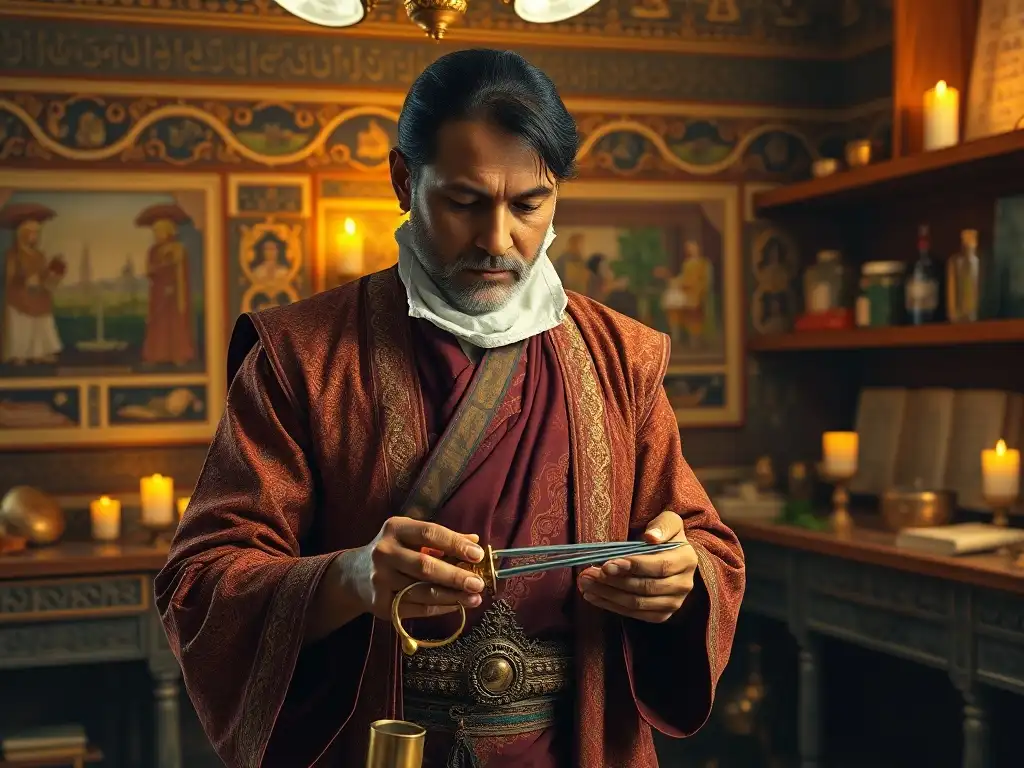
Welcome to Ancient India History, where we embark on a fascinating journey through the rich tapestry of ancient Indian civilizations. Did you know that some of the earliest surgical techniques known to mankind originated in India? In our featured article on Ancient Indian Surgical Techniques for Treating Internal Diseases, we delve into the groundbreaking medical practices that emerged long before modern medicine.
Join us as we uncover the innovative methods and profound knowledge of ancient practitioners, and discover how these remarkable contributions continue to influence contemporary science and medicine. Ready to explore the depths of history? Your adventure starts here!
- Introduction to Ancient Indian Surgical Techniques
- Historical Context of Ancient Indian Surgical Practices
- Key Ancient Indian Surgical Techniques
- Comparison of Ancient Indian Surgical Techniques with Other Civilizations
- Case Studies of Successful Surgeries in Ancient India
- Myths and Realities of Ancient Indian Surgical Techniques
- Conclusion: Legacy of Ancient Indian Surgical Techniques
- References and Further Reading on Ancient Indian Surgical Techniques
-
Frequently Asked Questions
- What are ancient Indian surgical techniques?
- Who is the most notable figure associated with surgery in ancient India?
- How did ancient Indian medical practices influence modern medicine?
- What types of internal diseases were treated using these techniques?
- Are there any modern applications of ancient Indian surgical techniques?
- Final Reflection: The Enduring Legacy of Ancient Indian Surgical Techniques
- Uncover the Wisdom of Ancient Healing!
Introduction to Ancient Indian Surgical Techniques
Ancient India is renowned for its remarkable contributions to a multitude of fields, with medicine standing out as a particularly significant discipline. The rich tapestry of Indian civilization witnessed the emergence of sophisticated surgical techniques, particularly during ancient times, when practitioners not only treated external injuries but also ventured into the complex realm of internal diseases.
This article delves into the fascinating world of ancient Indian surgical techniques, exploring their origins, methodologies, and the profound impact they had on the healthcare practices of the time. From the detailed accounts found in ancient texts to the practical applications observed in historical contexts, we will uncover the innovative approaches that ancient Indian surgeons employed to address various ailments.
Overview of Ancient Indian Medicine
Ancient Indian medicine, often referred to as Ayurveda, is one of the oldest systems of healthcare in the world, with roots tracing back over 5,000 years. This holistic approach combines extensive knowledge of herbs, anatomy, and surgical techniques, aimed at maintaining balance within the body. Key texts such as the Sushruta Samhita and Charaka Samhita serve as foundational documents, detailing surgical practices, medicinal plants, and therapeutic methodologies.
- Sushruta Samhita: Often considered the father of surgery, Sushruta's work outlines various surgical techniques, including:
- Suturing techniques for wound closure
- Procedures for cataract surgery, known as couching
- Plastic surgeries for nasal reconstruction
- Charaka Samhita: While more focused on internal medicine, this text complements surgical practices by emphasizing the importance of diagnostics and holistic treatment.
The integration of surgical practices within the broader context of Ayurveda showcases a profound understanding of the human body and its ailments, illustrating the sophistication of ancient Indian medicine.
Importance of Surgical Techniques in Ancient India
The surgical techniques developed in ancient India were not only critical for treating physical injuries but also played a pivotal role in addressing internal diseases, a domain often overlooked in historical narratives. The significance of these techniques is highlighted by several factors:
- Innovative Procedures: Ancient Indian surgeons developed various procedures that were ahead of their time. Techniques such as laparoscopy and the use of anesthesia demonstrate an advanced understanding of both surgical necessity and patient care.
- Cultural Integration: Surgery was intertwined with spiritual and philosophical beliefs, where healing was seen as a holistic process. This cultural aspect ensured that surgical interventions were respected and deemed necessary for overall health.
- Influence on Later Practices: The methodologies and techniques pioneered in ancient India laid the groundwork for later medical practices, influencing not only Indian medicine but also the development of surgical techniques in other cultures.
The exploration of ancient Indian surgical techniques reveals a rich legacy of medical practices that have influenced modern medicine. Through an in-depth examination of their historical context and methodologies, we can gain insights into the remarkable achievements of ancient Indian civilization in the field of healthcare.
Historical Context of Ancient Indian Surgical Practices
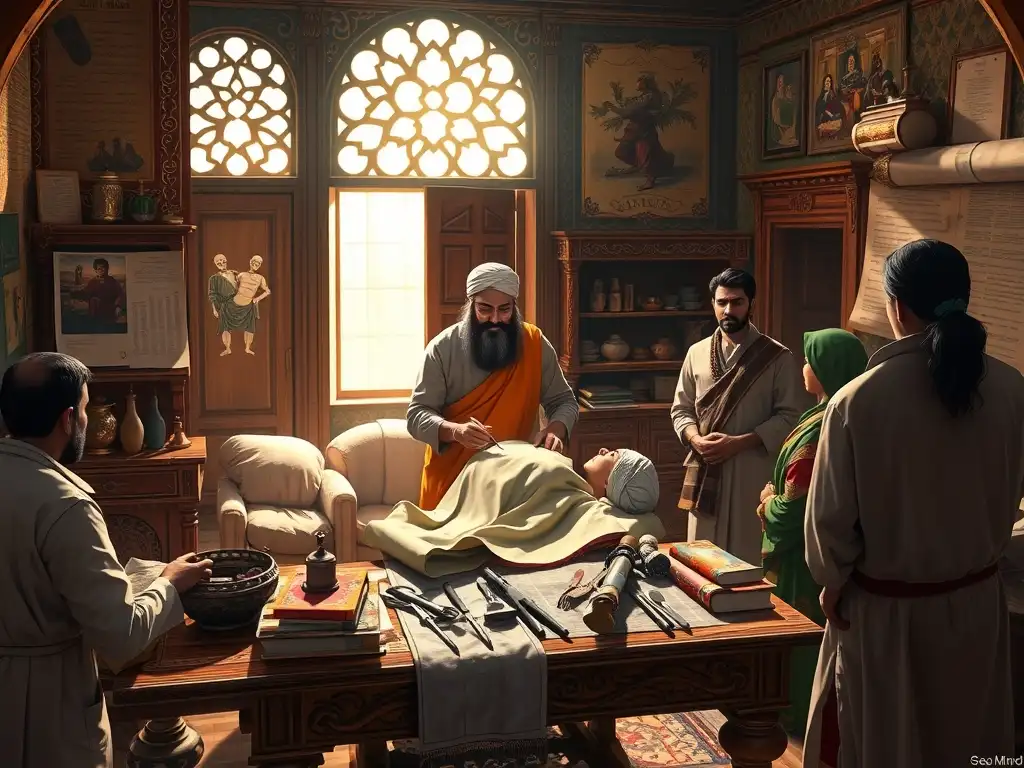
Origins of Surgical Techniques in Ancient Indian Texts
The roots of ancient Indian surgical techniques can be traced back to the early Vedic period, where initial references to surgical practices emerged. The Rigveda, one of the oldest known texts, contains hymns that hint at the existence of surgical knowledge, albeit in a rudimentary form.
As time progressed, surgical practices evolved significantly. By the 6th century BCE, the emergence of specialized medical texts began to lay the groundwork for more advanced surgical techniques. These texts not only documented surgical procedures but also emphasized the importance of surgical instruments, aseptic methods, and ethics in surgery.
The integration of Ayurveda—the ancient Indian system of medicine—played a pivotal role in shaping surgical practices. Ayurveda's holistic approach to health and its emphasis on balancing bodily systems informed surgical techniques that aimed not only to treat physical ailments but also to restore overall well-being.
Influential Texts: Sushruta Samhita and Charaka Samhita
Two foundational texts stand out in the realm of ancient Indian surgical techniques: the Sushruta Samhita and the Charaka Samhita.
- Sushruta Samhita: Often referred to as the "father of surgery," Sushruta authored this comprehensive text around the 6th century BCE. The Sushruta Samhita is remarkable for its detailed descriptions of surgical procedures, including:
- Rhinoplasty: Reconstruction of the nose, a procedure that showcases advanced understanding of anatomy and tissue grafting.
- Cataract surgery: Techniques for removing cataracts that demonstrated precision.
- Surgical instruments: Sushruta meticulously categorized over 120 surgical instruments, emphasizing the need for sterilization and proper handling.
- Charaka Samhita: In contrast, the Charaka Samhita, attributed to the sage Charaka, focuses primarily on internal medicine but also includes discussions on surgical methods and their role in treatment. Key features of this text include:
- Pharmacology: Detailed accounts of medicinal herbs and their use in conjunction with surgical operations.
- Preventive healthcare: Emphasis on maintaining health to reduce the need for surgical intervention.
Both texts reflect the sophisticated understanding of human anatomy and physiology in ancient India, showcasing a blend of surgical knowledge with holistic medicinal practices.
Key Figures in Ancient Indian Surgery
Ancient Indian surgery was shaped by several key figures who contributed to the development and dissemination of surgical knowledge.
- Sushruta: As the most prominent figure in ancient Indian surgery, Sushruta's contributions are foundational. His techniques and teachings have influenced not only Indian medicine but also surgical practices worldwide. His emphasis on empirical observation and hands-on practice set a precedent for future generations of surgeons.
- Charaka: While primarily recognized for his work in internal medicine, Charaka's insights into the relationship between surgery and systemic health are invaluable. His holistic approach emphasized the need for a comprehensive understanding of the patient's health status before surgical intervention.
- Vagbhata: Another significant figure, Vagbhata, synthesized knowledge from both the Sushruta Samhita and the Charaka Samhita in his work, the Ashtanga Hridaya. His contributions helped bridge the gap between surgical and medicinal practices, promoting an integrated approach to healthcare.
These figures not only laid the groundwork for surgical practices but also fostered a rich tradition of medical education and training in ancient India. Their legacies continue to inspire modern surgical techniques and medical philosophy today.
Key Ancient Indian Surgical Techniques
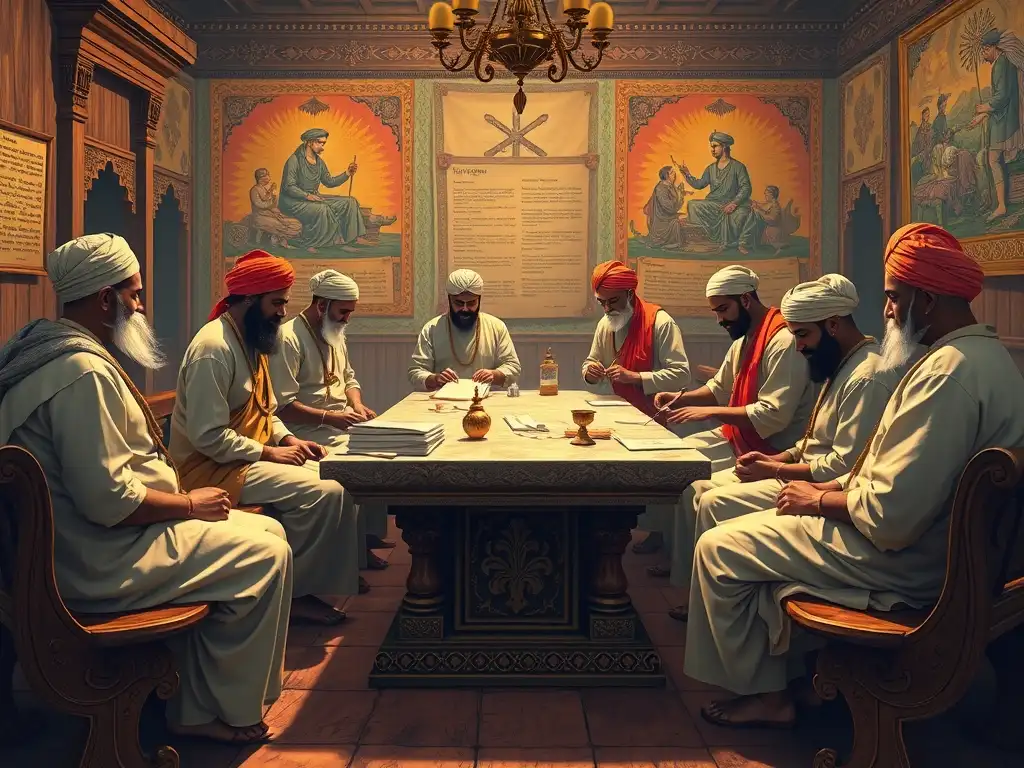
Sushruta's Techniques for Treating Internal Diseases
Sushruta, often referred to as the "Father of Surgery," made groundbreaking contributions to the field of medicine and surgery in ancient India, particularly through his text, the Sushruta Samhita. This ancient treatise, dating back to around the 6th century BCE, outlines over 120 surgical instruments and various procedures, emphasizing techniques for treating internal diseases.
Sushruta's approach was holistic, integrating surgical practices with Ayurvedic principles. He categorized surgical procedures into major and minor surgeries, focusing on ailments such as abscesses, wounds, and internal organ diseases. One notable technique was the "Kshara Sutra," a form of minimally invasive surgery that utilized medicated thread to treat conditions like hemorrhoids and fistulas. This technique emphasized precision and minimized recovery time, showcasing the advanced understanding of human anatomy.
Moreover, Sushruta's methods included intricate procedures such as surgical drainage for abdominal ailments and methods for treating injuries and fractures. He was one of the first to employ anesthesia through herbal mixtures, allowing for more complex surgeries without pain. This innovative spirit laid the groundwork for future developments in surgical practices.
Types of Surgical Procedures in Ancient India
Ancient Indian surgical practices were diverse, encompassing a wide range of procedures aimed at treating various internal diseases. The surgical categories identified in ancient texts can be summarized as follows:
- Excisions: Removal of tumors and abnormal growths, often performed with precision tools.
- Drainage: Techniques for draining abscesses and fluid collections in the abdomen, which helped alleviate pain and prevent further complications.
- Suture: Methods for closing wounds, using threads made from natural materials, ensuring minimal scarring and promoting healing.
- Cauterization: Use of heat to destroy abnormal tissue or to stop bleeding, a technique that was employed in various surgical scenarios.
These procedures not only highlighted the surgical skill of ancient Indian healers but also their comprehensive understanding of human anatomy and disease management.
Techniques for Internal Surgery: Methods and Tools
The methods and tools employed in ancient Indian surgery were sophisticated for their time. Sushruta described a variety of instruments, some of which are still relevant in modern surgical practices. Key tools included:
- Scalpels: For incisions, often made from sharpened metal or stone.
- Forceps: Used for grasping and manipulating tissues or organs.
- Needles: Crafted from bone or metal, used for suturing wounds.
- Suction devices: To remove fluids from body cavities during surgery.
The ancient surgeons utilized a blend of hands-on techniques and innovative tools, emphasizing cleanliness and sterilization, which were critical to reducing infection rates. The meticulous nature of these practices paved the way for future surgical advancements.
Use of Herbs and Natural Remedies in Surgical Practices
Ancient Indian surgical techniques were deeply intertwined with the use of herbs and natural remedies. The knowledge of medicinal plants played a crucial role in both pre-operative preparation and post-operative care.
Herbs were used to create anesthetic mixtures, antiseptics, and healing pastes. Some notable herbs include:
- Turmeric: Known for its anti-inflammatory and antiseptic properties, often applied to wounds and incisions.
- Neem: Utilized for its antibacterial qualities, helping to prevent infections post-surgery.
- Aloe Vera: Used for its soothing properties, promoting skin healing and regeneration.
These natural remedies complemented the surgical techniques, enhancing patient recovery and overall outcomes.
Role of Ayurveda in Surgical Techniques
Ayurveda, the ancient Indian system of medicine, significantly influenced surgical practices in ancient India. It emphasized the balance of bodily energies (doshas) and the importance of a holistic approach to health. In the context of surgery, Ayurveda provided foundational principles that guided:
- Diagnosis: Understanding the root causes of diseases through a detailed analysis of a patient's physical and emotional state.
- Treatment Plans: Integrating surgery with herbal medicines, dietary modifications, and lifestyle changes to promote healing.
- Post-operative Care: Utilizing Ayurvedic therapies to aid recovery and restore balance to the body.
The synergy between surgical techniques and Ayurvedic principles reflects a comprehensive understanding of health that was ahead of its time, showcasing the rich legacy of ancient Indian medical practices.
Comparison of Ancient Indian Surgical Techniques with Other Civilizations
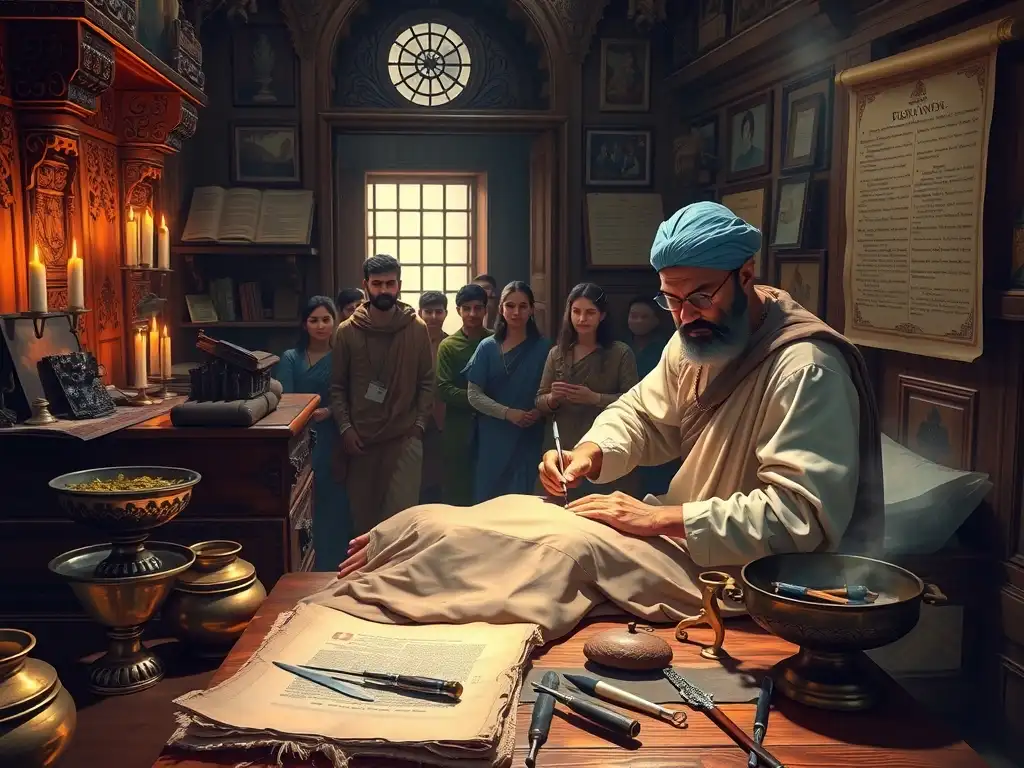
Similarities and Differences with Greek and Roman Surgical Practices
Ancient Indian surgical techniques, particularly those documented in texts like the Sushruta Samhita, showcase a remarkable sophistication that resonates with the surgical practices of ancient Greece and Rome. While both civilizations exhibited advanced medical knowledge, there are distinct similarities and differences in their approaches.
Similarities
- Focus on Observation and Experience:
- Both ancient Indian and Greco-Roman medical practitioners emphasized the importance of observation and clinical experience. Physicians such as Sushruta and Hippocrates prioritized careful examination of patients and symptoms before diagnosis.
- Use of Surgical Instruments:
- Both traditions developed a variety of specialized surgical tools. For instance, Sushruta described over 120 surgical instruments, resembling those found in the surgical kits used by Hippocratic doctors. Instruments such as scalpels, forceps, and needles were common in both practices.
- Anesthesia and Pain Management:
- The use of herbal anesthetics, as noted in Indian texts, parallels the Greeks' use of mandrake and opium for pain relief during surgical procedures. Both cultures understood the necessity of managing pain effectively.
Differences
- Philosophical Underpinnings:
- Ancient Indian medicine, influenced by Ayurveda, was holistic, considering not only the physical but also the mental and spiritual aspects of health. In contrast, Greek and Roman practices often leaned more towards a rationalist approach focused primarily on physical ailments.
- Surgical Techniques:
- Sushruta is credited with pioneering techniques such as rhinoplasty and cataract surgery, which were not as extensively practiced in Greco-Roman medicine. The emphasis in Indian surgery on reconstructive procedures and complex operations set it apart.
- Documentation and Practice:
- The Sushruta Samhita served as a comprehensive guide for surgical practices, detailing procedures, instruments, and ethics. In contrast, Greek texts, while influential, often lacked the same depth in surgical methodology.
Influence of Ancient Indian Surgery on Modern Medical Practices
Ancient Indian surgical techniques have left a profound legacy that continues to influence modern medical practices. The principles and methodologies outlined in ancient texts have been integrated into contemporary medicine, particularly in the fields of surgery and holistic health.
Key Influences
- Innovative Surgical Techniques:
- Techniques such as rhinoplasty (reconstruction of the nose) and cataract surgery, as described in the Sushruta Samhita, are foundational to modern plastic and ophthalmic surgery. Surgeons today continue to employ principles derived from these ancient practices.
- Holistic Approach to Medicine:
- The Ayurvedic principles of balancing the body, mind, and spirit resonate within modern holistic health practices. This approach has gained popularity in integrative medicine, where treatments combine conventional and alternative therapies.
- Emphasis on Patient-Centered Care:
- The patient assessment methods advocated by ancient Indian surgeons have influenced modern diagnostic practices. The importance placed on the doctor-patient relationship and ethical considerations in treatment echoes in contemporary medical ethics.
- Surgical Instruments and Techniques:
- The design and functionality of certain surgical instruments have their roots in ancient Indian innovations. Modern surgical tools can trace their lineage back to the sophisticated devices created by ancient surgeons, reflecting a continuity of knowledge and technique.
The rich tapestry of ancient Indian surgical techniques not only showcases the advanced medical understanding of its time but also continues to inform and shape modern practices, bridging the wisdom of the past with contemporary healthcare.
Case Studies of Successful Surgeries in Ancient India
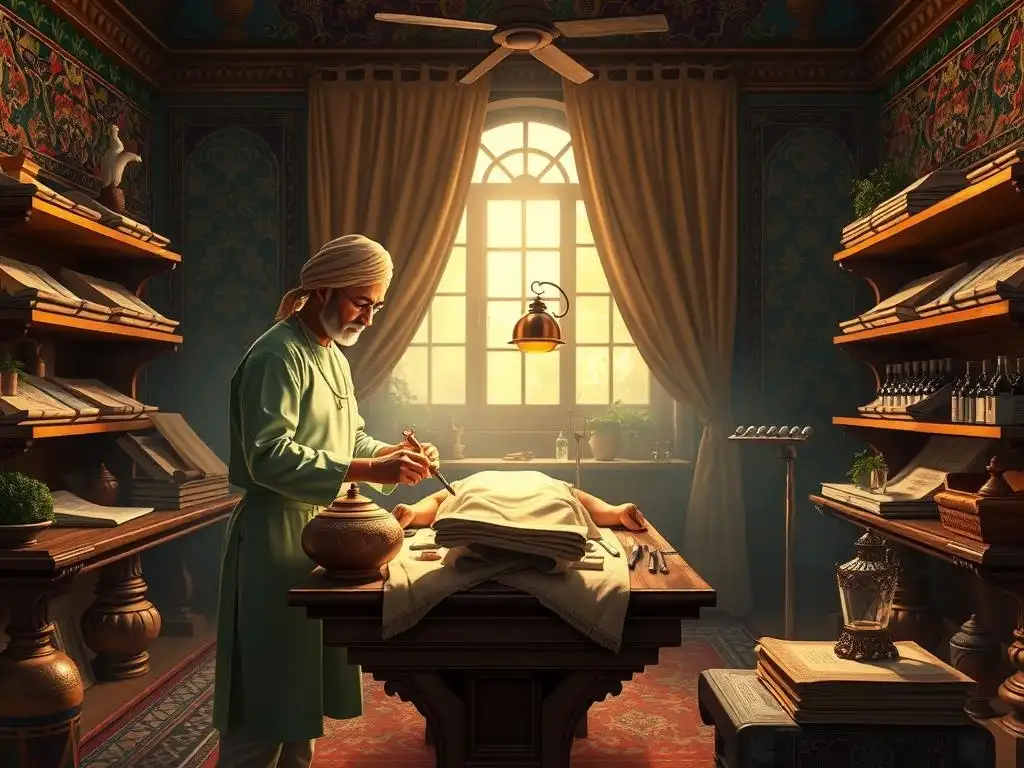
Notable Surgical Procedures Documented in Texts
Ancient Indian surgical techniques are well-documented in texts like the Sushruta Samhita, a foundational work in the field of surgery attributed to Sushruta, often referred to as the "Father of Surgery." This ancient manuscript details numerous surgical procedures that were practiced more than 2,500 years ago. Among the notable surgical techniques recorded include:
- Rhinoplasty (Nasal Reconstruction): One of the earliest documented surgical procedures, rhinoplasty was performed to reconstruct noses that were amputated as punishment or due to accidents. Sushruta described a method using a flap of skin taken from the forehead, showcasing a deep understanding of tissue manipulation.
- Cataract Surgery (Couching): This technique involved using a sharp instrument to dislocate the lens of the eye, allowing patients to regain their vision. The meticulous approach to this procedure highlights the advanced understanding of ocular anatomy.
- Fistula Surgery: The treatment of anal fistulas was intricately described, including various surgical techniques to excise or drain the affected area, demonstrating the knowledge of human anatomy and the importance of post-operative care.
These procedures, among others, illustrate the sophistication of ancient Indian surgical practices and their reliance on empirical observation and detailed anatomical knowledge.
Outcomes and Impact on Patient Health
The surgical techniques documented in ancient Indian texts had profound implications for patient health and overall well-being. Numerous case studies indicate that many surgeries resulted in successful outcomes, contributing to the quality of life for individuals suffering from debilitating conditions.
- Rhinoplasty Outcomes: Historical accounts suggest that rhinoplasty not only restored physical appearance but also significantly improved the psychological well-being of patients, as societal perceptions often hinged on physical traits. Successful reconstructions led to enhanced social integration and personal confidence.
- Cataract Surgery Success Rates: The procedures for couching cataracts reportedly yielded favorable results, with patients experiencing restored vision. This advancement allowed individuals to engage more fully in society, improving their ability to work and perform daily activities, which was crucial in the context of ancient livelihoods.
- Management of Fistulas: The successful treatment of fistulas had immediate health benefits, alleviating pain and preventing further complications such as infections. The detailed methodologies in the Sushruta Samhita reflect a commitment to not only perform surgeries but also to ensure comprehensive post-operative care, which was essential for healing.
The ancient Indian surgical techniques not only advanced medical practices of the time but also had lasting impacts on the health and social dynamics of patients, affirming the importance of the contributions made by ancient Indian civilizations in the field of medicine.
Myths and Realities of Ancient Indian Surgical Techniques
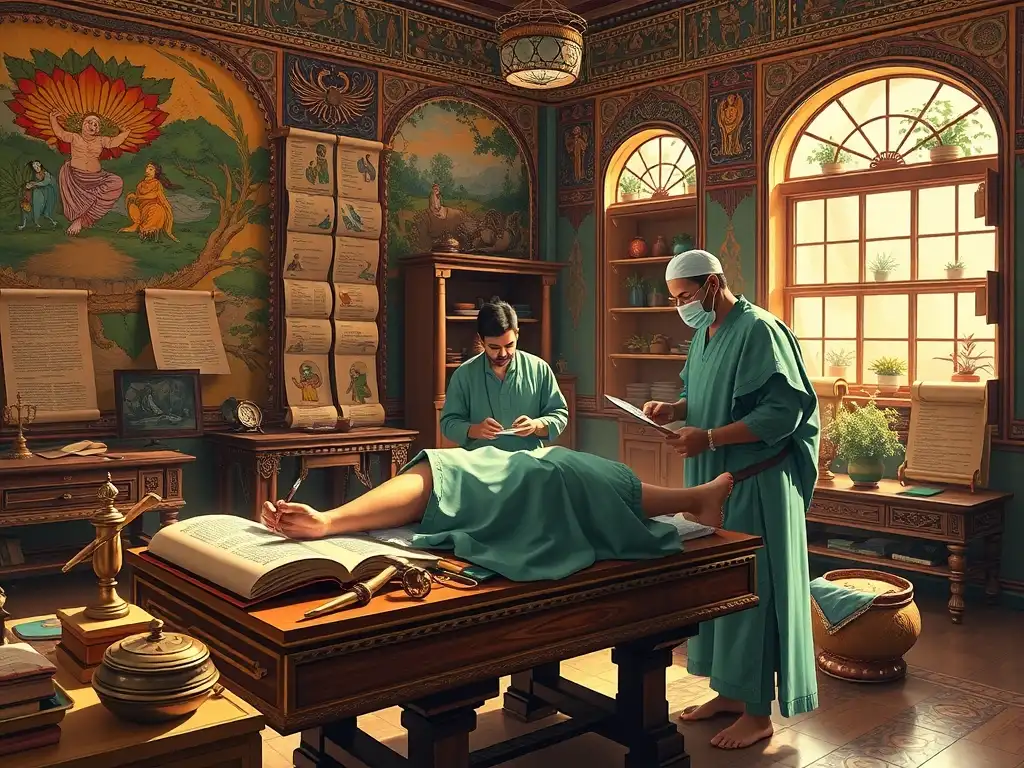
The history of surgical techniques in ancient India is often shrouded in myths and misconceptions. While many people may have a limited understanding of the medical practices of ancient Indian civilizations, it is crucial to separate fact from fiction. This section delves into common misconceptions about ancient Indian surgical techniques and highlights the realities that showcase their efficacy and sophistication.
Common Misconceptions about Ancient Indian Surgery
-
Lack of Advanced Knowledge
One prevalent myth is that ancient Indian surgeons lacked the knowledge and skills that are evident in modern surgical practices. This misconception undermines the extensive body of medical literature and surgical techniques documented in ancient texts, particularly in the Sushruta Samhita, which is often regarded as one of the foundational texts of surgery.
-
Primitive Tools and Techniques
Another misconception is that the tools and techniques used by ancient Indian surgeons were rudimentary and ineffective. In reality, Sushruta describes a variety of surgical instruments made from metals like bronze and iron, showcasing a sophisticated understanding of metallurgy and tool-making.
-
Focus Solely on External Surgery
Many people assume that ancient Indian surgery was primarily focused on external injuries and cosmetic procedures. However, the ancient texts indicate a comprehensive approach to internal diseases, addressing conditions such as abscesses, intestinal blockages, and internal bleeding through surgical intervention.
-
Superstition Over Science
There is a belief that ancient Indian surgical practices were primarily based on superstition rather than empirical evidence. While some practices may have been intertwined with spiritual beliefs, many surgical techniques were grounded in careful observation and a deep understanding of human anatomy.
Reality: The Efficacy of Ancient Surgical Practices
Ancient Indian surgical techniques were not only advanced for their time but also laid the groundwork for future medical practices.
-
Comprehensive Surgical Texts
The Sushruta Samhita is a notable example, detailing over 300 surgical procedures and 120 surgical instruments. The text emphasizes the importance of hygiene, anesthesia (with substances like cannabis and alcohol), and patient care, illustrating a holistic approach to surgery.
-
Innovative Techniques
Techniques such as plastic surgery, notably the reconstruction of the nose (known as rhinoplasty), demonstrate the ingenuity and skill of ancient Indian surgeons. These practices not only addressed physical injuries but also held significant cultural importance in restoring an individual’s social identity.
-
Internal Surgical Procedures
Ancient texts indicate that surgeries for internal ailments were performed, such as laparotomy for abdominal issues. The methods described for treating gastrointestinal disorders involved careful incision and drainage, showcasing a sophisticated understanding of human physiology.
-
Cultural and Historical Impact
The contributions of ancient Indian surgery extended beyond the subcontinent, influencing medical practices in neighboring regions and later in the world. The techniques and principles laid down by ancient Indian surgeons were preserved and referenced for centuries, reflecting their lasting impact on the field of medicine.
The myths surrounding ancient Indian surgical techniques often overshadow the realities of their efficacy and sophistication. By exploring the documented practices and advancements in this field, we gain a deeper appreciation for the contributions of ancient Indian civilizations to the science of medicine.
Conclusion: Legacy of Ancient Indian Surgical Techniques
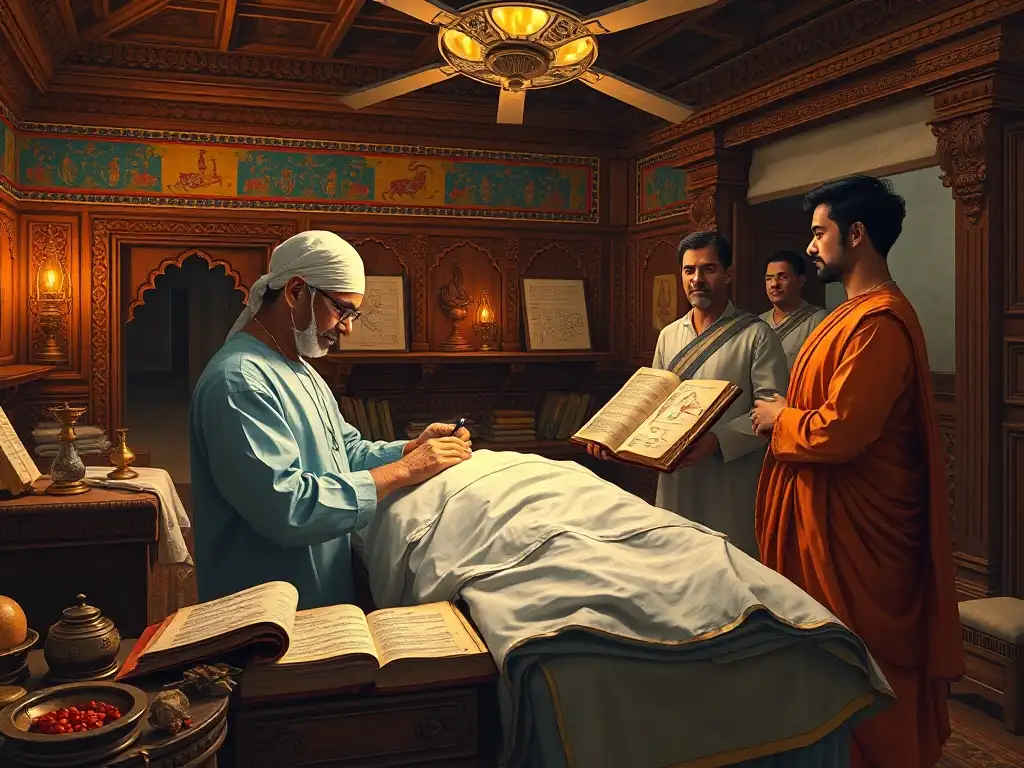
The legacy of ancient Indian surgical techniques is profound, influencing both historical practices and modern medicine. The surgical knowledge documented in texts such as the Sushruta Samhita showcases advanced understanding and methodologies that were remarkably ahead of their time. These techniques, which included a variety of procedures such as suturing, incision, and even complex surgeries like cataract removal, were not merely practical but also rooted in a holistic approach to health.
Contributions to Modern Medicine
Ancient Indian surgical techniques have made significant contributions to modern medicine, particularly in the fields of surgical practices and medical ethics.
- Innovative Procedures:
- Techniques like plastic surgery and orthopedic surgery that were pioneered by Sushruta have influenced contemporary surgical practices. For example, the reconstruction of body parts and skin grafting techniques, essential in modern reconstructive surgeries, trace their origins back to Sushruta’s methods.
- Surgical Instruments:
- The design and use of surgical instruments in ancient India laid the groundwork for the development of modern surgical tools. Sushruta described over 120 surgical instruments, some of which have evolved into their modern counterparts.
- Holistic Approach:
- Ancient Indian medicine emphasized a holistic approach, considering the patient's overall well-being rather than solely focusing on the ailment. This principle continues to resonate in current medical practices, promoting integrative health approaches.
Preservation of Knowledge in Contemporary Practices
The preservation of ancient Indian surgical techniques remains vital in various contemporary practices.
- Education and Training:
- Institutions in India and around the world have begun to incorporate ancient texts into their curriculum, teaching students about the historical context and methods used in ancient surgeries. This integration not only enriches the medical education but also fosters respect for traditional knowledge.
- Ayurvedic Practices:
- The principles of Ayurveda, which often intersect with surgical techniques, are practiced widely today. Many practitioners incorporate ancient surgical wisdom into their treatment regimens, emphasizing preventative care alongside surgical intervention when necessary.
- Research and Revival:
- Modern research is increasingly focused on validating and reviving ancient techniques through clinical studies. This includes exploring the efficacy of certain herbal remedies and surgical methods documented in texts, which may provide alternative or complementary solutions to contemporary medical problems.
The enduring legacy of ancient Indian surgical techniques exemplifies a rich tapestry of medical knowledge that not only shaped the past but continues to influence the present and future of medicine. By recognizing and integrating these techniques, we honor the wisdom of ancient civilizations while paving the way for innovative advancements in healthcare.
References and Further Reading on Ancient Indian Surgical Techniques
Suggested Literature on Ancient Indian Medicine
The exploration of ancient Indian surgical techniques is enriched by a wealth of literature that provides insights into the methodologies, philosophies, and practices of the time. Here are some key texts that serve as foundational references:
- Sushruta Samhita
- Often hailed as the father of surgery, Sushruta's work is a comprehensive treatise detailing surgical procedures and instruments. This ancient text not only emphasizes surgical techniques but also discusses pre- and post-operative care.
- Charaka Samhita
- This foundational text of Ayurveda covers internal medicine and includes references to surgical practices. Charaka's work provides an understanding of the holistic approach to health and healing in ancient India.
- Ashtanga Hridayam
- A synthesis of various medical traditions, this text offers insights into surgical techniques and their application within the broader context of Ayurveda, focusing on balancing body elements for healing.
- Nagarjuna's Works
- Although primarily known for his contributions to philosophy, Nagarjuna's writings also touch on medicinal practices and can be valuable for understanding the philosophical underpinnings of ancient surgical techniques.
- Historical Analysis of Ancient Indian Surgery
- Scholarly articles and research papers analyzing the evolution of surgical practices in ancient India provide a modern lens through which to view these historical techniques. These analyses often incorporate archaeological findings and translations of ancient texts.
Online Resources for Exploring Ancient Surgical Techniques
The digital age has made a plethora of resources available for those interested in ancient Indian surgical techniques. Here are some valuable online platforms and databases:
-
Digital Libraries and Archives
Many universities and institutions host digital collections of ancient texts. Websites like the Internet Archive and Google Books offer access to scanned versions of critical texts like the Sushruta Samhita and Charaka Samhita.
-
Academic Journals
Online databases such as JSTOR and PubMed provide access to peer-reviewed articles and research papers on ancient Indian medicine and surgical techniques. Searching for terms like "Ancient Indian surgical techniques" can yield relevant studies.
-
Ayurveda and Ancient Science Websites
Many websites dedicated to Ayurveda and ancient Indian science contain articles, video lectures, and discussions on surgical practices. Notable resources include:
- Ayurveda.com
- The National Institute of Ayurvedic Medicine
-
YouTube Educational Channels
Channels focusing on history and medicine often cover ancient surgical practices. Documentaries and lectures by historians or medical professionals can provide engaging visual content for deeper understanding.
-
Online Courses and Lectures
Platforms like Coursera or edX may offer courses on ancient medicine or the history of surgery, which can provide structured learning about ancient Indian surgical techniques.
By utilizing these resources, readers can gain a comprehensive understanding of the sophisticated and nuanced practices that characterized ancient Indian surgical techniques.
Frequently Asked Questions
What are ancient Indian surgical techniques?
Ancient Indian surgical techniques refer to the sophisticated methods developed in India, particularly during the Indus Valley Civilization and later periods, for performing surgery and treating various internal diseases.
Who is the most notable figure associated with surgery in ancient India?
Sushruta, often referred to as the "father of surgery," is a key figure. His work, Sushruta Samhita, outlines various surgical procedures and instruments that were advanced for their time.
How did ancient Indian medical practices influence modern medicine?
Ancient Indian practices, especially in surgery and herbal medicine, laid the groundwork for various surgical techniques and medical concepts still in use today, showcasing a blend of empirical knowledge and observational skills.
What types of internal diseases were treated using these techniques?
Ancient Indian surgeons addressed a variety of internal diseases, including gastrointestinal disorders, obstructions, and injuries, utilizing methods that showcased their understanding of human anatomy.
Are there any modern applications of ancient Indian surgical techniques?
Yes, some principles and methods from ancient Indian surgical techniques have been adapted into modern practices, particularly in Ayurveda and holistic healing, reflecting a continued relevance in contemporary medical discussions.
Final Reflection: The Enduring Legacy of Ancient Indian Surgical Techniques
The exploration of ancient Indian surgical techniques reveals a profound connection between historical practices and modern medicine. Today, as we navigate the complexities of healthcare, the wisdom embedded in these ancient practices offers invaluable insights into holistic treatment approaches. The remarkable achievements of ancient surgeons not only highlight the ingenuity of their time but also challenge us to reconsider the foundations of contemporary medical practices.
The influence of these techniques extends far beyond their historical context, shaping the cultural and social landscape of medicine today. The principles of precision, empathy, and holistic care that were central to ancient Indian surgery resonate with current trends in integrative medicine. As we continue to seek effective treatments for internal diseases, we can draw inspiration from the past. The greatest medicine of all is to teach people how not to need it.
– Hippocrates. This quote encapsulates the essence of ancient practices that prioritized prevention and understanding of the human body.
As we reflect on the lessons from ancient Indian surgical techniques, let us embrace the opportunity to integrate these timeless principles into our lives and practices. Consider how you can apply the wisdom of the past to enhance your understanding of health and wellness today. Whether through mindfulness, preventive care, or a deeper appreciation for the body’s capabilities, the journey towards holistic well-being begins with a single step. Let us honor the legacy of these ancient techniques by fostering a future where medicine is not just about treating ailments, but about nurturing the whole person.
Uncover the Wisdom of Ancient Healing!
Thank you for exploring the fascinating world of ancient Indian surgical techniques! You've taken a significant step toward understanding how these innovative methods shaped medical practices for generations. Now, let's build on that knowledge and discover how you can integrate these insights into your own life or share them with others.
Here are some empowering actions you can take right now:
- Dive deeper into ancient practices: Explore more on our website about related healing techniques or surgeries that captured your interest. Remember, knowledge is power!
- Share your newfound insights: Discuss what you've learned with friends or family. Consider posting about it on social media to spark conversations about the relevance of ancient medicine!
- Join our community: Subscribe to our newsletter for updates on new articles and participate in our discussions about how history influences modern health practices.
What aspect of ancient surgical techniques do you find most surprising, and how do you believe they could influence today's medical practices?