
Celestial Navigation: How Ancient Indian Astronomers Charted the Stars

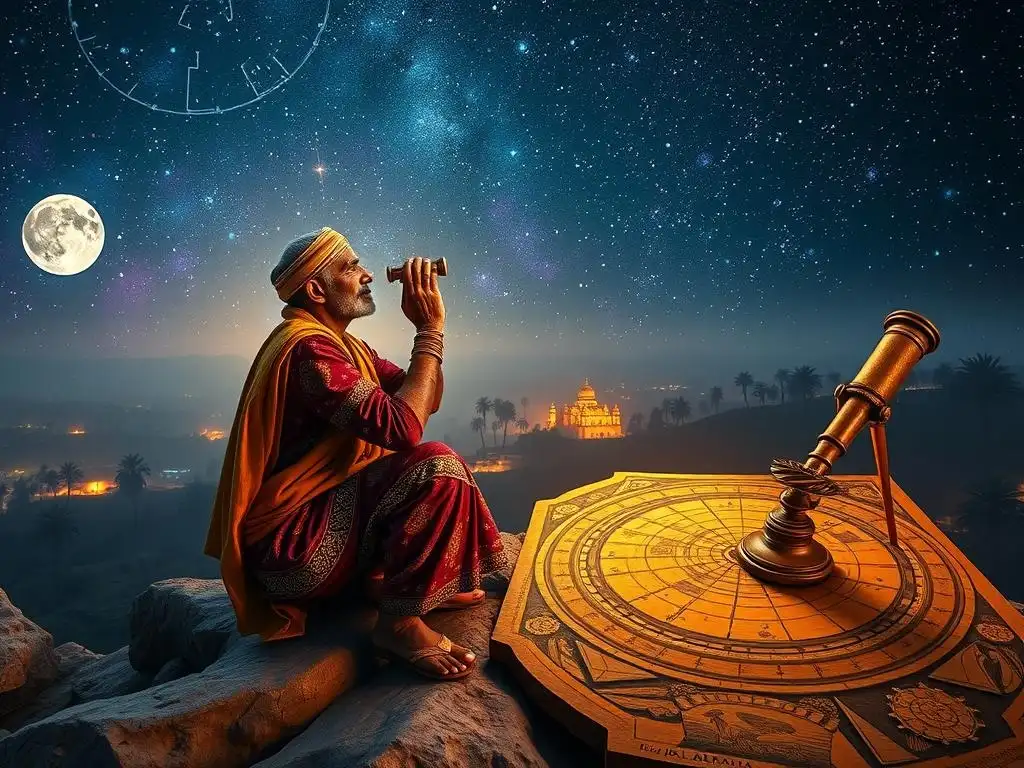
Welcome to Ancient India History, where we embark on a journey through the rich tapestry of ancient Indian civilizations that have shaped our world. In our featured article, "Celestial Navigation: How Ancient Indian Astronomers Charted the Stars," we delve into the fascinating realm of ancient Indian astronomy techniques. Discover how these brilliant minds not only gazed at the heavens but also unlocked the secrets of celestial bodies, guiding explorers and influencing cultures across the globe.
Prepare to be captivated as we unveil the wisdom of the ancients and reveal how their contributions continue to resonate today. Join us as we explore this stellar chapter of history!
The vast and intricate tapestry of ancient Indian civilization is woven with threads of remarkable achievements in various fields, among which astronomy stands out as a beacon of intellectual prowess. Ancient Indian astronomy techniques were not merely limited to observing the night sky; they encompassed a profound understanding of celestial bodies, their movements, and their implications for earthly events. From the meticulous star charts of the Indus Valley civilization to the sophisticated astronomical treatises of the Gupta Empire, Indian astronomers demonstrated an unparalleled mastery in celestial navigation that significantly influenced both navigation and timekeeping.
In this exploration, we will delve into the methods and tools employed by ancient Indian astronomers, highlight their groundbreaking contributions, and discuss the cultural significance of their astronomical observations. As we journey through the stars, we will uncover how these ancient techniques laid the foundation for modern astronomy and navigation, showcasing the rich heritage of scientific inquiry that emerged from the Indian subcontinent.
The Foundations of Ancient Indian Astronomy
Ancient Indian astronomy is deeply rooted in the civilization's early history, where scholars meticulously observed celestial phenomena. The foundational texts, such as the Vedanga Jyotisha, provide insights into the astronomical knowledge that guided rituals and agricultural practices.
- Key Concepts:
- Lunar Calendar: The lunar cycle was pivotal for agricultural activities, leading to the development of a calendar that harmonized celestial events with seasonal changes.
- Zodiac System: The twelve zodiac signs, or Rashis, were integral to astrological predictions and played a significant role in cultural practices.
These early astronomical foundations not only facilitated navigation but also influenced religious and cultural practices, intertwining science with spirituality.
The tools and techniques employed by ancient Indian astronomers were advanced for their time, reflecting a sophisticated understanding of geometry and mathematics.
- Instruments:
- Gnomon: A simple yet effective tool to measure the angle of the sun's shadow, enabling the determination of solar time.
- Astrolabe: Used for measuring the altitude of stars, this instrument was crucial for navigation and timekeeping.
- Techniques:
- Observational Methods: Astronomers recorded the positions of celestial bodies with remarkable accuracy, allowing for precise calculations of time and seasonal changes.
- Mathematical Formulations: Advanced mathematical concepts, including trigonometry, were utilized to predict celestial events such as eclipses.
These instruments and techniques exemplify the ingenuity of ancient Indian astronomers, who were able to chart the stars with a level of precision that was remarkable for their era.
The contributions of ancient Indian astronomers to the field of astronomy are profound and far-reaching. Not only did they develop methods for celestial navigation, but they also influenced subsequent generations of astronomers across the globe.
- Notable Figures:
- Aryabhata: His seminal work, the Aryabhatiya, introduced concepts such as the rotation of the Earth and the approximation of π (pi).
- Brahmagupta: He made significant advancements in algebra and introduced rules for calculating the positions of celestial bodies.
- Legacy: The techniques and theories developed by these astronomers laid the groundwork for future astronomical studies and were instrumental in the navigation practices of sailors navigating vast oceans.
The legacy of ancient Indian astronomy techniques not only enriched the scientific landscape of India but also left an indelible mark on the global understanding of navigation and timekeeping. As we continue to explore the stars, we uncover the remarkable contributions of these early scholars who charted the cosmos with unparalleled precision.
- The Foundations of Ancient Indian Astronomy
- Instruments and Techniques Used in Celestial Navigation
- Contributions to Astronomy and Navigation
Introduction to Ancient Indian Astronomy Techniques
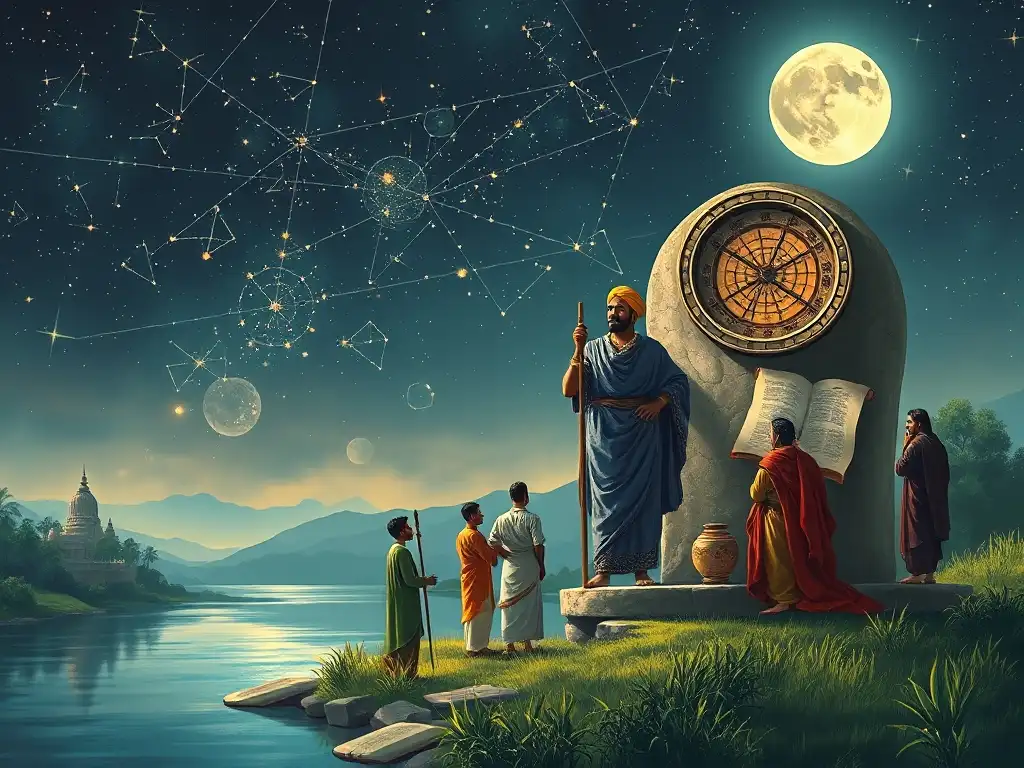
Ancient Indian astronomy techniques represent a significant aspect of the scientific achievements of Indian civilization. Scholars such as Aryabhata, Brahmagupta, and Varahamihira made profound contributions that not only advanced the understanding of celestial bodies but also laid the groundwork for many modern astronomical practices. This section delves into how ancient Indian astronomers navigated the heavens, their methodologies, and the impact of their discoveries on both local and global scales.
Overview of Ancient Indian Astronomy
The practice of astronomy in ancient India dates back thousands of years, with the earliest references found in the Vedas around 1500 BCE. Indian astronomers developed a sophisticated understanding of celestial phenomena, leading to the establishment of various astronomical texts, such as the "Surya Siddhanta," which detailed calculations for eclipses, planetary positions, and timekeeping.
Key features of ancient Indian astronomy include:
- Geocentric Model: Early Indian astronomers believed in a geocentric universe where the Earth was at the center, and celestial bodies revolved around it.
- Planetary Motion: They meticulously observed the movements of planets, noting their retrograde motions and periodicity.
- Mathematical Techniques: Techniques such as sine and cosine for trigonometric calculations were developed, facilitating accurate celestial mapping.
These foundational concepts were essential for advancements in navigation, agriculture, and religious practices, demonstrating how astronomy was intertwined with daily life in ancient India.
Celestial navigation played a crucial role in various aspects of ancient Indian society, particularly in trade and exploration. Navigators relied on the position of stars and planets to chart their courses across vast oceans and deserts. The significance of celestial navigation can be highlighted through several key points:
- Trade Routes: Indian merchants engaged in trade with distant lands, requiring precise navigation techniques to ensure safe passage across the Indian Ocean and beyond.
- Cultural and Religious Practices: Celestial events such as solstices and eclipses were pivotal in determining auspicious dates for festivals and rituals, influencing agricultural cycles and social calendars.
- Astronomical Instruments: Instruments like the gnomon and astrolabe were utilized to observe celestial bodies, contributing to the accuracy of navigation and timekeeping.
Celestial navigation was not merely a practical necessity but a vital component of cultural identity and scientific inquiry in ancient India.
Key Contributions of Indian Astronomers
Ancient Indian astronomers made remarkable contributions that shaped the field of astronomy. Their works laid the groundwork for future discoveries in both India and the world. Some of the key figures and their contributions include:
- Aryabhata (476–550 CE):
- Introduced the concept of zero and positional numeral systems.
- Correctly calculated the circumference of the Earth and the length of the solar year.
- Brahmagupta (598–668 CE):
- Authored "Brahmasphutasiddhanta," which included rules for calculating eclipses and planetary positions.
- Provided methods for solving linear and quadratic equations, influencing mathematics alongside astronomy.
- Varahamihira (505–587 CE):
- His work "Panchasiddhantika" compiled knowledge from various earlier texts and provided insights into astrology, meteorology, and astronomy.
- Emphasized the importance of observation and empirical data in studying celestial movements.
These astronomers not only advanced theoretical knowledge but also integrated practical applications into their findings, marking a significant chapter in the history of science. Their techniques and discoveries have influenced not just India, but have also resonated throughout the world, showcasing the rich legacy of ancient Indian astronomy techniques.
Historical Context of Astronomy in Ancient India
Early Civilizations and Their Understanding of the Cosmos
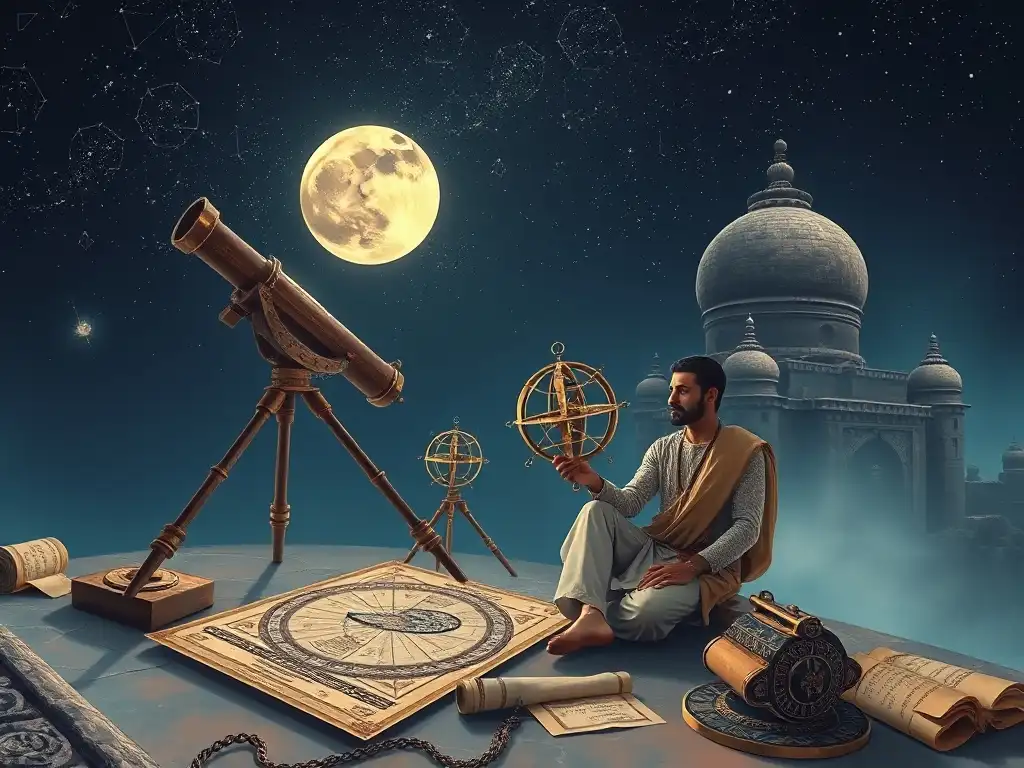
The roots of ancient Indian astronomy techniques can be traced back to the early civilizations of the Indus Valley, which flourished around 2500 BCE. These societies showcased an impressive understanding of the celestial bodies, as evidenced by their urban planning and architectural alignments. For instance, the layout of cities like Harappa and Mohenjo-Daro suggests that their builders had a grasp of cardinal directions, possibly derived from celestial observations.
As time progressed, the Vedic period (1500-500 BCE) marked a significant advancement in astronomical knowledge. The Vedas, particularly the Rigveda, contain hymns that reflect an early awareness of celestial phenomena. The Vedic astronomers observed natural cycles—such as the lunar phases and the solar year—integrating these observations into their agricultural practices and religious rituals. They devised a calendar based on lunar cycles, which was crucial for timing festivals, planting, and harvesting.
Furthermore, the Aryabhata, an influential mathematician and astronomer of the 5th century CE, introduced groundbreaking concepts in his seminal work, the Aryabhatiya. He posited that the Earth rotates on its axis, a revolutionary idea that paved the way for future astronomical endeavors. His calculations of the solar year and the circumference of the Earth were remarkably accurate, showcasing the sophistication of ancient Indian astronomy.
Influences from Other Cultures on Indian Astronomy
Throughout its history, Indian astronomy was not an isolated discipline; it absorbed and integrated influences from various cultures. The exchange of knowledge with neighboring civilizations, particularly the Greeks and Persians, significantly enriched Indian astronomical techniques.
The arrival of Greek astronomers, such as Hipparchus and Ptolemy, during the Hellenistic period introduced new methodologies and concepts, including the geocentric model. Indian scholars, such as Brahmagupta in the 7th century CE, adapted these ideas, blending them with indigenous practices. This fusion resulted in a comprehensive astronomical framework that included both mathematical techniques and observational astronomy.
Additionally, the spread of Islamic astronomy during the medieval period brought further advancements. The translation of Arabic texts into Sanskrit allowed Indian astronomers to access and build upon concepts like trigonometry and spherical astronomy. Notable figures such as Madhava of Sangamagrama in the 14th century used these techniques to develop new mathematical tools and models, leading to significant contributions in the field of astronomy.
Key Texts and Manuscripts on Astronomy in Ancient India
The contributions of ancient Indian astronomers are well-documented in various texts and manuscripts that continue to be pivotal in the study of ancient Indian astronomy techniques. Some of the most significant works include:
| Title | Author | Key Contributions |
|---|---|---|
| Aryabhatiya | Aryabhata | Introduced concepts like zero, algebra, and the heliocentric theory. |
| Brahmasphutasiddhanta | Brahmagupta | Explored arithmetic, algebra, and lunar and solar calculations. |
| Siddhanta Shiromani | Bhaskara II | Detailed planetary motions and eclipses, enhancing predictive astronomy. |
| Surya Siddhanta | Anonymous | Discussed celestial phenomena, providing a comprehensive astronomical framework. |
These texts not only present astronomical knowledge but also reflect the mathematical sophistication of ancient Indian scholars. They employed techniques such as sine tables and trigonometric calculations, showcasing their advanced understanding of celestial mechanics.
Ancient Indian astronomy was a complex and evolving field, influenced by cultural exchanges and characterized by significant textual contributions. The profound insights gained from these ancient texts continue to inspire modern astronomical studies and highlight the rich legacy of ancient Indian civilization in the realm of science and mathematics.
Observation of Celestial Bodies
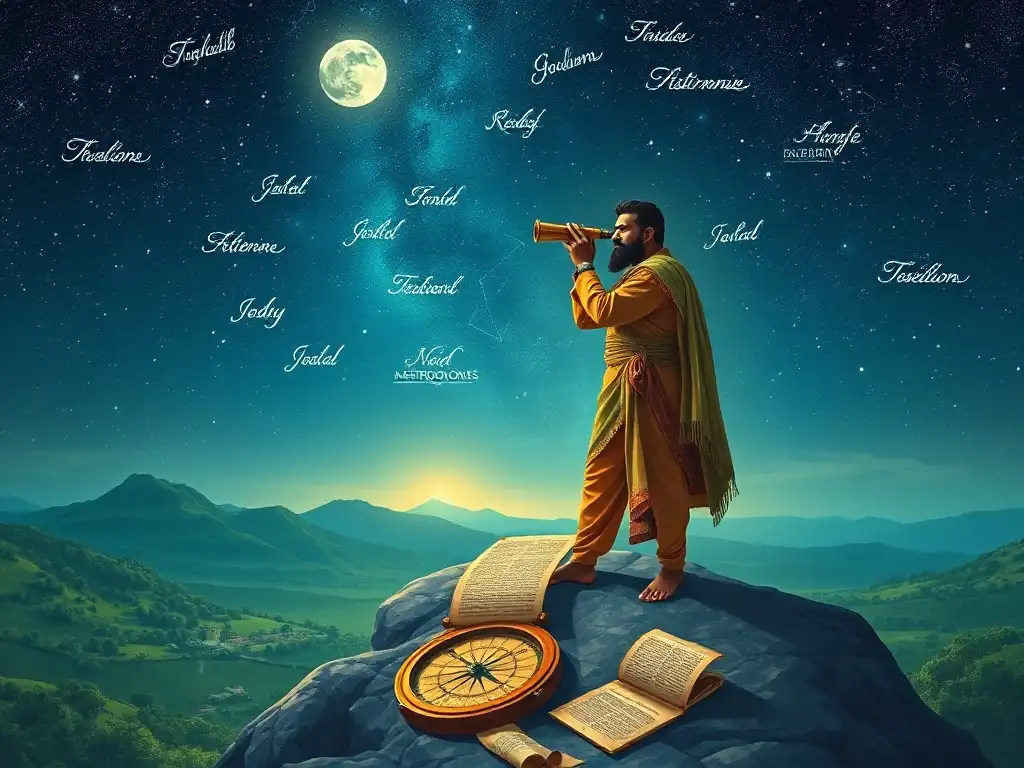
Ancient Indian astronomers employed meticulous observation techniques to chart the stars and planets, which were foundational to their navigation methods. They used the naked eye to observe celestial bodies, meticulously noting their positions and movements over time. This observational prowess enabled them to develop a deep understanding of the night sky, which was crucial for navigation across land and sea.
Importance of Stars and Planets in Navigation
Stars, particularly the fixed stars, served as reliable reference points for travelers and navigators. The Pole Star (Dhruva) was especially significant, as it remains relatively stationary in the sky, providing a constant point of reference in the northern hemisphere. Additionally, different constellations were associated with various seasons, guiding travelers in their journeys.
- Key Stars Used for Navigation:
- Pole Star (Dhruva): Constant reference point.
- Other Notable Stars: Aldebaran, Sirius, and Vega, which were used to determine directions.
The movements of planets such as Venus, Mars, and Jupiter were also closely monitored, as they were believed to influence navigation and were used to predict seasonal changes. This knowledge was documented in ancient texts, such as the Surya Siddhanta, which provided insights into the positions of celestial bodies.
Role of the Moon and Sun in Ancient Indian Navigation
The Moon and the Sun played pivotal roles in ancient Indian navigation. The lunar phases assisted sailors in determining the time and adjusting their journeys accordingly. For example, during full moon nights, the bright illumination allowed for easier navigation.
- Sun Navigation: The Sun's position at different times of the day helped in establishing cardinal directions. Sunrise and sunset times were recorded, allowing navigators to orient themselves.
- Lunar Navigation: The Moon's cycle was essential for timing voyages, especially during monsoon seasons when sailing conditions varied dramatically.
Use of Mathematical Principles in Astronomy
Mathematics was integral to ancient Indian astronomy techniques, providing the tools necessary for precise calculations in navigation. The application of geometry and trigonometry facilitated the understanding of celestial movements and distances.
Geometry and Trigonometry in Navigational Techniques
Ancient Indian astronomers utilized geometric principles to create celestial maps and models. These geometric shapes helped in visualizing the positions of stars and planets in relation to the Earth.
- Geometric Models: They developed models like the yantra (instrument) to aid in calculations.
- Trigonometric Functions: Sine and cosine were used to calculate angles between celestial bodies, enhancing navigational accuracy.
Moreover, texts such as the Aryabhatiya outlined various trigonometric methods, allowing astronomers to make complex calculations necessary for celestial navigation.
Calculation of Time and Distance Using Celestial Bodies
The ability to calculate time and distance based on celestial observations was a hallmark of ancient Indian astronomy techniques. Astronomers created detailed calendars that tracked the movements of celestial bodies.
- Time Measurement: The shadows cast by the Sun were used to determine time during the day, while the positions of stars were used for night-time measurements.
- Distance Calculations: The distance between celestial bodies was calculated using angular measurements, allowing navigators to gauge their position relative to known stars and planets.
The integration of these mathematical principles ensured that ancient Indian navigators could embark on their journeys with confidence, relying on the stars and mathematical calculations for guidance across vast distances.
Tools and Instruments of Ancient Indian Astronomers
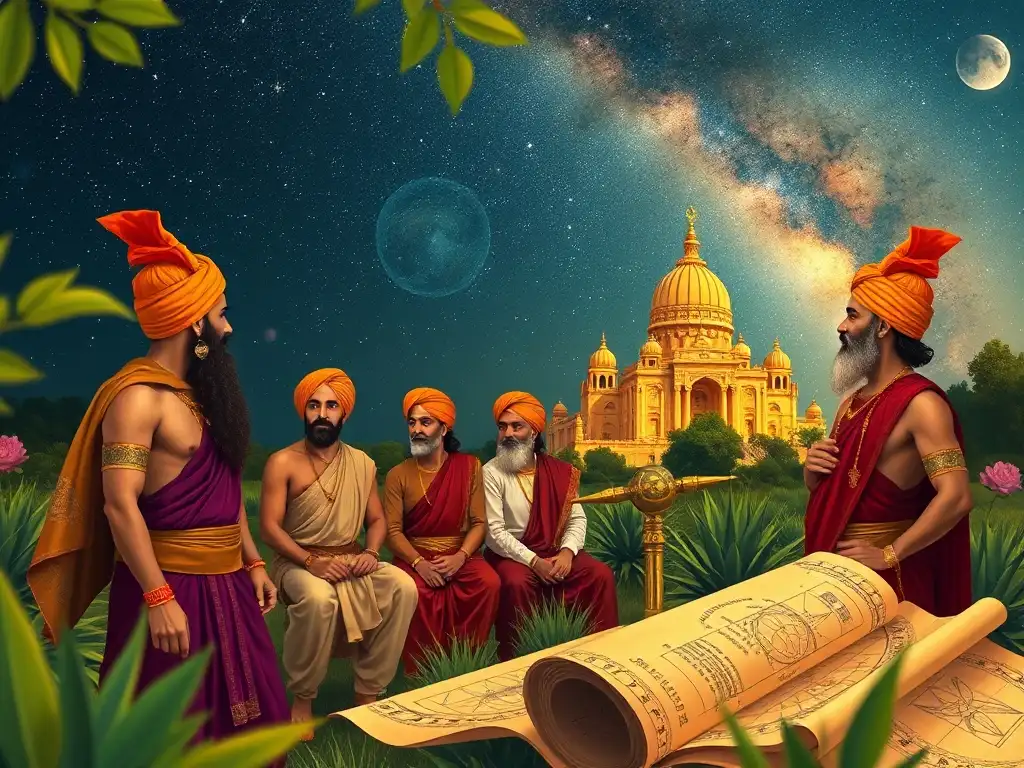
Ancient Indian astronomers employed a variety of tools and instruments to observe celestial bodies and chart the stars. These tools not only enhanced their understanding of the cosmos but also laid the groundwork for future astronomical advancements. The sophistication of these instruments reflects the ingenuity and scientific prowess of ancient Indian civilizations, allowing them to make significant contributions to the field of astronomy.
The Astrolabe and Its Significance
The astrolabe was one of the most important instruments used in ancient Indian astronomy. This intricate device served multiple functions, including measuring the altitude of stars and determining local time based on celestial observations.
- Structure and Function: The astrolabe typically consisted of a circular disk with a rotating arm known as the alidade. The user would align the alidade with a celestial body, allowing them to read angles off the graduated scale.
- Applications: Ancient Indian astronomers used astrolabes not only for navigation but also for determining the position of celestial bodies at different times of the year. This was crucial for agricultural planning and religious ceremonies that depended on seasonal changes.
- Cultural Impact: The astrolabe was a symbol of intellectual achievement in ancient India, showcasing the advanced understanding of geometry and mathematics that was prevalent during this time. It influenced later astronomical practices in other cultures, including the Islamic world.
Gnomons and Their Role in Timekeeping
Gnomons, simple yet effective devices, played a crucial role in ancient Indian astronomy and timekeeping.
- Definition and Design: A gnomon is a vertical stick or pillar placed in the ground, casting a shadow on a marked surface. The length and direction of the shadow change throughout the day, allowing astronomers to track time.
- Time Measurement: Ancient Indians utilized gnomons to create sundials, which could accurately measure the passage of time based on the sun's position. This method was essential for daily activities and religious observances.
- Astronomical Observations: By observing the shadow's movement, astronomers could also deduce the changing positions of celestial bodies, contributing to their understanding of solar and lunar cycles.
In addition to the astrolabe and gnomons, ancient Indian astronomers developed and utilized various other navigational tools that enhanced their celestial observations.
- Quadrants: Used for measuring angles of celestial objects, quadrants allowed astronomers to determine the altitude of stars. They played a vital role in navigation by helping sailors and travelers orient themselves based on star positions.
- Cross-staffs: This instrument, resembling a large ruler with a sliding crosspiece, enabled astronomers to measure the angle of celestial bodies relative to the horizon. The cross-staff was particularly useful for determining latitude during voyages.
- Water Clocks (Ghatis): Ancient Indians also created water clocks that measured time based on the flow of water. These devices were crucial for timekeeping at night when celestial observations were not possible.
These tools collectively advanced the field of ancient Indian astronomy techniques, showcasing the rich intellectual heritage of ancient Indian civilizations in their quest to understand the cosmos.
Case Studies of Ancient Indian Astronomers

The exploration of ancient Indian astronomy techniques reveals a rich tapestry of astronomical knowledge and practices that were pivotal in the development of navigation and understanding celestial phenomena. Notable astronomers from ancient India made significant contributions that not only advanced their own civilization but also influenced the global scientific community. This section delves into the remarkable achievements of three prominent figures: Aryabhata, Brahmagupta, and Bhaskara II.
Aryabhata, one of the earliest mathematicians and astronomers of ancient India, lived during the 5th century CE. His seminal work, the Aryabhatiya, serves as a foundational text in the realm of astronomy and mathematics.
- Key Contributions:
- Heliocentric Theory: Aryabhata proposed that the Earth rotates on its axis, an idea that was revolutionary for its time. This insight laid the groundwork for understanding the relationship between celestial bodies and navigation.
- Calculation of Time: He devised methods to calculate the length of the solar year with remarkable precision, estimating it to be 365.358 days. This accuracy was essential for calendar-making and agricultural planning.
- Sine Functions: Aryabhata introduced the concept of sine in his trigonometric calculations, which became fundamental in later astronomical studies.
His techniques for calculating planetary positions and eclipses were not only advanced but were also utilized in practical navigation, guiding travelers and traders across vast distances.
Brahmagupta’s Innovations in Astronomical Calculations
Brahmagupta, who lived in the 7th century CE, expanded upon Aryabhata’s work and introduced several innovations in astronomical calculations that were vital for navigation and understanding celestial events.
- Key Innovations:
- Rules for Eclipses: In his text Brahmasphutasiddhanta, he provided detailed methods for predicting solar and lunar eclipses, emphasizing the importance of accurate observations for navigation.
- Negative Numbers: Brahmagupta was one of the first to recognize the concept of zero and negative numbers, which revolutionized mathematical computations, including those used in astronomy.
- Algorithms for Planetary Motion: He developed algorithms for calculating the positions of planets relative to the stars, enhancing the accuracy of celestial charts.
Brahmagupta's work made significant strides in the field of mathematics, allowing navigators to calculate their positions more effectively and fostering the growth of trade routes across the Indian subcontinent.
Bhaskara II: Advancements in Celestial Mechanics
Bhaskara II, also known as Bhaskara the Great, flourished in the 12th century CE and is celebrated for his comprehensive contributions to mathematics and astronomy. His major work, the Siddhanta Shiromani, is divided into two parts: Lilavati and Bijaganita, both of which contain critical astronomical insights.
- Key Advancements:
- Celestial Models: Bhaskara II developed mathematical models to describe the motion of celestial bodies, providing calculations for their positions at any given time.
- Day and Night Calculation: He introduced methods for calculating the duration of day and night based on geographical latitude, which was crucial for navigation and planning travel.
- Improved Algorithms: His algorithms for solving quadratic and cubic equations facilitated more precise astronomical computations, leading to enhanced navigation techniques.
Bhaskara II's insights into celestial mechanics not only advanced the field of astronomy but also provided practical applications for travelers and merchants navigating the skies.
Through the contributions of these astronomers, ancient Indian astronomy techniques were pivotal in understanding celestial phenomena, influencing navigation, and shaping the future of scientific inquiry in both India and beyond.
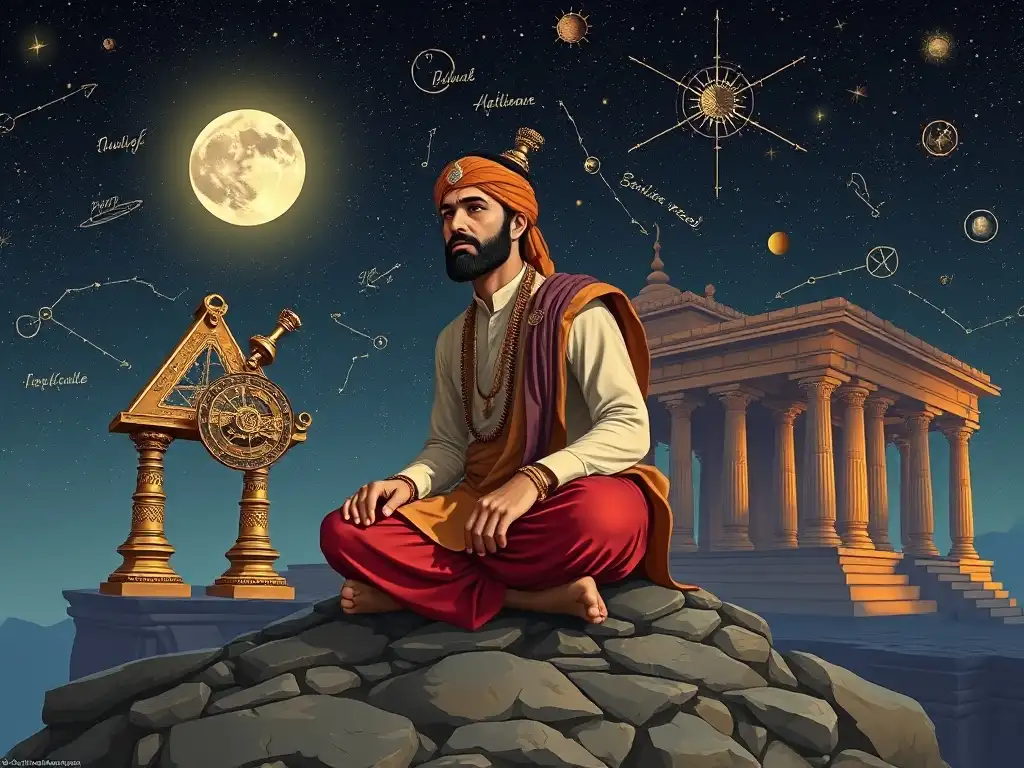
Celestial navigation played a pivotal role in the development of ancient Indian civilizations, intertwining astronomy with cultural practices, trade, and spirituality. The ability to navigate by the stars not only facilitated exploration and trade but also influenced religious observances and societal structures. Ancient Indian astronomers developed sophisticated techniques to chart the stars, significantly impacting their understanding of time, geography, and the cosmos.
The Influence of Astronomy on Ancient Indian Culture
The integration of astronomy into ancient Indian culture can be observed in various aspects, from literature to architecture. The Vedas, particularly the Rigveda, contain references to celestial phenomena, showcasing the early understanding of the cosmos. The concept of time measurement, based on celestial bodies' movements, was critical in determining agricultural cycles, religious festivals, and daily activities.
Moreover, ancient Indian texts like the Surya Siddhanta provided detailed calculations on planetary movements and eclipses, highlighting the advanced level of knowledge possessed by astronomers of the time. This astronomical wisdom was not confined to scholarly circles; it permeated the broader culture, influencing art, architecture, and even mythology. Temples were often aligned with celestial events, serving as observatories for tracking the movement of stars and planets.
Festivals and Rituals Linked to Celestial Events
Many ancient Indian festivals and rituals were intricately linked to celestial events, demonstrating how astronomy shaped societal norms and religious practices. For instance, Makar Sankranti, celebrated in January, marks the transition of the sun into the zodiac sign of Capricorn. This festival is deeply rooted in agrarian practices, as it signifies the end of winter solstice and the beginning of longer days, which was crucial for crop cultivation.
Similarly, Diwali, the festival of lights, coincides with the new moon phase in October or November. The significance of lighting lamps during this festival not only symbolizes the victory of light over darkness but also aligns with the lunar calendar, showcasing the celestial connection to timekeeping and seasonal changes.
Other rituals, such as Chhath Puja, involve offerings to the sun god, Surya, emphasizing the reverence for celestial bodies in daily life and spirituality. These festivals reflect the deep-seated relationship between astronomy and ancient Indian culture, where celestial events were celebrated and integrated into community life.
Ancient Indian traders were adept at using celestial navigation techniques to traverse vast distances across seas and land. The knowledge of stars, particularly the pole star (Dhruva Nakshatra), provided navigators with a reliable point of reference. This understanding was crucial for maritime trade routes connecting India with distant lands, including Africa, Southeast Asia, and the Middle East.
The Astronomical Navigation Techniques employed by sailors included observing the positions of stars and planets to determine latitude and longitude. They would often use star charts and the gnomon, a simple device that casts a shadow, to gauge the time of day and the position of celestial bodies. This knowledge was vital for ensuring safe passage and successful trade expeditions.
Trade routes, such as the Silk Road, were not only economic corridors but also conduits for cultural exchange, where knowledge of astronomy spread among civilizations. The intricacies of ancient Indian navigation techniques exemplify how astronomy was not merely a scientific pursuit but a practical tool that enabled exploration and fostered intercultural connections.
Ancient Indian astronomy techniques were foundational to the rich tapestry of cultural practices, festivals, and trade. The celestial navigation skills developed by ancient astronomers continue to resonate in contemporary India, reflecting a legacy of knowledge that has shaped the nation’s history and identity.
Conclusion: Legacy of Ancient Indian Astronomy Techniques
The legacy of ancient Indian astronomy techniques is profound and multifaceted, influencing not only the scientific community of its time but also laying the groundwork for future advancements in the field. Ancient Indian astronomers, with their meticulous observations and sophisticated methodologies, contributed significantly to the understanding of celestial phenomena. This knowledge was encapsulated in various texts, such as the "Aryabhatiya" by Aryabhata and the "Surya Siddhanta," which provided comprehensive insights into the movements of celestial bodies and the principles of celestial navigation.
These techniques were characterized by a unique blend of empirical observation and mathematical rigor, enabling astronomers to devise accurate calendars, predict eclipses, and understand the cosmos' cyclical nature. The meticulous records of star positions and planetary movements showcased the high level of sophistication achieved by ancient Indian scholars.
Lasting Impact on Modern Astronomy
The influence of ancient Indian astronomy techniques can still be felt today, particularly in the realm of modern astronomy. Many foundational concepts introduced by ancient astronomers have been integrated into contemporary astronomical practices. For example:
- Mathematical Formulations: Techniques for calculating celestial distances and movements have evolved but remain rooted in the mathematical principles established by ancient scholars.
- Calendrical Systems: The lunar and solar calendars developed in ancient India are still utilized in various cultures and communities today, reflecting their lasting relevance.
- Eclipse Predictions: Modern methodologies for predicting eclipses owe much to the early observations and calculations made by ancient Indian astronomers.
The meticulous nature of their work not only advanced the field of astronomy but also encouraged a spirit of inquiry that persists in the scientific community.
Ancient Indian astronomy techniques have found a place in contemporary navigation systems. While modern technology has transformed navigation through GPS and digital mapping, the foundational principles established by ancient astronomers remain relevant. Key aspects include:
- Star-Based Navigation: The understanding of celestial navigation using stars remains a guiding principle for many seafarers and aviators, particularly in situations where modern technology may falter.
- Latitude and Longitude: The early methods of determining one's position based on celestial bodies laid the groundwork for the modern grid system of latitude and longitude.
- Cultural Practices: Many indigenous communities continue to rely on ancient navigation techniques during their travels, showcasing the enduring nature of this knowledge.
By acknowledging these ancient methods, contemporary navigators can enhance their skills and connect with a rich historical tradition that underscores the importance of astronomy in guiding human endeavors.
Encouraging Appreciation for Ancient Indian Contributions to Science and Mathematics
Recognizing and appreciating the contributions of ancient Indian astronomy techniques is essential for fostering a deeper understanding of the history of science and mathematics. Encouragement can take various forms:
- Educational Initiatives: Incorporating the study of ancient Indian astronomy into educational curricula can inspire new generations to appreciate the intricate knowledge systems developed by their ancestors.
- Public Awareness Campaigns: Exhibitions, lectures, and workshops can highlight the achievements of ancient Indian astronomers, emphasizing their relevance to modern science.
- Interdisciplinary Research: Collaborating across disciplines, including history, astronomy, and mathematics, can yield fresh insights and enhance the understanding of ancient contributions to science.
By celebrating these contributions, we not only honor the legacy of ancient Indian scholars but also foster a culture of innovation and exploration in science and mathematics for future generations.
Frequently Asked Questions
What are ancient Indian astronomy techniques?
Ancient Indian astronomy techniques include celestial navigation, astrolabes, and zodiacal mapping, which were used to observe and chart celestial bodies for navigation and timekeeping.
Ancient Indian astronomers developed methods of celestial navigation that relied on the positions of stars and planets, allowing sailors to navigate the seas with greater accuracy.
What tools did ancient Indian astronomers use?
They used instruments such as astrolabes, sundials, and gnomon to measure time, celestial positions, and seasonal changes, demonstrating a deep understanding of astronomical phenomena.
How did the Gupta Empire influence astronomy?
During the Gupta Empire, astronomy flourished, leading to significant advancements in techniques and the compilation of works like Aryabhata’s treatise, which laid the groundwork for future astronomical studies.
Celestial navigation was crucial for trade and exploration, enabling ancient Indians to establish trade routes and connect with other civilizations through their knowledge of stars and navigation methods.
Final Reflection: The Timeless Wisdom of Ancient Indian Astronomy
The techniques of ancient Indian astronomy are not just relics of the past; they are a testament to human ingenuity and our enduring quest to understand the cosmos. In an era where technology dominates our understanding of the universe, revisiting these ancient methods offers a profound connection to our history and a reminder of the intellectual achievements of our ancestors. The intricate celestial navigation techniques developed by ancient Indian astronomers reveal a sophisticated understanding of the stars that continues to inspire modern science.
The impact of these astronomical techniques extends far beyond their historical context; they have shaped cultural narratives and scientific thought across generations. The meticulous observations and calculations made by these astronomers laid the groundwork for future explorations in both astronomy and navigation. As we reflect on their contributions, we can appreciate the words of the renowned astrophysicist Carl Sagan: We are made of star-stuff. We are a way for the universe to know itself.
This quote encapsulates the essence of our connection to the cosmos, reminding us that the pursuit of knowledge is a shared human experience that transcends time and culture.
As we look to the future, let us embrace the lessons of ancient Indian astronomy in our own lives. Take a moment to gaze at the stars and reflect on the knowledge they hold. Consider how these ancient techniques can inspire us to explore our own paths of discovery, whether in science, art, or personal growth. By honoring the wisdom of the past, we can cultivate a deeper appreciation for the universe and our place within it, encouraging a sense of wonder that drives us to seek knowledge and understanding in all its forms.
Unveil the Stars: Chart Your Own Cosmic Journey!
Thank you for taking the time to explore the fascinating world of ancient Indian astronomy with us! We hope you gained valuable insights into how these brilliant minds navigated the cosmos. Now it’s your turn to connect with the stars and deepen your understanding of celestial navigation.
Here’s how you can embark on your cosmic journey:
- Start your celestial navigation practice by downloading a stargazing app that helps you identify constellations and planets visible in your area.
- Join a local astronomy club or an online community to share your experiences and discoveries with fellow star enthusiasts.
- Consider keeping a journal where you document your observations, detailing what you see and how it connects to ancient methods of navigation.
What constellations have caught your eye lately, and how do you think they could inspire your own journey of discovery?