
The Surgical Skills of Ancient Indian Physicians: Training and Education

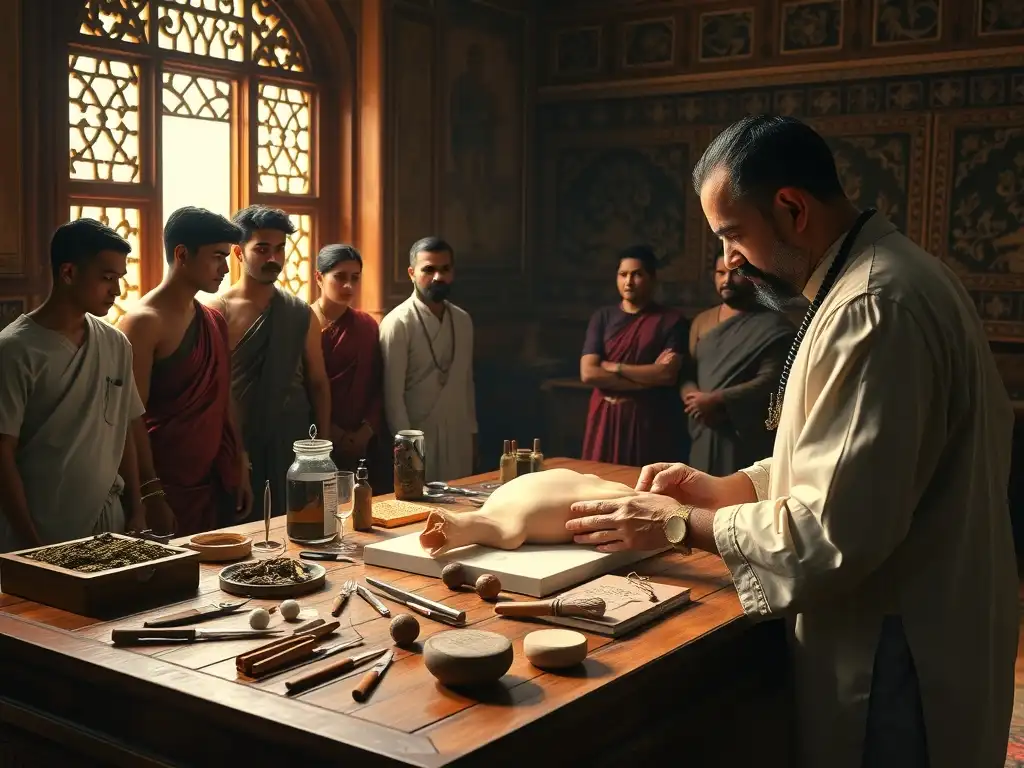
Welcome to Ancient India History! Dive into the fascinating world of ancient Indian civilizations as we uncover their rich tapestry of history, culture, and groundbreaking contributions. Today, we invite you to explore the extraordinary realm of Ancient Indian surgical training methods—a testament to the ingenuity and skill of physicians from centuries past. What did their training entail, and how did it shape the future of medicine? Join us as we unravel these mysteries and embark on an enlightening journey through time!
- Introduction to Ancient Indian Surgical Training Methods
- Historical Context of Surgical Practices in Ancient India
- Ancient Indian Surgical Training Methods
- Key Components of Surgical Training
- Comparison of Ancient Indian Surgical Methods with Contemporary Practices
- The Legacy of Ancient Indian Surgical Training
- Conclusion: The Impact of Ancient Indian Surgical Training on Medicine
- References
-
Frequently Asked Questions
- What were the primary surgical training methods used in ancient India?
- How did the education system for physicians in ancient India function?
- What role did ancient texts play in surgical education?
- Were there any specific tools used in ancient Indian surgery?
- How did ancient Indian surgical practices influence modern medicine?
- Final Reflection: The Enduring Legacy of Ancient Indian Surgical Training
- Unlock the Wisdom of Ancient Healing!
Introduction to Ancient Indian Surgical Training Methods
The ancient Indian civilization is celebrated for its profound contributions to various fields, including science, mathematics, and medicine. Among these, the surgical practices of ancient Indian physicians stand out as a remarkable blend of knowledge, skill, and ethical considerations. This article delves into the intricate world of Ancient Indian surgical training methods, exploring how physicians were educated and trained in the art of surgery. By examining historical texts, practices, and the cultural significance of these methods, we gain a deeper understanding of the surgical prowess that characterized ancient Indian medicine.
Overview of Ancient Indian Medicine
Ancient Indian medicine, particularly as documented in texts like the Sushruta Samhita and the Charaka Samhita, offers a comprehensive insight into the medical practices of the time. These texts outline various surgical techniques, medicinal herbs, and holistic approaches to health.
- Key Contributions:
- Sushruta: Often hailed as the "father of surgery," he introduced numerous surgical procedures, including plastic surgeries and the removal of cataracts.
- Charaka: Focused on internal medicine and the importance of diet, lifestyle, and herbal remedies for overall health.
The training of physicians was rigorous, often involving years of study under the tutelage of experienced practitioners. Students learned not only surgical techniques but also the underlying principles of medicine, anatomy, and pharmacology.
Significance of Surgical Skills in Ancient India
The surgical skills developed by ancient Indian physicians were not merely practical; they were intertwined with the cultural and ethical fabric of society.
- Cultural Importance:
- Surgery was viewed as a noble profession, and practitioners were respected members of society.
- Ethical guidelines, such as the Hippocratic oath, were mirrored in Indian texts, emphasizing the importance of patient care and consent.
- Technological Advancements:
- Ancient Indian surgeons utilized a variety of instruments made from materials like iron, bronze, and even ivory.
- Techniques such as excision, suturing, and cauterization were well-documented, showcasing a sophisticated understanding of anatomy and physiology.
The surgical training methods of ancient India reveal a rich tapestry of medical knowledge that has laid the foundation for modern surgical practices. Understanding these methods not only highlights the achievements of ancient Indian medicine but also honors the legacy of those who dedicated their lives to the art of healing.
Historical Context of Surgical Practices in Ancient India
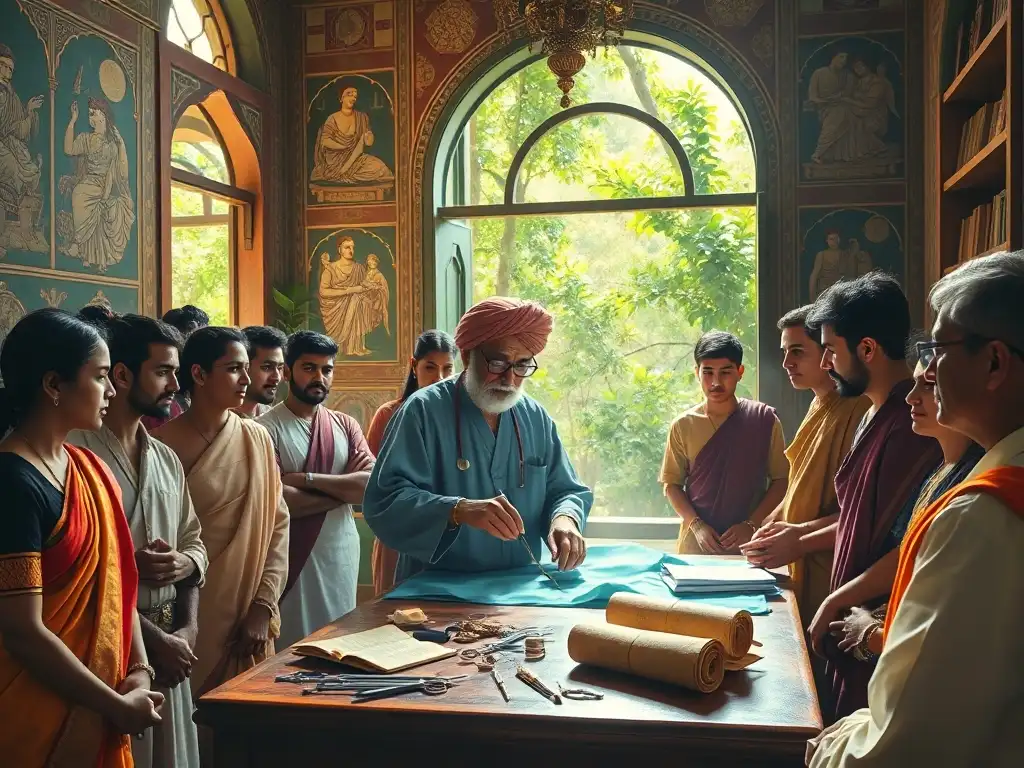
The history of surgical practices in ancient India is a fascinating tapestry woven with rich traditions, advanced techniques, and a deep understanding of human anatomy. Dating back to as early as 2500 BCE, the Indus Valley Civilization showcased evidence of surgical procedures, including trepanation, which is the practice of drilling holes into the skull. This early form of surgery suggests a sophisticated understanding of medical practices that laid the groundwork for future developments in the field.
As time progressed, the surgical skills of ancient Indian physicians became more refined, particularly during the period of the Vedic texts and subsequent classical literature. The ancient Indians distinguished between different branches of medicine, with surgery (Shalya Tantra) being a prominent field. The significance of surgical practices was underscored by the integration of medicine and surgery, leading to a holistic approach to healthcare.
The evolution of surgical training methods in ancient India was heavily influenced by prevailing cultural and philosophical beliefs. The ancient Indian healthcare system emphasized a comprehensive understanding of the patient, the environment, and the disease, which was reflected in the training of surgeons. This multifaceted approach not only focused on technical skills but also on ethical considerations, the importance of the physician-patient relationship, and the necessity of thorough patient examination.
Influential Texts on Surgery: The Sushruta Samhita
One of the most significant contributions to the field of surgery in ancient India is the Sushruta Samhita, attributed to the sage Sushruta, who is often referred to as the "father of surgery." Composed around the 6th century BCE, this seminal text is a comprehensive guide to surgical techniques, medical ethics, and patient care.
The Sushruta Samhita is divided into several sections, covering topics such as:
- Anatomy: Detailed descriptions of human anatomy, including the identification of organs, tissues, and bodily systems.
- Surgical Techniques: Over 300 surgical procedures are documented, including rhinoplasty (reconstruction of the nose), cataract surgery, and the treatment of fractures.
- Instruments: The text lists over 120 surgical instruments, elaborating on their design and intended use. This showcases the advanced level of surgical tools available during that time.
- Medical Ethics: The Samhita emphasizes the moral responsibilities of physicians and the importance of patient confidentiality and informed consent.
The methods described in the Sushruta Samhita highlight the ancient Indian surgical training methods, which included practical demonstrations, observation, and mentorship. Aspiring surgeons would often train under the guidance of experienced physicians, reinforcing the importance of hands-on experience in mastering complex surgical techniques.
The Role of Ancient Indian Physicians in Healthcare
Ancient Indian physicians played a crucial role in healthcare, not only as surgeons but also as holistic healers. Their training encompassed a broad spectrum of medical knowledge, integrating various disciplines such as herbal medicine, dietetics, and surgery. This multidisciplinary approach enabled physicians to treat ailments effectively and cater to the diverse needs of their patients.
The status of physicians in ancient Indian society was significant, with many being revered as scholars and healers. They were often required to undergo rigorous training, which involved:
- Theoretical Knowledge: A deep understanding of texts like the Charaka Samhita and the Sushruta Samhita was essential. This involved studying various medical theories, anatomy, and surgical procedures.
- Practical Training: Much of the training was hands-on, where students would observe live surgeries and assist experienced surgeons, thus gaining invaluable experience.
- Ethical Training: Physicians were educated on the ethical dimensions of medical practice, emphasizing the importance of compassion, integrity, and respect for life.
The integration of ancient Indian surgical training methods into the broader medical education system ensured that physicians not only possessed technical skills but also approached their practice with empathy and a commitment to patient welfare. This holistic perspective is a hallmark of ancient Indian medicine and continues to influence medical practices in contemporary times.
Ancient Indian Surgical Training Methods
Overview of Surgical Education in Ancient India
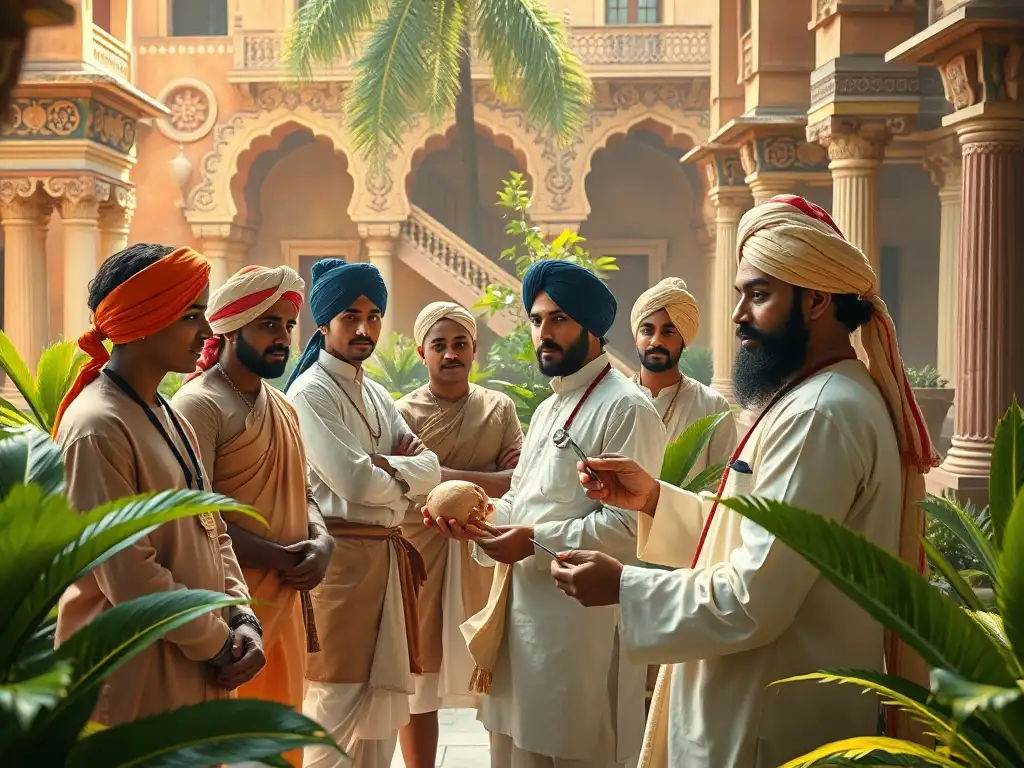
In ancient India, surgical education was a highly respected field, deeply intertwined with the broader aspects of medicine and healthcare. The foundational texts, such as the Sushruta Samhita, attributed to the ancient physician Sushruta, outline a systematic approach to surgical training. This text, dating back to around 600 BCE, serves as both a surgical manual and a guide to medical ethics, emphasizing the importance of rigorous training for aspiring surgeons.
The educational framework was primarily practical, as students learned through a combination of observation and direct involvement in surgical procedures. The curriculum was designed to cover various aspects of medicine, including anatomy, physiology, pathology, and, notably, surgical techniques. The training emphasized not only technical skills but also the importance of patient care and ethical considerations in surgery.
Methods of Teaching Surgical Skills
The teaching of surgical skills in ancient India involved a blend of theoretical knowledge and practical experience. Students were exposed to a wide array of techniques, which were often categorized based on the complexity and type of surgery. The educational methods can be summarized as follows:
- Textual Learning: Students studied ancient texts that contained detailed descriptions of surgical procedures, instruments, and techniques.
- Mentorship: Experienced surgeons acted as mentors, providing guidance and sharing their knowledge with students.
- Practical Demonstrations: Live demonstrations of surgical procedures were common, allowing students to witness techniques firsthand.
This multifaceted approach ensured that students not only understood the theoretical aspects of surgery but also developed the necessary skills to perform complex procedures.
Apprenticeship Models in Surgical Training
One of the most significant aspects of surgical training in ancient India was the apprenticeship model. This system allowed students to learn directly under the tutelage of experienced surgeons, fostering a deep understanding of surgical practices. Key features of this model included:
- Long Duration: Apprenticeship often lasted several years, allowing ample time for knowledge acquisition and skill development.
- Direct Involvement: Students participated in surgical procedures, gradually taking on more responsibility as they gained experience.
- Cultural Transmission: The apprenticeship model facilitated the transmission of knowledge across generations, ensuring that techniques and practices were preserved and refined over time.
This hands-on approach was crucial for developing the dexterity and confidence required for surgical practice.
Hands-on Training Techniques
Hands-on training was a cornerstone of surgical education in ancient India. Various techniques were employed to ensure that students became proficient in surgery, including:
- Simulated Operations: Trainees practiced on models or cadavers, allowing them to refine their techniques in a controlled environment before performing on live patients.
- Surgical Workshops: These gatherings provided opportunities for students to observe and participate in a variety of surgical procedures, enhancing their practical skills.
- Peer Teaching: Students often collaborated and learned from one another, fostering a community of shared knowledge and collective improvement.
The emphasis on practical experience was essential for cultivating skilled surgeons who could effectively address the medical challenges of their time.
The ancient Indian surgical training methods were characterized by a comprehensive, hands-on approach that combined theoretical knowledge with practical experience. The emphasis on apprenticeship and direct involvement in surgical procedures played a crucial role in developing the skilled physicians of ancient India, whose contributions to medicine continue to be recognized today.
Use of Anatomical Knowledge in Surgical Training
The foundation of surgical training in ancient India was deeply rooted in a comprehensive understanding of human anatomy. Renowned texts like the Sushruta Samhita, attributed to the ancient surgeon Sushruta, laid the groundwork for this anatomical knowledge. Sushruta emphasized the importance of studying the human body not just through observation but also through practical experience. This approach was crucial for aspiring surgeons, as it allowed them to grasp the complexities of bodily structures and functions.
In ancient Indian surgical education, anatomical knowledge was acquired through a combination of theoretical study and hands-on practice. Students were educated in various aspects of anatomy, including the identification of organs, tissues, and their interrelationships. This knowledge was pivotal when it came to performing intricate surgical procedures, such as operations on the eye, the removal of tumors, and even plastic surgeries, which were remarkably advanced for their time.
Moreover, the use of anatomical knowledge extended beyond mere identification; it involved understanding the physiological implications of surgical interventions. Ancient Indian physicians were taught to recognize how different surgical techniques could impact the body's systems, leading to a holistic approach to patient care. This integration of anatomy and surgical methods not only enhanced the effectiveness of treatments but also fostered a rich tradition of medical ethics, emphasizing the well-being of patients.
Dissection Practices in Ancient Indian Medicine
Dissection played a crucial role in the surgical training of ancient Indian physicians. Contrary to some contemporary beliefs, dissection was not a taboo practice in ancient India. Instead, it was an essential component of medical education that allowed students to gain firsthand experience of the human body. Ancient texts reveal that dissection was often performed on the bodies of animals and, in some cases, criminals, providing a valuable opportunity for students to observe and learn.
The Sushruta Samhita describes the methodology of dissection, indicating that students were taught to carefully examine various body parts and their functions. This practice not only deepened their anatomical knowledge but also enhanced their surgical skills by familiarizing them with the textures and structures they would encounter in real surgical scenarios.
Furthermore, the emphasis on dissection was tied to the belief in the importance of empirical learning. Physicians were encouraged to draw conclusions based on their observations, which led to innovations in surgical techniques. For instance, Sushruta's work extensively documents procedures that were developed from dissections, including concepts of suturing, wound healing, and even the use of specific instruments designed for surgical interventions.
Dissection practices in ancient Indian medicine were instrumental in shaping competent surgeons who were well-versed in anatomy. This empirical approach not only advanced individual skills but also contributed significantly to the collective knowledge of surgical practices, laying a strong foundation for future generations of medical practitioners.
Key Components of Surgical Training
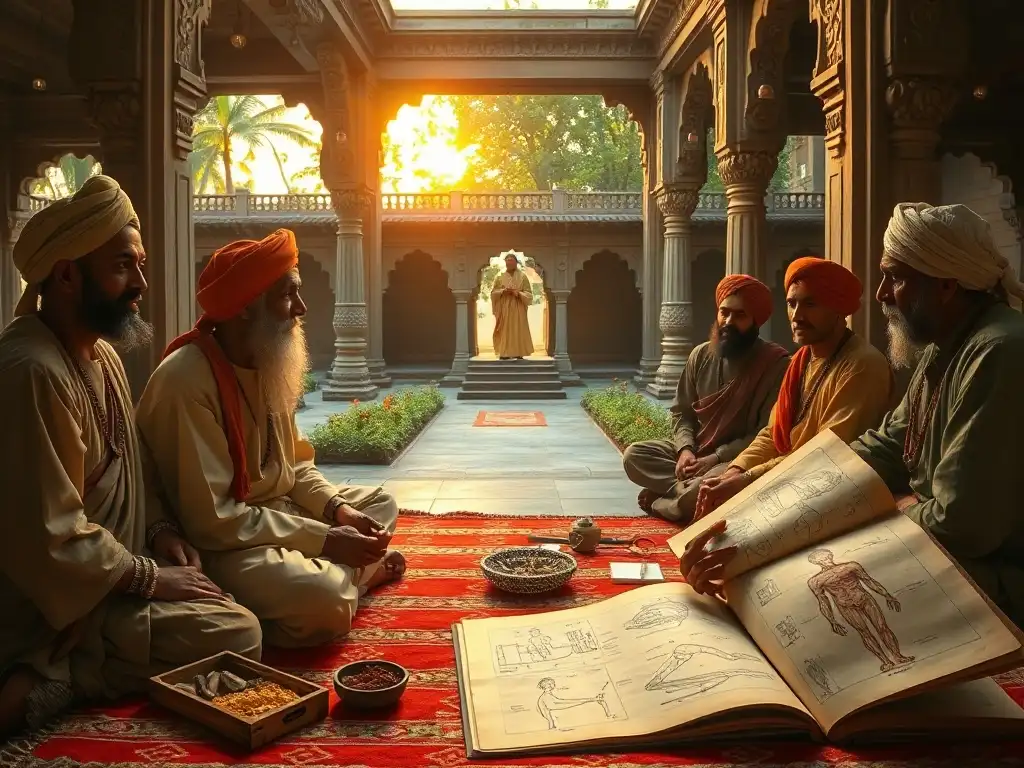
The surgical training of ancient Indian physicians was a multifaceted process that combined various components essential for developing skilled practitioners. These components included practical experience, ethical considerations, and the integration of philosophical principles. Understanding these aspects provides a comprehensive view of how ancient Indian surgical training methods were structured and their impact on medical practices.
Importance of Practical Experience in Surgical Education
Practical experience played a crucial role in the surgical education of ancient Indian physicians. Unlike modern surgical training, which often emphasizes theoretical knowledge, ancient Indian practices prioritized hands-on experience.
- Apprenticeship Model: Many aspiring surgeons learned under the guidance of experienced practitioners. This apprenticeship model allowed students to observe and assist in real surgical procedures, thereby developing their skills in a practical environment.
- Surgical Texts: Key texts, such as the Sushruta Samhita, served as foundational documents for surgical training. They not only outlined various surgical techniques but also emphasized the importance of practical training. The text detailed over 300 surgical procedures and included instructions on the use of specific instruments, which students practiced under supervision.
- Real-Life Applications: Students engaged in practical exercises that included performing minor surgeries on cadavers and, in some cases, on willing patients. This hands-on approach ensured that they gained confidence and competence in various surgical techniques, such as suturing, incision, and wound management.
The emphasis on practical experience was critical, as it allowed ancient Indian physicians to refine their skills and adapt to the unique challenges presented by different surgical cases.
Ethical Considerations in Ancient Surgical Training
Ethics played a significant role in the surgical training of ancient Indian physicians, reflecting a deep-seated respect for life and human dignity.
- Principles of Conduct: Ancient texts often included ethical guidelines for practitioners. For instance, the Sushruta Samhita discussed the importance of consent, ensuring that patients were fully informed and agreeable to the procedures they were to undergo.
- Hippocratic Influence: The ethical framework in ancient India bore some similarities to Hippocratic principles, emphasizing non-maleficence (do no harm) and beneficence (acting in the patient's best interest). This ethical foundation guided surgeons to prioritize patient welfare in their practice.
- Cultural Context: The ethical considerations were also influenced by the broader cultural context, including religious beliefs that underscored the sanctity of life. This cultural backdrop ensured that surgical education was not solely about technical skills but also about moral responsibility.
Incorporating ethics into surgical training fostered a culture of respect and care, ensuring that physicians were not only skilled but also compassionate and responsible in their practice.
Integration of Philosophy and Medicine in Training
The integration of philosophy and medicine was a distinctive feature of ancient Indian surgical training methods. Philosophical thought profoundly influenced medical practices, shaping the training of physicians.
- Holistic Approach: Ancient Indian medicine emphasized a holistic approach to health, considering physical, mental, and spiritual well-being. This philosophy guided surgical training, encouraging practitioners to understand the interconnectedness of bodily functions and the impact of surgery on overall health.
- Philosophical Texts: Texts such as the Charaka Samhita incorporated philosophical discussions that addressed the nature of life, health, and disease. This integration encouraged medical students to engage with philosophical concepts, fostering critical thinking and a deeper understanding of their practice.
- Mind-Body Connection: The philosophical teachings highlighted the importance of the mind-body connection, urging surgeons to consider not just the technical aspects of surgery but also the psychological state of their patients. This understanding helped physicians cultivate empathy and improve patient outcomes.
The blending of philosophy with surgical training created well-rounded physicians capable of addressing the complexities of human health, ultimately enhancing the quality of care in ancient Indian medicine.
The ancient Indian surgical training methods were characterized by a strong emphasis on practical experience, ethical considerations, and the integration of philosophical thought, all of which contributed to the development of skilled and compassionate physicians. This multifaceted approach not only shaped the medical practices of the time but also laid the groundwork for future advancements in surgical techniques and education.
Comparison of Ancient Indian Surgical Methods with Contemporary Practices
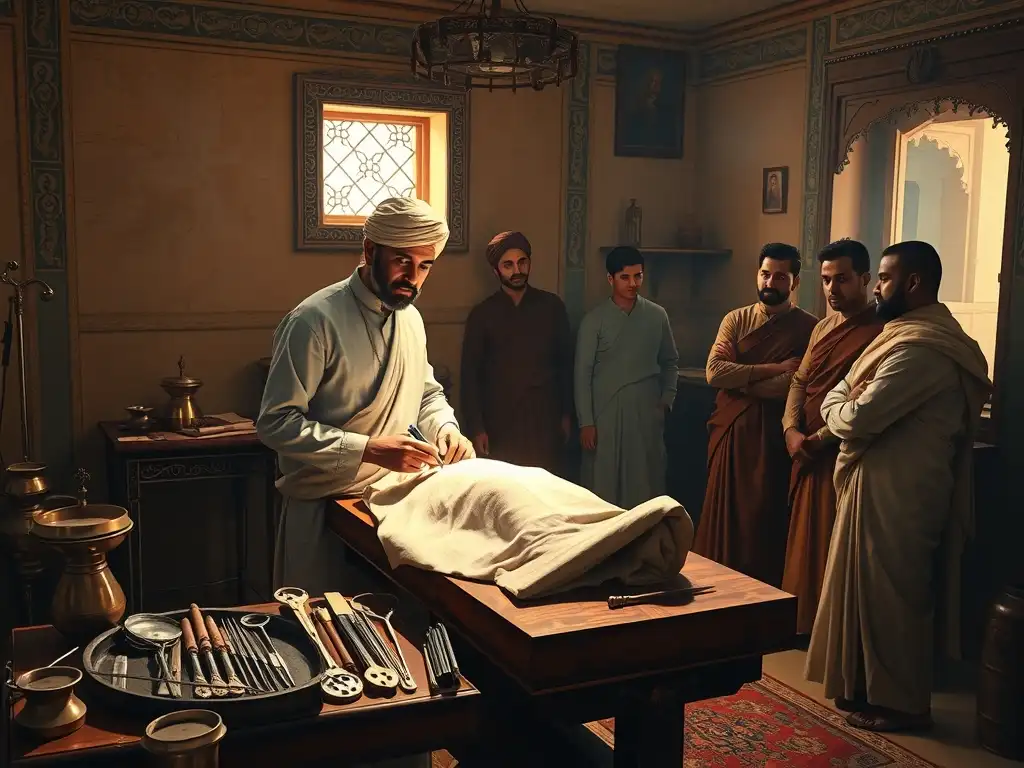
Similarities in Training Approaches
The training of ancient Indian physicians, particularly in the context of surgical skills, shares several notable similarities with contemporary medical education. Both systems emphasize the importance of a comprehensive foundational knowledge, practical experience, and mentorship.
- Foundational Knowledge:
- Ancient Indian surgical training was grounded in a deep understanding of anatomy and physiology, much like modern medical curricula. Texts such as the Sushruta Samhita provided detailed descriptions of bodily structures and functions, akin to today's textbooks.
- Just as contemporary medical students study various disciplines, ancient trainees explored multiple fields, including herbal medicine and surgical techniques, ensuring a holistic understanding of patient care.
- Practical Experience:
- Both ancient and modern training methods stress hands-on experience. Ancient Indian surgeons practiced on cadavers, which parallels the modern practice of using simulators and cadaveric dissection to hone surgical skills.
- The apprenticeship model, where a novice would learn directly from a seasoned physician, is also a common thread. This method mirrors today's residency programs, where trainees work under the supervision of experienced surgeons.
- Mentorship and Observation:
- Observation was a crucial component of training in ancient India. Aspiring surgeons would observe surgeries performed by their mentors, similar to the clinical rotations that modern medical students undertake.
- The emphasis on learning from experienced practitioners continues to be a vital part of surgical training today, reinforcing the importance of mentorship in developing skilled professionals.
Differences in Techniques and Philosophies
Despite the similarities, significant differences exist between ancient Indian surgical practices and contemporary methods, primarily in techniques, tools, and underlying philosophies.
- Techniques:
- Ancient Indian surgeons employed techniques that were often innovative for their time, such as plastic surgery and cataract operations. For example, the Sushruta Samhita details procedures for rhinoplasty that were remarkably advanced. In contrast, modern techniques have evolved with advanced imaging technologies and minimally invasive approaches.
- The use of specific herbal anesthetics and natural antiseptics by ancient physicians contrasts sharply with today's reliance on synthetic pharmaceuticals and advanced sterilization techniques.
- Philosophical Underpinnings:
- The philosophical approach to health and surgery in ancient India was holistic, integrating spiritual and physical aspects of healing. Ancient texts often emphasized the balance of bodily humors (doshas), which is less emphasized in today's practice focused primarily on empirical evidence and scientific methods.
- Modern surgical practices are heavily influenced by technology and evidence-based medicine, while ancient practices were deeply rooted in tradition and spiritual beliefs, reflecting differing worldviews about health and the body.
- Tools and Equipment:
- The tools used by ancient Indian surgeons, such as specific surgical knives (shastra), were crafted from materials available at the time, contrasting with the sophisticated instruments made from advanced materials that modern surgeons utilize today.
- While ancient instruments were designed based on the techniques described in texts, modern surgical instruments are the result of extensive research and development, focusing on precision, safety, and efficacy.
While ancient Indian surgical training methods exhibit foundational similarities to contemporary practices, the evolution of techniques, philosophical approaches, and tools highlights the significant advancements in the field of surgery over the centuries. Understanding these differences enriches our appreciation of ancient contributions to surgical science and their enduring legacy in today's medical landscape.
The Legacy of Ancient Indian Surgical Training
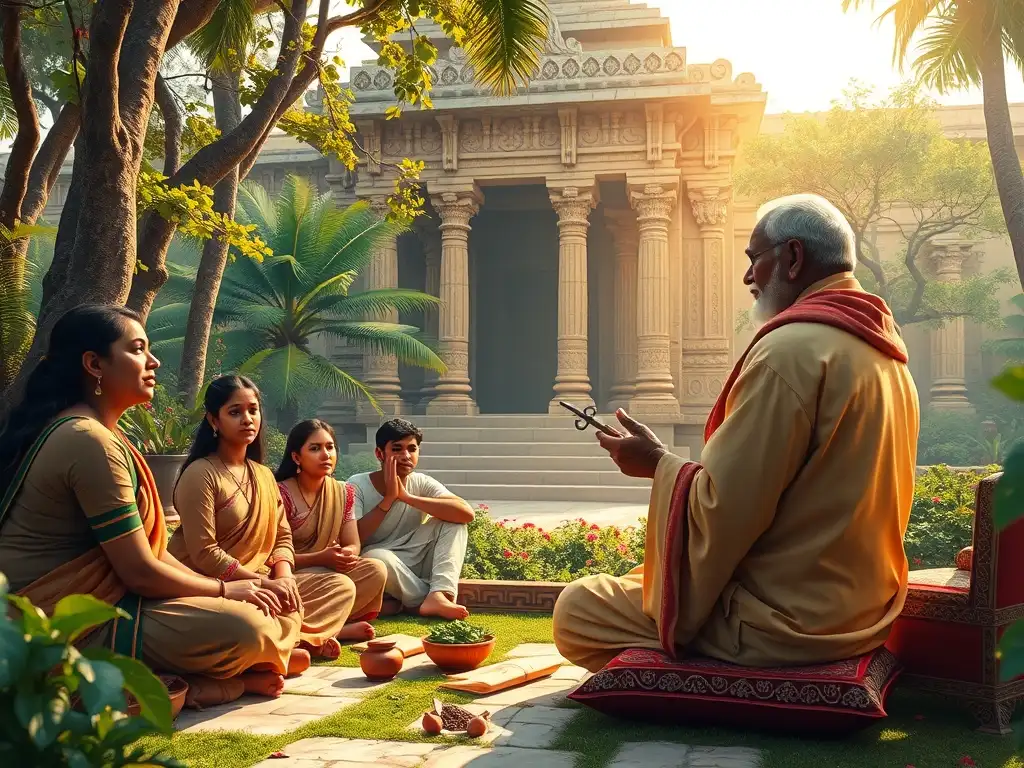
The legacy of ancient Indian surgical training is profound, with roots tracing back to the renowned physicians and surgeons of civilizations such as the Indus Valley and the later Gupta Empire. This training was not merely procedural; it encompassed a holistic approach combining medical knowledge, hands-on practice, and philosophical understanding.
One of the most significant texts documenting these practices is the Sushruta Samhita, attributed to Sushruta, often regarded as the "father of surgery." This ancient treatise laid the groundwork for surgical education, emphasizing the importance of practical knowledge and skill acquisition. Sushruta's methodologies included detailed descriptions of surgical techniques, instruments, and even patient care practices, illustrating a structured curriculum that future surgeons would follow.
Influence on Modern Surgical Practices
The influence of ancient Indian surgical training methods on contemporary surgical practices is notable. Many techniques and principles that originated in ancient India have found their way into modern medicine. For instance:
- Surgical Techniques: Procedures such as rhinoplasty (reconstruction of the nose) and cataract surgery were documented in the Sushruta Samhita, showcasing advanced surgical techniques that are still relevant today.
- Use of Instruments: The ancient texts describe various surgical instruments, some of which have evolved but retain similar functionalities in modern surgical settings. Instruments like scalpels and forceps can trace their lineage back to these ancient designs.
- Holistic Approach: The philosophy of combining surgery with knowledge of anatomy, physiology, and patient psychology continues to be a cornerstone in medical education. Modern surgical training still emphasizes the importance of understanding the patient’s overall well-being.
In addition to direct surgical techniques, the emphasis on rigorous training and apprenticeship in ancient India has parallels in today's surgical residencies, where practical experience is paramount. The structured approach to education, focusing on both theory and practice, laid a foundation that modern medical education systems strive to emulate.
Preservation of Knowledge Through Generations
The preservation of surgical knowledge throughout generations in ancient India was a remarkable feat, ensuring that these vital skills did not fade away over time. Several factors contributed to this preservation:
- Oral Tradition: Initially, much of the surgical knowledge was transmitted orally from master to apprentice. This method ensured that nuanced techniques and practices were preserved accurately.
- Written Texts: The transition from oral tradition to written texts, such as the Sushruta Samhita and the Charaka Samhita, played a significant role in codifying surgical knowledge. These texts not only documented techniques but also included ethical considerations and patient care protocols.
- Educational Institutions: Ancient India was home to several renowned universities, such as Nalanda and Takshashila, where surgical training was part of the curriculum. These institutions attracted students from various regions, facilitating cross-cultural exchanges of medical knowledge.
The emphasis on continual learning and adaptation ensured that ancient Indian surgical training methods evolved while being rooted in established principles. This legacy is evident today as many of these practices continue to inform surgical training and techniques worldwide.
The legacy of ancient Indian surgical training methods has had an enduring impact, influencing modern surgical practices and fostering a culture of knowledge preservation that spans centuries. The meticulous training of ancient physicians laid the groundwork for contemporary medical practices, reflecting the sophistication and depth of ancient Indian medicine.
Conclusion: The Impact of Ancient Indian Surgical Training on Medicine
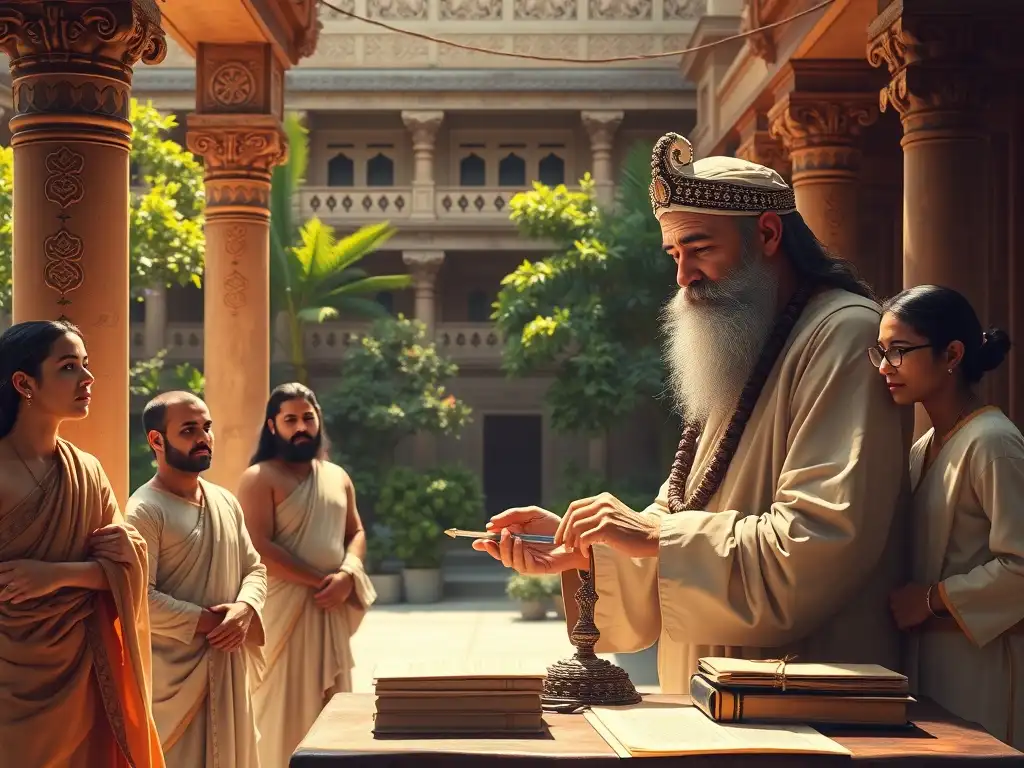
The legacy of ancient Indian surgical training methods has had a profound and lasting impact on the field of medicine. These methods, which were meticulously developed through centuries of practice and knowledge accumulation, provided a foundation for surgical techniques that are still relevant today. The integration of practical training, coupled with a strong theoretical framework, ensured that physicians were not only skilled in performing surgeries but were also knowledgeable about anatomy, physiology, and the importance of holistic care.
The ancient Indian texts, such as the Sushruta Samhita, serve as crucial references that document the principles and practices of surgery. This text, attributed to Sushruta, one of the earliest known surgeons, outlines not only surgical procedures but also emphasizes the importance of patient care and ethical considerations in medicine. The emphasis on rigorous training and education in surgical techniques contributed significantly to the advancement of medical practice, solidifying ancient India's reputation as a center for medical knowledge.
Reflections on the Evolution of Surgical Skills
The evolution of surgical skills in ancient India can be traced back to the early practices of the Indus Valley Civilization, where evidence suggests that surgical procedures were performed with precision. As time progressed, the educational systems established in ancient universities like Nalanda and Taxila played a pivotal role in shaping the competencies of aspiring surgeons.
- Practical Experience:
- Ancient Indian surgical training emphasized hands-on experience, allowing students to learn directly from experienced practitioners.
- Techniques such as dissection were employed to enhance anatomical understanding.
- Theoretical Knowledge:
- Alongside practical skills, a robust understanding of medical texts was crucial.
- Students studied texts that contained detailed descriptions of surgical instruments, procedures, and post-operative care.
- Specialization:
- Different branches of surgery were recognized, leading to specialized training for various types of surgical procedures, such as plastic surgery and orthopedic surgery.
This comprehensive approach ensured that ancient Indian physicians were well-prepared to address a wide range of medical challenges, showcasing a remarkable synergy between theory and practice.
Future Research Directions in Ancient Indian Medicine
As we continue to explore the contributions of ancient Indian surgical training methods, several avenues for future research emerge:
- Comparative Studies: Investigating the similarities and differences between ancient Indian surgical practices and those of other civilizations can yield insights into the global evolution of medicine.
- Technological Advances: Analyzing how ancient techniques influenced modern surgical practices may reveal the foundations upon which contemporary methods are built.
- Preservation of Knowledge: Efforts to digitize and translate ancient medical texts can facilitate broader access to this knowledge, promoting further academic inquiry and practical application.
- Cultural Impact: Understanding how cultural beliefs and practices influenced surgical training and patient care in ancient India can provide a holistic view of the medical landscape.
By pursuing these research directions, we can deepen our understanding of ancient Indian medicine's rich heritage and its ongoing relevance in contemporary medical practices. The insights gained will not only honor the legacy of ancient scholars but also inspire future generations of medical practitioners.
References
Key Texts and Sources on Ancient Indian Surgery
The study of ancient Indian surgical training methods is richly documented in various texts and sources that provide insights into the practices, philosophies, and techniques of the time. Here are some of the primary texts that are crucial for understanding ancient Indian surgery:
- Sushruta Samhita
- Authored by Sushruta, often referred to as the "father of surgery," this text is a foundational work in the field of medicine and surgery. It encompasses detailed descriptions of surgical techniques, instruments, and the training of surgeons. The Sushruta Samhita outlines various surgical procedures, including those for cataracts, fractures, and abscesses.
- Charaka Samhita
- This text, attributed to Charaka, primarily focuses on internal medicine but also touches upon surgical practices. It provides insights into the holistic approach of ancient Indian medicine, including the importance of diet, lifestyle, and ethics in surgical training.
- Ashtanga Hridaya
- Compiled by Vagbhata, this text synthesizes the teachings of both Sushruta and Charaka. It is essential for understanding the integration of surgical methods with general medical practices, emphasizing the role of surgical education in comprehensive patient care.
- Bower Manuscript
- A critical manuscript that contains important information about ancient Indian medical practices, including surgery. It serves as a valuable resource for historians studying the evolution of surgical techniques and training.
- Historical Accounts and Commentaries
- Various scholars and physicians have written commentaries on the Sushruta Samhita and Charaka Samhita, providing additional context and interpretation of ancient surgical practices. These commentaries often offer insights into the methods of surgical training and the philosophical underpinnings of the practices.
Additional Resources for Further Study on Surgical Techniques
For those interested in delving deeper into the surgical skills of ancient Indian physicians and their training methods, several resources offer a wealth of information:
- Academic Journals
- Journals such as the Journal of Indian History and the Indian Journal of Surgery frequently publish research related to ancient medical practices and can be a valuable source of current scholarship.
- Books on Medical History
- Titles such as "Ancient Indian Medicine: A Historical Perspective" and "Surgery in Ancient India" provide comprehensive analyses of surgical education and practices, along with the cultural context in which they developed.
- Online Databases and Archives
- Digital libraries and archives, such as the Digital South Asia Library, offer access to historical texts and manuscripts that are crucial for understanding ancient surgical techniques.
- Conferences and Symposia
- Attending academic conferences focused on the history of medicine can provide opportunities to learn from experts in the field and engage with the latest research on ancient Indian surgical training methods.
- Documentaries and Lectures
- Educational platforms often feature documentaries and lectures that explore ancient Indian medicine and surgery, making complex topics more accessible to a wider audience.
By exploring these key texts and additional resources, readers can gain a comprehensive understanding of the intricate surgical training methods practiced by ancient Indian physicians and their lasting impact on the field of medicine.
Frequently Asked Questions
What were the primary surgical training methods used in ancient India?
Ancient Indian physicians employed a variety of hands-on techniques, including dissection and apprenticeship, to hone their surgical skills, often under the guidance of experienced practitioners.
How did the education system for physicians in ancient India function?
The education system for physicians was largely based on gurukuls, where students learned through oral traditions and practical experience, focusing on both theory and real-life applications.
What role did ancient texts play in surgical education?
Ancient texts such as the Sushruta Samhita served as foundational resources, detailing various surgical procedures and anatomical knowledge, which were essential for training physicians.
Were there any specific tools used in ancient Indian surgery?
Yes, ancient Indian surgeons utilized a range of specialized surgical instruments, including scalpels and forceps, which were crafted with precision to enhance their surgical capabilities.
How did ancient Indian surgical practices influence modern medicine?
Ancient Indian surgical practices, particularly those documented in texts like the Sushruta Samhita, laid the groundwork for many surgical techniques used today, demonstrating the advanced understanding of anatomy and surgery in ancient times.
Final Reflection: The Enduring Legacy of Ancient Indian Surgical Training
The surgical skills of ancient Indian physicians are not merely relics of the past; they resonate with profound relevance in today's medical landscape. As we navigate the complexities of modern medicine, the meticulous training methods and holistic approaches of ancient practitioners remind us that the foundations of surgical excellence were laid long before the advent of contemporary technology. The wisdom embedded in these ancient practices continues to inspire and challenge us to rethink our current methodologies.
The influence of ancient Indian surgical training methods extends far beyond historical curiosity; it shapes our understanding of patient care and surgical precision. The principles of holistic healing and the emphasis on rigorous training underscore the importance of a well-rounded education in medicine. As noted by the renowned surgeon Dr. Sushruta, "Wherever there is a surgeon, there is a healer." This sentiment encapsulates the essence of surgical training, which is not just about mastering techniques but also about nurturing compassion and understanding in the healing process.
As we reflect on the rich tapestry of ancient Indian surgical education, let us embrace the lessons it offers for our own journeys. Consider how you can integrate the principles of dedication, holistic care, and continuous learning into your practice or personal life. The legacy of these ancient physicians challenges us to strive for excellence, not just in skill, but in the art of healing itself. Take a moment to reflect on how you can honor this legacy in your own actions, fostering a future where the wisdom of the past informs the innovations of tomorrow.
Unlock the Wisdom of Ancient Healing!
Thank you for diving into the fascinating world of ancient Indian surgical skills! By exploring the rich training and education of physicians from that era, you've uncovered invaluable insights into timeless practices and their relevance today. Now, let’s take this journey a step further!
Here are some actionable steps to deepen your understanding and share the knowledge:
- Research a specific ancient technique that piqued your interest and examine how it can inform modern medical practices.
- Share this article with friends or fellow history enthusiasts to spark engaging conversations about ancient medicine and its influence on contemporary healing.
- Join an online community dedicated to ancient medical practices to connect with like-minded individuals and exchange valuable insights.
How do you envision integrating the wisdom of ancient physicians into our modern healthcare practices?