
The Role of Ancient Indian Surgery in Military Medicine

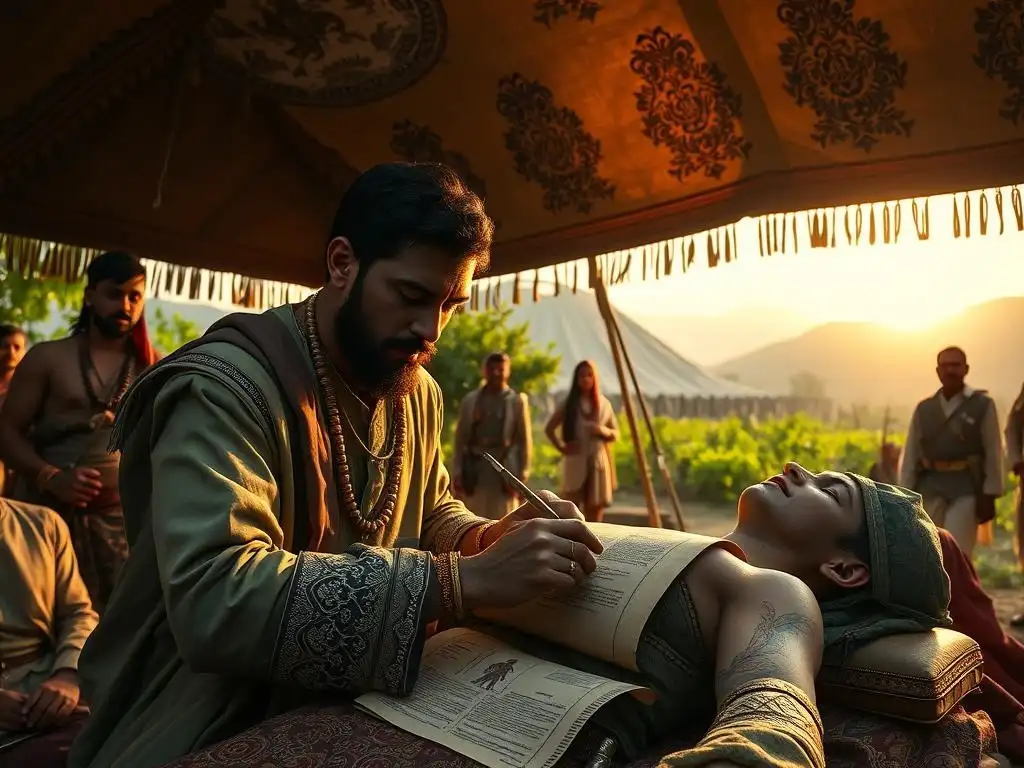
Welcome to Ancient India History, where we embark on an enlightening journey through the rich tapestry of ancient Indian civilizations! Today, we delve into a fascinating yet often overlooked aspect of this vibrant past: ancient Indian military surgery. Discover how the innovative practices and profound knowledge in surgery not only shaped the battlefield but also laid the groundwork for modern medical advancements.
Prepare to be captivated as we explore the intersection of science and medicine within the context of ancient warfare, revealing insights that will inspire your understanding of this remarkable era. Join us as we uncover the secrets behind the art of healing in the midst of conflict!
Introduction to Ancient Indian Military Surgery
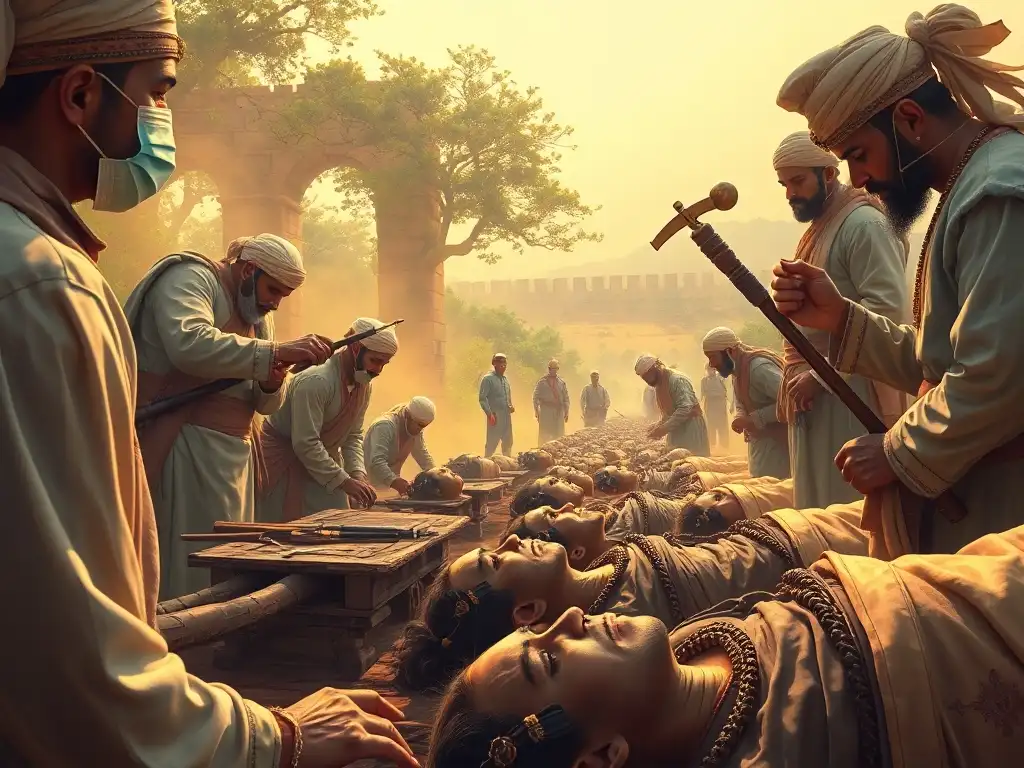
The history of ancient Indian military surgery is a fascinating testament to the advanced medical knowledge and practices that flourished in the Indian subcontinent. From the meticulous surgical techniques developed during the Indus Valley Civilization to the sophisticated methodologies employed during the Gupta Empire, ancient Indian military surgery played a pivotal role in the treatment of wounded soldiers and the overall health of the military ranks. This article delves into the rich tapestry of ancient Indian military surgery, exploring its principles, techniques, and the cultural philosophies that shaped its development.
Understanding the Historical Context of Surgery in Ancient India
Ancient Indian civilization is renowned for its contributions to various fields, including medicine and surgery. Historical texts, such as the Sushruta Samhita, attributed to the ancient physician Sushruta, provide invaluable insights into surgical practices. These texts document a wide array of surgical procedures, including suturing wounds, performing amputations, and even cataract surgeries.
- Key Historical Texts:
- Sushruta Samhita: A comprehensive guide to surgical techniques.
- Charaka Samhita: Focuses on internal medicine and holistic health.
The emphasis on military surgery can be traced back to the need for effective medical care on the battlefield, where injuries were common. The development of surgical techniques was not only a matter of health but also a strategic necessity to maintain a capable fighting force.
Importance of Military Medicine in Ancient Indian Warfare
Military medicine in ancient India was crucial for sustaining troops in the face of injuries sustained during battles. The treatment of wounds, the prevention of infections, and the overall health management of soldiers were paramount for the success of military campaigns.
- Factors Influencing Military Medicine:
- Nature of Warfare: Frequent battles necessitated advanced medical knowledge.
- Cultural Values: The warrior ethos placed a high value on the health and well-being of soldiers.
The integration of surgical practices into military training ensured that commanders had access to skilled personnel who could provide immediate care, thereby reducing mortality rates and enhancing the effectiveness of military operations.
Key Principles of Ancient Indian Military Surgery
The foundation of ancient Indian military surgery lay in a blend of empirical knowledge and philosophical principles. Understanding these key principles helps elucidate the sophistication of their surgical techniques.
The Philosophy behind Ancient Indian Surgical Techniques
The philosophy of ancient Indian surgery was deeply intertwined with the concepts of balance and harmony, both in the body and the universe. Surgeons were not merely technicians; they were also philosophers who understood the significance of each surgical action.
- Core Philosophical Concepts:
- Holistic Approach: Consideration of the patient’s physical and mental state.
- Balance of Doshas: Aligning bodily elemental forces for healing.
This philosophical underpinning guided surgeons in making ethical decisions regarding their practice, emphasizing the importance of careful, deliberate interventions.
Influence of Ayurveda on Military Medicine Practices
Ayurveda, the ancient system of medicine in India, significantly influenced military surgery. Its principles emphasized natural healing and the use of medicinal herbs, which complemented surgical techniques.
- Ayurvedic Contributions:
- Herbal Remedies: Used for pain management and infection control.
- Diet and Lifestyle: Recommendations for recovery and overall health.
The integration of Ayurvedic practices into military medicine not only advanced surgical techniques but also provided a robust framework for maintaining the health of soldiers, ensuring their readiness for combat.
Through this exploration of ancient Indian military surgery, we gain insights into the remarkable medical advancements that supported ancient Indian civilizations in their pursuit of warfare and health, reflecting a blend of scientific knowledge and cultural philosophy.
Prominent Ancient Indian Surgeons and Their Contributions
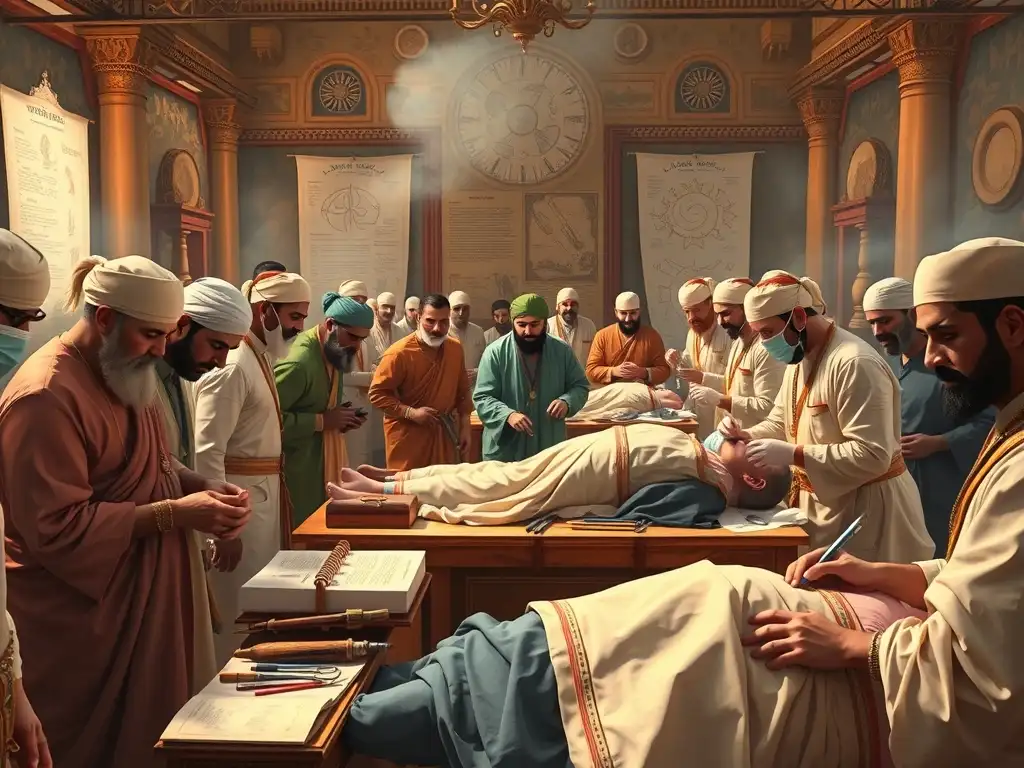
Ancient India was home to several prominent surgeons whose groundbreaking contributions laid the foundation for surgical practices not only in India but also influenced the world. These surgeons were revered for their medical knowledge, surgical skills, and innovative techniques. Their works encompass a wide range of surgical procedures, particularly focusing on military medicine, which addressed the unique challenges posed by warfare injuries. The two most notable figures in ancient Indian surgery are Sushruta and Charaka, whose legacies continue to impact modern medicine.
Sushruta: The Father of Surgery
Sushruta, often hailed as the "Father of Surgery," authored the Sushruta Samhita, a comprehensive text that outlines surgical techniques and medical practices. This ancient treatise, believed to date back to around 600 BCE, is one of the earliest known works on surgery and remains a critical source of knowledge on ancient surgical methods.
Sushruta emphasized the importance of understanding human anatomy, surgical procedures, and patient care. He classified surgery into eight branches, notably including:
- Shalya Tantra (Surgery)
- Shalakya Tantra (Ophthalmology and ENT)
- Agada Tantra (Toxicology)
- Vajikarana (Aphrodisiacs)
His meticulous descriptions of surgical techniques, such as rhinoplasty (reconstruction of the nose) and cataract surgery, demonstrate a sophisticated understanding of human anatomy and surgical intervention. Sushruta also made significant contributions to the development of surgical tools and instruments, advocating for sterilization methods long before they became standard practice.
Charaka and His Influence on Military Health
Charaka, a contemporary of Sushruta, is best known for his work in Ayurveda and medicine, particularly through his text, the Charaka Samhita. Although primarily focused on internal medicine, Charaka's influence on military health is profound, as he addressed the treatment of war injuries and the importance of maintaining the health of soldiers.
Charaka's principles emphasized the need for preventive medicine and holistic care, which was crucial in a military context where injuries and diseases were rampant. His detailed observations helped in understanding the impact of diet, lifestyle, and environment on soldiers' health, thereby contributing to military efficiency and readiness. Charaka also introduced concepts like the importance of mental health and well-being, recognizing that the psychological state of soldiers was vital for effective military performance.
Surgical Techniques Used in Ancient Indian Warfare
Ancient Indian military surgery involved a variety of techniques tailored to treat combat-related injuries. These techniques were often advanced for their time and included both surgical interventions and non-invasive treatments. The integration of surgical knowledge with traditional medicine provided a comprehensive approach to treating wounded soldiers.
Types of Surgical Procedures in Military Context
The surgical procedures employed in ancient Indian warfare included:
- Trauma Surgery: Treatment of wounds sustained in battle, including lacerations, puncture wounds, and fractures.
- Amputation: In cases of severe limb injury, amputation was performed to prevent infection and save the patient's life.
- Rhinoplasty: Reconstructive surgery to repair noses, which were often mutilated in battle.
- Cataract Surgery: Addressing eye injuries, which could incapacitate soldiers.
Each procedure was meticulously documented in texts like the Sushruta Samhita, providing a structured approach to managing combat injuries.
Tools and Instruments Employed in Ancient Indian Military Surgery
Ancient Indian surgeons utilized a range of specialized tools and instruments to perform surgical procedures effectively. Some of the notable instruments included:
- Scalpels: Used for incisions in various surgical procedures.
- Forceps: Essential for grasping and manipulating tissues during surgery.
- Probes: Employed to explore wounds and injuries.
- Cauteries: Used for cauterizing wounds to control bleeding.
These instruments were often made from materials such as steel, bronze, and wood, showcasing the technological advancements of the time. The precision and craftsmanship of these tools reflect the skill and knowledge of ancient Indian surgeons, contributing significantly to military medicine and the treatment of injured soldiers.
Training and Education of Military Surgeons in Ancient India
In ancient India, the training and education of military surgeons were integral to the larger framework of healthcare, particularly during times of war. The military surgeons, known as shalya-vaidya, were highly respected professionals who received extensive training in various surgical techniques and medical knowledge. Their education often began at a young age, with a strong emphasis on practical skills, anatomy, and the treatment of wounds sustained in battle.
The curriculum included learning from experienced practitioners, often within the context of established medical schools, which were sometimes affiliated with universities like Nalanda and Takshashila. These institutions provided a comprehensive education, encompassing not only surgery but also herbal medicine, pharmacology, and the ethical aspects of medical practice. Military surgeons were expected to be adept in handling a range of injuries, from arrow wounds to fractures, and their training was rigorously designed to prepare them for the demands of battlefield medicine.
Apprenticeship and Learning Methods in Ancient Surgery
The apprenticeship model was a crucial component of surgical education in ancient India. Aspiring military surgeons would typically apprentice with an experienced shalya-vaidya, where they gained hands-on experience under the supervision of a mentor. This practical learning involved observing surgical procedures, assisting in operations, and gradually taking on more responsibility as their skills improved.
Learning methods included:
- Observational Learning: Apprentices would observe their mentors performing surgeries and learn the techniques firsthand.
- Practice on Cadavers: Dissection of cadavers provided essential knowledge of human anatomy, which was crucial for effective surgical intervention.
- Oral Tradition: Knowledge was often transmitted orally, with experienced surgeons recounting their experiences and techniques to their students.
- Surgical Simulations: Some texts suggest the use of simulations or practice on animals to hone surgical skills before operating on human patients.
This multi-faceted approach ensured that military surgeons were well-prepared for the complexities of battlefield injuries.
Role of Surgical Texts and Manuscripts
Surgical texts and manuscripts played a pivotal role in the education and practice of military surgery in ancient India. One of the most significant contributions to this field was the Sushruta Samhita, attributed to the ancient physician Sushruta, which is often regarded as one of the foundational texts of surgery.
These texts provided a wealth of information, including:
- Detailed Surgical Procedures: Instructions on various surgical techniques, including wound management, suturing, and the treatment of fractures.
- Anatomical Knowledge: In-depth descriptions of human anatomy, which were essential for effective surgical practice.
- Pharmacological Insights: Information on medicinal herbs and their applications in treating injuries and infections.
- Ethical Guidelines: Principles governing the practice of medicine and surgery, ensuring that practitioners adhered to a code of conduct.
The availability of such texts facilitated the dissemination of knowledge and standardization of surgical practices across different regions of ancient India.
Case Studies of Ancient Indian Military Surgery
Ancient Indian military surgery is exemplified through various documented case studies that highlight the skills and techniques used to treat injuries sustained in battle. These cases illustrate the effectiveness of surgical practices at the time and the significant role of military surgeons in preserving the lives of soldiers.
Notable Battle Injuries and Surgical Interventions
Throughout ancient Indian history, numerous battles resulted in significant injuries that required immediate surgical attention. For example, during the wars described in the Mahabharata, military surgeons were tasked with treating soldiers who suffered from grievous wounds inflicted by arrows, swords, and other weapons.
Specific surgical interventions documented include:
- Wound Suturing: Surgeons developed techniques for suturing deep lacerations effectively, using materials such as silk threads derived from local resources.
- Amputation: In cases where limbs were severely damaged, amputation was performed as a last resort to save the soldier's life.
- Trepanation: This ancient procedure involved drilling holes into the skull to relieve pressure or treat head injuries, showcasing advanced understanding of cranial surgery.
These interventions reflect the sophisticated surgical practices that were employed to manage the consequences of warfare.
Success Stories in Ancient Military Medicine
The success of ancient Indian military surgery is evidenced by various accounts of soldiers returning to battle after receiving surgical treatment. One notable example is that of soldiers from the Mauryan Empire, who, despite sustaining severe injuries during conflicts, were often able to recover fully due to the skilled interventions of shalya-vaidya.
Success stories include:
- Recovery from Severe Wounds: Many soldiers who underwent surgery for life-threatening injuries were able to resume their duties, demonstrating the effectiveness of surgical techniques.
- Innovations in Surgical Instruments: The development of specialized surgical instruments, such as scalpels and forceps, significantly improved surgical outcomes, allowing for more precise and less invasive procedures.
These successes not only highlight the expertise of ancient Indian military surgeons but also underscore their contributions to the field of medicine, influencing future generations of practitioners.
The Impact of Ancient Indian Military Surgery on Modern Practices
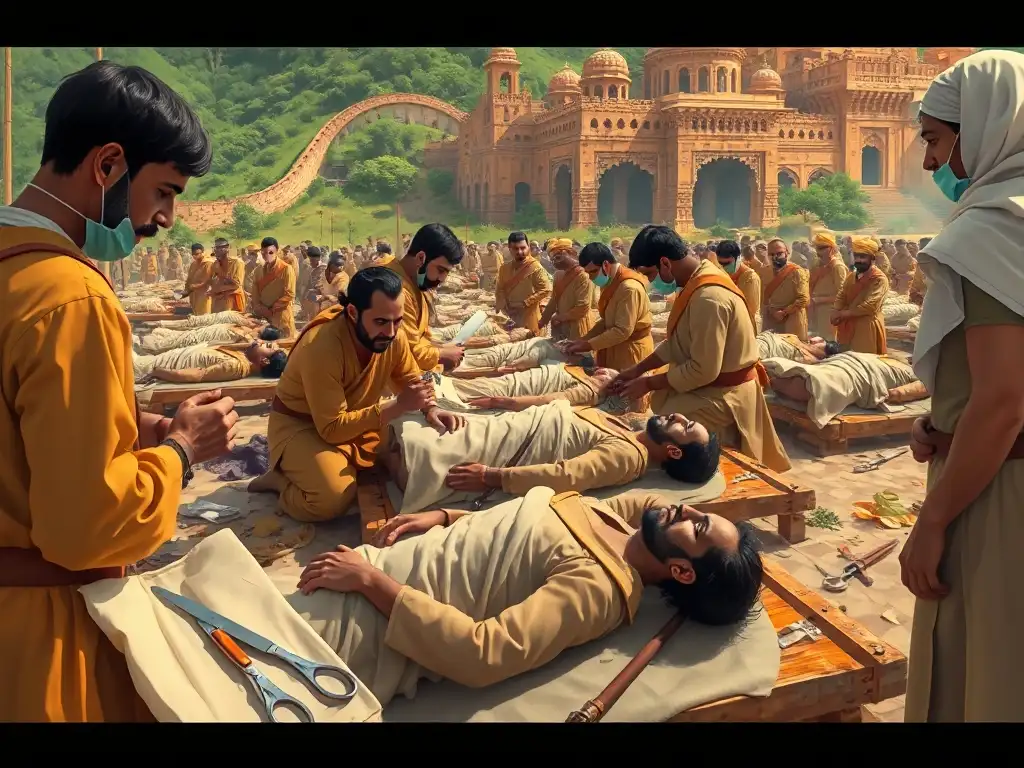
Ancient Indian military surgery, rooted in the profound medical knowledge of civilizations like the Indus Valley and advanced further by scholars such as Sushruta, has had a lasting impact on modern surgical practices. The meticulous techniques and philosophies developed during this era laid foundational principles that continue to resonate in contemporary medicine. Notably, the ancient texts, particularly the Sushruta Samhita, provided detailed descriptions of surgical procedures, instruments, and methodologies that were groundbreaking for their time.
The influence of ancient surgical practices can be observed in various modern techniques, including plastic and reconstructive surgery, which evolved from the techniques used in ancient Indian military surgery for treating battle injuries. The emphasis on aseptic techniques, wound management, and the understanding of anatomy have also persisted, underscoring the significance of these ancient practices in shaping present-day surgical protocols.
Evolution of Surgical Techniques from Ancient to Modern Times
Over the centuries, surgical techniques have undergone significant transformation, transitioning from rudimentary practices to highly sophisticated methodologies. Ancient Indian military surgery was characterized by its systematic approach to various surgical procedures, including the use of herbal anesthetics and sophisticated tools. The emphasis on training and mentorship in ancient practices has been mirrored in modern medical education, where hands-on experience is crucial.
Modern surgical techniques have inherited several principles from ancient practices, such as:
- Precision and Skill: Ancient surgeons were trained extensively, focusing on hand-eye coordination and dexterity. This remains a core component of surgical training today.
- Holistic Understanding: The ancient approach integrated surgical practice with an understanding of overall health, a concept that is increasingly recognized in modern medicine.
- Innovative Instruments: The development of surgical tools in ancient times paved the way for today's advanced surgical instruments, emphasizing the importance of tool design and functionality.
Lessons Learned from Ancient Indian Military Medicine
Ancient Indian military medicine teaches valuable lessons that are applicable even today. The holistic approach to health, emphasizing physical, mental, and spiritual well-being, is increasingly relevant in contemporary medical practice. Incorporating holistic principles into modern medicine can lead to improved patient outcomes and a more comprehensive understanding of health.
Additionally, the importance of rigorous training and apprenticeship in surgical practices is a lesson that modern medical institutions are beginning to adopt more fully. The collaborative nature of ancient surgical practices, where different specialists worked together, can inspire current practices in multidisciplinary medical teams, enhancing patient care.
Conclusion: Legacy of Ancient Indian Military Surgery
The legacy of ancient Indian military surgery is profound and multifaceted. It not only contributed to the development of surgical techniques but also enriched the understanding of medicine as a whole. The principles established by ancient practitioners continue to inform modern surgical practices and medical philosophies, bridging the gap between ancient wisdom and contemporary science.
Continuing Influence on Modern Military Medicine
The influence of ancient Indian military surgery remains evident in modern military medicine. Techniques developed for treating battlefield injuries, including advanced wound care and surgical interventions, are rooted in the practices of ancient surgeons. The emphasis on swift, efficient treatment in combat situations echoes the principles laid down by ancient practitioners who faced similar challenges on the battlefield.
Moreover, the integration of traditional knowledge with modern medical practices offers valuable insights into trauma care and emergency medicine, ensuring that the wisdom of ancient Indian military surgery continues to shape how medical practitioners approach military healthcare today.
The Importance of Preserving Ancient Surgical Knowledge
Preserving ancient surgical knowledge is vital for several reasons. It serves as a historical record of medical evolution, highlighting the innovative spirit of ancient civilizations. Furthermore, it offers contemporary practitioners access to a wealth of knowledge that can enhance current practices.
By studying ancient texts and techniques, modern surgeons can gain insights into alternative methods of treatment, which may be beneficial in specific contexts, particularly in resource-limited settings. The preservation of this knowledge not only honors the contributions of ancient Indian surgeons but also enriches the global medical community's understanding of surgical history and practice.
References
The study of ancient Indian military surgery is enriched by a variety of historical texts and archaeological findings. Scholars have delved into these sources to uncover the practices and methodologies that shaped surgical techniques in ancient Indian warfare. Here are some essential references that provide insights into ancient Indian surgery and its applications in military medicine.
Key Texts and Sources on Ancient Indian Surgery
- Sushruta Samhita: Often regarded as the foundational text of ancient Indian surgery, the Sushruta Samhita, attributed to the surgeon Sushruta, dates back to around 600 BCE. This Sanskrit text outlines numerous surgical techniques, instruments, and procedures. It also includes sections on the treatment of injuries, which would have been critical in a military context.
- Charaka Samhita: While primarily a text on medicine, the Charaka Samhita offers valuable insights into the understanding of health and disease in ancient India. It discusses the holistic approach to healing, including the importance of surgery in treating battlefield injuries.
- Ayurvedic Texts: Various Ayurvedic texts, such as the Ashtanga Hridaya and Ashtanga Samgraha, also contain references to surgical techniques and procedures, providing a broader context of medical practices during ancient times.
- Arthashastra: Written by Kautilya (Chanakya) in the 4th century BCE, this ancient treatise on statecraft and military strategy includes discussions on the logistics of warfare, which indirectly informs us about the medical needs of soldiers and the importance of surgical intervention in military campaigns.
Further Reading on Military Medicine in Ancient India
- "Ancient Indian Medicine: A Historical Perspective": by R. N. Bhatia: This book explores the evolution of medical practices in ancient India, including the role of surgery in military scenarios. It provides a comprehensive overview of how ancient Indian physicians addressed the needs of soldiers.
- "War and Medicine in Ancient India" by K. R. Rao: This text delves into the intersection of warfare and medical practices in ancient India. It highlights various historical events where surgical interventions played a crucial role in treating wounded soldiers.
- "The Art of Healing: Ancient Indian Perspectives": by S. P. Sharma: This book discusses various healing practices in ancient India, with a focus on surgical techniques and their applications in military medicine.
- Research Articles in Journals: Numerous scholarly articles published in journals such as the Indian Journal of History of Science and Journal of Ancient Indian History provide detailed analyses of military medicine and surgical techniques in ancient India, offering critical examinations of primary sources and archaeological evidence.
These references not only highlight the sophistication of ancient Indian military surgery but also underscore its significance in the broader context of medical history. By studying these texts, one can gain a deeper appreciation for the contributions of ancient Indian civilizations to surgical practices and military medicine.
- Introduction to Ancient Indian Military Surgery
- Understanding the Historical Context of Surgery in Ancient India
- Importance of Military Medicine in Ancient Indian Warfare
- Key Principles of Ancient Indian Military Surgery
- Prominent Ancient Indian Surgeons and Their Contributions
- Surgical Techniques Used in Ancient Indian Warfare
- Training and Education of Military Surgeons in Ancient India
- Case Studies of Ancient Indian Military Surgery
- The Impact of Ancient Indian Military Surgery on Modern Practices
- Conclusion: Legacy of Ancient Indian Military Surgery
- References
- What was the significance of ancient Indian military surgery?
- How did ancient Indian surgeons contribute to surgical techniques?
- What texts document the practices of military surgery in ancient India?
- Were there any specific tools used in ancient Indian military surgery?
- How did cultural beliefs influence ancient Indian military surgery?
Frequently Asked Questions
What was the significance of ancient Indian military surgery?
Ancient Indian military surgery played a crucial role in treating battle injuries and advancing surgical techniques, showcasing the medical expertise of ancient civilizations.
How did ancient Indian surgeons contribute to surgical techniques?
Surgeons in ancient India developed various innovative techniques, including methods for wound care and amputations, which were notably advanced for their time.
What texts document the practices of military surgery in ancient India?
The Sushruta Samhita is a key text that details surgical procedures, including those used in military contexts, emphasizing the importance of surgery in ancient Indian medicine.
Were there any specific tools used in ancient Indian military surgery?
Yes, ancient Indian surgeons utilized a range of surgical instruments such as scalpels, forceps, and cauterizing tools, reflecting their advanced understanding of medicine and surgery.
How did cultural beliefs influence ancient Indian military surgery?
Cultural beliefs in ancient India often intertwined with medical practices, leading to a unique blend of spiritual and empirical approaches to healing within the context of military care.
Final Reflection: The Enduring Legacy of Ancient Indian Military Surgery
The exploration of ancient Indian military surgery reveals a profound connection between historical practices and contemporary medical advancements. As we delve into the intricacies of surgical techniques employed in ancient India, we uncover not only the ingenuity of early practitioners but also the foundational principles that resonate in today's military medicine. The lessons learned from these ancient practices continue to shape our understanding of trauma care and surgical interventions in modern warfare.
The influence of ancient Indian military surgery extends far beyond its historical context; it serves as a testament to the resilience and adaptability of medical knowledge throughout the ages. The principles of precision, care, and innovation that characterized these early surgical practices have left an indelible mark on the cultural and social landscape of medicine. As noted by a prominent historian, The past is not just a record of what was; it is a living guide that informs our present and shapes our future.
This perspective invites us to appreciate the depth of knowledge that ancient civilizations contributed to the field of medicine, particularly in the context of military applications.
As we reflect on the significance of ancient Indian military surgery, I encourage you to consider how these historical insights can inspire your own understanding of medicine and its evolution. Let us honor the legacy of those who came before us by integrating their wisdom into our modern practices.
Whether you are a medical professional, a historian, or simply someone interested in the interplay between history and medicine, take a moment to reflect on how the past informs our present and shapes our future. Embrace the lessons of ancient wisdom and apply them in your own life, fostering a deeper appreciation for the art and science of healing.
Unveil the Secrets of Ancient Wisdom!
Thank you for diving into the fascinating world of ancient Indian surgery and its incredible impact on military medicine! You've just explored a unique blend of history, science, and skill that has shaped healthcare. Now, why not take your interest a step further?
Here are some specific actions you can take to continue your journey into this captivating topic:
- Delve Deeper: Explore more articles on ancient medical practices to discover their influence on modern healthcare.
- Share Your Insights: Join our community by commenting below and sharing your thoughts on how ancient practices can inspire contemporary medicine.
- Expand Your Knowledge: Read a book or watch a documentary about the evolution of medical techniques throughout history.
What new insights into ancient medical practices are you eager to share or discuss with others?