
Surgical Instruments of Ancient India: Craftsmanship and Innovation

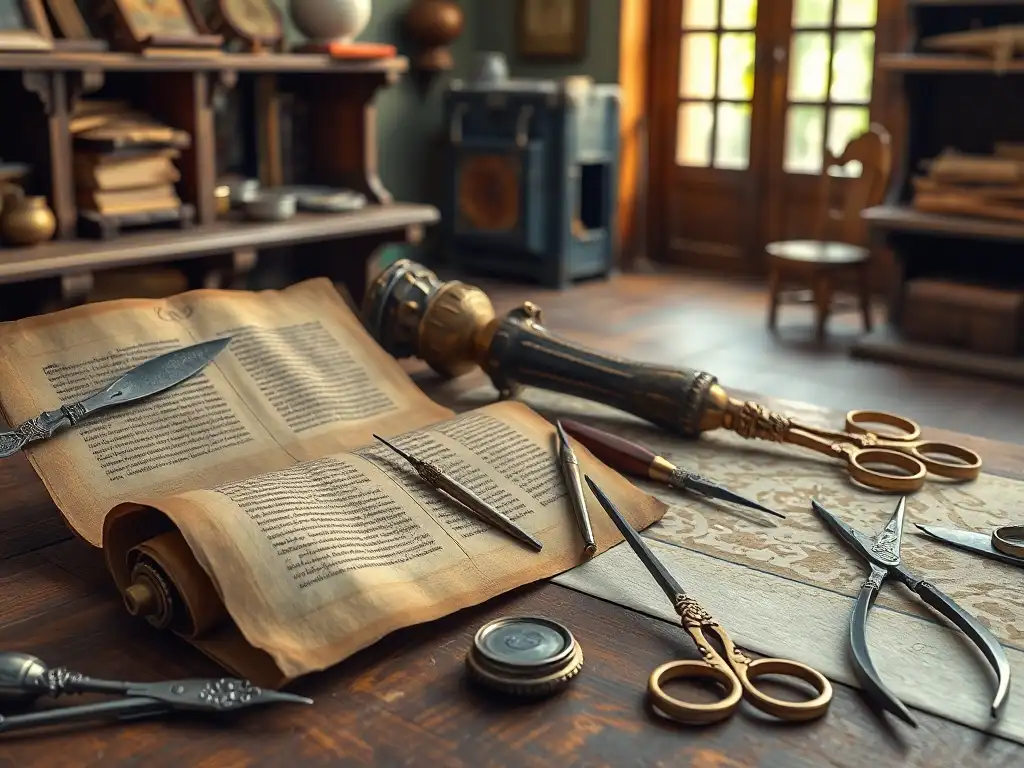
Welcome to Ancient India History, where we embark on a captivating journey through time to uncover the remarkable achievements of ancient Indian civilizations. In this exploration, we delve into the intricate world of surgical instruments in ancient India, showcasing the unparalleled craftsmanship and innovative spirit that defined the medical practices of the era. What secrets lie within the tools that shaped healthcare thousands of years ago? Join us as we unravel the fascinating connections between science, medicine, and culture, sparking your curiosity and inviting you to discover the profound legacy of ancient Indian ingenuity.
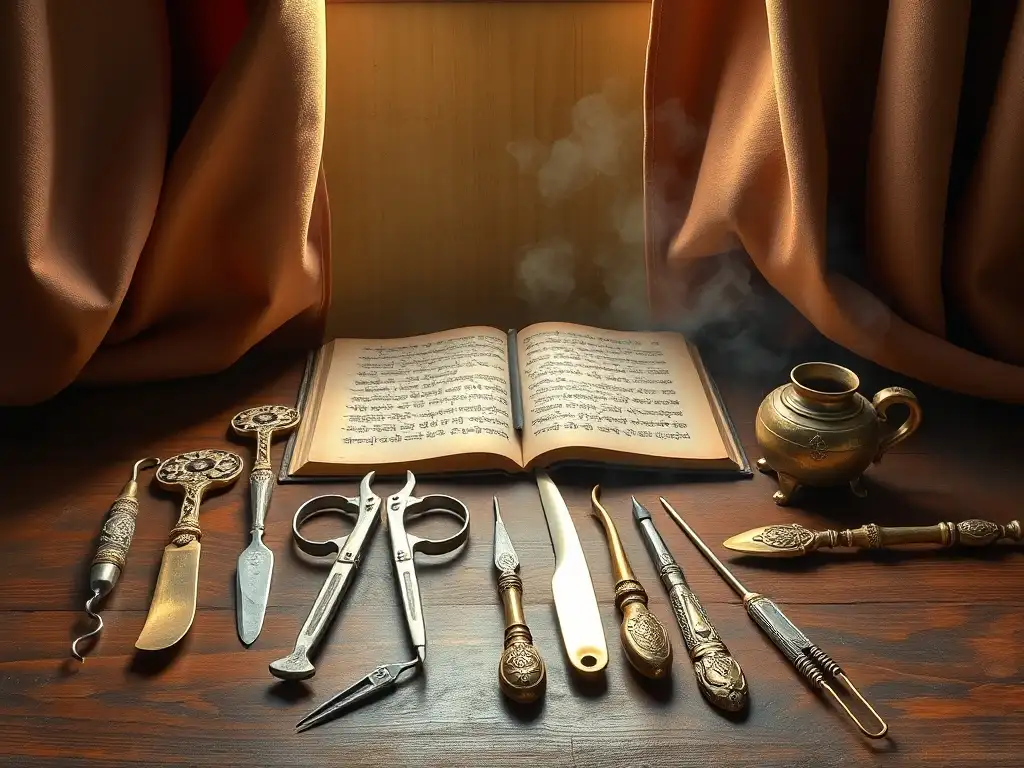
Introduction to Surgical Instruments in Ancient India
The exploration of surgical instruments in ancient India unveils a fascinating aspect of the country's rich medical heritage. Ancient Indian civilizations, particularly during the Indus Valley period and the subsequent eras, exhibited remarkable advancements in medical practices, showcasing an impressive understanding of human anatomy and surgical techniques. The keyword "surgical instruments ancient India" encapsulates a journey through time, revealing how these tools were not merely artifacts but pivotal elements in the evolution of healthcare in the region.
This article delves into the craftsmanship and innovation behind surgical instruments used in ancient India, highlighting their significance in medical practices and the cultural context in which they thrived. By examining historical texts and archaeological findings, we can appreciate the sophistication of ancient Indian surgery and its lasting impact on medical science.
Overview of Ancient Indian Medical Practices
Ancient Indian medical practices were deeply rooted in holistic healing, integrating physical, spiritual, and psychological elements. The foundational texts, such as the Sushruta Samhita and Charaka Samhita, laid the groundwork for various medical disciplines, including surgery. These texts outline comprehensive methodologies for diagnosing ailments, performing surgeries, and using medicinal herbs, underscoring a systematic approach to health care.
- Surgical Techniques: Ancient practitioners employed various procedures, from minor wound dressings to complex surgeries like cataract removal.
- Philosophical Foundations: Concepts such as Ayurveda emphasized balance in body systems, influencing surgical practices.
- Cultural Integration: Medical knowledge was often shared in religious and scholarly contexts, enhancing its acceptance and evolution.
Importance of Surgical Instruments in Ancient Medicine
Surgical instruments played a crucial role in the efficacy and safety of ancient surgical procedures. The development and refinement of these tools reflect the ingenuity and craftsmanship of ancient Indian artisans.
- Precision and Safety: Well-designed instruments allowed surgeons to perform intricate operations with greater precision, minimizing risks associated with surgeries.
- Material Innovation: The use of materials like bronze, iron, and even gold for crafting instruments not only showcased technological advancement but also indicated the importance placed on hygiene and durability.
- Heritage and Legacy: The techniques and instruments developed during this time laid a foundation for future surgical practices, influencing medical traditions across Asia.
Historical Context of Surgical Instruments in Ancient India
Understanding the historical context of surgical instruments in ancient India requires a look at the evolution of surgical techniques and the influential texts that shaped medical practices.
The Evolution of Surgical Techniques in Ancient India
Surgical techniques in ancient India evolved significantly over centuries, marked by innovations and a systematic approach to medicine.
- Early Practices: Initial surgical interventions were rudimentary, primarily focused on battlefield injuries and infections.
- Advancements: By the time of the Gupta Empire, surgical methods had become more sophisticated, with documented procedures for operations like trepanation and organ removal.
- Integration of Knowledge: The cross-cultural exchanges between India and neighboring regions facilitated the sharing of techniques, further enhancing surgical practices.
Influential Ancient Indian Texts on Medicine and Surgery
Ancient texts are invaluable in understanding the advancements in surgical instruments and techniques.
- Sushruta Samhita: Often regarded as the foundational text of surgery, it details over 300 surgical procedures and instruments, categorizing them by their functions and uses.
- Charaka Samhita: While primarily focused on internal medicine, it provides insights into the holistic approach to treatment, emphasizing the importance of surgery within the broader context of health.
- Other Texts: Additional manuscripts and commentaries from various scholars enriched the understanding of surgical practices, ensuring the transmission of knowledge through generations.
The interplay between these texts and the craftsmanship of surgical instruments illustrates a unique blend of art and science in ancient India's medical landscape.
Types of Surgical Instruments Used in Ancient India
Ancient India boasted a sophisticated understanding of medicine and surgery, which was reflected in the variety of surgical instruments developed and used by practitioners of the time. The surgical toolkit of ancient Indian physicians included a range of instruments that were meticulously designed to address various medical needs and procedures. Some of the primary types of surgical instruments used in ancient India encompassed:
- Scalpels: Used for incisions, these finely crafted blades were essential for surgeries involving soft tissues.
- Forceps: These instruments were crucial for grasping and manipulating tissues, particularly during delicate surgeries such as childbirth.
- Needles: Specialized needles for suturing wounds were integral to wound closure and recovery processes.
- Cauteries: Employed to control bleeding, these instruments used heat to cauterize tissues and prevent excessive blood loss.
- Saws: In more invasive procedures, saws were utilized for cutting through bones.
The craftsmanship and innovation behind these instruments allowed ancient Indian surgeons to perform complex surgeries that demonstrated a profound understanding of human anatomy.
Overview of Common Surgical Instruments in Ancient India
Among the common surgical instruments in ancient India, the Sushruta Samhita, an ancient Sanskrit text attributed to the physician Sushruta, serves as a crucial source of information. It details various instruments along with their intended uses. Notable instruments mentioned in the text include:
- Shalaka: A pointed instrument used for probing and extracting foreign bodies.
- Kshur: A type of surgical knife, essential for making incisions.
- Chakra: A circular blade used for specific surgical applications, showcasing the diversity in design.
- Dhanvantari's knife: A specialized knife that symbolized the divine aspect of healing in ancient Indian culture.
These instruments were not only functional but also represented the advanced techniques of surgery that existed in ancient India, reflecting a blend of practicality and aesthetics.
Specialized Instruments for Specific Procedures
Ancient Indian surgeons developed specialized instruments tailored for particular medical procedures, showcasing a remarkable understanding of surgical needs. For instance:
- Suturing needles: Designed with specific tips for different types of sutures, these needles facilitated precise wound closure.
- Ankush: A tool resembling a hook, used to manipulate tissues during surgeries, particularly in gynecological procedures.
- Leeches: While not a traditional instrument, leeches were employed for bloodletting in surgeries, demonstrating an understanding of physiological processes.
- Tongs and clamps: Used to hold tissues or organs in place during surgical procedures, enhancing precision and control.
The creation of such specialized instruments illustrates the innovative spirit of ancient Indian craftsmen, who understood the nuances of surgical practice.
Craftsmanship Behind Ancient Indian Surgical Instruments
The craftsmanship of ancient Indian surgical instruments was a blend of art and science, characterized by intricate designs and the use of high-quality materials. Skilled artisans played a crucial role in the production of these instruments, ensuring they met the demands of medical practitioners.
Materials Used in the Construction of Surgical Instruments
Craftsmen in ancient India utilized a variety of materials to create surgical instruments, each chosen for its specific properties:
- Metals: Gold, silver, bronze, and iron were commonly used, with each metal offering distinct advantages, such as durability and resistance to corrosion.
- Wood: Certain instruments were made from hardwood, particularly for handles or non-cutting tools, providing a lightweight and sturdy option.
- Stone: For specific applications, stone was fashioned into tools, especially in cases where sharpness was not required.
The careful selection of materials not only enhanced the functionality of the instruments but also reflected the artisans' expertise and understanding of their properties.
Techniques and Skills of Ancient Indian Craftsmen
The techniques employed by ancient Indian craftsmen in creating surgical instruments were advanced for their time. These artisans used methods that included:
- Forging and Casting: These techniques allowed for the shaping of metal into precise forms, producing instruments of high quality.
- Polishing and Sharpening: Expert polishing techniques ensured that the blades were sharp and surfaces were smooth, facilitating clean incisions.
- Engraving and Decoration: Many instruments featured intricate engravings, showcasing the artistic skills of the craftsmen while also serving practical functions, such as improved grip.
The combination of these techniques resulted in surgical instruments that were not only effective but also aesthetically pleasing, embodying the cultural values of ancient Indian society.
The Role of Ayurveda in Shaping Surgical Instrument Design
Ayurveda, the traditional system of medicine in India, significantly influenced the design and use of surgical instruments. The principles of Ayurveda emphasized holistic health and the balance of bodily elements, which extended to surgical practices. Key aspects include:
- Personalized Medicine: Instruments were designed with specific treatments in mind, reflecting the Ayurvedic belief in individualized care.
- Integrative Practices: Surgical tools were often used alongside herbal remedies and treatments, leading to designs that facilitated their combined use.
- Philosophical Underpinnings: The spiritual and philosophical aspects of Ayurveda shaped the way instruments were crafted, with an emphasis on harmony and balance in healing.
The integration of Ayurvedic principles into surgical instrument design highlights the rich interplay between medicine, craftsmanship, and cultural beliefs in ancient India, leading to innovations that were both practical and reflective of a broader medical philosophy.
Innovations in Surgical Instruments in Ancient India
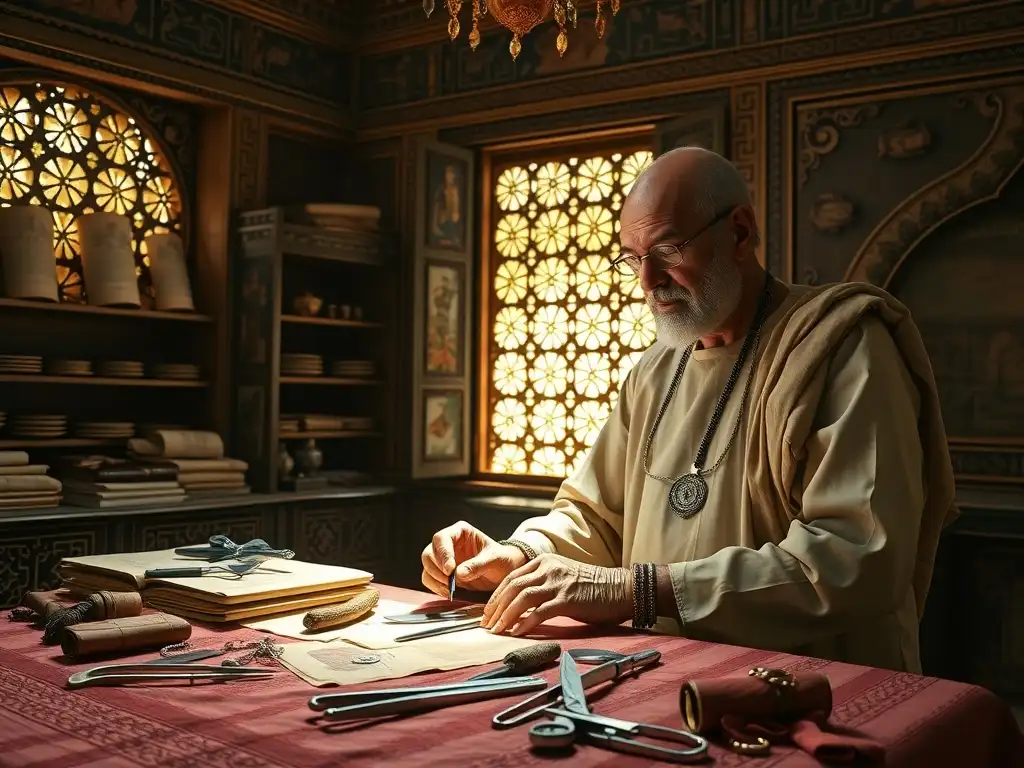
The innovations in surgical instruments during ancient India were significant and demonstrate a remarkable level of craftsmanship and understanding of human anatomy. Ancient Indian physicians, particularly those associated with the Ayurveda and Sushruta traditions, developed a variety of surgical tools that were both functional and sophisticated. The Sushruta Samhita, an ancient Sanskrit text attributed to Sushruta, is one of the earliest treatises on surgery and outlines detailed descriptions of various instruments used in surgical procedures.
Among these innovations were instruments made from metals such as bronze, iron, and even gold, showcasing a blend of artistry and functionality. Tools such as scalpels, forceps, and needles were meticulously crafted to ensure precision during operations. Additionally, the use of specific shapes and designs optimized their effectiveness, reflecting a deep understanding of surgical needs.
Unique Features of Ancient Indian Surgical Instruments
Ancient Indian surgical instruments were characterized by several unique features that set them apart from those of other civilizations. For instance, many instruments were designed with ergonomics in mind, allowing for better grip and control during delicate procedures.
Moreover, the variety of surgical tools available was extensive. Instruments like the shastra (scalpel), pichu (forceps), and sara (surgical needle) were tailored for specific tasks, such as incisions, grasping tissues, and suturing wounds. The meticulous attention to detail in their creation often included intricate decorations and inscriptions, enhancing both their aesthetic and practical value.
Ancient Indian surgeons also utilized specialized instruments for procedures that were rare in other cultures, such as rhinoplasty and cataract surgery. This specialization highlights the innovative spirit of ancient Indian medicine and its commitment to advancing surgical techniques.
Comparison with Surgical Instruments from Other Ancient Civilizations
When comparing surgical instruments from ancient India with those of other civilizations, such as Egypt and Greece, several distinctions emerge. For example, while Egyptian surgical tools were primarily made of bronze and stone, ancient Indian instruments often included advanced metallurgy, utilizing iron and even stainless steel-like alloys that offered durability and sharpness.
Additionally, the range of surgical procedures performed in ancient India was broader, with documented techniques for complex surgeries like plastic surgery. In contrast, while Greek physicians like Hippocrates made significant contributions to surgical practices, their instruments tended to be more rudimentary and less specialized than those found in ancient Indian texts.
The cultural and philosophical approaches to medicine also differed, with ancient Indian practices being deeply rooted in holistic healing and Ayurvedic principles, which often influenced the design and intended use of surgical instruments. This holistic perspective allowed for a more comprehensive understanding of patient care, beyond mere surgical intervention.
Influence of Ancient Indian Innovations on Modern Surgical Practices
The innovations in surgical instruments from ancient India have had a lasting impact on modern surgical practices. Many of the basic designs and functionalities of contemporary surgical tools can be traced back to those developed by ancient Indian surgeons.
For instance, the concept of specialized instruments for specific surgical tasks remains integral to modern surgery. Additionally, techniques such as suturing and the use of forceps have evolved from the methods documented in ancient texts.
Moreover, the principles of sterilization and careful instrument handling that were practiced in ancient India resonate with current standards in surgical procedures, emphasizing patient safety and reducing the risk of infection. The legacy of ancient Indian surgical instruments continues to inform and inspire modern surgical innovation.
Case Studies of Notable Surgical Instruments
Analysis of Specific Instruments and Their Uses
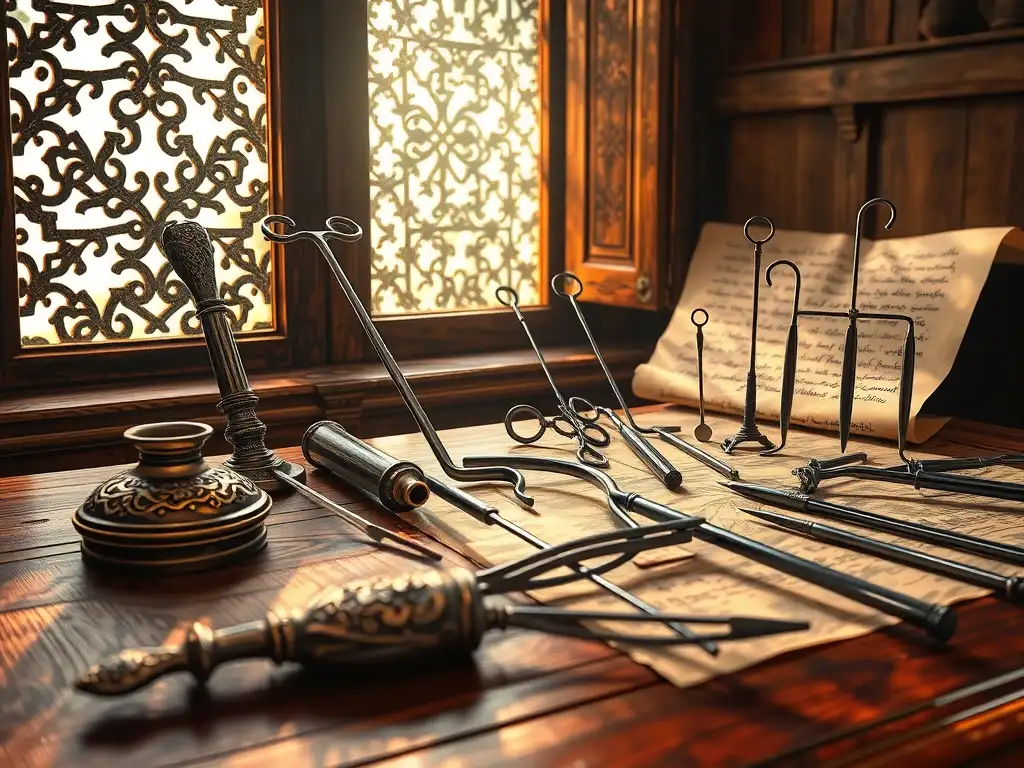
Several notable surgical instruments from ancient India exemplify the advanced state of surgical technology at the time. One such instrument is the shastra, a scalpel that was finely crafted for making precise incisions. The pichu, or forceps, was designed to grasp and manipulate tissues during surgery, showcasing an understanding of the need for control during operations.
Another significant instrument is the sara, a needle used for suturing wounds, which was designed to minimize tissue damage and promote healing. Each of these instruments was not only effective in their respective functions but also reflected the meticulous craftsmanship of ancient Indian artisans.
Contributions of Notable Ancient Surgeons to Instrument Design
The contributions of notable ancient surgeons, particularly Sushruta, played a crucial role in the design and development of surgical instruments in ancient India. Sushruta's systematic approach to surgery, as detailed in the Sushruta Samhita, included the invention of various instruments tailored for specific surgical needs.
His empirical methods and emphasis on hands-on practice allowed for iterative improvements in instrument design, enhancing their effectiveness and safety. The legacy of these contributions is evident in the continued use of similar instruments and techniques in modern surgical practice, underscoring the timeless nature of ancient Indian innovations.
The Legacy of Surgical Instruments in Ancient India
The legacy of surgical instruments in ancient India is a testament to the high level of craftsmanship and medical knowledge that flourished in the region. From the Indus Valley Civilization, where some of the earliest evidence of surgical practice can be traced, to the sophisticated techniques outlined in texts like the Sushruta Samhita, ancient Indian surgeons demonstrated remarkable skills in both the design and use of surgical instruments. These instruments were crafted from materials such as metal, wood, and bone, showcasing a deep understanding of human anatomy and the principles of healing.
Prominent among these instruments were the shalaka (probe), sastra (scalpel), and kshara (caustic agent). Each tool was meticulously designed for specific surgical procedures, reflecting an intricate knowledge of various ailments and their treatments. The detailed descriptions found in ancient texts not only highlight the tools themselves but also emphasize the ethical considerations and holistic approaches that characterized ancient Indian medicine.
The influence of these instruments extended beyond India, impacting surgical practices in neighboring regions and contributing to the global medical discourse. The legacy of ancient Indian surgical tools continues to resonate today, inspiring modern innovations in surgical technology and techniques.
Continued Relevance of Ancient Techniques in Modern Medicine
The techniques and instruments developed in ancient India have remarkably continued to influence modern medicine. Many surgical practices can trace their origins back to the methods described in ancient texts. For instance, the principles of aseptic surgery, which are crucial in contemporary medical practice, can be linked to the rigorous standards of cleanliness advocated by ancient Indian surgeons.
Furthermore, some surgical instruments used today bear a striking resemblance to those crafted centuries ago. For example, the use of scalpels, forceps, and needles in modern surgeries reflects the design and functionality of their ancient counterparts. The Sushruta Samhita explicitly details various surgical procedures and instruments, many of which have been adapted into modern practices, showing that the foundations of surgery laid in ancient India remain relevant.
Research today often revisits these ancient techniques, validating their effectiveness through modern clinical studies. This ongoing exploration underscores the importance of integrating historical knowledge with contemporary practices, ensuring that valuable insights from the past enhance current medical methodologies.
Preservation and Study of Ancient Surgical Instruments Today
The preservation and study of ancient surgical instruments are crucial for understanding the evolution of medical practices and the craftsmanship of the era. Various archaeological sites across India, such as those in Varanasi and the remains of the ancient city of Mohenjo-Daro, have yielded significant artifacts related to surgery. Museums and institutions dedicated to ancient history have made efforts to catalog and conserve these instruments, providing insights into their construction and use.
Modern scholars employ various methods, including archaeology, anthropology, and historical analysis, to study these instruments. This multidisciplinary approach not only sheds light on the technical aspects of ancient surgical tools but also their cultural significance. By examining the context in which these tools were used, researchers gain a deeper understanding of the medical practices of ancient civilizations.
Conferences and symposiums focused on ancient medicine and surgery also play a vital role in disseminating knowledge about these instruments. They provide platforms for experts to share their findings, discuss preservation techniques, and explore the implications of ancient practices in contemporary medicine.
Conclusion: The Impact of Ancient Indian Surgical Instruments on Medicine
The impact of ancient Indian surgical instruments on medicine is profound and far-reaching. These tools and the techniques associated with them laid the groundwork for many practices that are still in use today. The intricate designs, coupled with a thorough understanding of anatomy and surgical procedures, enabled ancient Indian surgeons to perform complex operations with remarkable skill.
The ethical considerations and holistic approaches emphasized in ancient texts further underscore the advanced understanding of health that existed in ancient India. This comprehensive approach not only addressed physical ailments but also considered the mental and spiritual well-being of patients.
Summary of Craftsmanship and Innovation in Surgical Tools
The craftsmanship and innovation in surgical tools from ancient India are indicative of a sophisticated medical tradition. The quality of materials used, along with the precision in design, reflects a high level of expertise that has influenced the development of surgical instruments across the world. Ancient Indian surgeons were pioneers in their field, and their contributions continue to inspire modern medical practices.
Future Research Directions in Ancient Indian Medicine and Surgery
Future research in ancient Indian medicine and surgery holds immense potential for uncovering further insights into the medical practices of the time. Scholars are encouraged to explore unexamined texts, artifacts, and archaeological sites to discover lost knowledge and techniques. Interdisciplinary studies that combine archaeology, medicine, and history will enrich our understanding of ancient surgical practices.
Moreover, the application of modern technology, such as 3D modeling and reconstruction of ancient instruments, can provide a clearer picture of their use and effectiveness. There is a need for collaborative efforts among historians, archaeologists, and medical professionals to ensure that the rich heritage of ancient Indian surgical instruments continues to inform and inspire future medical innovations.
- Introduction to Surgical Instruments in Ancient India
- Historical Context of Surgical Instruments in Ancient India
- Types of Surgical Instruments Used in Ancient India
- Craftsmanship Behind Ancient Indian Surgical Instruments
- Innovations in Surgical Instruments in Ancient India
- Unique Features of Ancient Indian Surgical Instruments
- Comparison with Surgical Instruments from Other Ancient Civilizations
- Influence of Ancient Indian Innovations on Modern Surgical Practices
- Case Studies of Notable Surgical Instruments
- The Legacy of Surgical Instruments in Ancient India
- Conclusion: The Impact of Ancient Indian Surgical Instruments on Medicine
- What types of surgical instruments were used in ancient India?
- How did ancient Indian surgeons demonstrate their innovation?
- What is the significance of surgical texts from ancient India?
- Were ancient Indian surgical instruments influenced by any other cultures?
- How did the craftsmanship of surgical instruments impact modern medicine?
Frequently Asked Questions
What types of surgical instruments were used in ancient India?
Ancient Indian civilizations utilized a variety of surgical instruments, including scalpels, forceps, and probes, showcasing their advanced medical practices and craftsmanship.
How did ancient Indian surgeons demonstrate their innovation?
Surgeons in ancient India displayed remarkable innovation by creating specialized instruments tailored for specific procedures, reflecting their deep understanding of anatomy and surgery.
What is the significance of surgical texts from ancient India?
The surgical texts, such as the Sushruta Samhita, serve as crucial historical documents, documenting techniques, instruments, and the philosophical approaches to medicine in ancient India.
Were ancient Indian surgical instruments influenced by any other cultures?
Yes, ancient Indian surgical instruments were influenced by trade and cultural exchanges with neighboring civilizations, integrating techniques and tools from Persian and Greek traditions.
How did the craftsmanship of surgical instruments impact modern medicine?
The craftsmanship and innovation of ancient Indian surgical instruments laid foundational principles that influenced modern surgical practices, highlighting the enduring legacy of ancient Indian medicine.
Final Reflection: The Enduring Legacy of Surgical Instruments in Ancient India
The craftsmanship and innovation of surgical instruments in ancient India remain profoundly relevant today, as they highlight the remarkable advancements in medical practices that laid the foundation for modern surgery. The intricate designs and techniques developed by ancient Indian surgeons not only showcase their ingenuity but also remind us of the rich history that informs contemporary medical practices. As we navigate the complexities of modern healthcare, understanding these historical contributions can inspire a renewed appreciation for the art of surgery.
The influence of ancient Indian surgical instruments extends beyond mere historical curiosity; they have shaped the very fabric of medical knowledge and practice across cultures. The meticulous craftsmanship and innovative approaches of ancient Indian surgeons have left an indelible mark on the global medical landscape. As noted by renowned historian Dr. R. N. Sharma, The surgical practices of ancient India were not just about healing; they were a testament to the human spirit's quest for knowledge and improvement.
This ongoing legacy invites us to reflect on how past innovations continue to resonate in our current medical practices and inspire future advancements.
As we conclude our exploration of surgical instruments in ancient India, I invite you to reflect on the lessons embedded in this rich history. Consider how the principles of innovation, precision, and dedication to healing can be applied in your own life, whether in your professional endeavors or personal growth. Embrace the spirit of inquiry and craftsmanship that defined ancient Indian surgeons, and let it motivate you to pursue excellence in your own journey. The past is not merely a record of what has been; it is a wellspring of inspiration for what can be achieved in the future.
Unveil the Secrets of Ancient Craftsmanship!
Thank you for diving into the fascinating world of surgical instruments from ancient India! Your curiosity has uncovered the remarkable craftsmanship and innovative spirit that defined this era. Now, it's time to take the next step and deepen your own exploration.
Here’s how you can engage further with this incredible subject:
- Explore more about the scientific practices of ancient Indian medicine and their impact on modern techniques.
- Share this article with friends and fellow history enthusiasts—let’s spark a conversation about the genius behind these instruments!
- Join a local or online community focused on historical innovations; consider participating in workshops that delve into ancient techniques.
What aspect of ancient surgical practices intrigues you the most, and how do you think they could inspire contemporary medicine?