
Celebrating the Pioneers of Ancient Indian Surgical Techniques

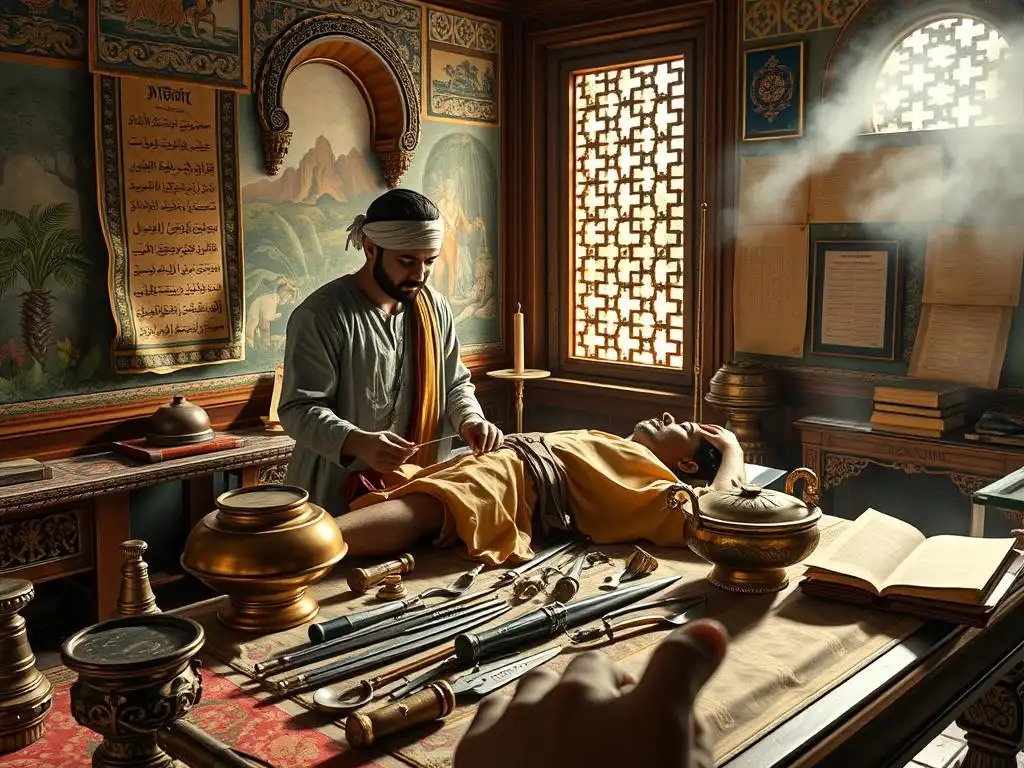
Welcome to Ancient India History, where we embark on a fascinating journey through the rich tapestry of ancient Indian civilization. Today, we delve into the remarkable world of ancient Indian surgical techniques—a testament to the ingenuity and expertise of our ancestors. From the precise methods practiced during the Indus Valley civilization to the groundbreaking advancements of the Gupta Empire, these techniques reveal a sophisticated understanding of medicine that has shaped countless lives. Are you ready to uncover the secrets of these pioneering practices? Dive deeper with us and discover how ancient Indian scholars laid the foundations of modern surgery!
Introduction to Ancient Indian Surgical Techniques
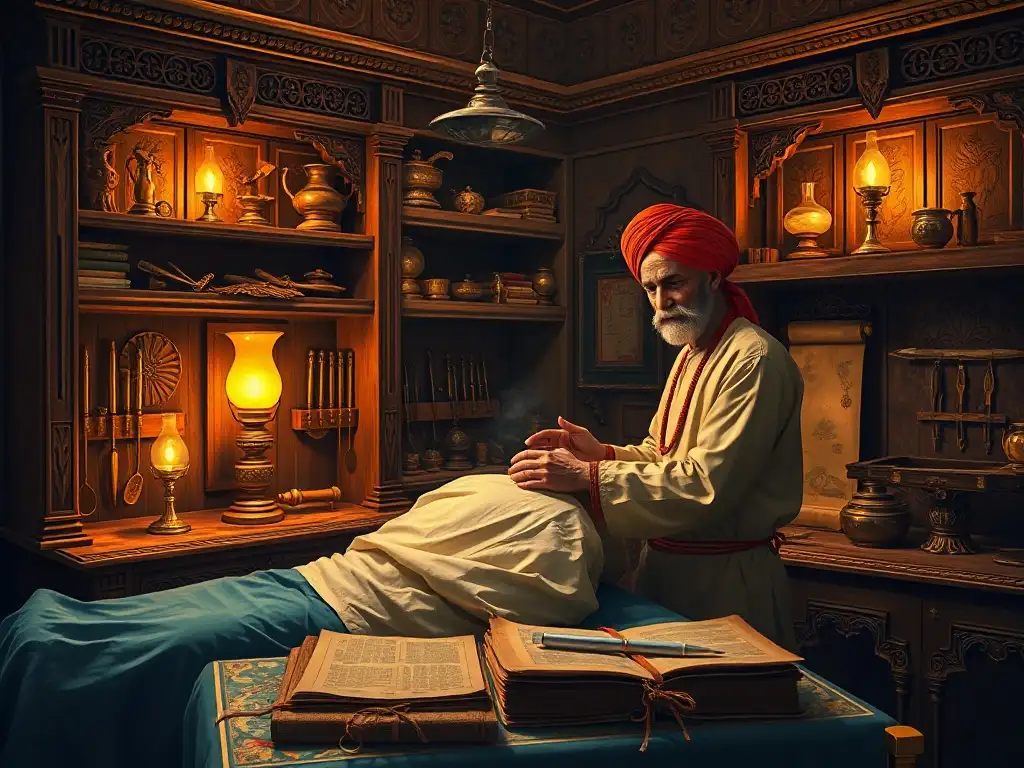
The history of ancient Indian surgical techniques is a testament to the remarkable advancements made by early Indian civilizations in the field of medicine and surgery. From intricate surgical procedures to the development of sophisticated instruments, ancient Indian practitioners laid the groundwork for modern surgical practices. This article delves into the rich tapestry of surgical knowledge and innovations that emerged from India, highlighting the remarkable achievements of pioneers in the field.
Overview of Ancient Indian Medicine and Surgery
Ancient Indian medicine was deeply intertwined with spiritual beliefs and holistic healing practices. The Ayurvedic system, which originated thousands of years ago, emphasized the balance of body, mind, and spirit. This holistic approach not only focused on prevention but also on the treatment of ailments through various techniques, including surgery.
- Key Aspects of Ancient Indian Medicine:
- Emphasis on natural remedies and herbal treatments.
- Integration of surgery as a crucial component of health care.
- Use of diagnostic techniques that included pulse reading and observation.
Importance of Surgical Techniques in Ancient India
Surgical techniques were not only vital for treating injuries and ailments but also played a significant role in enhancing the quality of life. The ancient texts reveal a profound understanding of human anatomy, which enabled surgeons to perform complex procedures with precision.
- Notable Surgical Techniques:
- Suturing: Advanced methods for closing wounds.
- Trepanation: A procedure for treating cranial injuries.
- Plastic Surgery: Techniques for reconstructive surgery, particularly of the nose.
Historical Context of Surgery in Ancient India
The Indus Valley Civilization and Early Surgical Practices
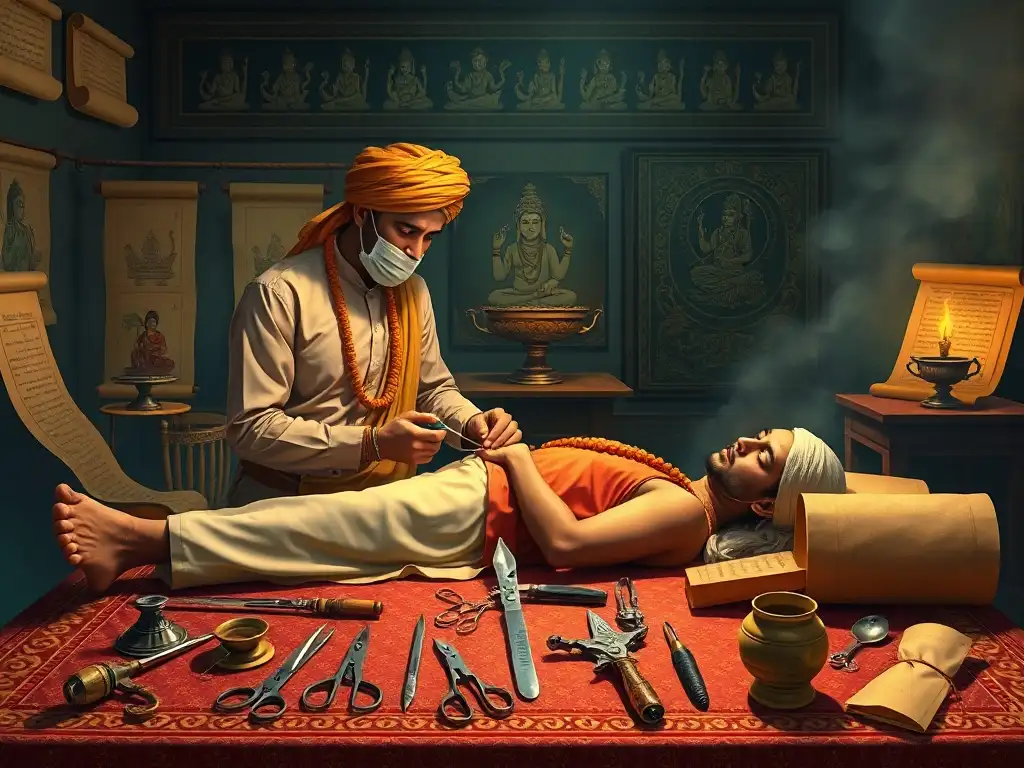
The roots of surgical practices can be traced back to the Indus Valley Civilization, where evidence of surgical instruments has been uncovered in archaeological excavations. These early practitioners demonstrated knowledge of basic surgical procedures, as indicated by findings of surgical tools made from bronze and stone.
- Key Discoveries:
- Surgical instruments resembling scalpels and forceps.
- Remains of individuals who had undergone surgical interventions.
Contributions of the Vedic Period to Surgical Techniques
During the Vedic Period, which followed the Indus Valley Civilization, significant advancements were made in the field of surgery. Texts such as the Sushruta Samhita, attributed to the ancient surgeon Sushruta, outlined various surgical techniques and instruments.
- Highlights of the Vedic Contributions:
- Detailed descriptions of over 120 surgical procedures.
- Introduction of concepts such as anesthesia using herbal mixtures.
- Classification of surgical instruments into specific categories based on their use.
The Role of Ayurveda in Ancient Indian Surgery
Ayurveda, often regarded as the mother of holistic medicine, played a pivotal role in the development of surgical techniques in ancient India. The integration of surgical practices within Ayurvedic principles allowed for a comprehensive approach to health care.
- Key Elements of Ayurvedic Surgery:
- Focus on preventive care to minimize the need for surgical interventions.
- Use of herbal medications for post-operative recovery.
- Philosophical underpinnings that emphasized harmony between the body and nature.
This exploration of ancient Indian surgical techniques reveals a rich legacy of medical knowledge that continues to influence modern practices. As we celebrate these pioneers, we gain insights into the ingenuity and skill of ancient Indian surgeons who made lasting contributions to the field of medicine.
Key Pioneers of Ancient Indian Surgical Techniques
Ancient India was home to numerous scholars and practitioners who made significant contributions to the field of surgery. The rich tradition of surgical techniques in ancient Indian medicine is attributed to several key figures, whose works laid the foundation for various medical practices that are still revered today. Their insights into anatomy, surgical procedures, and the importance of holistic health reflect a profound understanding of the human body and its ailments. Notably, two figures stand out: Sushruta and Charaka, whose teachings have influenced not only Indian medicine but also the broader field of surgical practice worldwide.
Sushruta: The Father of Surgery
Sushruta, often referred to as the "Father of Surgery," was a remarkable ancient Indian physician whose contributions are documented in the Sushruta Samhita, a comprehensive medical text from around 600 BCE. This work is considered one of the earliest treatises on surgery and presents a detailed account of surgical techniques, instruments, and procedures.
Sushruta's approach to surgery was revolutionary for its time. He emphasized the importance of clinical observation and hands-on practice. He meticulously described various surgical operations, including cataract surgery, rhinoplasty (reconstruction of the nose), and the treatment of wounds. He also categorized surgical procedures into different types, such as major and minor surgeries, and provided guidelines for pre-operative and post-operative care.
Moreover, Sushruta recognized the significance of understanding human anatomy, advocating for the dissection of cadavers to learn about the body’s structure. His innovative use of surgical instruments, many of which he designed himself, showcased his commitment to enhancing surgical practices. The principles laid out by Sushruta continue to resonate in modern surgical techniques, making him a pivotal figure in the history of medicine.
Charaka: The Role of Medicine in Surgery
Charaka, another eminent figure in ancient Indian medicine, played a crucial role in integrating medicinal practices with surgery. His foundational text, the Charaka Samhita, written around the 2nd century BCE, focuses on the principles of Ayurveda, emphasizing the balance of bodily systems for optimal health. Charaka’s work delineated the importance of understanding diseases and their treatments, which often included surgical interventions.
While Sushruta is primarily known for his surgical techniques, Charaka contributed significantly to the medicinal aspect of surgery. He stressed the importance of using herbal remedies and dietary practices to enhance recovery from surgical procedures. Charaka’s holistic approach highlighted the interplay between medicine and surgery, urging practitioners to consider the overall health of the patient before and after surgical interventions.
Charaka’s emphasis on ethics in medicine, patient care, and the need for a comprehensive understanding of illness laid the groundwork for a more humane approach to surgical practices. His writings not only enriched surgical knowledge but also underscored the importance of a multidisciplinary approach to health care.
Other Influential Figures in Ancient Indian Surgery
In addition to Sushruta and Charaka, several other notable figures contributed to the development of ancient Indian surgical techniques. Among them is Vagbhata, who authored the Ashtanga Hridaya, a text that synthesizes the teachings of Sushruta and Charaka, providing a comprehensive overview of Ayurvedic medicine and surgery.
Another significant contributor was Madhava, known for his work in the field of surgery and medicine during the 9th century CE. He is credited with advancing surgical techniques and further refining the tools and methods available to practitioners of the time.
These pioneers, along with many others, created a rich tapestry of knowledge that not only advanced surgical practices but also laid the groundwork for future medical advancements in both India and beyond.
Techniques and Procedures in Ancient Indian Surgery
Ancient Indian surgical techniques were characterized by their innovative approaches and a deep understanding of human anatomy. The practices developed by pioneers like Sushruta and Charaka highlight a remarkable blend of surgical skill and medical knowledge. The procedures documented in ancient texts reveal a sophisticated understanding of various conditions and the methods employed to treat them.
Surgical Instruments Used in Ancient Indian Medicine
The surgical instruments utilized in ancient Indian medicine were both diverse and specialized. Sushruta’s Samhita describes over 120 surgical instruments, many of which were crafted from metals like bronze and iron. Some notable instruments include:
- Scalpels: Used for incisions and excisions.
- Forceps: Employed to grasp and hold tissues during surgery.
- Needles: Utilized for suturing wounds.
- Cautery instruments: Designed for cauterizing wounds to stop bleeding.
The design and functionality of these instruments reflected Sushruta's emphasis on precision and safety in surgical procedures. The careful crafting of tools allowed for advancements in surgical techniques that would influence practices for centuries.
Notable Surgical Procedures Practiced
Ancient Indian surgical practices encompassed a variety of notable procedures, many of which showcased the advanced understanding of anatomy and surgical techniques of the time. Some of the most significant procedures included:
- Rhinoplasty: Reconstruction of the nose, often performed after injuries or deformities. Sushruta detailed techniques for nasal reconstruction using skin grafts from other parts of the body.
- Cataract surgery: An early form of eye surgery aimed at restoring vision, which involved the removal of cataracts using specialized instruments.
- Surgical treatment of abscesses: Techniques for draining pus and treating infections were well documented, emphasizing the importance of cleanliness and antiseptic practices.
- Amputation: Procedures for amputating limbs were also described, showcasing an understanding of when such drastic measures were necessary.
These procedures illustrate the advanced level of surgical practice in ancient India, where practitioners combined their knowledge of medicine with practical skills to improve patient outcomes. The legacy of these techniques continues to inspire modern surgical practices and reflects the rich history of ancient Indian medicine.
Legacy and Influence of Ancient Indian Surgical Techniques
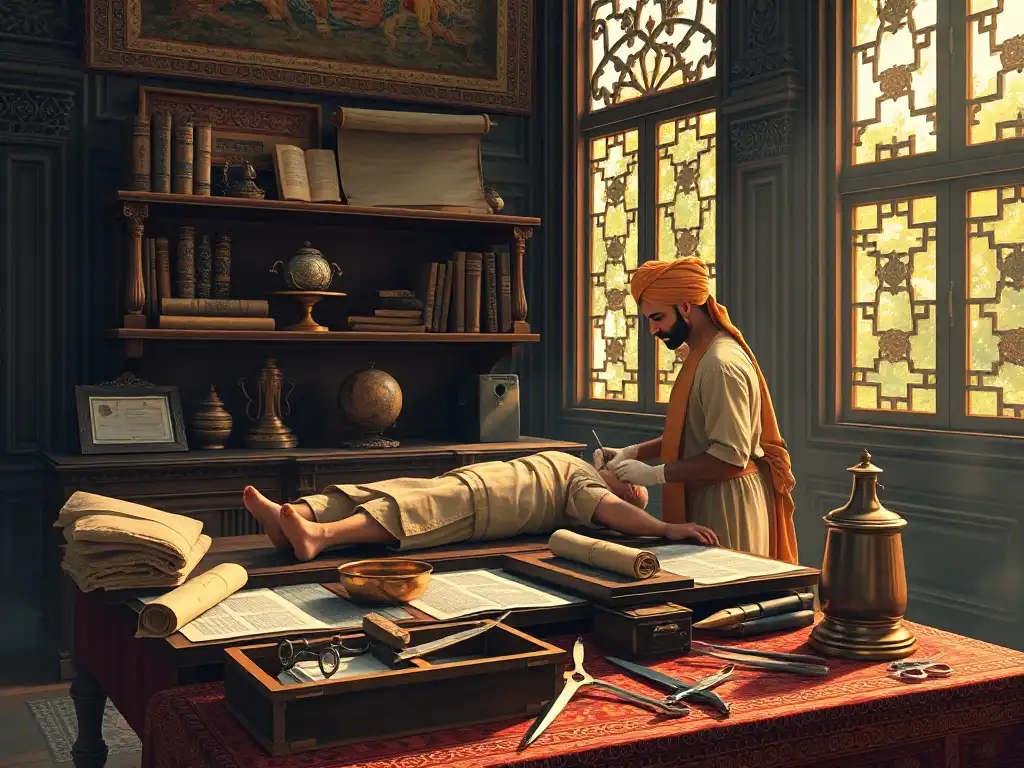
Ancient Indian surgical techniques, particularly those documented in texts such as the Sushruta Samhita, have left an indelible mark on the history of medicine. Sushruta, often regarded as the "Father of Surgery," was a pioneering figure who advanced surgical practices in ancient India around 600 BCE. His insights into anatomy, surgical procedures, and patient care laid the groundwork for many techniques that are still relevant today. The meticulous documentation of surgical practices, including methods for performing operations such as rhinoplasty and cataract surgery, demonstrates a sophisticated understanding of human anatomy and pathology.
The legacy of ancient Indian surgery extends beyond its immediate geographical confines. The techniques and methodologies established by Sushruta and his contemporaries influenced not only subsequent generations of Indian surgeons but also medical practitioners in various parts of the world. This exchange of knowledge showcases the rich tapestry of ancient medical practices that contributed to the evolution of surgery as a discipline.
Impact on Modern Surgical Practices
The principles of ancient Indian surgical techniques have permeated modern surgical practices in numerous ways. Many surgical methods described in the Sushruta Samhita, such as the use of specific instruments and techniques for suturing, have found their way into contemporary surgical training and practice. For instance, the concept of asepsis and the importance of sterilization can trace their roots back to ancient practices that emphasized cleanliness and the prevention of infection.
Moreover, the surgical techniques for reconstructive surgery, especially those related to plastic surgery, are notably advanced in the context of Sushruta’s work. His detailed descriptions of procedures aimed at reconstructing body parts, such as noses and ears, resonate with today's reconstructive surgical practices. The historical significance of these techniques underscores the continuity and evolution of surgical knowledge through the ages.
The Global Influence of Sushruta's Techniques
Sushruta's influence as a pioneer of surgery transcended borders, as his texts were translated and disseminated across cultures. Historical accounts indicate that the Sushruta Samhita was translated into Arabic in the 8th century, which subsequently introduced these advanced surgical techniques to the Islamic Golden Age. Scholars such as Rhazes and Avicenna referenced Sushruta's work, integrating it into Islamic medicine.
The impact of Sushruta's techniques can also be seen in the development of surgical practices in Europe during the Renaissance. The revival of interest in classical texts led to a reexamination of ancient medical knowledge, including Indian surgical practices. This cross-cultural exchange contributed to the transformation of surgery from a rudimentary practice into a respected medical discipline, showcasing the profound global influence of ancient Indian surgical innovations.
Preservation and Study of Ancient Texts on Surgery
The preservation of ancient texts, particularly the Sushruta Samhita and other medical treatises, has been crucial for the study of ancient Indian surgical techniques. These texts have been meticulously copied and translated over the centuries, ensuring that the knowledge contained within them has not been lost. Scholars and researchers continue to study these documents to gain insights into the surgical practices of ancient India, examining not only the techniques but also the philosophical underpinnings of health and medicine in that era.
Institutions dedicated to the preservation of ancient manuscripts play a vital role in this endeavor. Initiatives to digitize these texts and make them accessible for scholarly research have gained momentum, allowing a broader audience to explore the intricacies of ancient surgical methods. This ongoing study not only highlights the technical prowess of ancient Indian surgeons but also enriches our understanding of the cultural and historical context in which these practices evolved.
Conclusion: The Enduring Impact of Ancient Indian Surgical Techniques
The enduring impact of ancient Indian surgical techniques is evident in both historical scholarship and modern medical practices. The wisdom encapsulated in texts like the Sushruta Samhita serves as a testament to the advanced understanding of surgery in ancient India. By studying these ancient techniques, modern practitioners can glean valuable insights into patient care, surgical methods, and the importance of holistic approaches to medicine.
Reflection on the Contributions of Ancient Indian Surgeons
Reflecting on the contributions of ancient Indian surgeons reveals a rich narrative of innovation and expertise in the field of surgery. These pioneers not only developed techniques that were ahead of their time but also established ethical standards in patient care. Their holistic approach to medicine, integrating surgery with concepts of health, wellness, and preventive care, remains relevant today.
Recognizing the achievements of these ancient surgeons fosters a greater appreciation for the historical foundations of modern medicine, encouraging contemporary practitioners to learn from the past as they navigate the complexities of modern healthcare.
The Importance of Recognizing Historical Medical Practices
The recognition of historical medical practices, including ancient Indian surgical techniques, is crucial for understanding the evolution of healthcare. By appreciating the contributions of ancient civilizations, we can better contextualize modern medical advancements. Such recognition not only honors the legacy of early practitioners but also inspires current and future generations to continue exploring the depths of medical knowledge. Embracing this historical perspective enriches our understanding of medicine as a continuously evolving field, rooted in centuries of tradition and innovation.
References and Further Reading
To gain a deeper understanding of ancient Indian surgical techniques and the historical context in which they developed, several key texts and resources can provide valuable insights. The following sections outline significant works and resources that explore the intricacies of ancient Indian medicine and surgery.
Key Texts on Ancient Indian Surgical Techniques
-
Sushruta Samhita
This foundational text attributed to Sushruta, often regarded as the "father of surgery," offers detailed descriptions of surgical techniques, instruments, and procedures. Composed around 600 BCE, it covers various aspects of surgery, including plastic surgery, cataract operations, and wound management. The text is essential for anyone interested in the historical development of surgical practices in India.
-
Charaka Samhita
Although primarily focused on internal medicine, the Charaka Samhita provides insights into the holistic approaches of ancient Indian medicine, including surgical interventions. This text is crucial for understanding the theoretical underpinnings of health and disease in ancient India.
-
Ashtanga Hridaya
This comprehensive text combines elements of both Ayurveda and surgery. It serves as a bridge between the surgical techniques outlined in the Sushruta Samhita and the broader medical practices of Ayurveda, emphasizing the interconnectedness of different medical disciplines.
-
Ayurvedic Surgical Texts
Various Ayurvedic texts discuss surgical techniques and methodologies. These include references to procedures and practices that were contemporaneous with the Sushruta Samhita, shedding light on the evolution of surgical knowledge and practices in ancient India.
Suggested Resources for Further Exploration of Ancient Indian Medicine
-
Books and Journals
- The History of Medicine in India by Surendra Kumar Sharma
This book provides a comprehensive overview of the development of medicine in India, including surgical practices.
- Ancient Indian Medicine: A History by Ranjit Kumar
This text discusses the evolution of medical practices in ancient India, with a focus on surgical techniques and their cultural significance.
-
Online Resources
- The National Institute of Ayurvedic Medicine offers a wealth of articles and papers detailing ancient practices and their relevance to modern medicine.
- Various academic journals such as the Journal of Ayurveda and Integrative Medicine frequently publish research on ancient surgical techniques and their impact on contemporary practices.
-
Documentaries and Lectures
- Numerous documentaries available on educational platforms delve into the contributions of ancient Indian physicians, including their surgical innovations.
- Online lectures and webinars conducted by historians and medical professionals provide additional perspectives on ancient Indian surgical techniques and their legacies.
Engaging with these texts and resources will enrich your understanding of the sophisticated surgical practices of ancient India and their lasting impact on modern medicine.
- Introduction to Ancient Indian Surgical Techniques
- Overview of Ancient Indian Medicine and Surgery
- Importance of Surgical Techniques in Ancient India
- Historical Context of Surgery in Ancient India
- Key Pioneers of Ancient Indian Surgical Techniques
- Techniques and Procedures in Ancient Indian Surgery
- Legacy and Influence of Ancient Indian Surgical Techniques
- Conclusion: The Enduring Impact of Ancient Indian Surgical Techniques
- References and Further Reading
Frequently Asked Questions
What are ancient Indian surgical techniques?
Ancient Indian surgical techniques refer to the advanced medical practices developed in India, particularly during the Indus Valley Civilization and later periods, which included innovative procedures and instruments.
Who were the key figures in ancient Indian surgery?
Sushruta, often called the "father of surgery," and Charaka, a prominent physician, were pivotal in documenting and advancing surgical techniques in ancient India, particularly through texts like the Sushruta Samhita.
How did ancient Indian surgical techniques influence modern medicine?
Many ancient Indian surgical techniques laid the groundwork for modern practices, especially in areas like plastic surgery, wound management, and surgical instruments, showcasing the sophistication of ancient medical knowledge.
What types of surgeries were performed in ancient India?
Ancient Indian surgeons performed a variety of surgeries including cataract removal, cesarean sections, and reconstructive surgeries, demonstrating a deep understanding of human anatomy and surgical skills.
Where can I learn more about ancient Indian surgical techniques?
To delve deeper into ancient Indian surgical techniques, explore historical texts, academic journals, and resources from institutions that specialize in medical history and the contributions of ancient civilizations.
Final Reflection: Honoring the Legacy of Ancient Indian Surgical Techniques
The remarkable advancements in ancient Indian surgical techniques are not just historical footnotes; they are a testament to the ingenuity and resilience of human knowledge. Today, as we navigate complex medical challenges, the wisdom of our ancestors serves as a guiding light, reminding us that innovation often has deep roots. The surgical practices developed thousands of years ago continue to inspire modern medicine, highlighting the timeless nature of human curiosity and the quest for healing.
The influence of ancient Indian surgical techniques extends far beyond the operating table; it resonates within the very fabric of our cultural and social identity. These pioneering methods have shaped not only medical practices but also our understanding of health and wellness. As we reflect on this legacy, we recognize that the principles of precision, compassion, and holistic care remain relevant in contemporary healthcare. The greatest medicine of all is to teach people how not to need it.
– Hippocrates. This sentiment echoes the ethos of ancient Indian surgeons, who viewed surgery as both an art and a science, aiming to restore balance and harmony within the body.
As we celebrate these historical achievements, I invite you to reflect on how the lessons from ancient Indian surgical techniques can be applied in your own life. Consider how the principles of patience, dedication, and innovation can guide your personal and professional journeys. Embrace the spirit of inquiry and the commitment to healing that these pioneers exemplified, and let their legacy inspire you to contribute positively to the world around you. Together, we can honor their memory by fostering a culture of knowledge, compassion, and continuous improvement in our communities.
Unveil the Legacy of Ancient Indian Surgery!
Thank you for exploring the remarkable journey of ancient Indian surgical techniques with us! You've uncovered fascinating insights into the pioneers who shaped medical practices. Now, it's time to take these learnings further and celebrate their legacy.
Here’s how you can continue your exploration and honor this incredible history:
- Dive Deeper: Read more about specific techniques and practices by accessing additional resources or books on ancient Indian medicine.
- Spread the Knowledge: Share this article with friends and family who might be interested in the wonders of ancient medicine, sparking conversations about its significance today.
- Join the Discussion: Participate in forums or online communities dedicated to historical medicine to connect with like-minded enthusiasts and share your insights.
What aspects of ancient Indian surgical innovations resonate with you the most, and in what ways do you believe they can influence modern medical practices?