
Ancient Indian Ethics and Governance: Principles for Today's Political Landscape


Welcome to Ancient India History, where we embark on a fascinating journey through the rich tapestry of India’s past. Here, we delve into the profound concepts of ancient Indian ethics and governance, uncovering timeless principles that resonate even in today's political landscape. Join us as we explore how the wisdom of ancient civilizations—from the innovative Indus Valley to the illustrious Gupta Empire—continues to inspire modern thought and innovation. Prepare to be intrigued and enlightened as we connect the threads of history to the present, inviting you to discover more about these enduring legacies.
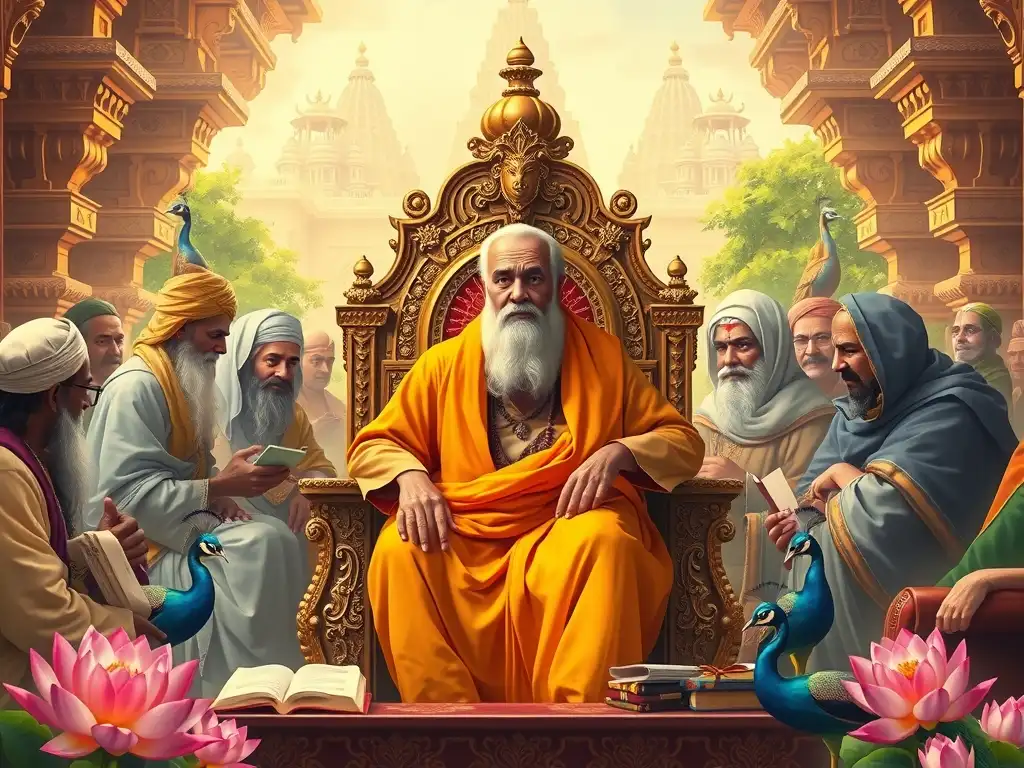
Introduction to Ancient Indian Ethics and Governance
The rich tapestry of ancient Indian history is woven with numerous threads of ethics and governance that continue to resonate in today's political landscape. Ancient Indian ethics and governance encompass a broad spectrum of principles and practices that were instrumental in shaping societal norms and administrative frameworks. From the egalitarian structures of the Indus Valley Civilization to the sophisticated governance models of the Maurya and Gupta Empires, these ancient systems offer invaluable insights into the moral and ethical foundations of leadership and statecraft.
By exploring the core tenets of ancient Indian governance, modern societies can glean lessons on justice, accountability, and the role of ethics in administration. As contemporary political challenges arise, revisiting these historical models can inspire innovative solutions grounded in time-tested philosophies. This article aims to dissect the underlying principles of ancient Indian ethics and governance, highlighting their relevance for today's political landscape.
Historical Context of Governance in Ancient India
Understanding the evolution of governance in ancient India requires a look into its historical context, which is marked by significant civilizations and philosophical developments. Each period contributed unique elements to the fabric of governance, shaping not only the administration of power but also the ethical considerations that guided rulers and citizens alike.
The Indus Valley Civilization: Foundations of Governance
The Indus Valley Civilization, flourishing around 2500 BCE, is recognized for its advanced urban planning and social organization. Evidence suggests that governance during this period was characterized by:
- Centralized Planning: Cities like Harappa and Mohenjo-Daro exhibited meticulous urban layouts, hinting at a sophisticated administrative structure.
- Standardization: The use of uniform weights and measures indicates a centralized authority overseeing trade and commerce.
- Social Order: Artifacts suggest a society that valued order and communal well-being, laying the groundwork for ethical governance.
These attributes reflect an early understanding of governance that prioritized societal harmony and resource management.
Vedic Period: The Emergence of Ethical Governance
Transitioning into the Vedic period (1500-500 BCE), the governance paradigm began to incorporate ethical dimensions into leadership. Key aspects include:
- Dharma: The concept of dharma emerged as a guiding principle, emphasizing duty, righteousness, and moral order. Rulers were expected to uphold dharma for the welfare of their subjects.
- Brahmanical Influence: The rise of Brahmanical texts introduced the idea of governance tied to spiritual authority, where kings were seen as protectors of both the realm and its moral fabric.
- Councils and Assemblies: The formation of local councils (sabha and samiti) encouraged participatory governance, reflecting an early form of democratic engagement.
This period marked a significant evolution in governance, intertwining ethical considerations with administrative practices.
The Maurya and Gupta Empires: Governance Models
The Maurya (322-185 BCE) and Gupta (c. 320-550 CE) Empires are often referenced as pinnacles of ancient Indian governance, showcasing advanced political structures and ethical frameworks:
- Chandragupta Maurya and Kautilya's Arthashastra: The Mauryan Empire, under Chandragupta and his advisor Kautilya, emphasized statecraft grounded in pragmatism, yet balanced with ethical considerations for rulers.
- Ashoka's Edicts: Emperor Ashoka's commitment to dharma and non-violence transformed governance, focusing on moral governance and the welfare of the people, as seen in his famous edicts promoting ethical behavior.
- Gupta Golden Age: The Gupta Empire is characterized by a flourishing of arts, science, and philosophy, reflecting a governance model that encouraged cultural and intellectual growth alongside ethical leadership.
These empires not only set benchmarks for effective governance but also reinforced the significance of ethics in leadership, providing a blueprint that can inspire modern political practices.
The exploration of ancient Indian ethics and governance presents a rich field of knowledge that can guide contemporary political thought, emphasizing the enduring relevance of these principles in addressing modern challenges.
Core Principles of Ancient Indian Ethics
Ancient Indian ethics are deeply rooted in the philosophical frameworks that emerged from the Vedas, Upanishads, and epics such as the Mahabharata and Ramayana. These texts offer profound insights into the moral underpinnings of governance and public life. The core principles of ancient Indian ethics include Dharma, Ahimsa, and Satyagraha, which collectively emphasize the importance of righteousness, non-violence, and truth in both personal conduct and governance.
These principles not only guided leaders but also shaped the societal norms and expectations of citizens. By intertwining moral values with administrative practices, ancient Indian governance aimed to create a just and equitable society. Understanding these principles provides valuable lessons for modern political landscapes, where ethical leadership and governance are increasingly crucial for fostering trust and integrity.
Dharma: The Ethical Foundation of Governance
Dharma, often translated as "righteous duty," serves as the cornerstone of ancient Indian ethics. It encapsulates the moral obligations and responsibilities that individuals have towards society, family, and themselves. In governance, Dharma dictates that rulers must act in accordance with moral and ethical laws, prioritizing the welfare of their subjects above personal gain.
The concept of Dharma varies according to one's role in society, emphasizing that ethical conduct is not one-size-fits-all. For rulers, this means making decisions that uphold justice, protect the vulnerable, and maintain social order. The ancient text Manusmriti outlines various aspects of Dharmic governance, stressing the importance of wisdom, compassion, and self-discipline within leadership roles.
By adhering to Dharma, leaders can cultivate a political environment that nurtures fairness and accountability, encouraging citizens to align their actions with ethical principles.
Ahimsa: The Principle of Non-Violence in Politics
Ahimsa, or non-violence, is a foundational tenet in ancient Indian ethics that transcends mere abstention from physical harm; it embodies respect for all living beings and the promotion of peace. In the political realm, Ahimsa advocates for resolving conflicts through dialogue and understanding rather than through coercion or violence.
Historically, leaders such as Mahatma Gandhi drew upon the principle of Ahimsa to challenge oppressive regimes, demonstrating its power as a tool for social change. By prioritizing non-violence, governance can foster a culture of respect and cooperation, reducing societal tensions and promoting harmony among diverse groups.
Incorporating Ahimsa into modern political practices encourages leaders to seek peaceful resolutions and engage in constructive dialogue, paving the way for a more inclusive and stable society.
Satyagraha: Truth and Justice in Governance
Satyagraha, which translates to "truth force," emphasizes the power of truth and moral integrity in the pursuit of justice. This ancient principle advocates for standing firm in one's convictions while seeking truth in governance. It encourages individuals to resist injustice through non-violent means, reinforcing the idea that ethical governance is grounded in transparency and accountability.
The philosophy of Satyagraha is rooted in the belief that truth ultimately prevails, and that leaders must be honest and just in their dealings. This approach fosters trust between the government and its citizens, as it emphasizes the importance of integrity in decision-making processes.
In today's political climate, the application of Satyagraha can inspire movements for social justice, urging citizens and leaders alike to advocate for truth and ethical conduct in all political actions.
Lessons from Ancient Indian Governance for Today
The insights gleaned from ancient Indian ethics and governance offer timeless lessons that can be integrated into contemporary political frameworks. By embracing these principles, modern leaders can cultivate a governance model that prioritizes ethical considerations and fosters trust among constituents.
Integrating Ancient Ethics into Modern Political Frameworks
To effectively integrate ancient Indian ethics into modern political frameworks, it is essential to recognize the relevance of concepts such as Dharma, Ahimsa, and Satyagraha in addressing contemporary challenges. Policymakers can draw from these principles to inform legislation, promote social justice, and create a governance structure that values ethical leadership.
For instance, incorporating the principle of Dharma can lead to policies that prioritize the well-being of all citizens, ensuring that governance is not merely about power but about responsibility. Similarly, adopting Ahimsa can guide conflict resolution strategies, promoting non-violent approaches to societal issues.
By embedding these ancient ethical frameworks into modern governance, leaders can create a political landscape that emphasizes morality and justice, ultimately contributing to more stable and equitable societies.
Ethical Leadership in Today's Political Landscape
Ethical leadership in today's political landscape is imperative for restoring public trust and accountability in governance. Leaders who embody the principles of ancient Indian ethics can inspire a new generation of politicians committed to serving the public good.
This includes fostering transparency in decision-making, engaging with communities, and prioritizing ethical considerations over political expediency. By valuing integrity and moral courage, leaders can create a culture of accountability that resonates with citizens and encourages active participation in the democratic process.
The teachings of ancient Indian ethics can serve as a guiding light for leaders striving to navigate complex political landscapes. By embracing these principles, they can work towards creating a political environment that is not only effective but also just and compassionate.
Challenges in Implementing Ancient Indian Ethics Today
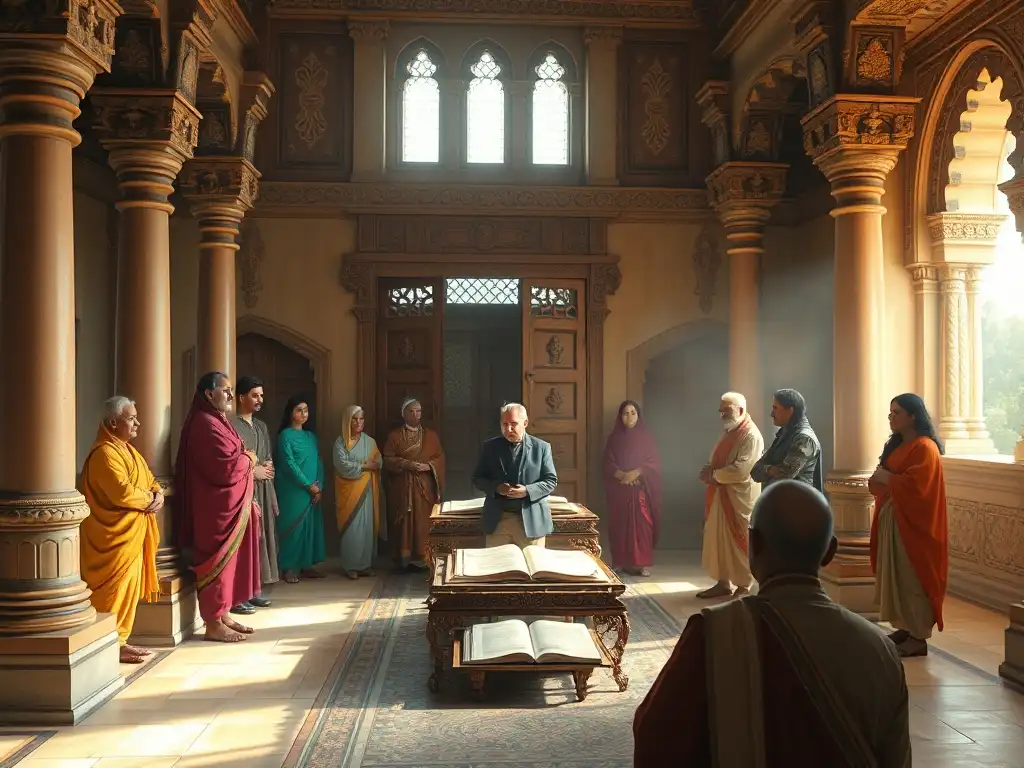
The principles of ancient Indian ethics and governance, derived from texts such as the Arthashastra and the Mahabharata, offer a rich repository of wisdom that can inform contemporary political practices. However, implementing these principles in today's context poses several challenges. This section explores the cultural and social barriers, as well as the impact of globalization, that hinder the adoption of ancient Indian ethical frameworks in modern governance.
Cultural and Social Barriers
One of the primary barriers to implementing ancient Indian ethics in today's political landscape is the deep-rooted cultural and social diversity within India. Ancient Indian governance was heavily influenced by local customs, traditions, and the caste system, which shaped social hierarchies and power dynamics. Modern India, while being a tapestry of cultures, often grapples with the remnants of these historical inequalities.
- Diverse Interpretations: The interpretation of ancient texts varies widely across different regions and communities. This diversity can lead to conflicting applications of ethical principles, making it difficult to establish a unified approach to governance.
- Resistance to Change: Many communities may resist adopting ancient ethical frameworks due to a preference for contemporary governance models or skepticism about the relevance of ancient practices in the modern context.
- Socio-Economic Disparities: The significant socio-economic disparities in Indian society can hinder equitable implementation of ethical governance. Marginalized groups may find themselves excluded from discussions on ethics and governance, perpetuating cycles of inequality.
Globalization and Its Impact on Governance
Globalization has transformed the political landscape, introducing complex challenges that ancient Indian ethics alone may not adequately address. The interconnectedness of nations and cultures has led to a clash between traditional practices and modern governance models.
- Western Influence: The dominance of Western political ideologies and governance structures can overshadow indigenous practices, including ancient Indian ethics. This influence may lead to the adoption of policies that do not align with traditional values, causing a disconnect between governance and cultural identity.
- Rapid Change: The fast-paced nature of globalization can overwhelm the slower, more deliberative processes often favored in ancient governance models. Implementing ancient ethics requires time for reflection and consensus, which can be at odds with the immediate demands of modern political contexts.
- Economic Pressures: Global economic competition can pressure governments to prioritize growth and efficiency over ethical considerations. This focus on economic outcomes may lead to the sidelining of ancient ethical principles that emphasize welfare and societal harmony.
Conclusion: Reviving Ancient Indian Ethics for Modern Governance
Despite the challenges posed by cultural barriers and globalization, there is a compelling case for reviving ancient Indian ethics in contemporary governance. By integrating these principles, modern political systems can benefit from a holistic approach that prioritizes ethical conduct and societal well-being.
- Relevance of Ethical Governance: Ancient Indian texts emphasize the importance of dharma (righteousness) and artha (prosperity), which can guide modern leaders in making ethically sound decisions that promote social welfare.
- Cultural Resilience: Embracing ancient ethics can foster a sense of cultural identity and resilience among communities, enabling them to navigate the complexities of globalization while remaining rooted in their values.
- Innovative Solutions: By drawing on the wisdom of ancient governance, contemporary leaders can develop innovative solutions to modern problems, such as corruption and social injustice, thereby creating a more equitable society.
While the path to implementing ancient Indian ethics in today's political landscape is fraught with challenges, the potential benefits for governance are significant. By fostering dialogue and encouraging the integration of these ethical principles, we can pave the way for a more just and harmonious society.
References and Further Reading
To deepen your understanding of ancient Indian ethics and governance, the following references and resources provide a wealth of information. These texts explore the philosophical underpinnings, historical contexts, and practical applications of the ethical frameworks established in ancient India.
- Books
- "Arthashastra" by Kautilya (Chanakya): A foundational text on statecraft and military strategy, offering insights into governance, economics, and ethics.
- "The Bhagavad Gita": A critical scripture that discusses duty (dharma), ethics, and morality, providing a philosophical lens through which to view governance.
- "Ancient Indian Political Thought" by R. S. Sharma: An analysis of the political philosophies that shaped governance in ancient India, including discussions on ethics and morality.
- "The History of Ancient India" by Romila Thapar: A comprehensive overview of the political, social, and cultural developments in ancient India, with a focus on the ethical dimensions of governance.
- Academic Journals
- Journal of Indian Philosophy: This journal often features articles on ancient Indian political philosophy, ethics, and their relevance to contemporary governance.
- Indian Journal of Political Science: Explore articles that analyze ancient texts in the context of modern political theories and ethical considerations.
- Online Resources
- Digital Library of India: A repository of ancient texts and manuscripts, accessible online for those interested in original sources related to governance and ethics.
- Stanford Encyclopedia of Philosophy: Offers entries on key concepts in Indian philosophy that are essential for understanding the ethical frameworks of ancient governance.
- Documentaries and Lectures
- "The Great Indian Political Philosophy": A documentary series that delves into the contributions of ancient Indian thinkers to modern governance.
- Online Lectures from Institutions like Harvard and MIT: Many universities offer free courses and lectures on Indian philosophy and ethics, providing valuable insights into ancient governance structures.
These resources provide a robust foundation for exploring the intricate relationship between ancient Indian ethics and governance, and their applicability in today's political landscape. Engaging with these texts will not only enhance your knowledge but also encourage a deeper appreciation for the ethical dimensions that can inform contemporary governance practices.
- Introduction to Ancient Indian Ethics and Governance
- Historical Context of Governance in Ancient India
- Core Principles of Ancient Indian Ethics
- Lessons from Ancient Indian Governance for Today
- Challenges in Implementing Ancient Indian Ethics Today
- Conclusion: Reviving Ancient Indian Ethics for Modern Governance
- References and Further Reading
- What are the core principles of ancient Indian ethics and governance?
- How did ancient Indian civilizations influence modern governance?
- What role did the Arthashastra play in ancient Indian governance?
- How did spirituality impact ancient Indian ethics?
- Can modern politicians learn from ancient Indian ethics?
Frequently Asked Questions
What are the core principles of ancient Indian ethics and governance?
The core principles include Dharma (righteousness), Artha (wealth), and Kama (pleasure), which guided leaders and citizens in maintaining a balanced society.
How did ancient Indian civilizations influence modern governance?
Ancient Indian civilizations established foundational concepts of justice, equality, and responsibility, which continue to shape contemporary political frameworks and ethical governance.
What role did the Arthashastra play in ancient Indian governance?
The Arthashastra, written by Kautilya, provided a detailed guide on statecraft, economic management, and military strategy, influencing rulers on effective governance practices.
How did spirituality impact ancient Indian ethics?
Spirituality played a crucial role in shaping moral values and ethical conduct, promoting harmony, non-violence, and a sense of duty towards society in governance.
Can modern politicians learn from ancient Indian ethics?
Yes, modern politicians can learn the importance of integrity, accountability, and public service from ancient Indian ethics to foster better governance and societal trust.
Final Reflection: Timeless Wisdom of Ancient Indian Ethics in Modern Governance
In an era where political landscapes are often marred by corruption and disillusionment, the principles of ancient Indian ethics and governance provide a beacon of hope and guidance. The teachings of revered texts and philosophers resonate with today's challenges, reminding us that ethical leadership and moral responsibility are not merely historical concepts but essential pillars for a just society. As we navigate the complexities of contemporary governance, the enduring wisdom of our ancestors offers profound insights into fostering integrity and accountability in leadership.
The influence of ancient Indian ethics on our cultural and social frameworks is undeniable. These principles have shaped our understanding of justice, duty, and the common good, encouraging us to reflect on our roles as citizens and leaders. The teachings of Chanakya, for instance, emphasize the importance of dharma (righteousness) in governance, urging leaders to prioritize the welfare of their people. The world's greatest power is the power of the people,
Chanakya reminds us, highlighting the intrinsic connection between ethical governance and societal well-being. This ongoing dialogue between ancient wisdom and modern governance continues to inspire movements for reform and ethical leadership across the globe.
As we contemplate the lessons drawn from ancient Indian ethics, I invite you to reflect on your own values and actions within your community. How can you embody these principles in your daily life? Whether through civic engagement, ethical decision-making, or fostering a culture of integrity, each of us has the power to contribute to a more just and equitable society. Let us embrace the teachings of our past as we strive to create a future where governance is rooted in ethics, compassion, and a commitment to the common good.
Unleash the Wisdom of Ancient Governance!
Thank you for diving into the rich world of Ancient Indian ethics and governance! We hope you found valuable insights that can illuminate today’s political landscape. Now, it’s time to take this knowledge beyond the page and into action!
Here’s how you can begin integrating these timeless principles into your life and community:
- Reflect and Implement: Take a moment to consider how ancient ethical principles can apply to modern governance. You might think about creating a personal governance manifesto that incorporates these enduring ideas.
- Share Your Insights: Engage in discussions with friends or online communities. Initiate conversations about how ancient ethics can influence current political practices.
- Explore Further: Delve deeper into specific figures or texts from ancient India that have shaped governance. You may uncover surprising links to contemporary issues!
What ancient principle do you believe could most significantly transform today’s political debates? We would love to hear your thoughts!