
Ancient Indian Metallurgy: Innovations That Revolutionized Modern Industry

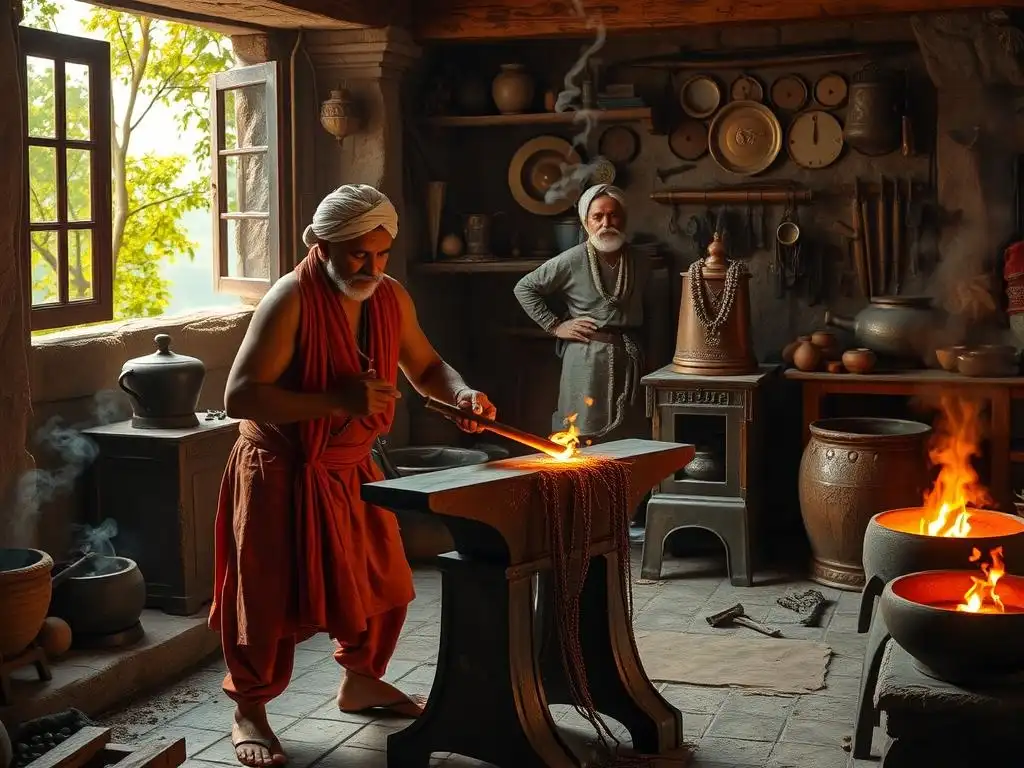
Welcome to Ancient India History, where we delve into the rich tapestry of civilizations that shaped the subcontinent. In this exploration, we invite you to uncover the fascinating world of ancient Indian metallurgy innovations—a journey that reveals how these groundbreaking techniques not only influenced their era but also laid the foundation for modern industry. Join us as we unveil the secrets behind these remarkable advancements, and discover how the ingenuity of ancient Indian craftsmen continues to resonate in today's technological landscape. Ready to be inspired? Let's embark on this captivating journey through time!
- Ancient Indian Metallurgy Innovations: A Historical Overview
- Key Innovations in Ancient Indian Metallurgy
- Techniques and Methods in Ancient Indian Metallurgy
- The Influence of Ancient Indian Metallurgy on Modern Industries
- Frequently Asked Questions
- Final Reflection: The Lasting Legacy of Ancient Indian Metallurgy Innovations
- Unleash the Power of Ancient Innovations!
Ancient Indian Metallurgy Innovations: A Historical Overview
Introduction to Ancient Indian Metallurgy
Ancient Indian metallurgy stands as a testament to the remarkable ingenuity and craftsmanship of Indian civilizations, showcasing innovations that not only shaped their own societies but also laid the groundwork for modern industrial practices. From the skilled artisans of the Indus Valley Civilization to the sophisticated techniques employed during the Gupta Empire, metallurgy in ancient India was characterized by a profound understanding of materials, processes, and their applications.
This article delves into the rich tapestry of ancient Indian metallurgy innovations, exploring how these pioneering efforts in metalworking, alloy creation, and tool production have influenced contemporary technologies and industries. The legacy of these innovations is evident not only in historical artifacts but also in the enduring principles that continue to inspire modern metallurgical practices.
As we journey through the various epochs of ancient Indian history, we will uncover the tools, techniques, and materials that defined this era, illustrating how these advancements have revolutionized our understanding and application of metallurgy today. The significance of these innovations extends far beyond their historical context, demonstrating a continuous thread of knowledge that resonates in contemporary scientific and industrial realms.
Key Innovations in Ancient Indian Metallurgy
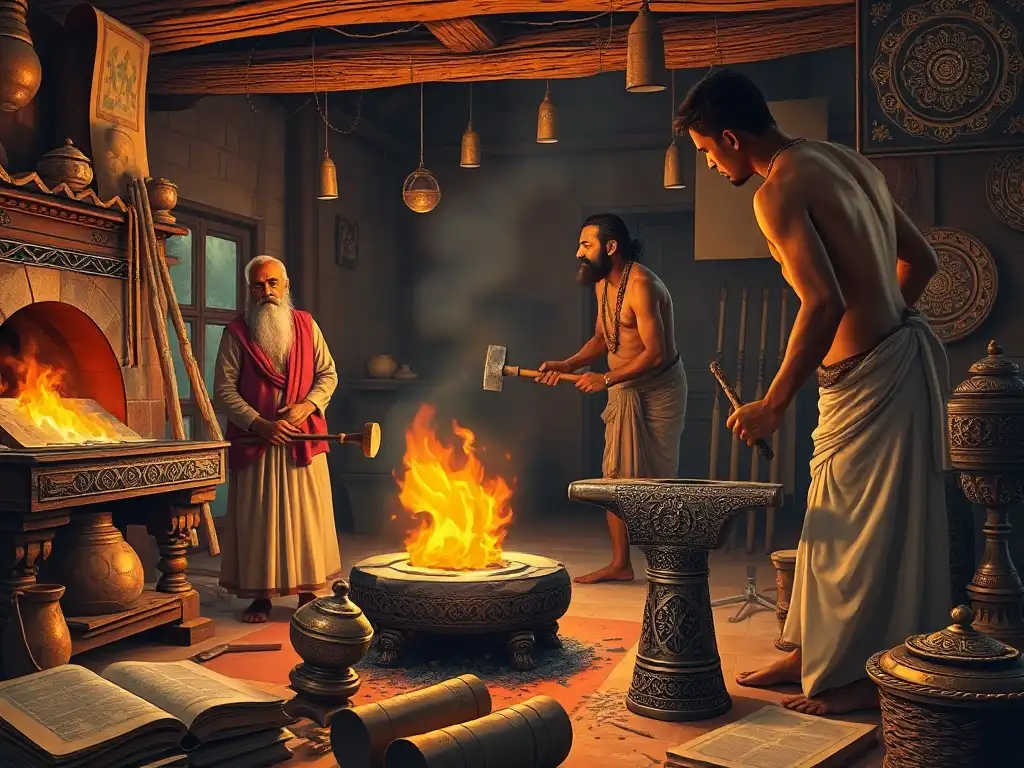
The ancient Indian civilization was marked by significant advancements in metallurgy, which played a crucial role in shaping both historical and modern industrial practices. The innovations in this field not only served practical purposes but also reflected the rich cultural and scientific heritage of the time. Below, we explore some of the most notable contributions to metallurgy from ancient India.
1. Wootz Steel: The Birth of High-Quality Steel
Wootz steel, known for its exceptional quality, was one of the most groundbreaking innovations in ancient Indian metallurgy. Originating in South India around 300 BCE, this high-carbon steel was produced using a unique process that involved the use of iron ore and other materials in a crucible.
- Manufacturing Process: The production of Wootz steel involved several steps:
- Iron Ore Selection: High-quality iron ores were chosen for their purity.
- Crucible Smelting: The iron was heated in a crucible along with carbon-rich materials such as plant matter, which facilitated the absorption of carbon.
- Cooling: The crucibles were allowed to cool slowly, resulting in the formation of high-carbon steel with a distinctive pattern.
- Properties and Applications: Wootz steel was renowned for its:
- Durability: It could withstand wear and tear, making it ideal for weaponry.
- Sharpness: Swords and blades made from Wootz steel were highly sought after for their ability to retain sharp edges.
This innovation eventually influenced the development of high-quality steel production worldwide, laying the groundwork for modern metallurgy.
2. The Art of Brass Making
The art of brass making in ancient India dates back to at least the 3rd century BCE, with significant advancements made in both technique and application. Brass, an alloy of copper and zinc, was favored for its aesthetic appeal and durability.
- Techniques: The methods employed in brass production included:
- Cementation Process: This technique involved heating copper with zinc-rich materials, which allowed for the alloying of the two metals.
- Casting and Forging: Skilled artisans used sand casting and forging techniques to create intricate designs and durable products.
- Cultural Significance: Brass items were not only functional but also held cultural importance:
- Religious Artifacts: Many brass objects, such as idols and temple bells, were crafted for religious purposes.
- Household Items: The versatility of brass led to its use in everyday utensils, jewelry, and decorative items.
The legacy of ancient Indian brass making persists today, with modern applications in various industries, including architecture, art, and technology.
3. The Use of Alloys: Copper and Tin
The use of alloys, particularly copper and tin, marked another significant innovation in ancient Indian metallurgy, leading to the production of bronze. This innovation was pivotal in the development of tools, weapons, and artistic creations.
- Bronze Production: The process of alloying copper with tin involved:
- Metal Extraction: Copper was mined and purified, while tin was sourced from various regions.
- Alloying Process: The two metals were melted together at high temperatures, resulting in a stronger and more versatile material than copper alone.
- Applications of Bronze: The introduction of bronze revolutionized various aspects of daily life:
- Weaponry: Bronze weapons offered superior strength and durability compared to their copper counterparts.
- Art and Sculpture: The malleability of bronze allowed artisans to create intricate sculptures and tools, contributing significantly to the artistic heritage of ancient India.
The innovations in alloy production laid the foundation for advancements in metallurgy that continue to influence modern industry, showcasing the enduring legacy of ancient Indian metallurgy innovations.
Techniques and Methods in Ancient Indian Metallurgy
1. Smelting Techniques: The Process of Metal Extraction
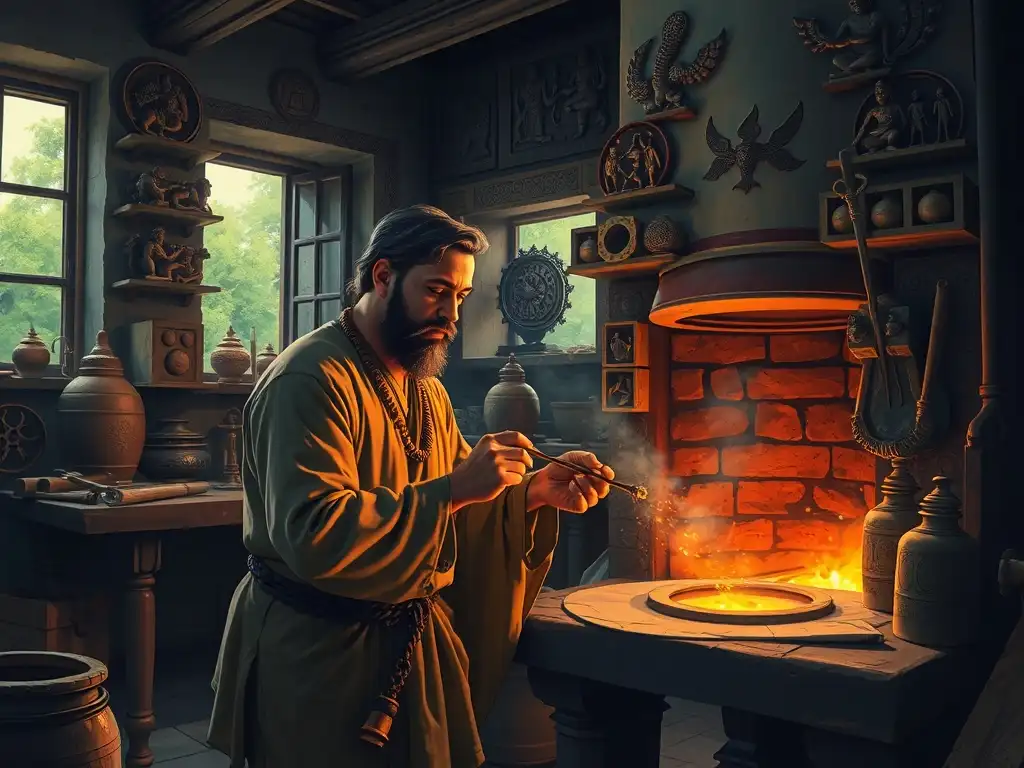
Smelting was a crucial aspect of ancient Indian metallurgy, representing the initial step in metal extraction. The process involved heating ores to extract metals, and ancient Indian metallurgists demonstrated remarkable skill in optimizing these techniques. The earliest evidence of smelting in India dates back to the Indus Valley Civilization, where archaeologists have uncovered furnaces that indicate sophisticated methods of metal extraction.
- Types of Ores Used: Ancient Indian metallurgists primarily utilized copper, bronze, iron, and lead ores. Each metal required specific techniques tailored to its chemical properties.
- Furnace Designs: The design of smelting furnaces evolved significantly over time. Early furnaces were simple pit kilns, while later designs included more complex structures like shaft furnaces, which allowed for higher temperatures and better control over the atmosphere inside the furnace.
The smelting process often involved the use of flux, typically made from limestone, to lower the melting point of the ores. This innovation not only improved efficiency but also enhanced the purity of the extracted metals. The art of smelting in ancient India laid the foundation for future metallurgical innovations, influencing practices in regions as far away as Persia and China.
2. Casting and Forging: Craftsmanship in Metalwork
The craftsmanship of ancient Indian metallurgists extended beyond smelting to encompass advanced casting and forging techniques. These methods were vital for creating intricate metal artifacts, tools, and weaponry that showcased both functionality and artistry.
- Casting Techniques: Ancient Indians employed various casting methods, including the lost-wax casting process. This technique involved creating a wax model of the desired object, encasing it in clay, and then melting the wax away to create a mold. This method allowed for high precision and intricate designs, as seen in the exquisite bronze sculptures from the Chola dynasty.
- Forging Methods: Forging involved shaping metal through hammering and heating. Blacksmiths utilized techniques such as upsetting, drawing out, and bending to form tools and weapons. The ability to forge iron into various shapes led to significant advancements in agriculture and warfare, as seen with the development of the wrought iron plowshare and the katana.
Ancient Indian artisans were not only skilled metalworkers but also innovators. The discovery of steel production through the wootz steel process represents one of the most significant advancements in metallurgy. This high-quality steel, known for its durability and sharpness, became highly sought after globally, influencing sword-making techniques in various cultures.
3. Metallurgical Analysis: Insights from Ancient Artifacts
Metallurgical analysis of ancient artifacts has provided invaluable insights into the techniques and innovations of ancient Indian metallurgy. Modern scientists employ X-ray fluorescence (XRF) and scanning electron microscopy (SEM) to study the composition and structure of metal objects, gleaning information about the materials and methods used by ancient artisans.
- Elemental Composition: Analysis of various artifacts, such as coins, tools, and sculptures, reveals the diverse alloy compositions used in ancient India. For example, the presence of arsenic in bronze artifacts indicates advanced know-how in alloying techniques that enhanced strength and resistance to corrosion.
- Microstructural Examination: Studies of the microstructure of ancient metals have uncovered the effects of ancient manufacturing processes, such as the heat treatment methods employed to improve mechanical properties. The formation of specific crystalline structures in iron artifacts, like martensite, illustrates the sophisticated understanding of material science possessed by ancient metallurgists.
The legacy of ancient Indian metallurgy continues to inspire modern materials science, highlighting the innovations of ancient Indian metallurgy that revolutionized not only local industries but also left a lasting impact on global practices. The advanced techniques, coupled with the rich cultural heritage, make ancient Indian metallurgy a fascinating subject of study, showcasing the intersection of art, science, and technology.
The Influence of Ancient Indian Metallurgy on Modern Industries
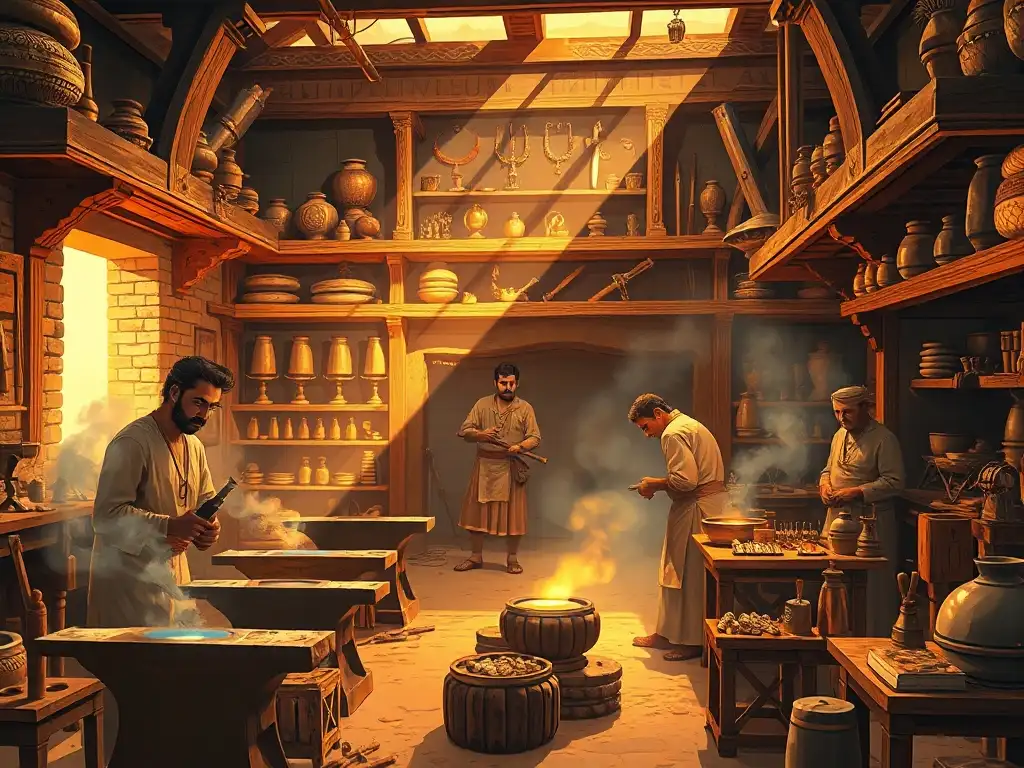
Ancient Indian metallurgy was a significant contributor to the technological advancements that shaped various industries, both in historical contexts and in contemporary applications. The innovative techniques developed by ancient Indian metallurgists laid a foundation that continues to influence modern fields such as aerospace, automotive, sustainability practices, and decorative arts. This section explores how these ancient innovations are being utilized today, revealing their lasting impact on various industries.
1. Applications in Aerospace and Automotive Industries
The aerospace and automotive sectors have increasingly drawn inspiration from the sophisticated metallurgical techniques of ancient India. Among the most notable innovations are the methods of alloying and heat treatment that were perfected by ancient Indian artisans.
- Alloy Development: Ancient Indian metallurgists created a range of high-quality alloys, such as steel made from iron and carbon, which were known for their strength and durability. This advanced understanding of materials is echoed in modern aerospace and automotive design, where lightweight yet strong materials are essential for performance and efficiency.
- Heat Treatment Techniques: Techniques such as quenching and tempering, used by ancient smiths, have modern counterparts in the aerospace industry. The ability to manipulate the microstructure of metals through controlled heating and cooling processes is critical in producing components that can withstand extreme conditions, such as those encountered in aircraft engines.
- Corrosion Resistance: The ancient practice of surface treatment, including the use of protective coatings, has inspired contemporary methods to enhance the corrosion resistance of metal parts. This is particularly vital in the automotive industry, where vehicles are exposed to harsh environmental conditions.
As a result, the incorporation of ancient Indian metallurgy innovations into modern manufacturing processes has led to improved performance and longevity of aerospace and automotive components.
2. Sustainability and Eco-Friendly Practices
Sustainability is a cornerstone of modern industrial practices, and ancient Indian metallurgy offers valuable insights into eco-friendly methods.
- Natural Resources Utilization: Ancient Indian metallurgists relied on locally sourced materials and sustainable practices to minimize environmental impact. For instance, the use of natural ores and the recycling of metal scraps were common, principles that resonate with today’s emphasis on resource conservation.
- Low-Emission Processes: Techniques such as the use of clay furnaces in ancient metallurgy resulted in lower emissions compared to modern industrial processes. Contemporary engineers are exploring these traditional methods to develop low-emission metal production techniques, making strides toward greener manufacturing.
- Biodegradable Materials: The historical use of organic materials in metalworking, such as plant-based fluxes, has influenced modern research into biodegradable materials and eco-friendly additives for metal processing.
By integrating these ancient practices, modern industries can enhance sustainability while maintaining efficiency and quality.
3. Innovations in Jewelry and Decorative Arts
The artistry and craftsmanship of ancient Indian metallurgy are evident in the exquisite jewelry and decorative arts that have influenced modern design aesthetics.
- Advanced Techniques: Techniques such as lost-wax casting and intricate filigree work, which were prevalent in ancient India, continue to inspire contemporary jewelry designers. These methods allow for the creation of detailed and ornate pieces that combine beauty with durability.
- Metallurgical Knowledge: The understanding of alloys, such as the creation of gold and silver amalgams, has shaped modern jewelry-making practices. Jewelers today utilize similar principles to enhance the properties of precious metals, ensuring that they withstand the test of time while maintaining their luster.
- Cultural Significance: Ancient Indian jewelry designs often carried symbolic meanings and cultural significance. Modern artisans are revisiting these traditions, incorporating historical motifs and craftsmanship into contemporary works, thus preserving the rich heritage of ancient Indian metallurgy in today's decorative arts.
The innovations of ancient Indian metallurgy continue to resonate across various modern industries, demonstrating their timeless relevance and adaptability. By exploring and integrating these age-old practices, contemporary sectors can find sustainable solutions and creative inspirations that honor the ingenuity of ancient civilizations.
Frequently Asked Questions
What are some key innovations in ancient Indian metallurgy?
Ancient India is known for its advanced techniques such as the production of high-quality steel (like Wootz steel) and the manufacturing of brass, which influenced metalworking practices globally.
How did metallurgy impact ancient Indian society?
The development of metallurgy enabled advancements in tools and weapons, improving agricultural productivity and military capabilities, which were crucial for the growth of ancient Indian civilizations.
What were the major metallurgical centers in ancient India?
Significant centers included Taxila, known for its educational institutions, and Bharukachchha, which was famous for its brass production and metal crafts, showcasing the region's rich metallurgical heritage.
How did ancient Indian metallurgy influence modern industry?
Innovations like iron smelting techniques and the production of high-quality alloys laid the groundwork for modern metallurgy, influencing contemporary industrial practices and technologies.
What role did trade play in ancient Indian metallurgy?
Trade routes facilitated the exchange of metallurgical knowledge and materials, allowing for the spread of innovative techniques and contributing to the economic prosperity of ancient Indian civilizations.
Final Reflection: The Lasting Legacy of Ancient Indian Metallurgy Innovations
Ancient Indian metallurgy innovations are not just relics of the past; they are the very foundation upon which modern industry stands today. The remarkable techniques and discoveries made by ancient metallurgists in India have shaped our understanding of materials science and engineering, influencing everything from the tools we use to the technologies we develop. As we navigate an increasingly complex industrial landscape, it is essential to recognize the profound impact of these early innovations and how they continue to resonate in our contemporary practices.
Cultural and social landscapes are often shaped by the innovations of the past, and ancient Indian metallurgy is a prime example of this enduring influence. The techniques developed thousands of years ago not only advanced metalworking but also fostered trade, craftsmanship, and cultural exchange across regions. As we reflect on this legacy, we are reminded of the words of the renowned historian, “Innovation is the mother of progress.” > This quote encapsulates the essence of how ancient practices continue to inspire modern advancements, urging us to appreciate the interconnectedness of our historical and contemporary worlds.
As we close this exploration of ancient Indian metallurgy, I invite you to reflect on how these innovations can inspire your own journey. Consider the ways in which you can incorporate the spirit of innovation and craftsmanship into your life, whether through your work, hobbies, or community involvement. Let the lessons of the past guide you as you forge your own path, embracing the transformative power of creativity and ingenuity that has been passed down through generations. Together, we can honor this legacy by fostering a culture of innovation that respects its roots while looking boldly toward the future.
Unleash the Power of Ancient Innovations!
Thank you for diving into the fascinating world of ancient Indian metallurgy with us! You've learned how these innovative techniques laid the groundwork for many modern industrial processes, and now it’s time to put that knowledge into action.
Here are a few steps you can take to further explore and engage with this timeless topic:
- Dig deeper: Research a specific metallurgical technique that intrigues you and discover its applications in today's industries.
- Share your knowledge: Start a conversation with friends or colleagues about the impact of ancient innovations on our technology and culture—who knows what insights you might spark!
- Get involved: Join a local history or metallurgy group to connect with others who share your passion for ancient technology and its relevance today.
What aspect of ancient Indian metallurgy fascinates you the most, and how do you think it has shaped modern industry? We invite you to share your thoughts in the comments below!