
Ancient Indian Water Management Techniques: Solving Modern Water Crises

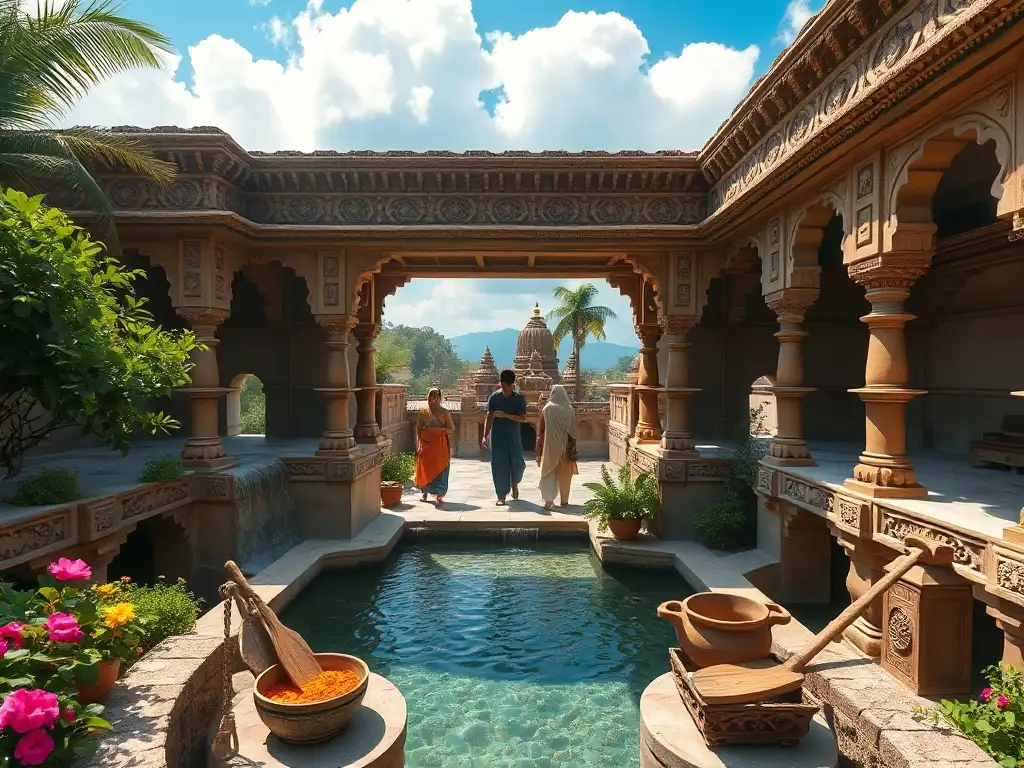
Welcome to Ancient India History, where we embark on a fascinating journey through the rich tapestry of ancient Indian civilizations. Here, we delve into the ingenious water management techniques that not only showcase the remarkable engineering skills of the past but also offer innovative solutions to today’s pressing water crises. As we uncover the methods used from the Indus Valley to the Gupta Empire, prepare to be inspired by how ancient wisdom can illuminate our modern challenges. Dive in to discover how the legacies of ancient India continue to shape our understanding of sustainability and innovation!
- Introduction to Ancient Indian Water Management Techniques
- Key Ancient Indian Water Management Techniques
- Lessons from Ancient Indian Water Management
- Integration of Ancient Techniques in Modern Water Management Solutions
- Conclusion: The Future of Water Management Inspired by Ancient India
- Further Reading and Resources
-
Frequently Asked Questions
- What were some key ancient Indian water management techniques?
- How did the Indus Valley Civilization contribute to water management?
- What role did water management play in agriculture in ancient India?
- How can ancient techniques inform modern water crises?
- Are there any remaining examples of ancient water management systems today?
- Final Reflection: Reviving Ancient Wisdom for Modern Water Challenges
- Unveil Innovative Solutions for Today's Water Challenges!
Introduction to Ancient Indian Water Management Techniques
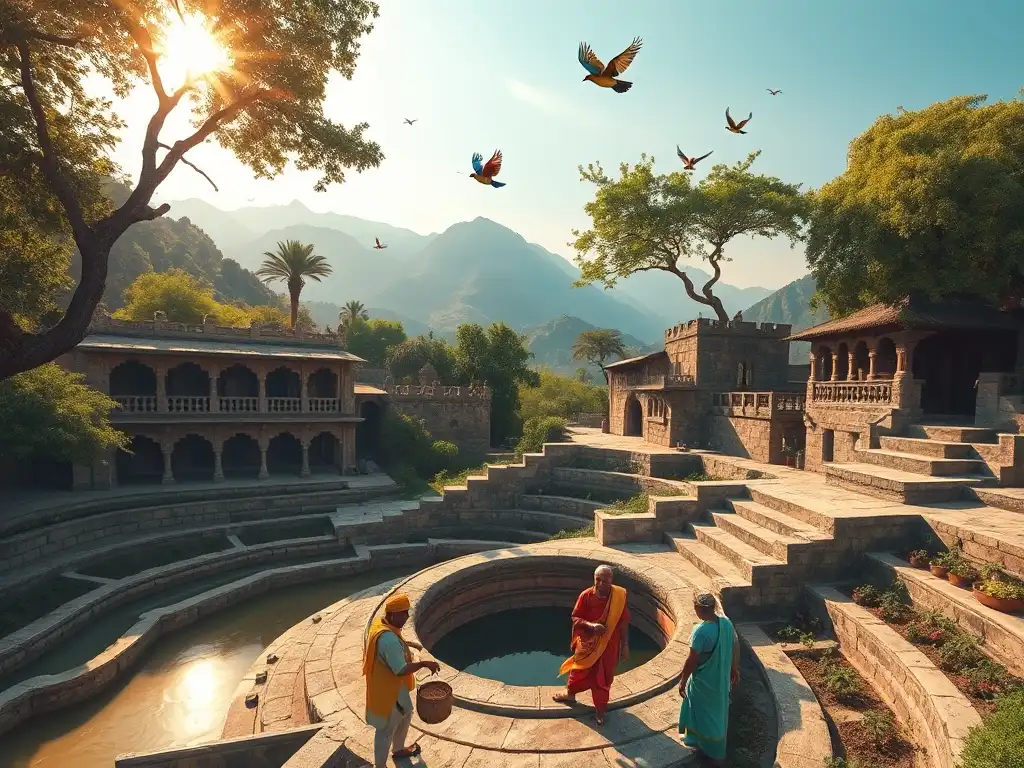
Ancient Indian civilizations have long been recognized for their innovative approaches to water management, which played a critical role in sustaining agricultural practices, urban settlements, and overall societal well-being. From the sophisticated drainage systems of the Indus Valley Civilization to the intricate stepwells and tanks developed during the medieval period, these techniques not only address the needs of their time but also provide valuable insights for contemporary water crises. As we explore ancient Indian water management, we uncover a wealth of knowledge that can inform modern practices and offer sustainable solutions to today's pressing water challenges.
Understanding the Importance of Water Management in Ancient India
Water management in ancient India was a multifaceted endeavor that stemmed from the understanding of environmental dynamics and the necessity of resource conservation. Key techniques included:
- Rainwater Harvesting: Ancient Indians developed systems to capture and store rainwater, ensuring a reliable supply during dry spells. This practice laid the foundation for sustainable agriculture and water availability.
- Canal Systems: The construction of canals for irrigation demonstrated a deep understanding of hydrology and geography, allowing for the efficient distribution of water across vast agricultural lands.
- Check Dams and Bandhs: Farmers built check dams to slow down water flow, enabling groundwater recharge and reducing soil erosion. These structures were critical in maintaining the delicate balance of local ecosystems.
- Stepwells: Stepwells not only served as a source of water but also functioned as community gathering spaces, reflecting the social and cultural significance of water in daily life.
The significance of these techniques extends beyond their historical context; they represent a holistic approach to resource management that recognized the interdependence of water, society, and the environment.
Overview of Modern Water Crises and Their Relevance
Today, the world faces unprecedented water crises, exacerbated by climate change, over-extraction of resources, and population growth. Issues such as:
- Water Scarcity: Many regions are experiencing severe water shortages, leading to conflicts and humanitarian crises.
- Pollution: Contaminated water sources threaten public health and biodiversity.
- Inefficient Water Use: Modern agricultural practices often result in significant water wastage, highlighting the need for more sustainable methods.
The relevance of ancient Indian water management techniques becomes increasingly apparent as we seek solutions to these challenges. By drawing inspiration from the past, contemporary societies can implement innovative strategies that are not only sustainable but also culturally and historically grounded. This article seeks to delve deeper into these ancient techniques, examining their principles and practices while exploring how they can be adapted to address the modern water crises we face today.
Key Ancient Indian Water Management Techniques
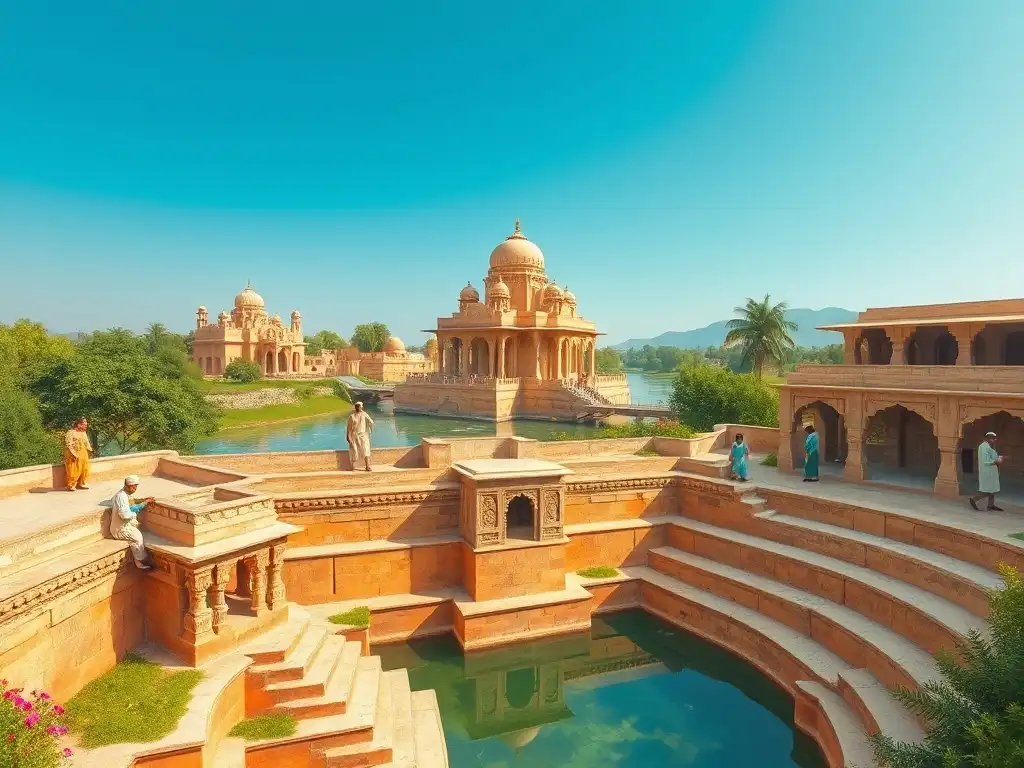
Step-wells: Architectural Marvels for Water Storage
Step-wells, known as baolis or vavs, are one of the most remarkable ancient Indian water management techniques. These structures were ingeniously designed to access groundwater and collect rainwater, providing a reliable water source during dry periods. Remarkably, they are not just functional but also showcase the architectural prowess and cultural significance of ancient Indian civilizations.
Historical Significance of Step-wells in Water Conservation
Step-wells originated in the arid regions of India, where water scarcity posed a significant challenge. Dating back to the 3rd century CE, these wells served as community gathering spaces and were often adorned with intricate carvings and motifs that reflected local art and culture.
- Construction Techniques: Built with stone, brick, or mud, step-wells feature a series of steps leading down to the water level, allowing users to access water easily.
- Cultural Importance: Beyond their practical use, step-wells played a vital role in social life, often becoming sites for festivals and community events.
The significance of these structures is evident in their enduring presence, with many still standing today as historical landmarks.
Modern Applications and Examples of Step-wells
In contemporary times, the principles behind step-wells are being revisited to address current water management challenges. Cities facing water scarcity are drawing inspiration from these ancient designs to develop sustainable water solutions.
- Urban Revitalization: Some cities are restoring old step-wells, transforming them into eco-friendly parks that promote biodiversity while serving as water catchment areas.
- Innovative Designs: Modern architects are incorporating step-well principles into new buildings, creating systems that harvest rainwater and improve groundwater recharge.
For instance, the restoration of the Adalaj Stepwell in Gujarat has not only preserved this architectural marvel but has also created awareness about sustainable water practices.
Tanks and Reservoirs: Community-Centric Approaches
Tanks and reservoirs were vital components of ancient Indian water management, serving as communal assets for irrigation and drinking water. These systems exemplified the collaborative spirit of ancient Indian societies, highlighting the importance of community in resource management.
The Role of Tanks in Ancient Indian Agriculture
Ancient Indian tanks were designed to store rainwater and manage surface runoff, significantly benefiting agriculture. They played a crucial role in:
- Irrigation: By providing a steady water supply, tanks enabled farmers to cultivate crops throughout the year, even during dry spells.
- Flood Management: These structures helped mitigate flooding by controlling excess water, thus protecting agricultural land.
Records suggest that the Kakani Tank in Tamil Nadu, built during the Chola dynasty, is an exemplary case, illustrating the integration of water management with agricultural practices.
Case Studies of Successful Tank Systems in Modern Context
Today, the revival of traditional tank systems is gaining momentum as communities seek sustainable solutions to water scarcity.
- The Tank Revival Movement: In states like Rajasthan, local initiatives have focused on restoring ancient tanks, enhancing their capacity to retain water and recharge groundwater levels.
- Successful Implementations: The Maharashtra Water Conservation Project has successfully revived several tank systems, leading to increased water availability for farming and drinking.
These efforts not only restore the functionality of ancient water management systems but also empower communities by fostering a sense of ownership and responsibility towards their water resources.
The ancient Indian water management techniques remain a testament to the ingenuity of past civilizations, offering valuable lessons for addressing modern water challenges. Through the revival and adaptation of these practices, contemporary societies can forge a sustainable path forward in water management.
Canals and Irrigation Systems: Innovations in Agriculture
The ancient Indian civilizations were pioneers in developing sophisticated water management techniques, particularly through the construction of canals and irrigation systems. These innovations significantly enhanced agricultural productivity, enabling the sustenance of large populations and the flourishing of urban centers. The strategic use of water through these systems not only optimized crop yield but also laid the groundwork for sustainable agricultural practices that modern societies can learn from today.
Historical Overview of Canals in the Indus Valley Civilization
The Indus Valley Civilization (IVC), which thrived around 2500 BCE, is renowned for its advanced urban planning and hydraulic engineering. Archaeological evidence suggests that the IVC had an extensive network of canals that facilitated irrigation and water management.
- Canal Systems: The IVC's canal systems were meticulously designed to divert water from rivers such as the Indus and its tributaries. These canals were likely used to irrigate fields, especially in areas with low rainfall, ensuring agricultural productivity even during dry seasons.
- Urban Planning: Major cities like Harappa and Mohenjo-Daro featured well-planned drainage systems and water reservoirs, which indicate a sophisticated understanding of water management. These cities utilized canals not just for irrigation but also for sewage disposal and drinking water supply.
- Crops Cultivated: The ability to irrigate fields allowed the cultivation of diverse crops such as wheat, barley, and cotton. This agricultural surplus contributed to trade and economic stability in the region.
This historical context illustrates how ancient Indian civilizations effectively harnessed water through canals, setting a precedent for future innovations in irrigation.
Leveraging Ancient Canal Techniques for Modern Irrigation Solutions
Today, as the world grapples with severe water scarcity and agricultural challenges, there is much to learn from the ancient Indian water management practices.
- Sustainable Practices: The canal systems of the IVC were designed to minimize water loss and maximize efficiency. Modern irrigation techniques, such as drip and sprinkler systems, can benefit from studying these ancient practices to enhance water conservation.
- Reviving Ancient Knowledge: Incorporating traditional knowledge of water management into contemporary agricultural practices could facilitate the development of resilient farming systems. For instance, the use of contour farming and bunding, which were practiced in ancient times, can help reduce soil erosion and improve water retention in farmlands.
- Community-Based Models: The communal aspect of managing canals and water resources in ancient India emphasizes the importance of local participation in water management efforts today. Community-led initiatives can foster sustainable practices and ensure equitable water distribution, drawing from historical precedents.
The ancient Indian techniques of canal construction and irrigation provide valuable insights that can be adapted to address modern water management challenges. By revisiting these time-tested methods, we can cultivate a more sustainable and efficient approach to agricultural water use.
Lessons from Ancient Indian Water Management
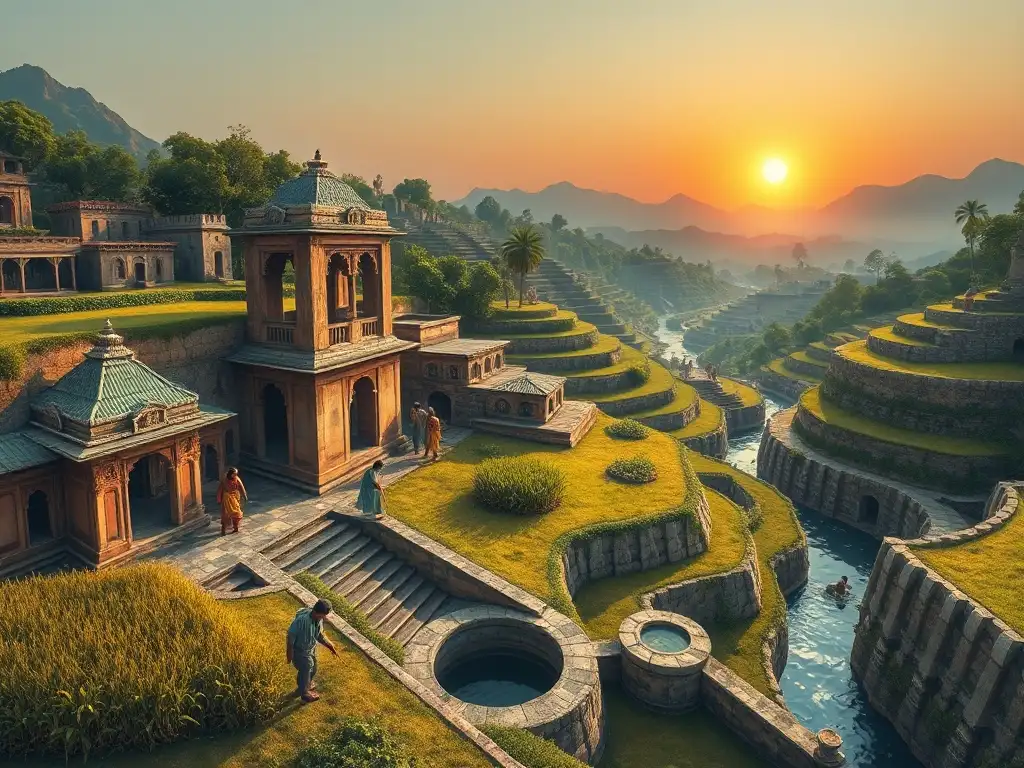
Ancient Indian water management techniques offer invaluable lessons that resonate with today's water crises. These methods were not only innovative for their time but also reflect a deep understanding of sustainability, community engagement, and environmental harmony. By studying these practices, we can derive principles that may help solve modern water issues.
Sustainability: Principles Derived from Ancient Practices
Ancient Indian civilizations, particularly those of the Indus Valley and later cultures, showcased remarkable water management systems that emphasized sustainability. The use of rainwater harvesting, check dams, and reservoirs are just a few examples of their innovative approaches. These systems were designed not only to collect and store water but also to minimize waste and promote long-term ecological balance.
How Ancient Techniques Promote Environmental Conservation
The sustainability principles derived from ancient practices can be categorized as follows:
- Rainwater Harvesting: Techniques such as rooftop rainwater collection were prevalent. This method minimizes runoff and maximizes water availability, a practice that can be effectively revived today to combat urban water shortages.
- Check Dams and Bandharas: Constructed along riverbanks and streams, these structures slowed water flow, allowing it to percolate into the ground. This not only replenished local aquifers but also prevented soil erosion, promoting agricultural sustainability.
- Traditional Tanks and Reservoirs: Many ancient communities built intricate systems of interconnected tanks, ensuring water distribution across regions. These tanks served as a community resource, highlighting the importance of shared water management.
- Crop Rotation and Soil Management: Ancient Indian farmers practiced crop rotation and used organic fertilizers, ensuring soil health and reducing dependency on chemical inputs. This holistic approach to agriculture is essential for maintaining sustainable water sources.
These techniques exemplify a profound connection between water management and environmental stewardship, a principle that modern societies can learn from in their efforts to address water scarcity.
Community Involvement: The Key to Successful Water Management
One of the hallmarks of ancient Indian water management was the emphasis on community involvement. The success of water systems was deeply rooted in collective efforts, where communities would come together to construct and maintain water infrastructure.
Engaging Communities in Modern Water Management Efforts
The lessons learned from ancient community-centric practices can be applied to contemporary water management strategies:
- Participatory Design: Involving local communities in the planning and design of water systems ensures that solutions are tailored to their specific needs and conditions.
- Education and Awareness: Programs that educate communities about the importance of water conservation can foster a sense of ownership and responsibility towards local water resources.
- Traditional Knowledge Integration: Recognizing and integrating indigenous knowledge and practices can enhance modern water management efforts. This includes understanding local climates, water cycles, and historical practices that have sustained communities for generations.
- Collaborative Governance: Establishing governance structures that promote collaboration among stakeholders—government, NGOs, and local communities—can lead to more effective and sustainable water management.
By understanding and implementing these community-oriented principles, modern societies can create resilient and adaptive water management systems that reflect the wisdom of ancient Indian practices. This not only addresses current water challenges but also fosters a sense of unity and shared responsibility in the stewardship of water resources.
Integration of Ancient Techniques in Modern Water Management Solutions
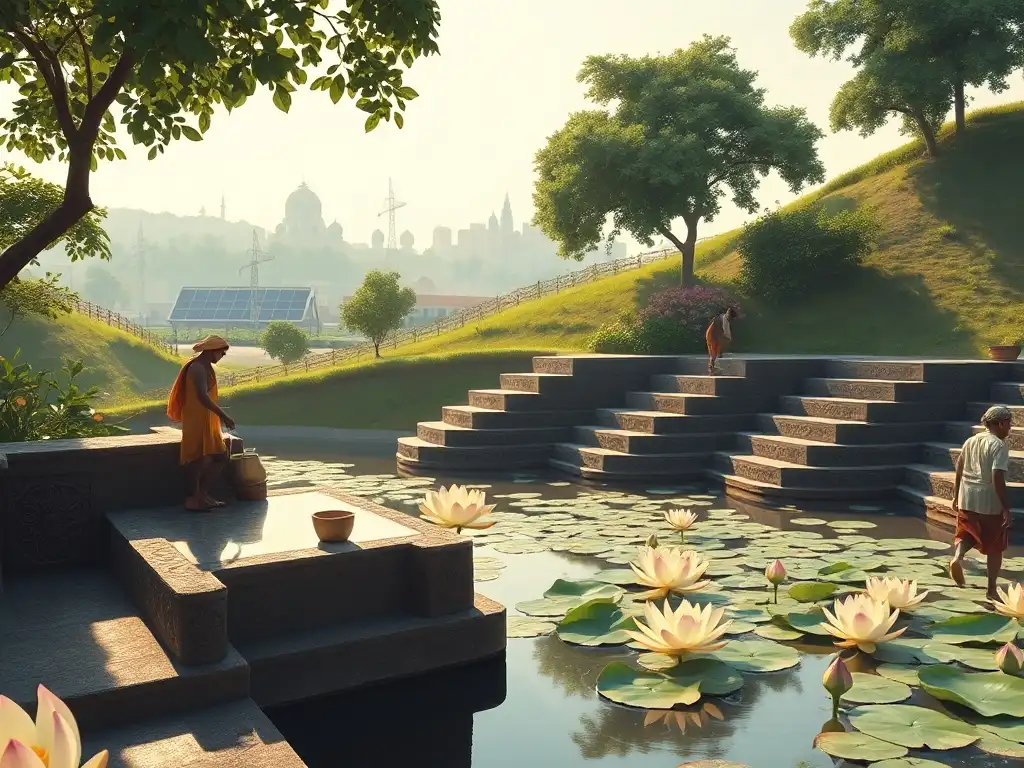
Ancient Indian water management techniques have garnered renewed interest in contemporary society as the world grapples with pressing water scarcity issues. By integrating these time-tested methods into modern water management solutions, we can address current challenges while honoring the rich heritage of ancient Indian civilizations. This section explores how ancient practices can be effectively utilized in today's context, showcasing innovative approaches and successful implementations.
Case Studies of Modern Initiatives Inspired by Ancient Practices
Example 1: The Revival of Step-well Systems in Rajasthan
Step-wells, known locally as "Baoris," are an iconic feature of Rajasthan's landscape, designed to harvest rainwater and provide a sustainable water supply. These deep, multi-storied structures allowed communities to access water during dry seasons. In recent years, several initiatives have emerged to revive these ancient systems:
- Community Involvement: Local communities have taken the lead in restoring these wells, recognizing their cultural significance and practical benefits.
- Environmental Benefits: The revival of step-wells has not only improved water availability but also contributed to groundwater recharge, helping to combat the adverse effects of climate change.
- Tourism and Heritage: The restoration projects have attracted tourists, creating economic opportunities while preserving historical sites.
Modern architects and engineers are studying the design principles of step-wells to develop sustainable water management systems that are both efficient and ecologically friendly.
Example 2: The Restoration of Traditional Tank Systems in Tamil Nadu
In Tamil Nadu, traditional tank systems, or "Kuttai," have been an integral part of the region's agrarian economy for centuries. These tanks were built to store rainwater and support irrigation. Recent restoration efforts have revitalized these ancient structures, showcasing their relevance in modern water management:
- Integrated Water Resource Management: The restoration initiatives focus on holistic approaches that integrate multiple water sources, improving water accessibility for agriculture and domestic use.
- Cultural Revival: Communities have re-engaged with their historical practices, fostering a sense of pride and ownership over their water resources.
- Sustainable Agriculture: The revitalization of tank systems has enabled farmers to practice sustainable agriculture, reducing reliance on groundwater and enhancing crop yields.
These case studies highlight the potential of ancient water management techniques to inspire modern solutions, demonstrating that traditional wisdom can be effectively adapted to contemporary challenges.
Technologies Leveraging Ancient Wisdom for Water Management
Smart Water Management Systems Utilizing Historical Techniques
Modern technology has begun to embrace ancient Indian water management principles, leading to innovative solutions that enhance efficiency and sustainability. Some key developments include:
- Data-Driven Management: Smart water management systems utilize data analytics to optimize water distribution, mirroring ancient practices of monitoring and managing water resources.
- Rainwater Harvesting: Incorporating traditional rainwater harvesting methods into urban planning has proven effective in augmenting water supplies in cities facing shortages.
- Geographical Information Systems (GIS): GIS technology is employed to map historical water systems, aiding in the restoration and management of ancient structures.
These advancements not only honor the ingenuity of ancient Indian civilizations but also pave the way for a more sustainable future, leveraging the wisdom of the past to solve modern water crises.
Conclusion: The Future of Water Management Inspired by Ancient India
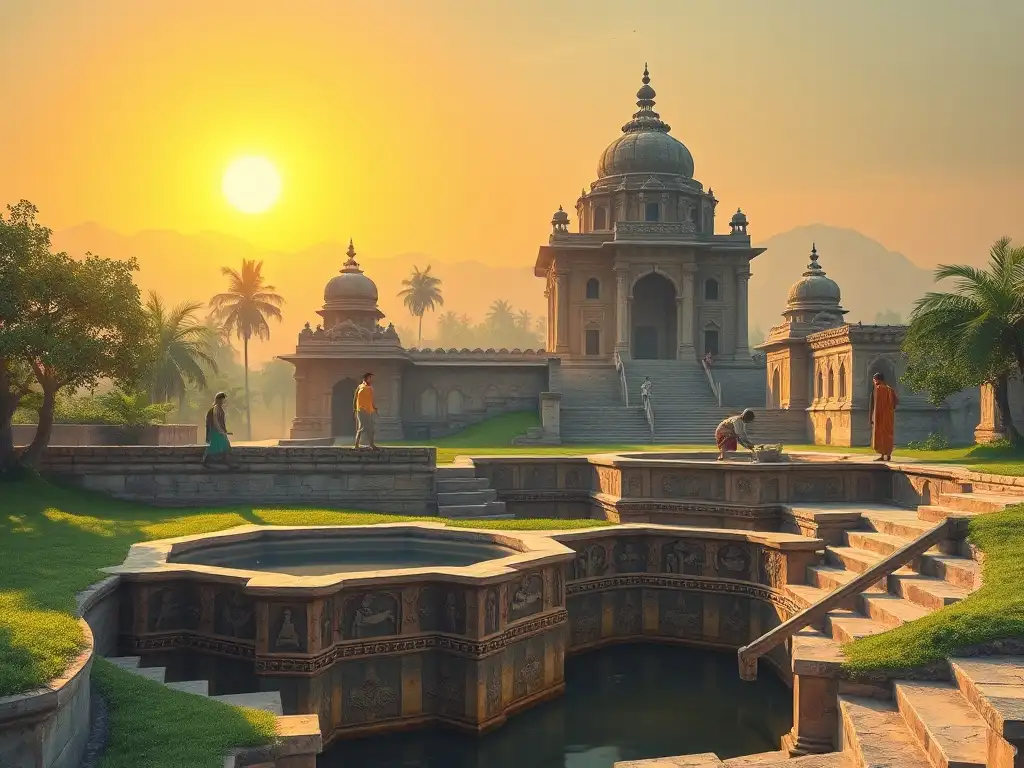
As we look to the future of water management, it becomes increasingly clear that the ancient Indian water management techniques hold significant potential for addressing contemporary water crises. The sophisticated systems developed by ancient civilizations, such as those found in the Indus Valley and later in the Gupta Empire, were not only effective but also sustainable. The principles underlying these systems can offer invaluable lessons for modern engineers, urban planners, and policymakers.
Bridging the Gap Between Ancient Wisdom and Modern Technology
The integration of ancient Indian water management methods with modern technology can create a holistic approach to water conservation. Here are several ways in which this can be achieved:
- Rainwater Harvesting: Ancient Indian societies extensively employed rainwater harvesting techniques, such as the use of kunds (water storage reservoirs) and baoris (step wells). Modern technology can enhance these methods through the use of sensors and smart technology to optimize water collection and storage.
- Check Dams: The construction of check dams in ancient India not only mitigated floods but also recharged groundwater aquifers. Utilizing modern materials and construction techniques can improve the durability and effectiveness of these structures.
- Traditional Irrigation Systems: The ancient practice of using nala (drainage systems) and ghers (water channels) for irrigation can be modernized with the introduction of drip and sprinkler irrigation systems, ensuring efficient water use in agriculture.
- Biodiversity Restoration: Ancient techniques often included maintaining biodiversity around water bodies, which contributed to ecological balance. Modern preservation efforts can incorporate these traditional methods to enhance ecosystem resilience.
By studying and adapting these age-old techniques, we can bridge the knowledge gap between ancient wisdom and contemporary scientific advancements. This synergy offers the potential for innovative solutions to water scarcity, ensuring a sustainable future for generations to come.
Call to Action: Embracing Ancient Indian Water Management for Sustainable Solutions
As we confront the pressing water challenges of today, it is imperative to embrace the principles of ancient Indian water management. Here are actionable steps that can be taken:
- Research and Education: Invest in research programs that focus on ancient water management practices. Educating future generations about these techniques will foster a culture of sustainability.
- Community Involvement: Encourage local communities to participate in water conservation efforts by reviving traditional practices. Community-based initiatives can lead to more effective management and maintenance of water resources.
- Policy Integration: Advocate for the integration of ancient water management techniques into governmental policies. Policymakers should consider these methods as viable options in addressing water scarcity and environmental degradation.
- Innovative Funding Models: Explore funding opportunities to support projects that combine ancient practices with modern technologies, ensuring the sustainability of water resources.
Incorporating ancient Indian water management techniques into our modern practices not only honors the ingenuity of past civilizations but also provides a pathway for achieving sustainable solutions to today's water crises. The time is ripe to look back, learn, and innovate for a better future.
Further Reading and Resources
Recommended Books on Ancient Indian Water Management Techniques
Exploring the intricate water management systems of ancient India can provide invaluable insights into sustainable practices that are relevant today. Here are some recommended books that delve into this fascinating subject:
-
Water Management in Ancient India by R. S. Sharma
This insightful book examines the various water conservation techniques employed in ancient Indian civilizations, particularly focusing on the Indus Valley and their innovative irrigation practices.
-
The Indus Civilization: A Contemporary Perspective by Gregory L. Possehl
A comprehensive analysis of the Indus Valley Civilization, this book discusses how their advanced water management methods influenced agriculture and urban planning.
-
Ancient Indian Agriculture and Irrigation by R. S. Vatsyayan
This text explores the agricultural practices of ancient India, highlighting the critical role of water management in enhancing crop yields and sustaining communities.
-
Water: The Elixir of Life in Ancient India by C. K. Jha
This book not only covers water resources but also discusses the philosophical aspects of water in ancient Indian culture, providing a holistic view of its significance.
-
Sustainable Water Management: Lessons from Ancient India by M. K. Singh
A modern take on ancient practices, this book draws parallels between historical techniques and contemporary water management challenges, offering solutions inspired by the past.
Online Courses and Webinars on Sustainable Water Practices Inspired by Ancient India
For those interested in deepening their understanding of ancient Indian water management techniques, various online courses and webinars are available. Here are some noteworthy options:
-
Sustainable Water Practices: Lessons from Ancient India (Coursera)
This course offers an in-depth exploration of ancient Indian water systems, focusing on their design and implementation. Participants will learn how these practices can inform modern water management strategies.
-
Webinar Series: Reviving Ancient Indian Water Management Techniques
A series of webinars featuring experts in the field of sustainable practices, discussing how ancient techniques can be adapted to tackle current water crises. Topics include rainwater harvesting, stepwells, and reservoir systems.
-
Online Workshop: Implementing Ancient Water Management in Urban Settings
This interactive workshop teaches participants how to incorporate traditional Indian water management techniques into modern urban planning, addressing issues like water scarcity and pollution.
-
Lecture Series: The Science and Art of Ancient Indian Water Systems
A collection of lectures by historians and environmental scientists that delve into the sophisticated water management strategies of ancient Indian civilizations, providing a scientific perspective on their effectiveness.
By engaging with these resources, readers can gain a deeper appreciation for ancient Indian water management and its relevance in addressing today's environmental challenges.
Frequently Asked Questions
What were some key ancient Indian water management techniques?
Ancient Indians employed innovative techniques such as step wells, tanks, and rainwater harvesting to efficiently manage water resources in various regions.
How did the Indus Valley Civilization contribute to water management?
The Indus Valley Civilization featured advanced drainage systems and public baths, indicating a sophisticated understanding of urban water management and sanitation.
What role did water management play in agriculture in ancient India?
Irrigation systems were essential for agriculture, enabling the cultivation of crops in arid regions and significantly contributing to the economy of ancient Indian societies.
How can ancient techniques inform modern water crises?
Learning from ancient Indian water management techniques can provide sustainable solutions to contemporary water scarcity issues, promoting efficient use and conservation of water.
Are there any remaining examples of ancient water management systems today?
Yes, many ancient structures like step wells and tanks still exist in India, showcasing the engineering prowess and cultural significance of water management in ancient times.
Final Reflection: Reviving Ancient Wisdom for Modern Water Challenges
The exploration of ancient Indian water management techniques reveals a profound connection between our past and present, highlighting the urgent need for sustainable solutions in today's water crises. As we face escalating challenges such as climate change, population growth, and urbanization, the wisdom embedded in these traditional practices stands as a beacon of hope. The striking realization is that the answers to our modern dilemmas may lie in the very techniques that our ancestors perfected centuries ago.
The influence of ancient Indian water management extends far beyond historical significance; it resonates deeply within our cultural and social fabric. These techniques not only showcase ingenuity but also embody a harmonious relationship with nature. As we witness the resurgence of interest in sustainable practices, it is essential to recognize the value of these age-old methods. The greatest threat to our planet is the belief that someone else will save it.
– Robert Swan. This quote encapsulates the urgency of taking responsibility for our water resources, urging us to learn from the past as we navigate the complexities of the present.
As we conclude this reflection, I invite you to ponder the lessons gleaned from ancient Indian water management. Consider how these practices can inspire your own approach to water conservation and sustainability in your community. Embrace the challenge of integrating traditional wisdom with modern innovation, and become an advocate for responsible water use. Together, we can forge a path toward a future where water is cherished and preserved, ensuring that generations to come can thrive in a world that respects and nurtures this vital resource.
Unveil Innovative Solutions for Today's Water Challenges!
Thank you for diving into the fascinating world of ancient Indian water management techniques! You've explored how these time-tested practices can effectively address modern water crises. Now, it's time to take what you've learned and make a tangible impact.
Here are three actionable steps you can take today:
- Implement a Rainwater Harvesting System at Home: Start collecting rainwater to reduce your dependency on municipal sources and contribute to water conservation.
- Join or Organize a Community Workshop: Share your insights by engaging with local groups interested in sustainable water practices—let’s create a ripple effect!
- Explore Traditional Methods in Your Area: Investigate and support local projects that utilize historical techniques for water conservation, fostering a deeper appreciation and practical application of this knowledge.
How can we blend ancient wisdom with modern technology to revolutionize our approach to water management? We invite you to share your thoughts below!