
Exploring the Cosmic Connection: Ancient Indian Cosmology and Modern Physics

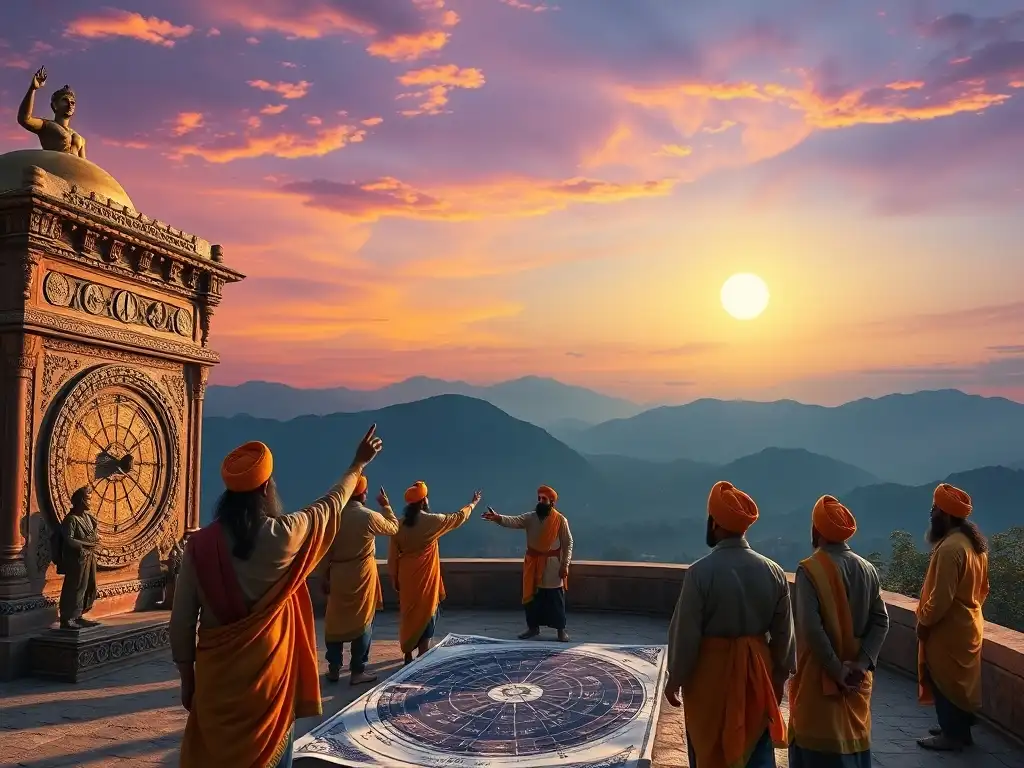
Welcome to Ancient India History, where we embark on an extraordinary journey through time to uncover the rich tapestry of ancient Indian civilizations. In this enlightening space, we delve deep into the insights of ancient Indian cosmology—an intriguing intersection of spirituality and science that continues to inspire modern physics.
As you explore our latest article, "Exploring the Cosmic Connection: Ancient Indian Cosmology and Modern Physics," prepare to be captivated by how the wisdom of the past informs our understanding of the universe today. Join us as we reveal the hidden connections and wisdom that await you in the pages of history!
-
Exploring Ancient Indian Cosmology Insights: A Bridge to Modern Physics
- Introduction to Ancient Indian Cosmology
- Key Concepts in Ancient Indian Cosmology
- Ancient Indian Cosmology and Its Scientific Relevance
- Case Studies: Ancient Indian Insights that Inspire Modern Science
- Modern Applications of Ancient Indian Cosmology Insights
- Conclusion: Bridging Ancient and Modern Perspectives
- References for Further Exploration
- Frequently Asked Questions
- Final Reflection: Bridging Ancient Wisdom and Modern Science
- Unveil the Depths of Cosmic Wisdom!
Exploring Ancient Indian Cosmology Insights: A Bridge to Modern Physics
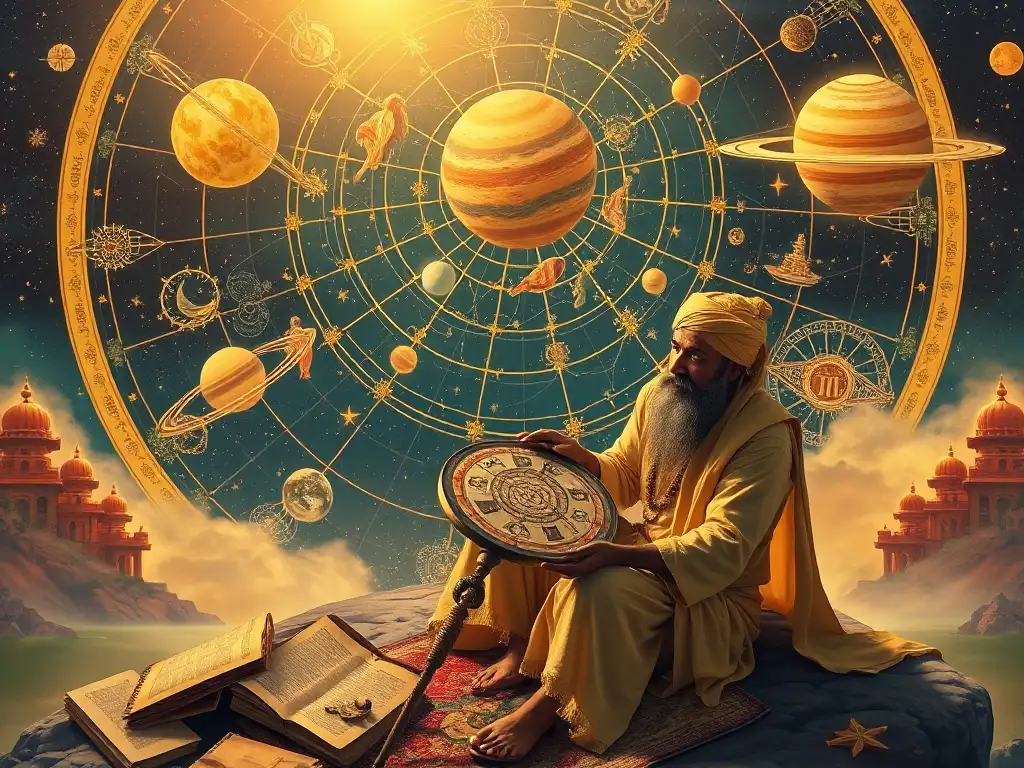
Exploring the intricate relationship between ancient Indian cosmology and modern physics reveals a fascinating tapestry of insights that continue to influence contemporary scientific thought. This article delves into the profound understanding of the universe as articulated by ancient Indian scholars, connecting these ancient insights with modern scientific paradigms.
By examining the cosmological frameworks established by civilizations such as the Indus Valley and the later Vedic traditions, we can appreciate the innovative spirit and intellectual depth of ancient Indian science. This exploration not only highlights the contributions of ancient Indian thinkers but also opens avenues for modern researchers to reconsider and perhaps integrate these perspectives into current scientific discourse.
Introduction to Ancient Indian Cosmology
Ancient Indian cosmology is a rich field of study that encompasses various philosophical, spiritual, and scientific dimensions. Rooted in texts such as the Vedas, Upanishads, and Puranas, it presents a unique worldview regarding the structure and origin of the universe. This cosmological perspective is characterized by a holistic understanding of existence, where the physical and metaphysical realms are interwoven.
The significance of ancient Indian cosmology extends beyond mere historical interest; it provides insights that resonate with modern scientific inquiries, particularly in areas like quantum physics and the nature of reality. By exploring these ancient insights, we can draw meaningful connections that may inspire future innovations and broaden our comprehension of the cosmos.
Key Concepts in Ancient Indian Cosmology
Ancient Indian cosmology is marked by several key concepts that reflect a sophisticated understanding of the universe. These concepts include:
- Cyclic Time: The notion that time is not linear but cyclical, comprising endless cycles of creation and destruction.
- Interconnectedness: The idea that all entities in the universe are interconnected, suggesting a holistic view of existence.
- The Infinite Universe: The belief in an ever-expanding universe that transcends human comprehension.
The Vedic Perspective on the Universe
The Vedic texts lay the foundation for ancient Indian cosmological thought, offering profound insights into the nature of the universe. According to the Rigveda, one of the oldest known texts, the universe is described as having emerged from a primordial chaos. This cosmic creation narrative aligns intriguingly with modern theories of the Big Bang, where the universe originates from a singular point.
The Vedas also introduce the concept of Brahman, the ultimate reality that is both the source and essence of the universe. This idea parallels contemporary discussions in physics regarding the fundamental nature of reality and consciousness, inviting scholars to explore potential intersections between these ancient beliefs and modern scientific theories.
The Philosophical Framework of Cosmology in Ancient India
Ancient Indian cosmology is deeply rooted in philosophical discourse, particularly in the schools of thought such as Samkhya, Vedanta, and Nyaya. These philosophies not only address the nature of the universe but also explore the relationship between the observer and the observed.
Key philosophical tenets include:
- Maya (Illusion): The concept that the material world is an illusion, leading to questions about the nature of reality.
- Purusha and Prakriti: The duality of the conscious self and the material nature, which mirrors modern discussions about observer effects in quantum mechanics.
This philosophical framework not only enriches our understanding of ancient cosmological insights but also encourages a re-evaluation of contemporary physics, suggesting that the pursuit of knowledge transcends disciplinary boundaries and time.
Ancient Indian Cosmology and Its Scientific Relevance
Ancient Indian cosmology presents a fascinating perspective on the universe that intertwines philosophy, spirituality, and observation. Rooted in texts such as the Vedas, Upanishads, and the Puranas, this cosmology offers a rich tapestry of ideas about the creation, structure, and the cyclical nature of the cosmos. The concepts of space (akasha), time (kala), and matter (prithvi) in ancient Indian thought resonate with modern scientific inquiries, particularly in physics and cosmology.
The ancient Indian worldview posits that the universe is not a static entity but is in a state of constant flux and transformation. This dynamic view aligns with contemporary theories that describe the universe as expanding. Moreover, ancient texts like the "Bhagavata Purana" and the "Mahabharata" delve into the idea of multiple worlds and dimensions, suggesting an early understanding of a multiverse, a concept that modern physicists are exploring through theories like string theory.
The scientific relevance of ancient Indian cosmology lies in its holistic approach, integrating the physical, metaphysical, and philosophical dimensions of existence. This perspective encourages a synthesis of science and spirituality, which is increasingly recognized as vital in contemporary scientific discourse.
Parallels Between Ancient Indian Cosmology and Modern Physics
The parallels between ancient Indian cosmology and modern physics are both intriguing and profound. One of the most striking similarities is the concept of the universe's cyclical nature. In ancient Indian thought, the universe undergoes vast cycles of creation and destruction, known as "kalpas," which can be likened to the modern understanding of cosmic cycles, such as the Big Bang and eventual decay theories.
Additionally, the idea of "Brahman" in Vedanta philosophy, representing the ultimate reality, resonates with modern physics' quest for a unified theory of everything. Both paradigms seek to understand the fundamental nature of reality, albeit through different methodologies.
Moreover, the ancient Indian concept of "Maya," or illusion, can be viewed in light of the quantum mechanics perspective, where particles exist in states of probability until observed. This philosophical insight underscores a shared recognition that reality is far more complex than it appears, challenging conventional perceptions and inviting deeper inquiry.
Cosmic Cycles: Time in Ancient Indian Thought
In ancient Indian thought, time is not merely a linear progression but a cyclical phenomenon. This cyclical concept is encapsulated in the idea of "Yugas," which are vast epochs that the universe experiences. According to Hindu cosmology, each cycle comprises four Yugas: Satya (truth), Treta, Dvapara, and Kali, each representing a decline in virtue and truth.
The cyclical nature of time suggests a rhythm to cosmic events, echoing modern theories of cosmology that describe the universe's expansion and contraction over astronomical timescales. The ancient Indian perspective on time encourages a view of existence as intrinsically interconnected, where past, present, and future are part of a grand, repeating tapestry.
This understanding of time has implications for various scientific fields, including astrophysics and cosmology, as it prompts questions about the nature of time itself and its role in the universe. It challenges scientists to rethink time not just as a linear metric but as a dimension that can be understood in more complex ways.
Case Studies: Ancient Indian Insights that Inspire Modern Science
Numerous case studies highlight how ancient Indian insights are inspiring modern scientific advancements. These examples illustrate the lasting impact of ancient wisdom on contemporary research and technological innovation.
The Influence of Ancient Indian Cosmology on Astrophysics
The principles of ancient Indian cosmology significantly influence contemporary astrophysics, particularly in understanding the cosmos's structure and origins. For instance, the ancient Indian text "Surya Siddhanta" presents theories about planetary motion and eclipses that align with modern astronomical observations.
Furthermore, the notion of the universe as a vast, interconnected web mirrors the principles of quantum entanglement, where particles remain connected regardless of distance. This ancient understanding of interconnectedness fosters a holistic approach to astrophysical research, emphasizing the need to understand phenomena in relation to the entire cosmos.
Indian Mathematics: The Foundation of Cosmological Calculations
Indian mathematicians made remarkable contributions that laid the groundwork for modern cosmological calculations. Figures like Aryabhata and Brahmagupta developed sophisticated mathematical concepts, including zero and the decimal system, which are critical for astronomical calculations.
These innovations facilitated accurate predictions of celestial events and helped shape the field of mathematics as it is known today. The precision and rigor of ancient Indian mathematics continue to influence contemporary mathematical frameworks used in astrophysics and cosmology.
By recognizing the significance of these ancient contributions, modern scientists can better appreciate the rich legacy of Indian thought and its enduring relevance in the exploration of the universe. The interplay between ancient insights and modern scientific advancements encourages a deeper understanding of both realms, fostering a dialogue that bridges the past and present.
Modern Applications of Ancient Indian Cosmology Insights
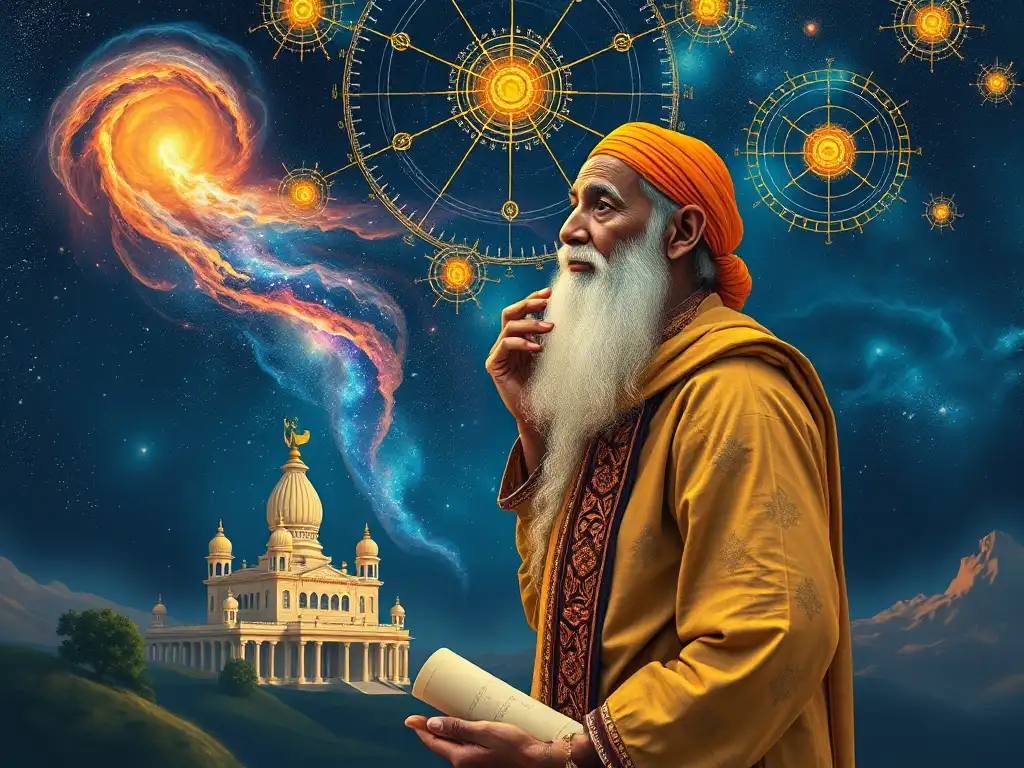
Ancient Indian cosmology, with its profound understanding of the universe, has transcended time and space, influencing various modern applications. The intricate philosophies underlying ancient Indian cosmology offer insights not only into the nature of existence but also into contemporary scientific inquiries. This ancient wisdom has laid the groundwork for several modern scientific explorations, particularly in fields such as astrophysics, environmental science, and sustainable technologies. By examining these ancient insights, we can derive innovative solutions that resonate with the principles of harmony and balance inherent in the cosmos.
Innovative Technologies Inspired by Ancient Wisdom
Innovative technologies today are increasingly being developed with roots in ancient Indian cosmological concepts. For instance, the idea of interconnectedness present in texts like the Vedas can be seen reflected in modern systems thinking, which emphasizes the relationships between different systems and their components. This perspective has inspired advancements in:
- Renewable Energy: The ancient understanding of nature's cycles informs modern approaches to renewable energy. Concepts such as solar energy harness the sun’s power, echoing the ancient reverence for celestial bodies.
- Architecture and Urban Planning: Traditional Indian architecture incorporates principles of Vastu Shastra, which align structures with cosmic forces. Modern sustainable architecture often draws from these principles to create energy-efficient buildings that harmonize with their environment.
- Agricultural Practices: Techniques such as organic farming and permaculture reflect ancient agrarian practices that emphasized soil health and biodiversity, aligning with the cosmic balance advocated in ancient texts.
These technologies not only showcase the relevance of ancient wisdom but also contribute to a more sustainable future, reinforcing the idea that modern innovation can benefit from historical insights.
The Role of Ancient Cosmology in Sustainable Development
Ancient Indian cosmology plays a pivotal role in promoting sustainable development by fostering a holistic understanding of the relationship between humanity and the universe. The teachings from texts like the Bhagavad Gita and the Upanishads emphasize the importance of living in harmony with nature, a principle that is critical in today's context of environmental crises.
- Ethical Frameworks: Ancient cosmological insights provide ethical frameworks that guide sustainable practices. The principle of Dharma encourages responsible stewardship of resources, ensuring that the needs of future generations are met without compromising the environment.
- Ecological Awareness: The cosmological view of the universe as a living organism promotes ecological awareness. This perspective is increasingly relevant as modern society seeks to mitigate climate change and promote biodiversity.
- Community Engagement: Ancient Indian communities thrived on collective responsibility towards nature. Modern sustainable development initiatives are now incorporating community engagement models inspired by these ancient practices, fostering a sense of ownership and accountability towards environmental conservation.
By integrating these ancient cosmological insights into contemporary practices, we can cultivate a more sustainable and equitable future, bridging the gap between past wisdom and present challenges.
Conclusion: Bridging Ancient and Modern Perspectives
The exploration of ancient Indian cosmology offers valuable insights that resonate with contemporary scientific inquiries and the pressing need for sustainable development. By embracing this rich heritage, modern society can develop innovative technologies and ethical frameworks that reflect the interconnectedness of all existence.
In bridging ancient and modern perspectives, we not only honor the wisdom of our ancestors but also pave the way for a future that respects the balance of nature and the cosmos. As we delve deeper into these ancient insights, the potential for transformative change in our understanding of the universe and our place within it becomes increasingly apparent. Thus, ancient Indian cosmology serves as both a guide and a source of inspiration for navigating the complexities of modern science and environmental stewardship.
References for Further Exploration
To deepen your understanding of ancient Indian cosmology and its connections to modern physics, here are some valuable resources that delve into both historical texts and contemporary interpretations:
-
Books
-
The Cosmic Dance: From the Vedas to the Present by A. K. Ramanujan
This book explores the evolution of cosmological thought in ancient India, emphasizing its literary and philosophical dimensions.
-
Indian Philosophy: A Very Short Introduction by Sue Hamilton
This concise guide provides insights into the philosophical underpinnings of Indian cosmology and its implications for modern science.
-
Cosmology in Ancient India by K. S. Shukla
Shukla’s work offers a comprehensive overview of various ancient texts that discuss cosmological ideas and their significance.
-
-
Research Articles
-
"The Intersection of Ancient Indian Cosmology and Modern Physics" in the Journal of Indian Philosophy
This article examines parallels between ancient cosmological concepts and contemporary scientific theories, offering a detailed analysis of both fields.
-
"Vedic Mathematics and Modern Science: A Study of Mathematical Concepts" published in Indian Journal of History of Science
This paper discusses how ancient Indian mathematical principles, rooted in cosmological thought, can be applied to modern scientific problems.
-
-
Documentaries and Lectures
- The Universe: Ancient Indian Perspectives - This documentary explores ancient Indian texts and their perspectives on the universe, featuring interviews with leading scholars.
- Lectures by Dr. Subhash Kak, a prominent historian and scientist, available on various educational platforms. His discussions often bridge ancient Indian science and modern physics, making complex ideas accessible.
-
Online Resources
- The website of the Indian Institute of Astrophysics often features articles and papers discussing the historical context of Indian astronomical knowledge and its relevance today.
- The Vedic Science portal provides access to ancient texts, commentaries, and modern interpretations, serving as a valuable resource for researchers and enthusiasts alike.
By engaging with these references, readers can gain a more profound insight into ancient Indian cosmology and appreciate its relevance to contemporary scientific discussions. The exploration of these texts not only enriches our understanding of the past but also illuminates the ongoing dialogue between ancient wisdom and modern scientific inquiry.
Frequently Asked Questions
What is ancient Indian cosmology?
Ancient Indian cosmology refers to the traditional understanding of the universe as developed in ancient Indian texts, including the Vedas and Upanishads, which describe the structure, creation, and laws of the cosmos.
How does ancient Indian cosmology relate to modern physics?
Ancient Indian cosmology offers insights that parallel concepts in modern physics, such as the nature of time, space, and the interconnectedness of the universe, inviting a dialogue between ancient wisdom and contemporary scientific theories.
What are some key texts that explore ancient Indian cosmology?
Key texts include the Rigveda, Upanishads, and the Mahabharata, which provide foundational ideas about the universe, including creation myths and philosophical discussions on existence and reality.
How did ancient Indian scholars contribute to the study of cosmology?
Ancient Indian scholars made significant contributions by developing mathematical concepts, such as the decimal system and theories of astronomy, which influenced both local and global scientific thought.
Why is it important to study ancient Indian cosmology today?
Studying ancient Indian cosmology today is essential because it not only enriches our understanding of cultural heritage but also enhances our grasp of philosophical and scientific concepts that remain relevant in discussions of the universe.
Final Reflection: Bridging Ancient Wisdom and Modern Science
The exploration of ancient Indian cosmology insights reveals a profound connection between the universe and our understanding of existence. As we delve into the intricate philosophies and scientific principles that have emerged from ancient texts, we find that these insights are not merely relics of the past; they resonate deeply with contemporary scientific inquiries. The parallels drawn between ancient wisdom and modern physics challenge us to reconsider the nature of reality and our place within it, urging us to embrace a holistic view of the cosmos.
Cultural narratives and scientific advancements are often seen as separate realms, yet the teachings of ancient Indian cosmology continue to influence our worldview today. The intricate concepts of time, space, and the interconnectedness of all beings echo in the theories of quantum physics and cosmology. As physicist Brian Greene once said, “The universe is a symphony of strings, and the mind of God is music resonating through that symphony.” This quote encapsulates the essence of how ancient insights can harmonize with modern scientific thought, inviting us to explore the universe's mysteries with a sense of wonder and reverence.
As you reflect on the themes presented in this article, I invite you to consider how these ancient Indian cosmology insights can enrich your understanding of the universe and your own life. Take a moment to ponder the interconnectedness of all things and how the wisdom of the past can guide us toward a more profound appreciation of the present. Let this exploration inspire you to seek knowledge beyond conventional boundaries, fostering a sense of curiosity that propels you into the future with an open heart and mind.
Unveil the Depths of Cosmic Wisdom!
Thank you for joining us on this journey through the fascinating intersection of ancient Indian cosmology and modern physics! We've explored incredible insights that bridge the wisdom of the past with today's scientific discoveries. Now, it’s time to take action and dive even deeper!
Here’s how you can further explore this cosmic connection:
- Join a local or online group focused on cosmology to discuss these extraordinary concepts and encounter fresh perspectives.
- Share this article with friends or on social media to raise awareness about the intriguing links between ancient knowledge and modern science.
- Consider practicing meditation inspired by ancient Indian philosophies, which may enhance your understanding of the universe.
What insights or connections have you discovered between ancient wisdom and modern science in your own life? We encourage you to share your thoughts below!