
From Ancient Texts to Modern Labs: The Evolution of Ayurvedic Medicine


Welcome to Ancient India History, where we embark on a fascinating journey through the rich tapestry of India's past. Here, we delve deep into the historical evolution of Ayurvedic medicine, tracing its roots from ancient texts to its transformative presence in modern laboratories. Discover how the wisdom of ancient Indian civilizations continues to inspire today's innovations in health and wellness. Are you ready to uncover the secrets that lie within this ancient practice? Let’s explore how Ayurveda has shaped not only medical traditions but also the very fabric of our understanding of well-being.

Introduction to Ayurvedic Medicine Historical Evolution
Ayurvedic medicine, one of the oldest systems of healthcare, has a rich tapestry woven through the annals of ancient Indian history. Rooted in texts that date back over 3,000 years, Ayurveda offers a holistic approach to health and wellness, emphasizing the balance between mind, body, and spirit. Its historical evolution reflects not only the advancements in medical knowledge but also a profound understanding of human nature and the environment.
As we delve into the journey of Ayurvedic medicine from ancient scripts to contemporary laboratories, we uncover a wealth of knowledge that has shaped modern healthcare practices. This exploration reveals how ancient wisdom is being integrated with modern science, creating innovative solutions that resonate with the needs of today’s society, and highlights the enduring relevance of Ayurvedic principles in an increasingly complex world.
Understanding Ayurveda: Foundations and Principles
What is Ayurveda?
Ayurveda, derived from the Sanskrit words "Ayur" (life) and "Veda" (knowledge), translates to "the knowledge of life." This ancient medical system originated in the Indian subcontinent and is recognized as one of the oldest holistic healing systems in the world. Ayurveda is not merely a collection of remedies; it encompasses a complete philosophy of living that promotes health and wellness through a harmonious balance of physical, mental, and spiritual aspects.
The practice of Ayurveda is based on the belief that health is influenced by an intricate connection between the body, mind, and environment. This holistic approach encourages individuals to seek balance and harmony within themselves and with the world around them. Ayurvedic practitioners utilize a variety of techniques, including herbal medicine, dietary recommendations, yoga, and meditation, to support the body's natural healing processes.
Key Concepts of Ayurveda
Understanding Ayurveda involves familiarizing oneself with its core principles, which are essential for grasping its historical evolution and contemporary application. Below are some of the key concepts:
- Doshas: Ayurveda identifies three primary life energies, or doshas—Vata, Pitta, and Kapha. Each dosha represents different physiological and psychological characteristics, and maintaining their balance is crucial for optimal health.
- Prakriti: This refers to an individual's unique constitution or inherent nature, determined by the dominant dosha at birth. Understanding one's prakriti is vital in creating personalized treatment plans.
- Sattva, Rajas, and Tamas: These three gunas (qualities) influence a person's mental state and behavior. Ayurveda promotes cultivating sattva (purity and harmony) while managing rajas (activity) and tamas (inertia) for mental well-being.
- Agni: Often referred to as "digestive fire," agni is a fundamental concept in Ayurveda, representing the body's ability to assimilate and transform food into energy. A balanced agni is essential for maintaining health.
- Ojas: This term denotes the essence of vitality and immunity. It is believed that a strong ojas leads to good health, while a weak ojas may result in illness.
These foundational concepts of Ayurveda not only illustrate the system's depth but also highlight its adaptability and relevance throughout history. As we continue to explore the evolution of Ayurvedic medicine, we will see how these ancient principles are being integrated into modern healthcare practices, paving the way for a new era of wellness.
Historical Milestones in Ayurvedic Medicine
Ayurvedic medicine, one of the oldest systems of medicine in the world, has a rich history marked by significant milestones that have shaped its evolution. The practice dates back over 5,000 years, originating in the Indian subcontinent. Key historical texts, such as the Vedas and later the Charaka Samhita and Sushruta Samhita, laid the foundations for Ayurvedic principles and practices. These texts not only outlined various treatments but also provided insight into the philosophy of health and disease, emphasizing a holistic approach to wellness.
Throughout history, Ayurveda has undergone various transformations influenced by cultural exchanges, invasions, and the integration of new knowledge. The establishment of universities and centers of learning during the ancient and medieval periods further contributed to the preservation and dissemination of Ayurvedic knowledge. As a result, Ayurveda became a comprehensive system encompassing various disciplines, including surgery, herbal medicine, and dietary practices.
Ancient Origins of Ayurvedic Practices
The origins of Ayurvedic medicine can be traced back to the ancient Indus Valley civilization, where archaeological findings suggest an advanced understanding of health and wellness. The term "Ayurveda" itself is derived from the Sanskrit words "Ayus," meaning life, and "Veda," meaning knowledge or science. This indicates that Ayurveda is fundamentally about the science of life.
The early practitioners of Ayurveda focused on the balance between the physical, mental, and spiritual aspects of health, emphasizing the importance of lifestyle, diet, and herbal remedies. Ancient texts like the Rigveda and Atharvaveda provide evidence of early medicinal practices and the use of natural substances for healing. These practices were initially passed down orally and later compiled into scriptures, forming the basis of Ayurvedic philosophy.
Development Through the Ages

As Ayurveda evolved, it assimilated knowledge from various cultures and civilizations. The arrival of Buddhism and the interaction with Greek medicine during the Hellenistic period enriched Ayurvedic practices. Notable figures such as Charaka and Sushruta emerged during this time, contributing significantly to the field. Charaka's work focused on internal medicine and the concept of "doshas," while Sushruta is often referred to as the father of surgery for his pioneering surgical techniques and instruments.
During the medieval period, Ayurveda faced challenges due to the rise of alternative medical systems and foreign invasions. However, it adapted and continued to thrive, with new texts being written and traditional practices being preserved in various regions. The Mughal era saw a blend of Ayurvedic and Unani practices, leading to the development of unique treatment modalities.
Transition from Ancient to Modern Understanding of Ayurveda
The transition from ancient to modern understanding of Ayurveda has been marked by a growing recognition of its relevance in contemporary healthcare. This period has been characterized by a dual challenge: the need to preserve traditional practices while integrating them into a rapidly advancing scientific framework.
The Impact of Colonialism on Ayurvedic Practices
Colonialism had a profound impact on Ayurvedic medicine, often leading to its marginalization in favor of Western medical practices. During British rule in India, Ayurveda was subjected to scrutiny and was often dismissed as unscientific. However, this period also saw the emergence of reform movements aimed at revitalizing traditional medicine. Prominent figures like Mahatma Gandhi and others advocated for the use of Ayurveda and encouraged its integration into the broader healthcare system.
Despite colonial challenges, Ayurveda persisted, and practitioners adapted to changing conditions. The establishment of Ayurvedic colleges and the formalization of Ayurvedic training programs in the late 19th and early 20th centuries played a crucial role in preserving this ancient knowledge.
Modern Scientific Validation of Ayurvedic Medicine
In recent decades, there has been a significant shift toward the scientific validation of Ayurvedic medicine. Research institutions and universities are increasingly conducting studies to explore the efficacy and safety of Ayurvedic treatments. Clinical trials and phytochemical analyses have begun to confirm the therapeutic properties of many Ayurvedic herbs and formulations.
Moreover, the World Health Organization (WHO) has acknowledged the importance of traditional medicine, including Ayurveda, in global health. This recognition has prompted increased funding and support for research, which is essential for integrating Ayurveda into modern healthcare systems. As a result, Ayurvedic medicine is gaining acceptance worldwide, offering valuable insights into holistic health approaches and preventive care.
The journey of Ayurvedic medicine from ancient texts to modern laboratories exemplifies a remarkable evolution that continues to unfold, bridging the gap between tradition and innovation.
Ayurvedic Products in Contemporary Healthcare
Ayurvedic medicine, with its roots in ancient Indian traditions, has found a significant place in contemporary healthcare. The increasing interest in holistic and natural health solutions has led to a resurgence of Ayurvedic products, which are now widely available in various forms. These products range from herbal remedies, dietary supplements, and essential oils to skincare items and wellness therapies. The growing awareness among people about the benefits of natural healing has facilitated the integration of Ayurvedic principles into modern health practices.
Moreover, the global market for Ayurvedic products is expanding, driven by a shift towards preventive healthcare and the desire for alternatives to conventional medicine. Many healthcare practitioners now recognize the value of Ayurveda, leading to collaborative practices where Ayurvedic approaches complement conventional treatments. This synergy not only enhances patient outcomes but also fosters a richer understanding of health that encompasses both body and mind.
Popular Ayurvedic Remedies and Their Benefits
Several Ayurvedic remedies have gained popularity due to their proven effectiveness and minimal side effects. Here are some noteworthy examples:
- Ashwagandha: Known for its adaptogenic properties, ashwagandha helps reduce stress and anxiety while boosting energy levels and improving overall vitality.
- Tulsi (Holy Basil): Revered for its medicinal qualities, tulsi supports immune function, aids digestion, and has anti-inflammatory properties that contribute to overall wellness.
- Turmeric: Containing curcumin, turmeric is celebrated for its anti-inflammatory and antioxidant benefits, making it a staple in both culinary and medicinal applications.
- Ginger: With its potent anti-nausea and digestive benefits, ginger is commonly used in Ayurvedic remedies to alleviate gastrointestinal discomfort.
- Triphala: This blend of three fruits is known for its detoxifying effects and is frequently used to promote digestive health and regularity.
These remedies exemplify the holistic approach of Ayurveda, emphasizing the balance of mind, body, and spirit to achieve optimal health.
The Rise of Ayurvedic Supplements
The demand for Ayurvedic supplements has surged in recent years, driven by a growing health-conscious population seeking natural alternatives to synthetic medications. These supplements are typically derived from herbs, plants, and minerals, formulated to support various health aspects such as immunity, digestion, and mental clarity.
The rise of e-commerce has also played a crucial role in the accessibility of Ayurvedic supplements, allowing consumers to explore and purchase products from a wide range of brands. Many Ayurvedic companies are now investing in quality assurance and scientific research to ensure the efficacy and safety of their products. This trend aligns with the global move towards transparency in health and wellness, providing consumers with reliable options that adhere to modern health standards.
Technological Innovations Inspired by Ayurveda
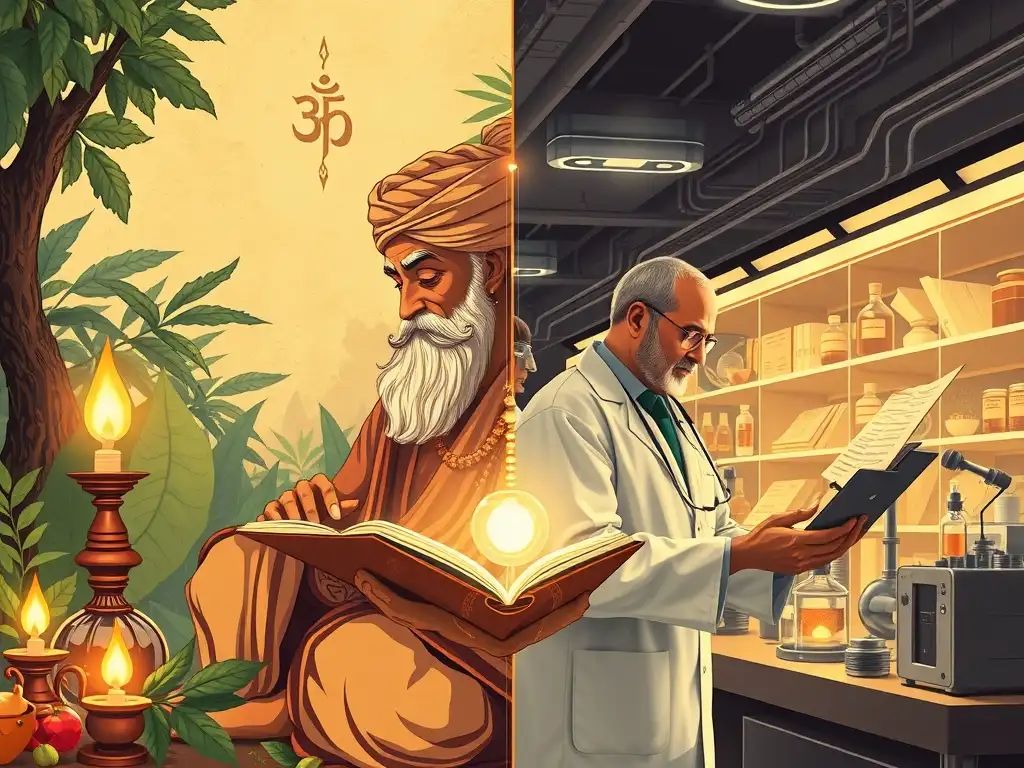
The intersection of technology and Ayurveda is paving the way for innovative solutions in health and wellness. As research into Ayurvedic medicine continues to evolve, various technological advancements are being embraced to enhance our understanding and application of ancient practices.
Modern Laboratories and Ayurvedic Research
Modern laboratories are increasingly equipped to conduct rigorous scientific studies on Ayurvedic formulations. Researchers are exploring the pharmacological properties of Ayurvedic herbs and their potential therapeutic applications. Advanced technologies such as chromatography and spectrometry are being utilized to analyze plant compounds, ensuring that Ayurvedic products meet contemporary scientific standards.
Furthermore, collaborations between Ayurvedic practitioners and scientists are fostering a more profound appreciation of how ancient wisdom can inform modern medicine. This research not only validates traditional practices but also opens doors to new discoveries that could lead to innovative treatments.
Integration of Ayurveda in Holistic Health Approaches
The integration of Ayurveda into holistic health approaches signifies a shift towards comprehensive well-being that transcends traditional medical paradigms. By focusing on the interconnectedness of physical, mental, and emotional health, Ayurveda complements various wellness practices, including yoga, meditation, and nutritional guidance.
This holistic perspective has gained traction among healthcare professionals, who recognize that addressing the root causes of health issues often requires a multifaceted approach. As a result, many integrative health clinics now offer Ayurvedic consultations alongside conventional treatments, providing patients with diverse options that cater to their unique health needs. The growing acceptance of Ayurveda as a legitimate and effective form of healthcare underscores its relevance in today's fast-paced world, where individuals are increasingly seeking balance and wellness.
Conclusion: The Future of Ayurvedic Medicine Historical Evolution
The historical evolution of Ayurvedic medicine is a testament to the resilience and adaptability of this ancient healing system. As we navigate through the complexities of modern healthcare, Ayurvedic principles continue to offer valuable insights into holistic health and wellness. The integration of Ayurveda into contemporary medical practices is not merely a revival of ancient knowledge; rather, it represents a synthesis of time-honored wisdom with cutting-edge scientific advancements.
Looking forward, the future of Ayurvedic medicine hinges on several key factors:
- Research and Validation: Continued scientific research is crucial to validate Ayurvedic practices and treatments through rigorous clinical trials. This will enhance credibility and acceptance within the broader medical community.
- Integration with Modern Medicine: The potential for integrative approaches that combine Ayurveda with conventional medicine could lead to more effective treatment protocols. Collaborative efforts between Ayurvedic practitioners and modern healthcare professionals can foster a more comprehensive understanding of patient care.
- Global Awareness and Education: As interest in alternative therapies grows worldwide, educational initiatives that promote Ayurvedic principles can enhance its accessibility and understanding. This could encourage a more balanced view of health that incorporates both preventive and therapeutic strategies.
- Sustainable Practices: The emphasis on natural ingredients and sustainable practices in Ayurveda aligns well with the global movement towards eco-friendly healthcare solutions. Embracing these principles can position Ayurveda as a leader in sustainable health.
- Technological Advancements: Leveraging technology to document, share, and innovate Ayurvedic practices will be vital. This could include the development of apps for personalized Ayurvedic consultations or online platforms for education and awareness.
Ayurvedic medicine's historical evolution demonstrates its enduring relevance and adaptability. As we continue to explore its vast potential, the integration of ancient wisdom with modern innovation promises a future where Ayurveda plays a pivotal role in global health and wellness.
References and Further Reading
- Charaka Samhita: One of the foundational texts of Ayurveda, focusing on the principles of diagnosis and treatment.
- Sushruta Samhita: Another critical text, particularly known for its contributions to surgical techniques and anatomy.
- Ayurveda: The Science of Self-Healing: by Dr. Vasant Lad: A comprehensive guide to understanding Ayurvedic principles and practices.
- The Complete Book of Ayurvedic Home Remedies by Dr. Vasant Lad: This book offers practical approaches to integrating Ayurveda into daily life.
- Ayurvedic Medicine: The Principles of Traditional Practice: by Sebastian Pole: A detailed examination of Ayurvedic practices in the context of modern healthcare.
- Research Articles and Journals: Various peer-reviewed journals publish studies on the efficacy and application of Ayurvedic medicine, providing insights into modern scientific validation.
These resources serve as a foundation for further exploration into Ayurvedic medicine's historical evolution and its role in contemporary healthcare.
- Introduction to Ayurvedic Medicine Historical Evolution
- Understanding Ayurveda: Foundations and Principles
- Historical Milestones in Ayurvedic Medicine
- Ancient Origins of Ayurvedic Practices
- Development Through the Ages
- Transition from Ancient to Modern Understanding of Ayurveda
- Ayurvedic Products in Contemporary Healthcare
- Technological Innovations Inspired by Ayurveda
- Conclusion: The Future of Ayurvedic Medicine Historical Evolution
- References and Further Reading
Frequently Asked Questions
What is Ayurvedic medicine?
Ayurvedic medicine is an ancient healing system from India that emphasizes balance in the body's energies, known as doshas. It incorporates herbal remedies, dietary practices, and lifestyle choices.
How has Ayurvedic medicine evolved over time?
The evolution of Ayurvedic medicine spans thousands of years, integrating knowledge from ancient texts like the Vedas and Sushruta Samhita to modern scientific research and practices in healthcare today.
What are the key texts that document the historical evolution of Ayurveda?
Important texts include the Charaka Samhita and Sushruta Samhita, which outline diagnostic methods, treatments, and principles of health that form the foundation of Ayurvedic practices.
How does modern science view Ayurvedic medicine?
Modern science increasingly recognizes the potential of Ayurvedic medicine for holistic healing, leading to collaborations that explore its herbal formulations and therapeutic techniques within a scientific framework.
Why is understanding the historical evolution of Ayurveda important?
Understanding the historical evolution of Ayurveda provides insights into its cultural significance, traditional practices, and how it can complement contemporary healthcare approaches for improved well-being.
Final Reflection: The Timeless Journey of Ayurvedic Medicine
The historical evolution of Ayurvedic medicine is not just a relic of the past; it is a living testament to the enduring wisdom of holistic health practices. In an age where modern science often overshadows traditional knowledge, the principles of Ayurveda remind us of the profound connection between mind, body, and spirit. This ancient system, rooted in texts that date back thousands of years, continues to resonate with contemporary society, offering insights that are increasingly relevant in our quest for wellness.
Cultural and social landscapes are continually shaped by the philosophies we embrace, and Ayurvedic medicine stands as a beacon of holistic healing in a fragmented world. The resurgence of interest in natural remedies and preventive healthcare reflects a collective yearning for balance and harmony. As we navigate the complexities of modern life, the teachings of Ayurveda encourage us to return to our roots and prioritize our well-being. In the midst of movement and chaos, keep stillness inside of you.
– Deepak Chopra. This quote encapsulates the essence of Ayurveda, urging us to cultivate inner peace amidst external turmoil.
As you reflect on the insights gained from the evolution of Ayurvedic medicine, consider how these ancient practices can enrich your own life. Embrace the wisdom of Ayurveda by integrating its principles into your daily routine, fostering a deeper connection with yourself and the world around you.
The journey of Ayurvedic medicine is not merely a historical account; it is an invitation to explore a path of healing that is as relevant today as it was in ancient times. Let this knowledge inspire you to seek balance, nurture your health, and honor the timeless traditions that continue to guide us toward a harmonious existence.
Embrace the Wisdom of Ayurveda Today!
Thank you for taking the time to explore the fascinating journey of Ayurvedic medicine! You’ve uncovered not only its rich history but also its relevance in our modern lives. Now, it’s time to take the insights you've gained and turn them into actionable steps for your well-being.
Here’s how you can connect with Ayurveda and enhance your health journey:
- Start your Ayurvedic journey by incorporating a simple daily routine: wake up early, hydrate with warm water, and include at least one Ayurvedic spice, such as turmeric, in your meals.
- Explore traditional Ayurvedic resources: seek out books or documentaries that delve deeper into this ancient wisdom.
- Join a local or online Ayurveda community to share experiences and learn from others who are passionate about holistic health.
How will you integrate the timeless practices of Ayurveda into your life starting today?