
How Ayurvedic Nutritional Practices Are Influencing Modern Diet Trends

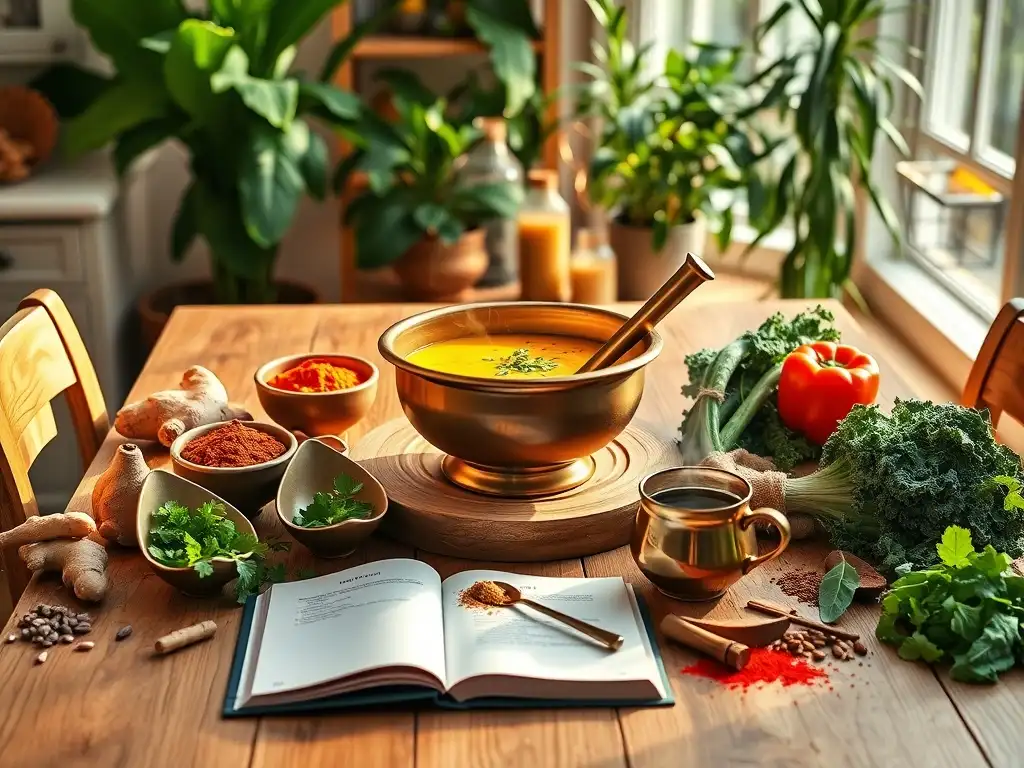
Welcome to Ancient India History, where we embark on a captivating journey through time, unraveling the rich tapestry of India's ancient civilizations. In our exploration today, we delve into the fascinating intersection of Ayurvedic nutrition and modern diets, revealing how the wisdom of the past continues to shape contemporary health trends. What ancient practices are inspiring today’s nutritional choices? Join us as we uncover the profound impact of Ayurvedic principles on modern dietary innovations, and discover how these time-honored traditions can transform your understanding of wellness. Prepare to be intrigued and inspired!

Introduction to Ayurvedic Nutrition and Modern Diets
Ayurvedic nutrition, rooted in the ancient Indian system of Ayurveda, is gaining momentum in contemporary dietary practices, offering holistic insights that resonate with modern health consciousness. This ancient wisdom emphasizes the balance of body, mind, and spirit, advocating for personalized diet plans tailored to individual constitutions or doshas. As the world increasingly turns towards natural and sustainable living, Ayurvedic principles are being integrated into modern diets, influencing choices in health, wellness, and nutrition.
The resurgence of interest in Ayurvedic nutrition can be attributed to several factors. Firstly, the growing awareness of the health risks associated with processed foods has led many to explore more natural alternatives. Secondly, the rise in chronic diseases and lifestyle-related health issues has prompted a quest for preventive and restorative dietary practices. Ayurvedic nutrition not only focuses on what to eat but also on how food is prepared, combined, and consumed, making it a comprehensive approach that aligns with the holistic health movement.
In this article, we will delve into the core principles of Ayurvedic nutrition and explore how these ancient dietary practices are shaping modern diets. By understanding the synergy between Ayurvedic practices and contemporary dietary trends, we can appreciate the profound impact of this ancient wisdom on our current food landscape.
The Core Principles of Ayurvedic Nutrition
Ayurvedic nutrition is based on several foundational principles that prioritize balance, individual needs, and the natural rhythms of life. Here are some of the core concepts:
-
The Three Doshas:
- Vata: Characterized by air and space; governs movement and communication.
- Pitta: Composed of fire and water; oversees digestion and metabolism.
- Kapha: Made of earth and water; represents structure and stability.
Understanding one's dosha is essential for tailoring dietary choices that promote balance and wellness.
-
Food as Medicine:
Ayurveda views food not merely as sustenance but as a vital component of health. Each ingredient is believed to have specific qualities and effects on the body, making the selection of foods a critical aspect of health management.
-
Seasonal Eating:
Emphasizing the importance of seasonal and local foods, Ayurvedic nutrition encourages individuals to adapt their diets according to environmental changes. This practice is believed to align the body with nature's rhythms, enhancing vitality and well-being.
-
Mindful Eating:
Mindfulness in eating involves paying attention to the sensory experiences of food, fostering a deeper connection with what we consume. This principle encourages individuals to savor their meals, facilitating better digestion and satisfaction.
-
Balancing the Six Tastes:
Ayurvedic texts highlight the significance of incorporating all six tastes—sweet, sour, salty, bitter, pungent, and astringent—into daily meals for optimal health and satisfaction. Each taste has specific effects on the body, and a balanced diet should include a variety of flavors.
By integrating these core principles into modern dietary practices, individuals can harness the wisdom of Ayurveda to create personalized, healthful eating patterns that resonate with their unique needs. This fusion of ancient knowledge and contemporary lifestyle choices is paving the way for a transformative approach to nutrition.
How Ayurvedic Practices Are Shaping Modern Diet Trends
Ayurvedic nutrition, deeply rooted in the ancient Indian tradition, is increasingly influencing contemporary dietary practices worldwide. This holistic approach emphasizes balance among the body, mind, and spirit, advocating for personalized nutrition based on individual constitution, or doshas (Vata, Pitta, and Kapha). As modern diets tend to lean towards one-size-fits-all solutions, the Ayurvedic model promotes customized meal plans that consider not only the physical but also emotional and environmental factors.
The resurgence of interest in natural and organic foods aligns seamlessly with Ayurvedic principles, which emphasize fresh, seasonal produce and whole foods. This shift is evident in the growing popularity of farm-to-table restaurants and the increased consumer demand for organic ingredients. By prioritizing sustainability and health, Ayurvedic practices encourage mindfulness in food choices, inspiring modern diets that focus on nutrient density and ethical sourcing.
Furthermore, the integration of Ayurvedic spices, such as turmeric, ginger, and cumin, into everyday cooking has gained traction. These spices are celebrated not only for their flavors but also for their medicinal properties, contributing to the trend of functional foods that offer health benefits beyond basic nutrition. The elevation of these ingredients demonstrates a shift towards a more holistic view of diet, one that recognizes the importance of food as medicine.
Ayurvedic Superfoods and Their Modern Applications
Ayurvedic superfoods, characterized by their high nutritional value and health benefits, have found a prominent place in modern diets. Ingredients such as ghee, amla (Indian gooseberry), and moringa are now being recognized not just in traditional contexts but also in contemporary health circles.
- Ghee: Once a staple in Indian kitchens, ghee is gaining popularity in the West for its nutritional profile, rich in butyrate and omega-3 fatty acids. It is praised for its digestibility and its role in promoting gut health.
- Amla: Known for its high vitamin C content and antioxidant properties, amla is being incorporated into supplements and health products aimed at boosting immunity and enhancing skin health.
- Moringa: Often referred to as a “miracle tree,” moringa is lauded for its nutrient density, containing high levels of vitamins A, C, and iron. Its leaves are being used in smoothies, teas, and health bars.
These superfoods are not only enhancing the nutritional quality of modern diets but are also being embraced by health enthusiasts and chefs alike, who incorporate them into innovative recipes. This fusion of Ayurvedic wisdom with modern culinary practices illustrates a growing trend towards integrative health approaches.
Comparing Ayurvedic Diets with Popular Modern Diet Trends

As the landscape of dietary practices evolves, comparing Ayurvedic nutrition with popular modern diets reveals both unique insights and overlapping philosophies.
Ayurvedic Nutrition vs. Veganism
Both Ayurvedic nutrition and veganism promote health and well-being, yet they diverge significantly in their foundational philosophies.
- Personalization: Ayurvedic diets emphasize individual constitution and balance, suggesting that not every person thrives on a strictly vegan diet. For many, incorporating animal products like ghee or dairy may be beneficial, depending on their dosha and digestive capacity.
- Food Variety: While veganism focuses on plant-based foods, Ayurvedic practices advocate for a diverse range of foods, including animal products, to ensure nutritional balance. This might include vegetarian or lacto-vegetarian diets that accommodate individual needs without entirely excluding animal sources.
While both approaches aim for health, Ayurvedic nutrition offers a more nuanced framework that considers individual differences, making it adaptable for various dietary preferences, including veganism.
Ayurvedic Nutrition vs. Paleo Diet
Ayurvedic nutrition and the Paleo diet diverge in their approach to food sources and health philosophy.
- Food Sources: The Paleo diet emphasizes the consumption of unprocessed meats, nuts, seeds, and vegetables, while Ayurvedic nutrition incorporates a wider array of foods, including grains, legumes, and dairy. This inclusivity allows for a more balanced intake of nutrients.
- Holistic Approach: Ayurvedic practices address not just what is eaten but also when and how food is consumed, focusing on digestion and the body’s needs at different times. The Paleo diet, on the other hand, is more rigid in its food selections and less focused on personal constitution.
In essence, while both diets promote whole, minimally processed foods, Ayurvedic nutrition's holistic and personalized approach provides a broader framework that can be tailored to individual health needs, making it an attractive option in the evolving dietary landscape.
Practical Tips for Incorporating Ayurvedic Nutrition into Modern Diets
Incorporating Ayurvedic nutrition into modern diets can be a transformative experience, promoting both health and well-being. Here are some practical tips to help you integrate these ancient practices into your daily routine:
- Understand Your Dosha: Ayurvedic medicine categorizes individuals into three primary doshas: Vata, Pitta, and Kapha. Identifying your dosha can guide your dietary choices. For instance, Vata types may benefit from warm, moist, and oily foods, while Pitta types may thrive on cooling foods like cucumbers and melons.
- Focus on Whole Foods: Emphasize whole, unprocessed foods that are locally sourced and seasonal. Incorporating fresh fruits, vegetables, whole grains, legumes, nuts, and seeds not only aligns with Ayurvedic principles but also supports modern nutritional needs.
- Mindful Eating: Practice mindfulness during meals by reducing distractions, chewing food thoroughly, and savoring each bite. This not only enhances digestion but also fosters a deeper connection with your food.
- Incorporate Spices: Ayurvedic cooking often utilizes spices for their health benefits. Turmeric, ginger, cumin, and coriander can enhance flavor and provide anti-inflammatory properties. Experiment with different spices in your cooking to discover what works best for your palate.
- Regular Meal Timing: Following a routine can help regulate your body’s digestive fire (Agni). Aim to eat meals at consistent times each day, ideally with breakfast at sunrise, lunch at noon, and a light dinner before sunset.
- Stay Hydrated with Herbal Teas: Instead of relying solely on water, incorporate herbal teas such as ginger, peppermint, or chamomile throughout the day. These can improve digestion and provide soothing benefits.
Case Studies: Success Stories of Ayurvedic Influences on Modern Diets
Several individuals and organizations have successfully integrated Ayurvedic principles into modern dietary practices, showcasing the effectiveness of these ancient techniques. Here are a few notable case studies:
- The Ayurvedic Restaurant Movement: A surge in Ayurvedic restaurants has emerged in urban areas, offering menus that highlight dosha-specific dishes. For example, the restaurant "Sattva" in New York City focuses on balancing Vata, Pitta, and Kapha through seasonal ingredients and mindful preparation. Customers have reported improved digestion and increased energy levels after adopting these dietary changes.
- Corporate Wellness Programs: Companies like Google and Intel have started incorporating Ayurvedic principles into their employee wellness programs. By providing Ayurvedic diet consultations and cooking classes, employees have experienced reduced stress and enhanced focus, leading to higher productivity.
- Personal Transformation Stories: Many individuals have shared their journeys of adopting Ayurvedic nutrition. A prominent case is that of Sarah, who struggled with digestive issues and fatigue. By tailoring her diet to her Pitta dosha, focusing on cooling foods, and integrating herbal teas, she saw significant improvements in her health over six months.
The Future of Ayurvedic Nutrition in Modern Healthcare
The future of Ayurvedic nutrition within modern healthcare looks promising as awareness of holistic health practices grows. Here are some key trends and developments that may shape this intersection:
- Increased Research and Validation: As the demand for complementary and alternative medicine rises, more clinical studies are being conducted to explore the efficacy of Ayurvedic nutrition. This research could lead to greater acceptance and integration of Ayurvedic practices within mainstream healthcare.
- Personalized Nutrition: Advances in technology and genetics are paving the way for personalized nutrition plans that align with individual doshas. This customized approach can enhance the effectiveness of dietary recommendations, ensuring that modern diets are tailored to the unique needs of each person.
- Integration in Medical Training: As healthcare professionals increasingly recognize the benefits of holistic approaches, Ayurvedic nutrition may become part of medical education. This could foster a more integrated model of healthcare, where nutrition and lifestyle play a crucial role in patient care.
- Collaboration with Nutritionists: Collaboration between Ayurvedic practitioners and registered dietitians may become more common, allowing for a blend of ancient wisdom and contemporary nutritional science. This partnership can enhance patient outcomes by providing a comprehensive approach to health and wellness.
- Global Influence: As globalization continues, Ayurvedic practices are likely to spread beyond India, influencing diet trends worldwide. This cross-cultural exchange can lead to innovative food products that combine Ayurvedic principles with modern dietary needs, appealing to a wider audience.
By understanding and embracing Ayurvedic nutrition, modern diets can evolve, promoting health and harmony in an increasingly busy world.
Conclusion: Embracing Ayurvedic Nutrition for a Balanced Modern Diet
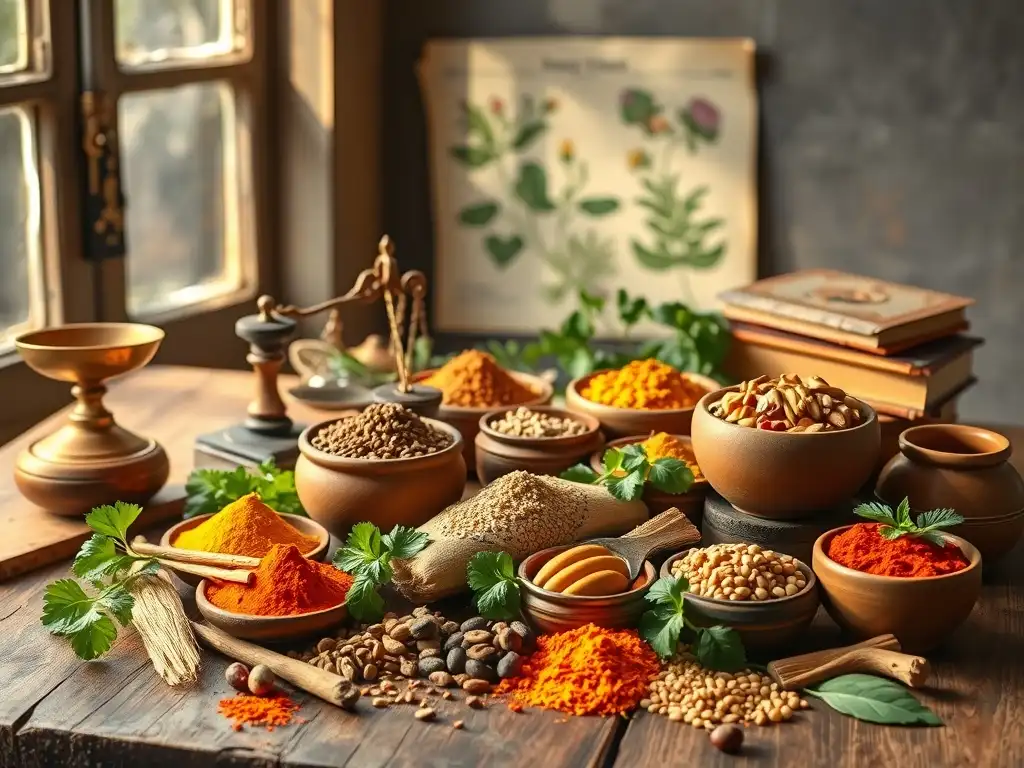
The integration of Ayurvedic nutritional practices into modern diets offers a holistic approach to health that emphasizes balance, harmony, and individual needs. As contemporary society faces numerous health challenges, such as obesity, stress, and chronic diseases, the principles of Ayurveda provide valuable insights into achieving well-being through natural and personalized dietary choices.
By focusing on the qualities of foods, their effects on the mind and body, and the importance of seasonal and regional eating, Ayurvedic nutrition encourages individuals to cultivate a deeper connection with their food. This not only enhances physical health but also supports mental clarity and emotional stability. As modern diets increasingly shift towards plant-based and whole-food principles, the teachings of Ayurveda resonate more than ever, promoting sustainable and health-conscious eating habits.
Adopting Ayurvedic nutrition can empower individuals to make informed dietary choices that align with their unique constitution (dosha), ultimately leading to improved vitality and longevity. As we continue to explore the intersections of ancient wisdom and contemporary health practices, embracing Ayurvedic nutrition may well be a transformative step toward a more balanced and fulfilling modern diet.
Recommended Resources and Products for Ayurvedic Nutrition
To help individuals dive deeper into Ayurvedic nutrition, several resources and products can enhance the understanding and application of these principles:
- Books:
- The Ayurveda Encyclopedia by Swami Sadashiva Tirtha: A comprehensive guide to Ayurvedic principles, including nutrition.
- Eat-Taste-Heal by Thomas Yarema, Daniel Rhoda, and Johnny Brannigan: A practical guide on how to use Ayurveda for healthy eating.
- Online Courses:
- The Ayurvedic Institute offers various courses on Ayurveda, including nutrition and lifestyle practices.
- The National Institute of Ayurveda provides online learning modules focused on dietary guidelines rooted in Ayurvedic principles.
- Supplemental Products:
- Herbal Supplements: Products like ashwagandha, triphala, and turmeric can enhance overall health and complement an Ayurvedic diet.
- Spices and Teas: Incorporating spices such as cumin, coriander, and ginger into daily meals can promote digestion and balance.
- Organic Oils: Using oils like ghee or coconut oil, known for their health benefits, can align with Ayurvedic cooking methods.
By utilizing these resources and products, individuals can better understand Ayurvedic nutrition and its potential to enhance modern diets.
Call to Action
Are you ready to transform your diet and embrace the wisdom of Ayurvedic nutrition? Start by exploring the resources mentioned above, and consider integrating Ayurvedic principles into your daily meals. Experiment with spices, prioritize whole foods, and listen to your body's unique needs to create a balanced and nourishing diet.
Join the growing community of individuals who are discovering the benefits of Ayurvedic practices in modern nutrition. Share your journey, experiences, and recipes with others who are passionate about health and well-being. Together, we can foster a deeper appreciation for the rich traditions of Ayurveda and its relevance in today's world. Start your journey towards a healthier, more balanced lifestyle today! 🌱
- Introduction to Ayurvedic Nutrition and Modern Diets
- The Core Principles of Ayurvedic Nutrition
- How Ayurvedic Practices Are Shaping Modern Diet Trends
- Ayurvedic Superfoods and Their Modern Applications
- Comparing Ayurvedic Diets with Popular Modern Diet Trends
- Practical Tips for Incorporating Ayurvedic Nutrition into Modern Diets
- Case Studies: Success Stories of Ayurvedic Influences on Modern Diets
- The Future of Ayurvedic Nutrition in Modern Healthcare
- Conclusion: Embracing Ayurvedic Nutrition for a Balanced Modern Diet
- Recommended Resources and Products for Ayurvedic Nutrition
- Call to Action
Frequently Asked Questions
What is Ayurvedic nutrition?
Ayurvedic nutrition is a holistic approach to eating that emphasizes balance in the body's doshas (energies). It incorporates seasonal and individual dietary needs to promote overall health and well-being.
How does Ayurveda influence modern diets?
Ayurvedic principles are increasingly being integrated into modern diets, focusing on personalized nutrition and the use of natural ingredients. This approach encourages mindful eating and the avoidance of processed foods.
What are the key principles of Ayurvedic nutrition?
Key principles include eating according to your dosha, understanding food's qualities (like taste and temperature), and focusing on fresh, whole foods. These principles promote a balanced and individualized dietary plan.
Can Ayurvedic practices help with weight management?
Yes, Ayurvedic practices can support weight management by promoting mindful eating and the consumption of nutrient-dense foods. It encourages a sustainable lifestyle change rather than quick fixes.
How can I incorporate Ayurvedic nutrition into my daily life?
To incorporate Ayurvedic nutrition, start by identifying your dosha, choose foods that balance it, and prioritize seasonal and local produce. Additionally, practicing mindful eating can enhance your overall experience.
Final Reflection: Embracing the Wisdom of Ayurvedic Nutrition in Modern Diets
Ayurvedic nutrition is not just an ancient practice; it is a powerful lens through which we can view our modern dietary choices. In a world increasingly obsessed with quick fixes and fad diets, the holistic principles of Ayurveda remind us of the importance of balance, individuality, and mindfulness in our eating habits. As we navigate the complexities of contemporary nutrition, the wisdom of Ayurveda offers a refreshing perspective that encourages us to reconnect with our bodies and the natural world around us.
The influence of Ayurvedic practices on modern diets is palpable, shaping not only how we eat but also how we think about food and wellness. As we witness a growing trend towards plant-based diets, mindful eating, and personalized nutrition, the core tenets of Ayurveda resonate deeply within these movements. When diet is wrong, medicine is of no use. When diet is correct, medicine is of no need.
This quote encapsulates the profound impact that our food choices have on our overall health, urging us to consider the deeper connections between what we consume and how we feel.
As you reflect on the insights shared in this article, I invite you to explore how Ayurvedic nutrition can enrich your own life. Consider incorporating its principles into your daily routine—whether it's through mindful eating, understanding your unique dosha, or embracing seasonal foods. Let this be a journey of self-discovery and nourishment, where you not only enhance your physical health but also cultivate a deeper awareness of the harmony between your body and the universe. The future of our diets may very well depend on our ability to integrate these timeless practices into our modern lives.
Embrace the Wisdom of Ayurveda for a Healthier You!
Thank you for diving into the transformative world of Ayurvedic nutritional practices with us! We hope you found valuable insights that inspire a healthier, more balanced lifestyle. Now it's time to take action and incorporate these timeless principles into your daily routine.
- Start your journey by incorporating a new Ayurvedic meal into your week: Experiment with a traditional dish and observe how it influences your well-being.
- Join a local community group focused on Ayurvedic practices: Sharing experiences and tips can enhance your understanding and commitment to this lifestyle.
- Explore herbal supplements that align with Ayurvedic principles: Research which herbs can support your specific health goals and use them thoughtfully.
What Ayurvedic practice or principle are you most excited to implement in your diet? Share your thoughts and experiences with us in the comments!