
The Global Impact of Ayurveda: Bridging Ancient Knowledge with Global Health

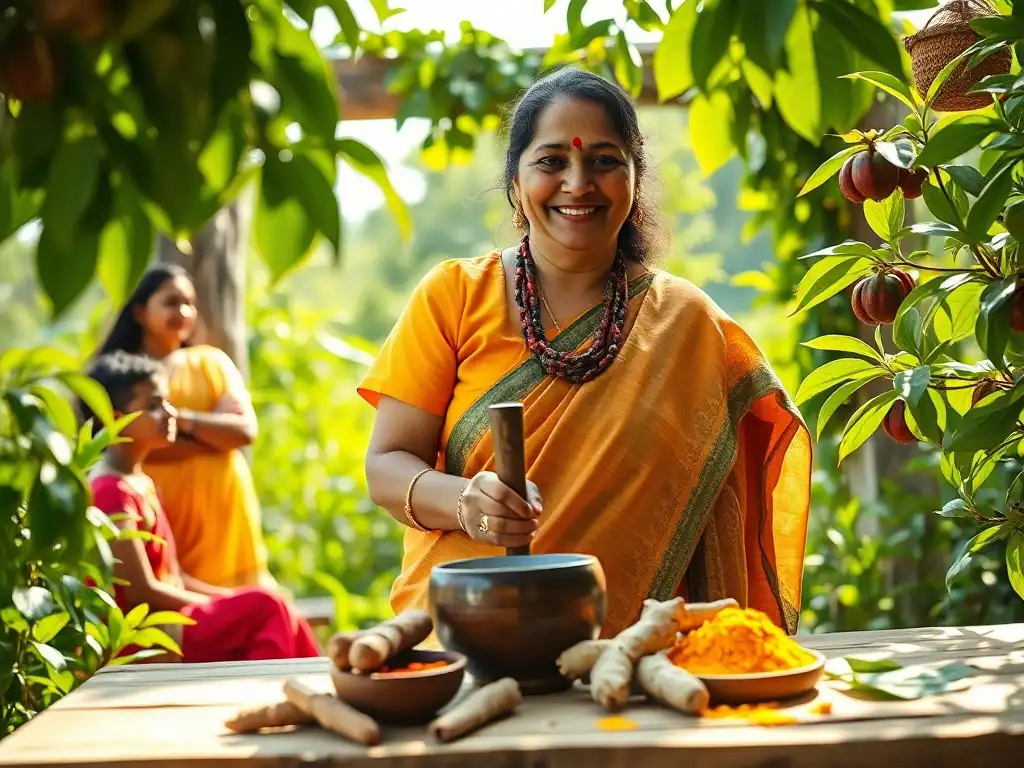
Welcome to Ancient India History, where we embark on a fascinating journey through the vibrant tapestry of India's past. Here, we delve into the rich and diverse history, culture, and remarkable contributions of ancient Indian civilizations, from the enigmatic Indus Valley to the illustrious Gupta Empire. In our featured article, “The Global Impact of Ayurveda: Bridging Ancient Knowledge with Global Health,” we explore the profound global health benefits of Ancient Ayurveda and its relevance in today's world.
Join us as we uncover how this ancient wisdom not only enhances well-being but also inspires modern health innovations. Your adventure into the past begins now—let’s dive deeper!
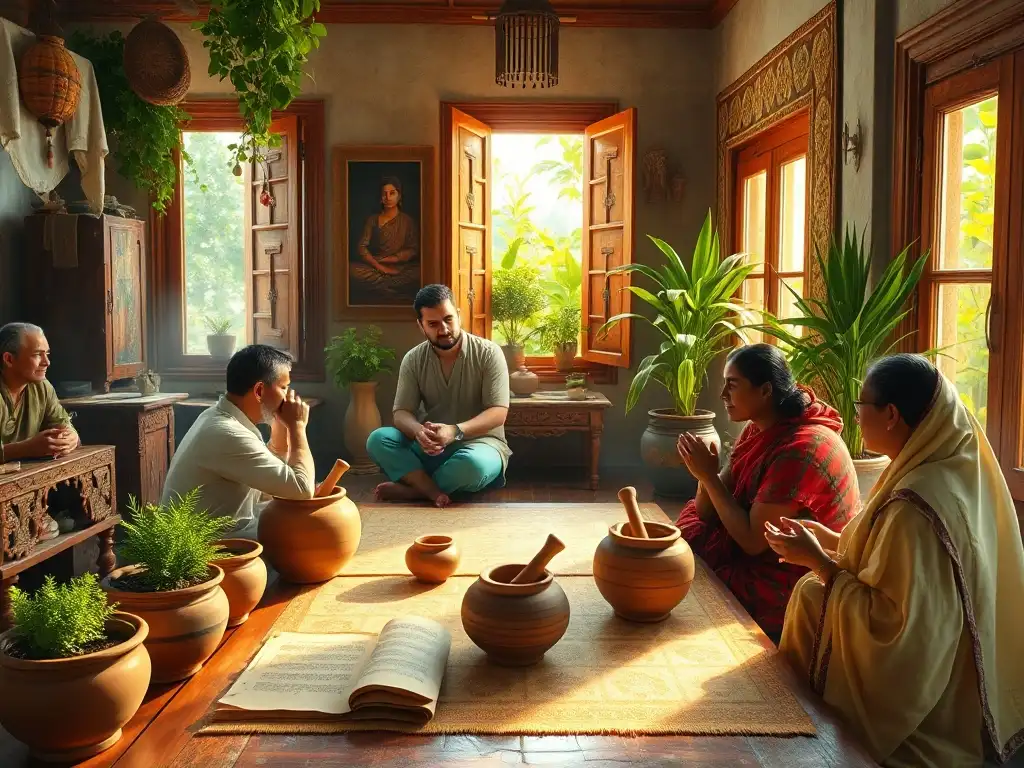
Ayurveda, a holistic healing system that originated in ancient India, has transcended its geographical and cultural boundaries to become a significant contributor to global health practices today. Rooted in a philosophy that emphasizes balance—between the body, mind, and spirit—Ayurveda offers a unique perspective on wellness that aligns with modern health paradigms advocating for preventive care and self-awareness.
As we delve into the rich tapestry of Ayurveda, we uncover not only its historical significance but also its ongoing relevance and application in contemporary healthcare systems worldwide. This exploration will reveal how ancient knowledge can bridge the gap between tradition and modernity, ultimately enriching global health practices.
Introduction to Ancient Ayurveda and Global Health
The term "Ayurveda" translates to "the science of life" (Ayur = life; Veda = science or knowledge). This ancient practice encompasses a comprehensive approach to health, focusing on the interplay between the physical, mental, and spiritual realms. Ancient Ayurveda is not merely a set of medical practices; it is a lifestyle philosophy that promotes harmony with nature and encourages individuals to take an active role in their health.
Today, as the world grapples with chronic diseases, stress-related disorders, and lifestyle-related health issues, the principles of Ayurveda offer valuable insights and remedies. From herbal medicines to dietary guidelines and mindfulness practices, Ayurveda’s holistic approach aligns seamlessly with modern wellness trends, making it increasingly relevant in global health discussions.
Historical Context of Ayurveda
Understanding the historical context of Ayurveda is crucial to appreciating its contributions to contemporary health systems. Originating over 3,000 years ago, Ayurveda is documented in ancient texts such as the "Charaka Samhita" and "Sushruta Samhita," which outline various treatment methodologies and herbal remedies.
Key Historical Developments:
- Indus Valley Civilization (c. 2500-1500 BCE): Archaeological findings suggest that early forms of Ayurvedic practices were present during this period, focusing on medicinal plants and natural healing.
- Vedic Period (c. 1500-500 BCE): Ayurveda became more structured, with the compilation of Vedic texts that described health, disease, and the importance of balance.
- Gupta Empire (c. 320-550 CE): Often regarded as the golden age of Ayurveda, this era witnessed significant advancements in surgical techniques and the establishment of medical schools that emphasized systematic teaching of Ayurvedic principles.
The enduring legacy of Ayurveda is evident in its principles, which prioritize prevention over cure, highlighting the importance of a balanced lifestyle and natural remedies. As we delve deeper into the global impact of Ayurveda, it becomes clear that this ancient wisdom is not just a relic of the past but a vital resource for modern health and well-being.
Core Principles of Ayurveda
Ayurveda, often referred to as the "science of life," is an ancient Indian system of medicine that emphasizes a holistic approach to health and well-being. Its core principles are rooted in balancing the body, mind, and spirit to achieve optimal health. Central to Ayurveda are the concepts of doshas, dhatus, malas, and the five elements ( pancha mahabhuta).
- Doshas: These are the three vital energies that govern physiological and psychological processes. They include Vata (air and space), Pitta (fire and water), and Kapha (earth and water). Each individual has a unique combination of these doshas, influencing their health and personality.
- Dhatus: Referring to the seven bodily tissues (such as blood, muscle, and bone), dhatus are essential for the body's structural integrity and function. Ayurveda asserts that the health of these tissues depends on proper digestion and nutrient assimilation.
- Malas: These are the waste products of the body, including urine, feces, and sweat. Effective elimination of malas is crucial to maintain health and prevent disease.
- Five Elements: Ayurveda is based on the belief that everything in the universe, including the human body, is made up of five elements: earth, water, fire, air, and space. The balance of these elements within an individual is essential for health.
By understanding and applying these principles, Ayurveda provides a framework for diagnosing and treating ailments, promoting a lifestyle that fosters well-being and longevity.
Modern Applications of Ayurveda in Global Health
In recent years, Ayurveda has gained recognition globally for its potential contributions to modern healthcare. With an increasing interest in holistic and natural health solutions, Ayurveda offers a wealth of knowledge that complements contemporary medical practices.
- Preventive Healthcare: Ayurveda's emphasis on prevention through balanced living, diet, and lifestyle aligns with the growing focus on preventive healthcare in modern medicine. By addressing the root causes of health issues rather than merely treating symptoms, Ayurveda promotes long-term wellness.
- Chronic Disease Management: Conditions such as diabetes, arthritis, and heart disease have seen traditional Ayurvedic remedies incorporated into treatment plans. Practices like dietary adjustments, herbal supplements, and detoxification therapies contribute to managing these chronic conditions effectively.
- Mental Health: The integration of Ayurvedic practices such as meditation, yoga, and herbal treatments has been linked to improved mental health outcomes. These practices not only reduce stress but also enhance overall psychological well-being.
- Global Research Initiatives: Various research institutions worldwide are exploring Ayurvedic practices and their efficacy. This research aims to validate ancient practices through modern scientific methods, bridging the gap between traditional and contemporary healthcare.
Integrating Ayurveda with Western Medicine

The integration of Ayurveda with Western medicine is gaining traction as healthcare practitioners seek to provide comprehensive care that addresses both physical and mental health. This integration can take several forms:
- Collaborative Practices: Many healthcare facilities are now employing Ayurvedic practitioners alongside conventional medical professionals. This collaborative approach allows for a more nuanced understanding of patient care, incorporating both Ayurvedic diagnostics and treatments with Western medical interventions.
- Personalized Treatment Plans: Ayurveda’s focus on individuality complements the personalized medicine movement in Western healthcare. By considering the patient's unique constitution and lifestyle, practitioners can create tailored treatment plans that enhance healing and recovery.
- Education and Training: There is a growing trend in medical education to include Ayurvedic principles in the curriculum. By educating future healthcare providers about Ayurveda, they can better understand its potential benefits and applications in patient care.
- Patient Awareness: As patients become more informed about their health options, they are increasingly interested in exploring Ayurvedic treatments. This demand encourages healthcare providers to consider holistic approaches alongside traditional treatments.
Popular Ayurvedic Products for Health and Wellness
The popularity of Ayurvedic products has surged globally, with many individuals seeking natural alternatives for health and wellness. Some of the most sought-after Ayurvedic products include:
- Herbal Formulations: Products like Chyawanprash (a herbal jam rich in antioxidants) and Ashwagandha (known for its adaptogenic properties) have become staples for boosting immunity and reducing stress.
- Essential Oils: Ayurvedic essential oils, such as Brahmi for cognitive enhancement and Tulsi for respiratory health, are widely used in aromatherapy and personal care products.
- Teas and Infusions: Ayurvedic herbal teas, like Triphala and Tulsi tea, are consumed for their detoxifying and health-promoting properties, gaining popularity among health-conscious consumers.
- Skincare Products: Ayurvedic skincare products that utilize natural ingredients, such as Neem and Turmeric, are favored for their effectiveness in promoting skin health and addressing various skin issues.
- Dietary Supplements: Supplements that incorporate Ayurvedic herbs and minerals are increasingly available, appealing to those looking to enhance their overall health through natural means.
The rise of these products reflects a growing acceptance and appreciation of Ayurvedic wisdom in a modern context, underlining its relevance in today’s global health landscape.
The Global Rise of Ayurvedic Practices
The rise of Ayurvedic practices on a global scale reflects a growing interest in holistic health approaches that prioritize prevention and well-being. Originating over 5,000 years ago in ancient India, Ayurveda emphasizes a balance between the body, mind, and spirit. In recent decades, there has been a significant expansion of Ayurveda beyond its traditional borders, particularly in Western countries. This movement is marked by the establishment of numerous Ayurvedic clinics, wellness centers, and educational institutions worldwide, which aim to disseminate the wisdom of this ancient system.
The increasing awareness of the limitations of conventional medicine, especially in managing chronic conditions, has catalyzed a shift towards alternative healthcare options, including Ayurveda. Many individuals seek natural remedies and lifestyle changes that Ayurveda promotes, such as dietary modifications, herbal treatments, and mindfulness practices. As a result, there has been a surge in the demand for Ayurvedic products, including herbal supplements, oils, and beauty products, which are now widely available in international markets.
Moreover, the integration of Ayurvedic principles into wellness tourism has further propelled its global recognition. Countries like India, Sri Lanka, and Nepal have developed Ayurvedic retreats that attract international visitors looking for authentic experiences in holistic healing. This trend not only enhances cultural exchange but also contributes to the preservation and promotion of Ayurvedic knowledge globally.
Ayurveda's Influence on Global Health Trends
Ayurveda's holistic approach is increasingly influencing global health trends, particularly in areas such as preventive healthcare, stress management, and lifestyle diseases. The principles of Ayurveda advocate for personalized treatment plans, which resonate with the growing demand for tailored healthcare solutions. Consumers are increasingly looking for alternatives that address not just symptoms but the root causes of ailments.
In recent years, studies and research have begun to substantiate the efficacy of Ayurvedic practices in various health domains. For instance, Ayurvedic herbs like Ashwagandha and Turmeric have gained traction for their anti-inflammatory and adaptogenic properties. As scientific validation emerges, these natural remedies are being incorporated into modern healthcare practices, thereby bridging the gap between ancient wisdom and contemporary health solutions.
Furthermore, the rise of digital health platforms has facilitated the dissemination of Ayurvedic knowledge. Online courses, webinars, and telemedicine services are making Ayurveda accessible to a global audience, allowing individuals to learn about its benefits and apply them to their daily lives. This accessibility is fostering a more informed consumer base that is keen on exploring the health benefits of Ayurveda.
Challenges and Opportunities for Ayurveda in the Global Market
While Ayurveda enjoys a growing presence in the global market, it faces several challenges that need to be addressed to maximize its potential. One of the primary issues is the lack of standardized practices and regulatory frameworks governing Ayurvedic products. This can lead to variability in quality, efficacy, and safety, which may deter potential consumers. Establishing regulatory standards and certification processes is essential to build trust and credibility in Ayurvedic offerings.
Another challenge is the perception of Ayurveda as a fringe or alternative therapy. Despite its ancient roots and demonstrated efficacy, Ayurveda often competes with well-established modern medical practices. Educating the public about the scientific basis of Ayurvedic principles and their relevance to contemporary health issues is crucial for overcoming this perception.
On the opportunity front, there is a burgeoning interest in natural and organic products, driven by a global shift towards sustainability and wellness. Ayurveda, with its reliance on natural ingredients and holistic practices, aligns perfectly with this trend. Companies that effectively market Ayurvedic products by highlighting their sustainability and health benefits can capture a significant share of the health and wellness market.
Additionally, strategic collaborations between Ayurvedic practitioners and modern healthcare professionals can facilitate the integration of Ayurvedic principles into conventional health systems. Such partnerships could enhance patient care and broaden the acceptance of Ayurveda in mainstream medicine.
Consumer Awareness and Education on Ayurveda

Consumer awareness and education play a pivotal role in the global acceptance and integration of Ayurveda into health and wellness practices. As individuals become more proactive about their health, understanding the principles of Ayurveda can empower them to make informed choices regarding their wellness journeys. Educational initiatives are essential in dispelling myths and misconceptions surrounding Ayurvedic practices.
Various organizations and institutions are now offering workshops, online courses, and publications aimed at educating consumers about Ayurvedic concepts, dietary practices, and lifestyle modifications. These resources often emphasize the importance of individual constitution (Prakriti) and how it influences health and wellness strategies. By providing accessible information, consumers can better navigate their options and understand how Ayurveda can complement their health goals.
Social media and digital marketing have also emerged as powerful tools for promoting Ayurveda. Influencers and wellness advocates share their personal experiences with Ayurvedic products and practices, creating a community of informed consumers who are eager to explore these ancient methods. This trend not only enhances awareness but also fosters a sense of trust and authenticity within the Ayurvedic community.
As consumer interest in holistic health continues to grow, the demand for Ayurvedic education will likely increase. By prioritizing educational outreach and fostering a deeper understanding of Ayurveda, stakeholders can create a more informed consumer base that appreciates the global health benefits of this ancient practice.
Conclusion: The Future of Ayurveda in Global Health
As we look towards the future, the integration of Ancient Ayurveda into global health systems presents both challenges and opportunities. The growing interest in holistic and preventive healthcare aligns with Ayurveda's core principles, which emphasize balance, natural remedies, and individualized treatment plans. With an increasing number of people seeking alternatives to conventional medicine, Ayurveda can play a pivotal role in addressing chronic diseases, stress management, and overall well-being.
The future of Ayurveda in global health will hinge on several factors:
- Research and Validation: Continued scientific research to validate Ayurvedic practices and remedies is crucial. Clinical trials and studies can provide the evidence needed to gain acceptance in the mainstream medical community. This will not only enhance credibility but also facilitate collaboration between Ayurvedic practitioners and conventional healthcare providers.
- Education and Awareness: Educating both practitioners and patients about the fundamentals of Ayurveda is essential. Awareness campaigns that highlight the benefits of Ayurvedic practices can drive interest and understanding, promoting a more harmonious integration of ancient wisdom with modern medical practices.
- Regulatory Framework: Establishing a regulatory framework for Ayurvedic products and practitioners will ensure standardization and quality control. This is vital for consumer safety and can help mitigate concerns regarding the efficacy and safety of Ayurvedic treatments.
- Global Collaboration: The future of Ayurveda will also depend on international collaboration. By sharing knowledge and best practices among countries, Ayurveda can be adapted to meet diverse health needs while maintaining its authenticity. This global dialogue can foster innovation and adaptation, ensuring Ayurveda remains relevant in a rapidly changing healthcare landscape.
The future of Ayurveda in global health is promising. With the right approach—rooted in respect for ancient traditions and informed by modern science—Ayurveda can contribute significantly to global health, offering holistic solutions that resonate with contemporary wellness movements.
Call to Action
As we navigate this exciting journey of integrating Ancient Ayurveda into global health, it is essential for individuals, healthcare practitioners, and policymakers to engage actively. Here are some ways you can contribute:
- Explore Ayurvedic Practices: Consider incorporating Ayurvedic principles into your daily routine. Whether through dietary changes, herbal remedies, or mindfulness practices, small steps can lead to significant health improvements.
- Support Research Initiatives: Advocate for and support research initiatives that explore the efficacy of Ayurvedic treatments. Your involvement can help elevate Ayurveda's status in the global health conversation.
- Educate Others: Share your knowledge and experiences with Ayurveda with friends and family. Awareness and education are key to fostering a more comprehensive understanding of its benefits.
- Engage with Practitioners: Consult qualified Ayurvedic practitioners to gain personalized insights and treatment plans that align with your health goals.
- Follow Developments: Stay informed about advancements in Ayurvedic research and its applications in modern healthcare. Engaging with communities and resources dedicated to Ayurveda can enhance your understanding and appreciation of this ancient wisdom.
Let us work together to bridge the gap between ancient knowledge and modern health practices, ensuring that the benefits of Ayurveda are recognized and utilized globally! 🌍✨
- Introduction to Ancient Ayurveda and Global Health
- Historical Context of Ayurveda
- Core Principles of Ayurveda
- Modern Applications of Ayurveda in Global Health
- Integrating Ayurveda with Western Medicine
- Popular Ayurvedic Products for Health and Wellness
- The Global Rise of Ayurvedic Practices
- Consumer Awareness and Education on Ayurveda
- Conclusion: The Future of Ayurveda in Global Health
- Call to Action
Frequently Asked Questions
What is Ayurveda and its significance in ancient Indian civilizations?
Ayurveda is an ancient system of medicine that originated in India over 3,000 years ago. It emphasizes a holistic approach to health, integrating mind, body, and spirit for overall well-being.
How does Ayurveda contribute to global health today?
Ayurveda offers natural remedies and practices that promote wellness and balance, making it relevant in today's health landscape. Its principles are increasingly recognized for their preventive health benefits.
What are some key principles of Ayurveda?
The key principles of Ayurveda include the concepts of doshas, the five elements, and the importance of lifestyle choices. These concepts guide individuals in achieving balance and harmony in their lives.
Can Ayurveda be integrated with modern medicine?
Yes, Ayurveda can complement modern medicine by providing holistic treatments and lifestyle modifications. Many practitioners advocate for a integrative approach that combines both systems for enhanced health outcomes.
What global health benefits are associated with Ayurveda?
Ayurveda is known for its potential to support mental clarity, improve digestion, enhance immunity, and promote overall well-being. Its practices, such as yoga and herbal treatments, have gained popularity worldwide for their health benefits.
Final Reflection: Embracing Ancient Wisdom for Global Health
The relevance of ancient Ayurveda in today's world cannot be overstated; it serves as a powerful reminder of how traditional knowledge can inform modern health practices. As we navigate the complexities of contemporary health challenges, the principles of Ayurveda offer holistic solutions that resonate with our innate desire for balance and well-being. The integration of these time-tested practices into global health initiatives is not just beneficial—it's essential for fostering a more comprehensive understanding of health.
The influence of Ayurveda extends far beyond its origins in India; it has woven itself into the fabric of global health discourse. As more individuals and healthcare professionals seek alternatives to conventional medicine, the wisdom of Ayurveda provides a refreshing perspective on wellness that emphasizes prevention, balance, and self-care. In the midst of movement and chaos, keep stillness inside of you.
This quote encapsulates the essence of Ayurvedic philosophy, reminding us that amidst the noise of modern life, the pursuit of inner peace and health is paramount.
As you reflect on the insights shared in this article, consider how you can incorporate the principles of Ayurveda into your daily life. Whether it's through mindful eating, embracing natural remedies, or prioritizing mental well-being, each small step contributes to a larger movement towards holistic health. Let us honor the ancient wisdom of Ayurveda by applying its teachings in our lives and advocating for its integration into global health practices. Together, we can bridge the gap between ancient knowledge and modern health, creating a healthier world for generations to come.
Embrace the Wisdom of Ayurveda Today!
Thank you for exploring the fascinating intersection of Ayurveda and global health! Your interest in this ancient knowledge is the first step toward making a meaningful impact on your well-being and beyond. Now, let's take practical steps to incorporate these insights into your life.
- Start your Ayurvedic journey: Begin by establishing an Ayurvedic daily routine. This can include simple practices such as oil pulling and enjoying herbal teas.
- Share your newfound knowledge: Engage in discussions with friends or family, or share your experiences on social media to spread awareness about the benefits of Ayurveda.
- Join a community: Look for local workshops or online forums where you can connect with others who share your passion for holistic health.
What aspect of Ayurveda are you most excited to explore further in your life?