
How Ancient Indian Trade Influenced Art and Architecture

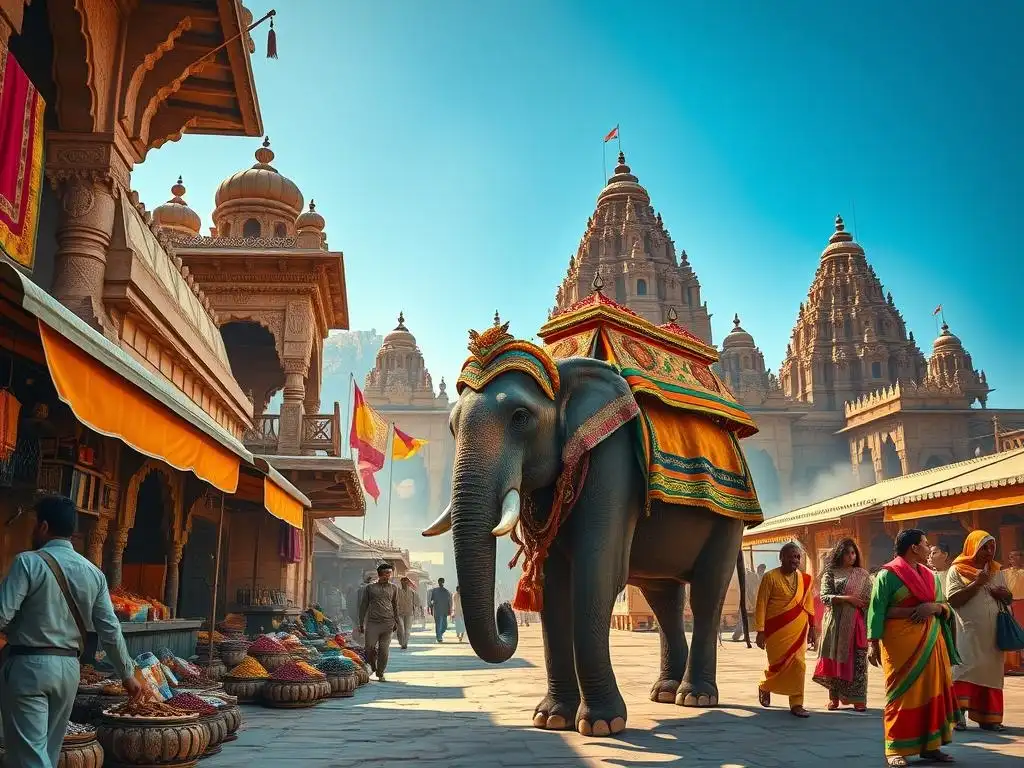
Welcome to Ancient India History, where we embark on a fascinating journey through the vibrant tapestry of ancient Indian civilizations. Have you ever wondered how the intricate art and stunning architecture of this era were shaped by trade? In our featured article, "How Ancient Indian Trade Influenced Art and Architecture," we delve deep into the interconnected world of commerce and creativity, unveiling the powerful impact of trade on cultural expression.
Join us as we explore the echoes of the Indus Valley to the grandeur of the Gupta Empire, and discover the remarkable legacy that continues to inspire. Your exploration of ancient India's rich heritage starts here!
- Introduction to Ancient Indian Trade and Its Impact on Art and Architecture
- Major Trade Routes of Ancient India
- Key Commodities Traded in Ancient India
- Influence of Trade on Ancient Indian Art
- Influence of Trade on Ancient Indian Architecture
- The Role of Religion and Philosophy in Trade Art and Architecture
- Conclusion: The Lasting Legacy of Ancient Indian Trade on Art and Architecture
- References and Further Reading
-
Frequently Asked Questions
- What is the significance of ancient Indian trade in relation to art and architecture?
- How did trade routes impact the development of art in ancient India?
- What role did the Indus Valley Civilization play in ancient Indian trade?
- How did the Gupta Empire contribute to the evolution of ancient Indian architecture?
- What are some examples of ancient Indian architecture influenced by trade?
- Final Reflection: The Enduring Legacy of Ancient Indian Trade on Art and Architecture
- Unveil the Legacy of Ancient Trade!
Introduction to Ancient Indian Trade and Its Impact on Art and Architecture
Ancient Indian trade was a vital conduit for the exchange of goods, ideas, and cultures, profoundly influencing the artistic and architectural landscape of the region. From the bustling markets of the Indus Valley Civilization to the thriving trade routes during the Gupta Empire, trade played a crucial role in the evolution of art and architecture across ancient India.
The interaction between various cultures along trade routes, such as the Silk Road and maritime routes to Southeast Asia, facilitated not only the exchange of commodities but also the blending of artistic styles, architectural innovations, and religious influences. This article delves into how ancient Indian trade shaped the arts and architecture, revealing the intricate connections between commerce and creativity.
Overview of Ancient Indian Trade
Ancient Indian trade can be traced back to the Indus Valley Civilization (circa 3300–1300 BCE), where evidence of sophisticated urban planning and commerce has been uncovered. Key trade goods included textiles, spices, precious stones, and metalwork. The establishment of trade routes, both overland and maritime, allowed for the exchange of these commodities with distant lands, including Mesopotamia, Egypt, and China.
- Major Trade Goods:
- Spices (e.g., pepper, cardamom)
- Textiles (e.g., cotton, silk)
- Precious metals and stones (e.g., gold, diamonds)
- Agricultural products (e.g., rice, wheat)
These trade routes fostered cultural exchanges that would leave lasting impacts on Indian art and architecture, as artisans were exposed to varied styles and techniques from foreign lands.
Importance of Trade in Ancient Civilizations
Trade was not merely a means of economic sustenance; it was instrumental in shaping societal structures and cultural identities in ancient civilizations. The wealth generated from trade led to the patronage of the arts and the commissioning of grand architectural projects. Cities like Pataliputra and Taxila flourished as significant trade hubs, facilitating the movement of not just goods but also ideas, philosophies, and artistic practices.
- Cultural Influences:
- The introduction of Buddhist art and architecture, influenced by trade with Central Asia.
- The fusion of Hellenistic styles with Indian motifs during the Maurya Empire.
- Architectural elements from Persia and beyond integrated into Hindu temple designs.
The interplay between trade and culture created a rich tapestry of artistic expression that reflected the diversity and dynamism of ancient Indian society.
Purpose of the Article
The purpose of this article is to explore the intricate relationship between ancient Indian trade and its influence on art and architecture. By examining historical trade routes and the exchange of cultural elements, we aim to highlight how commerce shaped the artistic landscape of ancient India. Through this exploration, we will uncover the ways in which trade not only contributed to the economy but also enriched the cultural heritage of the region, creating a legacy that continues to be felt in contemporary Indian art and architecture.
Major Trade Routes of Ancient India
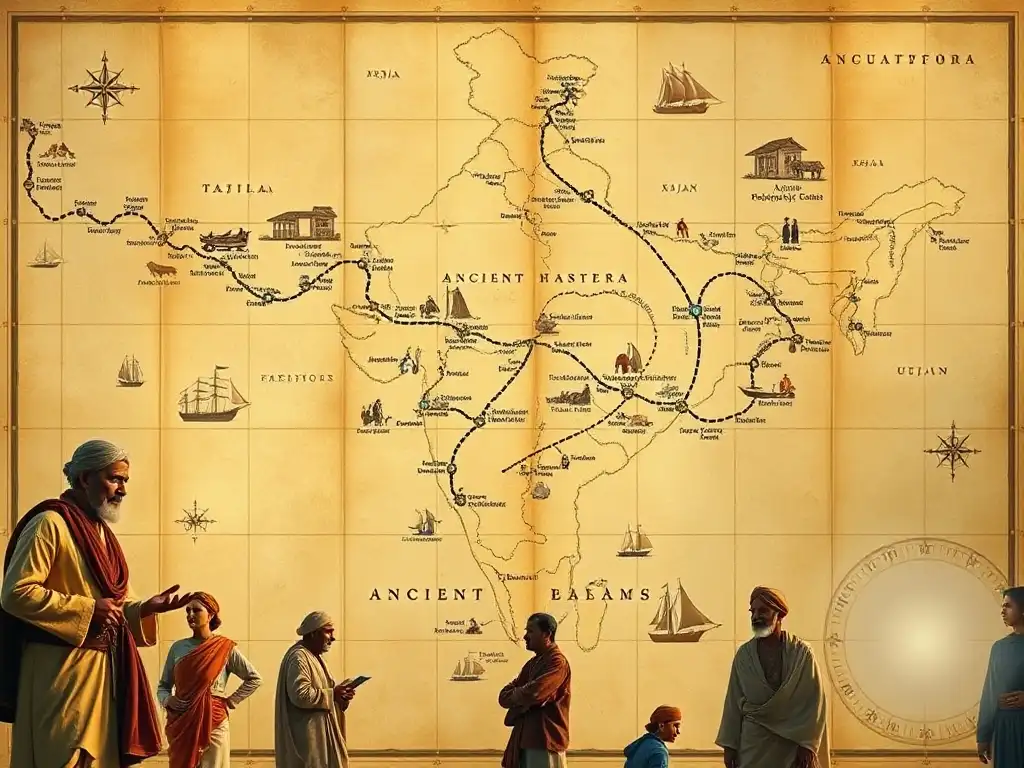
Ancient Indian trade was an intricate web of routes that facilitated not only commercial exchange but also cultural interactions, influencing art and architecture across the subcontinent. These trade networks were essential for the flow of goods, ideas, and innovations that shaped the civilizations of ancient India. The two primary types of trade routes that emerged were the Silk Road and maritime trade routes, alongside local trade networks that played a vital role in regional commerce.
The Silk Road and Its Significance
The Silk Road was a vast network of trade routes connecting East Asia to the Mediterranean, with significant ramifications for ancient Indian trade. While primarily known for the trade of silk, this route also facilitated the exchange of various goods, including spices, precious stones, and textiles, all of which had a profound impact on Indian art and architecture.
- Cultural Exchange: The interaction between different cultures along the Silk Road led to a remarkable fusion of artistic styles. For instance, the introduction of Greco-Roman artistic elements into Indian sculptures can be traced back to these exchanges. The Gandhara art style, which emerged in the northwestern region of India, showcases this blend with its use of Hellenistic influences in Buddha imagery.
- Architectural Innovations: The flow of ideas and materials along the Silk Road contributed to significant architectural developments in ancient India. The use of domes and arches in structures like the rock-cut caves of Ajanta and Ellora can be traced back to architectural techniques introduced through these trade routes.
- Economic Impact: The prosperity brought by Silk Road trade led to the emergence of wealthy urban centers, which became hubs of art and culture. Cities like Taxila and Pataliputra flourished, fostering an environment where artisans could thrive and innovate.
The Maritime Trade Routes
Maritime trade routes, particularly those crossing the Indian Ocean, were equally vital in connecting India with regions such as Southeast Asia, Africa, and the Middle East. These routes allowed for the exchange of not just goods, but also cultural practices and artistic influences.
- Trade Goods: Indian merchants traded a variety of products, including spices, cotton textiles, and metalwork. The high demand for these goods abroad spurred advancements in craftsmanship, leading to unique artistic expressions reflected in textiles and pottery.
- Cultural and Religious Exchanges: The maritime trade routes facilitated the spread of religions such as Buddhism and Hinduism, influencing local art and architecture in regions like Southeast Asia. Temples built in places like Indonesia and Cambodia reflect Indian architectural styles, such as intricate carvings and monumental stupas.
- Shipbuilding and Navigation: The development of advanced shipbuilding techniques and navigation skills enabled Indian traders to embark on long voyages, enhancing trade efficiency. The architectural design of coastal temples often integrated maritime motifs, showcasing the importance of the sea in the cultural identity of these regions.
The Role of Local Trade Networks
In addition to the grand trade routes, local trade networks played a crucial role in the distribution of goods and the promotion of artistic and architectural development within ancient Indian communities.
- Regional Markets: Local markets became vibrant centers for trade, where artisans and craftsmen could showcase their skills. This localized commerce allowed for the evolution of distinct regional art styles, such as the intricate woodwork of Kerala or the blue pottery of Jaipur.
- Community Interactions: The exchange of goods at local markets fostered interactions among diverse communities, leading to a cross-pollination of artistic techniques and cultural traditions. This resulted in unique art forms that reflected the blend of various influences.
- Infrastructure Development: The establishment of pathways and trade routes within regions facilitated not only trade but also the construction of infrastructure such as roads and bridges. These developments significantly influenced the architectural landscape, as they allowed for the movement of materials and artisans, thereby enriching local architecture.
Ancient Indian trade, characterized by the Silk Road, maritime routes, and local networks, played an instrumental role in shaping the art and architecture of the time. The interplay of commerce and culture fostered a rich artistic heritage that continues to resonate in modern India.
Key Commodities Traded in Ancient India
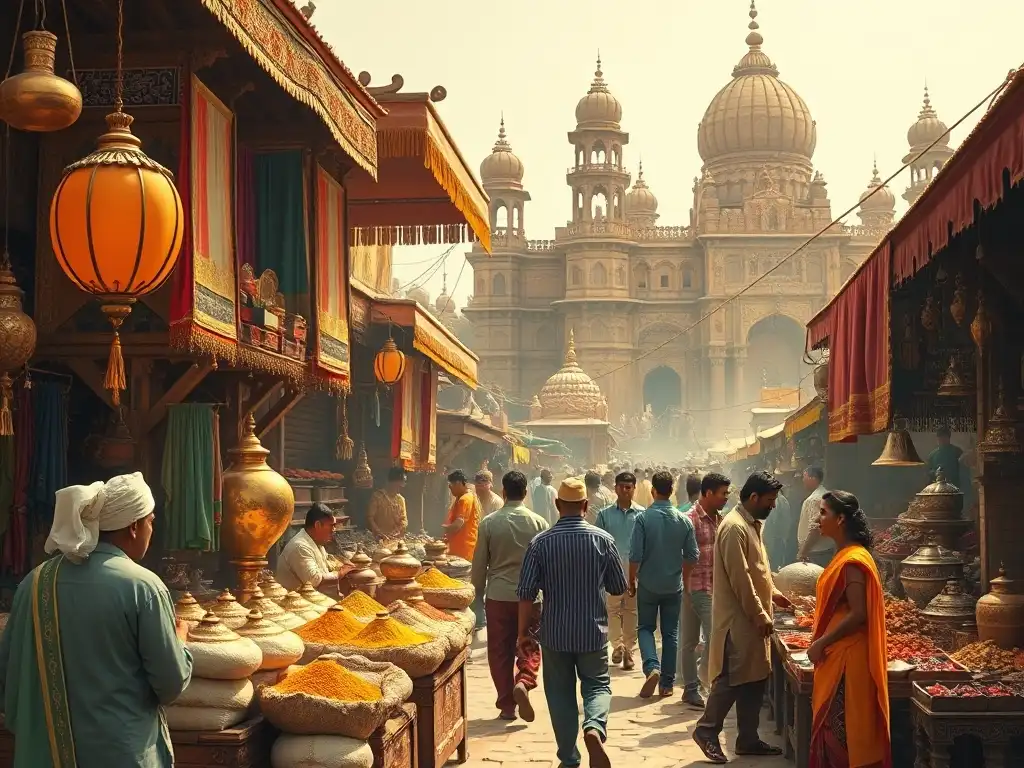
The trade networks of ancient India were bustling hubs of exchange that not only facilitated economic prosperity but also significantly influenced the art and architecture of the region. The key commodities traded — textiles, spices, and precious stones — were not merely goods; they were carriers of cultural narratives that shaped the artistic expressions and architectural innovations of ancient Indian civilizations.
Textiles: Weaving Culture and Techniques
Textiles were one of the most prominent commodities in ancient Indian trade. The subcontinent was renowned for its intricate weaving techniques and vibrant fabrics, such as silk, cotton, and wool.
- Silk Trade: India was a major player in the silk trade, especially along the Silk Road, where its high-quality silk attracted traders from across Asia and beyond. The luxurious feel and vivid colors of Indian silk not only made it a sought-after commodity but also influenced the aesthetics of textiles in other cultures.
- Cotton Weaving: Cotton was another significant textile, with evidence of its cultivation dating back to the Indus Valley Civilization. The use of natural dyes and the intricate block-printing techniques enhanced the visual appeal of cotton fabrics, which were then exported to various regions. This trade fostered a distinct weaving culture that emphasized artistry and craftsmanship.
- Cultural Exchange: The trade of textiles also facilitated cultural exchanges, as designs and motifs from various regions blended into Indian textiles, enriching the local art forms. The intricate patterns found in textiles often mirrored architectural designs, leading to a harmonious relationship between fabric and structure in ancient Indian art and architecture.
Spices: Flavoring Art and Architecture
Spices played a pivotal role in ancient Indian trade, serving as both culinary enhancements and valuable commodities. The spice trade not only enriched Indian cuisine but also influenced artistic expressions and architectural elements.
- Economic Impact: Spices like black pepper, cardamom, and turmeric were highly prized in international markets, leading to flourishing trade routes. The wealth generated from spice trade contributed to the patronage of art and architecture, allowing for the construction of elaborate temples and monuments.
- Symbolism in Art: Spices were often depicted in ancient Indian art, representing abundance and prosperity. For instance, temple carvings might include images of spice plants, symbolizing the region's wealth and its connection to divine favor.
- Architectural Influence: The importance of spices in trade also reflected in the architectural designs of marketplaces and storage facilities, which were often adorned with carvings that celebrated the bounty of the land. The vibrant colors derived from spices frequently influenced the palette used in murals and decorative arts.
Precious Stones and Metals: Craftsmanship in Trade
The trade of precious stones and metals was integral to ancient Indian commerce, showcasing extraordinary craftsmanship that influenced both art and architecture.
- Gem Trade: India was known as the "Land of Gems," exporting diamonds, rubies, emeralds, and sapphires. The intricate craftsmanship involved in cutting and setting these stones not only enhanced jewelry but also inspired decorative motifs in architectural elements such as jali work and inlay techniques.
- Metalwork: The trade of metals, particularly gold and silver, led to the development of exquisite metalwork. Artisans created intricate sculptures and temple decorations, resulting in a unique style that combined functionality with artistic expression.
- Cultural Significance: The use of precious materials in architecture was a reflection of power and prestige. Temples adorned with intricate metal and stone work served as both places of worship and symbols of wealth, influencing architectural styles across the Indian subcontinent and beyond.
The key commodities traded in ancient India were more than just goods; they were vital components that shaped the artistic landscape and architectural achievements of the time. From textiles to spices and precious stones, each commodity contributed to a rich tapestry of cultural heritage that continues to influence modern art and architecture.
Influence of Trade on Ancient Indian Art
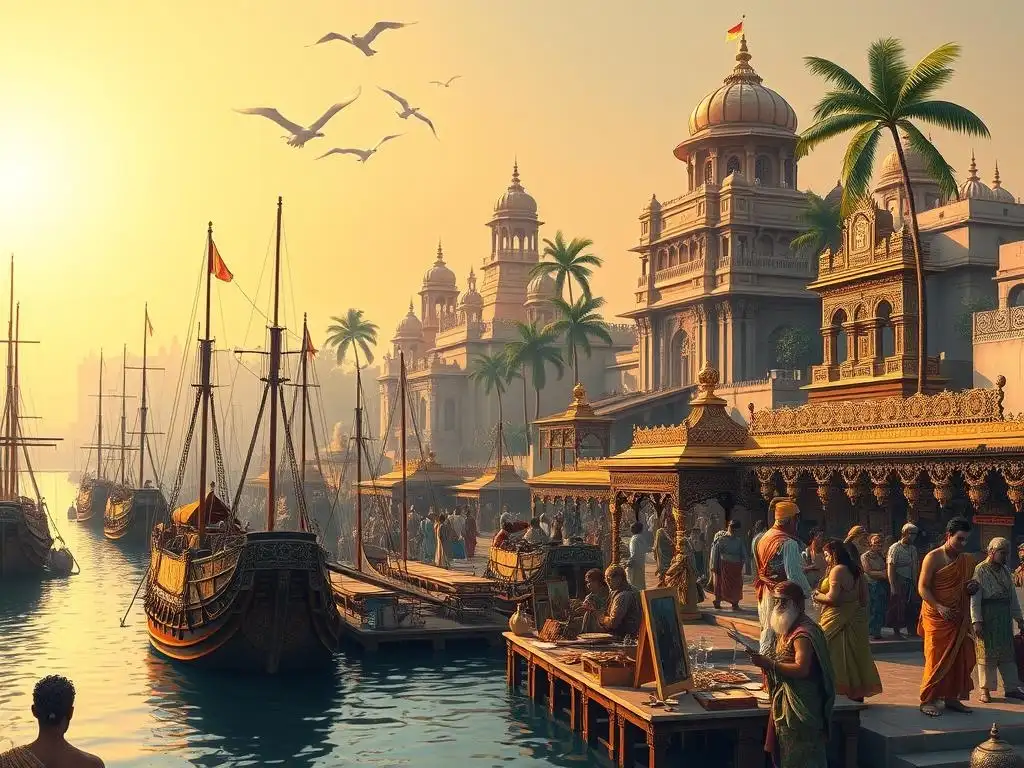
Artistic Styles Evolved Through Trade
Ancient Indian trade networks played a pivotal role in shaping artistic styles throughout various periods. As traders from different cultures and regions interacted, they exchanged not just goods but also artistic ideas and techniques that significantly influenced the local art forms.
One notable example is the Gandhara art, which emerged during the Kushan Empire (1st to 3rd centuries CE). This style showcased strong influences from Hellenistic art due to the interactions with Greek traders. The depiction of the human form became more naturalistic, with detailed drapery and facial expressions, marking a departure from earlier styles that were more rigid and stylized.
Moreover, the trade along the Silk Road facilitated the incorporation of motifs and themes from other civilizations, including Persian, Central Asian, and even Chinese elements. This melting pot of cultural influences led to a rich tapestry of artistic expression, resulting in unique hybrid styles that reflected the diversity of the traders and their goods.
Cross-Cultural Influences on Sculpture
Sculpture in ancient India saw significant transformations due to trade interactions. The Mauryan period (322–185 BCE) is a prime example where the Ashoka Pillars and the Great Stupa at Sanchi displayed intricate carvings that were influenced by the artistic styles of the regions with which India traded.
- Key Influences:
- Greco-Roman Influence: The introduction of realistic human figures and drapery in sculptures can be traced back to exchanges with Greco-Roman artisans.
- Persian Elements: The use of intricate floral patterns and elaborate motifs can be linked to Persian artistry, showcasing the impact of cultural exchanges.
These cross-cultural influences not only enriched Indian sculpture but also paved the way for further innovations in style and technique, which can be seen in later works, such as those from the Gupta period.
The Impact of Trade on Painting Techniques
The trade routes also facilitated the exchange of materials and techniques that revolutionized painting practices in ancient India. The availability of new pigments and tools allowed artists to experiment and refine their methods.
- Innovations in Materials:
- Natural Pigments: Trade brought in various minerals and plants, leading to the development of vibrant colors that were previously unavailable.
- Canvas and Paper: The introduction of canvas and later paper from regions such as China enabled new formats and styles of painting.
As a result, ancient Indian paintings evolved to include more dynamic compositions and elaborate narratives. The Ajanta Caves (2nd century BCE to 6th century CE) exemplify this evolution, where traders influenced the storytelling aspect through intricate frescoes that depicted Buddhist themes intertwined with local narratives and styles.
Iconography and Symbolism in Trade-Inspired Art
The iconography found in ancient Indian art often reflects the exchange of ideas and beliefs facilitated by trade. Symbols and motifs from distant lands began to appear in Indian art, enriching its cultural landscape.
- Common Themes:
- Buddhist Iconography: The spread of Buddhism across trade routes led to the incorporation of new symbols, such as the lotus and the wheel, which were adapted and reinterpreted within Indian art.
- Deities and Myths: The introduction of foreign deities and mythological themes influenced local interpretations, resulting in a diverse pantheon that included both indigenous and foreign elements.
The symbolic meanings attached to these motifs often conveyed complex ideas about spirituality, prosperity, and cultural identity, reflecting the interconnectedness of trade and artistic expression.
The intricate relationship between ancient Indian trade, art, and architecture underscores how trade routes served as conduits for cultural exchange, leading to a rich and diverse artistic heritage that continues to be celebrated today.
Case Studies: Notable Artworks Influenced by Trade
Ancient Indian trade significantly influenced art and architecture by facilitating cultural exchanges and the introduction of new techniques and materials. Here, we explore notable artworks that exemplify this cross-cultural interaction.
1. The Ajanta Caves
The Ajanta Caves, a UNESCO World Heritage site located in Maharashtra, date back to the 2nd century BCE to around 480 CE. These rock-cut caves are renowned for their intricate murals and sculptures that reflect the influence of trade. The trade routes connected India with various regions, including Persia and the Mediterranean, which introduced new artistic styles and motifs.
The paintings within the caves depict Jataka tales, showcasing not only religious themes but also the socio-economic life of the period. The use of vibrant colors made from natural pigments, which were likely traded, adds depth to the artistry, illustrating the blend of indigenous and foreign influences.
2. The Stupa at Sanchi
The Great Stupa at Sanchi, built during the reign of Emperor Ashoka in the 3rd century BCE, is another prime example of how ancient Indian trade influenced art. This architectural marvel reflects the syncretism of Indian and Hellenistic art styles, a consequence of trade interactions. The stone carvings and reliefs that adorn the Stupa feature motifs and iconography that resonate with both local traditions and foreign influences. The decorative gateways, or toranas, exhibit intricate carvings depicting scenes from the life of Buddha, illustrating the blend of indigenous artistic techniques with styles influenced by traders and travelers from other cultures.
3. Gandhara Art
Gandhara art, which flourished between the 1st and 5th centuries CE in what is now Pakistan and northwest India, represents a significant fusion of Indian and Greco-Roman artistic elements. This style emerged due to the extensive trade networks established along the Silk Road, which facilitated the movement of artists and ideas. Gandhara sculptures are characterized by their realistic human forms and intricate drapery, influenced by Hellenistic art. The depiction of Buddhist figures in a style that incorporated Western methods of representation showcases how trade not only moved goods but also artistic concepts that enriched Indian art.
4. Chola Bronze Statues
The Chola dynasty, ruling from the 9th to the 13th centuries CE, is celebrated for its exquisite bronze sculptures, particularly those depicting Hindu deities. The Chola bronzes were influenced by trade as the empire engaged in maritime commerce with Southeast Asia. The techniques used in creating these statues, such as the lost-wax casting method, were likely refined through interactions with artisans along trade routes. The intricacy of the sculptures, which often feature elaborate ornamentation and dynamic poses, reflects the wealth and artistic standards supported by the flourishing trade economy of the Chola period.
5. Mughal Miniatures
The Mughal Empire, from the 16th to the 19th centuries, is renowned for its miniature paintings that encapsulate the grandeur of the period. These artworks were heavily influenced by trade, particularly with Persian and Central Asian artisans. The vibrant colors and detailed narrative scenes in Mughal miniatures reflect the materials and techniques acquired through trade. The incorporation of Persian art styles, such as intricate floral patterns and elaborate borders, showcases how trade not only provided resources but also facilitated artistic exchange, leading to a unique and rich artistic heritage.
These case studies illustrate the profound impact of ancient Indian trade on art and architecture, highlighting the dynamic interplay of cultures and ideas that shaped the visual landscape of the subcontinent. The fusion of styles and techniques resulting from trade not only enriched Indian art but also left a lasting legacy that continues to be celebrated today.
Influence of Trade on Ancient Indian Architecture
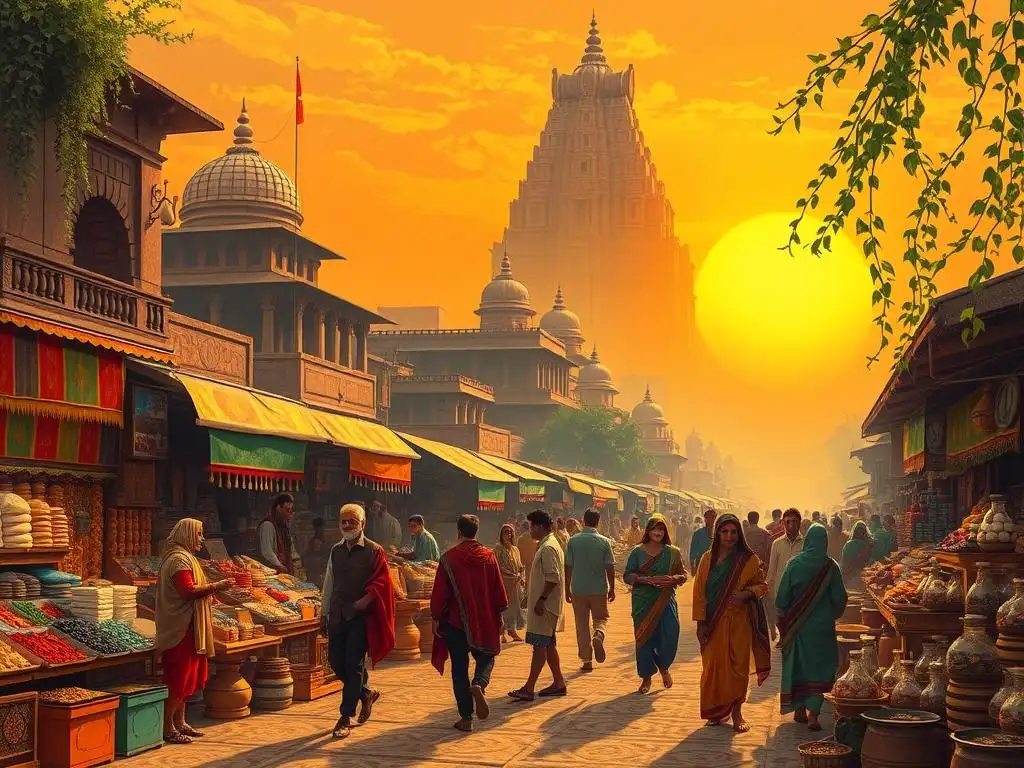
Architectural Styles Brought by Trade Connections
The flourishing trade routes of ancient India, particularly those connecting with other civilizations through the Silk Road and maritime pathways, played a significant role in shaping the architectural landscape of the region. As merchants traveled across these routes, they not only exchanged goods but also ideas, styles, and techniques that profoundly impacted local architecture.
One notable influence was the introduction of Buddhist architectural styles from Central Asia. The stupa, a hemispherical dome-shaped structure, became a prominent feature in India, embodying the essence of Buddhist philosophy. The early stupas, such as the Sanchi Stupa, showcase the melding of local craftsmanship with foreign stylistic elements, indicating a cross-cultural exchange facilitated by trade.
| Architectural Style | Origin | Key Features |
|---|---|---|
| Stupa | India | Dome-shaped, reliquaries |
| Hindu Temples | South East Asia | Intricate carvings, elaborate shikhara |
| Islamic Architecture | Middle East | Arches, domes, intricate tile work |
Stupas and Temples: A Blend of Cultures
The evolution of stupas and temples reflects the amalgamation of various cultural influences brought by trade. For instance, the Brahmanical temples incorporated elements from both local and foreign traditions, leading to unique architectural forms. The Khajuraho temples, with their exquisite sculptures and intricate carvings, exhibit stylistic features that can be traced back to trade interactions with Southeast Asia.
Moreover, the influence of Gandhara art, which emerged in the region of modern-day Pakistan, showcased a blend of Hellenistic and Indian styles. This artistic fusion is evident in the sculptures of Buddha and other deities, characterized by realistic human forms and drapery that were likely inspired by Greco-Roman artistic techniques.
Fortifications and Urban Planning Influenced by Trade
Trade also had a significant impact on the urban planning and fortifications of ancient Indian cities. The need to protect trade routes led to the construction of robust fortifications, such as those seen in Rajputana and Maharashtra. These fortifications often featured intricate gateways and watchtowers, reflecting a blend of architectural styles influenced by both local needs and foreign techniques.
Cities like Taxila and Pataliputra were well-planned urban centers that emerged as major trade hubs. Their layout, with organized streets and commercial districts, can be attributed to the influx of ideas from various cultures, as traders and travelers shared their knowledge of urban design. This convergence of ideas facilitated the creation of sophisticated urban spaces that catered to both trade and cultural exchange.
Materials and Techniques Adopted Through Trade
The materials and construction techniques utilized in ancient Indian architecture were significantly enriched through trade. As merchants imported goods and resources, they also introduced new building materials that transformed the architectural landscape.
- Marble and Stone: The trade of marble from regions like Makrana enabled the construction of grand edifices, such as the Taj Mahal, which later became a symbol of Mughal architecture. The use of high-quality stone not only enhanced the durability of structures but also allowed for intricate detailing.
- Brick Production Techniques: Techniques for brick-making were exchanged through trade, leading to the development of more durable and aesthetically pleasing bricks. This is evident in structures such as the Great Bath of Mohenjo-Daro, where fired bricks were used in construction to withstand the test of time.
- Decorative Elements: Trade introduced various decorative elements such as stucco and frescoes, which were employed in temple architecture. The intricate wall paintings in temples, depicting mythological scenes, were influenced by techniques from different regions, showcasing the artistic diversity that trade facilitated.
Ancient Indian trade profoundly influenced the art and architecture of the region. The exchange of architectural styles, materials, and techniques through trade routes enriched the cultural tapestry of ancient India, leaving an indelible mark on its architectural heritage.
Case Studies: Iconic Structures Reflecting Trade Influence
Ancient Indian architecture is a testament to the thriving trade networks that connected the subcontinent with various civilizations across Asia, Africa, and beyond. Several iconic structures stand as enduring symbols of this influence, showcasing how trade not only facilitated the exchange of goods but also the sharing of artistic and architectural ideas.
1. The Great Stupa at Sanchi
The Great Stupa at Sanchi, dating back to the 3rd century BCE, is a prime example of how trade influenced ancient Indian architecture. This monumental structure is one of the oldest stone structures in India and represents the architectural ingenuity of the Mauryan period. The stupa's design, characterized by its hemispherical dome and ornate gateways (toranas), reflects the confluence of local craftsmanship with influences from trade routes that linked India to the Hellenistic world. The intricate carvings depict scenes from the life of Buddha, incorporating motifs that were likely inspired by interactions with Greco-Buddhist art.
2. The Brihadeeswarar Temple
Constructed in the early 11th century CE during the reign of the Chola dynasty, the Brihadeeswarar Temple in Thanjavur highlights the architectural prowess that flourished due to prosperous maritime trade. The temple’s towering vimana (shrine tower) rises majestically, showcasing Dravidian architectural elements that were enhanced through the influx of wealth from trade. Its grandeur is not just a reflection of religious devotion but also the cultural exchanges that occurred through trade, particularly with Southeast Asia, where Chola influences can be seen in temple architecture.
3. The Ajanta Caves
The Ajanta Caves, carved between the 2nd century BCE and 6th century CE, represent a significant intersection of art and architecture influenced by ancient Indian trade. These rock-cut caves served as monastic retreats and are adorned with exquisite frescoes and sculptures. The themes depicted in the artwork often reflect the cultural exchanges that occurred through trade with regions such as Persia and Central Asia. The intricate carvings and murals demonstrate how trade facilitated not only the movement of goods but also artistic styles and religious philosophies.
4. The Hampi Complex
Hampi, once the capital of the Vijayanagara Empire in the 14th century, showcases a unique blend of architectural styles that emerged from extensive trade connections. The Virupaksha Temple, with its grand gopuram (tower) and richly detailed sculptures, reflects the wealth and diversity brought in by traders from across the Indian Ocean. The city’s layout and the architectural elements found in structures like the Lotus Mahal reveal influences from Persian and Islamic architecture, attributed to the cross-cultural exchanges fostered by trade routes that connected India to the Middle East and beyond.
5. The Red Fort
Constructed in the mid-17th century by Mughal Emperor Shah Jahan, the Red Fort in Delhi illustrates the culmination of architectural styles influenced by trade. The fort's design incorporates Persian, Timurid, and Indian elements, showcasing how the Mughal Empire's extensive trade networks facilitated the blending of various cultural influences. The intricate inlay work, gardens, and use of red sandstone and white marble reflect the wealth accumulated through trade, while serving as a reminder of the cosmopolitan nature of Mughal society.
Conclusion
These case studies exemplify how ancient Indian trade was not merely an economic activity but a vital force that shaped architectural innovation and artistic expression. The structures discussed serve as enduring reminders of the rich tapestry of cultural exchanges that enriched ancient Indian civilization, leaving a lasting legacy that continues to be celebrated today.
The Role of Religion and Philosophy in Trade Art and Architecture
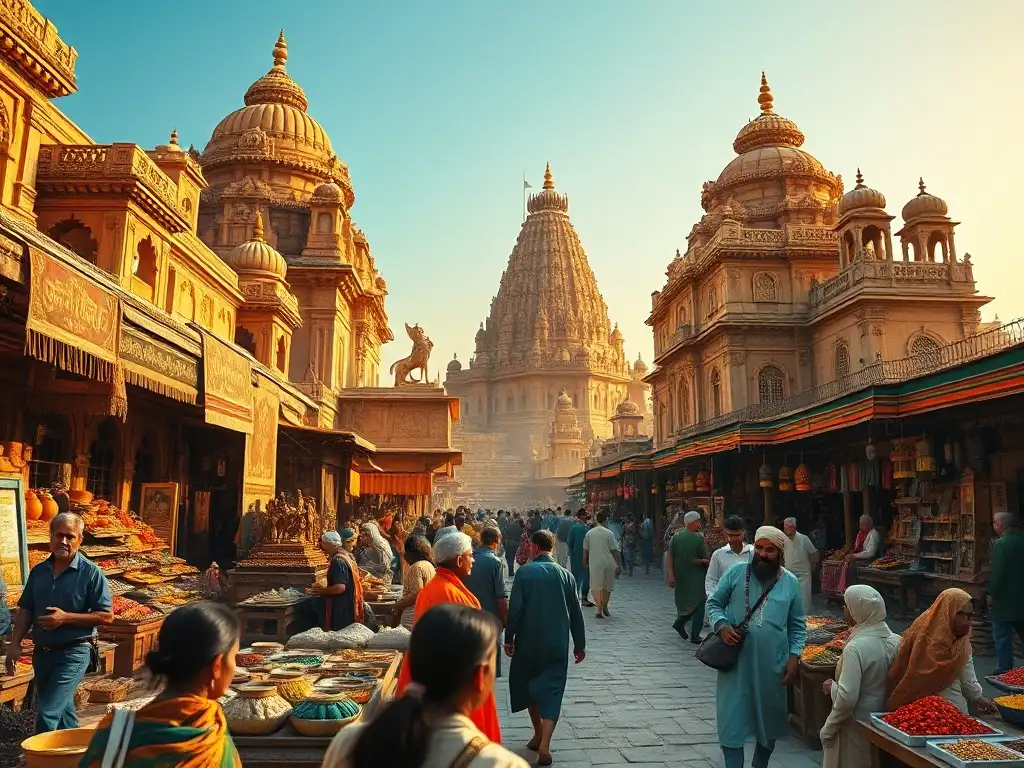
Interplay Between Religion and Trade
The relationship between religion and trade in ancient India was deeply intertwined, shaping not only the economic landscape but also influencing the artistic and architectural expressions of the time. As trade routes flourished, they facilitated not just the exchange of goods, but also ideas and beliefs.
- Cultural Exchange: The movement of traders along routes like the Silk Road brought diverse religious influences into contact with local beliefs. For instance, Buddhism, which spread from India to Central Asia, saw the incorporation of local artistic styles into its representation, leading to unique artistic expressions like the Gandhara style, which blended Hellenistic and Indian elements.
- Patronage: Religious institutions often acted as patrons of the arts. Temples and monasteries commissioned sculptures, frescoes, and intricate carvings that depicted religious narratives, thereby reflecting the wealth generated through trade. This patronage not only provided financial support but also encouraged artistic innovation.
Consequently, the interplay between religion and trade did not merely stimulate economic growth; it also catalyzed a rich tapestry of artistic endeavors that thrived in the context of shared spiritual values.
Philosophical Influences on Artistic Expression
Philosophy played a pivotal role in shaping the artistic landscape of ancient India. The philosophical schools of thought—particularly those rooted in Hinduism, Buddhism, and Jainism—deeply influenced the themes and styles of art and architecture.
- Symbolism and Meaning: The philosophical concepts of Maya (illusion) and Dharma (duty) were often expressed through art. For example, the intricate carvings found in Hindu temples frequently depict stories from the Mahabharata and Ramayana, conveying moral lessons and spiritual truths.
- Meditative Practices: The rise of Buddhism introduced a focus on meditation and enlightenment, which manifested in art forms that encouraged introspection. Stupas, for instance, were not only architectural feats but also served as focal points for meditation, often adorned with intricate carvings that depicted the life of Buddha and his teachings.
These philosophical influences fostered a unique artistic vocabulary that transcended mere aesthetics, embedding deeper meanings within the structures and artworks of ancient India.
Temples as Centers of Trade and Culture
Temples in ancient India served as crucial centers of not only religious worship but also trade and cultural exchange. Their architectural grandeur and strategic locations often made them hubs for economic activity.
- Economic Hubs: Many temples, particularly those in cities like Kanchipuram and Madurai, functioned as marketplaces where traders congregated to exchange goods. This economic activity was often complemented by religious festivals that attracted visitors and pilgrims, enhancing the local economy.
- Cultural Confluence: The temples acted as melting pots of various cultures, where artisans from different regions collaborated, combining their styles and techniques. This resulted in a rich diversity in temple architecture, as seen in the ornate designs of Dravidian temples compared to the more austere styles of northern India.
- Artisans and Craftsmen: Temples provided employment to a myriad of artisans—sculptors, painters, and musicians—whose work was integral to religious ceremonies. This not only elevated the status of these craftsmen but also ensured that the art associated with temples was of high quality and rich in cultural significance.
Temples in ancient India were not merely places of worship; they were vibrant centers where trade, culture, and religion intersected, significantly impacting the art and architecture of the time.
Conclusion: The Lasting Legacy of Ancient Indian Trade on Art and Architecture
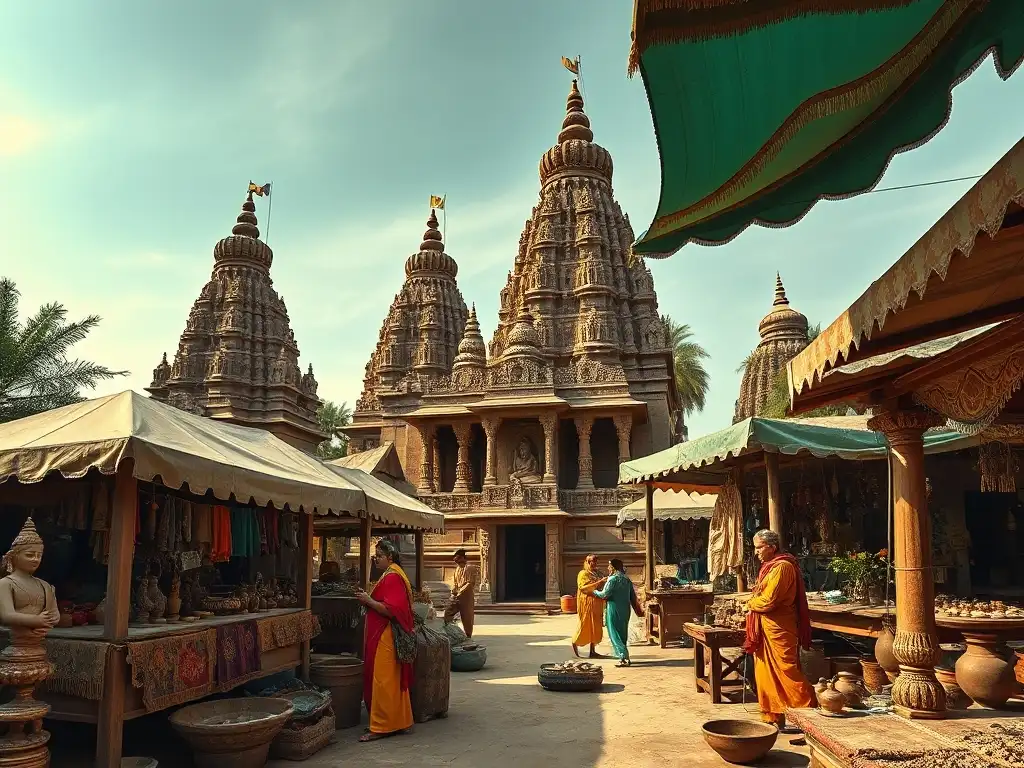
The legacy of ancient Indian trade is profoundly evident in the art and architecture that has emerged throughout history. The extensive trade networks established during various periods, especially along the Silk Road and maritime routes, facilitated not only the exchange of goods but also the sharing of ideas, artistic techniques, and architectural styles. The interactions between traders from diverse cultures led to a rich amalgamation of artistic expressions that can still be appreciated today.
Reflection on the Interconnectedness of Trade and Culture
Trade in ancient India was not merely a commercial activity; it was a catalyst for cultural exchange. The movement of merchants and craftsmen across regions brought about a fusion of artistic styles and architectural designs. For instance, the influence of Hellenistic art can be traced in the sculptures of the Gandhara school, which arose from the interactions between Indian craftsmen and Greek traders.
This interconnectedness is further exemplified in the intricate carvings and motifs found in ancient Indian temples, which often reflect foreign influences. The use of naturalistic forms and realistic depictions in sculptures can be linked to the exposure to different artistic traditions through trade.
- Notable examples include:
- Ajanta Caves: These caves feature frescoes that showcase a blend of local and foreign artistic elements.
- Sanchi Stupa: The intricate gateways of this stupa display a synthesis of Indian and Greek artistic styles.
The exchange of materials also played a crucial role. The availability of precious stones, metals, and textiles through trade routes encouraged artisans to innovate, leading to the creation of exquisite jewelry and textiles that incorporated diverse design motifs from various cultures.
The Continuing Influence in Modern Indian Art and Architecture
The impact of ancient Indian trade on art and architecture continues to resonate in contemporary India. Modern Indian artists and architects draw inspiration from the rich heritage established during ancient times.
- Key influences include:
- Use of Traditional Motifs: Many contemporary artists integrate traditional patterns and symbols that have their roots in ancient trade art.
- Architectural Revival: Modern architecture often incorporates elements from ancient structures, such as domes and intricate carvings, reflecting the enduring legacy of ancient Indian trade.
Moreover, the globalized nature of today’s economy echoes the ancient trade routes, showcasing a revival of interest in cross-cultural exchanges. The fusion of various artistic styles seen in contemporary Indian art galleries can be traced back to the historical interactions fostered by ancient trade.
The contributions of ancient Indian trade to art and architecture are significant and enduring. By fostering cultural exchanges and inspiring innovative artistic expressions, ancient Indian trade has laid a foundation that continues to influence modern practices and artistic endeavors, showcasing the timeless legacy of this vibrant history.
References and Further Reading
Suggested Books and Articles on Ancient Indian Trade and Art
- "Trade and Commerce in Ancient India" by R. S. Sharma
- This comprehensive book explores the various trade practices in ancient India, detailing how these practices influenced cultural exchanges and artistic expressions.
- "Art and Architecture of Ancient India" by R. N. Mehta
- Mehta’s work provides insights into the interconnections between trade and artistic development in ancient India, focusing on how trade routes facilitated the sharing of artistic techniques and styles.
- "Silk Route and Ancient India" by Jawhar Sircar
- This article examines the impact of the Silk Route on Indian art and architecture, highlighting specific examples of cultural exchange that shaped the artistic landscape of ancient India.
- "Cultural Interactions along the Indian Ocean Trade Route"
- A collection of essays that delve into the cultural ramifications of trade along the Indian Ocean, emphasizing how these interactions influenced Indian art and architecture.
- "The Architecture of the Gupta Empire" by Michael W. Meister
- This scholarly article details the architectural contributions of the Gupta Empire, illustrating how trade routes led to the dissemination of architectural styles across regions.
Online Resources for Exploring Ancient Indian Architecture
-
Digital South Asia Library
A rich repository of resources, including texts, images, and maps related to the art and architecture of ancient India. This site provides valuable primary sources for researchers.
-
The Archaeological Survey of India (ASI)
The ASI’s official website offers a wealth of information on ancient sites, including architectural features influenced by trade. It includes detailed reports and images of significant archaeological findings.
-
The Indian Council for Historical Research (ICHR)
This platform features articles, research papers, and publications focused on the historical context of Indian art and architecture, particularly in relation to trade.
-
Google Arts & Culture: Ancient India
This interactive platform allows users to explore various aspects of ancient Indian art and architecture, featuring virtual exhibitions that highlight the influences of trade on artistic developments.
-
The Metropolitan Museum of Art – Timeline of Art History: India
This resource provides a timeline that connects historical events in India with artistic movements, offering insights into how trade shaped the artistic landscape.
By engaging with these references and resources, readers can deepen their understanding of the intricate relationship between ancient Indian trade, art, and architecture, revealing how commerce catalyzed cultural flourishing.
Frequently Asked Questions
What is the significance of ancient Indian trade in relation to art and architecture?
Ancient Indian trade was a catalyst for the exchange of ideas and styles, which significantly influenced art and architecture across various civilizations, leading to unique hybrid forms.
How did trade routes impact the development of art in ancient India?
Trade routes facilitated the movement of artists and artisans, allowing for the blending of cultural styles and the introduction of new materials, which enriched the artistic expressions of ancient India.
What role did the Indus Valley Civilization play in ancient Indian trade?
The Indus Valley Civilization was one of the earliest trade hubs, known for its advanced urban planning and trade networks that connected them with Mesopotamia, influencing their art and architectural designs.
How did the Gupta Empire contribute to the evolution of ancient Indian architecture?
The Gupta Empire is often referred to as the Golden Age of India, where trade flourished and led to significant advancements in temple architecture, incorporating intricate sculptural elements and artistic styles.
What are some examples of ancient Indian architecture influenced by trade?
Examples include the Buddhist stupas that exhibit influences from Hellenistic architecture and the intricate carvings found in temples, showcasing the cultural exchanges made possible by trade.
Final Reflection: The Enduring Legacy of Ancient Indian Trade on Art and Architecture
The intricate relationship between ancient Indian trade and its profound impact on art and architecture is more relevant today than ever. As we navigate a globalized world, the lessons from the past remind us of the power of cultural exchange and the beauty that emerges when diverse influences converge. The vibrant tapestry of ancient Indian trade not only shaped the artistic expressions of its time but also laid the foundation for a rich architectural heritage that continues to inspire contemporary creators.
The influence of ancient Indian trade on art and architecture is a testament to the interconnectedness of cultures. From the intricate carvings of temples to the vibrant colors of textiles, each piece tells a story of exchange, adaptation, and innovation. As we witness a resurgence of interest in traditional crafts and sustainable practices, it is essential to recognize that these movements are rooted in the very principles established by our ancestors. Art is the most beautiful of all lies.
This quote encapsulates the idea that art, much like trade, transcends boundaries and speaks a universal language, fostering understanding and appreciation among diverse communities.
As you reflect on the themes presented in this article, consider how the principles of ancient Indian trade can be applied to your own life. Embrace the diversity of influences around you and seek to create connections that enrich your personal and professional endeavors. Whether through art, architecture, or everyday interactions, let the spirit of collaboration and cultural appreciation guide your journey. By doing so, you not only honor the legacy of ancient Indian trade but also contribute to a future where creativity knows no borders.
Unveil the Legacy of Ancient Trade!
Thank you for taking the time to explore how ancient Indian trade shaped the remarkable art and architecture we admire today. Your curiosity is the first step in appreciating this rich cultural history!
Now that you've uncovered these fascinating insights, it's time to take action and deepen your understanding:
- Dive deeper: Visit a local museum or browse online exhibits featuring ancient Indian art and architecture to experience these creations up close.
- Share your knowledge: Discuss what you've learned with friends or on social media, encouraging others to appreciate our ancient heritage.
- Join a community: Connect with history enthusiasts by participating in forums or attending local cultural events focused on Indian history.
Which aspect of ancient Indian trade and its influence on art fascinates you the most? We’d love to hear your insights!