
Ancient Indian Trade with Southeast Asia: Cultural and Economic Exchanges

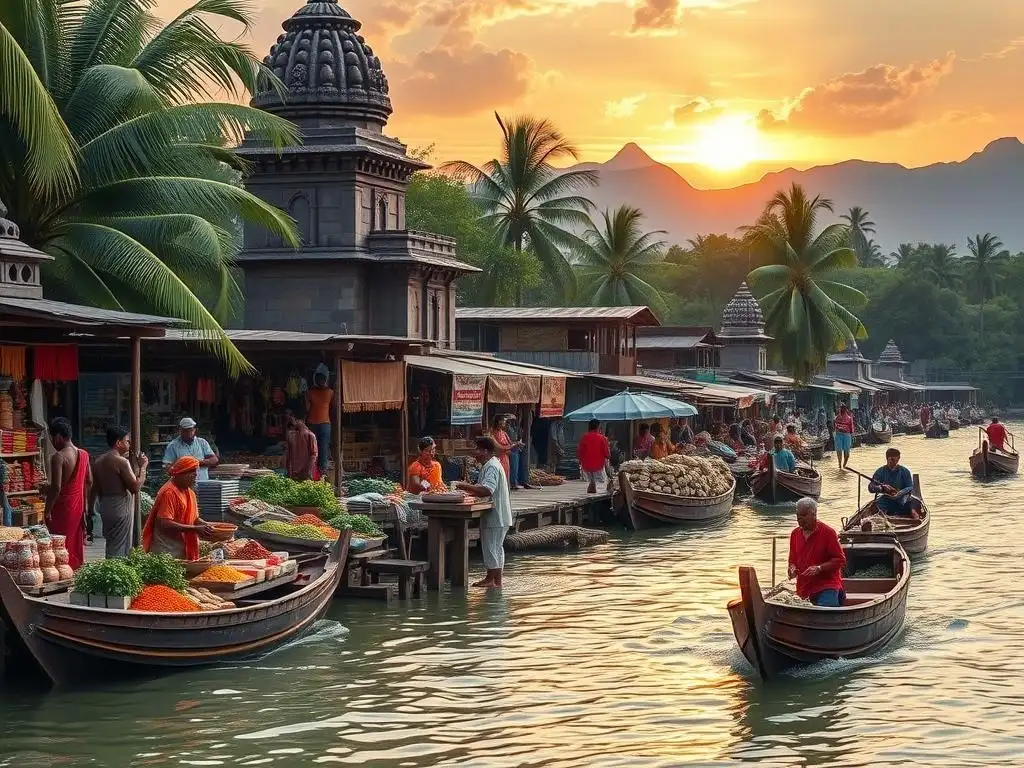
Welcome to Ancient India History, where we embark on an enthralling journey through the rich tapestry of ancient Indian civilizations. Today, we delve into the fascinating world of Ancient Indian trade routes, uncovering the intricate web of cultural and economic exchanges that connected India with Southeast Asia. What secrets did these trade routes hold?
How did they shape the societies involved? As you explore our featured article, "Ancient Indian Trade with Southeast Asia: Cultural and Economic Exchanges," prepare to be captivated by stories of commerce, culture, and connection that have left an indelible mark on history. Dive in and discover the legacy of these vibrant interactions!
- Introduction to Ancient Indian Trade Routes
- Historical Context of Trade with Southeast Asia
- Major Ancient Indian Trade Routes
- Economic Exchanges between Ancient India and Southeast Asia
- Cultural Exchanges through Trade
- Impact of Ancient Indian Trade Routes on Economic Systems
- Challenges and Changes in Ancient Trade Routes
- Conclusion: Legacy of Ancient Indian Trade with Southeast Asia
- References and Further Reading on Ancient Indian Trade Routes
-
Frequently Asked Questions
- What were the Ancient Indian trade routes with Southeast Asia?
- How did trade impact cultural exchanges between India and Southeast Asia?
- What goods were commonly traded between Ancient India and Southeast Asia?
- How did the Gupta Empire influence trade in ancient times?
- What role did port cities play in ancient Indian trade?
- Final Reflection: The Enduring Legacy of Ancient Indian Trade Routes
- Unveil the Rich Tapestry of Ancient Trade!
Introduction to Ancient Indian Trade Routes
Ancient Indian trade routes were vital arteries of economic and cultural exchange that connected the subcontinent with various regions, including Southeast Asia. These routes not only facilitated the movement of goods but also served as conduits for the exchange of ideas, religions, and cultural practices.
As we delve into the rich tapestry of ancient Indian trade, we will uncover how these interactions shaped civilizations and influenced the development of trade practices and systems that are still relevant today. By understanding the intricacies of these trade routes, we can appreciate the significant role they played in the economy and cultural identity of ancient India.
Overview of Ancient Indian Trade
Ancient Indian trade was characterized by a complex network of routes that connected the Indian subcontinent to distant lands. Key trade routes included:
- Land Routes:
- The Silk Road: This famous route connected India with China and the Mediterranean, facilitating the exchange of silk, spices, and precious stones.
- The Royal Road: Stretching from the northwestern regions of India to Persia, this route enabled trade between Indian merchants and the Persian Empire.
- Maritime Routes:
- The Indian Ocean trade: Indian ports such as Kolkata, Kochi, and Surat became bustling centers for maritime trade, allowing goods to flow to Southeast Asia, the Arabian Peninsula, and beyond.
- The Bay of Bengal: This body of water served as a crucial trade link to Southeast Asian nations like Vietnam, Malaysia, and Indonesia.
The exchange of goods varied widely, ranging from spices, textiles, and metalwork to gems and luxury items. Ancient Indian merchants were adept at navigating these routes, fostering relationships with traders from different cultures, which in turn enriched the Indian economy and cultural landscape.
Importance of Trade in Ancient Indian Civilizations
Trade played a pivotal role in shaping ancient Indian civilizations, influencing their economic structures, cultural interactions, and societal developments. Here are some key aspects of its importance:
- Economic Prosperity:
- Trade contributed significantly to the wealth of ancient Indian kingdoms. The influx of goods and resources from trade routes bolstered local economies and facilitated urbanization.
- Cultural Exchange:
- The movement of traders brought diverse cultures into contact. This interaction led to the exchange of ideas, philosophies, religions, and artistic expressions. For instance, the spread of Buddhism into Southeast Asia was largely facilitated by trade.
- Political Alliances:
- Trade routes often influenced political relationships. Alliances were formed based on trade agreements, which helped maintain peace and stability in the region.
- Technological Advancements:
- Exposure to foreign goods and technologies propelled innovation in various fields, including navigation, metallurgy, and textiles.
Ancient Indian trade routes were not merely conduits for economic transactions; they were vital pathways that fostered cultural richness and interconnectedness among civilizations. Understanding these dynamics provides a deeper insight into the complexities of ancient Indian history and its far-reaching impacts on global trade practices.
Historical Context of Trade with Southeast Asia
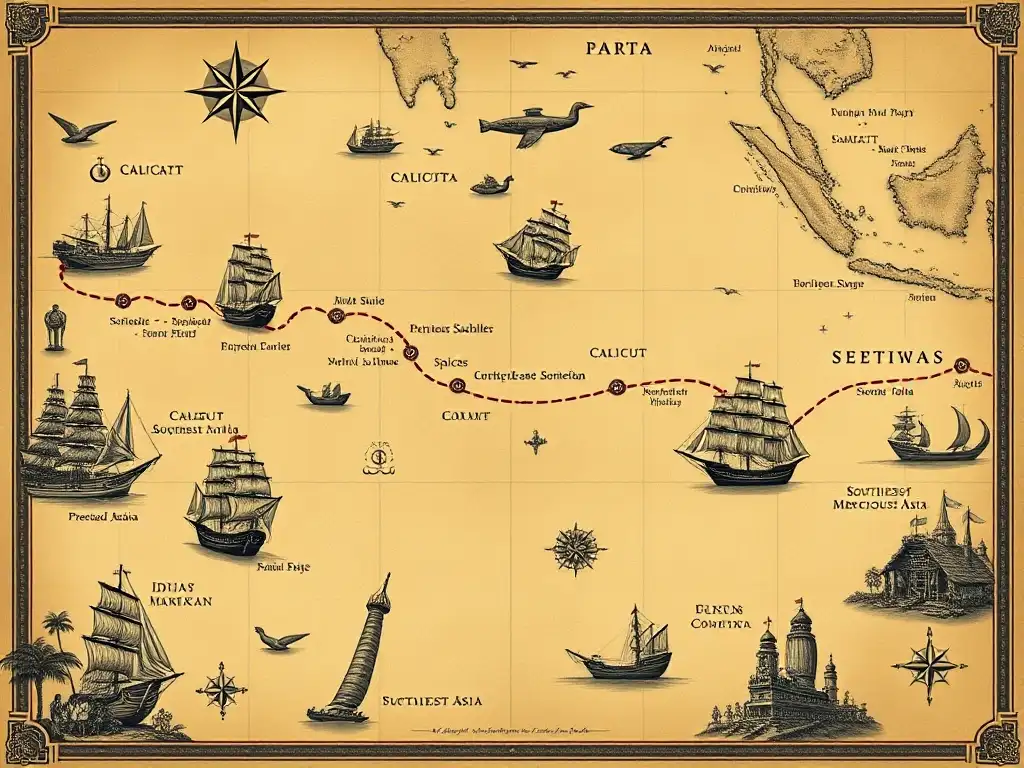
The Rise of Trade Networks in Ancient India
The emergence of ancient Indian trade routes can be traced back to the early civilizations of the Indus Valley, which flourished around 2500 BCE. The well-planned cities of Harappa and Mohenjo-Daro engaged in trade not only within the Indian subcontinent but also with distant lands such as Mesopotamia and the Arabian Peninsula. This initial phase set the foundation for a complex web of trade networks that would expand significantly over the centuries.
By the time of the Maurya Empire (c. 322–185 BCE), trade had reached new heights. The establishment of a centralized administration under Emperor Ashoka facilitated the development of a robust infrastructure that included roads and trade routes. These routes, particularly the Grand Trunk Road, connected the eastern and western parts of the subcontinent and extended into Southeast Asia. The Mauryan period is marked by increased cultural exchanges and the spread of Buddhism, which further linked India with countries such as Sri Lanka, Myanmar, and Indonesia.
Trade flourished during the Gupta Empire (c. 320–550 CE), often referred to as the Golden Age of India. The Gupta rulers promoted commerce through patronage and the establishment of trade guilds, which played a crucial role in regulating trade practices. The introduction of standardized weights and measures improved transaction efficiency and encouraged trade across the Indian Ocean. This period also saw the rise of maritime trade routes, allowing Indian merchants to engage with Southeast Asia actively.
Key Historical Periods Influencing Trade Routes
Several historical periods significantly impacted the ancient Indian trade routes and their connection to Southeast Asia, shaping economic practices and cultural exchanges.
- Indus Valley Civilization (c. 2500–1900 BCE)
- Trade Partners: Mesopotamia, Persia, and regions in Arabia.
- Goods Traded: Cotton textiles, beads, and pottery.
- The urban centers were strategically located near rivers, facilitating transportation and trade.
- Maurya Empire (c. 322–185 BCE)
- Trade Expansion: Enhanced trade with regions like Central Asia and Southeast Asia.
- Cultural Exchanges: Spread of Buddhism through trade routes influenced cultural practices in Southeast Asia.
- Notable Routes: The Silk Road and maritime paths connecting India to the Malay Archipelago.
- Gupta Empire (c. 320–550 CE)
- Maritime Trade Flourishment: Increased sea trade with Southeast Asia, especially with kingdoms like Srivijaya and Funan.
- Economic Practices: Establishment of trade guilds and standardized transactions.
- Cultural Impact: The exchange of ideas, art, and religion, particularly Hinduism and Buddhism.
- Post-Gupta Period (c. 550 CE onward)
- Decline and Resurgence: Although trade saw a decline with the fall of the Gupta Empire, it experienced a resurgence with the rise of regional kingdoms.
- Trade Revival: The emergence of powerful maritime states in Southeast Asia rekindled economic ties with India.
- Goods Traded: Spices, precious gems, and textiles became prominent exports.
The historical context of ancient Indian trade routes with Southeast Asia highlights a dynamic exchange of goods, culture, and ideas over centuries, reflecting the adaptability and resilience of Indian civilizations in fostering trade relationships. These trade networks not only contributed to economic prosperity but also enhanced cultural ties that shaped the region's history.
Major Ancient Indian Trade Routes
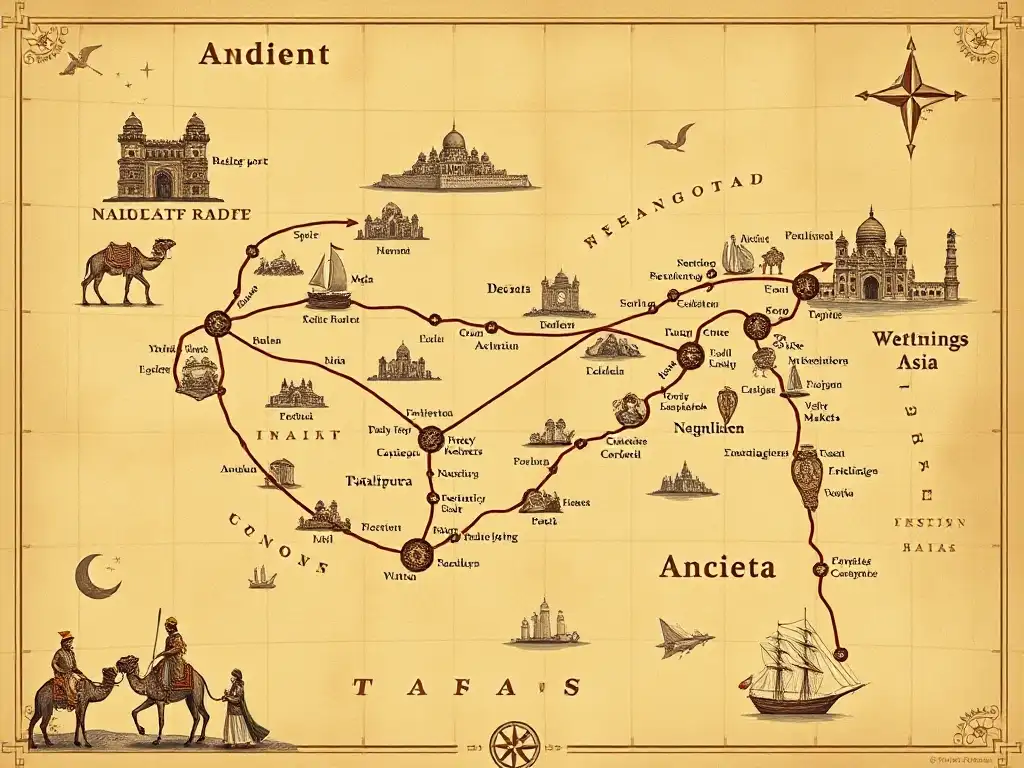
Land-Based Trade Routes to Southeast Asia
The land-based trade routes from ancient India to Southeast Asia were crucial in facilitating the exchange of goods, culture, and ideas. These routes primarily connected the Indian subcontinent with regions that are now part of modern-day Myanmar, Thailand, Laos, and Cambodia. The trade was not only vital for economic exchanges but also played a significant role in disseminating Indian culture, religion, and art throughout Southeast Asia.
- Silk Road Influence: The land routes were often linked to the broader Silk Road network, which connected India to Central Asia and beyond. Merchants would traverse through the mountainous terrains, often using caravans to transport valuable goods such as silk, spices, and precious stones.
- Key Trade Hubs: Prominent cities such as Pataliputra (modern-day Patna) served as significant trade hubs. These cities provided merchants with essential resources, including food, resting places, and marketplaces. The trade routes often branched out from these hubs, reaching various parts of Southeast Asia.
- Cultural Exchanges: The interaction between Indian traders and Southeast Asian societies led to significant cultural exchanges. Indian philosophies, languages, and religions, particularly Hinduism and Buddhism, spread along these routes. For instance, the influence of Indian architectural styles can be seen in the temples of Angkor Wat in Cambodia.
Maritime Trade Routes and Their Significance
Maritime trade routes complemented land routes, facilitating extensive trade networks across the Indian Ocean and the South China Sea. These routes were essential for connecting the Indian subcontinent with various Southeast Asian islands, including Sumatra, Java, and the Philippines.
- Key Ports: Major ports such as Lothal in Gujarat and Musiri in Tamil Nadu were pivotal in ancient maritime trade. They served as embarkation points for ships loaded with goods destined for Southeast Asia. The strategic location of these ports enabled easy access to trade with other civilizations.
- Goods and Commodities: Indian traders exported a variety of goods, including textiles, spices, and metalwork. In return, they imported exotic products like gold, ivory, and aromatic woods from Southeast Asia. This mutual exchange enriched both regions economically and culturally.
- Navigational Skills: Ancient Indian seafarers were adept navigators, utilizing monsoon winds to travel efficiently between ports. Their knowledge of the ocean currents and climatic patterns enabled them to establish regular trade routes, which were pivotal for sustaining economic ties with Southeast Asia.
- Impact on Society: The maritime trade routes not only facilitated economic prosperity but also led to the establishment of Indian diasporas in Southeast Asia. These communities contributed to local economies and played a crucial role in the cultural and religious transformations in the region.
The ancient Indian trade routes—both land-based and maritime—were instrumental in shaping the economic and cultural landscapes of Southeast Asia. They facilitated not just trade but also the flow of ideas and cultural practices that have had a lasting impact on the region.
Economic Exchanges between Ancient India and Southeast Asia
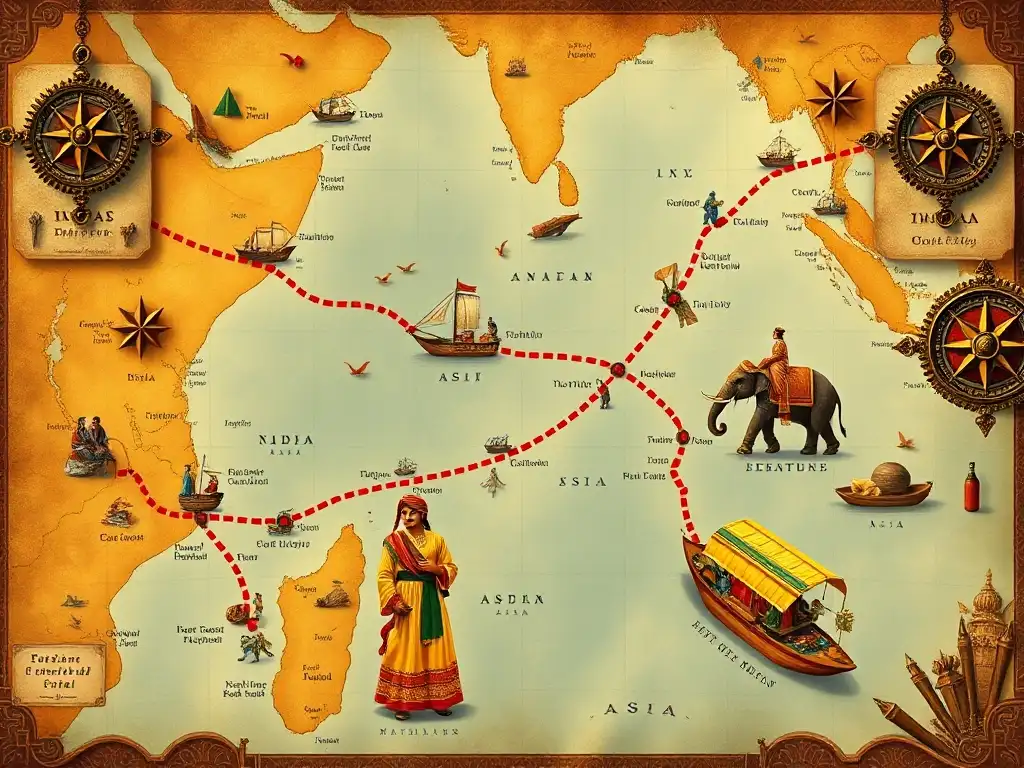
The economic exchanges between Ancient India and Southeast Asia were characterized by a rich tapestry of trade routes that facilitated the movement of goods, people, and ideas across vast distances. These routes played a pivotal role in connecting the Indian subcontinent with the vibrant cultures of Southeast Asia, enhancing not only economic transactions but also cultural interactions that shaped the histories of both regions.
The ancient Indian trade routes were not merely conduits for goods; they were also pathways for the exchange of knowledge, technology, and cultural practices. The establishment of maritime routes linking Indian ports with Southeast Asian harbors allowed for a thriving commerce that flourished from around the 1st century CE onwards, significantly impacting the economies of both regions.
Key Commodities Traded
The trade between Ancient India and Southeast Asia involved a diverse array of commodities, each contributing to the economic and cultural exchanges that defined the era.
Spices and Textiles
One of the most significant commodities traded was spices, particularly black pepper, cardamom, and cinnamon. The demand for these spices was immense, as they were not only used for culinary purposes but also for medicinal and preservative functions. Indian merchants capitalized on this demand, exporting large quantities of spices to Southeast Asia, where they were highly valued.
In addition to spices, textiles formed another cornerstone of ancient Indian trade. Indian cotton and silk textiles, known for their quality and intricate designs, attracted buyers from Southeast Asia. The trade in textiles was more than a mere exchange of goods; it represented a transfer of artistic influences and techniques, enriching the local textile industries in Southeast Asian regions.
Precious Stones and Metals
Ancient Indian trade routes also facilitated the exchange of precious stones and metals. India was renowned for its diamonds, rubies, and emeralds, which were highly sought after in Southeast Asia. The trade in these precious commodities not only bolstered the Indian economy but also established India as a pivotal center for gem trading.
Metals such as gold and silver were also significant in trade. Indian craftsmen were skilled in metallurgy, producing exquisite jewelry and ornaments that appealed to Southeast Asian elites. This exchange of precious materials fostered economic ties and enriched the cultural heritage of both regions.
Trade Goods that Influenced Economic Practices
The goods exchanged along these ancient trade routes influenced the economic practices of both Ancient India and Southeast Asia, leading to the development of new markets and trade networks.
Cultural Artifacts
Cultural artifacts were among the most profound influences of trade. The exchange of religious icons, sculptures, and manuscripts played a vital role in shaping the spiritual and cultural landscape of Southeast Asia. For instance, the spread of Buddhism from India to regions such as modern-day Indonesia and Thailand was facilitated by trade routes, leading to the establishment of significant religious sites and cultural exchanges.
The incorporation of Indian artistic styles in Southeast Asian temples and monuments, such as the famous Borobudur in Indonesia, is a testament to the deep cultural connections fostered through trade. These exchanges not only enhanced local art but also laid the groundwork for a shared cultural heritage.
Agricultural Products
Agricultural products were another critical aspect of trade that impacted economic practices. Indian merchants introduced a variety of crops, such as rice and sugarcane, to Southeast Asia, which subsequently transformed local agricultural practices. The adaptation of these crops contributed to agricultural diversity and food security in the region.
The spread of agricultural knowledge, including irrigation techniques and farming practices, further enriched Southeast Asian economies. These innovations allowed for increased productivity, ultimately enhancing trade networks and contributing to the prosperity of both Ancient India and Southeast Asia.
The ancient Indian trade routes served as vital arteries for economic and cultural exchanges between Ancient India and Southeast Asia. Through the trade of spices, textiles, precious stones, cultural artifacts, and agricultural products, these routes fostered a legacy of interconnectedness that shaped the histories and economies of both regions.
Cultural Exchanges through Trade
The ancient trade routes between India and Southeast Asia facilitated not only the exchange of goods but also a profound cultural interplay that enriched both regions. This exchange played a crucial role in shaping the civilizations of Southeast Asia, as they adopted various elements of Indian culture, which in turn influenced Indian society as well.
Influence of Indian Culture on Southeast Asia
Ancient Indian trade routes were instrumental in transmitting Indian cultural elements to Southeast Asia. This influence can be observed in various domains, particularly religion, philosophy, art, and architecture.
Religion and Philosophy
One of the most significant cultural exchanges was the spread of religious beliefs. Indian traders and missionaries carried Hinduism and Buddhism to Southeast Asia, where they found fertile ground.
- Buddhism: The spread of Buddhism from India to Southeast Asia is particularly notable. The establishment of important Buddhist centers, such as Borobudur in Indonesia and the ancient city of Srivijaya, highlights this influence. These centers served as hubs for learning and pilgrimage.
- Hinduism: The adoption of Hindu deities and rituals in places like Bali reflects the deep-seated influence of Indian religious practices. The construction of temples dedicated to Hindu gods in various Southeast Asian cultures solidified this connection.
“The cultural tapestry of Southeast Asia is interwoven with threads of Indian philosophy and spirituality, showcasing a blend of beliefs that have evolved over centuries.”
Art and Architecture
The artistic and architectural styles of Southeast Asia were heavily influenced by Indian models, as evidenced by the following:
- Temple Architecture: The Khmer Empire, for instance, modeled its grand temples, such as Angkor Wat, on Indian architectural styles. The intricate carvings and layouts reflect Hindu cosmology and mythology, showcasing the synergy between Indian and local artistic expressions.
- Sculpture and Painting: Indian motifs, such as depictions of deities and mythological stories, found their way into the art of Southeast Asia. The use of vibrant colors and elaborate designs in murals and sculptures draws from Indian traditions, creating a unique blend that is distinctly Southeast Asian.
Southeast Asian Influences on Ancient Indian Society
The cultural exchanges were not unidirectional; Southeast Asia also left its mark on ancient Indian society. This influence can be seen in language, literature, and agricultural practices.
Language and Literature
Southeast Asia's influence can be traced in the linguistic developments of ancient India:
- Sanskrit and Regional Languages: Trade interactions led to the incorporation of words and phrases from Southeast Asian languages into Sanskrit. This linguistic exchange enriched the vocabulary and expressions found in ancient Indian texts.
- Literary Themes: The narratives and folklore from Southeast Asia began to emerge in Indian literature, showcasing shared themes of heroism, spirituality, and morality.
Agricultural Techniques
The agricultural practices of Southeast Asia also impacted ancient Indian farming methods:
- Rice Cultivation: Southeast Asia’s advanced rice cultivation techniques were adopted by Indian farmers, enhancing agricultural productivity. The introduction of wet rice farming techniques, which are still prevalent today, transformed Indian agriculture.
- Crop Diversity: The exchange of crops, such as various spices and tropical fruits, not only diversified Indian agriculture but also played a significant role in trade. This led to a culinary exchange that enriched the diets and agricultural practices of both regions.
The ancient Indian trade routes served as conduits for rich cultural exchanges that profoundly shaped both Indian and Southeast Asian societies. The intermingling of ideas, beliefs, and practices fostered a complex relationship that continues to influence the cultural landscapes of both regions today.
Impact of Ancient Indian Trade Routes on Economic Systems
Development of Port Cities and Trade Centers
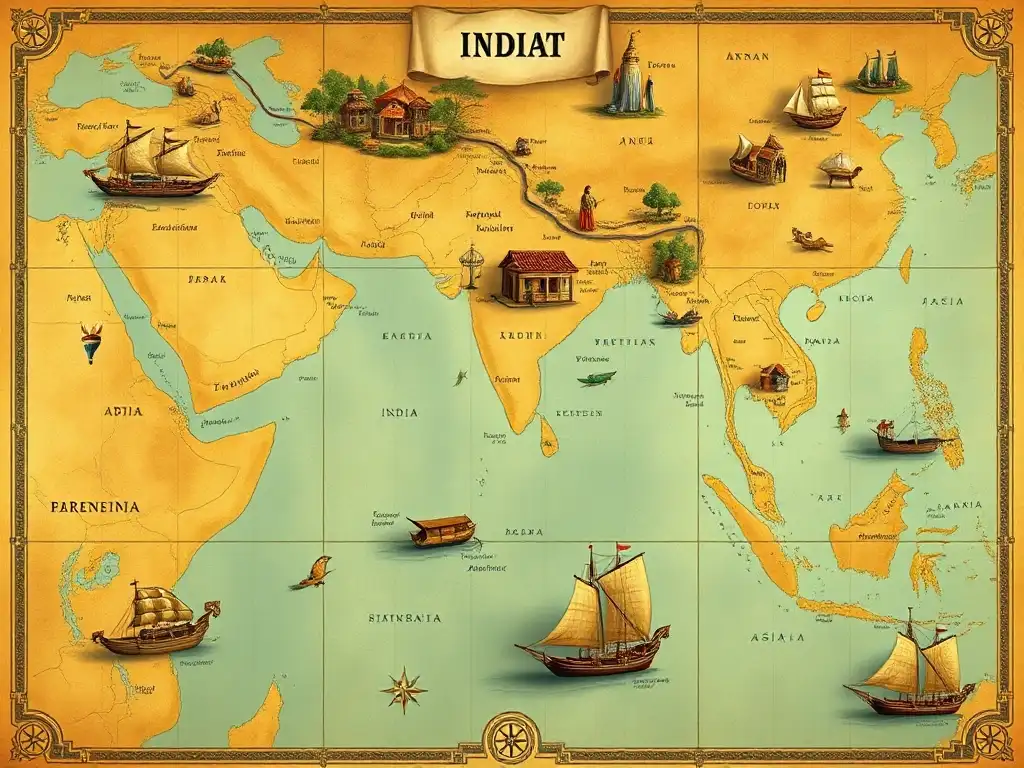
The establishment of ancient Indian trade routes significantly influenced the growth and development of port cities and trade centers along the subcontinent's coastline. Key ports such as Lothal, Surat, and Kaveripattinam emerged as bustling hubs of commercial activity due to their strategic locations along maritime routes. These ports facilitated the exchange of goods, ideas, and cultures between India and Southeast Asia, ultimately transforming the economic landscape of the region.
- Lothal:
- Located in present-day Gujarat, Lothal is one of the most notable ancient ports. Excavations reveal a well-planned dock yard, which was likely used for maritime trade as early as 2400 BCE.
- It served as a crucial point for the trade of beads, textiles, and spices, connecting merchants from the Indus Valley civilization with those in Mesopotamia and beyond.
- Surat:
- Surviving as a significant trade center from the 15th century onwards, Surat became a vital port for the Mughal Empire and later European traders.
- The city was known for exporting textiles, particularly silk and cotton, which were highly sought after in Southeast Asia and Europe.
- Kaveripattinam:
- This ancient port city, located in Tamil Nadu, played a pivotal role in trade with Southeast Asian kingdoms.
- It was a center for the export of goods like pepper, which were in high demand in international markets.
The flourishing of these port cities not only boosted local economies but also integrated them into a broader network of maritime trade that spanned across the Indian Ocean. This interconnectivity allowed for the exchange of not only goods but also cultural practices, fostering a rich tapestry of interactions between different civilizations.
Role of Merchants and Trade Guilds
The role of merchants and trade guilds was central to the functioning of ancient Indian trade routes, serving as the backbone of economic activity. These entities were crucial in organizing and facilitating trade, ensuring the smooth flow of goods across vast distances.
- Merchants:
- Merchants were often the primary agents of trade, navigating complex networks of land and sea routes. They were responsible for sourcing goods, negotiating prices, and managing the logistics of transportation.
- Many merchants also became wealthy and influential figures, able to leverage their connections to establish trade relations with foreign lands. Notably, Indian merchants often engaged in cultural exchanges alongside economic transactions, introducing new ideas, technologies, and practices.
- Trade Guilds:
- Trade guilds, known as shrenis, were associations formed by merchants and artisans. They played a critical role in regulating trade practices, setting standards, and providing mutual support.
- These guilds not only facilitated commerce but also acted as a social and political force, representing their members' interests and negotiating with local authorities.
- The existence of such guilds fostered trust and collaboration among traders, enabling them to undertake long-distance trade more effectively.
The interaction between merchants and guilds established a robust economic framework that underpinned ancient Indian trade routes. This system allowed for the proliferation of various goods—spices, textiles, metals, and more—into Southeast Asia, while simultaneously enriching the local economies and cultures of the regions involved.
Challenges and Changes in Ancient Trade Routes
Geographic and Political Challenges
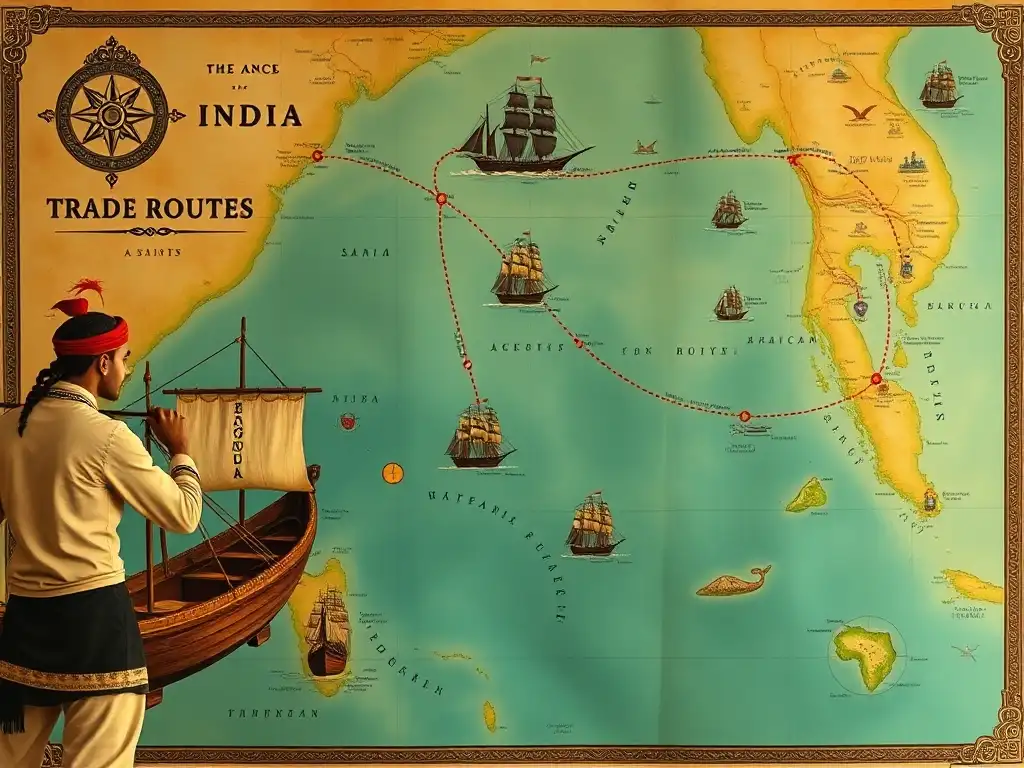
Ancient Indian trade routes, particularly those extending to Southeast Asia, faced numerous geographic and political challenges that significantly impacted their development and sustainability. The diverse topography of the Indian subcontinent, with its mountains, rivers, and dense forests, posed obstacles for traders. The Himalayan range, for instance, while providing strategic protection, also made overland trading difficult. This necessitated the establishment of alternative routes, often relying on maritime navigation.
Key Geographic Challenges:
- Mountainous Terrain: The northern borders of India, encumbered by the Himalayas, limited easy access to northern regions and necessitated the use of high-altitude passes, which were treacherous.
- Monsoon Seasons: The seasonal monsoon winds played a dual role; they were crucial for maritime trade but could also disrupt shipping and lead to significant losses if not carefully navigated.
- Waterways and Rivers: While rivers such as the Ganges and Indus facilitated trade, they could also be unpredictable, leading to flooding or droughts that affected trade schedules.
In addition to geographic challenges, political factors also shaped the trade landscape. The rise and fall of empires, local governance structures, and conflicts all influenced the stability of trade routes.
Political Influences:
- Fragmented Kingdoms: The presence of various kingdoms and their fluctuating alliances sometimes led to instability, making certain routes less secure or even dangerous for traders.
- Cultural Exchange vs. Conflict: While trade brought cultural exchange, it also sparked conflicts over resources, leading to the closure of critical trade routes. For example, local rulers may have imposed tariffs or restrictions on foreign merchants, altering trade dynamics.
Ultimately, these geographic and political challenges necessitated adaptations by traders, influencing the routes they chose and the goods they exchanged.
The Decline of Trade Routes and Its Effects
The decline of ancient Indian trade routes, particularly during the late medieval period, had profound consequences not only for the Indian subcontinent but also for Southeast Asia. Factors contributing to this decline included shifts in political power, changes in trading practices, and the emergence of new maritime routes.
Factors Leading to Decline:
- Rise of Maritime Powers: The emergence of European maritime powers in the 15th and 16th centuries transformed trade dynamics. The Portuguese, Dutch, and later the British established new trade routes that bypassed traditional overland paths.
- Political Disintegration: The fragmentation of Indian kingdoms and the rise of colonial powers weakened local economies and disrupted established trade networks.
- Economic Shifts: Changes in demand for certain goods, such as spices and textiles, influenced trading patterns. The focus began to shift towards more lucrative markets in Europe, leading to decreased interest in Southeast Asian routes.
Effects on Ancient Indian Trade:
- Economic Isolation: The decline resulted in economic isolation for certain regions in India, leading to a decrease in wealth generated from trade and impacting local artisans and producers.
- Cultural Impacts: With the reduction in trade activity, the vibrant cultural exchanges that characterized earlier periods diminished, leading to a more insular society.
- Legacy of Trade Routes: The remnants of these ancient trade routes still influence modern commerce. Many of the pathways established centuries ago continue to be significant in today’s global trade networks.
The decline of ancient Indian trade routes was a multifaceted issue that stemmed from geographic, political, and economic changes. The repercussions of this decline have shaped the historical narrative of trade and cultural exchange in the region, leaving a lasting legacy that resonates in contemporary times.
Conclusion: Legacy of Ancient Indian Trade with Southeast Asia
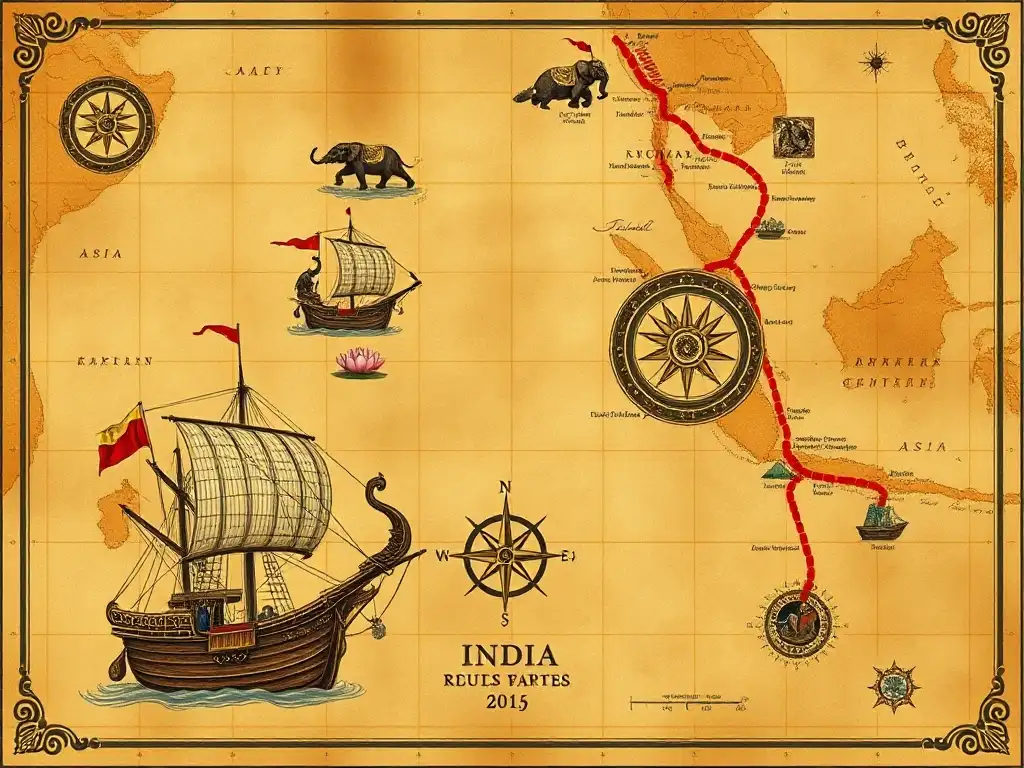
The trade relations between ancient India and Southeast Asia were instrumental in shaping not only the economies of both regions but also their cultural landscapes. The extensive network of ancient Indian trade routes facilitated the exchange of goods, ideas, and traditions, leaving a lasting legacy that continues to influence contemporary societies. This conclusion reflects on the significant impacts of these exchanges, highlighting their relevance in today's world.
Lasting Impact on Modern Economic Practices
The economic practices established during ancient Indian trade with Southeast Asia have laid foundational principles that still resonate in modern commerce. The exchange of commodities such as spices, textiles, and precious stones created a complex web of trade relationships that fostered trust and collaboration among diverse cultures.
- Integration of Markets: The ancient trade routes contributed to the integration of Southeast Asian markets into the global economy. Products like black pepper and silk, which were highly sought after, became staples in international trade, influencing pricing strategies and market demand.
- Cultural Exchanges: These trade interactions were not limited to economic transactions. They facilitated the transfer of knowledge, including agricultural techniques, architectural styles, and even literary traditions. The spread of Indian numerals and concepts of mathematics into Southeast Asia is a notable example of this intellectual exchange.
- Modern Trade Agreements: Today's trade agreements between India and Southeast Asian nations can trace their roots back to these early exchanges. The Association of Southeast Asian Nations (ASEAN) and its trade policies reflect the historical significance of these routes, promoting economic cooperation reminiscent of ancient practices.
Preservation of Cultural Heritage through Trade
Trade not only fostered economic growth but also played a crucial role in the preservation and dissemination of cultural heritage. The interactions along the ancient Indian trade routes resulted in a rich tapestry of shared customs and traditions that are still evident today.
- Religious Influences: The spread of Hinduism and Buddhism from India to Southeast Asia through trade routes led to significant cultural integration. Temples such as Borobudur in Indonesia and Angkor Wat in Cambodia are prime examples of this cultural influence, showcasing Indian architectural styles and religious iconography.
- Linguistic Exchange: Trade also facilitated linguistic interactions. Sanskrit and Pali, the languages of ancient Indian scriptures, influenced the development of local languages in Southeast Asia. Many modern Southeast Asian languages contain numerous loanwords derived from Sanskrit, demonstrating the enduring impact of these early exchanges.
- Artistic Traditions: The exchange of goods included artistic artifacts, which helped preserve and promote various art forms. Traditional textiles, pottery, and sculptures from ancient India influenced local crafts in Southeast Asia, leading to a unique blend of artistic expressions that celebrate both Indian and regional identities.
The legacy of ancient Indian trade routes extends far beyond mere economic exchanges. The cultural and economic dimensions of these interactions have profoundly shaped the historical and contemporary landscapes of both India and Southeast Asia, preserving a rich heritage that continues to thrive in modern times.
References and Further Reading on Ancient Indian Trade Routes
Suggested Books and Articles
-
"The Emergence of the Indian Ocean Trade Network"
This book provides a comprehensive analysis of the ancient trade routes that connected India to Southeast Asia, highlighting the significance of maritime trade in shaping cultural interactions.
-
"India and Southeast Asia: A Historical Overview"
This article discusses the historical context of trade between India and Southeast Asia, focusing on the economic and cultural exchanges that took place along ancient Indian trade routes.
-
"Trade and Trade Routes in Ancient India"
An insightful examination of the various trade routes established in ancient India, their geographical significance, and their role in facilitating commerce with neighboring regions.
-
"The Role of the Indian Subcontinent in the Global Trade Network"
This publication explores how ancient Indian trade routes contributed to a broader global trade network, emphasizing the flow of goods and ideas across borders.
-
"Maritime Trade in Ancient India: A Study of the Indian Ocean"
This scholarly work investigates the maritime trade practices of ancient Indian civilizations and their interactions with Southeast Asian cultures.
Online Resources for Further Exploration
-
Digital South Asia Library
A treasure trove of resources including maps, texts, and images related to ancient Indian trade routes and their significance in the larger context of South Asian history.
-
India History Congress
An online platform that features papers, research articles, and discussions focused on historical aspects of Indian trade, including its maritime routes to Southeast Asia.
-
The Indian Council of Historical Research
This website offers access to various research projects and publications that delve into the economic practices of ancient India, including trade routes and their impact on regional cultures.
-
The South Asia Archive
A comprehensive digital archive that provides access to a wealth of historical documents, journals, and books about ancient Indian trade, facilitating deeper understanding of the subject.
-
JSTOR
An extensive database of academic papers where users can find numerous articles on ancient Indian trade routes, including their economic implications and cultural exchanges with Southeast Asia.
Each of these resources provides valuable insights into the intricate web of ancient Indian trade routes, illustrating their importance in fostering economic ties and cultural exchanges across regions.
Frequently Asked Questions
What were the Ancient Indian trade routes with Southeast Asia?
Ancient Indian trade routes included maritime paths connecting ports in India to regions in Southeast Asia, facilitating the exchange of goods, culture, and ideas.
How did trade impact cultural exchanges between India and Southeast Asia?
Trade led to significant cultural exchanges, including the spread of religions like Buddhism and Hinduism, as well as artistic and architectural influences across the region.
What goods were commonly traded between Ancient India and Southeast Asia?
Commonly traded goods included spices, textiles, gems, and precious metals, which were highly sought after in both regions for their quality and unique characteristics.
How did the Gupta Empire influence trade in ancient times?
The Gupta Empire enhanced trade by establishing stable governance, improving infrastructure, and promoting maritime trade, which resulted in increased economic prosperity.
What role did port cities play in ancient Indian trade?
Port cities served as vital hubs for commerce, allowing for the exchange of goods and cultures, and facilitating connections with distant markets in Southeast Asia and beyond.
Final Reflection: The Enduring Legacy of Ancient Indian Trade Routes
The intricate web of ancient Indian trade routes not only facilitated economic exchanges but also fostered cultural interactions that resonate in our globalized world today. The significance of these trade routes extends far beyond mere commerce; they were conduits of ideas, beliefs, and innovations that shaped civilizations. As we navigate the complexities of modern trade and cultural exchange, the lessons from ancient Indian trade serve as a powerful reminder of our interconnectedness.
The cultural and economic exchanges that blossomed along these ancient routes have left an indelible mark on the social landscape of Southeast Asia. From the spread of religions to the sharing of artistic expressions, the influence of these exchanges is palpable even in contemporary societies. As historian Romila Thapar aptly stated, Trade is not merely an economic activity; it is a cultural phenomenon that shapes identities and relationships.
This observation underscores the importance of understanding our shared history and how it continues to influence our present and future.
As we reflect on the rich tapestry of ancient Indian trade routes, I invite you to consider how these historical connections can inspire our actions today. Let us embrace the spirit of exchange, fostering understanding and collaboration across cultures. Whether through learning about different traditions or engaging in meaningful dialogues, each of us has the power to contribute to a more interconnected world. The legacy of ancient trade is not just a story of the past; it is a call to action for a future where cultural and economic exchanges continue to thrive.
Unveil the Rich Tapestry of Ancient Trade!
Thank you for diving into the fascinating world of ancient Indian trade with Southeast Asia! By exploring this cultural and economic exchange, you’ve unlocked the secrets of a vibrant past that shaped both regions. Now, let’s take steps to further connect with this rich history and make it come alive.
Here’s how you can engage further:
- Join our community: Subscribe to our newsletter for the latest articles and discussions about ancient trade routes and their impact on modern society.
- Explore the artifacts: Visit a local museum or take a virtual tour of exhibits showcasing ancient trade goods and cultural exchanges.
- Share your insights: Discuss this topic with friends or on social media to spark conversations about the significance of trade throughout history.
What is one surprising fact about cultural exchanges you’ve come across, or how do you think ancient trade has influenced contemporary relations in the region? **We invite you to share your thoughts with us! **