
The Social and Economic Impact of the Silk Road on Ancient India

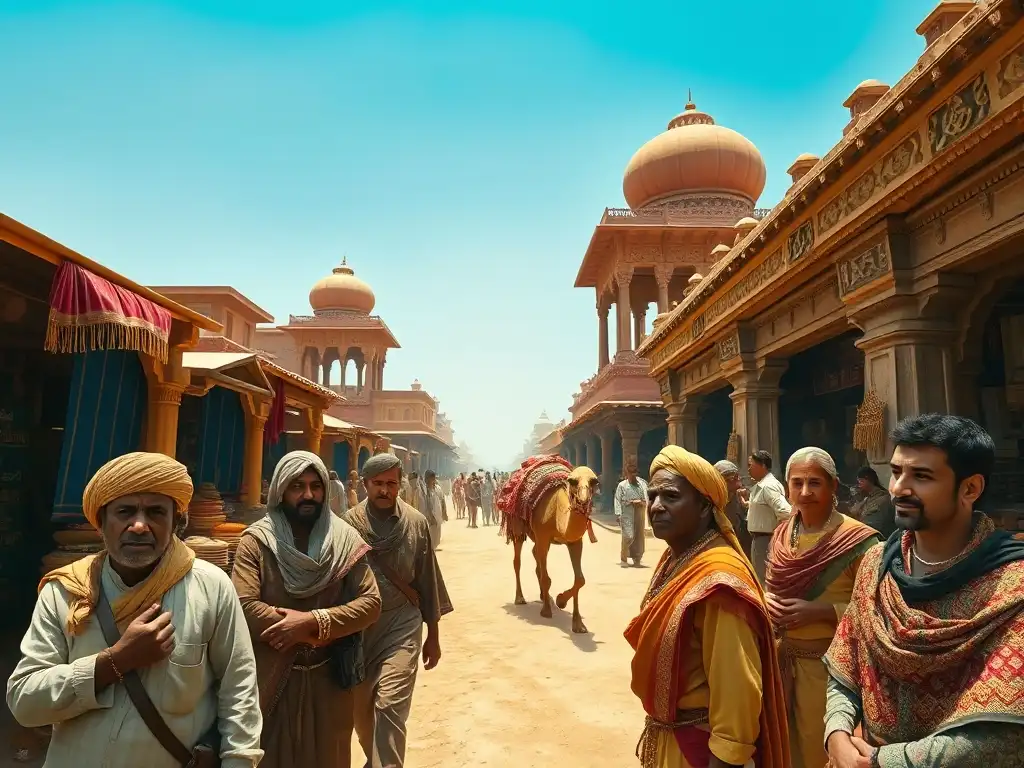
Welcome to Ancient India History, where we delve into the fascinating tapestry of ancient civilizations that shaped the subcontinent. Today, we invite you to explore the profound social and economic impact of the Silk Road on Ancient India. This ancient trade route was not just a passage for goods, but a vibrant channel of culture, innovation, and connection that transformed Indian society.
What secrets lie in the intersections of trade and culture? Join us as we unravel the threads of history that wove together the rich legacy of ancient India, and discover how the Silk Road influenced the lives of its people. Your journey through time begins now!
Introduction to the Silk Road and Ancient India
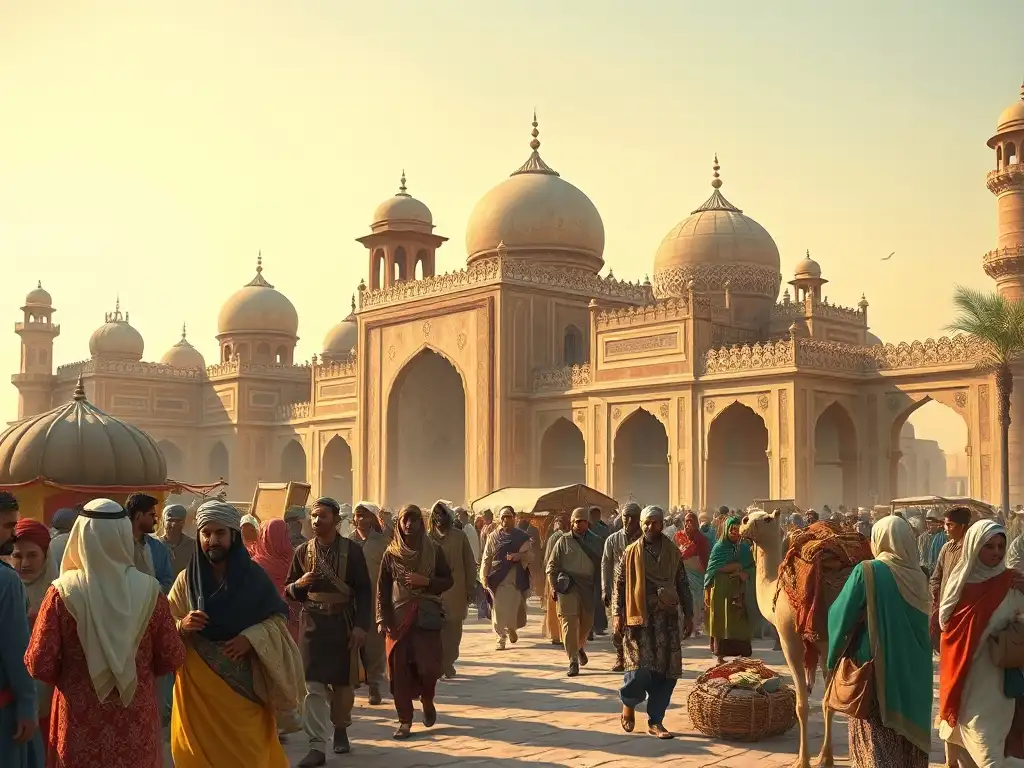
The Silk Road was not merely a network of trade routes, but a monumental conduit of culture, commerce, and connectivity that spanned across continents. Its extensive reach facilitated the exchange of goods, ideas, and innovations, profoundly impacting the regions it touched. Among these regions, Ancient India stood out as a pivotal player in the intricate web of trade and interaction.
The interplay between the Silk Road and the Indian subcontinent exemplifies a dynamic period where economic practices flourished, and social transformations took root, shaping the course of Indian civilization. This article delves into the multifaceted impact of the Silk Road on Ancient India, examining both economic ramifications and social shifts.
Overview of the Silk Road's Origins and Routes
The origins of the Silk Road can be traced back to the Han Dynasty of China around the 2nd century BCE, primarily established to facilitate trade in silk and other luxury goods. As this network evolved, it expanded to include various branches that connected China, Central Asia, and the Mediterranean, ultimately reaching the heart of India.
The routes can be categorized into:
- Overland Routes: These traversed the harsh terrains of Central Asia, connecting major cities such as Samarkand and Bukhara with Indian trade hubs.
- Maritime Routes: These navigated the seas, linking ports along the Indian coast with those in Southeast Asia and beyond.
This vast system of trade not only allowed for the transportation of commodities but also the movement of people, ideas, and cultures across regions.
Significance of Ancient India in Trade Networks
Ancient India’s strategic geographical location made it a crucial junction for trade between the East and West. The subcontinent served as a melting pot of diverse cultures, where merchants and traders from various backgrounds converged.
Key aspects of India's significance include:
- Cultural Exchange: The influx of goods and ideas led to the assimilation of various cultural practices, influencing art, religion, and philosophy.
- Economic Prosperity: The thriving trade routes brought wealth to Indian kingdoms and bolstered the economy, leading to advancements in infrastructure and urbanization.
The Economic Impact of the Silk Road on Ancient India
The economic ramifications of the Silk Road on Ancient India were profound, transforming local economies and contributing to the rise of influential trade cities.
Trade Goods Exchanged via the Silk Road
The Silk Road facilitated the exchange of a wide array of goods, significantly contributing to the economic landscape of Ancient India. Among the notable items traded were:
- Silk: Imported from China, silk became a highly sought-after commodity that influenced fashion and status.
- Spices: India was renowned for its spices, which were exported to distant lands, enhancing trade profits.
- Precious Stones and Metals: The export of diamonds, gold, and other jewels established India as a leading supplier in this lucrative market.
This vibrant trade not only enriched the economy but also played a crucial role in establishing India as a critical player in global commerce.
The Rise of Trade Cities in Ancient India
The flourishing trade along the Silk Road catalyzed the emergence and growth of numerous trade cities across Ancient India. Cities such as Taxila, Pataliputra, and Ujjain became bustling hubs of commerce, where merchants thrived and cultures mingled.
Key developments included:
- Urbanization: The influx of wealth and population led to the expansion of urban centers, marked by enhanced infrastructure and public amenities.
- Marketplaces: These cities fostered vibrant marketplaces, where local goods and foreign commodities were exchanged, creating a dynamic economic environment.
The Silk Road's impact on Ancient India was multifaceted, influencing not only the economy but also the social fabric of the civilization. This rich interplay of trade and culture laid a foundation for the prosperity and diversity that characterized Ancient Indian societies.
The Silk Road, an ancient network of trade routes that connected the East and West, had a profound social impact on Ancient India. This extensive trade network facilitated not only the exchange of goods but also the sharing of ideas, cultures, and traditions. The influx of foreign influences and the establishment of trade relations contributed to significant changes in Indian society.
Cultural Exchange and Its Effects on Society
Cultural exchange along the Silk Road was a transformative force for Ancient India. As traders, travelers, and missionaries traversed these routes, they brought with them various cultural elements, including art, religion, and language.
- Religious Influence: Buddhism, for instance, spread from India to Central Asia and beyond, leading to the establishment of monasteries and the adaptation of Buddhist teachings in different cultures. The arrival of Zoroastrianism and later Islam also enriched the spiritual landscape of India.
- Art and Architecture: The Silk Road facilitated the exchange of artistic techniques and styles. Indian art absorbed influences from Hellenistic and Persian traditions, which can be seen in the sculptures and architectural designs of the time.
- Language and Literature: The contact with diverse cultures led to the borrowing of words and phrases, enriching the local languages. Literary works began to reflect a blend of ideas, showcasing narratives from different cultural backgrounds.
This cultural amalgamation fostered a society that was more cosmopolitan and open to new ideas, ultimately shaping the identity of Ancient India.
Social Structures and Changes Due to Trade
The trade relationships established through the Silk Road also had a significant impact on social structures within Ancient Indian society.
- Emergence of Merchants: The rise of a wealthy merchant class due to trade in luxury goods like silk, spices, and precious stones changed the social dynamics. This new economic power allowed merchants to gain influence, leading to a shift in traditional social hierarchies.
- Urbanization: Trade routes stimulated the growth of urban centers, as cities like Taxila and Peshawar became bustling hubs of commerce. This urbanization led to the development of new social classes and increased interactions among various groups.
- Caste System Evolution: The growing economic importance of trade began to challenge the rigid caste system. New professions emerged, and individuals could elevate their status based on wealth and trade success, leading to a gradual evolution of social stratification.
The Interconnectedness of Economy and Society
The relationship between the economy and society in Ancient India was deeply intertwined, with the Silk Road serving as a crucial link in this interconnectedness. Economic prosperity brought about by trade influenced various social dimensions, reshaping the fabric of society.
How Economic Gains Influenced Social Hierarchies
The economic gains from Silk Road trade significantly affected social hierarchies in Ancient India.
- Wealth Accumulation: As merchants prospered, wealth became a determinant of social status rather than solely birthright. This shift allowed individuals from lower castes to rise in social standing, challenging the traditional caste system.
- Political Power: The affluent merchant class began to wield political influence, often supporting local rulers and gaining positions of power. Their financial resources enabled them to participate in governance and decision-making, thus altering the political landscape.
- Philanthropy and Social Responsibility: Many wealthy merchants engaged in philanthropic endeavors, funding temples, schools, and public works. This shift created a new social responsibility dynamic where economic success translated into societal contributions.
The Impact of Trade on Daily Life and Culture
The daily lives of people in Ancient India were significantly impacted by the Silk Road trade, leading to cultural shifts that permeated various aspects of life.
- Diet and Cuisine: The introduction of new ingredients and culinary practices from regions along the Silk Road enriched Indian cuisine. Spices, fruits, and cooking techniques from Central Asia and beyond became integrated into local diets.
- Fashion and Lifestyle: The demand for luxury goods such as silk and exotic artifacts influenced fashion and lifestyle choices among the elite. The desire for these goods permeated society, leading to the adoption of new styles and trends.
- Festivals and Celebrations: The cross-cultural interactions facilitated by trade led to the incorporation of various customs and festivities into Indian culture, enriching the tapestry of celebrations and communal life.
The Silk Road's impact on Ancient India was multifaceted, influencing social structures, cultural exchanges, and the interconnectedness of economy and society. The legacy of this vibrant trade network is evident in the rich heritage of India today.
Challenges and Limitations of the Silk Road's Influence
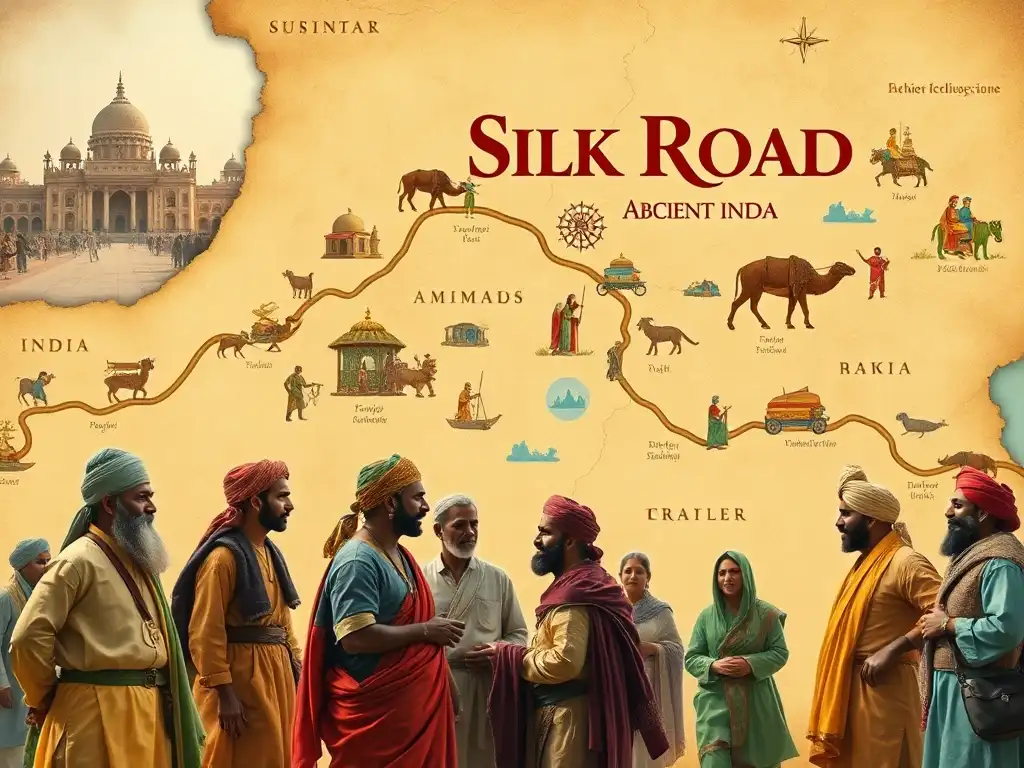
While the Silk Road significantly influenced the social and economic landscape of Ancient India, it was not without its challenges and limitations. The vast network of trade routes that facilitated the exchange of goods and ideas also faced numerous obstacles that occasionally hindered its effectiveness and reach. Understanding these challenges provides a more nuanced picture of the Silk Road's impact on Ancient Indian civilization.
Political Instability and Its Effects on Trade
Political instability was a prominent challenge that affected trade along the Silk Road. Throughout history, various regions of India experienced shifts in power, invasions, and internal conflicts that disrupted trade routes. For example, during the decline of the Mauryan Empire around 185 BCE, the fragmentation of authority led to a decrease in stability, which in turn affected trade activities. Merchants often faced extortion and violence from local warlords or rival factions, creating an environment of uncertainty that discouraged long-distance trade.
Furthermore, the rise and fall of empires influenced the security of trade routes. During periods of strong centralized power, such as under the Gupta Empire, trade flourished due to improved infrastructure and protection for merchants. However, during times of disarray, such as the invasions by nomadic tribes, trade routes were often abandoned, leading to a decline in economic activity and the loss of cultural exchanges.
Environmental Factors Impacting Trade Routes
Environmental factors also played a significant role in shaping the Silk Road's effectiveness as a trade conduit. The geography of the regions traversed by the Silk Road presented both challenges and opportunities. Harsh terrains, such as deserts and mountains, made certain routes perilous and difficult to navigate. For instance, the Thar Desert posed challenges for caravans, requiring extensive planning and resource management to ensure safe passage.
Moreover, climatic variations could impact agricultural productivity, which in turn affected trade. Droughts or flooding could lead to food shortages and economic distress, disrupting the flow of goods. Seasonal changes also dictated when merchants could travel, limiting trade to specific windows throughout the year. Such environmental challenges often resulted in fluctuations in trade volume, impacting the overall economic stability of the regions involved.
Conclusion: The Lasting Legacy of the Silk Road on Ancient Indian Civilization
The Silk Road left an indelible mark on Ancient India, contributing to both its economic prosperity and social evolution. While the challenges associated with trade along these routes were significant, the overall impact of the Silk Road on Indian civilization cannot be overstated.
Summary of Economic and Social Transformations
The economic transformations catalyzed by the Silk Road included the introduction of new goods, such as silk, spices, and precious metals, enriching India's trade portfolio. This influx of diverse products led to the emergence of new markets and trade practices, fostering a vibrant economy. Socially, the Silk Road facilitated cultural exchanges that contributed to the development of art, religion, and philosophy in India. The interactions between different cultures led to the syncretism of ideas, resulting in a unique blend of traditions that shaped Indian society.
Reflection on the Importance of Trade in Shaping Ancient India
Trade along the Silk Road was crucial in shaping Ancient India into a hub of cultural and economic exchange. The interactions fostered by this network not only enhanced India's wealth but also positioned it as a central player in the broader narrative of ancient global trade.
The legacy of the Silk Road is evident in the enduring cultural practices, artistic expressions, and economic systems that continue to reflect the rich tapestry of influences that have shaped Indian civilization. As such, the Silk Road's impact on Ancient India is a testament to the profound interconnectedness of cultures and economies throughout history.
Further Reading and Resources on Silk Road Studies and Ancient Indian Economic Practices
To deepen your understanding of the Silk Road's impact on Ancient India, a variety of books, articles, and online resources are available. These materials provide insights into the complex economic practices, trade relationships, and cultural exchanges spurred by the Silk Road, offering a well-rounded view of how these factors shaped ancient Indian societies.
Recommended Books and Articles
-
"The Silk Roads: A New History of the World" by Peter Frankopan
This comprehensive work delves into the historical significance of the Silk Roads, exploring their role in connecting various civilizations, including ancient India. Frankopan's narrative offers a fresh perspective on historical events, emphasizing the interconnectedness of cultures.
-
"India and the Silk Road: A Historical Overview" by R. K. Sharma
This book specifically focuses on the impact of the Silk Road on Indian trade and economy, detailing the various goods traded and the cultural exchanges that occurred. Sharma's analysis provides valuable insights into India's economic practices during the ancient period.
-
"The Origins of the Silk Road" (Journal Article)
This peer-reviewed article discusses the early development of the Silk Road and its initial impact on trade routes, including those linked to ancient Indian territories. It offers a scholarly perspective on the economic exchanges that began to take shape.
-
"Trade and Traders in the Ancient World" by Philip de Souza
This book provides a broader context of trade practices in ancient civilizations, including India, and discusses the significance of trade networks like the Silk Road. It highlights how trade influenced social structures and economies.
-
"The Ancient Indian Economy" by A. K. Rangarajan
Focusing on the economic practices within ancient India, this work examines how foreign trade, including trade through the Silk Road, contributed to economic development and stability in Indian society.
Online Resources for Continued Learning
-
The Silk Road Project (Website)
This interactive platform offers a wealth of information about the Silk Road, including educational resources, articles, and multimedia content. It provides a global perspective on the Silk Road's significance and its various cultural impacts.
-
Ancient History Encyclopedia (Website)
This resource features articles and essays covering a wide range of topics related to ancient history, including trade and economic practices in ancient India influenced by the Silk Road. The website is user-friendly and offers in-depth information.
-
Coursera Course: "Silk Roads: A History of the World"
This online course, offered by a renowned university, explores the history and impact of the Silk Roads. It covers various regions, including India, and examines the economic and social transformations brought about by trade routes.
-
YouTube Channels: "History Time" and "The Great Courses Plus"
These channels feature lectures and documentaries about the Silk Road and ancient civilizations, including detailed discussions on the economic exchanges between India and other cultures.
By engaging with these resources, readers can gain a comprehensive understanding of the Silk Road's impact on Ancient India, exploring both its social implications and economic practices.
- Introduction to the Silk Road and Ancient India
- The Economic Impact of the Silk Road on Ancient India
- The Social Impact of the Silk Road on Ancient India
- The Interconnectedness of Economy and Society
- Challenges and Limitations of the Silk Road's Influence
- Conclusion: The Lasting Legacy of the Silk Road on Ancient Indian Civilization
- Further Reading and Resources on Silk Road Studies and Ancient Indian Economic Practices
Frequently Asked Questions
What was the Silk Road and its significance to Ancient India?
The Silk Road was an ancient trade route that connected the East and West, facilitating the exchange of goods, culture, and ideas. Its significance to Ancient India lies in the economic prosperity it brought through trade.
How did the Silk Road influence Indian culture?
The Silk Road contributed to the cultural exchange between civilizations, introducing various religions, art forms, and philosophies to Ancient India. This blending enriched Indian culture profoundly.
What were the main goods traded along the Silk Road in Ancient India?
Silk, spices, and precious stones were among the primary goods traded from Ancient India. In return, India received items like silk, glassware, and metals from other regions.
How did the Silk Road impact the economy of Ancient India?
The Silk Road boosted the economy of Ancient India by increasing trade and commerce, leading to the growth of cities and the rise of powerful trading kingdoms.
What role did Indian merchants play in the Silk Road trade?
Indian merchants were crucial in the Silk Road trade, serving as intermediaries who facilitated the exchange of goods and cultural practices between different regions and cultures.
Final Reflection: The Enduring Legacy of the Silk Road on Ancient India
The Silk Road's impact on Ancient India is not just a relic of the past; it resonates profoundly in today's interconnected world. As we explore the intricate web of trade, culture, and ideas that flourished along this historic route, we recognize its vital role in shaping societies and economies. The exchange of goods and knowledge along the Silk Road laid the groundwork for cultural diversity and economic prosperity, reminding us that our modern global interactions are built on centuries of shared history and collaboration.
The influence of the Silk Road extends far beyond historical significance; it continues to shape our cultural and social landscapes. The rich tapestry of Indian culture, woven with threads from distant lands, reflects the enduring impact of this ancient trade route. The blending of philosophies, art, and traditions that emerged from these exchanges has created a vibrant cultural heritage that we celebrate today. Trade is not just about goods; it is about the exchange of ideas and the building of relationships.
This quote encapsulates the essence of the Silk Road's legacy, emphasizing how trade fosters connections that transcend borders and time.
As we reflect on the lessons of the Silk Road, let us embrace the spirit of openness and collaboration that characterized this remarkable era. I invite you to consider how the principles of trade and cultural exchange can be applied in your own life. Whether through fostering diverse relationships, supporting local artisans, or engaging in global conversations, each of us has the power to contribute to a more interconnected and harmonious world. Let the legacy of the Silk Road inspire you to seek connections that enrich your life and the lives of those around you.
Embrace the Legacy: Ignite Your Curiosity!
Thank you for diving into the rich tapestry of the Silk Road's influence on ancient India! You've explored how this remarkable trade route shaped not only the economy but also the cultural exchanges that enriched human history. Now, it's time to take that knowledge further!
Here are a few **exciting actions** you can take to deepen your understanding and connection to this incredible topic:
- Dive Deeper: Explore a local museum or library to find artifacts and texts related to the Silk Road and its impact on India’s history. You might uncover some fascinating stories!
- Join the Conversation: Share your thoughts on social media or in history forums. What aspects of the Silk Road intrigue you the most?
- Create a Visual Story: Consider crafting a visual timeline or infographic that highlights key events and influences of the Silk Road on ancient India. It's a fun way to engage others!
What **unexpected connections** do you see between the Silk Road and today's global trade and culture? Your insights could inspire others!