
The Economic Significance of the Monsoon in Ancient Indian Agriculture

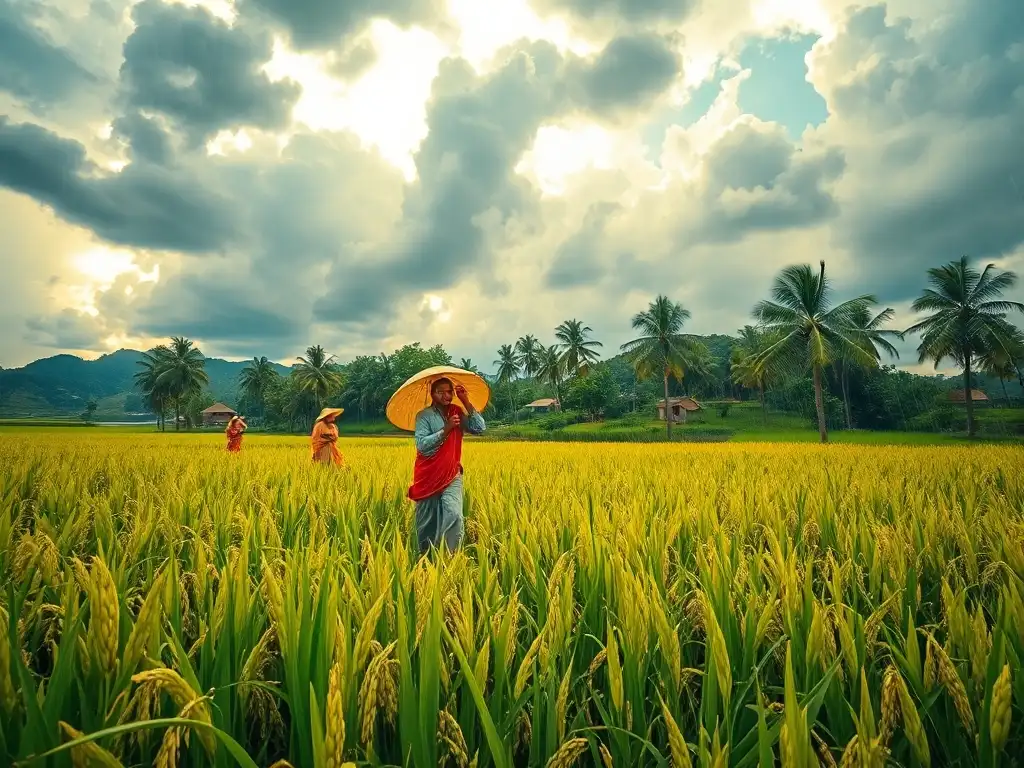
Welcome to Ancient India History, where we embark on a fascinating journey through the rich tapestry of ancient Indian civilizations. Today, we delve into the economic significance of the monsoon, a force that shaped the agricultural landscape and trade practices of the time. How did the seasonal rains influence the prosperity of communities from the Indus Valley to the Gupta Empire?
Join us as we uncover the intricate relationship between the monsoon and agriculture, revealing its profound impact on the lives and economies of ancient India. Your exploration begins now—discover how these historical rains continue to echo in the legacy of a vibrant culture!
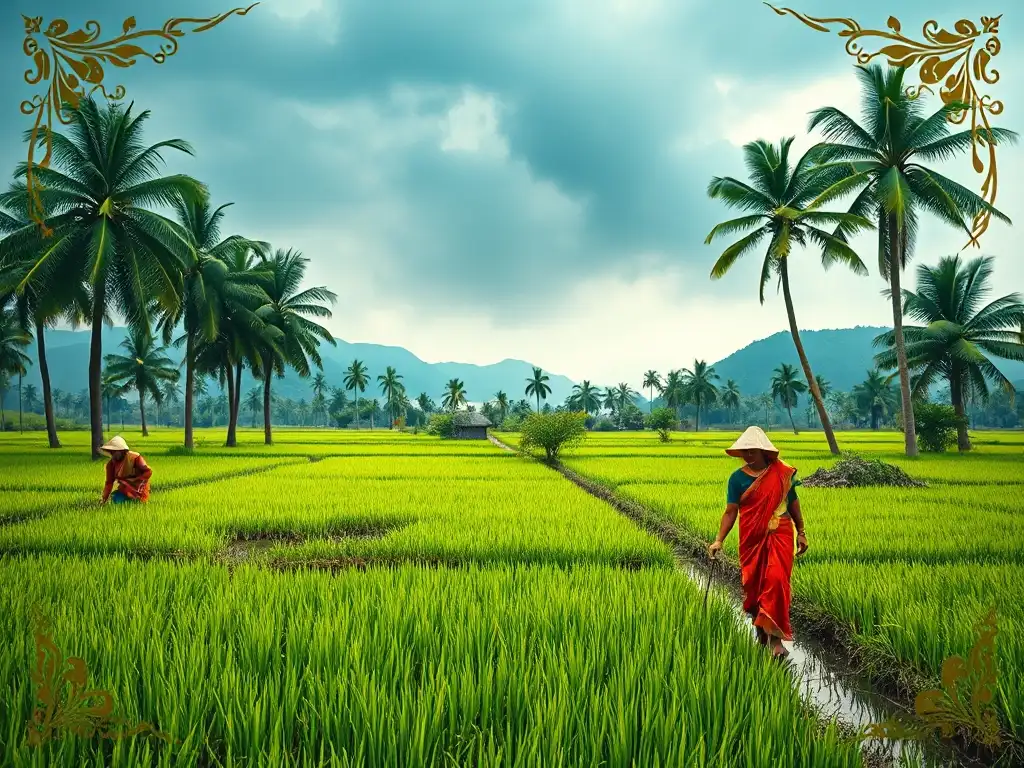
The intricate relationship between the monsoon season and agriculture in ancient India is a cornerstone of the region's economic framework. The annual monsoon rains, which typically arrive between June and September, were not merely a climatic phenomenon but a vital lifeline that shaped the agricultural landscape and, consequently, the economy of ancient Indian civilizations.
This article delves into the profound impact of the monsoon on ancient Indian agriculture, examining its significance in agricultural productivity, the variety of crops cultivated, and the economic practices that evolved around this seasonal cycle. By understanding the monsoon's role, we can appreciate how these ancient societies navigated their agricultural endeavors, ensuring sustenance and trade, and laying the groundwork for their enduring legacies.
Introduction to Monsoon and Agriculture
The monsoon season in India is characterized by heavy rainfall that transforms the landscape and provides the essential moisture needed for agriculture. For ancient Indian societies, which primarily relied on agriculture for sustenance and economic stability, the monsoon was a double-edged sword—its arrival meant both hope and reliance on the whims of nature. The timing, intensity, and duration of the monsoon rains directly influenced crop yields, which in turn affected food security, trade, and social structure.
Understanding the Monsoon Climate in Ancient India
The Indian subcontinent experiences a complex monsoon climate, influenced by various geographical and meteorological factors. Here are some key points about the monsoon climate in ancient India:
- Seasonal Patterns: The monsoon season is divided into the southwest monsoon (June to September) and the northeast monsoon (October to December), each with distinct characteristics.
- Regional Variability: Different regions experienced varying amounts of rainfall, affecting agricultural practices. For instance, the western coastal regions received heavier rains compared to the arid northern plains.
- Impact on Soil Quality: The monsoon rains enriched the soil, making it fertile and suitable for diverse crops, which was crucial for sustaining large populations.
Overview of Ancient Indian Agriculture Practices
Agriculture in ancient India was marked by a variety of practices that evolved in response to the monsoon. Key components included:
- Crop Rotation: Farmers practiced crop rotation to maintain soil fertility and reduce pest populations.
- Irrigation Techniques: Ancient Indians developed sophisticated irrigation systems, including canals and wells, to manage water resources effectively.
- Traditional Knowledge: Generational knowledge about seasonal changes and crop cycles was passed down, allowing farmers to optimize their yields.
The Role of Monsoon in Agricultural Productivity
The productivity of ancient Indian agriculture was inextricably linked to the monsoon rains. The following factors highlight this relationship:
Seasonal Dependence on Monsoon Rains
The timing of the monsoon was crucial for planting and harvesting seasons. Farmers relied on:
- Kharif Crop Season: Monsoon rains initiated the Kharif season, where crops like rice, maize, and jute were sown.
- Rabi Crop Season: A good monsoon ensured sufficient soil moisture, allowing for successful Rabi crops like wheat and barley to be planted post-monsoon.
Crops Influenced by Monsoon Patterns
Monsoon patterns dictated not only the types of crops grown but also their yield and quality. Notable crops influenced by monsoon rains included:
| Crop Type | Monsoon Dependency | Economic Impact |
|---|---|---|
| Rice | High (requires abundant water) | Staple food, trade |
| Wheat | Moderate (needs some moisture) | Important for sustenance |
| Pulses | Low to moderate | Nutritional supplement |
| Oilseeds | Variable | Cash crops for trade |
The monsoon's impact on ancient Indian agriculture was profound and multifaceted. Understanding this relationship provides valuable insights into the economic practices and systems that shaped ancient Indian civilization.
Economic Impact of Monsoon on Ancient Indian Societies
The monsoon played a pivotal role in shaping the economic landscape of ancient Indian societies. It dictated the rhythm of agricultural activities, which were the backbone of the economy. The onset of the southwest monsoon, typically occurring between June and September, brought much-needed rain that replenished rivers, lakes, and groundwater, making it crucial for farming. The monsoon's timing and intensity directly influenced crop yields, which in turn affected food supply, trade dynamics, and overall societal prosperity.
Good monsoon seasons could lead to bumper harvests, resulting in agricultural surpluses that allowed communities to thrive. Conversely, erratic monsoon patterns could lead to droughts or floods, causing crop failures and subsequent economic hardships. Thus, the monsoon was not just a climatic phenomenon; it was a determining factor in the stability and growth of ancient Indian civilizations.
Influence on Food Security and Supply
The monsoon's impact on food security in ancient India cannot be overstated. With a predominantly agrarian economy, the success of crops was heavily reliant on adequate rainfall. Major staples like rice, wheat, and millet depended on the timely arrival of the monsoon for optimal growth.
In years of abundant rainfall, societies could produce surplus food, which not only ensured local food security but also facilitated trade with neighboring regions. This surplus contributed to the establishment of granaries and storage systems, which were vital for sustaining communities during lean periods. Conversely, poor monsoon seasons often led to famine, social unrest, and migration, demonstrating the direct correlation between monsoon patterns and food supply stability.
Monsoon and Trade: Agricultural Surplus and Market Dynamics
The relationship between the monsoon and trade in ancient India was intricate. Agricultural surplus generated by favorable monsoon seasons enabled farmers to engage in trade, fostering economic interdependence among regions. The surplus allowed for the exchange of not only food grains but also other commodities, such as textiles and spices.
Trade routes, both overland and maritime, flourished as agricultural products were transported to urban centers where demand was high. This trade was further enhanced by the establishment of markets and fairs, which became vibrant hubs of economic activity. Additionally, the monsoon facilitated navigation along rivers and coastlines, making it easier for traders to transport goods, thus amplifying the economic benefits derived from agricultural production.
The Role of Monsoon in Rural Economies
In ancient India, rural economies were intrinsically linked to the monsoon due to their dependency on agriculture. The agrarian lifestyle meant that the livelihoods of farmers were directly affected by monsoon behavior. Regions that experienced consistent rainfall patterns saw the development of robust agricultural communities, leading to increased population density and the rise of small towns.
Moreover, the monsoon supported ancillary industries such as textiles, pottery, and metallurgy, as agricultural produce often served as raw materials. The interplay between agriculture and these industries fostered economic growth and diversification in rural areas. As such, the monsoon was not merely a climatic event; it was a critical factor in the socio-economic development of ancient Indian rural societies.
Adaptation Strategies to Monsoon Variability
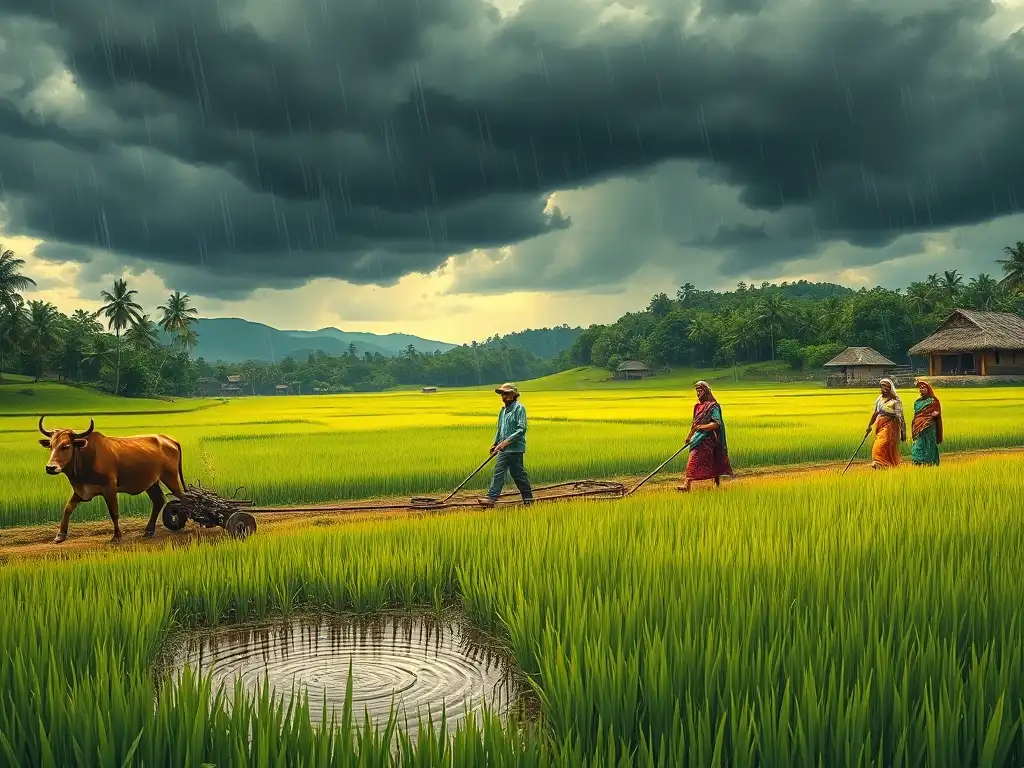
As the monsoon was inherently variable, ancient Indian societies developed various adaptation strategies to cope with its unpredictability. These strategies were essential for mitigating the impacts of droughts and floods, ensuring agricultural sustainability, and securing food supplies.
Ancient Techniques for Water Conservation
To harness the benefits of the monsoon while minimizing risks, ancient Indians employed several water conservation techniques. One notable method was the construction of stepwells and tanks, which captured and stored monsoon rainwater for use during dry periods.
Additionally, traditional systems of rainwater harvesting were prominent, allowing communities to collect runoff from rooftops and other surfaces. These practices not only optimized water use but also facilitated agricultural activities by ensuring a steady supply of water for irrigation, thus enhancing resilience against monsoon variability.
Agricultural Innovations in Response to Monsoon Challenges
In response to the challenges posed by the monsoon, ancient Indian farmers developed innovative agricultural practices. Crop rotation and intercropping were prevalent strategies that helped maintain soil fertility and reduce the risk of total crop failure.
Farmers also began to select and cultivate drought-resistant varieties of crops, which could withstand the erratic nature of rainfall. Additionally, the use of organic fertilizers and traditional pest control methods improved crop resilience. These innovations not only secured food supplies but also showcased the ingenuity of ancient agricultural systems in adapting to the climatic challenges posed by the monsoon.
The monsoon season held profound cultural and social importance in ancient Indian agriculture. It was not merely a climatic phenomenon but a pivotal factor that dictated the rhythm of agricultural life and the socio-economic fabric of rural communities. The arrival of the monsoon was eagerly anticipated, as it signified the commencement of sowing and harvesting cycles. The timing and intensity of the rains directly influenced crop yields, which in turn affected food security and the overall economy of ancient societies.
The monsoon also fostered a strong sense of community among farmers, as collective efforts in farming practices became essential. Villages often organized communal farming activities, reinforcing social bonds and cooperation. The shared experiences of planting and harvesting during the monsoon season helped to create social structures and networks that were vital for the sustenance of rural life.
Festivals and Traditions Linked to Monsoon Harvests
Ancient India was rich in festivals and traditions that celebrated the monsoon and the agricultural bounty it brought. One of the most significant festivals was Pongal, celebrated in South India, which marked the end of the harvest season. This festival involved cooking rice and other dishes to offer to deities, symbolizing gratitude for the rains and the harvest.
Similarly, Teej in North India celebrated the arrival of monsoon rains, especially among women. It involved rituals, songs, and dances that not only honored nature but also fostered community spirit. The monsoon was often personified in literature and folklore, representing fertility and prosperity, and these celebrations served to reinforce the cultural values surrounding agriculture.
Moreover, various local deities were worshipped for favorable rainfall, highlighting the spiritual connection between agriculture and the monsoon. These traditions and festivals were crucial in cultivating a sense of identity and belonging within agricultural communities.
Monsoon's Influence on Rural Livelihoods and Community Structure
The monsoon's influence on rural livelihoods was multidimensional. Primarily, it determined the agricultural calendar, affecting when farmers would plant and harvest crops. The reliance on monsoon rains meant that agricultural practices were closely tied to weather patterns, making farmers highly vulnerable to fluctuations in rainfall.
Moreover, monsoon seasons impacted trade and local economies. Surplus harvests during favorable monsoons led to increased trade activities, enhancing local markets and stimulating economic growth. Conversely, poor monsoon seasons could lead to famine and economic distress, resulting in migration and shifts in community structures.
The dependency on monsoon rains also encouraged innovations in irrigation and water conservation techniques, leading to advancements in agricultural practices. This adaptive response shaped the socio-economic landscape, as communities sought to mitigate the risks associated with unpredictable weather.
Conclusion: The Lasting Legacy of Monsoon on Ancient Indian Agriculture
The economic significance of the monsoon in ancient Indian agriculture cannot be overstated. Its impact transcended agricultural practices, influencing cultural, social, and economic dimensions of life. The monsoon was a crucial determinant of agricultural success, community cohesion, and regional prosperity.
Summary of Monsoon Impact on Ancient Indian Agricultural Systems
The monsoon's role in ancient Indian agriculture was foundational. It dictated agricultural cycles, influenced crop varieties, and shaped community interactions. The reliance on monsoon rains necessitated a deep understanding of climatic patterns and led to the development of agricultural techniques that are still referenced today. The festivals and traditions linked to the monsoon illustrate how these climatic changes were interwoven with societal norms and cultural identities.
Reflection on the Importance of Monsoon in Historical Context
Reflecting on the historical context, the monsoon emerges not only as a climatic phenomenon but as a vital force that shaped the trajectory of ancient Indian civilizations. The economic practices and social structures that developed in response to the monsoon's variability highlight the resilience and adaptability of communities. This legacy continues to resonate, as modern agricultural practices still echo the lessons learned from ancient experiences with monsoon-dependent farming. Understanding this relationship provides valuable insights into sustainable agricultural practices and the importance of respecting natural cycles in contemporary society.
- Introduction to Monsoon and Agriculture
- The Role of Monsoon in Agricultural Productivity
- Economic Impact of Monsoon on Ancient Indian Societies
- Adaptation Strategies to Monsoon Variability
- Cultural and Social Implications of Monsoon in Agriculture
- Conclusion: The Lasting Legacy of Monsoon on Ancient Indian Agriculture
- What was the role of the monsoon in ancient Indian agriculture?
- How did ancient civilizations adapt to the monsoon patterns?
- What were the economic consequences of a poor monsoon season?
- Did the monsoon influence trade in ancient India?
- What crops were primarily dependent on the monsoon in ancient India?
Frequently Asked Questions
What was the role of the monsoon in ancient Indian agriculture?
The monsoon was crucial for agricultural productivity, providing the necessary rainfall for crops like rice and wheat, which were essential for sustaining the population.
How did ancient civilizations adapt to the monsoon patterns?
Ancient Indian civilizations developed irrigation systems and crop rotation techniques to optimize water use and enhance crop yield, ensuring resilience against monsoon variability.
What were the economic consequences of a poor monsoon season?
A poor monsoon could lead to crop failure, resulting in food shortages, increased prices, and even economic instability within ancient communities reliant on agriculture.
Did the monsoon influence trade in ancient India?
Yes, the monsoon season significantly impacted trade routes, as merchants timed their journeys based on weather patterns, affecting the flow of goods and resources across regions.
What crops were primarily dependent on the monsoon in ancient India?
Ancient Indian agriculture relied heavily on monsoon rains for growing staple crops such as rice, millets, and pulses, which were essential for food security and economy.
Final Reflection: The Enduring Legacy of the Monsoon's Impact on Ancient Indian Agriculture
The economic significance of the monsoon in ancient Indian agriculture cannot be overstated, as it shaped not only the agricultural practices of the time but also the very fabric of society. Today, as we grapple with climate change and its unpredictable effects on weather patterns, the lessons from ancient agricultural systems become increasingly relevant. The monsoon, a life-giving force, was not merely a seasonal occurrence; it was the backbone of an entire civilization, dictating the rhythms of planting, harvesting, and trade.
The influence of the monsoon on ancient Indian agriculture resonates deeply within our cultural and social landscape. Understanding this relationship allows us to appreciate the intricate balance between nature and human endeavor. The agricultural practices that evolved in response to the monsoon's whims laid the groundwork for sustainable farming techniques that are still relevant today. As Mahatma Gandhi once said, “The future depends on what you do today.” This sentiment echoes the importance of learning from our past, as the sustainable practices of our ancestors can guide us in facing contemporary challenges.
As we reflect on the profound impact of the monsoon on ancient Indian agriculture, I invite you to consider your own relationship with nature and the resources it provides. How can we apply the lessons learned from history to foster a more sustainable future? Let us take inspiration from the resilience of those who came before us and commit to nurturing our environment, ensuring that the legacy of the monsoon continues to thrive for generations to come.
Unlock the Secrets of Ancient Agriculture!
Thank you for diving deep into the world of Ancient Indian agriculture and the vital role of the monsoon. Your curiosity about the economic significance of these natural cycles not only enriches your knowledge but also connects you to a fascinating historical narrative. Now, it's time to explore and take action!
- Dive deeper: Research how modern agricultural practices are influenced by ancient methods. Consider exploring academic articles or local farming practices that draw inspiration from these traditions.
- Share your insights: Initiate discussions with friends or online communities about the importance of the monsoon in agriculture. Your newfound understanding could spark meaningful conversations and raise awareness!
- Visit a local historical site: Plan a trip to a museum or an archaeological site that showcases ancient agricultural practices. Engaging with history firsthand can provide powerful insights.
How do you think the lessons from ancient monsoon-dependent agriculture can be applied to modern farming techniques today? 🌧️✨