
Ancient Trade Routes: Connecting India with the Mediterranean World

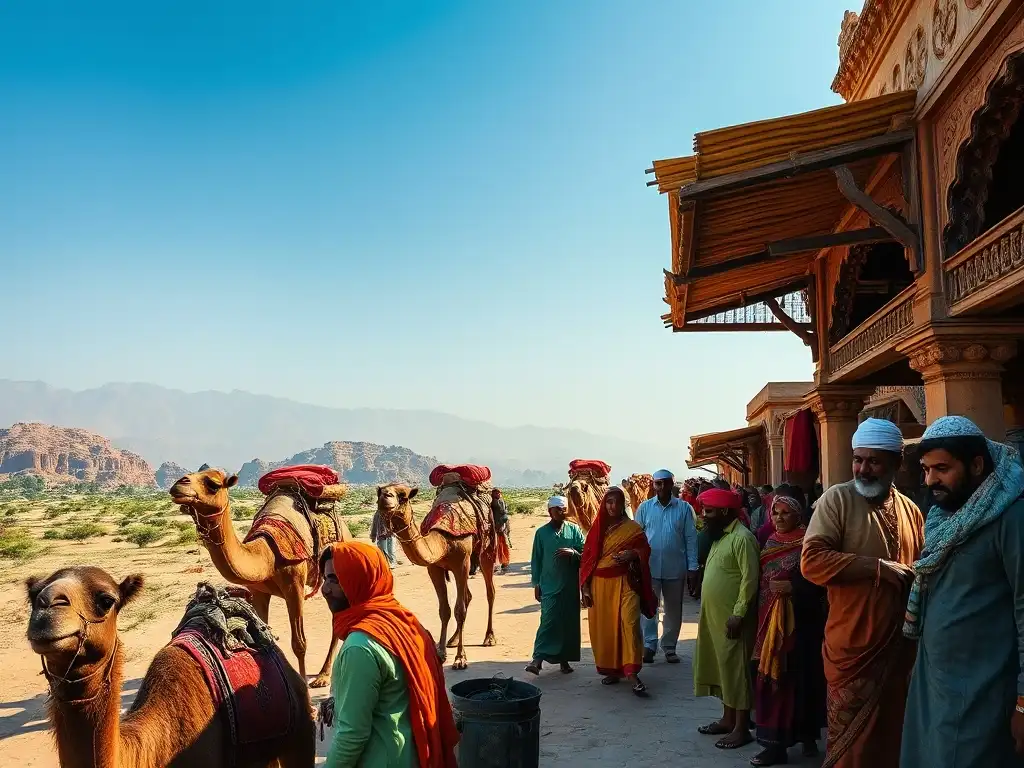
Welcome to Ancient India History, where we embark on a journey through time to uncover the rich tapestry of cultures and innovations that shaped one of the world's oldest civilizations. In our featured article, “Ancient Trade Routes: Connecting India with the Mediterranean World,” we delve into the intricate network of trade that linked the vibrant marketplaces of ancient India with distant lands. What secrets did these routes hold?
How did they influence economies and cultures across continents? Prepare to be captivated by the stories of exchange, exploration, and enduring legacies that continue to resonate today. Let's dive deeper into the fascinating world of ancient trade routes and discover the connections that transformed history!
Introduction to Ancient Trade Routes
The ancient trade routes between India and the Mediterranean were vital arteries of commerce and cultural exchange, significantly shaping the civilizations they connected. Stretching from the fertile lands of the Indus Valley to the bustling markets of the Mediterranean, these trade networks facilitated not only the exchange of goods but also the transfer of ideas, technology, and cultural practices.
As a result, they played a crucial role in the development of both Indian and Mediterranean societies, influencing everything from local economies to artistic expressions. Understanding these trade routes is essential to appreciate the historical depth and interconnectedness of ancient civilizations, highlighting how trade has always been a driving force in human history.
The Importance of Trade in Ancient India and the Mediterranean
Trade in ancient India and the Mediterranean was not merely an economic activity; it served as a bridge connecting diverse cultures and peoples. The exchange of commodities such as spices, textiles, precious stones, and metals fostered relationships that transcended geographical boundaries.
-
Key Economic Contributions:
- India was renowned for its spices and textiles, which were highly sought after in Mediterranean markets.
- The Mediterranean, in return, offered products like wine, olive oil, and glassware, creating a mutually beneficial exchange.
-
Cultural and Technological Exchange:
The movement of traders and goods also facilitated the exchange of ideas, religions, and technologies, leading to significant advancements in various fields. For example:
- The spread of Buddhism into the Mediterranean region.
- The introduction of Indian numerals and mathematical concepts to the Western world.
The importance of these trade interactions cannot be overstated; they laid the groundwork for the rich tapestry of cultural and economic practices that defined ancient societies.
Overview of Ancient Trade Routes Connecting India and the Mediterranean
The ancient trade routes connecting India and the Mediterranean encompassed several key pathways that facilitated the movement of goods and people across vast distances. Here are some of the most significant routes:
- The Silk Road
- Connecting China to the Mediterranean, the Silk Road also branched into India, allowing for the exchange of silk, spices, and other luxury goods.
- The Maritime Spice Route
- This sea route linked the ports of India, particularly from the western coast, to the Mediterranean. Key ports included:
- Kochi and Kochi (modern-day Kerala)
- Lothal (an ancient port city in Gujarat)
- This sea route linked the ports of India, particularly from the western coast, to the Mediterranean. Key ports included:
- The Overland Routes
- Traders would traverse the rugged terrain of the Persian Gulf and the Arabian Peninsula, connecting to Mediterranean trade hubs like Antioch and Alexandria.
- The Arabian Sea Trade
- Facilitating direct maritime trade between Indian ports and Mediterranean cities, this route enabled efficient transport of goods such as spices, textiles, and gems.
These routes were not just commercial pathways; they were also channels for cultural exchange, allowing diverse civilizations to share knowledge, beliefs, and innovations. As we delve deeper into the intricacies of these ancient trade routes, we will uncover the profound impact they had on the development of both Indian and Mediterranean civilizations.
- Introduction to Ancient Trade Routes
- The Importance of Trade in Ancient India and the Mediterranean
- Overview of Ancient Trade Routes Connecting India and the Mediterranean
- What were the main ancient trade routes connecting India to the Mediterranean?
- What commodities were traded between India and the Mediterranean?
- How did the ancient trade routes impact Indian civilization?
- What role did ports play in ancient trade?
- How did ancient trade influence the economy of India?
Historical Context of Trade Relations
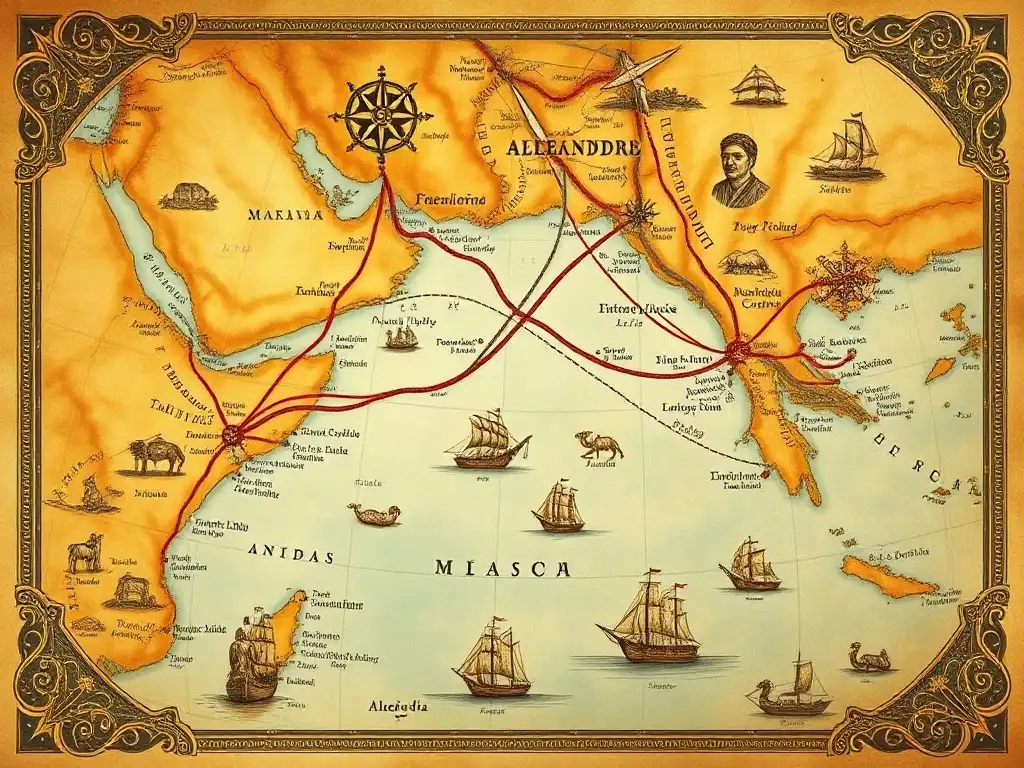
The Rise of Trade in Ancient Civilizations
The emergence of trade in ancient civilizations marked a significant turning point in human history, facilitating not just the exchange of goods, but also ideas, cultures, and technologies. Trade routes served as vital arteries for economic prosperity, and the connections established between regions laid the groundwork for globalization.
In ancient India, trade began to flourish around 3000 BCE, particularly with the rise of the Indus Valley Civilization. This period saw the development of urban centers, which acted as hubs of commerce. The strategic location of India allowed it to serve as a bridge between the East and the West, linking it with various Mediterranean cultures, such as those in Egypt, Mesopotamia, and later, the Roman Empire.
The trade dynamics were influenced by several factors, including:
- Geographical advantages: India's diverse landscape provided access to rich resources such as spices, textiles, and precious stones.
- Cultural exchanges: Interaction through trade led to the blending of cultures, sharing of religious beliefs, and dissemination of knowledge.
- Development of trade networks: Over time, sophisticated trade networks evolved, supported by advancements in navigation and transportation.
As trade routes expanded, they not only enriched economies but also fostered a sense of interconnectedness among civilizations, solidifying the importance of ancient trade routes between India and the Mediterranean world.
Key Indian Civilizations Involved in Trade with the Mediterranean
Numerous ancient Indian civilizations played pivotal roles in establishing and maintaining trade relations with the Mediterranean world. Each civilization contributed uniquely to the development of trade networks, facilitating the exchange of goods and culture across vast distances.
The Indus Valley Civilization and Early Trade
The Indus Valley Civilization (circa 3300–1300 BCE) is one of the earliest known urban cultures in the Indian subcontinent. Archaeological evidence suggests that this civilization engaged in trade with distant regions, including the Mediterranean.
Key Features of Indus Valley Trade:
- Trade Goods: The Indus Valley was known for its high-quality cotton textiles, beads, and pottery, which were in great demand in Mediterranean markets.
- Trade Mechanisms: The civilization utilized standardized weights and measures, which facilitated fair trade practices.
- Maritime Trade: The proximity to the Arabian Sea enabled maritime trade, allowing for the movement of goods to regions such as Mesopotamia and beyond.
The trade networks established during this period laid the foundation for future interactions between India and Mediterranean cultures, demonstrating the interconnectedness of ancient civilizations.
The Maurya Empire's Role in Trade Expansion
The Maurya Empire (322–185 BCE), one of India's largest and most powerful empires, significantly expanded trade relations with the Mediterranean world. Under the rule of Chandragupta Maurya and later Ashoka, the empire fostered an environment conducive to economic growth.
Contributions of the Maurya Empire:
- Infrastructure Development: The Mauryan government invested in roads and trade routes, enhancing connectivity between regions and facilitating easier movement of goods.
- Diplomatic Relations: The Maurya Empire established diplomatic ties with Hellenistic kingdoms, which further opened avenues for trade. The exchange of ambassadors, such as the famous envoy Megasthenes, enriched cultural interactions.
- Cultural Exchange: Trade during this period was not solely limited to goods; it also included ideas, such as Buddhism, which spread along trade routes to the Mediterranean and influenced various cultures.
Through these efforts, the Maurya Empire played a crucial role in linking India with the Mediterranean, enhancing trade and cultural exchanges.
The Gupta Empire and Flourishing Trade Routes
The Gupta Empire (circa 240–550 CE) is often referred to as the "Golden Age" of ancient India, characterized by significant advancements in arts, sciences, and trade. This period marked the peak of trade relations between India and the Mediterranean.
Highlights of Gupta Trade:
- Increased Trade Volume: The Gupta period saw a surge in trade activities, with merchants actively engaging in commerce across vast distances, including the Mediterranean basin.
- Diverse Trade Goods: Indian goods such as silk, spices, and precious gems became highly sought after in Mediterranean markets, while Indian artisans excelled in producing quality textiles and metalwork.
- Trade Organizations: The establishment of guilds and merchant organizations facilitated trade, providing support for traders and ensuring the smooth operation of commerce.
The flourishing trade routes during the Gupta Empire not only contributed to economic prosperity but also led to greater cultural exchanges, leaving a lasting legacy in the history of ancient trade routes connecting India with the Mediterranean world.
Major Ancient Trade Routes Between India and the Mediterranean
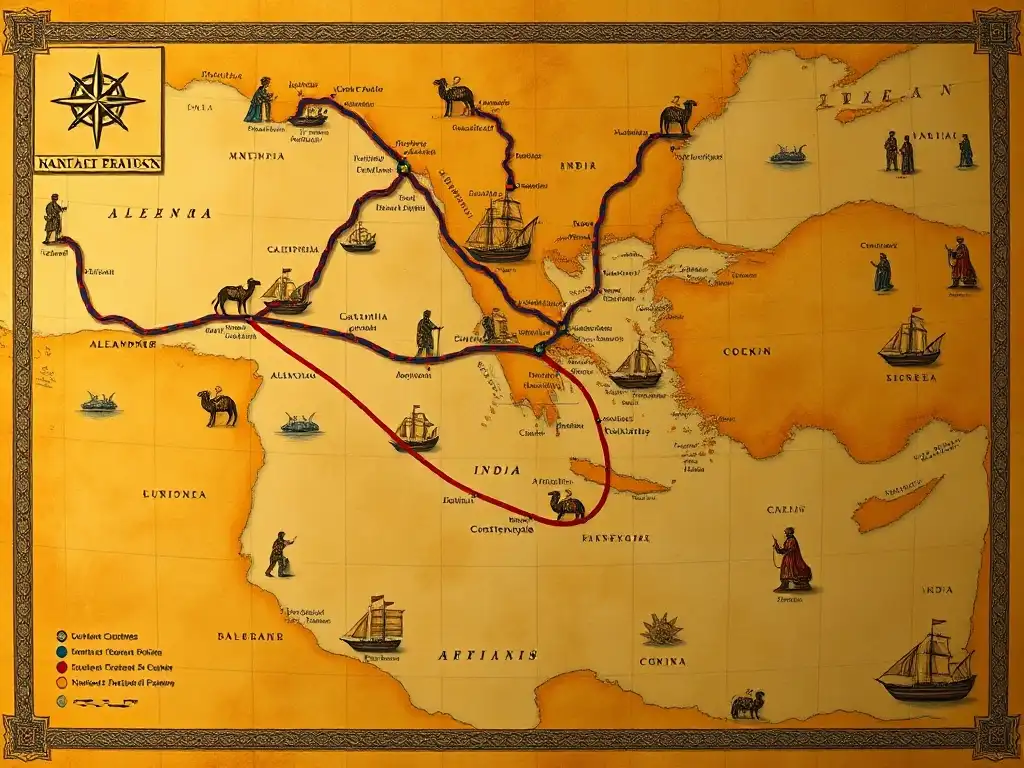
The Silk Road: A Vital Link
The Silk Road was not merely a single route but a complex network of trade pathways that connected the East and the West, facilitating the exchange of goods, culture, and ideas. This ancient trade route was instrumental in linking India with the Mediterranean world, particularly during the height of the Roman Empire and the early phases of the Gupta Empire.
Geography of the Silk Road
The geography of the Silk Road spanned diverse terrains, including mountains, deserts, and plains. It extended from the eastern regions of China, through Central Asia, and into the Mediterranean. The route intersected numerous civilizations, including the Indian subcontinent, Persian Empire, and Roman territories. Key geographical features included:
- The Taklamakan Desert: Acting as a natural barrier, it necessitated trade caravans to navigate around its harsh conditions.
- The Pamir Mountains: These towering peaks served as both a challenge and a landmark for traders.
- The Iranian Plateau: A crucial conduit for goods moving toward the Mediterranean, linking various trade centers like Persia.
This geographical diversity not only influenced the trade dynamics but also shaped the cultural exchanges that occurred along the Silk Road.
Key Goods Traded Along the Silk Road
The Silk Road was renowned for the diversity of goods that traversed its routes. Notable items traded included:
- Silk: Originating from China, this luxurious fabric became synonymous with the Silk Road.
- Spices: Indian spices such as black pepper and cardamom were highly sought after in the Mediterranean markets.
- Precious Stones: India was a significant supplier of gems like diamonds and rubies, which were highly prized in Roman society.
- Metals and Alloys: The trade of bronze and iron tools helped bolster economies on both sides of the route.
This exchange of goods not only facilitated economic prosperity but also fostered cultural interactions that enriched the civilizations involved.
The Spice Route: A Path to Prosperity
The Spice Route, often considered a subset of the broader trade network, was crucial for the economic prosperity of ancient India. Spices were highly valued commodities, used for culinary, medicinal, and preservative purposes.
Influence of Spices on Trade Dynamics
The demand for spices had a profound influence on trade dynamics between India and the Mediterranean. Spices like cinnamon, cloves, and nutmeg were sought after by the Romans, who believed they possessed health benefits and could enhance the flavor of their cuisine. Key aspects of this influence included:
- Economic Impact: The spice trade generated significant wealth for Indian merchants, leading to the emergence of powerful trading cities along the western coast, such as Calicut and Cochin.
- Cultural Exchange: Spices brought not only economic benefits but also cultural exchanges, as traders shared stories, beliefs, and practices with distant civilizations.
- Political Alliances: The lucrative spice trade often led to political alliances and collaborations between Indian rulers and Mediterranean powers, facilitating a thriving trade environment.
Key Locations in the Spice Trade
Several key locations emerged as vital hubs in the spice trade, facilitating the exchange between India and the Mediterranean:
- Malabar Coast: This region was famous for its spice plantations, especially black pepper, which was often referred to as "black gold."
- Ceylon (modern-day Sri Lanka): Known for its cinnamon, Ceylon was a critical stop for traders before reaching the Mediterranean.
- Arabian Peninsula: Acting as a bridge, the Arabian traders played a pivotal role in transporting spices from India to Mediterranean ports.
These locations not only served as trading posts but also as cultural melting pots where diverse influences blended, enriching the ancient world.
Cultural Exchange Along Ancient Trade Routes
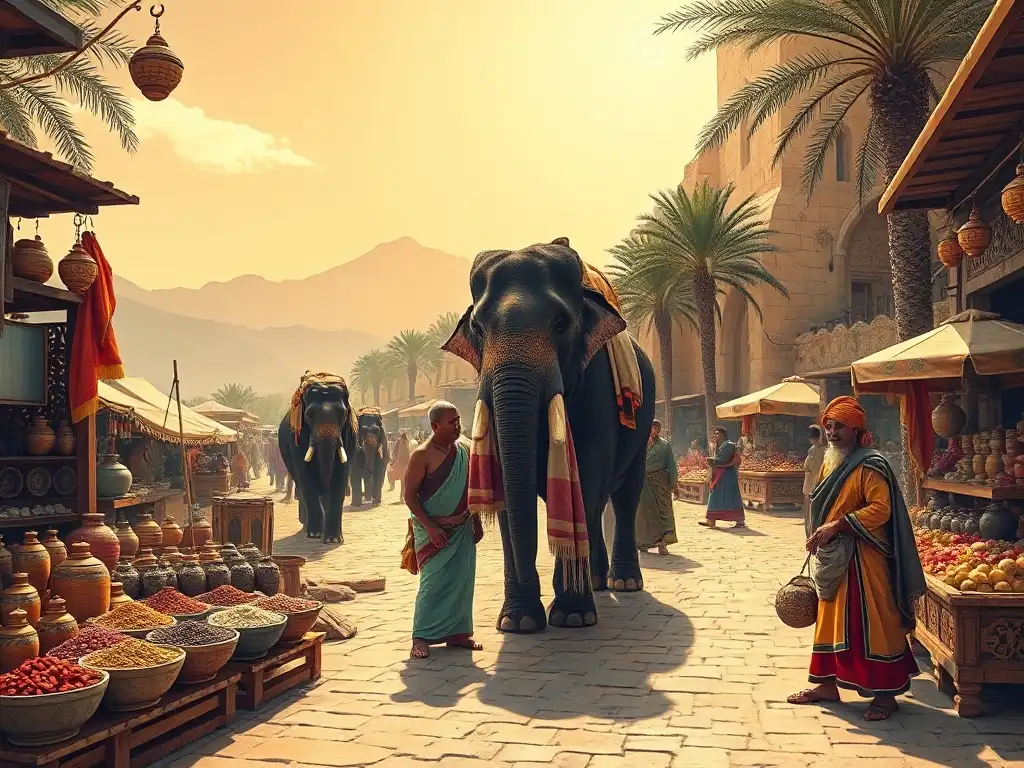
The Spread of Ideas and Innovations
The ancient trade routes that connected India with the Mediterranean were not just conduits for goods but also vibrant channels for the exchange of ideas and innovations. As merchants traveled along these paths, they carried with them not only spices and textiles but also cultural insights, technological advancements, and philosophical thoughts that would shape societies on both sides of these routes.
Influence of Indian Culture on the Mediterranean
Indian culture made a significant impact on the Mediterranean region through various means. The introduction of Indian textiles, particularly silk and cotton, revolutionized the clothing industry in Mediterranean societies. Alongside these goods, the intricate art of dyeing and weaving techniques spread throughout regions such as Persia and Greece, leading to a fusion of styles.
Additionally, the Indian numeral system, which included the concept of zero, found its way to the Mediterranean through trade interactions. This mathematical innovation transformed calculations in various fields, including commerce, astronomy, and architecture. Indian astronomy also influenced Greek scholars, enhancing their understanding of celestial movements and contributing to the development of early scientific thought.
- Key Contributions:
- Textiles and dyeing techniques
- Indian numeral system and the concept of zero
- Advancements in astronomy
The Impact of Mediterranean Culture on India
Conversely, the Mediterranean world also played a crucial role in shaping Indian culture. The influx of Greek and Roman goods prompted changes in local craftsmanship and artistry. Greek pottery, which was highly sought after, inspired Indian artisans to adopt new styles and techniques in their own pottery and sculpture.
Moreover, the exchange led to the adoption of various architectural elements, such as the Corinthian column, which can be seen in some later Indian structures. The trade routes also facilitated the introduction of various crops, including olives and grapes, which were integrated into Indian agriculture, enriching the local cuisine and agricultural practices.
- Key Influences:
- Adoption of Greek pottery styles
- Introduction of architectural elements
- Integration of Mediterranean crops into Indian agriculture
Religion and Philosophy: A Cross-Cultural Exchange
The ancient trade routes were not merely avenues for the exchange of material goods; they also served as pathways for the dissemination of religious beliefs and philosophical ideas. This cross-cultural exchange profoundly influenced the spiritual landscape of both India and the Mediterranean.
The Role of Buddhism and Hinduism in Trade
Buddhism, which originated in India, spread along trade routes to regions such as Central Asia and beyond, reaching the Mediterranean world. Merchants played a pivotal role in this dissemination by establishing monasteries and promoting Buddhist teachings as they traveled. The presence of Buddhist art and sculpture in places like Gandhara illustrates this exchange, where Indian artistic traditions blended with Hellenistic styles.
Hinduism also made its mark, particularly through the spread of its epics and narratives. The stories of the Mahabharata and Ramayana traveled alongside traders, influencing local mythologies and belief systems in places like Southeast Asia, and even impacting Mediterranean cultures through indirect routes.
- Key Aspects:
- Spread of Buddhism through trade
- Establishment of monasteries by merchants
- Influence of Hindu epics on local cultures
The Influence of Hellenistic Philosophy on Indian Thought
The interaction between Indian and Mediterranean cultures facilitated a rich exchange of philosophical ideas. Hellenistic philosophy, particularly Stoicism and Epicureanism, found its way into Indian thought, influencing schools such as the Carvaka and Jain traditions. This cross-pollination of ideas led to a deeper exploration of ethics, metaphysics, and the nature of happiness.
Indian scholars, in turn, engaged with these philosophies, contributing to a dialogue that enriched both traditions. The translations of texts and the movement of scholars across trade routes created an intellectual environment where ideas flourished, shaping the philosophical foundations of both ancient India and the Mediterranean world.
- Key Influences:
- Exchange of philosophical ideas
- Impact on Indian schools of thought
- Dialogue between Hellenistic and Indian philosophies
Through these intricate cultural exchanges along the ancient trade routes, India and the Mediterranean world not only enhanced their economic ties but also enriched their cultural and intellectual landscapes, leaving a lasting legacy that continues to be studied and appreciated today.
Economic Impact of Trade Routes on Ancient India
Wealth Accumulation and Economic Development
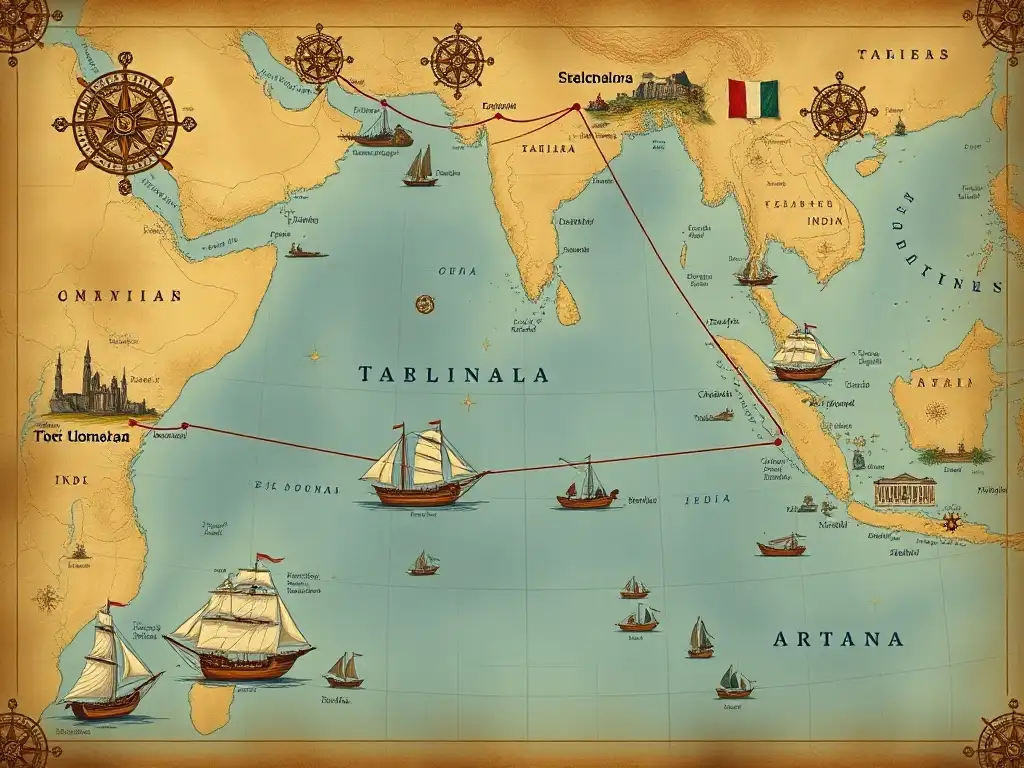
The ancient trade routes connecting India with the Mediterranean world significantly contributed to wealth accumulation and economic development within Indian civilizations. These routes facilitated the exchange of not only goods but also ideas, technologies, and cultures, fostering a thriving economic environment.
- Diverse Goods Exchange: Indian traders exported spices, textiles, gemstones, and metals, while importing wine, olive oil, glassware, and precious metals from Mediterranean regions. This exchange not only enriched local economies but also diversified the availability of goods.
- Market Expansion: The establishment of trade networks expanded markets beyond local boundaries. Indian merchants traveled extensively, reaching as far as Rome and Alexandria, which led to increased demand for Indian products and subsequently stimulated production.
- Wealth Concentration: The influx of foreign goods and wealth contributed to the accumulation of riches among local elites and rulers. This wealth was often reinvested into public works, temples, and educational institutions, further enhancing the economic landscape.
- Taxation and Revenue: Trade routes also allowed for better taxation systems. Rulers imposed tariffs on goods passing through their territories, generating substantial revenue that funded military and administrative expenses.
The economic impact of these trade routes was profound, laying the foundation for future economic policies and practices in ancient India.
The Role of Merchants and Trade Guilds
Merchants and trade guilds played a crucial role in shaping the dynamics of ancient trade routes between India and the Mediterranean. Their organization and operations were vital for sustaining trade activities and fostering economic growth.
- Merchants as Cultural Ambassadors: Indian merchants acted as cultural intermediaries, introducing Indian customs and practices to foreign lands while bringing Mediterranean influences back to India. This cultural exchange enriched the social fabric of Indian society.
- Formation of Trade Guilds: Trade guilds, known as shrenis, emerged as powerful entities that regulated trade practices, ensured quality control, and protected the interests of merchants. These guilds provided a structured network that facilitated cooperation among traders, enabling them to navigate the complexities of international commerce.
- Risk Management and Financing: Merchants often faced significant risks due to long-distance travel. Trade guilds played a pivotal role in risk management through shared investments and pooling resources for large trading ventures. This collective approach allowed for more extensive trade operations and reduced individual financial burdens.
- Legal Framework: Guilds established their own legal frameworks governing trade practices, dispute resolution, and contractual obligations, which fostered trust among merchants and ensured smoother transactions.
The synergy between merchants and trade guilds was instrumental in enhancing trade efficiency and contributing to the overall economic prosperity of ancient India.
The Influence of Trade on Urbanization in Ancient India
The ancient trade routes connecting India to the Mediterranean had a transformative impact on urbanization in the region, leading to the development of new urban centers and the expansion of existing ones.
- Growth of Trade Cities: Key trade cities like Taxila, Ujjain, and Pataliputra flourished along these routes. Their strategic locations facilitated the convergence of multiple trade routes, attracting merchants and travelers from diverse regions.
- Infrastructure Development: The need to support trade activities led to significant infrastructure improvements, including roads, ports, and marketplaces. This infrastructure not only facilitated trade but also promoted urban development, as cities became hubs of economic activity.
- Cultural Melting Pots: Trade routes served as conduits for cultural exchange, leading to the emergence of cosmopolitan cities where diverse cultures, languages, and religions coexisted. This cultural melting pot enriched urban life and contributed to the growth of arts and crafts.
- Population Movement: The economic opportunities presented by trade attracted populations from rural areas to urban centers, resulting in increased urbanization. This migration contributed to the growth of urban populations and the rise of a merchant class.
The influence of ancient trade routes on urbanization in India was significant, leading to the rise of vibrant cities that became centers of commerce, culture, and innovation.
Challenges Faced by Ancient Traders
Geographic Barriers and Natural Obstacles
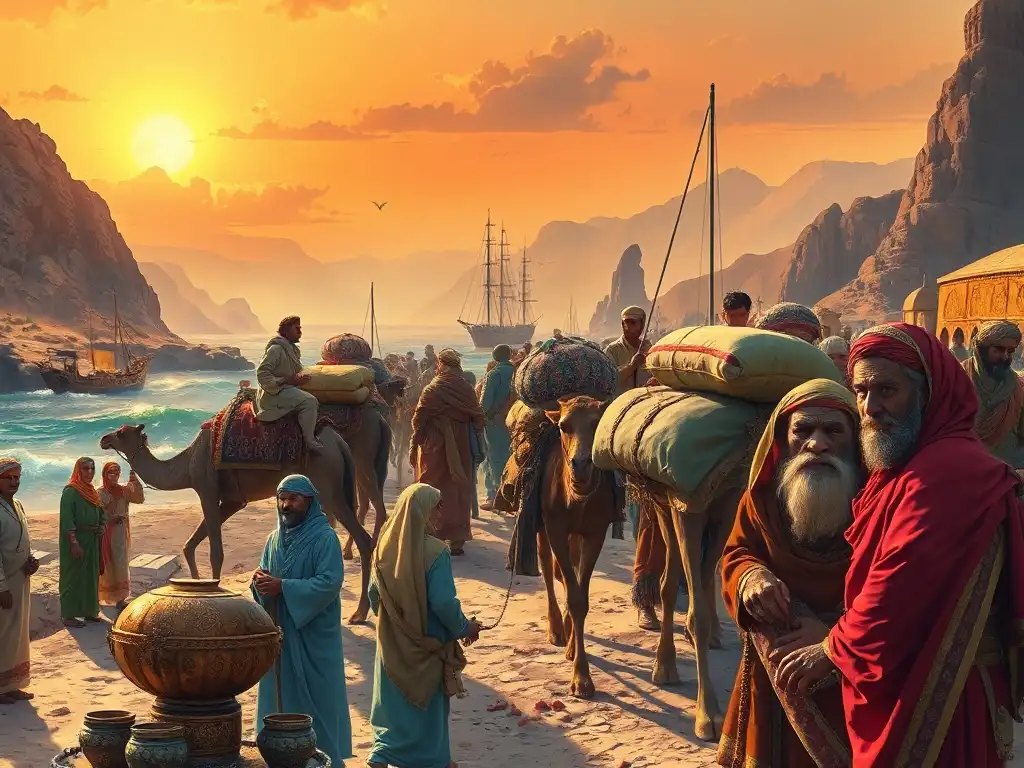
The ancient trade routes connecting India and the Mediterranean were fraught with numerous geographic barriers and natural obstacles that significantly impacted trade dynamics. Among the primary challenges were:
- Mountain Ranges: The formidable Himalayas and the Hindu Kush posed serious challenges for traders. Crossing these towering ranges required not only physical endurance but also advanced planning to navigate the treacherous paths. For instance, the Khyber Pass became a critical entry point for trade, but its rugged terrain made it vulnerable to both natural hazards and military incursions.
- Deserts: The vast expanses of the Thar Desert in western India and the Sahara Desert in North Africa presented severe climatic conditions that traders had to endure. Limited water sources and extreme temperatures made long-distance travel perilous. Caravans often had to travel in groups to ensure safety and survival during these arduous journeys.
- Rivers and Water Bodies: While rivers like the Indus and Ganges facilitated trade, they also posed challenges. Seasonal flooding could disrupt trade routes, while other water bodies, such as the Arabian Sea, required skilled navigators to avoid storms and rough seas.
These geographic barriers necessitated the development of innovative trade strategies and technologies, such as the use of camels for desert crossings and advanced shipbuilding techniques for maritime trade.
Political Turmoil and its Effects on Trade
Throughout history, the ancient trade routes were heavily influenced by the prevailing political climate across regions. Political turmoil manifested in various ways:
- Wars and Conflicts: Frequent conflicts along trade routes, such as the ongoing skirmishes between local kingdoms, could lead to the closure of vital paths. For instance, the Persian Empire often faced challenges from nomadic tribes, which disrupted trade with India. Such instability not only hindered the movement of goods but also endangered traders' lives.
- Changes in Leadership: The rise and fall of empires, such as the Maurya and Gupta dynasties in India, had profound effects on trade. When a strong central authority was established, trade flourished due to improved security and infrastructure. Conversely, during periods of weak leadership, trade often suffered due to rampant banditry and lack of protection for merchants.
- Trade Regulations and Taxes: Different kingdoms imposed various tariffs and trade regulations that could complicate transactions. High taxation by local rulers could deter traders from using certain routes, leading to shifts in trade patterns. This further exemplifies how political dynamics directly affected the flow of trade between India and the Mediterranean.
Competition Among Trade Networks
The ancient trade routes between India and the Mediterranean were characterized by intense competition among various trade networks, shaping the economic landscape of the time. Key factors included:
- Diverse Trade Routes: Multiple routes emerged, such as the Silk Road and maritime paths through the Red Sea. Each network had its advantages and disadvantages, leading traders to choose routes based on safety, speed, and cost. This competition enhanced trade efficiency but also created rivalries among merchants.
- Control of Key Locations: Control over strategic trade hubs played a crucial role in the competition. Cities like Taxila and Alexandria became focal points where goods were exchanged, and their rulers often sought to dominate trade routes to increase their wealth and influence. This competition could lead to alliances or conflicts, further complicating trade dynamics.
- Emergence of Middlemen: Various intermediaries, such as the Arabs and Persians, emerged to facilitate trade between India and the Mediterranean, leading to a layered network of commerce. While this increased the volume of trade, it also added complexity and increased costs for traders, as each middleman sought to profit from the exchange.
Thus, the interplay of these various competitive elements among trade networks significantly shaped the landscape of ancient trade routes, influencing not only economic transactions but also cultural exchanges between India and the Mediterranean world.
Conclusion: The Legacy of Ancient Trade Routes
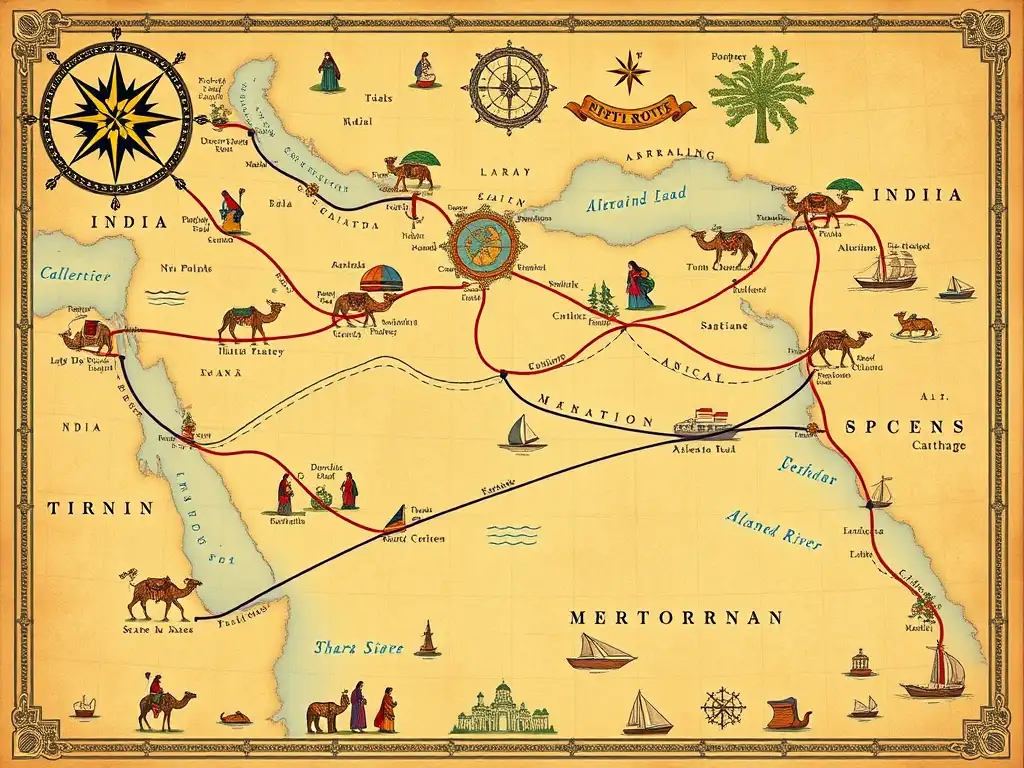
The ancient trade routes between India and the Mediterranean world played a pivotal role in shaping not only economic interactions but also cultural exchanges that have left a lasting legacy on both regions. These routes, including the famous Silk Road and maritime pathways, facilitated the movement of goods, ideas, and technologies, fostering a rich tapestry of interconnected civilizations.
The influence of commodities such as spices, textiles, and precious stones cannot be overstated. Spices from India, including black pepper and cardamom, became highly sought after in Mediterranean markets, while Indian textiles were prized for their quality and craftsmanship. This trade not only enriched economies but also laid the groundwork for cultural diffusion, with art, religion, and philosophy traveling alongside goods.
Lasting Effects on Modern Trade and Cultural Relations
The repercussions of these ancient trade routes are still evident in today's global economy. Modern trade patterns can trace their origins back to these early exchanges, highlighting the enduring significance of trade in fostering international relations.
- Economic Ties: The historical connections established through ancient trade have evolved into modern economic partnerships. The trade agreements and collaborative ventures between India and Mediterranean countries today can be seen as a continuation of this long-standing relationship.
- Cultural Influences: The intermingling of cultures that began with trade has persisted, influencing cuisine, language, and traditions. For instance, the spices that once traveled from India to Rome now permeate Mediterranean cooking, showcasing a blend of cultural heritage.
- Tourism and Heritage: The historical significance of these trade routes has become a focal point for tourism, with many travelers seeking to explore the remnants of ancient trading posts and routes. This interest in heritage aids in preserving historical sites and fosters a greater understanding of our interconnected past.
Reflection on the Importance of Trade in Shaping Civilization
Trade has always been a crucial element in the development of civilizations. In ancient India, trade routes served as conduits for not only economic prosperity but also the exchange of ideas and cultural practices. This exchange was fundamental in shaping social structures, religious beliefs, and technological advancements.
- Economic Development: Trade routes stimulated local economies, allowing regions to specialize in certain goods. This specialization led to the growth of urban centers, such as Taxila and Pataliputra, which became hubs of commerce and culture.
- Cultural Exchange: The movement of merchants and travelers along these routes facilitated the dissemination of philosophies, religions, and artistic styles. The spread of Buddhism from India to the Mediterranean is a prime example of how trade can influence belief systems across continents.
- Technological Advancements: The interaction between diverse cultures led to the exchange of knowledge and innovations. For instance, the introduction of Indian numerals and mathematical concepts to the Mediterranean world had a profound impact on science and mathematics.
The ancient trade routes connecting India with the Mediterranean were instrumental in shaping the economic and cultural landscapes of both regions. Their legacy continues to influence modern trade practices and cultural relations, reminding us of the profound interconnectedness of human civilization.
References
The ancient trade routes between India and the Mediterranean were instrumental in shaping the economies and cultures of the civilizations involved. These connections not only facilitated the exchange of goods but also allowed for the transfer of ideas, technologies, and cultural practices. Scholars have extensively studied these interactions, providing a wealth of information that can be further explored.
Suggested Reading on Ancient Trade Routes
-
"The Silk Roads: A New History of the World" by Peter Frankopan
This book offers a comprehensive overview of the Silk Road, exploring its significance in connecting the East and West, including the ancient trade routes that linked India and the Mediterranean.
-
"Trade and Traders in the Roman Empire" by J. D. H. B. B. Rapaport
This work delves into the economic structures of the Roman Empire, discussing how trade routes with India influenced Roman commerce and society.
-
"The Indian Ocean in World History" by Milo Kearney
Kearney examines the role of the Indian Ocean as a trade hub and its connections to the Mediterranean, providing insights into ancient maritime trade.
-
"The Geography of Thought: How Asians and Westerners Think Differently...and Why" by Richard E. Nisbett
While not exclusively about trade, this book discusses the cultural exchanges that occurred through trade routes, influencing the thoughts and practices of societies involved.
-
"Merchants and Trade in the Mediterranean World" by Andrew S. Erskine
This book focuses on trade networks and their impact on Mediterranean societies, including their connections to ancient Indian trade routes.
Additional Resources on Ancient India and Mediterranean Connections
- Online Databases and Archives
- Harvard University’s Digital India Archive: A collection of resources on ancient Indian history, including trade practices and artifacts.
- The British Museum's Online Collection: Features items from the Mediterranean that showcase trade interactions with ancient India.
- Documentaries and Lectures
- "The Spice Trail": This documentary explores the ancient spice trade routes, including those connecting India and the Mediterranean, highlighting the importance of spices in these exchanges.
- Lectures by Professors of Ancient History: Many universities host free online lectures discussing ancient trade routes, their historical significance, and their impact on culture.
- Research Journals
- Journal of Ancient Civilizations: A peer-reviewed journal that often publishes research on trade routes and economic interactions between ancient societies.
- The Silk Road Journal: Focused on trade across the Silk Road, this journal includes articles on the connections to the Mediterranean.
By exploring these resources, readers can gain a deeper understanding of the ancient trade routes between India and the Mediterranean, their historical significance, and their lasting impact on global trade and cultural exchanges.
Frequently Asked Questions
What were the main ancient trade routes connecting India to the Mediterranean?
The key trade routes included the Silk Road and maritime paths across the Arabian Sea, facilitating the exchange of goods between ancient Indian civilizations and Mediterranean cultures.
What commodities were traded between India and the Mediterranean?
India exported valuable items like spices, textiles, and precious stones, while importing wine, olive oil, and glassware from the Mediterranean regions.
How did the ancient trade routes impact Indian civilization?
These trade routes promoted cultural exchange, leading to the spread of ideas, art, and religion, significantly influencing the development of Indian civilization.
What role did ports play in ancient trade?
Ports such as Lothal and Barygaza served as crucial hubs for maritime trade, enabling the efficient movement of goods and fostering connections with Mediterranean merchants.
How did ancient trade influence the economy of India?
The trade with the Mediterranean enriched the Indian economy, creating wealth for merchants and promoting urbanization, as cities thrived on the prosperity of trade activities.
Final Reflection: The Enduring Legacy of Ancient Trade Routes
The ancient trade routes between India and the Mediterranean were not merely pathways for goods; they were vital arteries of cultural exchange and innovation that shaped civilizations. Today, as we navigate an increasingly interconnected world, the lessons from these historical networks resonate profoundly. The intricate web of trade that once flourished between these regions serves as a reminder of the power of collaboration and the shared human experience that transcends borders.
The influence of these ancient trade routes continues to echo in our cultural and social landscapes, reminding us of the rich tapestry woven by diverse civilizations. The exchange of ideas, art, and technology along these routes fostered a spirit of curiosity and understanding that is crucial in our globalized society. As historian Fernand Braudel aptly noted, “The Mediterranean is a world of exchanges, a world of interdependence.” This sentiment underscores the importance of recognizing our interconnectedness and the shared heritage that binds us together.
As we reflect on the significance of these ancient trade routes, let us embrace the spirit of exploration and connection in our own lives. Consider how you can foster relationships that bridge cultural divides and promote understanding in your community. By honoring the legacy of those who traveled these routes, we can cultivate a future that values collaboration, empathy, and the shared journey of humanity.
Unveil the Mysteries of Ancient Trade!
Thank you for diving into the fascinating world of ancient trade routes connecting India with the Mediterranean! Your interest not only enriches your knowledge but also helps to revive the incredible stories of cultural exchange and commerce that shaped our human history. Now, it’s time to take that passion further!
Here’s how you can explore deeper and make a mark:
- Explore your local library or online archives for books and resources about ancient trade. You might discover hidden treasures!
- Share your newfound insights with friends or on social media, sparking conversations about the impact of these routes on modern commerce. Who knows what connections you’ll inspire?
- Join an online forum or community group focused on ancient history to discuss trade routes, share findings, and learn from others! Your voice matters in this ongoing exploration.
What aspect of ancient trade routes fascinates you the most, and how will you share this knowledge with others?