
The Decline of Major Trade Routes and its Impact on Ancient India


Welcome to Ancient India History, where we embark on a fascinating journey through the intricate tapestry of India's illustrious past. In this exploration, we delve into the decline of ancient trade routes, a pivotal turning point that reshaped the economic landscape of civilizations from the Indus Valley to the Gupta Empire. What factors led to this decline, and how did it transform the very fabric of ancient Indian society?
Join us as we uncover the intricate connections between commerce and culture, inviting you to discover the profound impact of trade on the rise and fall of these remarkable civilizations. Your adventure into the depths of history begins here—read on to unveil the secrets of the past!
Introduction to Ancient Indian Trade
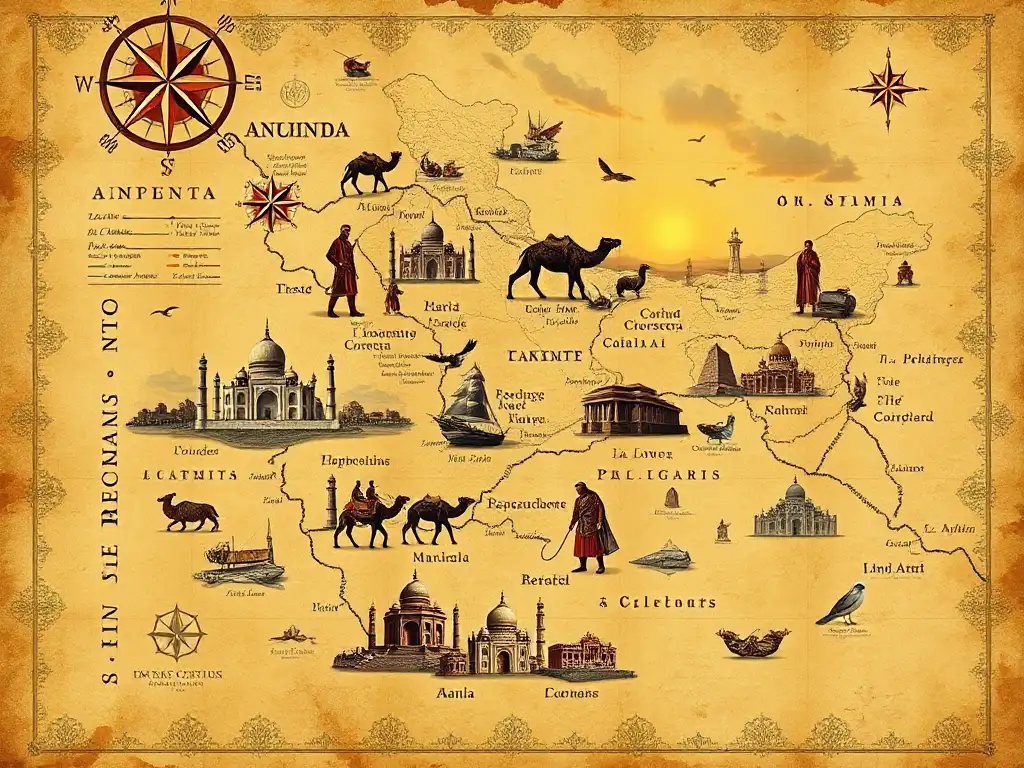
The decline of ancient Indian trade routes marked a significant turning point in the history of the subcontinent, influencing not only its economy but also its cultural and social fabric. Ancient India, known for its vibrant trade networks, was at the crossroads of major international trade routes, facilitating the exchange of goods, ideas, and cultures.
The decline of these trade routes, particularly during the late centuries of the first millennium CE, had profound implications for the civilizations of ancient India, affecting everything from economic prosperity to cultural exchanges. Understanding this decline offers valuable insights into the historical trajectory of ancient Indian societies and their eventual transformations.
Overview of Trade in Ancient India
Trade in ancient India thrived due to its strategic geographical location, which connected it with various regions across Asia, the Middle East, and beyond. The trade was characterized by a rich diversity of goods, including spices, textiles, precious stones, and metalwork. The bustling marketplaces of major cities like Pataliputra and Taxila served as melting pots of commerce and culture, where merchants from different backgrounds interacted and exchanged not just goods but also knowledge and ideas.
- Key Features of Ancient Indian Trade:
- Diverse Goods: Spices, silk, cotton textiles, and precious metals.
- Trade Routes: Included overland routes like the Silk Road and maritime routes connecting India to Southeast Asia and the Arabian Peninsula.
- Cultural Exchange: Trade facilitated not just economic transactions but also cultural and religious exchanges, enriching the societal fabric of ancient India.
Importance of Major Trade Routes in Ancient Civilization
The major trade routes were vital arteries of ancient Indian civilization, contributing significantly to its economic stability and cultural richness. These routes enabled the flow of wealth and resources, allowing for the patronage of the arts, philosophy, and architecture, which flourished during the prosperous periods of ancient India.
- Economic Impact:
- Increased wealth from trade led to the rise of urban centers.
- Facilitated the growth of specialized crafts and industries.
- Cultural Impact:
- Exchange of ideas and philosophies, including the spread of Buddhism and Jainism.
- Artistic influences that shaped Indian art and architecture.
The Major Trade Routes in Ancient India
The ancient Indian trade landscape was dominated by several major trade routes that facilitated extensive commerce and cultural exchanges. Understanding these routes is crucial to grasp the dynamics of trade and its eventual decline.
The Silk Road and Its Influence on Indian Trade
The Silk Road was a network of trade routes that connected the East to the West, and its influence on ancient Indian trade cannot be overstated. This vast network allowed for the exchange of luxury goods such as silk, spices, and precious stones between India, China, and regions of the Mediterranean.
- Key Features:
- Cultural Interactions: The Silk Road was instrumental in the spread of Buddhism from India to Central Asia and China.
- Economic Significance: Indian merchants played a crucial role in the trade of silk and spices, enriching the subcontinent’s economy.
The Maritime Trade Routes and Their Significance
In addition to overland routes, maritime trade routes played a pivotal role in connecting ancient India with the rest of the world. These routes linked Indian ports with those in Southeast Asia, the Arabian Peninsula, and Africa, facilitating the exchange of goods and cultural influences.
- Key Features:
- Trade Goods: Spices, textiles, and pottery were among the primary exports.
- Cultural Exchange: The maritime routes facilitated the exchange of ideas, religions, and technologies, impacting societies across the Indian Ocean.
Key Trade Goods and Cultural Exchanges
The trade goods exchanged along these routes were not just commodities but also carriers of cultural significance. Spices, textiles, and gems were highly sought after, but they also represented the rich cultural heritage of ancient India.
- Major Trade Goods:
- Spices: Black pepper, cardamom, and turmeric.
- Textiles: Cotton and silk fabrics, exported to various regions.
- Precious Metals and Stones: Gold, silver, and diamonds.
The decline of these trade routes led to a reduction in the flow of these goods, significantly impacting the economic and cultural vitality of ancient Indian civilizations. Understanding this decline is essential to comprehend the historical shifts that followed and the eventual transformation of ancient India.
Factors Leading to the Decline of Ancient Indian Trade
The decline of ancient Indian trade routes was a multifaceted phenomenon, influenced by various interrelated factors. Understanding these factors provides insight into how the vibrant trade networks that once thrived across the Indian subcontinent and beyond gradually diminished. Key elements included economic shifts, political instability, environmental changes, and changes in global trade dynamics.
Economic Factors Contributing to Trade Decline
Economic factors played a significant role in the decline of ancient Indian trade. One major aspect was the changing demand for Indian goods, such as textiles, spices, and precious stones, which were once highly sought after in global markets. As new trade routes emerged and other regions, such as Southeast Asia and the Middle East, developed their own production capabilities, the demand for Indian exports diminished.
Additionally, the rise of local economies within India led to a focus on self-sufficiency, causing a reduction in the incentive to engage in extensive trade. Inflation and economic instability, particularly during periods of conflict and invasion, further exacerbated the situation, making it challenging for traders to conduct business efficiently.
Political Instability and Its Impact on Trade Routes
Political instability had a profound impact on ancient Indian trade routes. As empires rose and fell, the resulting power vacuums often led to conflict and insecurity along trade paths. The invasions by foreign powers, such as the Huns and later the Turks, disrupted established trade networks, making merchants wary of traversing these routes.
In addition, the fragmentation of political authority led to the emergence of numerous regional kingdoms, each with its own regulations and taxes. This lack of a unified political structure made trade more complex and costly, discouraging long-distance commerce. Furthermore, the increased taxation imposed by various rulers on trade goods created additional financial burdens that stifled economic activity.
Environmental Changes Affecting Trade
Environmental changes also played a crucial role in the decline of ancient Indian trade. Shifts in climate patterns, such as prolonged droughts or monsoon variability, could severely impact agricultural production, leading to food shortages and increased local strife. Such conditions diminished the surplus necessary for trade, reducing the capacity of communities to engage in long-distance commerce.
Additionally, natural disasters like floods and earthquakes could damage infrastructure, such as roads and ports, further hampering trade activities. The decline in the usability of significant trade routes due to environmental degradation also made it challenging for merchants to maintain regular trade flows.
The Consequences of the Decline of Ancient Indian Trade
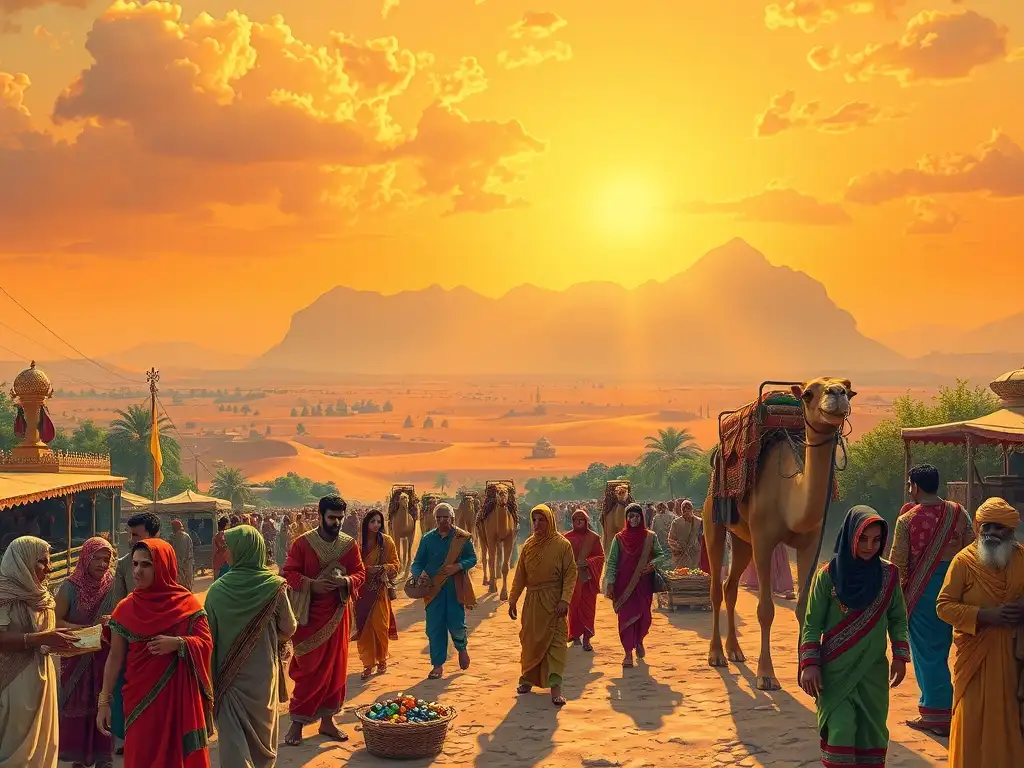
The decline of ancient Indian trade had far-reaching consequences that affected the socio-economic fabric of the region. These consequences were not limited to economic loss but also included social changes and shifts in regional power dynamics.
Economic Impact on Ancient Indian Civilizations
The economic impact of the decline of ancient Indian trade was profound, leading to a decrease in wealth accumulation for many regions that relied on trade as a primary economic driver. Cities that had flourished as trading hubs experienced significant depopulation and economic stagnation, leading to a decline in urbanization.
Craftsmen and merchants, who thrived during the peak of trade, faced unemployment and reduced income, resulting in a cascading effect on local economies. The reduction in trade also meant fewer opportunities for cultural exchange, which had previously contributed to the richness of Indian civilization.
Cultural and Social Effects of Trade Route Decline
The decline of trade routes also had significant cultural and social ramifications. Trade facilitated not only the exchange of goods but also the transfer of ideas, beliefs, and cultures. As trade diminished, so did the interactions between diverse cultures, leading to a relative insularity of communities.
This isolation contributed to a decline in artistic and technological innovation, as the influx of new ideas and practices from foreign lands diminished. The reduction in cultural exchanges also affected religious practices, with fewer opportunities for the spread of philosophies and religions that had previously thrived alongside trade.
Shifts in Regional Power Dynamics Due to Trade Changes
The decline of ancient Indian trade contributed to notable shifts in regional power dynamics. As trade routes became less lucrative, former trading powers weakened, while emerging regional kingdoms, which had previously been peripheral players, began to gain prominence.
This shifting landscape often resulted in the rise of new powers that capitalized on the void left by declining trade hubs. Consequently, the geopolitical map of ancient India transformed, with new alliances and conflicts reshaping the relationships between regions. The decline of trade did not just result in economic repercussions; it also redefined the socio-political landscape of ancient India, paving the way for the emergence of new powers and the decline of established ones.
Case Studies of Decline in Specific Trade Routes
The decline of ancient Indian trade can be traced through specific case studies that highlight the impact of various trade routes. Understanding these declines offers insight into the broader economic and cultural shifts that shaped ancient Indian civilizations. Two prominent examples are the Silk Road and maritime trade networks, both of which were vital for the exchange of goods, culture, and ideas.
The Decline of the Silk Road’s Influence on India
The Silk Road, a network of trade routes connecting the East and West, significantly influenced the economy and culture of ancient India from around the 2nd century BCE up to the 14th century CE. However, by the late medieval period, several factors led to its decline, dramatically affecting Indian trade.
- Political Instability: The rise of powerful empires and the ensuing conflicts often disrupted trade routes. The Mongol invasions and subsequent power struggles in Central Asia made the Silk Road less secure, deterring merchants from using this route.
- Shifts in Trade Patterns: As maritime trade gained prominence, especially with the advent of the Age of Exploration, many traders opted for sea routes over land. The discovery of new sea passages, such as those around Africa to India, allowed for faster and safer travel, contributing to the decline of the Silk Road’s relevance.
- Economic Changes: The changing economic landscape, including the rise of local markets and production, reduced dependence on long-distance trade. Indian goods began to be produced in greater quantities for local consumption, diminishing the need for Silk Road trade.
The decline of the Silk Road's influence meant not only a loss of trade revenue for Indian merchants but also a reduction in cultural exchanges, which had previously enriched Indian society.
The Downfall of Maritime Trade Networks
Maritime trade networks, including routes across the Indian Ocean, were once crucial for the prosperity of ancient Indian civilizations. However, several factors contributed to their decline:
- Colonial Expansion: The arrival of European colonial powers in the 15th and 16th centuries disrupted established trade routes. The Portuguese, Dutch, and British established control over key maritime routes, often sidelining local traders and diminishing the significance of traditional Indian maritime networks.
- Technological Advancements: Improvements in shipbuilding and navigation techniques allowed European powers to dominate maritime trade. This shift meant that Indian traders struggled to compete against better-equipped foreign fleets, leading to a decline in their influence.
- Economic Exploitation: As colonial powers took control of trade, they exploited Indian resources and markets for their benefit. This extraction of wealth led to economic stagnation in India and weakened traditional trading practices.
The decline of maritime trade networks not only affected the economy but also led to a cultural shift, as Indian ports that once thrived became less significant in the global trade landscape.
Conclusion: The Legacy of Declining Trade Routes
The decline of major trade routes in ancient India left an indelible mark on the region's history, shaping its economic and cultural trajectory. The impacts were multifaceted, affecting not only trade but also societal structures and interactions with neighboring civilizations.
Reflection on How Trade Shaped Ancient Indian History
Trade routes played a pivotal role in the development of ancient Indian civilization. They facilitated the exchange of goods, ideas, and cultural practices, enriching Indian society. The decline of these routes diminished this cultural exchange, leading to greater isolation and less influence from external cultures. Additionally, the economic consequences of reduced trade led to shifts in power dynamics, as regions that once thrived on trade faced decline and instability.
The Long-Term Effects of Trade Route Decline on Indian Civilization
The long-term effects of the decline of ancient trade routes have been profound. Economically, regions that relied heavily on trade experienced stagnation and decline, leading to shifts in population and resources. Culturally, the isolation that followed the decline diminished the vibrancy of Indian civilization, as fewer ideas and innovations flowed into the subcontinent.
The legacy of these changes can still be seen today, as the historical trajectory of ancient India continues to influence its modern identity. The decline of ancient Indian trade not only reshaped its economy but also altered the cultural and social fabric of the region, leaving a lasting legacy that historians continue to explore.
Additional Insights
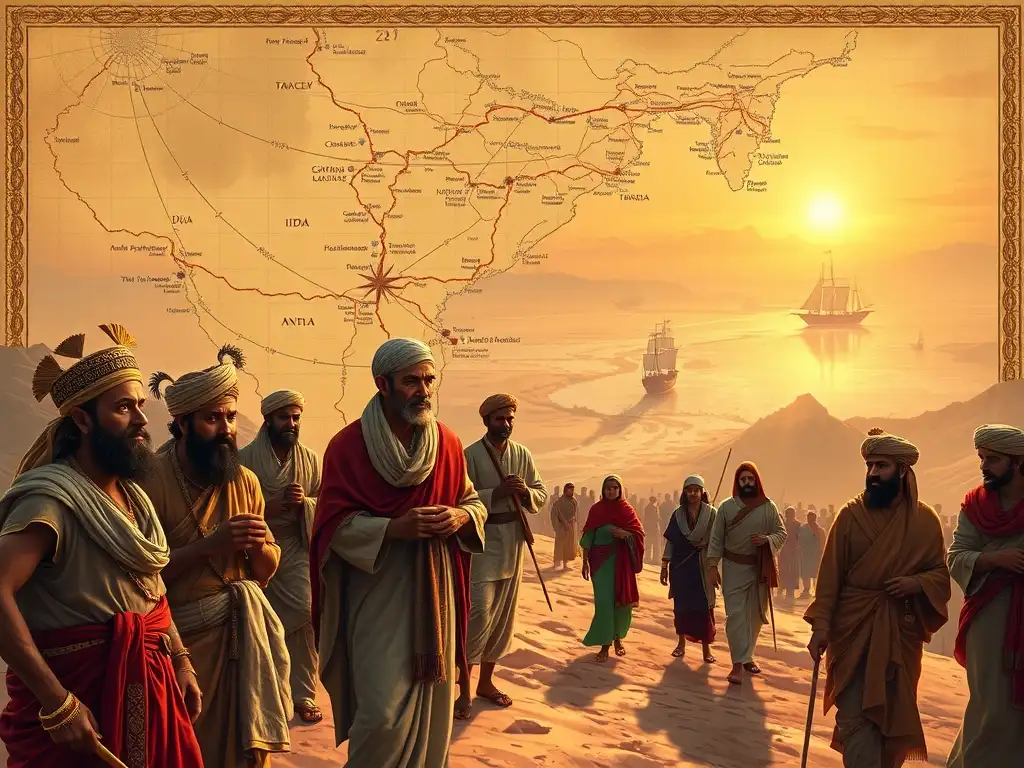
The decline of ancient Indian trade routes had profound implications not only on the economy but also on the cultural and social fabric of Indian society. As trade routes diminished, the flow of goods, ideas, and cultural exchanges significantly decreased, leading to a ripple effect across various sectors. The impact was particularly noticeable in urban centers that thrived on trade, where reduced commerce often resulted in economic stagnation and a decline in population as people sought opportunities elsewhere.
Additionally, the decline of trade routes coincided with significant political changes within and around India, such as the rise of new powers and invasions. This led to a shift in focus from trade to territorial control, further undermining the importance of trade networks. As a result, many local artisans, merchants, and traders faced hardships due to the lack of demand for their goods, which previously could have been exported or traded along these routes.
The Role of Trade in Shaping Ancient Indian Identity
Trade played a crucial role in shaping the identity of ancient Indian civilizations. It facilitated cultural exchanges that enriched Indian society with diverse influences from various regions, leading to a unique blend of customs, languages, and ideas. Goods such as spices, textiles, and precious stones were not only economic commodities but also symbols of cultural identity, reflecting the richness and diversity of ancient India.
Moreover, trade routes like the Silk Road and maritime pathways connected India with various civilizations, including the Romans, Greeks, and Chinese. These interactions fostered diplomatic ties, philosophical exchanges, and even religious diffusion, as seen with the spread of Buddhism and Hinduism through trade networks. The shared experiences and cultural exchanges among traders and travelers helped forge a collective identity that transcended regional boundaries, contributing to a sense of unity among diverse groups within India.
Future Research Directions on Ancient Indian Trade Decline
Future research on the decline of ancient Indian trade should focus on several key areas to gain a comprehensive understanding of its causes and consequences.
- Historical Analysis of Trade Routes: A detailed examination of the geographical, political, and economic factors that led to the decline of specific trade routes can provide insights into the dynamics at play.
- Economic Impact Studies: Understanding the economic ramifications of trade decline on local economies, including shifts in production, consumption patterns, and the rise of alternative economic systems, will be crucial for a holistic view.
- Cultural Exchange and Identity Formation: Further research should explore how the decline of trade affected cultural exchanges and the evolution of social identities in ancient India. This includes investigating the loss of cultural artifacts and knowledge that were once disseminated through trade.
- Comparative Studies with Other Civilizations: Comparing the decline of ancient Indian trade with similar phenomena in other civilizations can illuminate broader patterns and offer a deeper understanding of the interplay between trade and societal change.
By delving into these areas, scholars can uncover the multifaceted impacts of trade decline on ancient Indian civilization, contributing to the broader discourse on economic history and cultural evolution.
- Introduction to Ancient Indian Trade
- The Major Trade Routes in Ancient India
- Factors Leading to the Decline of Ancient Indian Trade
- The Consequences of the Decline of Ancient Indian Trade
- Case Studies of Decline in Specific Trade Routes
- Conclusion: The Legacy of Declining Trade Routes
- Additional Insights
- The Role of Trade in Shaping Ancient Indian Identity
- Future Research Directions on Ancient Indian Trade Decline
- What were the major trade routes in ancient India?
- What factors contributed to the decline of these trade routes?
- How did the decline of trade impact ancient Indian civilizations?
- What were some consequences of reduced trade on society?
- Did the decline of trade routes affect the spread of culture in ancient India?
Frequently Asked Questions
What were the major trade routes in ancient India?
Ancient India had several major trade routes, including the Silk Road and maritime paths that connected it to China and the Roman Empire.
What factors contributed to the decline of these trade routes?
The decline of ancient trade was influenced by factors such as political instability, invasions, and the rise of local economies that diminished the need for long-distance trade.
How did the decline of trade impact ancient Indian civilizations?
The decline significantly affected the economic prosperity of ancient Indian civilizations, leading to reduced cultural exchange and a decrease in wealth accumulation.
What were some consequences of reduced trade on society?
With the decline of trade, there was a shift towards self-sufficiency, which impacted urban centers and led to a decline in the standard of living for many people.
Did the decline of trade routes affect the spread of culture in ancient India?
Yes, the decline hampered the exchange of ideas and cultural practices, resulting in a more insular society and a slowdown in the cultural development of ancient India.
Final Reflection: The Enduring Legacy of Ancient Indian Trade
The decline of ancient Indian trade has left an indelible mark on the socio-economic fabric of the region, shaping not only its historical narrative but also its contemporary identity. As we explore the intricate web of trade routes that once flourished, we uncover a profound truth: the ebb and flow of commerce has the power to influence civilizations. The decline of these routes was not merely an economic setback; it was a transformative moment that redefined cultural exchanges and societal structures, reminding us that the past continues to resonate in our present.
The impact of ancient trade routes extends far beyond mere economic transactions; they were conduits of culture, ideas, and innovation. The rich tapestry of interactions facilitated by these routes fostered a spirit of collaboration and understanding among diverse communities. As we reflect on this legacy, we recognize that the decline of these routes has led to a reevaluation of our cultural heritage and identity. Trade is not just about goods; it’s about the exchange of ideas that shape our world.
This quote encapsulates the essence of trade as a unifying force that transcends borders and time.
As we stand at the crossroads of history and modernity, let us take a moment to reflect on the lessons learned from the decline of ancient Indian trade. How can we apply these insights to our lives today? In a world increasingly interconnected yet often divided, we are called to foster dialogue, celebrate diversity, and build bridges rather than walls.
Embrace the spirit of collaboration that once thrived along those ancient routes, and let it inspire you to create connections in your own community. The legacy of ancient trade is not just a chapter in history; it is a call to action for us all.
Unveil the Secrets of Ancient Trade: Take Action Now!
Thank you for diving into the fascinating world of ancient trade routes and their profound impact on India. Your curiosity about this pivotal aspect of history not only enriches your knowledge but also inspires a deeper appreciation for how trade shaped civilizations. Now, let’s channel that interest into some actionable steps!
- Explore further! Dive into more historical texts or articles that discuss the rise and fall of trade in various ancient civilizations. Unearth connections between trade and cultural exchange.
- Share your insights! Discuss this topic with friends or on social media. Consider starting a conversation or a study group dedicated to ancient history—who knows what insights you'll gain together!
- Challenge your perspective! Visit a local museum or an online exhibit showcasing artifacts from ancient trade routes. Try to find tangible connections to the readings you enjoyed here.
As you reflect on these actions, we want to hear from you: How do you think ancient trade routes continue to influence modern global commerce today? Let’s start a conversation about this intriguing connection!