
The Exchange of Texts: Trade of Knowledge in Ancient India

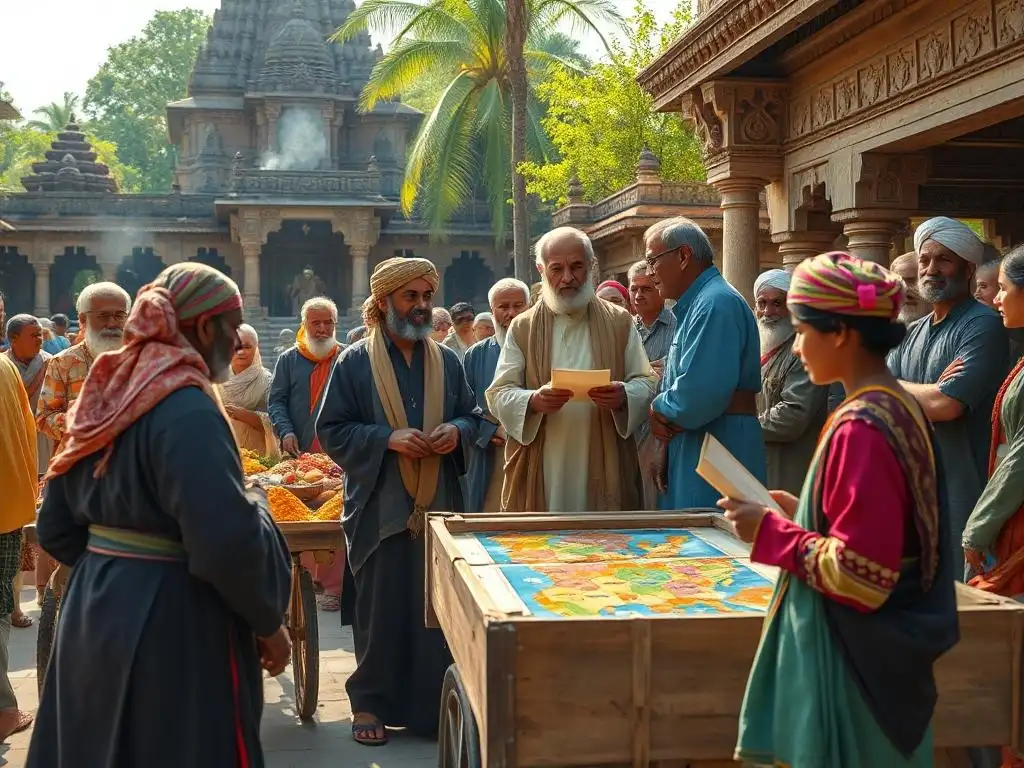
Welcome to Ancient India History, where we embark on a journey through the vibrant tapestry of India's past! Here, we delve into the fascinating realm of Ancient Indian trade knowledge, uncovering how the exchange of texts not only fueled economic prosperity but also sparked intellectual growth throughout the ages. As you explore our latest article, "The Exchange of Texts: Trade of Knowledge in Ancient India," prepare to discover the intricate connections between commerce and culture that shaped one of the world's oldest civilizations. Dive in and unravel the secrets of a time when knowledge was as valuable as gold!
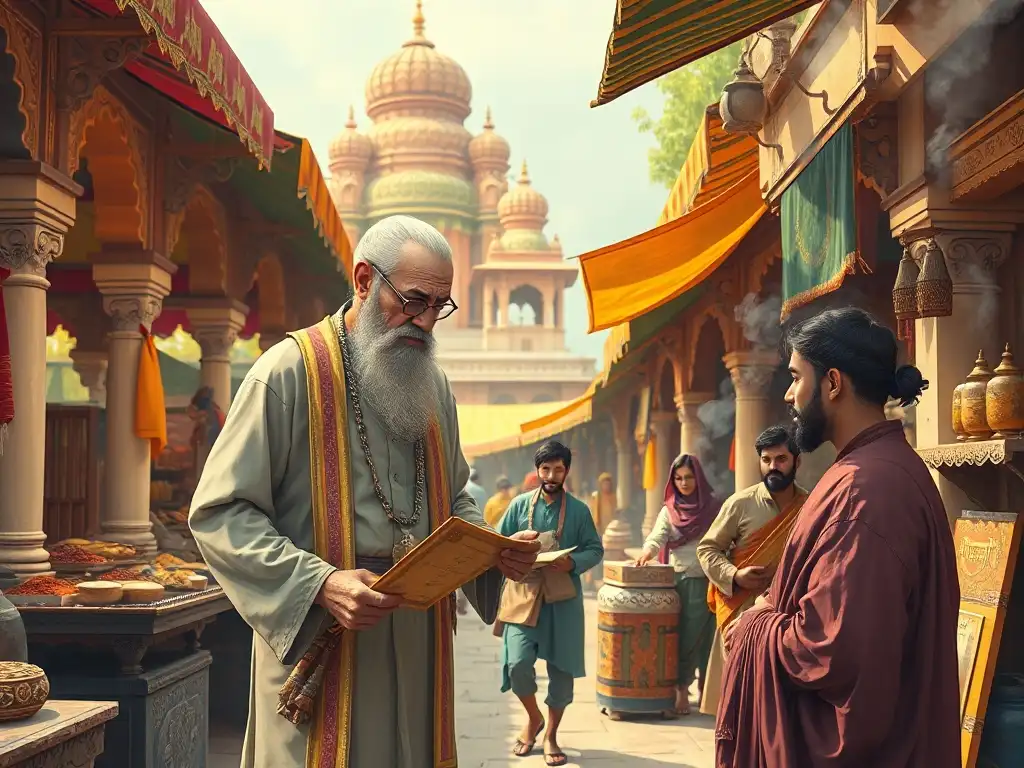
Introduction to Ancient Indian Trade Knowledge
The intricate tapestry of Ancient Indian trade knowledge reveals a vibrant confluence of commerce, culture, and intellectual exchange that significantly shaped the subcontinent's history. From the flourishing cities of the Indus Valley Civilization to the sophisticated trade networks of the Gupta Empire, ancient India was not merely a hub of material exchange but also a crucible for the transfer of ideas, philosophies, and innovations. This article delves into the mechanisms that facilitated the trade of knowledge alongside goods, illustrating how texts and scholarly discourse played pivotal roles in enhancing trade practices and fostering cultural connections across vast distances.
Overview of Trade in Ancient India
Trade in ancient India was characterized by a multitude of internal and external networks that connected various regions and cultures. The growth of these networks was driven by:
- Diverse Goods: The Indian subcontinent was rich in resources, with products such as spices, textiles, metals, and gemstones being highly sought after in international markets.
- Marketplaces and Urban Centers: Key urban centers, such as Pataliputra, Taxila, and Ujjain, emerged as vibrant marketplaces, encouraging both local and long-distance trade.
- Cultural Exchange: Trade routes were conduits for not just material goods but also ideas, leading to a dynamic cultural exchange that enriched the civilizations involved.
These elements combined to form a robust trading ecosystem that not only facilitated economic prosperity but also fostered a rich intellectual exchange.
Importance of Knowledge Exchange in Trade
The exchange of knowledge was as crucial as the physical goods traded in ancient India. Key aspects include:
- Standardization of Practices: Texts provided guidelines on trade practices, weights and measures, and quality control, ensuring fair transactions.
- Cultural Understanding: Knowledge of languages, customs, and trade practices of different regions helped merchants navigate complex trade networks and fostered diplomatic relationships.
- Innovation and Technology: The sharing of technological advancements in agriculture, metallurgy, and navigation enhanced productivity and efficiency in trade.
This knowledge exchange laid the groundwork for a sophisticated economy that not only thrived on commerce but also on shared learning and innovation.
Historical Context of Trade Networks in Ancient India
To fully appreciate the significance of knowledge exchange in ancient Indian trade, it is essential to understand the historical context that shaped these networks.
Major Trade Routes in Ancient India
The ancient Indian trade networks were interconnected and extensive, with major routes such as:
- The Silk Road: Linking India with Central Asia, this route facilitated the exchange of silk, spices, and knowledge between diverse cultures.
- Maritime Routes: The Indian Ocean trade routes connected India with the Middle East, Africa, and Southeast Asia, leading to vibrant maritime commerce.
- Overland Routes: Internal trade routes across the subcontinent allowed for the movement of goods and ideas between regional centers.
These routes not only facilitated the movement of goods but also played a crucial role in the dissemination of knowledge across cultures.
The Role of Texts in Facilitating Trade
Texts, in various forms, were instrumental in enhancing the trade of knowledge in ancient India. They included:
- Trade Manuals: Documents such as the Arthashastra provided detailed instructions on trade practices, economic policies, and market regulations.
- Religious and Philosophical Texts: The exchange of religious texts, like the Vedas and Upanishads, fostered a deeper understanding of cultural values, which influenced trade relationships.
- Literature and Poetry: Works of literature often contained references to trade, showcasing the importance of commerce in societal context and enriching cultural narratives.
These texts served as repositories of knowledge, guiding traders in their practices and fostering a mutual understanding that transcended geographical and cultural boundaries.
The Significance of Textual Exchange in Trade
The exchange of texts in ancient India played a crucial role in the development of trade networks and the sharing of knowledge. Texts served not only as records of transactions but also as repositories of information on trade practices, economic principles, and cultural exchanges. They facilitated communication between merchants, scholars, and communities, allowing for a more organized and efficient trade environment.
The significance of these textual exchanges can be categorized into several aspects:
- Standardization of Practices: Texts provided standardized information about weights, measures, and prices, which were essential for fair trade and reducing disputes.
- Cultural Transmission: Trade texts often included cultural insights, religious beliefs, and scientific knowledge, enabling a rich cultural intermingling that influenced societal development.
- Legal Frameworks: Many texts contained laws and regulations governing trade, helping to establish trust among traders and ensuring the protection of rights and property.
- Knowledge Dissemination: The circulation of texts allowed for the dissemination of innovative ideas and practices that enhanced trade efficiency, such as accounting methods and navigational techniques.
Overall, the exchange of texts was fundamental in constructing a robust framework for trade and interaction across ancient Indian civilizations.
Types of Texts Used in Trade
In ancient India, various types of texts were utilized in trade, each serving specific purposes and audiences. Some notable categories include:
- Economic Treatises: Works like the Arthashastra, attributed to Kautilya (Chanakya), provided comprehensive insights into statecraft, economic policy, and trade regulations. These texts were essential for merchants and rulers alike.
- Account Books: Merchants maintained detailed account books that recorded transactions, debts, and inventory, ensuring transparency and accountability in trade practices.
- Contracts and Legal Documents: Written agreements formalized trade relationships, outlining terms of sale, delivery conditions, and dispute resolution mechanisms.
- Travelogues and Guides: Texts detailing trade routes, geographical features, and local customs were invaluable for merchants navigating through diverse regions.
- Religious Texts: Scriptures like the Vedas and Puranas often contained references to trade practices and ethical considerations, influencing the moral framework within which trade operated.
These texts collectively contributed to a sophisticated trade system, enhancing the flow of goods and ideas across vast distances.
Knowledge as a Commodity in Ancient Indian Trade
In ancient Indian trade, knowledge itself became a valuable commodity that was exchanged alongside physical goods. This trade of knowledge encompassed various domains, including technology, philosophy, agriculture, and medicine.
Key aspects of knowledge as a commodity include:
- Technological Innovations: The sharing of technological advancements, such as metallurgy and textile production techniques, significantly improved the quality and efficiency of goods.
- Agricultural Techniques: Knowledge of crop rotation, irrigation methods, and pest control was exchanged, leading to increased agricultural productivity and trade of surplus.
- Philosophical and Religious Knowledge: The dissemination of philosophical texts and religious teachings influenced trade practices and ethical guidelines, shaping the moral conduct of merchants.
- Medical Knowledge: Ancient Indian texts on medicine, such as the Sushruta Samhita, provided knowledge that enhanced healthcare practices along trade routes, which was crucial for maintaining the health of traders and travelers.
This commodification of knowledge not only enriched the trading experience but also fostered a culture of learning and innovation in ancient Indian society.
Key Contributors to Ancient Indian Trade Knowledge
Ancient India was home to numerous scholars, thinkers, and communities that contributed significantly to the body of trade knowledge. Their insights and innovations laid the groundwork for a thriving trade ecosystem that spanned across the subcontinent and beyond.
Scholars and Their Contributions
Several scholars emerged as pivotal figures in the development of trade knowledge in ancient India:
- Kautilya (Chanakya): Author of the Arthashastra, Kautilya's work outlined comprehensive strategies for economic governance, including trade management, taxation, and resource allocation. His emphasis on state involvement in trade set a precedent for future economic policies.
- Panini: Although primarily known for his work on grammar, Panini's contributions to the linguistic clarity of trade texts helped facilitate better communication among traders from different regions.
- Varahamihira: An astute scholar in astronomy and astrology, Varahamihira provided navigational insights that were critical for traders traveling long distances, enhancing maritime trade routes.
- Sushruta: Known for his contributions to medicine, Sushruta's texts on health and surgery also impacted trade by ensuring that traders remained healthy and capable of undertaking long journeys.
These scholars not only advanced trade practices but also influenced broader cultural and intellectual developments in ancient Indian society.
Influence of Different Cultures on Trade Knowledge
The ancient Indian trade network was not confined to its borders; it was profoundly influenced by interactions with various cultures. These exchanges enriched India's trade knowledge and practices:
- Persian Influence: The Achaemenid Empire's administrative techniques and trade practices were adopted by Indian merchants, leading to improved governance and trade efficiency.
- Hellenistic Contributions: The interaction with Greek traders introduced new ideas about commerce, navigation, and currency systems, fostering a more dynamic trade environment.
- Chinese Innovations: The Silk Road facilitated the exchange of goods and ideas between India and China, particularly in textiles and technology, which significantly impacted Indian trade.
- Arab and African Connections: Trade routes established with Arabian and African regions introduced new commodities, such as spices and textiles, while also facilitating the exchange of cultural and scientific knowledge.
These cultural influences not only enriched the trading practices of ancient India but also positioned it as a central hub in the global trade network of the time.
Mechanisms of Knowledge Transfer in Trade
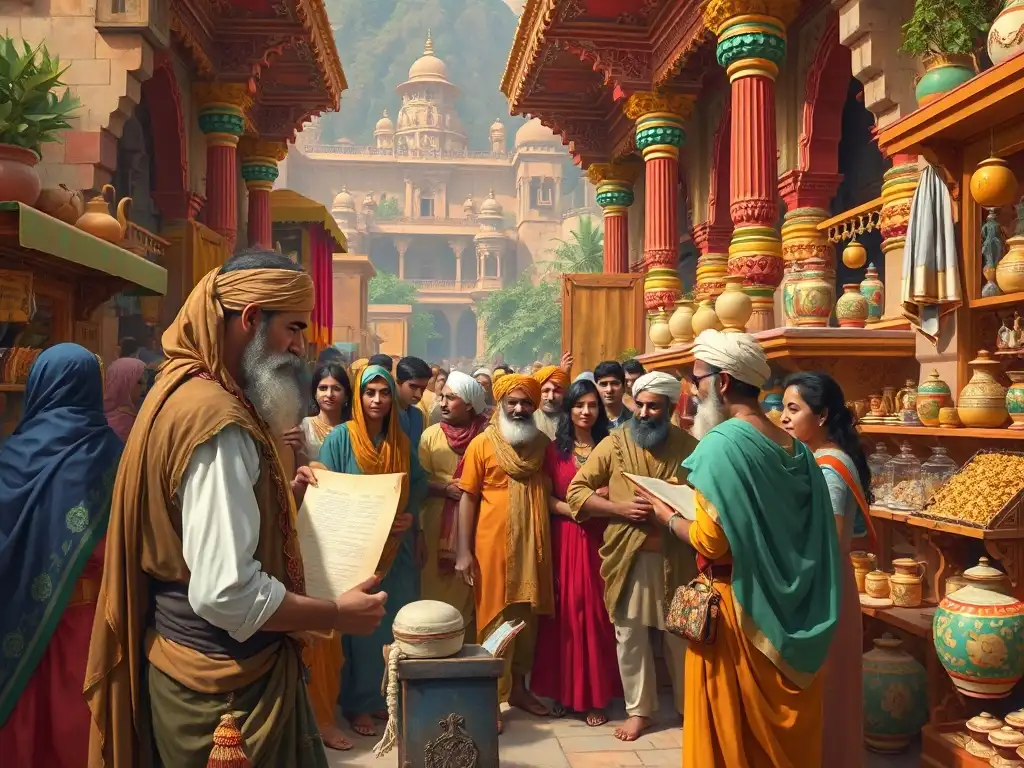
The exchange of knowledge in ancient Indian trade was facilitated through various mechanisms that were intrinsic to the socio-economic fabric of the civilization. These mechanisms enabled the flow of information not only about goods but also about culture, science, and technology. Knowledge transfer occurred through oral traditions, written texts, and the active participation of merchants who served as conduits of information between different regions.
Oral traditions played a significant role in disseminating knowledge among traders, while written texts preserved and standardized information across generations. Merchants, often well-traveled and educated, were crucial in sharing knowledge from one culture to another, thereby enriching the local practices and understanding of various disciplines. These interconnected systems contributed significantly to the robustness of ancient Indian trade knowledge.
Oral Traditions and Their Impact
Oral traditions were a fundamental aspect of knowledge transfer in ancient Indian trade. Storytelling and verbal communication allowed for the sharing of practical information, cultural narratives, and traditional practices among traders and communities. These oral exchanges often included:
- Local Knowledge: Information about local markets, resources, and trade routes was transmitted orally, helping traders navigate the complexities of commerce.
- Cultural Exchange: Oral narratives often included tales that highlighted moral values, spiritual beliefs, and cultural practices, fostering a shared identity among diverse groups.
- Skill Development: Knowledge about craftsmanship, agricultural practices, and trade techniques was often passed down through generations via apprenticeships and informal education.
The impact of oral traditions can be observed in how communities adapted and thrived through shared experiences and collective wisdom, significantly influencing the development of trade networks.
Written Texts: Manuscripts and Inscriptions
Written texts, including manuscripts and inscriptions, were vital to the preservation and dissemination of knowledge in ancient India. These texts served multiple purposes in trade:
- Documentation of Transactions: Manuscripts often recorded trade agreements, transactions, and contracts, providing legal frameworks that facilitated commerce.
- Cultural and Technical Knowledge: Texts on mathematics, astronomy, and medicine were exchanged along trade routes, enhancing the scientific understanding of various cultures.
- Inscriptions: Epigraphs found on temples, coins, and public structures documented historical events and trade practices, offering insights into the socio-economic conditions of the time.
The existence of these written records not only standardized trade practices but also ensured that knowledge could be systematically passed down through generations, contributing to the rich tapestry of ancient Indian intellectual heritage.
The Role of Merchants in Knowledge Dissemination
Merchants not only facilitated trade but also acted as key agents of knowledge dissemination in ancient India. Their extensive travels across different regions allowed them to:
- Share Innovations: Merchants introduced new technologies and agricultural practices from one area to another, enhancing productivity and efficiency within local economies.
- Cultural Mediators: They played a crucial role in the cultural exchange between different groups, transmitting art, literature, and religious beliefs along trade routes.
- Networking and Alliances: The creation of networks among merchants facilitated collaboration, making it easier to share information and resources across vast distances.
The active engagement of merchants in both trading and knowledge-sharing processes was instrumental in the growth of ancient Indian trade knowledge, fostering a vibrant exchange of ideas.
Case Studies of Knowledge Exchange in Ancient Indian Trade
The Silk Road and Indian Trade Knowledge
The Silk Road was a significant network that connected the East and West, with India playing a pivotal role in this exchange. Through this route, Indian merchants not only traded silk and spices but also shared an array of knowledge, including:
- Scientific Contributions: Indian advancements in mathematics and astronomy traveled along the Silk Road, influencing civilizations as far as the Middle East and beyond.
- Cultural Exchanges: The mixing of Indian and Central Asian cultures enriched artistic expressions and philosophical ideas, leading to the development of new schools of thought.
- Trade Practices: Indian merchants introduced novel trade practices, including the use of bills of exchange and the establishment of banking systems that laid the groundwork for future commerce.
The Silk Road exemplifies how trade facilitated a profound exchange of knowledge, significantly impacting the development of civilizations along the route.
Maritime Trade and Knowledge Sharing
Maritime trade was another crucial component of ancient Indian commerce, connecting India to various regions, including Southeast Asia, Africa, and the Middle East. This trade route enabled a rich exchange of knowledge in several ways:
- Navigation Techniques: Indian sailors developed advanced navigation methods, including the use of stars and ocean currents, which were shared with other maritime cultures.
- Cultural Influences: The movement of people through maritime trade led to the exchange of religious ideas, art forms, and languages, profoundly affecting local cultures.
- Botanical Knowledge: The maritime routes facilitated the exchange of agricultural products and knowledge of botany, leading to the introduction of new crops and cultivation techniques in different regions.
The impact of maritime trade on knowledge sharing was substantial, underscoring the interconnectedness of ancient civilizations and their contributions to the global exchange of ideas and practices.
The Impact of Ancient Indian Trade Knowledge on Modern Perspectives
Ancient Indian trade knowledge has significantly influenced modern perspectives on trade and commerce. The intricate networks established during ancient times not only facilitated the exchange of goods but also allowed for the flow of ideas, technologies, and cultures. This exchange has shaped modern economic practices, demonstrating that trade is not merely about transactions but also about the sharing of knowledge and innovation.
The concepts of barter and trade routes, such as the famous Silk Road and maritime routes across the Indian Ocean, were pivotal in connecting India with various civilizations. The principles of negotiation, partnership, and mutual benefit that emerged during these exchanges are still relevant today. Furthermore, ancient texts such as the Arthashastra, written by Kautilya (Chanakya), provide insights into governance, economics, and military strategy that continue to be studied in modern business and political contexts.
Legacy of Ancient Trade Practices
The legacy of ancient trade practices in India is profound, influencing not only economic structures but also societal norms and cultural exchanges. Trade routes facilitated the movement of not just commodities like spices, textiles, and precious stones, but also ideas, philosophies, and religions. This multicultural environment fostered a spirit of tolerance and adaptability, which has been instrumental in shaping India’s diverse cultural landscape.
The establishment of guilds, known as shrenis, played a crucial role in organizing trade practices. These guilds regulated not just trade but also quality control, pricing, and dispute resolution, laying foundational aspects of modern business ethics. The ancient practice of recording transactions and maintaining accounts in meticulous detail is mirrored in contemporary accounting and auditing practices, showcasing the sophistication of ancient Indian trade knowledge.
Lessons from Ancient Indian Trade for Contemporary Trade
Contemporary trade can draw valuable lessons from ancient Indian practices. One of the most significant lessons is the importance of maintaining strong relationships and networks. Ancient traders often relied on personal connections and trust, leading to long-term partnerships that enhanced trade efficiency. Modern businesses can benefit from fostering similar relationships, emphasizing collaboration over competition.
Moreover, the adaptability of ancient traders in navigating diverse cultures and markets is a critical lesson for today’s globalized economy. Understanding and respecting cultural differences can enhance market entry strategies and customer relations. In addition, the ancient practice of using trade as a means for cultural diplomacy showcases how trade can serve as a bridge between nations, promoting peace and mutual understanding.
Conclusion: The Lasting Influence of Ancient Indian Trade Knowledge
The influence of ancient Indian trade knowledge extends far beyond its historical context; it continues to resonate in today's global economy. The principles and practices established during ancient times provide a framework for understanding the complexities of modern trade.
Summary of Key Points
- Ancient Indian trade facilitated not only the exchange of goods but also the sharing of knowledge and culture.
- The legacy of trade practices, such as the formation of guilds and meticulous record-keeping, is evident in modern business practices.
- Key lessons include the significance of relationships in trade and the ability to adapt to diverse markets.
The Relevance of Ancient Trade Knowledge Today
In a rapidly changing global landscape, the relevance of ancient trade knowledge is more pronounced than ever. As businesses seek to expand internationally, the ability to draw from historical practices can provide a competitive edge. The concepts of trade as a means of cultural exchange and mutual benefit remain foundational in fostering economic partnerships today. By embracing the wisdom of ancient Indian trade, modern enterprises can navigate the complexities of global commerce while honoring the rich heritage of trade practices that have shaped our world.
- Introduction to Ancient Indian Trade Knowledge
- Historical Context of Trade Networks in Ancient India
- The Significance of Textual Exchange in Trade
- Key Contributors to Ancient Indian Trade Knowledge
- Mechanisms of Knowledge Transfer in Trade
- Case Studies of Knowledge Exchange in Ancient Indian Trade
- The Impact of Ancient Indian Trade Knowledge on Modern Perspectives
- Conclusion: The Lasting Influence of Ancient Indian Trade Knowledge
- What were the main forms of trade in Ancient India?
- How did Ancient Indian trade contribute to knowledge exchange?
- What role did the Silk Road play in Ancient Indian trade?
- How did the Gupta Empire influence trade and knowledge dissemination?
- What impact did ancient Indian trade networks have on global knowledge?
Frequently Asked Questions
What were the main forms of trade in Ancient India?
The main forms of trade in Ancient India included overland routes and maritime trade, facilitating the exchange of goods, ideas, and cultural knowledge.
How did Ancient Indian trade contribute to knowledge exchange?
Ancient Indian trade not only involved goods but also the exchange of texts and ideas, significantly contributing to the spread of knowledge in various fields such as mathematics, astronomy, and philosophy.
What role did the Silk Road play in Ancient Indian trade?
The Silk Road was a crucial trade route that connected India with other civilizations, allowing for the exchange of knowledge and commodities, enhancing cultural interactions significantly.
How did the Gupta Empire influence trade and knowledge dissemination?
During the Gupta Empire, there was a notable flourishing of trade and the spread of educational institutions, which promoted the exchange of knowledge across various domains, including science and literature.
What impact did ancient Indian trade networks have on global knowledge?
Ancient Indian trade networks facilitated cross-cultural exchanges, significantly impacting global knowledge systems and influencing the development of various civilizations through the sharing of scientific and philosophical texts.
Final Reflection: The Enduring Legacy of Ancient Indian Trade Knowledge
The exchange of texts and knowledge in ancient India remains a cornerstone of cultural and intellectual development, illustrating how interconnectedness fosters innovation and understanding. Today, as we navigate an increasingly globalized world, the lessons from ancient Indian trade practices resonate profoundly, reminding us that the sharing of knowledge is as vital now as it was centuries ago. The intricate web of trade routes that facilitated not only the exchange of goods but also ideas and philosophies demonstrates the timeless value of collaboration and communication.
The influence of ancient Indian trade knowledge has shaped not only the economic landscape but also the cultural and social fabric of societies across the globe. The rich tapestry of texts exchanged during this period laid the groundwork for advancements in various fields, from mathematics to medicine. As we reflect on this legacy, we can appreciate the words of the philosopher and historian Will Durant: Civilization exists by geological consent, subject to change without notice.
This quote encapsulates the idea that knowledge, like civilization itself, is ever-evolving and must be nurtured through exchange and dialogue.
As we look to the future, let us embrace the spirit of ancient Indian trade knowledge in our own lives. Consider how you can contribute to the exchange of ideas in your community, fostering an environment where learning and growth thrive.
Whether through sharing your expertise, engaging in meaningful conversations, or exploring new perspectives, each of us has the power to carry forward the legacy of knowledge exchange that has shaped our world. Reflect on the importance of this interconnectedness, and take action to ensure that the flow of knowledge continues to enrich our lives and the lives of those around us.
Unveil the Secrets of Ancient Knowledge Exchange!
Thank you for taking the time to explore the fascinating world of knowledge exchange in Ancient India. Your interest in this rich tapestry of history not only broadens your understanding but also ignites curiosity about how ideas shaped civilizations. Now, let’s transform that inspiration into action!
- Dive deeper into a specific text or philosophy discussed in this exploration—research its origins and implications to gain a better grasp of its relevance today.
- Share your newfound knowledge with friends or on social media; ignite conversations that celebrate the intellectual heritage of Ancient India!
- Consider visiting a museum or attending a local lecture focused on ancient texts, fostering community engagement and continued discovery.
What aspect of Ancient India’s knowledge exchange do you find most intriguing, and how might it influence our modern world?