
The Significance of Trade in Ancient Indian Folklore and Literature


Welcome to Ancient India History, where we embark on a fascinating journey through time to uncover the rich tapestry of ancient Indian civilizations. In this exploration, we delve into the intricate web of trade that not only shaped economies but also influenced folklore and literature.
Our featured article, "The Significance of Trade in Ancient Indian Folklore and Literature," reveals how trade routes served as conduits for cultural exchange and storytelling, weaving together the narratives of diverse communities. Prepare to be intrigued as we unveil the profound connections between commerce and creativity in ancient India—let's dive deeper into a world where every trade was a story waiting to be told!
- Introduction to Trade in Ancient Indian Literature
- Historical Context of Trade in Ancient India
- Representation of Trade in Ancient Indian Folklore
- Significance of Trade in Ancient Indian Literature
- Thematic Analysis of Trade in Ancient Indian Texts
- Case Studies of Trade in Specific Ancient Texts
- Conclusion: The Lasting Impact of Trade in Ancient Indian Literature
- References and Further Reading on Trade in Ancient Indian Literature
- Frequently Asked Questions
- Final Reflection: The Enduring Legacy of Trade in Ancient Indian Literature
- Uncover the Rich Legacy of Trade in Ancient India!
Introduction to Trade in Ancient Indian Literature
Trade has always been a cornerstone of civilizations, serving as a vital conduit for the exchange of goods, ideas, and cultures. In ancient India, trade was not merely an economic activity; it was deeply woven into the fabric of society, influencing social structures, cultural norms, and artistic expressions. This article delves into the significance of trade in ancient Indian literature, highlighting how it is portrayed in various texts and folklore.
Through an exploration of trade, we gain insights into the values, traditions, and everyday life of different ancient Indian civilizations, from the flourishing Indus Valley to the sophisticated Gupta Empire. Understanding the role of trade in ancient Indian literature not only enriches our knowledge of economic practices but also sheds light on the cultural narratives that have shaped Indian identity over millennia.
Definition of Trade in Ancient India
Trade in ancient India encompassed a wide range of activities, including internal trade, which involved the exchange of goods within the Indian subcontinent. It facilitated the movement of various commodities such as spices, textiles, metals, and agricultural products. The key features of trade in ancient India included:
- Barter System: Initially, trade was conducted through barter, where goods were exchanged directly without the use of money.
- Use of Currency: As trade expanded, various forms of currency emerged, including coins made from metals like silver and gold, which standardized transactions and enhanced trade efficiency.
- Trade Routes: Ancient trade routes, such as the Silk Road and the Spice Route, facilitated not only economic exchanges but also cultural interactions between different regions.
The significance of trade extended beyond economics; it was instrumental in shaping social relationships, fostering cultural exchanges, and even influencing political alliances.
Overview of Ancient Indian Literature and Folklore
Ancient Indian literature is a treasure trove of narratives that reflect the diverse aspects of life, including the integral role of trade. Texts such as the Vedas, Puranas, and epic poems like the Mahabharata and Ramayana often reference trade and its implications on society. Some notable aspects include:
- Cultural Narratives: Trade routes facilitated not only the movement of goods but also the dissemination of ideas, beliefs, and artistic expressions, which are vividly captured in literature.
- Folklore and Legends: Many folk tales emphasize the themes of trade, such as the moral lessons drawn from the lives of traders and the economic exchanges depicted in various stories.
- Economic Treatises: Works like Kautilya's Arthashastra provide detailed insights into trade practices, market regulations, and the economic policies of ancient Indian rulers, reflecting the significance of trade in governance and societal development.
Overall, the interplay between trade and literature in ancient India offers a fascinating glimpse into the complexities of its civilization, showcasing how economic activities were interlaced with cultural narratives and social dynamics.
Historical Context of Trade in Ancient India
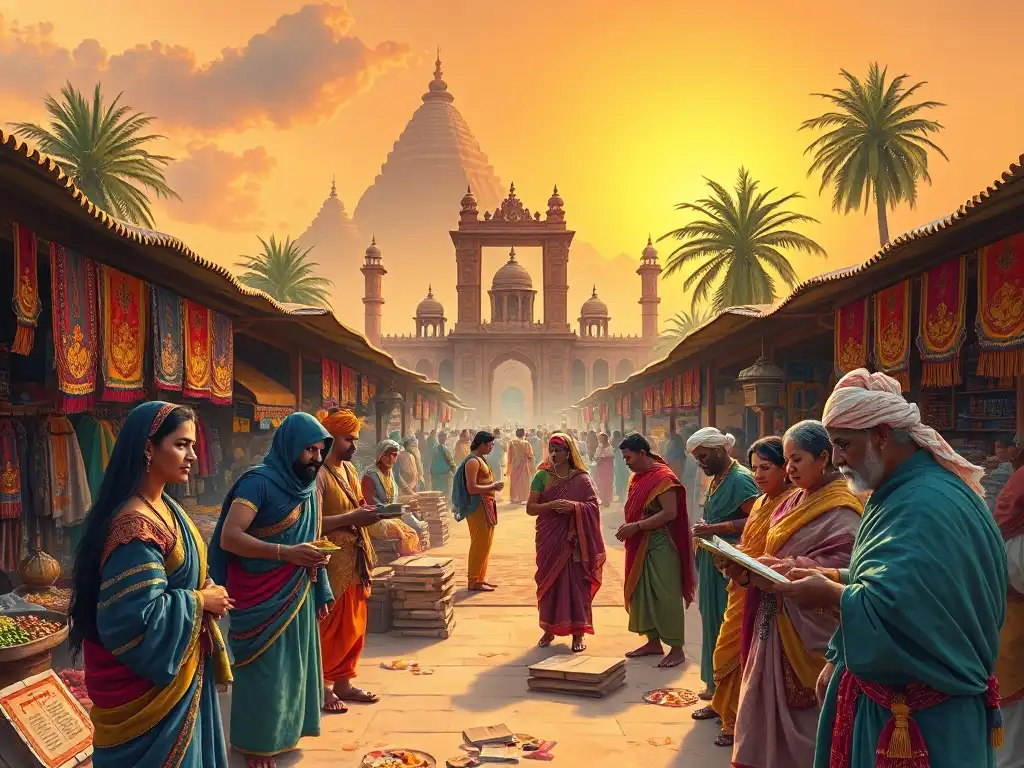
Trade has been an essential aspect of ancient Indian civilization, significantly influencing its economy, culture, and social structures. The historical context of trade in ancient India can be traced back to the Indus Valley Civilization (circa 3300–1300 BCE), where evidence of complex trade networks has been discovered. Archaeological findings from sites like Harappa and Mohenjo-Daro indicate that the inhabitants engaged in trade with neighboring regions, including Mesopotamia, through maritime and overland routes.
As various empires and kingdoms emerged, such as the Maurya and Gupta Empires, trade continued to flourish. These empires established sophisticated internal trade networks that facilitated commerce across vast distances. The strategic location of India, at the crossroads of major trade routes connecting the East and West, further augmented its role as a hub of trade and cultural exchange.
Trade Routes in Ancient India
The trade routes of ancient India were diverse and extensive, encompassing both land and maritime pathways. Key routes included:
- Silk Road: This overland route connected India to Central Asia and China, facilitating trade in silk, spices, and precious stones.
- Maritime Routes: The Indian Ocean trade network linked Indian ports with regions such as Southeast Asia, Africa, and the Arabian Peninsula. Key ports included Lothal, Bharukachchha, and Calicut.
- Royal Roads: The Mauryan Empire developed a series of well-maintained roads, such as the Grand Trunk Road, which enhanced internal trade and communication across the subcontinent.
These routes not only supported the exchange of goods but also fostered cultural interactions, leading to the spread of ideas, religions, and technologies.
Key Trade Goods and Commodities
Ancient Indian trade was characterized by a rich variety of goods and commodities, which played a vital role in its economy. Some key trade goods included:
- Spices: India was renowned for its spices, including black pepper, cardamom, and turmeric. These spices were highly sought after in international markets.
- Textiles: Cotton and silk textiles from India were immensely popular. The art of weaving and dyeing fabrics, particularly in regions like Bengal and Gujarat, contributed to the lucrative textile trade.
- Metals and Gems: India was a significant source of precious metals and gemstones, including gold, silver, diamonds, and rubies. The craftsmanship in jewelry making was highly esteemed.
- Agricultural Products: Grains, lentils, and other agricultural products were traded domestically and with neighboring regions, supporting both local economies and the broader trade network.
The diversity of these commodities not only highlights the economic wealth of ancient India but also showcases its cultural richness, as many goods carried symbolic meanings within literature and folklore.
The Role of Trade in Ancient Indian Society
Trade in ancient India was not merely an economic activity; it profoundly impacted societal structures and cultural development. The growing trade networks led to the emergence of prosperous merchant classes, which played a crucial role in the economy. These merchants often formed guilds, known as shrenis, which regulated trade practices and offered support to their members.
The significance of trade is also reflected in ancient Indian literature and folklore. Trade routes and commodities often symbolize prosperity and cultural exchange in texts like the Mahabharata and Ramayana, where merchants, traders, and their journeys feature prominently.
Moreover, trade contributed to urbanization as towns and cities developed around key trading hubs. This urban growth fostered cultural diversity, leading to the blending of various traditions and practices, which are celebrated in the arts, literature, and religious practices of the time.
Trade in ancient Indian literature is intricately woven into the fabric of society, representing not only economic transactions but also the exchange of ideas and cultural values that shaped the diverse and rich heritage of ancient India.
Representation of Trade in Ancient Indian Folklore
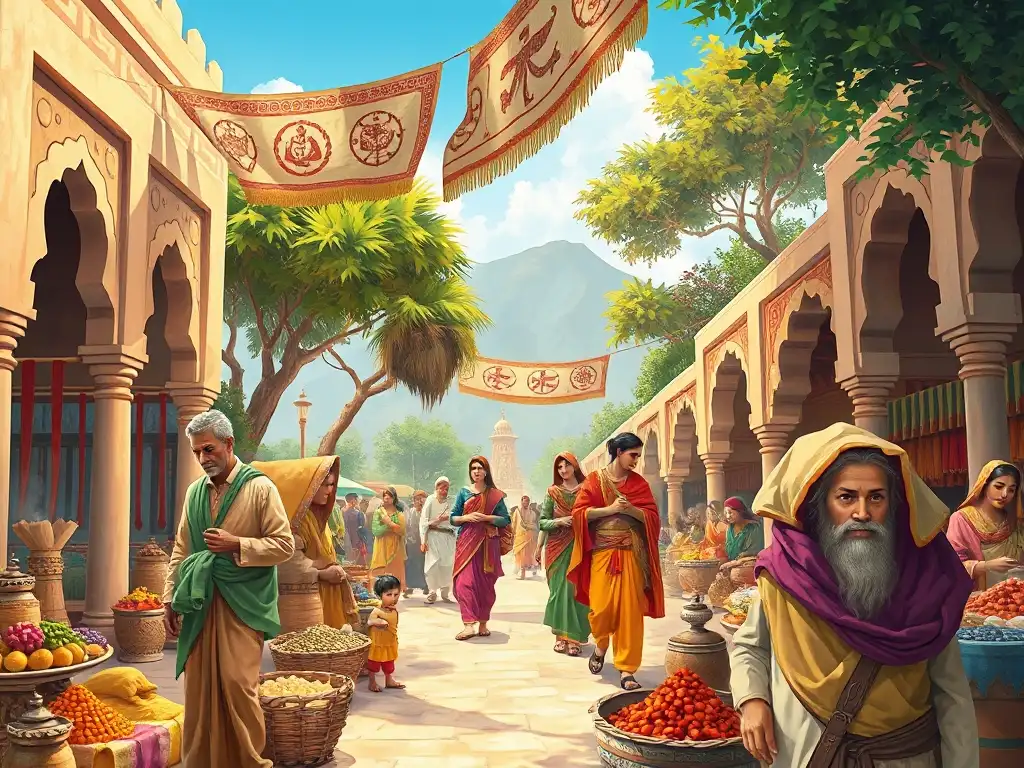
Folktales Highlighting Trade Practices
Ancient Indian folklore is rich with tales that illustrate the significance of trade in the daily lives of communities. Many folktales center around merchants and their journeys, emphasizing the importance of trade networks across the subcontinent. These stories often reflect the socio-economic conditions of the time, showcasing various trade practices and the roles of different commodities.
For instance, one popular folktale tells of a clever merchant who navigates through the bustling markets of ancient cities, trading silks, spices, and gemstones. The narrative emphasizes the merchant's skill in bargaining and the intricate relationships formed between traders and customers. Such tales reveal that trade was not merely a transactional activity but also a social interaction that fostered community ties.
Another notable story features the ancient trade routes that connected the Indus Valley with regions as far as Mesopotamia. The tale illustrates how goods traveled through these routes, not just enriching the merchants but also facilitating cultural exchanges. These stories highlight the interconnectedness of different civilizations and the pivotal role of trade in shaping their histories.
Protagonists and Their Trade Journeys
The protagonists in these folktales are often depicted as enterprising traders who embark on adventurous journeys to seek fortune. These characters typically represent various professions, from spice traders to silk merchants, each illustrating different aspects of trade in ancient Indian society.
One such protagonist is a young trader named Arjun, who travels from the lush forests of central India to the vibrant bazaars of coastal towns. His adventures emphasize the challenges faced by traders, including bandits, natural obstacles, and the complexities of navigating diverse cultures. Arjun's journey is not just about acquiring wealth; it also highlights his growth as he learns the value of trust, negotiation, and respect for different customs.
In contrast, another story focuses on a wise old merchant who serves as a mentor to younger traders. His experiences and insights into trade practices underscore the importance of knowledge and strategy in successful trading ventures. The tales often depict these protagonists as embodiments of virtues, such as honesty, perseverance, and wisdom, reinforcing the societal values associated with trade.
Moral Lessons and Values Associated with Trade
The moral lessons embedded in ancient Indian folklore concerning trade extend beyond mere economic transactions. These narratives often impart significant values that were essential for maintaining harmony and prosperity within communities.
One recurring theme is the value of honesty in trade. Many tales illustrate how dishonesty leads to misfortune, while integrity fosters trust and builds lasting relationships. For example, a story about a trader who tries to cheat his customers ultimately results in personal loss, reinforcing the idea that ethical conduct is paramount in commerce.
Another important value is the spirit of cooperation. Folktales frequently showcase how traders worked together to overcome challenges, emphasizing the necessity of collaboration in achieving common goals. This cooperation is portrayed as essential for the success of trade networks, which relied on mutual respect and shared interests.
Moreover, these stories often celebrate the diversity of cultures that traders encounter, promoting inclusivity and understanding. The interactions between traders and local communities highlight the richness of cultural exchange, suggesting that trade was a vehicle for not only economic growth but also social cohesion.
The representation of trade in ancient Indian folklore serves as a reflection of societal values and practices, offering insights into the moral fabric that governed trade and commerce in ancient India. Through these narratives, we gain a deeper understanding of how trade in ancient Indian literature encapsulated the complexities of human interaction, ethical considerations, and the importance of diverse cultural exchanges.
Significance of Trade in Ancient Indian Literature
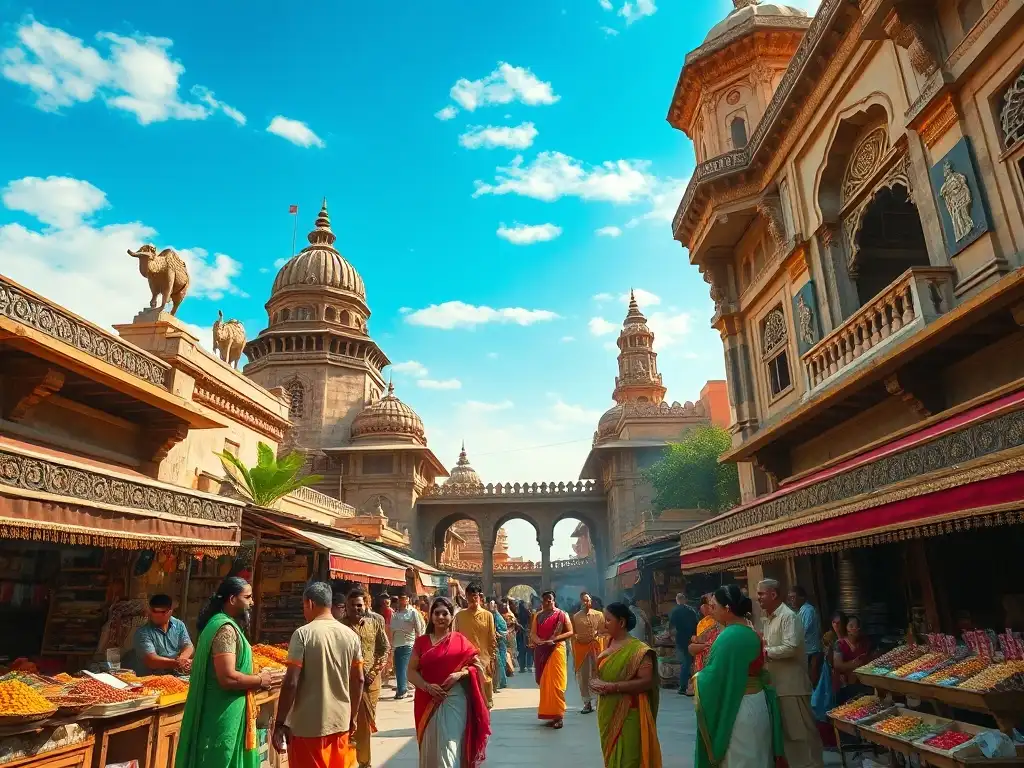
Trade played a pivotal role in shaping the socio-economic landscape of ancient India, and its significance is intricately woven into the fabric of Indian literature. Through various narratives and folklore, trade is depicted not only as a means of economic sustenance but also as a catalyst for cultural exchange, social interaction, and the evolution of civilization. The portrayal of trade in ancient Indian literature provides an insightful glimpse into the values, practices, and beliefs of the time, highlighting its profound impact on society.
Trade as a Catalyst for Cultural Exchange
The concept of trade in ancient Indian literature transcends mere commerce; it embodies a dynamic interaction between diverse cultures and communities. Trade routes facilitated not only the exchange of goods but also the sharing of ideas, beliefs, and artistic expressions.
- Silk Road Influence: The Silk Road, which connected India with regions like Central Asia and China, is frequently referenced in ancient texts. The movement of traders along these routes resulted in a blend of cultures, which enriched the local customs and traditions.
- Cultural Syncretism: Literary works often depict traders as ambassadors of culture. For instance, the Puranas narrate tales of traders who brought not just spices and textiles but also stories, religious beliefs, and artistic techniques, fostering syncretism.
In this way, trade is portrayed as a bridge connecting different civilizations, emphasizing the interconnectedness of societies even in ancient times.
Literary Works Reflecting Trade Practices
Numerous literary works from ancient India reflect the significance of trade practices, showcasing the intricate relationships between commerce and daily life.
- Panchatantra: This ancient collection of fables uses trade as a backdrop to impart moral lessons. Many stories feature merchants and traders, highlighting their wisdom, cunning, and the ethical dilemmas they face in their dealings.
- Arthashastra: Written by Kautilya (Chanakya), this treatise on statecraft and economic policy discusses trade extensively. It outlines strategies for trade regulation, taxation, and the importance of maintaining trade routes for economic stability. The text serves as a crucial source for understanding the complexities of trade in ancient India.
- Jataka Tales: These stories from the Buddhist tradition often involve merchants and their adventures. They illustrate the virtues of honesty, diligence, and the role of trade in fostering community well-being.
These literary works not only document trade practices but also reflect the moral and ethical dimensions associated with commerce in ancient society.
Influence of Trade on Economic Development in Ancient Texts
The impact of trade on the economic development of ancient Indian civilizations is profoundly documented in various texts, illustrating how trade networks contributed to prosperity and growth.
- Economic Structures: Texts like the Manusmriti detail the economic roles of different social classes, including merchants (Vaishyas), emphasizing their contribution to wealth creation and societal advancement.
- Urbanization: Trade facilitated the growth of urban centers, as evidenced by archaeological findings in cities like Mohenjo-Daro and Harappa. Ancient texts often highlight the bustling marketplaces and the vibrant economic activities that took place within them.
- Regional Trade Networks: The Mahabharata and Ramayana reference various trade routes and the exchange of goods between kingdoms, showcasing how trade fostered alliances and diplomatic relations among states.
Ancient Indian literature intricately captures the essence of trade, illustrating its multifaceted role as a driver of cultural exchange, a subject of moral reflection, and a cornerstone of economic development. The narratives surrounding trade in these texts provide invaluable insights into the complexities of ancient Indian society and its enduring legacy.
Thematic Analysis of Trade in Ancient Indian Texts
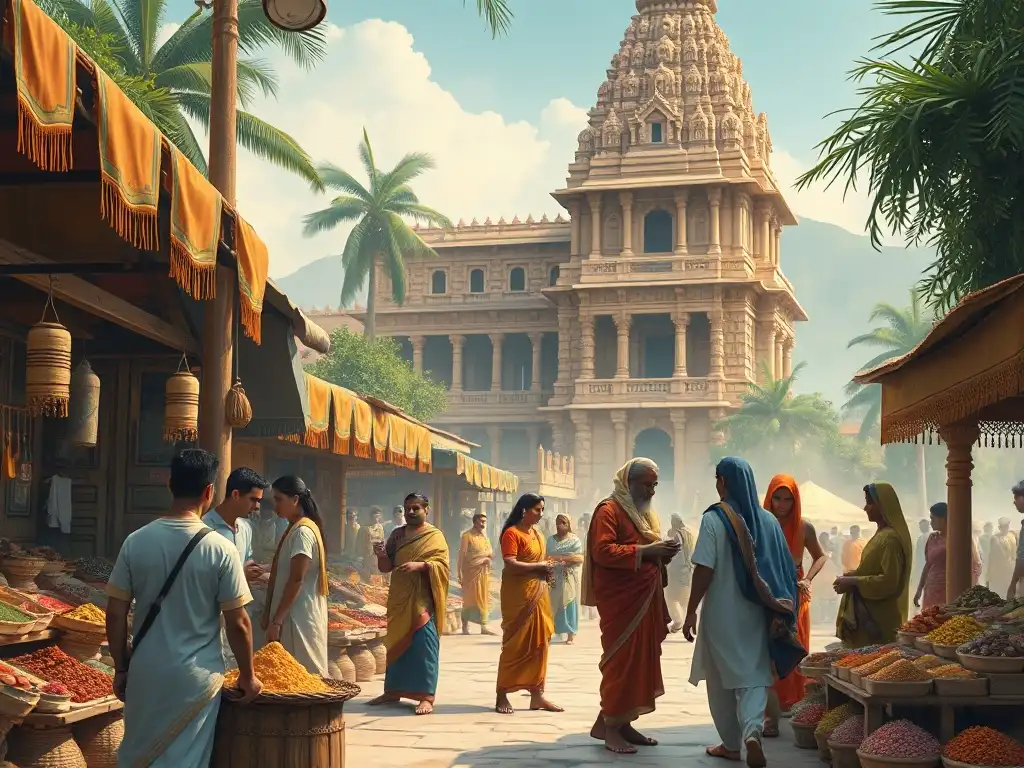
The exploration of trade in ancient Indian literature reveals a tapestry of cultural, social, and economic significance that transcends mere commerce. Trade is not only a reflection of economic activity but also serves as a powerful symbol interwoven with themes of morality, ethics, and human relationships. Ancient texts, including epics, Puranas, poetry, and drama, provide insights into how trade shaped societal norms and values. Through this thematic analysis, we uncover the multifaceted role of trade in ancient Indian literature and its broader implications for understanding historical contexts.
Symbolism of Trade in Epics and Puranas
In ancient Indian epics such as the Mahabharata and the Ramayana, trade is depicted not just as a means of economic exchange but as a symbol of ethical conduct and duty. Characters engaged in trade often embody virtues such as honesty, fairness, and responsibility. For instance, the character of Krishna in the Mahabharata is illustrated as a mediator in trade negotiations, emphasizing the importance of dharma (righteousness) in all dealings.
Puranic texts further elaborate on trade's significance by connecting it to cosmological and moral narratives. The Vishnu Purana describes trade routes as pathways that facilitate the exchange of not just goods but also ideas and cultural practices. This intermingling of trade with spirituality highlights the belief that ethical trading practices contribute to the harmony of society and the universe.
- Key Themes in Epics:
- Ethical conduct in trade
- Trade as a means of cultural exchange
- Interconnections between trade and social duties
Trade in Poetry and Drama
Ancient Indian poetry and drama often reflect the vibrancy of trade as a cultural phenomenon. In works like Kalidasa's Shakuntala, trade is portrayed as a backdrop for romantic and social interactions. The bustling marketplaces serve as settings where characters forge relationships, making trade a catalyst for personal and societal development.
The poetic tradition also encapsulates the sensory experiences associated with trade. Descriptions of spices, textiles, and precious stones not only highlight the material wealth brought by trade but also evoke a sense of nostalgia and longing for distant lands. The imagery associated with trade creates a rich tapestry that invites readers to appreciate the beauty and diversity of ancient Indian commerce.
- Elements in Poetry and Drama:
- Marketplaces as social hubs
- Sensory descriptions of traded goods
- Trade as a vehicle for human connection
The Interconnection of Trade and Spirituality
Trade in ancient Indian literature is deeply intertwined with spirituality, revealing the belief that commerce can be a form of worship. The concept of Artha (prosperity) in Hindu philosophy emphasizes that economic activities should align with ethical and spiritual principles. This perspective is evident in various texts that argue for the righteous conduct of traders, who are seen as stewards of wealth that should ultimately benefit society.
Moreover, religious texts often incorporate trade metaphors to convey spiritual teachings. For example, the Bhagavad Gita employs the imagery of trade to illustrate the exchange of knowledge and wisdom, reinforcing the idea that spiritual wealth is as significant as material wealth.
- Spiritual Dimensions of Trade:
- Commerce as a form of dharma
- Trade metaphors in spiritual teachings
- Ethical implications of wealth distribution
The thematic analysis of trade in ancient Indian literature reveals its profound implications across various dimensions of life. By examining the symbolism of trade in epics and Puranas, its presence in poetry and drama, and the interconnectedness with spirituality, we gain a comprehensive understanding of how trade influenced ancient Indian civilization. This exploration not only highlights the economic significance but also underscores the moral and ethical frameworks that governed trade practices in ancient India.
Case Studies of Trade in Specific Ancient Texts
Trade Narratives in the Mahabharata
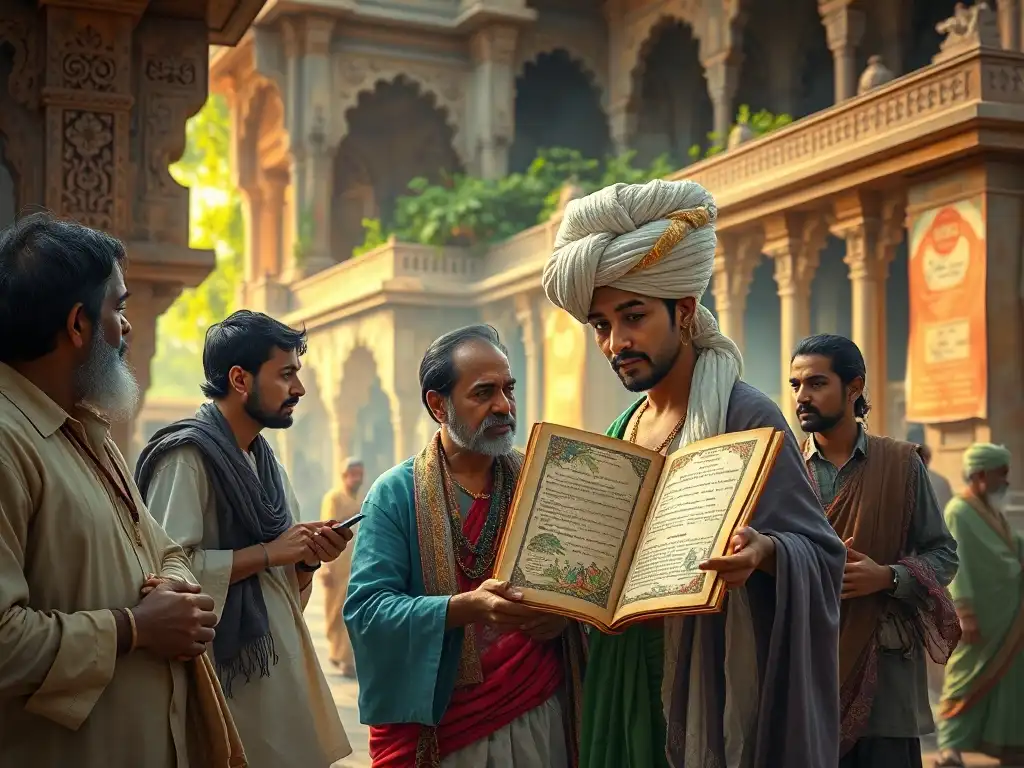
The Mahabharata, one of the two major Sanskrit epics of ancient Indian literature, contains numerous references to trade, commerce, and economic interactions among its characters. These narratives provide insight into the significance of trade not only as an economic activity but also as a means of fostering relationships and alliances among different kingdoms.
- Role of Trade in Diplomacy: The text illustrates how trade was often intertwined with diplomatic missions. For instance, during the Kaurava-Pandava conflict, emissaries were sent to negotiate terms that included trade agreements. The narrative emphasizes that trade was essential for maintaining peace and prosperity among the kingdoms.
- Wealth and Power: Characters like Krishna are depicted as having a profound understanding of trade's impact on power dynamics. The wealth generated from trade allowed for the funding of armies and the expansion of influence, showcasing how commerce was integral to the political landscape of the time.
- Cultural Exchange: The Mahabharata also highlights how trade routes facilitated cultural exchange. Merchants traveling between regions brought not only goods but also ideas, customs, and religious practices, enriching the cultural tapestry of ancient India.
- Symbolism of Goods: Specific goods mentioned throughout the epic often carry symbolic meanings. For example, the reference to fine textiles or precious metals serves to illustrate the prosperity of a kingdom or the status of an individual, reinforcing trade's role in societal hierarchy.
Insights from the Ramayana on Trade
The Ramayana, another cornerstone of ancient Indian literature, provides a different perspective on trade, emphasizing its moral and ethical dimensions. The text showcases how trade was not merely a transactional activity but also a reflection of character and values.
- King Dasaratha and Trade Relations: The narrative of King Dasaratha illustrates the importance of establishing trade relations with neighboring kingdoms. His alliances through trade were crucial for ensuring the safety and stability of Ayodhya, highlighting how commerce was a critical element of governance.
- Ravana's Wealth: Ravana, the antagonist of the Ramayana, is depicted as a wealthy king who amassed riches through trade and conquest. His character serves as a cautionary tale about the potential moral decay that can accompany excessive wealth derived from trade practices devoid of ethical considerations.
- Ethics in Trade: The Ramayana underscores the importance of ethical trade practices. Characters who engage in deceitful trade, like those who betray trust for profit, face dire consequences. This serves to reinforce the notion that integrity in commerce was highly valued in ancient Indian society.
- Trade Routes and Adventure: The epic also highlights the geographical aspects of trade through the adventures of Rama and his allies. Their journey to Lanka not only involves military conquest but also the navigation of trade routes, illustrating the intertwined nature of commerce and exploration.
Analysis of Trade References in Arthashastra
The Arthashastra, attributed to Kautilya (Chanakya), is a seminal text on statecraft, economics, and military strategy, which provides a pragmatic view of trade as a pillar of economic stability and power.
- Comprehensive Trade Strategies: Kautilya outlines various strategies for enhancing trade, including the establishment of trade routes and the regulation of markets. His emphasis on infrastructure, such as roads and ports, reveals an understanding of how critical these elements were for facilitating trade in ancient India.
- Role of the State: Unlike the more personal narratives found in the Mahabharata and Ramayana, the Arthashastra positions the state as an active participant in trade. Kautilya argues for state control over trade practices to ensure fair taxation and prevent exploitation, highlighting a sophisticated approach to economic governance.
- Taxation and Economic Policies: The text provides detailed insights into taxation policies, advocating for a balanced approach that encourages trade while ensuring state revenue. This indicates that trade in ancient Indian literature was not merely about profit but was intricately linked to the stability and growth of the state.
- Trade as a Tool for Warfare: Kautilya also discusses trade in the context of warfare, suggesting that economic strength derived from trade can aid in military endeavors. The text advises rulers to leverage their trading power to build alliances and gather resources, thus portraying trade as a strategic asset in the realm of politics and conflict.
The references to trade in ancient Indian literature, particularly in the Mahabharata, Ramayana, and Arthashastra, reveal a multifaceted understanding of commerce. They illustrate how trade was not only an economic activity but also a crucial component of diplomacy, ethics, cultural exchange, and statecraft, underscoring its significance in shaping ancient Indian society and its values.
Conclusion: The Lasting Impact of Trade in Ancient Indian Literature

The significance of trade in ancient Indian literature extends beyond mere economic transactions; it intricately weaves into the cultural and social fabric of the time. The narratives surrounding trade provide insights into the relationships between different communities, the exchange of ideas, and the evolution of identity within the ancient Indian context. As we reflect on these literary depictions, we can appreciate how trade shaped not only the economy but also the very essence of life in ancient India.
Summary of Key Insights
- Cultural Exchange: Trade facilitated the movement of not just goods, but also ideas and cultural practices. Literature from this period often highlights the interactions between different regions, showcasing how trade routes served as conduits for cultural exchange.
- Economic Framework: Many ancient texts meticulously detail the economic structures established due to trade. For instance, the Arthashastra by Kautilya provides a comprehensive overview of trade regulations, taxation, and market dynamics, reflecting the importance of trade in societal organization.
- Folklore and Mythology: Trade motifs permeate folklore, where merchants and traders are often depicted as central characters. These narratives underscore the valor and wit associated with trading, portraying it as a noble pursuit that fosters community and prosperity.
- Historical Documentation: Ancient texts serve as crucial historical documents that reveal the trade practices of various civilizations, such as the thriving trade networks of the Indus Valley civilization, which engaged in commerce with distant lands.
- Moral Lessons: Many literary works imbue trade with moral lessons, highlighting virtues such as honesty and integrity in business dealings. This reflects the societal values of the time and underscores the moral implications of trade transactions.
The Relevance of Ancient Trade Narratives Today
The narratives surrounding trade in ancient Indian literature remain relevant in today’s globalized economy. They provide a framework for understanding the complexities of trade relationships and emphasize the importance of ethical practices in commerce. As we navigate contemporary economic challenges, revisiting these ancient texts can inspire modern trade practices that prioritize not only profit but also social responsibility and sustainability.
Moreover, the themes of cultural exchange and cooperation found in ancient narratives resonate with current discussions on globalization and intercultural dialogue. Literature from ancient India can serve as a reminder of the interconnectedness of civilizations and the shared benefits of trade, encouraging a collaborative approach to international relations.
The exploration of trade in ancient Indian literature reveals a rich tapestry of cultural, economic, and ethical dimensions that continue to inform our understanding of trade today. By studying these ancient texts, we not only gain insights into the past but also cultivate a deeper appreciation for the enduring legacy of trade in shaping societies.
References and Further Reading on Trade in Ancient Indian Literature
Suggested Books and Articles
To gain a comprehensive understanding of trade in ancient Indian literature, several key texts and scholarly articles offer valuable insights:
- "The Economic History of India" by Romesh Chunder Dutt
- This classic work delves into the economic practices of ancient India, including trade networks and their reflections in literary works. Dutt's analysis provides context for understanding how literature represented the economic exchanges of the time.
- "Trade and Traders in Ancient India" by K. R. Qanungo
- This book offers a detailed examination of the trading practices in ancient India, exploring different trade routes and their cultural implications. Qanungo highlights how these practices influenced contemporary literature.
- "The Indus Valley: A Historical and Cultural Perspective" by A. K. Sharma
- Sharma provides a thorough overview of the Indus Valley Civilization and its trade practices. The book discusses archaeological findings that correlate with literary references to trade.
- "Literature and Society in Ancient India" by R. S. Sharma
- This text explores the interplay between literature and socio-economic factors in ancient India, including how trade is depicted in various literary forms.
- "Ancient Indian Literature: A Historical Overview" by M. N. Deshpande
- Deshpande's work covers a timeline of ancient Indian literature, highlighting key texts that mention trade and commerce, providing a literary context to economic practices.
Online Resources for Exploring Ancient Indian Trade
For those looking to delve deeper into the topic of trade in ancient Indian literature, several online resources offer rich information:
- Digital Library of India: This extensive archive contains digitized versions of ancient texts, many of which reference trade practices and economic transactions. Researchers can explore various manuscripts that illustrate the significance of trade in literature.
- Project Gutenberg: A free online resource that provides access to literary works from ancient India. Users can find translations of texts that include themes related to trade and commerce, facilitating easier access to primary sources.
- Ancient India: A Historical Overview: (an educational website): This resource offers articles and papers that examine the role of trade in ancient Indian society and its representation in literature. It is a valuable tool for both students and scholars.
- Indian History Congress Publications: This organization publishes a variety of research papers and journals focused on Indian history, including studies on trade networks and their reflections in ancient literature. Their database can be searched for specific topics related to trade.
- YouTube Channels like "Ancient Indian History": Some channels provide lectures and discussions about various aspects of ancient Indian civilization, including trade. These visual resources can offer a fresh perspective on how literature reflects economic practices.
By utilizing these resources, readers can further explore the intricate relationships between trade, literature, and culture in ancient India.
Frequently Asked Questions
What is the significance of trade in ancient Indian literature?
Trade is often depicted as a crucial element in ancient Indian folklore, representing cultural exchange and economic prosperity, which influenced various literary themes and narratives.
How did trade affect cultural interactions in ancient India?
Trade facilitated cultural interactions between diverse civilizations, leading to the exchange of ideas, beliefs, and artistic expressions, which enriched ancient Indian literature.
Which ancient texts highlight the theme of trade?
Ancient texts like the Arthashastra and Panchatantra include references to trade, emphasizing its economic importance and its impact on social relationships and ethics in society.
What role did trade play in the Indus Valley civilization?
In the Indus Valley civilization, trade was essential for economic development, as it connected them with distant regions, influencing their craftsmanship and material culture, which is often reflected in their literature.
How did the Gupta Empire contribute to trade literature?
The Gupta Empire saw a flourishing of trade and commerce, and this period is marked by literary works that celebrated trade's impact on society, reflecting the prosperity and cultural richness of the time.
Final Reflection: The Enduring Legacy of Trade in Ancient Indian Literature
The intricate tapestry of trade in ancient Indian literature not only highlights the economic exchanges of the past but also serves as a profound reflection of cultural interconnectivity. Today, as globalization continues to shape our world, the narratives of trade from ancient texts remind us of the timeless human desire for connection and collaboration across borders. The stories of merchants and their journeys are not just relics of history; they resonate with our current global economy, emphasizing that trade has always been a bridge between diverse cultures and ideas.
The influence of trade in ancient Indian folklore and literature extends far beyond mere economic transactions; it has shaped social structures, cultural exchanges, and even spiritual beliefs. The tales of trade routes and merchant adventures reveal a rich cultural heritage that fosters understanding and unity among different communities.
As Mahatma Gandhi once said, “The best way to find yourself is to lose yourself in the service of others.” This sentiment echoes in the narratives of ancient trade, where the act of exchanging goods was also an exchange of stories, traditions, and values, fostering a sense of belonging and shared identity.
As we reflect on the significance of trade in ancient Indian literature, let us carry forward the lessons of collaboration and cultural appreciation into our own lives. Consider how you can engage with the world around you, embracing diversity and fostering connections that transcend borders. Whether through supporting local artisans, exploring global literature, or simply sharing stories from different cultures, each action contributes to a richer, more interconnected world. Embrace the spirit of trade—not just as a means of economic exchange but as a pathway to understanding and unity.
Uncover the Rich Legacy of Trade in Ancient India!
Thank you for exploring the fascinating world of trade in ancient Indian folklore and literature with us! You've gained insights into how trade not only shaped economies but also enriched cultural narratives. Now, it's time to take that knowledge further and delve deeper into this vibrant historical tapestry.
Here are a few engaging steps you can take next:
- Explore ancient trade routes! Research and map out significant paths that influenced cultural exchanges, and share your findings with friends or on social media.
- Join a discussion group focused on ancient Indian literature. Engaging with others can broaden your understanding and ignite fresh perspectives on the narrative role of trade.
- Write a short essay or a blog post reflecting on how trade influenced cultural practices that still resonate today. Your unique voice can help bring this rich heritage to life!
What surprising connections between trade and cultural stories have you discovered in your journey through ancient India?