
The Influence of Geography on Internal Trade Routes in Ancient India


Welcome to Ancient India History, where we embark on an enthralling journey through the magnificent tapestry of India's past. Dive deep into how geography shaped the intricate web of trade routes that fueled ancient Indian economies. Our featured article, "The Influence of Geography on Internal Trade Routes in Ancient India," unravels the pivotal role that landscapes, rivers, and terrains played in connecting civilizations and fostering commerce.
Prepare to be captivated as we explore the dynamics of trade that not only enriched the ancient world but also laid the foundations for future prosperity. Ready to uncover the secrets of this vibrant era? Let’s begin!
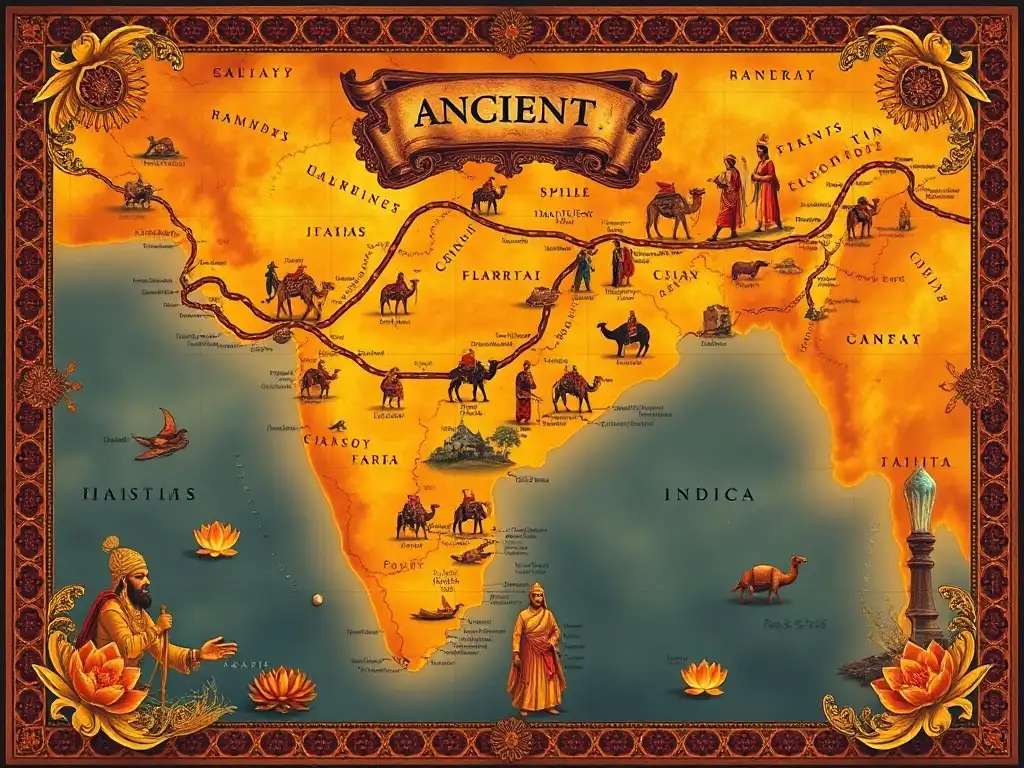
The geography of ancient India played a pivotal role in shaping its internal trade routes, significantly influencing the economic landscape of the civilization. From the fertile plains of the Indus Valley to the mountainous terrains of the Himalayas, the diverse geographic features not only facilitated trade but also determined the pathways that traders would take.
Understanding the interplay between geography and trade offers insights into how the ancient Indian economy thrived, propelled by the movement of goods and the interaction of various cultures. This article delves into the multifaceted impact of geography on trade routes in ancient India, highlighting key geographic features, regions, and climatic factors that were instrumental in fostering trade networks.
Understanding Geography's Role in Ancient Indian Trade
Definition of Geography in the Context of Trade
Geography, in the context of trade, refers to the physical characteristics of a region that impact the movement of goods and services. This encompasses not just the landscape and climate but also the location of resources, accessibility of routes, and the relationship between different regions. In ancient India, geography dictated trade patterns, determining which goods could be effectively sourced, transported, and exchanged.
Importance of Geography in Economic Development
The geographical layout of ancient India was crucial for its economic development. Trade routes, influenced by natural barriers and resources, facilitated not just the exchange of commodities but also cultural interactions and technological transfers. Regions with strategic geographic advantages, such as proximity to rivers or trade hubs, saw significant economic activity, leading to the prosperity of cities and communities. The interconnectedness fostered by geography helped in establishing a robust internal trade network, contributing to the overall wealth and stability of ancient civilizations.
Key Geographic Features of Ancient India
Major Geographic Regions Influencing Trade
Ancient India was characterized by several geographic regions, each contributing uniquely to trade dynamics. Key regions included:
- The Indus Valley: Known for its urban centers like Harappa and Mohenjo-Daro, this region's rivers provided fertile land and facilitated trade with neighboring areas.
- The Gangetic Plains: With its rich soil and extensive river systems, this area became a vital agricultural hub, producing surplus crops that were traded widely.
- The Western Ghats: This mountain range influenced trade by serving as a natural barrier, but also as a route for transporting spices and other goods to coastal regions.
- The Deccan Plateau: Rich in minerals, this region allowed for the extraction and trade of precious stones and metals.
Climate and Its Impact on Trade Routes
Climate played an essential role in determining trade routes in ancient India. The monsoon season, which brought heavy rains, was crucial for agriculture and consequently for trade. The predictable patterns of rain allowed for seasonal trading cycles, as traders capitalized on the harvests to exchange goods. Moreover, the diverse climate across regions influenced the types of crops produced and the commodities available for trade. For instance, the arid regions of Rajasthan specialized in textiles and handicrafts, while the coastal areas were prominent for seafood and spices.
The intricate relationship between geography and trade in ancient India illustrates the profound impact of the physical environment on economic activities. Understanding these dynamics provides a clearer picture of how ancient Indian civilizations flourished through internal trade networks, driven by their geographic context.
Internal Trade Routes of Ancient India
Internal trade routes in ancient India were vital for the economic prosperity and cultural exchange among various regions. The geography of the Indian subcontinent played a critical role in shaping these trade networks, with its diverse landscapes, including mountains, rivers, and plains, facilitating or hindering trade activities. The establishment of these routes not only enhanced trade but also led to the exchange of ideas, religions, and cultures, contributing to the rich tapestry of ancient Indian civilization.
These trade routes can be classified into two main categories: land routes and maritime routes. The land routes traversed through the vast plains, rugged hills, and mountain passes, connecting key urban centers and regional markets. Meanwhile, maritime routes along the coastlines facilitated trade with distant lands, including Southeast Asia, the Middle East, and Africa. Major trade centers such as Pataliputra, Ujjain, and Taxila emerged along these routes, playing a crucial role in the internal commerce of ancient India.
Overview of Major Trade Routes
Several significant trade routes were prominent in ancient India, each serving as arteries for commerce and cultural exchange. The most noteworthy routes included:
- The Grand Trunk Road: One of the oldest and longest trade routes, it connected the eastern and western parts of the subcontinent, enabling the movement of goods from the eastern regions of Bengal to the northwestern territories.
- The Silk Route: While primarily known for connecting China and the Mediterranean, parts of this route traversed through the Indian subcontinent, facilitating trade in silk, spices, and precious stones.
- The Coastal Trade Routes: These routes along the western and eastern coasts of India enabled maritime trade with foreign nations, enhancing the exchange of goods like textiles, spices, and metals.
These routes were not only crucial for trade but also for the spread of cultural and religious ideas, with merchants often acting as cultural ambassadors, sharing their customs and beliefs across regions.
Trade Networks Connecting Different Regions
The trade networks of ancient India were characterized by intricate connections between different regions, allowing for a diverse exchange of goods and cultural practices. Some key networks included:
- North-South Trade Routes: Connecting the northern plains with the southern Deccan, these routes facilitated the trade of agricultural products, textiles, and metal goods.
- East-West Trade Networks: Linking the eastern coastal regions with the western deserts and plateaus, these networks enabled the movement of spices, timber, and precious stones.
- River Trade Networks: Major rivers like the Ganges, Indus, and Brahmaputra served as trade highways, allowing for the transportation of goods and fostering trade hubs along their banks.
These networks exemplified the adaptability of traders to geographical features, utilizing rivers for transport, mountain passes for overland trade, and coastal routes for maritime exchanges, ensuring the flow of commerce across the vast Indian landscape.
The Impact of Geography on Trade Goods
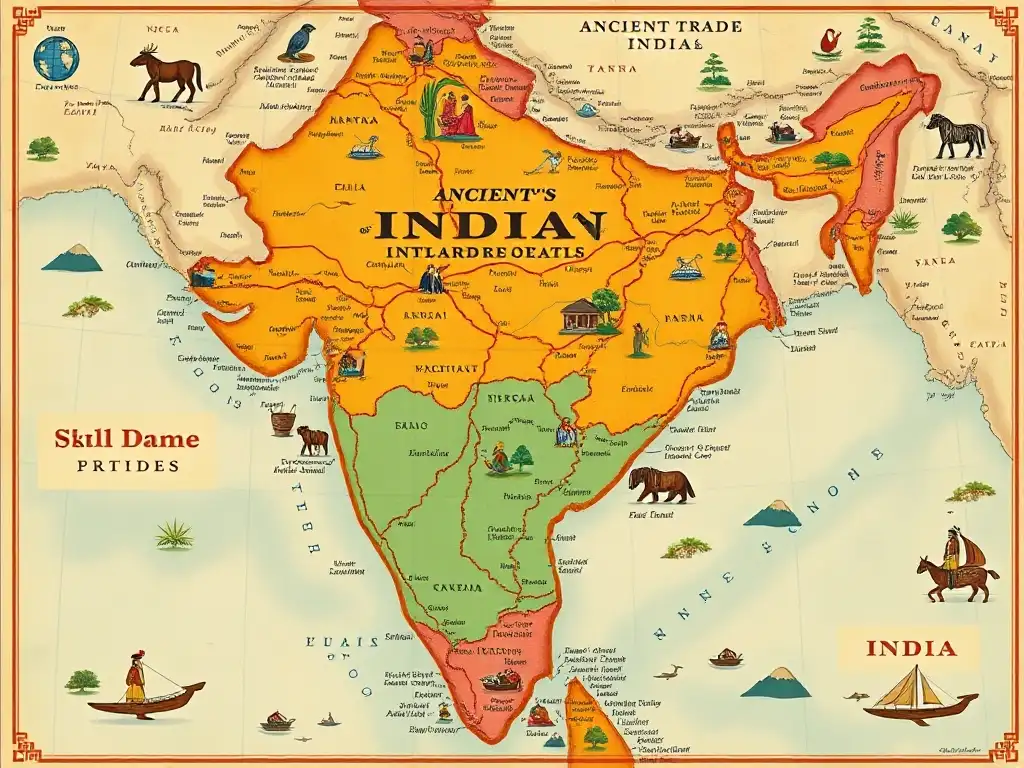
Geography significantly influenced the types of goods traded in ancient India, shaping the economy and cultural exchanges. The varied climatic and geographic conditions of different regions led to the production of specific commodities, which in turn dictated trade patterns.
Types of Goods Traded Across Regions
The diversity of the Indian subcontinent allowed for a rich variety of goods to be traded, including:
- Agricultural Products: Regions like the Ganges plains were known for their fertile lands, producing rice, wheat, and pulses, which were traded extensively.
- Textiles: The western regions, particularly Gujarat, were famous for their cotton and silk textiles, which were highly sought after both domestically and internationally.
- Spices and Herbs: Southern India, especially the Malabar Coast, was renowned for its spices like pepper, cardamom, and cloves, which were in high demand and became key export items.
- Metals and Stones: The mineral-rich regions of central and southern India provided metals such as iron and copper, as well as precious stones, contributing to trade wealth.
This variety not only enhanced the local economies but also fostered inter-regional dependencies, where regions specialized in certain products, leading to a vibrant trade ecosystem.
Geographic Influence on Trade Practices
The geography of ancient India profoundly impacted trade practices, shaping how goods were exchanged and the methods employed. Key influences included:
- Natural Barriers: Mountain ranges and deserts often dictated trade routes and the movement of people. Traders had to adapt their routes according to these geographical challenges, influencing the costs and timeframes of trade.
- Accessibility of Waterways: The presence of rivers and proximity to coastlines facilitated easier transportation of bulk goods. This accessibility often led to the establishment of trade hubs at key points along these waterways.
- Regional Specialization: Geography influenced the specialization of regions in specific goods. For instance, coastal regions developed robust fishing and maritime trade practices, while inland areas focused on agriculture and artisanal crafts.
Overall, the geographical landscape of ancient India not only shaped the internal trade routes but also significantly influenced the nature of goods traded and the practices surrounding commerce. The interplay between geography and trade created a dynamic economic environment that fostered growth and cultural exchange across the subcontinent.
Case Studies of Geographic Influence on Trade
The influence of geography on ancient Indian trade routes is best understood through specific case studies that illustrate how natural landscapes and resources shaped economic activities. Two prominent examples are the Mauryan Empire and the Gupta Empire, both of which thrived due to their strategic geographic positioning.
The Role of Geography in the Mauryan Empire's Trade
The Mauryan Empire, which flourished from 322 to 185 BCE, was strategically located to capitalize on its geographic features. The empire encompassed a diverse landscape that included fertile plains, mountain ranges, and access to major river systems like the Ganges and Indus. These features played a vital role in the development of trade routes.
- River Trade: The Ganges and Indus rivers served as natural highways for transporting goods. The riverine trade enabled the movement of agricultural products, textiles, and luxury items such as spices and precious stones. This accessibility not only facilitated local trade but also connected distant regions, promoting regional economic integration.
- Mountain Passes and Overland Routes: The Himalayas presented both a barrier and a conduit for trade. While challenging to traverse, the mountain passes allowed traders to connect with Central Asian markets and beyond. Notably, the Khyber Pass was crucial for the flow of goods, including silk and horses, from the northwest.
- Road Networks: The Mauryan administration implemented a sophisticated network of roads to link major cities like Pataliputra, Taxila, and Ujjain. These roads enhanced trade efficiency and fostered communication across the empire, ensuring that goods could move swiftly and securely.
Geographic Factors in the Gupta Empire's Economic Expansion
The Gupta Empire, which reached its zenith between the 4th and 6th centuries CE, also showcased the profound impact of geography on trade. The empire benefited from a favorable geographic setting that facilitated extensive trade networks.
- Coastal Trade: With its proximity to the eastern and western coasts, the Gupta Empire engaged in maritime trade with regions such as Southeast Asia and the Roman Empire. Ports like Tamralipti became bustling centers where traders exchanged goods like textiles, spices, and metals.
- Agricultural Abundance: The fertile plains of the Gangetic Valley allowed for surplus agricultural production, which became a cornerstone for internal trade. This abundance supported a vibrant market economy where food products could be traded for crafts and luxury items.
- Cultural Exchange: The Gupta period was marked by significant cultural and intellectual exchange, facilitated by trade. Geographic factors allowed for the movement of scholars and artisans, leading to advancements in various fields, including mathematics and astronomy, which were integral to trade practices.
Conclusion: The Lasting Influence of Geography on Ancient Indian Trade
The geographic landscape of ancient India profoundly influenced the development of trade routes, shaping the economic frameworks of powerful empires. Understanding this influence provides insights into how geography can dictate trade practices and economic growth.
Summary of Geographic Impact on Trade Routes
The geography of ancient India, characterized by its rivers, mountains, and climatic conditions, played a pivotal role in the internal trade networks. The Mauryan and Gupta empires harnessed these geographic advantages to establish robust trade systems, which not only supported their economies but also enhanced cultural exchanges and interactions with neighboring civilizations.
Reflection on the Legacy of Ancient Trade Networks in Modern India
The legacy of ancient trade networks continues to resonate in modern India. The historical trade routes laid the groundwork for contemporary economic systems and urban development. Modern infrastructure often mirrors the paths established by ancient traders, underscoring the enduring impact of geography on trade. As India continues to evolve as a global economic player, the lessons learned from its ancient trade history remain relevant, reminding us of the intricate relationship between geography and economic prosperity.
- Understanding Geography's Role in Ancient Indian Trade
- Key Geographic Features of Ancient India
- Internal Trade Routes of Ancient India
- The Impact of Geography on Trade Goods
- Case Studies of Geographic Influence on Trade
- Conclusion: The Lasting Influence of Geography on Ancient Indian Trade
- What role did geography play in ancient Indian trade?
- How did the Indus Valley civilization benefit from its geography?
- What were the main trade routes in ancient India?
- How did the geography of ancient India influence its economy?
- What geographical features were significant for trade during the Gupta Empire?
Frequently Asked Questions
What role did geography play in ancient Indian trade?
Geography significantly influenced trade routes in ancient India by determining the accessibility of various regions and facilitating connectivity between major trading centers.
How did the Indus Valley civilization benefit from its geography?
The Indus Valley's fertile plains and proximity to rivers allowed for agriculture to flourish, which in turn supported trade with neighboring regions and cultures.
What were the main trade routes in ancient India?
Ancient India had several important trade routes, including the Silk Road and coastal paths, which connected it to Central Asia, Southeast Asia, and beyond, enhancing economic exchange.
How did the geography of ancient India influence its economy?
The diverse geography, including mountains, rivers, and coastlines, provided resources and facilitated trade, which contributed to a prosperous and dynamic economy in ancient Indian civilizations.
What geographical features were significant for trade during the Gupta Empire?
During the Gupta Empire, features like the Gangetic Plain and coastal access to the Indian Ocean were crucial for internal and external trade, enabling vibrant commerce and cultural exchanges.
Final Reflection: The Enduring Legacy of Geography on Ancient Indian Trade
The intricate relationship between geography and internal trade routes in ancient India remains profoundly relevant today. As we navigate the complexities of global trade and commerce, understanding how geographical features shaped economic interactions in the past offers invaluable insights into contemporary trade dynamics. The lessons from ancient India remind us that geography is not merely a backdrop but a powerful force that can dictate the flow of goods, ideas, and cultures.
The influence of geography on trade routes has left an indelible mark on the cultural and social landscape of India. From the bustling markets of the Indus Valley to the vibrant trade networks that connected diverse regions, the geographical features of mountains, rivers, and plains facilitated the exchange of not just commodities but also philosophies and traditions. As historian Romila Thapar aptly stated, Trade routes are the veins through which the lifeblood of culture flows, shaping societies in ways that are often overlooked.
This observation underscores the ongoing relevance of geography in understanding the evolution of civilizations and their interconnectedness.
As we reflect on the lessons from ancient Indian trade, let us consider how we can apply this understanding in our own lives. How can we leverage our geographical advantages to foster connections and collaborations in our communities? I invite you to explore the geographical elements in your surroundings and think about how they can influence your personal and professional interactions. By recognizing the impact of geography on trade, we can cultivate a deeper appreciation for our environment and its potential to shape our future endeavors.
Unveil the Wonders of Ancient Trade Routes!
Thank you for immersing yourself in the captivating world of Ancient India and its trade routes! You've discovered how geography influenced internal trade, a crucial aspect of the ancient economy. Now, let's take your insight further and explore how this history can shape your understanding today.
Here are some actionable steps you can take:
- Dive Deeper: Research more about a specific trade route that intrigues you. Consider how the geographical features impacted trade trends and facilitated cultural exchanges.
- Share Your Insights: Discuss your findings with friends or online communities. Utilize social media platforms to connect with other history enthusiasts and engage in meaningful conversations!
- Explore Interactive Maps: Discover online resources that showcase ancient trade routes and their geographical landscapes, allowing you to visualize these historical connections in a dynamic way.
As you ponder these avenues, remember to reflect on which ancient trade route fascinates you the most and consider how its legacy might influence modern trade practices today.