
The Impact of Internal Trade on Ancient Indian Art and Architecture

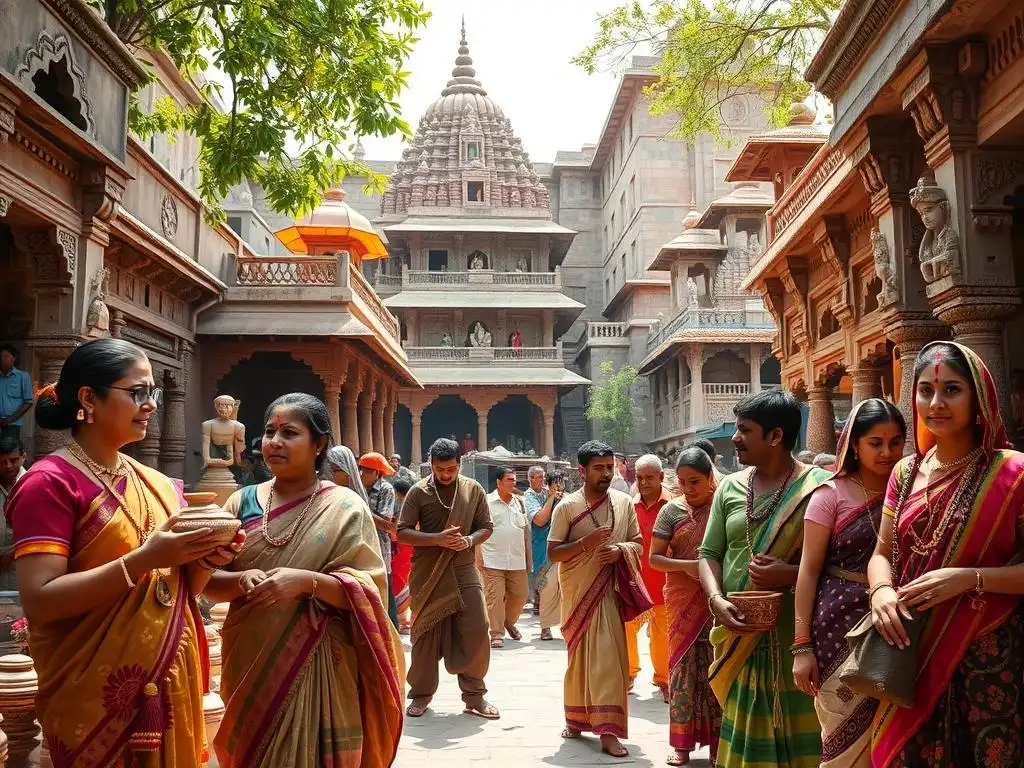
Welcome to Ancient India History, where we invite you to embark on a fascinating journey through the rich tapestry of ancient Indian civilizations. From the majestic Indus Valley to the remarkable Gupta Empire, discover how internal trade played a pivotal role in shaping ancient Indian art and architecture. What secrets do the intricate designs and monumental structures hold about the thriving economy of their time?
As you delve into our featured article, "The Impact of Internal Trade on Ancient Indian Art and Architecture," prepare to uncover the connections between commerce and creativity that have left an indelible mark on India's cultural legacy. Your exploration into this captivating world begins now!
Introduction to Internal Trade in Ancient India
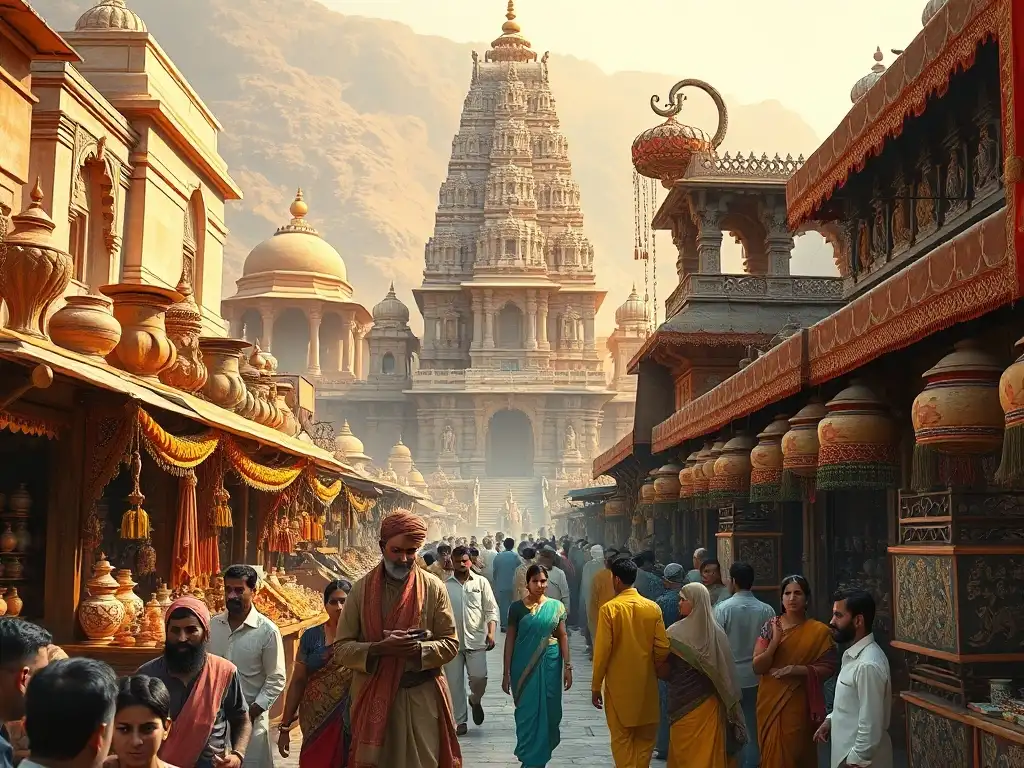
Internal trade in ancient India played a crucial role in shaping the cultural and economic landscape of the region. As a complex network of exchanges, it facilitated the movement of goods, ideas, and artistic influences across vast territories. This exchange was not merely about the transfer of commodities; it was also a significant catalyst for the evolution of art and architecture.
From the intricate carvings of the Indus Valley civilization to the majestic temples of the Gupta Empire, the impact of internal trade on ancient Indian art is profound and multifaceted. Understanding this relationship provides valuable insights into how commerce and creativity intertwined to form a rich cultural heritage.
Definition of Internal Trade in Ancient Indian Context
Internal trade refers to the exchange of goods and services within a specific region, distinct from external trade, which involves cross-border transactions. In the context of ancient India, internal trade encompassed a variety of activities, including:
- Local Markets: Village and town bazaars where merchants sold daily necessities.
- Long-Distance Trade: Routes connecting major urban centers, facilitating the exchange of specialized goods.
- Barter Systems: The practice of trading goods directly without using currency.
This extensive network of trade routes fostered economic interdependence among diverse communities, allowing them to share not only their products but also their cultural practices and artistic expressions.
Overview of Trade Networks in Ancient India
Ancient India boasted a sophisticated system of trade networks that spanned vast geographical areas. Key elements of these networks included:
- Land Routes: The Grand Trunk Road and other pathways connected major cities and facilitated the movement of merchants and artisans.
- River Trade: The extensive river systems, particularly the Indus and Ganges, served as vital channels for transporting goods.
- Maritime Trade: Coastal trade routes linked India to Southeast Asia and beyond, enabling cultural exchanges that enriched local art forms.
These trade networks not only facilitated economic transactions but also served as conduits for the dissemination of artistic styles and architectural techniques, significantly influencing India's cultural development.
The Role of Internal Trade in Shaping Art and Architecture
The dynamic interactions fostered by internal trade had a profound impact on the development of art and architecture in ancient India. As merchants and artisans traveled along trade routes, they exchanged not only goods but also aesthetic ideas that transcended regional boundaries.
Influence of Trade Routes on Artistic Styles
The movement of goods along trade routes led to the emergence of distinctive artistic styles in different regions. Some notable influences included:
- Regional Diversity: Artisans incorporated local materials and techniques, resulting in a rich tapestry of styles. For example, the use of sandstone in Rajasthan led to unique temple carvings.
- Cross-Pollination: As artists interacted with diverse cultures, they adopted and adapted various motifs and designs, creating hybrid styles that reflected a blend of influences.
This vibrant exchange contributed to the richness of ancient Indian art, evident in the intricate sculptures, frescoes, and pottery that adorned temples and public spaces.
Exchange of Ideas and Techniques through Trade
Internal trade was instrumental in the dissemination of artistic techniques and architectural practices. Key aspects include:
- Workshops and Guilds: Trade centers often housed workshops where artisans collaborated and learned from each other, leading to innovative techniques in sculpture and painting.
- Architectural Innovations: The sharing of ideas across regions resulted in advancements in construction methods, such as the introduction of the stupa and the intricacies of temple architecture.
These exchanges not only enriched the artistic landscape of ancient India but also laid the groundwork for future artistic endeavors, demonstrating the enduring legacy of internal trade on Indian culture.
Key Art Forms Influenced by Internal Trade
Internal trade in ancient India played a pivotal role in shaping various art forms, leading to a rich tapestry of cultural expressions. As merchants and artisans moved along trade routes, they exchanged ideas, techniques, and materials, which resulted in the evolution of distinctive art styles. The vibrant interactions among diverse cultures fostered by internal commerce not only enriched local traditions but also led to the emergence of new forms of artistic expression. This interconnectedness is evident in several key art forms, including sculpture, painting, and textile arts.
Sculpture and Carving Techniques
Sculpture in ancient India saw significant transformations due to internal trade. The exchange of ideas and craftsmanship among regions influenced the techniques and styles adopted by artists. For instance, the introduction of new tools and materials through trade routes allowed sculptors to experiment with intricate designs and detailed carvings.
The influence of various regional styles is particularly observable in major centers like Mathura and Gandhara, where the synthesis of Indian and Greco-Buddhist styles can be seen in the sculptures of Buddha and other deities. The use of local stone and wood in sculptures also diversified, as artisans incorporated materials that were accessible through trade, leading to unique regional characteristics in their work.
Painting Styles: Regional Variations and Influences
The internal trade networks significantly impacted the evolution of painting styles across ancient India. As merchants traveled, they facilitated the exchange of pigments, techniques, and themes, leading to a variety of regional styles.
For example, the frescoes of Ajanta and the elaborate murals of the Pahari schools demonstrate how trade routes enabled the dissemination of artistic ideas. These artworks often depicted scenes from mythology, daily life, and the natural world, influenced by the cultural interactions along trade routes. Furthermore, different regions developed their own distinctive color palettes and techniques, such as the use of mineral-based pigments in the Deccan region, which were readily available due to trade.
Textile Art: Weaving Traditions and Patterns
Textile art thrived in ancient India, significantly shaped by internal trade. The movement of goods not only facilitated the exchange of raw materials like cotton and silk but also encouraged the sharing of weaving techniques and patterns.
Regions such as Gujarat and Bengal became renowned for their textile production, with unique styles emerging from local traditions. The intricate patterns and designs, influenced by trade interactions, often reflected the cultural narratives and aesthetics of the communities involved. Internal trade bolstered the demand for these textiles, leading to advancements in dyeing techniques and weaving methods, such as the development of Ikat and Block printing, which are still celebrated today.
Architectural Developments Attributed to Internal Trade
Internal trade not only influenced art forms but also led to significant architectural developments across ancient India. The exchange of ideas and materials among various cultures resulted in innovative construction techniques and urban designs that reflected the dynamic nature of trade.
Stupas and Temples: Architectural Innovations
The construction of stupas and temples in ancient India was greatly impacted by internal trade. Trade routes facilitated the movement of skilled artisans, who brought with them architectural knowledge and techniques from different regions.
For instance, the stupa at Sanchi and the temples of Khajuraho showcase a blending of styles that arose from the interactions fostered by trade. The introduction of new materials, such as stone and brick, allowed for more elaborate designs and larger structures. Additionally, the architectural innovations seen in these sacred spaces, such as intricate carvings and sculptural reliefs, were inspired by the diverse cultural influences that permeated through trade connections.
Urban Planning and Trade Cities
The growth of trade cities in ancient India was a direct consequence of internal trade, leading to advancements in urban planning. Cities like Pataliputra and Varanasi flourished as commercial hubs, attracting merchants and artisans from various regions.
These urban centers were meticulously planned, with features such as wide streets, drainage systems, and zoning for different trades. The design of these cities reflected the importance of trade, with marketplaces strategically located to facilitate commerce. The architectural layout of these cities not only served practical purposes but also showcased the wealth and cultural diversity brought about by thriving internal trade networks.
Influence of Trade on Monumental Architecture
Monumental architecture in ancient India was heavily influenced by the dynamics of internal trade. As trade routes expanded, so did the wealth and resources available to kingdoms, allowing for the construction of grand structures.
The interplay of various architectural styles, materials, and construction techniques led to the emergence of distinctive monuments that symbolized power and cultural identity. For instance, the intricate stone carvings of the Brihadeeswarar Temple in Thanjavur reflect a blend of local and foreign influences, made possible by the patronage of trade-rich dynasties. These monumental structures served not only religious purposes but also as a testament to the prosperity and cultural exchanges that flourished through internal trade.
Case Studies of Specific Regions
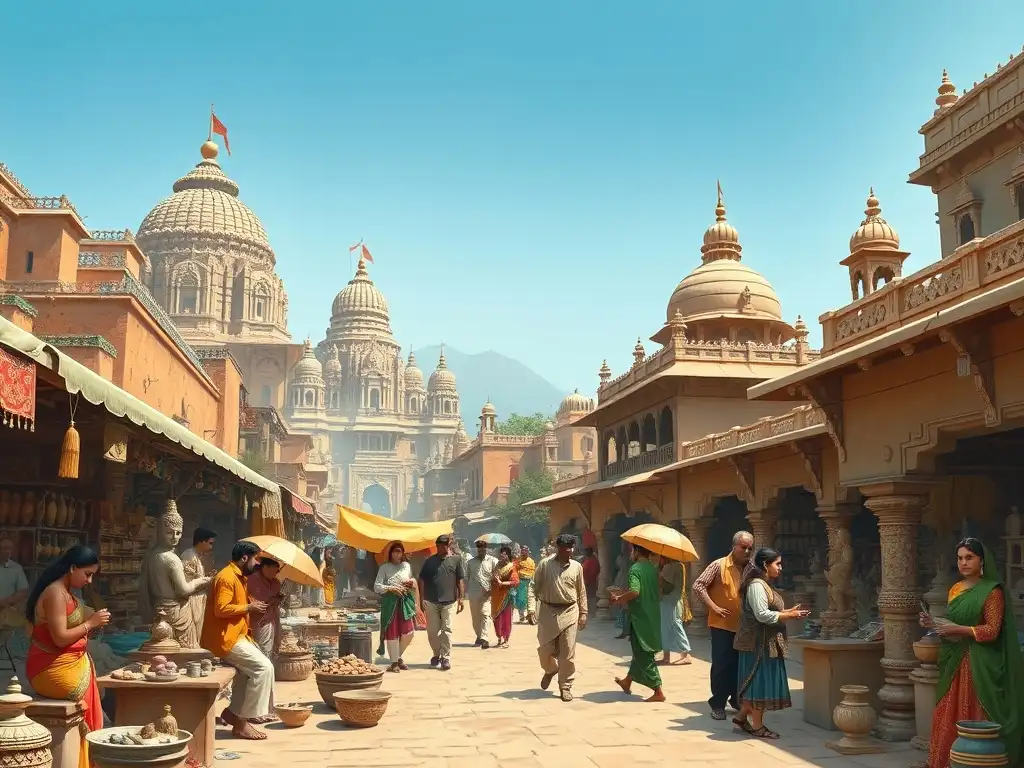
The examination of specific regions within ancient India reveals how internal trade significantly influenced art and architecture. Each region developed its unique style and techniques, shaped by the goods exchanged and the cultural interactions fostered through trade networks. By analyzing the art and architectural contributions from the Indus Valley, Mauryan Empire, and Gupta period, we can better understand the profound impact of internal trade on ancient Indian civilization.
The Role of Internal Trade in the Art of the Indus Valley Civilization
The Indus Valley Civilization (c. 3300–1300 BCE) was characterized by advanced urban planning and a rich artistic culture. Internal trade played a pivotal role in the development of art during this period. The exchange of goods such as beads, pottery, and textiles facilitated the movement of not only materials but also artistic ideas and techniques.
- Artistic Techniques: The artisans of the Indus Valley exhibited remarkable skills in crafting intricate seals, pottery, and jewelry. The availability of materials like carnelian, lapis lazuli, and terracotta, obtained through trade, enabled them to produce high-quality art pieces.
- Symbolism and Themes: Many artifacts, including seals, depict animals and human figures, suggesting a complex belief system and social structure. The trade routes likely contributed to the diffusion of these motifs across regions, enriching the artistic expression of the civilization.
Architectural Contributions of the Mauryan Empire
The Mauryan Empire (c. 322–185 BCE) marks a significant era in the evolution of Indian architecture, heavily influenced by internal trade networks. The empire's extensive trade routes not only facilitated economic growth but also enabled the sharing of architectural techniques and styles.
- Stupas and Pillars: The construction of stupas, such as the Sanchi Stupa, and the famous Ashoka Pillars reflects the synthesis of local and foreign architectural influences. The materials and labor required for these monumental structures were often sourced through trade, showcasing the empire's wealth and the artisans' skills.
- Urban Planning: Cities like Pataliputra were designed with sophisticated layouts, influenced by trade practices. The integration of marketplaces, religious sites, and residential areas within urban centers highlights the importance of commerce in shaping architectural developments.
Gupta Period: A Golden Age of Art and Internal Trade
The Gupta period (c. 320–550 CE) is often referred to as the "Golden Age" of Indian art and culture. Internal trade was a crucial factor in this flourishing of creativity and innovation, facilitating the exchange of ideas, materials, and techniques.
- Sculpture and Painting: This era saw the emergence of distinctive styles in sculpture and painting, particularly in regions like Mathura and Ajanta. The trade routes enabled artisans to access diverse materials such as stone and pigments, leading to the creation of exquisite artworks that depicted religious themes and daily life.
- Cultural Syncretism: Internal trade fostered cultural exchange, where influences from other regions and cultures enriched Gupta art. This fusion is evident in the stylistic elements found in sculptures and murals, which reflect a blending of indigenous and external artistic traditions.
The Impact of Cultural Exchange on Art and Architecture
Cultural exchange, driven by internal trade, had a profound effect on the artistic and architectural landscape of ancient India. The movement of people, ideas, and materials across regions facilitated a dynamic environment where creativity thrived.
Fusion of Styles: Influence of Different Cultures
The interaction between various cultural groups through trade led to a fusion of artistic styles in ancient India.
- Diverse Influences: Artisans were exposed to different techniques and motifs, which they incorporated into their own work. For instance, the influence of Hellenistic art can be seen in some Gupta sculptures, demonstrating how traders and travelers contributed to the exchange of artistic ideas.
- Regional Variations: Different regions developed distinct styles based on local influences and available resources, yet the underlying connections through trade created a shared artistic language that transcended regional boundaries.
Role of Artisans and Craftsmen in Trade Networks
Artisans and craftsmen were central figures in the internal trade networks of ancient India, playing a crucial role in the development of art and architecture.
- Skill Development: The demand for goods in trade led to the specialization of artisans in various crafts, such as metalwork, textiles, and pottery. This specialization enhanced the quality and diversity of art produced in different regions.
- Networking: Artisans often traveled along trade routes, allowing them to learn from others and exchange techniques. This movement not only enriched their individual practices but also contributed to the overall evolution of art across ancient India.
The interplay of internal trade with artistic and architectural developments in ancient India illustrates a rich tapestry of cultural exchange and innovation, resulting in a legacy that continues to influence art and architecture to this day.
Conclusion: The Lasting Impact of Internal Trade on Ancient Indian Art
The internal trade networks of ancient India played a crucial role in shaping the art and architecture of its time. The movement of goods, ideas, and cultural practices across regions fostered a rich artistic tradition that reflected the diversity and complexity of Indian civilization. From the intricate carvings of temples to the vibrant motifs on textiles, the influences of trade are evident in various forms of artistic expression. The interplay of local styles with imported techniques led to a unique synthesis, enriching the cultural tapestry of the subcontinent.
Additionally, the patronage by wealthy merchants and traders facilitated the creation of monumental architecture, including stupas, temples, and palaces. These structures not only served religious and administrative purposes but also became symbols of the prosperity brought about by thriving trade networks. As artisans collaborated across different regions, they exchanged skills, materials, and inspirations, resulting in innovations that defined ancient Indian art.
Summary of Key Points
- Trade Networks: Internal trade networks connected various regions of ancient India, facilitating the exchange of goods and ideas.
- Cultural Exchange: The movement of artisans and merchants led to the blending of local artistic styles and techniques with external influences, creating a rich diversity in art forms.
- Patronage: Wealth generated through trade fostered a culture of patronage, allowing for the commissioning of significant artistic and architectural works.
- Architectural Innovations: Influences from trade can be observed in the design and ornamentation of temples, stupas, and public buildings, marking a significant evolution in ancient Indian architecture.
- Artistic Synthesis: The collaboration among artisans across regions resulted in a unique synthesis of styles, contributing to the legacy of ancient Indian art.
Reflection on the Legacy of Internal Trade in Ancient Indian Culture
The legacy of internal trade in ancient India extends far beyond its immediate economic benefits; it profoundly influenced the cultural and artistic landscape of the period. The art and architecture that emerged as a result of these interactions continue to inspire and inform contemporary Indian culture. Temples adorned with exquisite carvings and frescoes not only serve as historical landmarks but also as a testament to the skilled craftsmanship of ancient artisans who were shaped by the rich tapestry of trade.
Moreover, the artistic traditions that developed through internal trade have left an indelible mark on modern Indian art and architecture. Many contemporary artists and architects draw upon these historical influences, keeping the spirit of ancient creativity alive. Festivals celebrating traditional art forms often showcase techniques and motifs that hark back to this era of vibrant cultural exchange.
In essence, the internal trade networks of ancient India were instrumental in fostering a dynamic cultural milieu that produced some of the most significant artistic achievements in history. The art and architecture born from these interactions reflect a legacy of innovation, collaboration, and cultural richness that continues to resonate in today's artistic expressions.
- Introduction to Internal Trade in Ancient India
- The Role of Internal Trade in Shaping Art and Architecture
- Key Art Forms Influenced by Internal Trade
- Architectural Developments Attributed to Internal Trade
- Case Studies of Specific Regions
- The Impact of Cultural Exchange on Art and Architecture
- Conclusion: The Lasting Impact of Internal Trade on Ancient Indian Art
- What role did internal trade play in the development of ancient Indian art?
- How did internal trade influence architectural styles in ancient India?
- What were some key commodities traded that impacted art and architecture?
- Did internal trade contribute to the spread of specific artistic techniques?
- How can we see the legacy of internal trade in modern Indian art?
Frequently Asked Questions
What role did internal trade play in the development of ancient Indian art?
Internal trade was pivotal in the exchange of ideas and materials, which enriched the artistic expressions and styles prevalent in ancient India.
How did internal trade influence architectural styles in ancient India?
Trade routes facilitated the movement of artisans and architects, leading to a fusion of different architectural styles across regions, particularly evident in temples and stupas.
What were some key commodities traded that impacted art and architecture?
Key commodities included textiles, metals, and precious stones, which were essential for creating intricate artworks and ornate structures.
Did internal trade contribute to the spread of specific artistic techniques?
Yes, internal trade allowed for the dissemination of artistic techniques such as fresco painting and sculpture, enhancing the overall artistic landscape of ancient India.
How can we see the legacy of internal trade in modern Indian art?
The influence of internal trade is still evident in modern Indian art, where traditional techniques and materials continue to be utilized, reflecting the rich history of artistic exchange.
Final Reflection: The Enduring Legacy of Internal Trade on Ancient Indian Art
The intricate relationship between internal trade and ancient Indian art is not merely a historical footnote; it is a profound testament to how commerce shapes culture. Today, as we navigate a globalized world, the lessons from ancient India remind us that trade is not just about the exchange of goods, but also about the exchange of ideas, aesthetics, and values. The vibrant art and architecture of ancient India, influenced by the bustling trade routes, continue to inspire contemporary artists and architects, illustrating that the past is ever-present in our creative expressions.
The impact of internal trade on ancient Indian art and architecture is a reflection of the dynamic interplay between economy and culture. This legacy is evident in the diverse styles and techniques that emerged from various regions, showcasing a rich tapestry of influences that still resonate today. As noted by art historian Dr. R. S. Sharma, Art is the mirror of society; it reflects the complexities of its time.
This observation underscores the importance of understanding how trade not only facilitated economic growth but also fostered cultural exchange, leading to the flourishing of artistic expression in ancient India.
As we reflect on the lessons of internal trade and its impact on ancient Indian art, let us embrace the idea that our own interactions—whether through commerce, travel, or digital connectivity—can enrich our cultural landscapes. I invite you to explore how the principles of exchange and collaboration can enhance your own creative endeavors. Consider how your unique experiences and perspectives can contribute to a vibrant tapestry of art and culture in your community, ensuring that the legacy of ancient Indian art continues to inspire future generations.
Unveil the Legacy: Continue Your Journey Through Ancient Art!
Thank you for diving into the rich tapestry of how internal trade shaped the art and architecture of ancient India. Your interest opens up exciting avenues to appreciate this fascinating history even further! Now, let’s explore how you can deepen your understanding and connection.
- Start a mini-exploration! Visit a local museum or gallery showcasing Indian art or architecture. Take notes on what resonates with you and why.
- Join a discussion group! Share your thoughts or discoveries with friends or fellow history enthusiasts. Engaging with others can significantly expand your perspective.
- Explore the lesser-known trade routes! Research a specific trade route from ancient India and reflect on how it influenced local cultural expressions.
In what ways do you think the ancient trade connections continue to shape modern Indian art today? Let’s get the conversation going!