
Trade and Identity: How Commerce Shaped Ancient Indian Societies

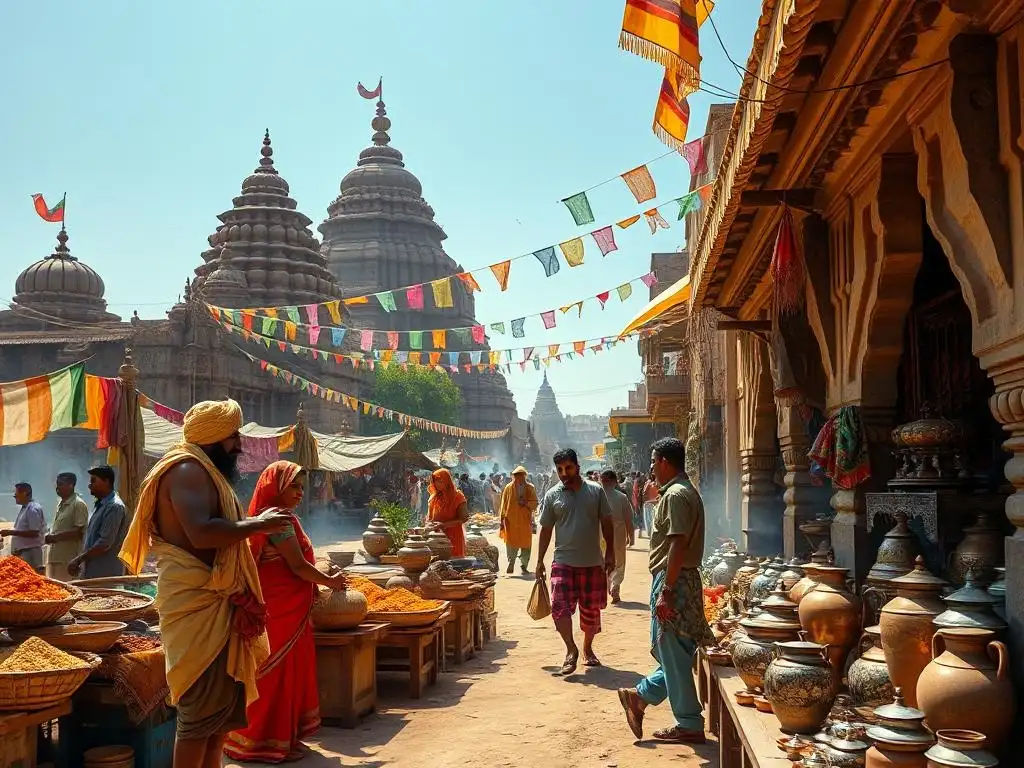
Welcome to Ancient India History, where we embark on a fascinating journey through time to uncover the rich tapestry of ancient Indian trade and culture. In our featured article, “Trade and Identity: How Commerce Shaped Ancient Indian Societies,” we delve into the intricate connections between commerce and the identity of ancient civilizations, revealing how trade routes not only facilitated the exchange of goods but also ideas and cultural practices.
Join us as we explore the vibrant marketplaces and dynamic interactions that defined the essence of ancient Indian societies, sparking a curiosity that invites you to read on and discover more about this captivating era!
Throughout history, trade has been a pivotal force in shaping societies and cultures, and ancient India stands as a prominent example of this phenomenon. The vibrant tapestry of Ancient Indian trade and culture reveals a deep interconnection between commerce and identity, where economic exchanges not only facilitated the flow of goods but also influenced social structures, cultural practices, and regional relationships. From the sophisticated trade routes of the Indus Valley Civilization to the bustling markets of the Gupta Empire, ancient Indian societies thrived on their ability to engage in commerce, both locally and internationally.
This article delves into the multifaceted relationship between trade and identity in ancient India, exploring how commerce influenced the development of societal norms, cultural identities, and economic prosperity. By examining various periods and key trade practices, we aim to uncover the profound impact of trade on the evolution of ancient Indian civilizations, highlighting their contributions to the global economy and cultural legacy.
The Role of Trade in Ancient Indian Civilizations
Trade was integral to the growth and sustainability of ancient Indian societies. From the early days of the Indus Valley Civilization, where evidence of advanced urban planning and trade networks has been discovered, to the flourishing markets during the Maurya and Gupta Empires, commerce played a crucial role in shaping the social and economic landscape.
- Indus Valley Civilization: This early civilization was characterized by extensive trade networks, both overland and maritime. Evidence suggests that they traded goods such as textiles, beads, and pottery with regions as far as Mesopotamia.
- Maurya Empire: Under the rule of Chandragupta Maurya, trade flourished, with the establishment of a unified currency and standardized weights and measures facilitating commerce across vast territories.
- Gupta Empire: Known as the Golden Age of India, this period saw a significant increase in trade activities, with merchants engaging in both domestic and international trade, contributing to the cultural richness of the time.
Cultural Exchange Through Commerce
The interaction between traders and different cultures led to a dynamic exchange of ideas, beliefs, and practices. This cultural assimilation through trade can be observed in several ways:
- Religion and Philosophy: Trade routes facilitated the spread of Buddhism and Hinduism, influencing regions far beyond India.
- Art and Architecture: The influx of foreign styles and techniques enriched Indian art, leading to the development of unique architectural styles.
- Language and Literature: Contact with diverse cultures resulted in the exchange of languages and literary traditions, exemplifying the blend of cultural identities.
Conclusion
Ancient Indian trade was not merely a means of economic sustenance; it was a catalyst for cultural exchange and identity formation. The intricate web of trade relations established by ancient Indian civilizations significantly influenced their social structures, cultural practices, and interactions with neighboring regions. Understanding this historical context is essential to appreciate the depth of ancient Indian culture and its lasting impact on the world.
- What were the primary goods traded in ancient Indian trade?
- How did trade influence the culture of ancient Indian societies?
- What role did the Indus Valley Civilization play in ancient Indian trade?
- How did ancient Indian trade connect to the wider world?
- What impact did the Gupta Empire have on ancient Indian trade?
Introduction to Ancient Indian Trade and Culture
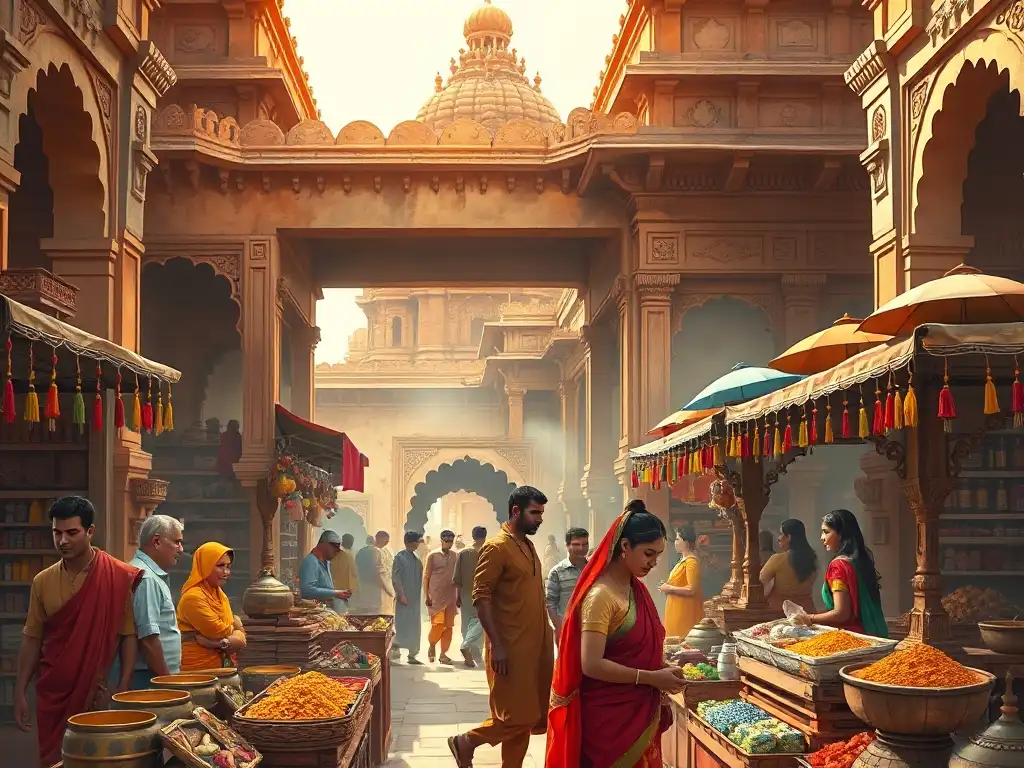
The trade systems of ancient India were not just a means of economic exchange; they were pivotal in shaping the cultural and social identities of various civilizations across the subcontinent. From the flourishing markets of the Indus Valley Civilization to the bustling trade routes that connected India to the Mediterranean and beyond, commerce played an integral role in the articulation of identity among ancient Indian societies. This section delves into the multifaceted aspects of ancient Indian trade and its profound impact on culture, identity, and societal structures.
Overview of Ancient Indian Trade
Ancient Indian trade can be broadly categorized into two types: internal trade and external trade.
- Internal Trade: This form of commerce occurred within the subcontinent, facilitated by an extensive network of roads and rivers. Major cities such as Pataliputra, Taxila, and Ujjain became vibrant trade hubs. Goods traded included:
- Spices (e.g., black pepper, cardamom)
- Textiles (notably cotton and silk)
- Precious stones (diamonds, emeralds)
- Agricultural products (rice, wheat)
- External Trade: Ancient India was a key player in international trade, connecting with regions such as:
- Southeast Asia: Indian merchants established trade links with countries like Indonesia and Malaysia, exchanging spices for gold and ivory.
- Persia and the Middle East: Trade routes facilitated the exchange of textiles for metals and stones.
- Rome: The trade with the Roman Empire was significant, with Indian goods such as silk and spices being highly sought after.
The Silk Road and Maritime Trade Routes were instrumental in fostering these exchanges, allowing for not only the movement of goods but also ideas, religions, and cultures.
Importance of Commerce in Ancient Indian Societies
Commerce in ancient India played a crucial role in the development and sustenance of various aspects of society. Its importance can be analyzed through several lenses:
- Economic Prosperity: The wealth generated through trade allowed for the growth of urban centers and the flourishing of arts and crafts. Cities became centers of innovation and creativity, producing exquisite art, architecture, and textiles.
- Cultural Exchange: Trade routes facilitated the exchange of ideas and cultural practices. For example, the introduction of Buddhism and Hinduism to other regions can be traced back to merchants who traveled along these routes, spreading their beliefs and practices.
- Social Structure: The rise of a merchant class led to the development of new social hierarchies. Merchants often gained wealth and influence, which allowed them to challenge traditional power structures dominated by landowners and warriors. This shift contributed to the evolving identity of various regions within India.
- Political Alliances: Trade often necessitated political alliances. Kings and rulers recognized the importance of securing trade routes and engaged in diplomacy to protect their merchants and ensure the flow of goods. This led to the establishment of treaties and trade agreements with neighboring states.
Ancient Indian trade and culture were intricately linked, with commerce serving as a catalyst for social change, cultural diffusion, and economic development. The legacy of this vibrant trade network continues to resonate in contemporary Indian society and its diverse cultural heritage.
The Role of Trade in Shaping Identity
Trade played a pivotal role in shaping the identity of ancient Indian societies, influencing not only their economies but also their cultural landscapes. Through trade, various goods, ideas, and practices were exchanged, leading to a rich tapestry of interactions that contributed to the development of distinct identities among different communities. The movement of traders across vast distances facilitated a blending of cultures, fostering both regional and trans-regional identities that were deeply intertwined with the mercantile activities of the time.
Cultural Exchange through Trade
Cultural exchange was one of the most significant outcomes of ancient Indian trade. As goods traveled along trade routes, they brought with them new ideas, art forms, religious beliefs, and social practices. For instance, the trade of spices, textiles, and precious stones not only enriched the economy but also introduced foreign influences that shaped local customs and lifestyles.
- Religious Influences: Merchants often acted as cultural ambassadors, spreading religious beliefs such as Buddhism and Hinduism across regions. The establishment of trade routes like the Silk Road facilitated the exchange of religious texts and practices, leading to the proliferation of these faiths beyond their geographic origins.
- Art and Craftsmanship: The influx of foreign goods led to the fusion of artistic styles. For example, the intricate designs seen in textiles and pottery were influenced by interactions with traders from Persia and the Mediterranean. This blending of techniques and aesthetics helped define regional artistic identities.
- Language and Literature: Trade also contributed to linguistic diversity. Languages evolved as traders interacted with different communities, resulting in the creation of pidgins and creoles. Literary exchanges, such as the translation of texts, further enriched the cultural milieu.
Trade not only facilitated economic prosperity but also fostered a sense of identity rooted in commerce and cultural exchange. The connections formed through trade helped communities to define themselves in relation to others, creating a shared cultural heritage that was celebrated and preserved.
Trade Routes and Their Impact on Identity
The establishment of trade routes across ancient India had profound implications for the identity of its societies. These routes were not merely conduits for goods; they were pathways for cultural exchanges, technological transfers, and social interactions.
- Major Trade Routes: Key routes such as the Grand Trunk Road and maritime routes along the Indian Ocean connected India to distant lands like Rome, China, and Southeast Asia. These connections enabled the flow of not only goods but also people, ideas, and cultural practices.
- Urban Centers of Trade: Cities like Taxila, Pataliputra, and ports along the western coast became melting pots of diverse cultures due to their strategic positions along trade routes. These urban centers evolved into hubs of commerce, drawing merchants, artisans, and scholars from various regions, which significantly influenced local identities.
- Socio-Political Structures: The wealth generated from trade often translated into power dynamics within societies. Rulers and local elites who controlled trade routes gained influence, leading to the establishment of trade-based kingdoms. This shift influenced how communities identified themselves, often associating their identities with their economic prowess and connections to trade.
- Cultural Festivals and Events: Trade routes facilitated the celebration of cultural festivals that showcased the diversity of goods and influences. These events promoted a sense of community and pride among traders and consumers alike, solidifying their identities as part of a vibrant and interconnected society.
In conclusion, ancient Indian trade and culture were intricately linked, with commerce serving as a catalyst for cultural exchange and identity formation. The diverse influences that emerged from trade routes shaped the social, political, and economic landscape of ancient India, creating a rich and complex identity that continues to resonate in the contemporary cultural narrative.
Major Trade Centers in Ancient India
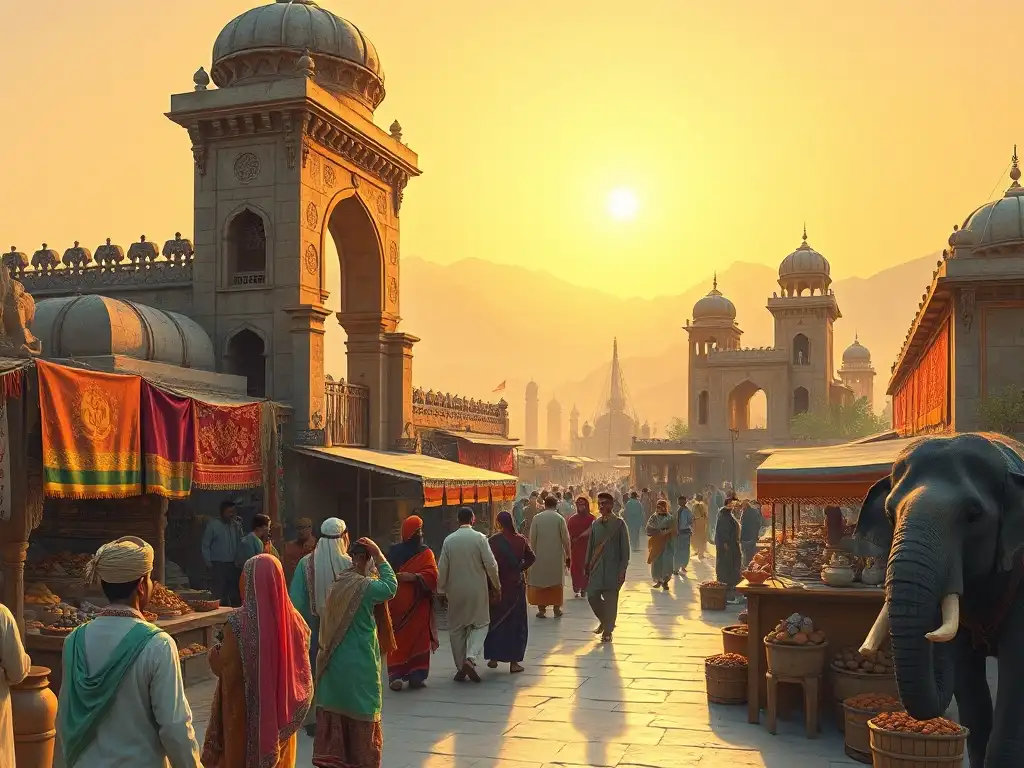
The Indus Valley Civilization and Trade
The Indus Valley Civilization (IVC), flourishing around 2500 BCE, was one of the earliest urban cultures in South Asia, known for its advanced city planning and sophisticated drainage systems. Central to its prosperity was a robust trade network that extended across the Indian subcontinent and beyond.
- Key Trade Goods: The IVC was renowned for its trade in various commodities, including:
- Cotton textiles: The earliest evidence of cotton cultivation and weaving is traced back to this civilization.
- Beads and ornaments: Crafted from semi-precious stones, these artifacts were highly sought after.
- Metals: Copper, bronze, and later iron tools and implements played a significant role in trade.
- Trade Routes: The IVC established trade routes that connected it with other civilizations, such as Mesopotamia and Egypt. Evidence suggests that goods were exchanged via:
- Riverine routes: Utilizing the Indus and its tributaries for transportation.
- Land routes: Linking with caravan routes that traversed Central Asia.
The decline of the IVC around 1900 BCE has been attributed to various factors, including climate change and a shift in trade patterns, yet its legacy laid the groundwork for future trade practices in ancient India.
Trade Hubs during the Maurya Empire
The Maurya Empire (322-185 BCE) represented a significant transformation in ancient Indian trade, characterized by the establishment of major trade hubs that facilitated commerce across vast regions.
- Pataliputra: As the capital of the Maurya Empire, Pataliputra emerged as a bustling commercial center. Its strategic location at the confluence of several major rivers made it a vital point for both land and river trade.
- Taxila: Located at the crossroads of North West India, Taxila became a melting pot of cultures and a prominent hub for trade, attracting merchants from far and wide. It was particularly known for:
- Silk and spices: These were in high demand along the Silk Road, connecting the East and the West.
- Cultural exchanges: Taxila facilitated the exchange of ideas, leading to advancements in science, mathematics, and philosophy.
- Ujjain: Another crucial trade center, Ujjain was strategically located along the trade routes that linked the western and eastern parts of India. Its significance lay in:
- Minting coins: Ujjain was known for producing high-quality currency, enhancing trade efficiency.
- Religious significance: The city attracted pilgrims, contributing to its economic vitality through commerce related to religious tourism.
The Maurya Empire's emphasis on trade not only boosted its economy but also fostered cultural exchanges that enriched Indian identity.
The Gupta Empire and Its Commercial Expansion
The Gupta Empire (c. 240-550 CE) is often referred to as the Golden Age of India, with significant advancements in various fields including trade and commerce. This period saw the expansion of trade networks both inland and overseas.
- Key Trade Goods: The Gupta period witnessed increased trade in luxury items and everyday goods, such as:
- Spices: India became the world's leading supplier of spices, which were highly prized in global markets.
- Metallurgy: The production of high-quality iron and brass products enhanced trade potential.
- Maritime Trade: The Guptas capitalized on maritime trade routes, establishing connections with:
- Southeast Asia: Indian merchants played a crucial role in spreading culture and goods, leading to the establishment of Indianized kingdoms in regions like Indonesia and Malaysia.
- Roman Empire: Trade with the Romans was significant, with Indian goods such as silk, textiles, and gemstones making their way to Europe.
- Urbanization and Trade: The rise of urban centers during the Gupta period facilitated trade. Cities like:
- Nalanda: Known for its ancient university, Nalanda also became a center for trade and cultural exchange.
- Sarnath: Besides its religious significance, it served as a trade hub for Buddhist artifacts.
The Gupta Empire's focus on expanding commercial activities not only enhanced its economy but also solidified the cultural identity of ancient Indian societies, showcasing the dynamic interplay between trade and cultural development.
Ancient Indian trade was pivotal in shaping the social and cultural landscapes of its civilizations. From the sophisticated trade networks of the Indus Valley to the expansive commerce during the Maurya and Gupta Empires, the legacy of ancient Indian trade is a testament to the region's rich history and its contributions to global commerce.
Goods Traded in Ancient India
Key Commodities of Ancient Indian Trade
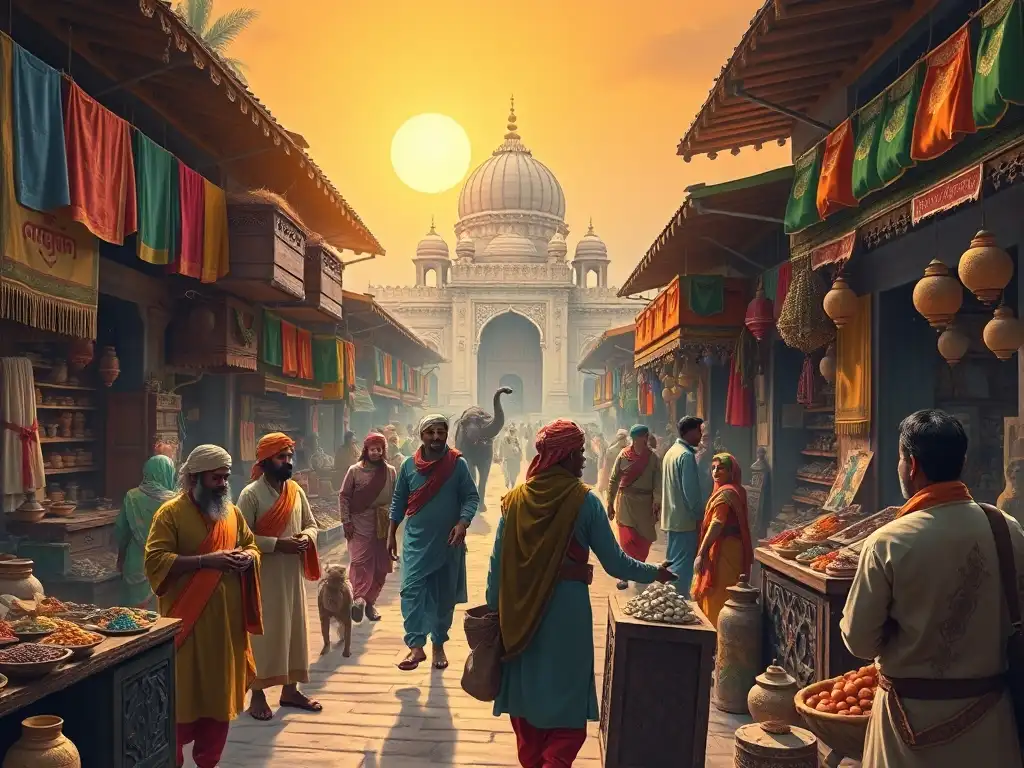
Ancient Indian trade was characterized by a plethora of goods that not only catered to the economic needs of the society but also influenced cultural exchanges and societal development. Some of the key commodities traded in ancient India include:
- Spices: Renowned for their flavor and preservative qualities, spices such as black pepper, cardamom, and cinnamon were highly sought after in global markets. The spice trade significantly boosted India's economy and established trade routes that extended to Europe and the Middle East.
- Textiles: India was famous for its exquisite textiles, including cotton, silk, and woolen fabrics. The production of fine muslin and silk attracted traders from far and wide, leading to the establishment of the Silk Road and maritime trade routes.
- Precious Stones and Metals: The subcontinent was a major supplier of precious stones, including diamonds, rubies, and emeralds. Additionally, gold and silver were extensively traded, contributing to the wealth of ancient Indian kingdoms.
- Agricultural Products: Crops such as rice, wheat, and sugarcane were not only staples for the local population but also became significant trade items. The surplus in agriculture enabled trade with neighboring regions.
- Medicinal Herbs: Ancient Indian civilizations were known for their extensive knowledge of medicine derived from herbs. These remedies were traded across regions, influencing health practices in various cultures.
These commodities were exchanged through extensive trade networks, both overland and maritime, connecting India to various civilizations, including the Romans, Greeks, and Chinese.
Influence of Trade Goods on Culture and Society
The trade goods in ancient India played a pivotal role in shaping not only the economy but also the cultural and social fabric of the society. The influence of these goods can be analyzed through several lenses:
- Cultural Exchange: The influx of foreign goods led to a two-way exchange of ideas and customs. For instance, the introduction of foreign spices and culinary practices influenced local cuisines, resulting in a rich tapestry of flavors and cooking techniques.
- Religious and Philosophical Ideas: Trade routes facilitated the movement of not just goods but also ideas. The spread of Buddhism and Hinduism into Central Asia and beyond was significantly aided by traders who carried religious texts and philosophies, thus shaping the spiritual landscape of various societies.
- Art and Craftsmanship: The demand for textile and jewelry led to advancements in local craftsmanship. Artisans developed sophisticated techniques in weaving and metallurgy, which in turn enhanced the aesthetic value of goods and contributed to cultural identity.
- Social Structures: Trade created new social classes, including merchants and traders, who gained wealth and influence. This shift contributed to the emergence of urban centers and changes in societal hierarchies, leading to a more complex social structure.
- Economic Interdependence: The reliance on trade fostered interdependence among communities and regions. This not only encouraged peaceful coexistence but also led to alliances and collaborations, shaping political landscapes.
Ancient Indian trade and culture were intricately linked, with trade goods acting as catalysts for cultural interactions, social changes, and economic development. The legacy of these exchanges continues to influence India’s cultural identity and its place in the global economy today.
The Relationship between Trade and Religion
Trade in ancient India was not merely an economic activity; it was deeply intertwined with religious beliefs and practices. The intersection of trade and religion played a pivotal role in shaping the identity of various ancient Indian societies. As commerce flourished, it brought together diverse cultures and belief systems, leading to a vibrant exchange of ideas and values.
Religious Influences on Trade Practices
Religious ideologies significantly influenced trade practices in ancient India. Many traders and merchants adhered to specific religious codes that governed their business ethics and interactions. For example:
- Hinduism: The principles of Dharma emphasized ethical conduct and honesty in trade. Merchants were expected to abide by the concept of "Dharma" in their commercial dealings, which fostered trust and reliability among trading partners. Rituals and offerings to deities were common before embarking on long journeys, seeking blessings for safe passage and prosperous trade.
- Buddhism: The spread of Buddhism during the Mauryan Empire facilitated trade routes across Asia. Buddhist monks often traveled with traders, sharing their teachings while also promoting trade. The establishment of stupas along trade routes served both as religious sites and rest stops for merchants, exemplifying the dual role of commerce and spirituality.
- Jainism: Jain traders were known for their strict adherence to non-violence (ahimsa) principles, which impacted their trade practices. They often avoided occupations that could harm living beings, such as butchery, and instead focused on trade in textiles, spices, and precious stones. This ethical stance not only shaped their identity but also influenced consumer choices in the marketplace.
The intertwining of religion and trade established a network of trust and cooperation, leading to prosperous commercial relationships across regions.
Trade as a Vehicle for Religious Exchange
Trade routes in ancient India served as conduits for more than just goods; they facilitated a rich exchange of religious ideas and practices. As merchants traveled, they carried not only products but also their cultural and spiritual beliefs. This exchange can be observed through various aspects:
- Spread of Beliefs: As traders moved along the Silk Road and maritime routes, they introduced new religions to different regions. For instance, the arrival of Buddhism in Southeast Asia was significantly aided by Indian merchants who settled in these areas, sharing their faith in conjunction with their trade.
- Cultural Syncretism: The interaction between different religious communities led to a blending of practices. In many trading hubs, such as the ancient port city of Arikamedu, artifacts reveal the coexistence of Hindu, Buddhist, and local traditions, indicating a vibrant religious landscape shaped by commerce.
- Pilgrimage and Trade: Certain trade routes were also pilgrimage paths. For example, the route to the ancient city of Varanasi, a major religious site, was frequented by traders and pilgrims alike. The influx of pilgrims provided economic benefits to local merchants, while also fostering a religious atmosphere that attracted further commerce.
- Religious Festivals: Trade fairs and festivals often had religious significance, where merchants would gather to celebrate and exchange goods. Events such as the Kumbh Mela attracted traders from various regions, creating a unique marketplace that celebrated cultural and religious diversity.
The relationship between trade and religion in ancient India was complex and multifaceted. The commercial activities not only contributed to economic prosperity but also shaped cultural identities and facilitated the spread of religious beliefs across diverse regions. Understanding this interplay is crucial for appreciating the rich tapestry of ancient Indian trade and culture.
The Impact of External Trade on Ancient Indian Societies
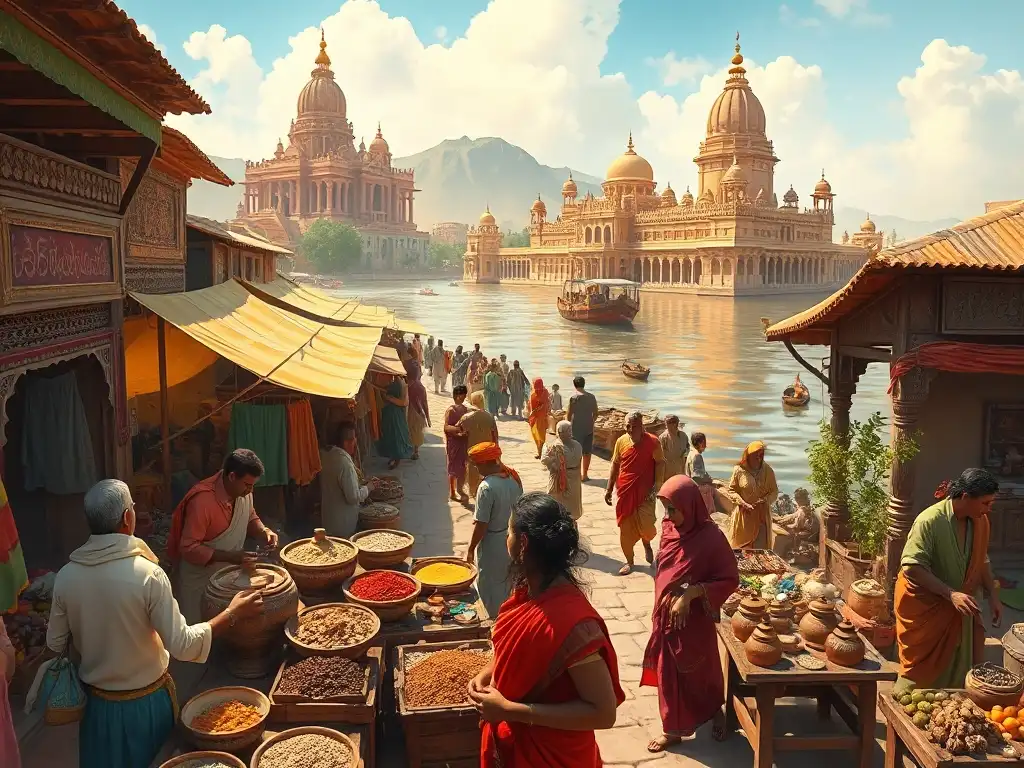
Ancient Indian trade was a crucial element in shaping societal structures, cultural exchanges, and economic prosperity across the subcontinent. The vibrant trade networks that connected India to various parts of the world facilitated not only the exchange of goods but also the mingling of ideas, customs, and beliefs. This interaction laid a profound foundation for the development of complex identities and social hierarchies within ancient Indian civilizations.
Connections with Other Civilizations
The extensive trade routes established in ancient India facilitated connections with several prominent civilizations. Key trade partners included:
- Mesopotamia: The exchange of goods such as textiles, spices, and precious stones fostered economic relationships. The Indus Valley Civilization was known to export cotton textiles, which were highly prized in Mesopotamia.
- Egypt: Indian merchants traded a variety of goods, including pearls and semi-precious stones, for Egyptian grains and artifacts. This trade not only enriched both economies but also encouraged cultural exchanges.
- China: The Silk Road was instrumental in connecting India with China. This route allowed for the exchange of silk, spices, and philosophical ideas, including Buddhism, which spread into China via trade routes.
- Southeast Asia: Indian traders played a key role in establishing maritime routes across the Indian Ocean, linking India with regions like present-day Indonesia and Malaysia. These interactions helped spread Indian culture and languages across Southeast Asia.
The interconnections between these civilizations were not limited to commerce; they also included diplomatic missions, intermarriages, and cultural exchanges that significantly influenced the social dynamics of ancient India.
The Spread of Ideas and Cultural Practices
The movement of traders and goods across ancient trade routes led to the dissemination of not only material wealth but also ideas, philosophies, and cultural practices. This exchange had several notable impacts:
- Religious Exchanges:
- Buddhism and Hinduism: Trade routes facilitated the spread of religious beliefs and practices. Buddhism, for instance, traveled from India to Central and East Asia, profoundly influencing cultures in these regions. Stupas and monasteries were established along trade routes, serving as hubs for cultural exchange.
- Art and Architecture:
- The arrival of foreign artisans and craftsmen introduced new artistic styles and techniques. For example, the Gandhara art style emerged from the blending of Indian and Greco-Roman artistic traditions, showcasing intricate sculptures and reliefs.
- Scientific Knowledge:
- Ancient Indian scholars engaged in the exchange of scientific ideas, particularly in astronomy and mathematics. The introduction of the numeral system and concepts such as zero to the West is attributed to this cultural interchange.
- Culinary Influences:
- Trade also transformed culinary practices in ancient India. Spices, which were highly sought after, were exchanged with various civilizations, leading to a rich tapestry of flavors and culinary techniques that influenced regional cuisines.
Ancient Indian trade and culture were intricately linked, with commerce serving as a catalyst for the exchange of ideas and cultural practices. The connections forged through trade not only enriched the material wealth of ancient Indian societies but also contributed to their intellectual and cultural vibrancy, leaving a lasting legacy on subsequent generations.
Trade Policies and Economic Structures
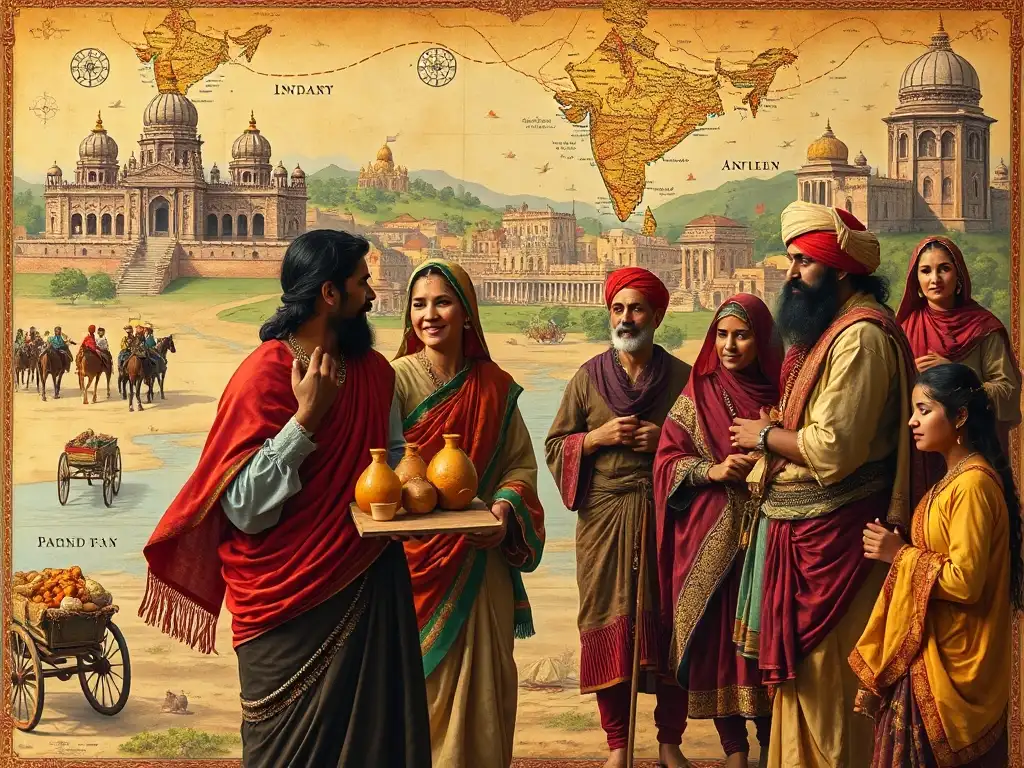
Ancient Indian Trade Regulations
Ancient Indian trade regulations were a complex interplay of local customs, royal decrees, and the overarching influence of various empires. These regulations not only governed trade practices but also shaped the economic landscape of the civilization.
- Market Organization:
- Weekly Markets: Many towns had designated days for local markets, often referred to as hatts or mandis. These markets would see a diverse array of goods, from agricultural products to artisanal crafts.
- Urban Centers: Cities like Pataliputra and Taxila emerged as significant trading hubs, facilitating long-distance trade across the subcontinent and beyond.
- Royal Regulation:
- Various monarchs established laws to regulate trade. For instance, the Arthashastra, attributed to Kautilya, outlines economic policies, including taxation and trade regulations.
- Taxes and Duties: Traders were often required to pay tolls or taxes at various checkpoints, influencing the cost of goods and services.
- Trade Routes:
- Land and Sea: Trade routes, both terrestrial and maritime, were crucial for the exchange of goods. The Silk Road and maritime routes connected India to distant lands, fostering economic and cultural exchanges.
- Safety and Security: Regulations included provisions for the protection of traders, ensuring their safety during transit, which was vital for promoting trade.
- Cultural Integration:
- Trade regulations often included clauses that encouraged cultural exchanges, such as the introduction of local customs to foreign traders and vice versa. This integration contributed to the rich tapestry of ancient Indian culture.
The Role of Guilds in Commerce
Guilds, known as shrenis, played a pivotal role in the commercial landscape of ancient India. These organizations were not only vital for trade but also acted as social institutions, influencing economic practices and cultural identity.
- Structure and Function:
- Membership: Guilds comprised skilled artisans, merchants, and traders who often specialized in specific crafts or goods, such as textiles, metalwork, or spices.
- Collective Bargaining: They functioned as a collective entity, allowing members to negotiate prices, regulate quality, and establish standards for their trade. This ensured that products met the expectations of consumers.
- Economic Influence:
- Control Over Trade: Guilds had significant control over local markets and often held monopolies over certain goods. This control enabled them to dictate terms of trade and prices.
- Financial Support: They also provided financial resources for their members, offering loans and ensuring economic stability within the community.
- Cultural Impact:
- Preservation of Craftsmanship: Guilds played a crucial role in preserving traditional craftsmanship, passing down techniques and knowledge through generations.
- Social Identity: Membership in a guild often conferred a sense of identity and belonging, contributing to the social fabric of ancient Indian society.
- Political Influence:
- Councils and Governance: In some regions, guilds held significant power and could influence local governance. They often participated in decision-making processes, representing the interests of merchants and artisans.
The intricate trade regulations and the robust structure of guilds significantly shaped the economic landscape of ancient India. By fostering commerce and cultural exchanges, they contributed to the development of a rich and diverse identity that continues to resonate in modern Indian culture.
Decline of Trade and Its Effects on Culture
The decline of trade in ancient India marked a significant turning point in the socio-economic landscape, affecting not only the economy but also the cultural identity of its civilizations. This downturn can be traced to various factors, which in turn had profound consequences for the people, their interactions, and their cultural expressions.
Factors Leading to the Decline of Trade
Several key factors contributed to the decline of trade in ancient India, creating a ripple effect that altered the course of its cultural development:
- Political Instability:
- Frequent invasions and internal conflicts weakened central authority, disrupting trade routes and diminishing the security that merchants needed to thrive.
- The rise and fall of dynasties created uncertainty, leading traders to retreat from long-distance commerce.
- Geographical Challenges:
- Natural disasters, such as floods and droughts, adversely impacted agricultural productivity, which was crucial for sustaining trade.
- The shifting of river courses in regions like the Indus Valley made traditional trade routes less viable.
- Economic Shifts:
- The rise of self-sufficient agrarian economies reduced dependence on trade. Villages became more insular, focusing on local production rather than engaging in broader markets.
- Inflation and devaluation of currency led to a decrease in trade activities as merchants faced diminishing returns.
- Cultural Isolation:
- The decline in trade led to a reduced exchange of ideas, technologies, and cultural practices. This isolation stifled innovation and adaptation, which had previously thrived through commerce.
- Religious and philosophical introspection became more prominent, as societies turned inward, further distancing themselves from external influences.
Consequences for Ancient Indian Identity
The decline of trade had far-reaching consequences for the identity of ancient Indian societies, impacting their cultural expressions and social structures:
- Cultural Homogeneity:
- As trade routes diminished, cultural exchanges slowed, leading to a more homogeneous cultural identity within regions. This reduced the vibrant tapestry of influences that had characterized ancient Indian culture.
- The arts, crafts, and practices that had previously evolved through intercultural interactions became stagnant, losing the dynamism that external trade had fostered.
- Shift in Economic Structure:
- With the decline of trade, many urban centers that had thrived as commercial hubs began to decline, leading to a shift in population back to rural areas.
- This shift resulted in a focus on agrarian lifestyles, where communities became less cosmopolitan and more localized, affecting the complexity of societal roles and interactions.
- Erosion of Mercantile Class:
- The decline of trade diminished the power and influence of the merchant class, who had played a vital role in the cultural and economic life of ancient India. As a result, their contributions to cultural patronage and community projects significantly decreased.
- The loss of this class influenced cultural production, as fewer resources were allocated to the arts, education, and public works, leading to a decline in cultural achievements.
- Cultural Introspection:
- The inward turn of societies prompted a resurgence of religious and philosophical thought. While this led to the flourishing of movements like Bhakti and Jainism, it also curtailed the exchange of ideas that had enriched ancient Indian culture.
- This focus on introspection often resulted in a cultural identity that emphasized spiritual and philosophical pursuits over commercial and artistic endeavors.
The decline of trade in ancient India not only impacted its economy but also reshaped the cultural identity of its societies, leading to a more insular and homogeneous culture that lost many of the rich influences that had previously characterized its diverse civilizations. The intricate relationship between ancient Indian trade and culture is evident in how commerce facilitated cultural exchange, which, when diminished, led to significant shifts in identity and social structure.
Conclusion: Legacy of Ancient Indian Trade and Culture
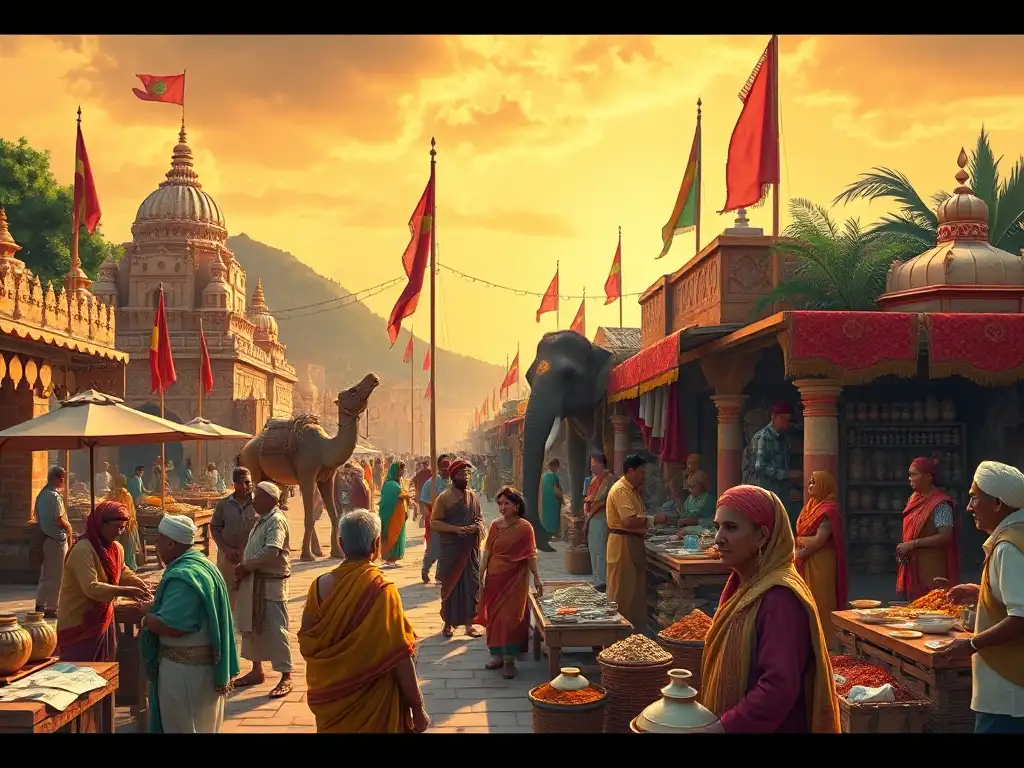
The legacy of ancient Indian trade and culture is profound, influencing not only the historical trajectory of the subcontinent but also leaving an indelible mark on the world. As we explore the tapestry woven by commerce, it becomes evident that trade was not merely an economic activity; it was a catalyst for cultural exchange, social integration, and identity formation. The trade routes established by ancient Indian societies facilitated the movement of goods, ideas, and people, contributing to a rich multicultural environment that defined the region.
From the bustling markets of the Indus Valley civilization to the vibrant bazaars of the Gupta Empire, commerce played a critical role in shaping societal norms and values. The interactions between traders and merchants from various backgrounds fostered a spirit of collaboration and innovation, paving the way for advancements in art, science, and technology. The artifacts and literature that emerged during these periods reflect the dynamic interplay between trade and cultural identity, revealing a society that thrived on diversity and exchange.
Lasting Impact of Trade on Modern Indian Society
The influence of ancient Indian trade extends into modern society, as many of the principles and practices established during these times continue to resonate today. The cosmopolitan nature of ancient trade hubs laid the groundwork for contemporary Indian cities, which remain vibrant centers of commerce and culture. As globalization reshapes economies worldwide, the historical context of trade in India provides valuable insights into how cultural identity can be preserved amidst change.
Moreover, ancient trade routes have left behind a legacy of shared practices and traditions that still influence Indian society. The culinary arts, textile production, and craft techniques that were born out of trade interactions continue to thrive in modern India. Local markets often celebrate this heritage by showcasing products that reflect a blend of indigenous and foreign influences, thereby reinforcing the idea that trade has always been a unifying force in Indian culture.
Reflection on the Multicultural Nature of Ancient India
The multicultural essence of ancient India is perhaps one of its most significant legacies, stemming from the extensive trade networks that flourished across the region. These networks connected various civilizations, each contributing unique customs, languages, and beliefs. The resulting cultural mosaic enriched Indian society, making it a melting pot of ideas and practices.
The impact of multiculturalism is evident in various aspects of life, from religion to art. For instance, the fusion of different philosophical traditions led to the blossoming of diverse religious practices, including Buddhism and Jainism, which emerged during the time of extensive trade. Additionally, the artistic expressions found in ancient sculptures and paintings reflect a synthesis of styles and techniques derived from both indigenous and foreign influences.
The interplay between ancient Indian trade and culture not only shaped the identity of the societies of the time but also laid the foundation for a rich cultural legacy that endures to this day. Through understanding this legacy, we gain a deeper appreciation of how commerce can foster multicultural identities and contribute to the ongoing narrative of human civilization.
References and Further Reading
In exploring the complex interplay between ancient Indian trade and culture, it is essential to consult a range of scholarly resources that delve into the historical context, economic practices, and cultural influences of the time. This section provides a curated list of literature and online resources that can further enhance your understanding of ancient Indian trade and culture.
Suggested Literature on Ancient Indian Trade and Culture
-
"The Economic History of India 1857-1947" by Romesh Chunder Dutt
This classic work examines the economic conditions of India during the colonial period, while also shedding light on earlier trade practices and their cultural implications.
-
"Trade and Traders in the Roman Empire" by William V. Harris
While primarily focused on the Roman Empire, this book offers insights into the interconnectedness of ancient trade routes, including those involving India, and how they influenced cultural exchanges.
-
"India: A History" by John Keay
A comprehensive overview of Indian history, this book includes significant discussions on trade routes, economic systems, and their impacts on cultural development through various periods.
-
"The Silk Roads: A New History of the World" by Peter Frankopan
This text highlights the importance of trade networks, including the Indian subcontinent's role in the Silk Road, illustrating how commerce shaped identities and cultures across continents.
-
"The Ancient Indus Valley: New Perspectives" by Jane McIntosh
Focusing on the Indus Valley Civilization, this book provides valuable insights into early trade practices and their influence on social and cultural structures.
-
"Indian Ocean Trade: 1500-1800" by K.N. Chaudhuri
This work delves into maritime trade in the Indian Ocean, exploring how these interactions fostered cultural exchanges between Indian societies and their foreign counterparts.
Online Resources for Ancient Indian History
-
Digital South Asia Library
An extensive digital library that provides access to maps, texts, and images related to the history of South Asia, including trade and cultural interactions.
-
The British Museum: Ancient India
Offers a wealth of resources, including articles, images, and artifacts related to ancient Indian civilizations, their trade practices, and cultural achievements.
-
The Internet Archive: Ancient Indian Texts and Manuscripts
A treasure trove of digitized historical documents, including texts on trade practices and cultural norms from ancient India.
-
The Archaeological Survey of India
This official website provides access to research, publications, and findings related to archaeological sites, many of which highlight trade routes and economic practices.
-
National Museum of India
The museum’s website features information on exhibitions related to ancient trade, artifacts, and the cultural significance of commerce in Indian history.
-
India History Congress
An academic body that hosts annual sessions where extensive research on Indian history, including trade and commerce, is presented, making it a valuable resource for scholars and students alike.
These resources offer a solid foundation for understanding the intricate relationship between ancient Indian trade and culture, illuminating how commerce shaped identities and societal structures throughout history.
Frequently Asked Questions
What were the primary goods traded in ancient Indian trade?
Ancient India was known for its spices, textiles, and precious stones. These commodities played a significant role in establishing trade routes and enhancing cultural exchange.
How did trade influence the culture of ancient Indian societies?
Trade fostered cultural interactions between different communities, leading to the exchange of ideas, art, and religion. This helped shape a diverse cultural landscape in ancient India.
What role did the Indus Valley Civilization play in ancient Indian trade?
The Indus Valley Civilization was a pioneering center for trade, known for its advanced urban planning and extensive trade networks with regions like Mesopotamia, thereby laying the groundwork for future commerce.
How did ancient Indian trade connect to the wider world?
Ancient Indian trade networks linked various regions, facilitating the exchange of goods and cultural practices across Asia and beyond. This significantly contributed to India's global influence.
What impact did the Gupta Empire have on ancient Indian trade?
The Gupta Empire marked a golden age of trade, characterized by increased economic prosperity and the establishment of trade routes. This period saw advancements in arts and science, further enhancing India's cultural identity.
Final Reflection: The Enduring Legacy of Ancient Indian Trade and Culture
The intricate relationship between trade and identity in ancient Indian societies remains profoundly relevant today. As we navigate a globalized world, the lessons learned from the vibrant tapestry of ancient Indian commerce remind us that trade is not merely an economic activity but a powerful force that shapes cultural identities and social structures. The historical significance of ancient Indian trade and culture serves as a striking reminder of how interconnectedness can foster mutual understanding and respect among diverse communities.
The impact of ancient Indian trade extends far beyond its historical context; it continues to resonate in contemporary society. The exchange of goods, ideas, and cultural practices during ancient times laid the foundation for a rich cultural heritage that still influences modern India and its diaspora. As we reflect on this legacy, we are reminded of the words of Mahatma Gandhi: A nation's greatness is measured by how it treats its weakest members.
This sentiment underscores the importance of inclusivity and cooperation, principles that were deeply embedded in the trade practices of ancient Indian societies.
As we conclude this exploration of ancient Indian trade and culture, I invite you to reflect on your own relationship with commerce and identity. Consider how the exchanges in your life—whether they be cultural, social, or economic—shape who you are and how you connect with others. Embrace the lessons of the past to foster a more inclusive and understanding future, where trade is not just a transaction but a bridge that connects us all.
Uncover Your Connection to Ancient Trade!
Thank you for diving into the fascinating world of ancient Indian societies with us! We hope you gained insights into how trade and commerce shaped identities and cultures in this rich historical tapestry. Now, let’s take that knowledge a step further and bring it to life.
Here are a few practical steps you can take to deepen your exploration of ancient trade and its lasting impact:
- Delve Deeper: Visit your local library or online archives to research specific ancient trade routes and their influence on cultural exchanges throughout India.
- Join the Conversation: Engage with history enthusiasts on forums or social media by sharing your insights about the relationship between trade and identity in ancient civilizations.
- Explore Artifacts: Plan a trip to a museum that showcases ancient Indian artifacts, allowing you to witness how trade influenced both art and everyday life.
What do you think is the most surprising way ancient trade has shaped modern identities? We’d love to hear your thoughts in the comments below!