
Foreign Traders in Ancient India: Who Were They and What Did They Bring?

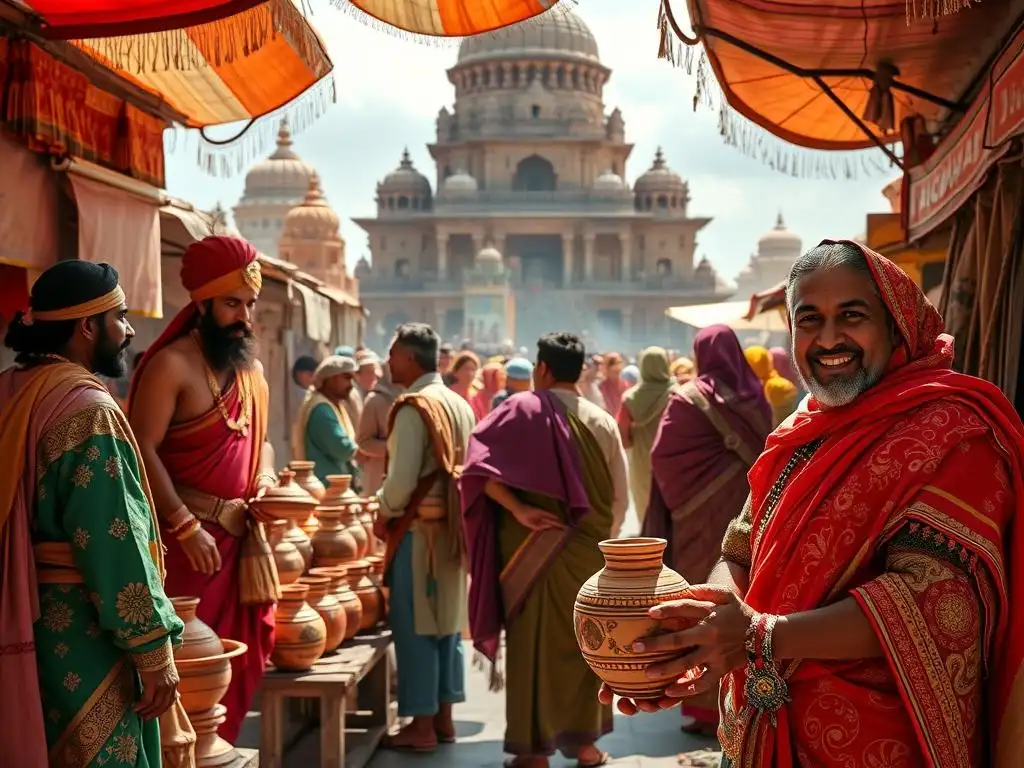
Welcome to Ancient India History, where we embark on a fascinating journey through the tapestry of time, exploring the rich and diverse contributions of ancient Indian civilizations. In our featured article, "Foreign Traders in Ancient India: Who Were They and What Did They Bring? ", we delve into the intriguing world of ancient Indian foreign traders—their identities, the goods they exchanged, and the cultural connections they forged.
Prepare to uncover the secrets of trade routes that linked India to distant lands, igniting curiosity about the vibrant exchanges that shaped our world. Join us as we illuminate the stories behind these historical figures and their significant impact on India's economic landscape. Your adventure through ancient history begins here!
- Introduction to Ancient Indian Foreign Traders
- Who Were the Ancient Indian Foreign Traders?
- What Did Ancient Indian Foreign Traders Bring?
- The Trade Routes of Ancient Indian Foreign Traders
- The Economic Impact of Foreign Trade in Ancient India
- Conclusion: The Legacy of Ancient Indian Foreign Traders
- Frequently Asked Questions
- Final Reflection: The Enduring Legacy of Ancient Indian Foreign Traders
- Unlock the Secrets of Ancient Trade Networks!
Introduction to Ancient Indian Foreign Traders
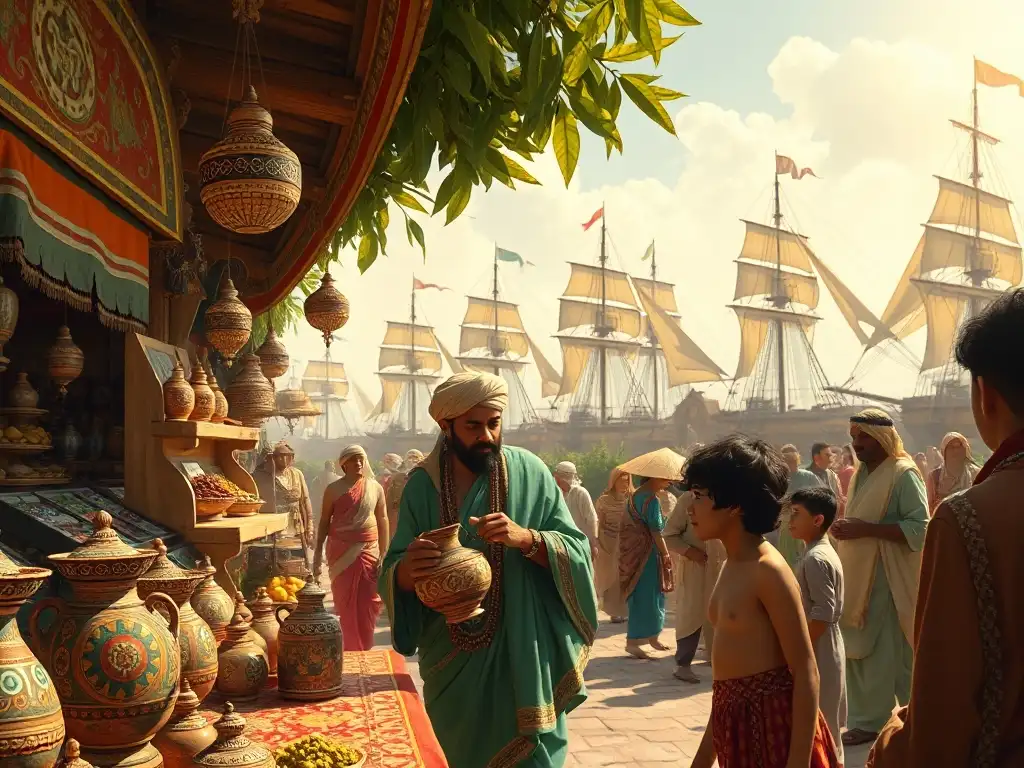
The history of ancient India is not only marked by its remarkable civilizations and cultural achievements but also by its extensive trade networks that connected the subcontinent to various parts of the world. Foreign traders in ancient India played a pivotal role in shaping the economic landscape and facilitating cultural exchanges that enriched Indian society.
From the bustling markets of the Indus Valley Civilization to the thriving trade routes during the Gupta Empire, these traders brought with them not only goods but also ideas, technologies, and cultural influences that left a lasting impact on the Indian way of life. This article delves into the fascinating world of foreign traders in ancient India, examining their origins, the commodities they traded, and their significance in the broader context of Indian history.
Overview of Foreign Trade in Ancient India
Foreign trade in ancient India can be traced back to the Indus Valley Civilization (c. 3300–1300 BCE), where archaeological evidence suggests a vibrant trading network with regions such as Mesopotamia, Persia, and beyond. The strategic location of the Indian subcontinent allowed merchants to engage in trade across land and sea. Key aspects of this trade included:
- Land Routes: The Silk Road and other overland pathways connected India to Central Asia, facilitating the exchange of silk, spices, and precious stones.
- Maritime Trade: Coastal cities like Lothal and Kalyan served as crucial ports, enabling maritime trade with regions like Africa, the Middle East, and Southeast Asia.
The most sought-after commodities included:
- Spices (e.g., black pepper, cardamom)
- Textiles (e.g., cotton, silk)
- Metals and precious stones (e.g., gold, diamonds)
This complex web of trade not only enriched the economy but also fostered cultural interactions, resulting in a blend of traditions, languages, and religious practices.
Importance of Foreign Traders in Ancient Indian Society
The presence of foreign traders in ancient India was instrumental in shaping not just the economy but also the cultural and social fabric of the time. Their importance can be highlighted through various aspects:
- Economic Growth: Foreign traders contributed significantly to the wealth of Indian kingdoms, leading to urbanization and the rise of cities as centers of commerce.
- Cultural Exchange: The interaction between Indian traders and foreign merchants led to a cross-pollination of ideas, philosophies, and technologies. This exchange enriched Indian culture and facilitated the spread of Buddhism and Hinduism beyond its borders.
- Diplomatic Relations: Trade fostered diplomatic ties between various kingdoms and empires, paving the way for alliances and mutual cooperation.
Ancient Indian foreign traders were not merely merchants; they were pivotal agents of change who facilitated the flow of goods, ideas, and cultures across vast distances, shaping the ancient Indian civilization in profound ways.
Who Were the Ancient Indian Foreign Traders?
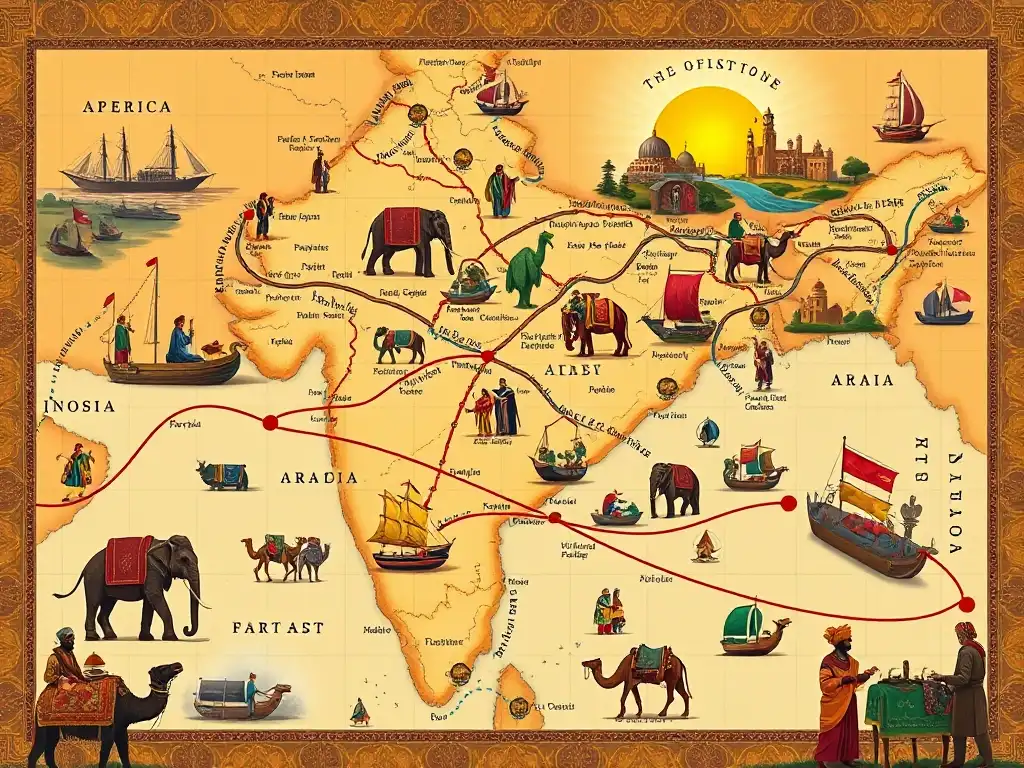
Ancient Indian foreign traders played a pivotal role in the development of trade networks that spanned across continents. These traders not only brought goods but also ideas, cultures, and technologies that significantly influenced Indian society. Operating from various regions, they facilitated exchanges that contributed to India's economic prosperity and cultural diversity.
The trading activities of these foreign traders can be traced back to the Indus Valley Civilization, around 2500 BCE, where evidence of trade with Mesopotamia and other regions has been found. Over the centuries, traders from various civilizations established routes that connected India to the Mediterranean, Southeast Asia, and beyond.
Key Cultures and Civilizations Involved
- Mesopotamians:
- Engaged in trade with the Indus Valley through maritime routes, exchanging textiles and beads for metals and agricultural products.
- Arabs:
- Arab traders were instrumental during the early centuries CE, trading spices, textiles, and precious stones. Their maritime skills enabled them to establish crucial sea routes between India and the Arabian Peninsula.
- Greeks:
- Following Alexander the Great's invasion in the 4th century BCE, trade flourished between the Hellenistic world and India. Greek traders sought Indian spices, silk, and gemstones, exchanging them for silver and wine.
- Chinese:
- The Silk Road facilitated trade between India and China, where Indian goods like silk and spices were highly sought after. Chinese traders introduced paper and porcelain to Indian markets.
- Romans:
- The Roman Empire's demand for Indian spices, particularly black pepper, led to vibrant trade relations. Roman coins have been found in Indian archaeological sites, indicating the extent of trade between the two regions.
Notable Traders and Their Origins
-
The Phoenicians:
Renowned for their seafaring and trading prowess, the Phoenicians traded glassware, textiles, and purple dye with Indian merchants, establishing a network that reached as far as the Indian subcontinent.
-
The Sogdian Traders:
Originating from Central Asia, the Sogdians were key intermediaries in the Silk Road trade, connecting India to Persia and China. They brought with them silk, spices, and exotic goods.
-
The Arabs:
Particularly from the regions of Oman and Yemen, these traders were not only merchants but also navigators who charted sea routes, facilitating trade in spices, textiles, and other valuable commodities.
-
The Greeks:
With figures like the merchant and explorer Nearchus, who documented his travels in the Indian Ocean, Greek traders contributed to the cultural exchange between the East and West, bringing back Indian goods to Greece and Rome.
Roles of Foreign Traders in Ancient Indian Markets
Foreign traders significantly influenced the economic landscape of ancient India. Their presence introduced various roles within the marketplace, including:
-
Market Intermediaries:
Foreign traders acted as middlemen, connecting local producers with distant markets, thus enhancing trade efficiency. They facilitated the exchange of goods, ensuring that local artisans and farmers gained access to wider markets.
-
Cultural Exchange:
The interaction between foreign traders and local merchants led to a rich exchange of ideas, religions, and technologies. This exchange can be seen in the spread of Buddhism to Central Asia and beyond.
-
Economic Integration:
The influx of foreign goods and currencies helped integrate Indian markets into a larger global economy. Indian ports became bustling centers of commerce, attracting traders from different regions and cultures.
-
Supply of Luxury Goods:
Foreign traders brought luxury items such as silk, precious stones, and exotic spices, which were highly valued in Indian society. This demand for luxury goods spurred local production and innovation.
Ancient Indian foreign traders were not merely merchants; they were vital contributors to the cultural and economic fabric of ancient India. Their interactions forged connections that enriched Indian civilization, leaving a legacy that resonates to this day.
What Did Ancient Indian Foreign Traders Bring?
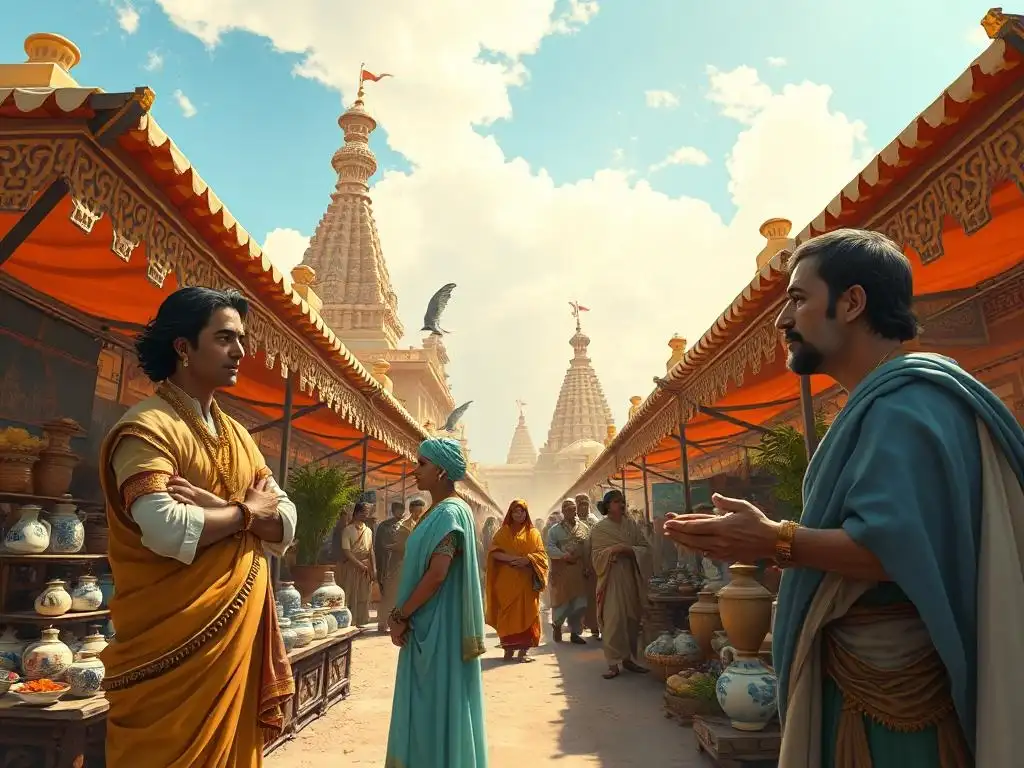
Goods and Commodities Traded
Ancient Indian foreign traders played a pivotal role in shaping the economy and culture of the region by introducing a variety of goods and commodities. The exchanges facilitated by these traders not only enriched local markets but also influenced social practices and cultural interactions. Below are some of the primary categories of goods that were traded.
Spices and Textiles
Spices and textiles were among the most sought-after commodities in ancient India. The subcontinent was known for its rich variety of spices, including:
- Black Pepper: Often referred to as "black gold," it was highly prized in Rome and beyond.
- Cardamom: Used for culinary and medicinal purposes, it was a staple in trade.
- Cinnamon: Sourced from the southern regions, it was another highly valued spice.
In addition to spices, India was famous for its textiles, especially:
- Silk: The Silk Route connected India with China, facilitating a lucrative trade of this luxurious fabric.
- Cotton Fabrics: Known for their quality, Indian cotton textiles were exported to various regions, including the Middle East and Europe.
- Woven Rugs: Intricately designed rugs showcased the artisanship of Indian weavers and were in demand across continents.
The impact of these traded goods was profound, influencing culinary practices and fashion trends in distant lands.
Precious Metals and Stones
Foreign traders also introduced and exchanged precious metals and stones that significantly impacted ancient Indian society. Key items included:
- Gold and Silver: These were not only used as currency but also played a role in religious and cultural practices.
- Gemstones: India was a vital source of diamonds, rubies, and emeralds, which were sought after in markets far beyond its borders.
- Copper and Bronze: These metals were essential for crafting tools, weapons, and decorative items.
The influx of these materials contributed to the wealth of various kingdoms, fostering a culture of craftsmanship and artistry in metalwork.
Artifacts and Cultural Items
Trade with foreign traders also facilitated the exchange of cultural artifacts and items that enriched the social fabric of ancient Indian society. Notable contributions included:
- Religious Art: Items such as sculptures and idols from foreign cultures found their way into Indian temples, influencing local artistic expressions.
- Writing Materials: The introduction of papyrus and other writing materials helped in the documentation of history and literature.
- Philosophical Texts: Trade routes allowed for the exchange of texts, promoting the spread of ideas and philosophies between cultures.
These artifacts not only served practical purposes but also played a role in cultural assimilation and exchange.
Impact of Trade Goods on Ancient Indian Society
The arrival of foreign traders and their goods had a profound impact on ancient Indian society. The introduction of new commodities influenced various aspects of life, from economic practices to social customs.
- Economic Growth: Trade led to the emergence of vibrant marketplaces and increased wealth among traders and local artisans. The economy thrived as new products were introduced, creating demand and enhancing productivity.
- Cultural Exchange: The interaction between traders and local populations facilitated a rich exchange of cultural practices, languages, and ideas. This melding of cultures led to the development of new art forms, culinary practices, and social norms.
- Social Stratification: The wealth generated from trade contributed to the rise of merchant classes, leading to changes in social structure. Increased wealth and influence of traders allowed them to gain prominence, sometimes challenging traditional power dynamics.
- Technological Advancements: Exposure to foreign technologies and craftsmanship significantly influenced local practices. Innovations in shipbuilding, navigation, and agricultural techniques were adopted and adapted over time.
Ancient Indian foreign traders were not just merchants; they were pivotal agents of change who brought diverse goods, fostered economic growth, and facilitated cultural exchanges that shaped the rich tapestry of ancient Indian civilization.
The Trade Routes of Ancient Indian Foreign Traders
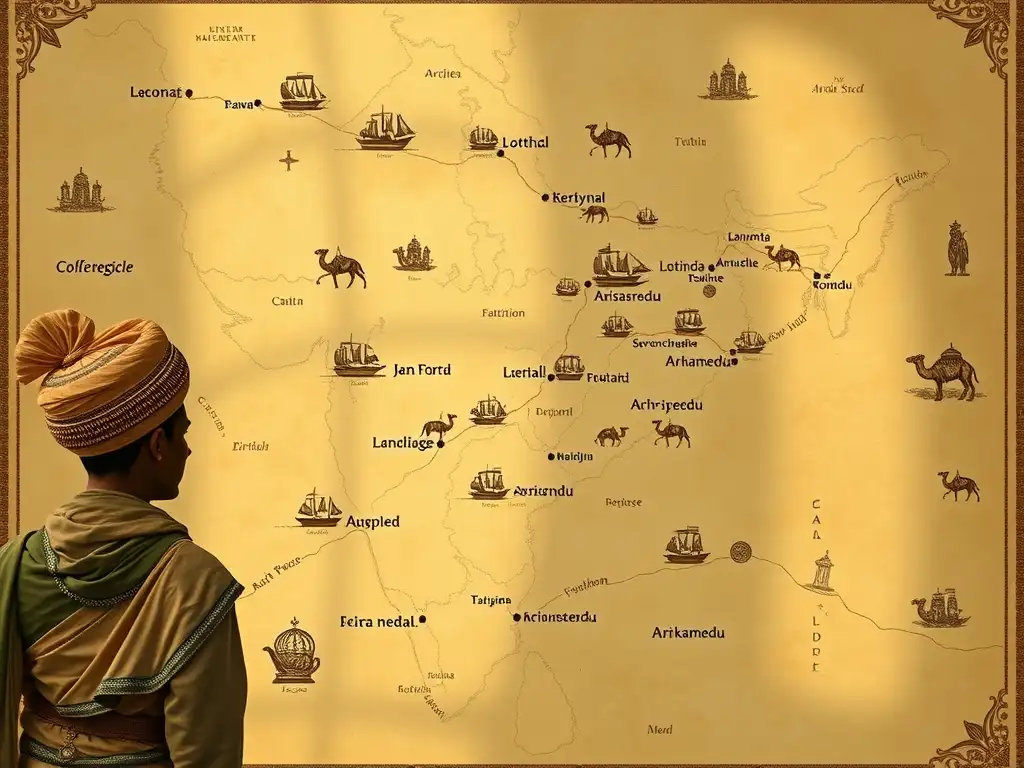
Major Trade Routes Connecting India to the World
Ancient India was a major hub of trade, connecting various civilizations through a complex network of trade routes. These routes facilitated the exchange of not only goods but also ideas, cultures, and technologies. The primary trade routes can be categorized into two main types: overland and maritime.
- Overland Trade Routes:
- Silk Road: This famous route linked India to Central Asia, the Middle East, and eventually Europe. It was crucial for the exchange of silk, spices, and precious stones. Traders from India would transport goods like textiles and spices to regions as far as Rome and Persia.
- Royal Road: Established by the Persian Empire, this road connected the Indian subcontinent with Persia, enabling the flow of goods such as indigo and ivory.
- Southern Trade Routes: The routes connecting Tamil Nadu to Sri Lanka and Southeast Asia were vital for trading spices and gems, showcasing India's influence in the maritime commerce of the time.
- Maritime Trade Routes:
- Indian Ocean Trade Network: This network linked India to Africa, Arabia, and the islands of Southeast Asia. Merchants used monsoon winds for navigation, allowing for seasonal trade cycles.
- Ports like Lothal and Bharukaccha: These ports were significant for maritime trade, facilitating the export of goods like cotton and metalwork, while importing luxury items such as glassware and gold.
The strategic location of India, with access to both land and sea routes, made it a focal point for traders from various civilizations, enhancing its economic prosperity.
Land and Maritime Trade Networks
The trade networks of ancient India were sophisticated and well-organized, promoting extensive commerce across vast distances.
- Land Networks:
- Caravan Trade: Merchants traveled in caravans, which allowed for safer passage across challenging terrains. Key goods traded included spices, textiles, and agricultural products.
- Trade Cities: Cities such as Pataliputra, Ujjain, and Varanasi became essential trade hubs, thriving on the commerce facilitated by these overland routes.
- Maritime Networks:
- Shipbuilding Innovations: The development of advanced ships enabled longer voyages and increased trade volume. Indian shipbuilders were known for their craftsmanship, creating vessels that could handle rough seas.
- Cultural Exchange: Maritime trade not only brought in goods but also led to cultural interactions, as traders exchanged languages, religions, and customs, notably introducing Buddhism to various regions.
The integration of these land and maritime trade networks significantly contributed to the economic and cultural richness of ancient India, making it a pivotal player in global trade.
Influence of Geography on Trade Practices
Geography played a crucial role in shaping the trade practices of ancient Indian foreign traders.
- Coastal Proximity:
- The extensive coastline of India facilitated maritime trade, allowing easy access to the Indian Ocean and beyond. This geographical advantage enabled the development of significant ports that became bustling centers of commerce.
- Natural Resources:
- India's diverse geography provided a wealth of natural resources, including spices, textiles, and precious stones. These commodities were highly sought after in global markets, driving trade demand.
- Climate and Monsoons:
- The monsoon winds influenced trade patterns, as traders timed their voyages according to seasonal changes. Understanding these climatic conditions allowed merchants to optimize their routes and ensure the timely delivery of goods.
The interplay between geography and trade practices not only enhanced the efficiency of ancient Indian foreign traders but also facilitated the establishment of lasting trade relationships with other civilizations, shaping the economic landscape of ancient India.
The Economic Impact of Foreign Trade in Ancient India
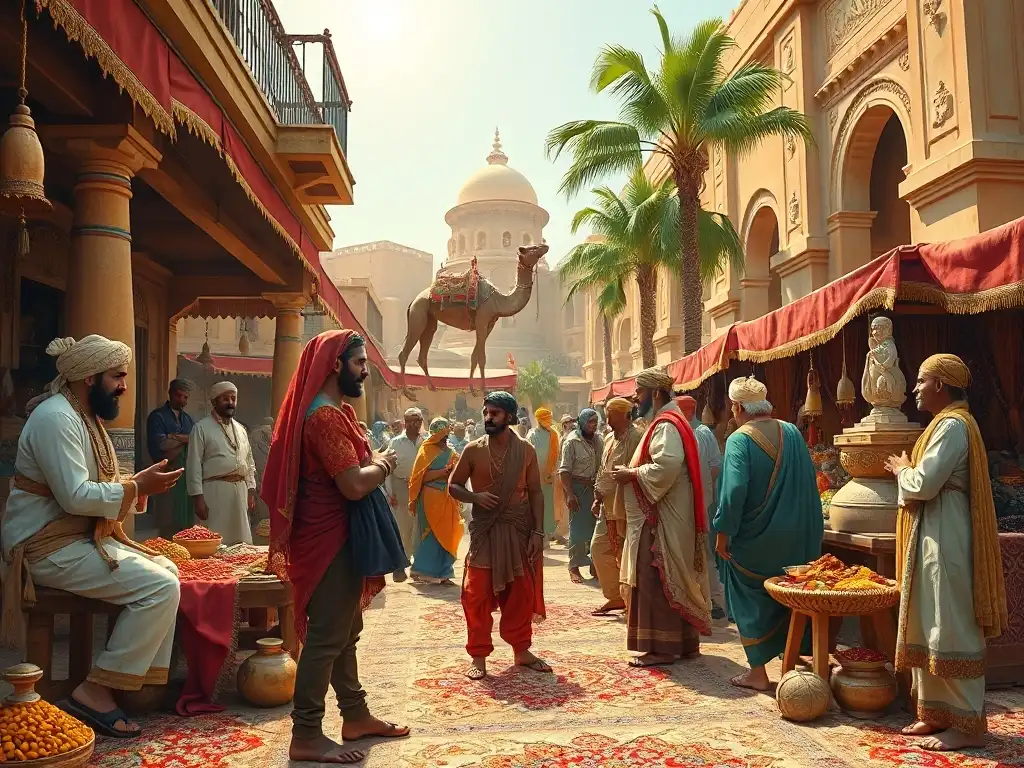
Contribution to the Ancient Indian Economy
Foreign trade played a pivotal role in shaping the ancient Indian economy, serving as a catalyst for growth and prosperity. By engaging in trade with various civilizations, ancient India was able to access a wealth of resources, driving economic diversification and innovation.
- Trade Routes and Networks: Ancient Indian foreign traders utilized extensive trade routes, including the Silk Road and maritime paths across the Indian Ocean. These routes facilitated the exchange of goods such as spices, textiles, precious stones, and metals, creating a robust trading network that connected India with regions as far as the Mediterranean and Southeast Asia.
- Economic Growth: The influx of goods and wealth from foreign trade contributed to significant economic growth. For instance, the thriving trade in spices, which were highly sought after in international markets, not only enriched merchants but also funded local economies. This growth can be seen through the rise of cities like Taxila and Ujjain, which became prominent trade centers.
- Taxation and Revenue: The government capitalized on foreign trade by imposing taxes on goods transported through Indian territories. This taxation system generated substantial revenue, which was crucial for maintaining the state apparatus and funding public works, including roads and irrigation systems.
Role of Foreign Traders in Urban Development
Foreign traders significantly influenced urban development in ancient India, leading to the emergence of vibrant trade hubs that fostered economic and cultural exchanges.
- Urbanization: The establishment of markets and trade centers attracted populations from rural areas, leading to urbanization. Cities such as Pataliputra and Lothal became bustling urban centers where traders and craftsmen coexisted, contributing to a dynamic urban culture.
- Infrastructure Development: To support the needs of traders and facilitate commerce, infrastructure improvements became necessary. This included the construction of ports, roads, and warehouses. For example, the port city of Lothal is renowned for its well-planned docks, which were instrumental in maritime trade.
- Cultural Melting Pots: As traders from diverse backgrounds settled in these cities, they brought their customs, traditions, and languages. This mixture of cultures led to a rich tapestry of social practices that influenced local cultures, evident in art, architecture, and culinary traditions.
Exchange of Ideas and Cultural Practices
The interactions between ancient Indian foreign traders and their counterparts from other civilizations resulted in a profound exchange of ideas and cultural practices.
- Cultural Diffusion: Trade routes served as conduits for cultural diffusion. The introduction of Buddhism to Central Asia and beyond can be attributed to traders who traveled along these routes. Similarly, Indian numerals and the concept of zero spread to the West through trade interactions.
- Technological Advancements: Foreign traders brought with them various technologies and innovations. The introduction of new agricultural techniques, metalworking skills, and crafts enriched local practices and contributed to advancements in various fields.
- Philosophical Exchanges: The convergence of diverse philosophical ideas led to enriched spiritual and intellectual discourse. The interactions among traders facilitated the exchange of religious beliefs, particularly the spread of Hinduism and Buddhism, influencing the spiritual landscape of many regions.
Ancient Indian foreign traders were not merely commercial agents; they were vital players in the economic, urban, and cultural development of ancient India, leaving a lasting legacy that shaped the Indian subcontinent's history.
Conclusion: The Legacy of Ancient Indian Foreign Traders
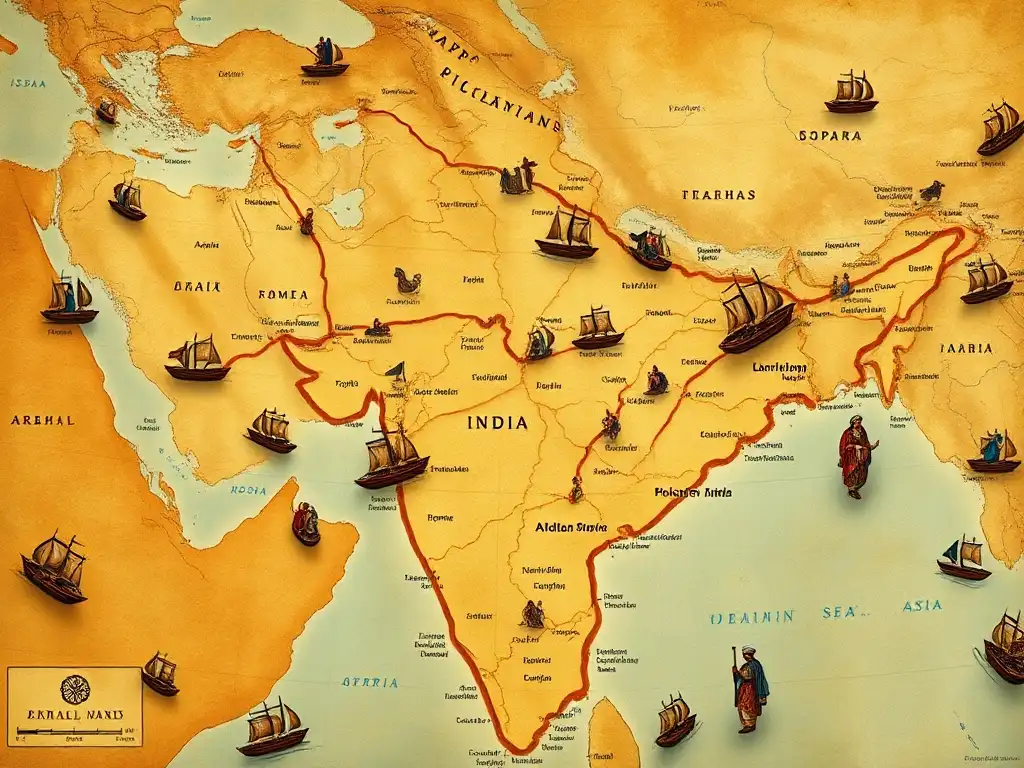
The legacy of ancient Indian foreign traders is a testament to the dynamic interplay of commerce and culture that shaped the subcontinent's history. These traders not only facilitated the exchange of goods but also acted as conduits for the flow of ideas and cultural practices across vast distances. Their influence can still be observed in contemporary trade practices and the multicultural fabric of Indian society.
Lasting Influence on Trade Practices Today
The methods and practices established by ancient Indian foreign traders have significantly influenced modern trade. Many principles of trade, such as bartering, negotiation, and the use of trade routes, trace their roots back to these early exchanges. Notable aspects include:
- Trade Networks: The extensive networks established by traders, such as the Silk Road and maritime routes, laid the groundwork for global trade. Today, nations continue to rely on these established paths, adapting them to modern logistics and transportation.
- Cultural Commodities: The ancient traders introduced various commodities, including spices, textiles, and precious stones, which are still integral to India's economy. For instance, Indian spices remain a global culinary staple, highlighting the enduring legacy of ancient trade.
- Economic Models: Ancient India’s trade practices influenced economic models, including the concept of currency and market systems, which have evolved but still retain foundational elements from ancient times.
The impact of these traders can also be seen in regional trade agreements and partnerships that echo the collaborative spirit of ancient commerce.
Reflection on the Cultural Exchange through Trade
The cultural exchange facilitated by ancient Indian foreign traders was profound, shaping not just economic landscapes but also societal values and traditions. Key elements of this cultural exchange include:
- Ideas and Philosophies: Traders were instrumental in the dissemination of ideas, including religious philosophies such as Buddhism and Jainism. These ideas traveled along trade routes, influencing diverse cultures and leading to the establishment of trade-based cultural exchanges.
- Art and Craftsmanship: The interaction between traders and local artisans led to the development of unique art forms and craftsmanship. The fusion of styles is evident in ancient Indian art, which incorporated influences from various cultures, enhancing its richness and diversity.
- Language and Literature: The mingling of traders from different regions contributed to the evolution of languages and literature. Exchange of stories, poetry, and scripts enriched the linguistic landscape, fostering a multicultural dialogue.
The contributions of ancient Indian foreign traders extend far beyond commerce; they have left a lasting imprint on trade practices and cultural exchanges that continue to resonate in modern society. Understanding their legacy allows us to appreciate the intricate tapestry of history that has shaped contemporary India and its global interactions.
Frequently Asked Questions
Who were the ancient Indian foreign traders?
Ancient Indian foreign traders included Persians, Greeks, and Arabs, who engaged in extensive trade with Indian civilizations, particularly during the Indus Valley and Gupta Empire periods.
What commodities did these traders exchange?
These traders brought various goods, including spices, silks, gems, and precious metals. In return, they took Indian products like cotton textiles and sandalwood back to their homelands.
How did the presence of foreign traders influence ancient Indian culture?
The interaction with foreign traders led to the exchange of ideas, art, and religions, enriching ancient Indian culture and facilitating the spread of Buddhism and Hinduism beyond India.
What were the main trade routes used by foreign traders in ancient India?
Key trade routes included the Silk Road, connecting India with China and the Roman Empire, as well as maritime routes linking India with Southeast Asia and the Middle East.
How did foreign trade impact the economy of ancient India?
Foreign trade significantly boosted the economy of ancient India by enhancing commercial activity, leading to urbanization, and fostering cultural exchanges that enriched both local and foreign societies.
Final Reflection: The Enduring Legacy of Ancient Indian Foreign Traders
The exploration of ancient Indian foreign traders reveals not only the rich tapestry of cultural exchange but also underscores their profound impact on the world today. As we delve into the past, we uncover how these traders were not merely merchants; they were the architects of globalization, bridging diverse cultures and economies long before the term was even coined. Their journeys and interactions laid the groundwork for the interconnected world we navigate today, reminding us that trade has always been a powerful catalyst for change.
The influence of ancient Indian foreign traders continues to resonate in our cultural and social landscapes, shaping our understanding of diversity and cooperation. Their legacy is evident in the myriad of spices, textiles, and ideas that flowed through trade routes, enriching societies across continents. As historian Romila Thapar aptly stated, Trade is not just an exchange of goods; it is an exchange of ideas, beliefs, and cultures.
This observation highlights the vital role that these traders played in fostering mutual respect and understanding among different civilizations, a lesson that remains relevant in our increasingly globalized society.
As we reflect on the journeys of these ancient traders, let us embrace the spirit of curiosity and openness that they embodied. I invite you to consider how you can foster connections in your own life, whether through learning about different cultures, engaging in dialogue, or supporting local artisans.
By doing so, we honor the legacy of those who came before us and contribute to a world that values diversity and collaboration. The story of ancient Indian foreign traders is not just history; it is a call to action for us all to build bridges in our communities and beyond.
Unlock the Secrets of Ancient Trade Networks!
Thank you for diving into the fascinating world of foreign traders in ancient India! Your journey through history has revealed the intricate web of cultural exchanges and valuable goods that shaped civilizations. Now, it’s time to take your newfound knowledge further and embrace the legacy of these ancient merchants.
Here are some meaningful steps you can take next:
- Dive Deeper: Explore additional resources on ancient trade routes and their impact on Indian culture—check out our recommended readings section!
- Share Your Insights: Discuss what you learned with friends or in online forums. Your perspective can spark engaging conversations about the role of trade in shaping societies.
- Visualize History: Create a visual timeline of key trading events in ancient India. Use illustrations, maps, or infographics to help others grasp these connections more effectively.
What aspect of ancient trade intrigues you the most, and how do you think it influences today’s global exchanges?