
The Role of Religion in Ancient Indian Trade Practices


Welcome to Ancient India History, where we embark on a fascinating journey through the rich tapestry of one of the world's oldest civilizations. In this captivating exploration, we delve into the intricate relationship between religion and trade in ancient India, uncovering how spiritual beliefs shaped economic practices and fostered connections across vast regions.
Prepare to be intrigued as we reveal the profound impact of faith on commerce, laying the groundwork for the vibrant trade networks that flourished from the Indus Valley to the Gupta Empire. Join us as we unravel the layers of this compelling narrative and discover the remarkable contributions of ancient Indian societies to the global economy.
Introduction to Religion and Trade in Ancient India
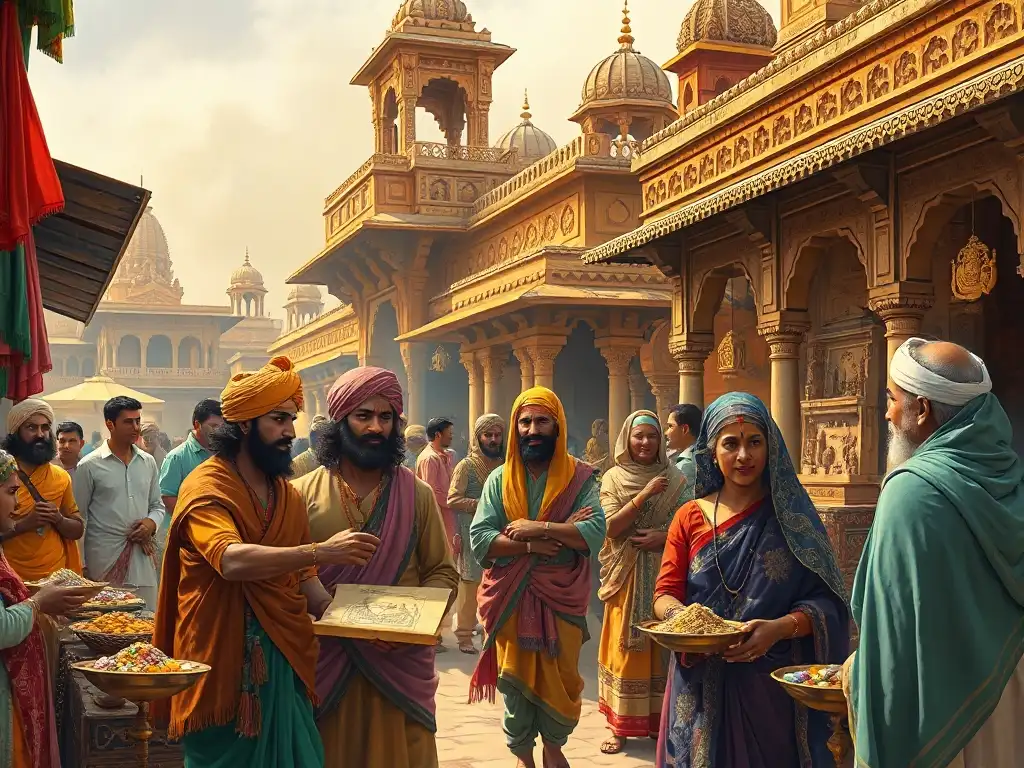
The intersection of religion and trade in ancient India played a crucial role in shaping not only the economic landscape but also the social and cultural dynamics of the time. As a civilization deeply rooted in spirituality, various religious beliefs influenced the practices and norms of trade, guiding merchants and traders in their dealings.
From the bustling markets of the Indus Valley Civilization to the extensive trade networks established during the Maurya and Gupta Empires, religion provided a framework for ethical conduct, community relations, and international commerce. Understanding the role of religion in trade practices unveils the complexities of ancient Indian society and highlights the significance of spiritual beliefs in economic interactions.
Overview of Ancient Indian Trade Practices
Ancient India was a hub of trade, characterized by a multitude of routes that connected it to neighboring regions and distant lands. Major trade routes, such as the Silk Road and maritime pathways, facilitated the exchange of goods, ideas, and cultures. The availability of valuable commodities like spices, textiles, and precious stones attracted traders from various civilizations, including the Romans, Greeks, and Persians.
Key elements of ancient Indian trade practices included:
- Trade Routes: The establishment of well-defined routes, both overland and maritime, which played a vital role in commerce.
- Markets and Trade Centers: Vibrant marketplaces were central to trade, fostering economic interactions and cultural exchanges.
- Barter System: Initially, goods were exchanged directly without the use of money, relying on a system of barter that necessitated mutual agreement on value.
Importance of Religion in Ancient Economies
Religion in ancient India was not merely a personal belief system; it permeated every aspect of life, including trade. The ethical teachings found in religious texts influenced trade practices significantly. Here are a few ways religion shaped these practices:
- Ethical Guidelines: Religious doctrines often provided ethical guidelines that governed transactions, ensuring fairness and honesty in trade.
- Cultural Exchange: Religious festivals and rituals often coincided with trade fairs, enhancing cultural exchanges and interactions among diverse groups of people.
- Community Trust: Shared religious beliefs fostered trust among traders, facilitating smoother transactions and long-lasting trade relationships.
Major Religions Influencing Trade in Ancient India
Several major religions flourished in ancient India, each contributing uniquely to trade practices and interactions.
Hinduism and Its Impact on Trade Routes
Hinduism, as one of the predominant religions in ancient India, greatly influenced trade practices through its values and beliefs. The caste system, while often critiqued, organized society in a way that allowed for specialized trades and professions. Merchants, often part of the Vaishya caste, adhered to religious principles that encouraged fair trade practices, such as:
- Dharma: The concept of duty and righteousness, which guided merchants in their dealings.
- Pilgrimage Trade: The practice of pilgrimage also fostered trade, as pilgrims exchanged goods along their journeys to sacred sites.
Buddhism's Role in Promoting Trade Relations
Buddhism emerged as a significant force in ancient Indian society, promoting values such as compassion and non-attachment. Its influence on trade can be seen through:
- Monastic Trade: Buddhist monasteries often served as trade hubs, facilitating commerce through the exchange of goods and services.
- Diplomatic Relations: Buddhist emissaries helped establish diplomatic relations with other cultures, enhancing trade opportunities and fostering peaceful exchanges.
Jainism and Ethical Trade Practices
Jainism, with its rigorous emphasis on non-violence and truthfulness, profoundly impacted trade ethics in ancient India. Jains practiced:
- Ahimsa: The principle of non-violence influenced their choices in trade, often opting for goods that caused minimal harm to living beings.
- Transparency in Transactions: The commitment to truthfulness ensured that Jains maintained integrity in their trade practices, gaining respect and trust among other traders.
The interplay between religion and trade in ancient India not only shaped economic practices but also laid the groundwork for cultural and ethical standards that resonated throughout history. Understanding these dynamics provides a richer perspective on the ancient Indian economy and its enduring legacy.
The Intersection of Religion and Trade

The interplay between religion and trade in ancient India is a fascinating area of study that illustrates how spiritual beliefs and economic activities were deeply intertwined. Religion not only shaped the moral and ethical frameworks within which trade occurred but also influenced trade practices, routes, and relationships among traders.
Merchants, often viewed as custodians of both economic and spiritual wealth, engaged in trade not just for profit but as a means of fulfilling religious duties and connecting with the divine. The presence of various religious communities along trade routes fostered an environment where cultural exchange thrived, allowing for the dissemination of ideas, goods, and religious practices that enriched the societies involved.
In ancient India, major trade routes were frequently dotted with shrines and temples, serving as waypoints for traders. These sacred sites provided not only spiritual refreshment but also opportunities for commercial activities. Trade fairs and markets often coincided with religious festivals, further bridging the gap between commerce and spirituality. This symbiotic relationship highlights how ancient Indian societies viewed trade not merely as a means of economic sustenance, but as a vital aspect of their religious and cultural identity.
Religious Festivals and Their Influence on Trade Activities
Religious festivals in ancient India served as significant catalysts for trade activities, drawing merchants and consumers from various regions. Festivals such as Diwali, Makar Sankranti, and Holi were not only celebrated with fervor but also transformed into vibrant marketplaces. During these times, towns and cities became bustling hubs of economic exchange, where traders showcased their goods, ranging from textiles to spices, often specially prepared for the occasion.
The influx of people during these festivals created a heightened demand for certain commodities, leading to an increase in trade volume. Merchants would often prepare their stock in anticipation of these events, ensuring they offered items that held religious significance or were in high demand during celebrations. For instance, offerings for deities, sweets for guests, and decorative items would see a surge in sales, impacting local economies. Thus, religious festivals played a dual role in ancient Indian society—celebrating spiritual beliefs while simultaneously fostering economic growth.
Pilgrimages as Economic Catalysts
Pilgrimages were an integral aspect of ancient Indian religion, with individuals traveling vast distances to sacred sites. This movement of people not only served spiritual purposes but also acted as a powerful economic driver. Major pilgrimage centers, such as Varanasi, Kashi, and Puri, attracted thousands of devotees, creating a significant demand for goods and services.
Local economies benefitted immensely from the influx of pilgrims, as merchants catered to the needs of travelers by selling food, clothing, and religious artifacts. The presence of pilgrims also encouraged the establishment of inns, eateries, and shops, turning these areas into thriving marketplaces. Furthermore, the routes taken by pilgrims often became established trade paths, facilitating the exchange of goods among different regions and cultures. Hence, the act of pilgrimage contributed significantly to the economic landscape of ancient India.
Sacred Sites and Their Role in Trade Networks
Sacred sites in ancient India were not only places of worship but also pivotal points in trade networks. These locations often served as meeting places for traders from diverse backgrounds, allowing for the exchange of not just goods but also cultural practices and religious beliefs. Temples and shrines were frequently situated along important trade routes, facilitating interaction between merchants and local communities.
The economic activities surrounding these sacred sites often included the sale of offerings, religious artifacts, and food items. Additionally, the presence of wealthy patrons who donated to temples fostered a cycle of economic prosperity, as these funds were often reinvested into the local economy. Consequently, sacred sites emerged as both spiritual havens and economic powerhouses, illustrating the interconnectedness of religion and trade in ancient India.
Trade Goods and Religious Significance
The goods traded in ancient India often carried profound religious significance, with many items serving both practical and spiritual purposes. The exchange of such goods was not merely a commercial transaction; it was imbued with cultural and religious meaning. For instance, certain textiles were woven with religious motifs, making them valuable not only for their craftsmanship but also for their spiritual connotations.
Moreover, the presence of specific goods in trade—such as incense, statues, and ritual items—reflects the deep-seated traditions and practices of various religious communities. These items often traveled along trade routes, contributing to a shared cultural heritage that transcended regional boundaries.
Spiritual Artifacts and Their Market Value
Spiritual artifacts, including idols, manuscripts, and religious texts, held substantial market value in ancient India. They were often crafted with meticulous attention to detail and were believed to possess divine qualities. Such artifacts were not only sought after by worshippers but also by collectors and scholars, which drove their demand in trade.
The trade of these artifacts was regulated by a set of cultural norms and religious beliefs, ensuring that their distribution aligned with spiritual guidelines. The importance placed on these items meant that their trade was often intertwined with religious ceremonies, further enhancing their value. As a result, spiritual artifacts became significant commodities within the broader context of ancient Indian trade practices.
The Role of Religious Texts in Trade Documentation
Religious texts played a critical role in the documentation of trade practices in ancient India. Texts such as the Arthashastra by Kautilya provided guidelines on trade regulations, market practices, and ethical considerations for merchants. These writings served not only as instructional materials but also as moral compasses for traders, emphasizing the importance of honesty and fairness in commerce.
Additionally, the use of religious texts in trade documentation ensured that transactions were recorded in a manner that respected spiritual beliefs and cultural traditions. This blend of religious and economic literature contributed to a structured trading environment, where merchants operated within a framework that valued both profit and piety.
Trade in Religious Symbols and Iconography
The trade in religious symbols and iconography was a prominent aspect of ancient Indian commerce. Symbols such as the Om, Swastika, and various deity representations were not only significant in religious contexts but also served as powerful commercial commodities. These items were often used to decorate homes, temples, and public spaces, creating a demand that transcended local boundaries.
Merchants who specialized in religious iconography played a vital role in disseminating these symbols across regions, contributing to a shared cultural identity. The trade of religious symbols also facilitated intercultural exchanges, as different communities adopted and adapted these icons into their own practices. Thus, the trade in religious symbols and iconography was a vital component of both the economic and spiritual fabric of ancient India.
The Influence of Religion on Trade Regulations
Religion played a critical role in shaping trade regulations in ancient India. The various religious doctrines, beliefs, and ethical guidelines influenced how trade was conducted, the kinds of goods traded, and the relationships between traders. Religious texts and teachings often laid down specific rules regarding fair trade practices, ensuring that traders operated within a framework that was acceptable to their communities. These regulations were pivotal in establishing trust and promoting long-term economic relationships among traders, thereby facilitating smoother transactions.
For instance, the Dharma Shastras, ancient Hindu legal texts, provided comprehensive guidelines on trade ethics, such as the importance of honesty, fairness, and respect for contracts. These texts prescribed penalties for dishonest practices, reinforcing the idea that ethical conduct was not only a social obligation but also a religious duty. Similarly, Buddhist teachings emphasized the principle of Right Livelihood, which encouraged traders to engage in fair practices that did not harm others. This religious influence created a structured environment for trade, encouraging compliance with ethical standards.
Religious Laws Affecting Trade Practices
Religious laws significantly impacted trade practices by establishing a framework of accepted behaviors and norms. In ancient India, different religions, including Hinduism, Buddhism, and Jainism, contributed unique perspectives on commerce and trade. For instance, the Hindu scriptures mandated that traders should avoid deceitful practices, such as false weights and measures. This adherence to religious laws ensured that trade was conducted with a sense of accountability and integrity.
Similarly, Jainism placed a strong emphasis on non-violence (Ahimsa) and truthfulness in trade practices. Jains often avoided trading in goods that could cause harm to living beings, such as animal products. This religious directive led to the establishment of a distinct economic sector focused on vegetarian products and textiles, demonstrating how religious laws could shape the marketplace.
Ethical Considerations in Trade: A Religious Perspective
Ethics in trade, heavily influenced by religious beliefs, was paramount in ancient Indian society. Traders were expected to uphold both moral and ethical standards, as dictated by their religious affiliations. For example, the concept of Dharma in Hinduism emphasized duty and righteousness, compelling merchants to conduct their business honorably. Ethical considerations included fair pricing, transparency in transactions, and respect for the rights of consumers and fellow traders.
In Buddhism, ethical trade practices were reinforced through the teachings of compassion and mindfulness. Traders were encouraged to consider the broader implications of their trade on society and the environment. This ethical framework fostered a community of traders who valued fairness and integrity, leading to healthier economic relationships and trade networks.
Influence of Religious Leaders in Trade Agreements
Religious leaders often played a crucial role in mediating trade agreements and disputes in ancient India. These figures, respected within their communities, provided a moral compass for traders, ensuring that agreements adhered to religious and ethical standards. For instance, local priests or monks could be called upon to witness trade transactions and provide blessings, reinforcing the legitimacy of the agreements made.
Additionally, religious gatherings and festivals often served as platforms for merchants to convene and establish trade ties. These events were not merely economic opportunities but also spiritual gatherings, where the influence of religious leaders reinforced the importance of ethical trading. The endorsement of a trade agreement by a respected religious figure could significantly enhance its credibility, thus facilitating smoother trade relations.
Comparative Analysis of Religious Influence on Trade
The interplay between religion and trade practices in ancient India varied across different religious traditions, each offering distinct principles and guidelines that shaped the economic landscape. A comparative analysis reveals both similarities and differences in how these religions influenced trade.
Comparison of Hindu, Buddhist, and Jain Trade Practices
Hinduism, Buddhism, and Jainism each contributed unique ethical frameworks to trade practices. Hindu traders were largely guided by the principles outlined in the Dharma Shastras, which emphasized honesty, fairness, and the fulfillment of one's dharma in economic activities. In contrast, Buddhist trade practices were characterized by a focus on compassion and mindfulness, with an emphasis on the welfare of all beings involved in the trading process.
Jainism, with its stringent adherence to non-violence and truthfulness, often led Jains to avoid certain trades that could cause harm, such as those involving meat or animal products. This commitment to ethical trading fostered a distinctive trade culture that prioritized sustainability and respect for life. Each of these traditions offered a unique approach to trade that reflected their core beliefs and values, ultimately enriching the economic interactions within ancient Indian society.
Regional Variations in Religion and Trade Dynamics
Regional variations in religion significantly influenced trade dynamics across different parts of ancient India. Areas with a strong Buddhist presence, such as the regions of Bihar and Uttar Pradesh, often saw trade practices that prioritized ethical considerations and communal welfare. Buddhist traders were known for their adherence to fair trade principles, which facilitated trade relationships with other cultures along the Silk Road.
In contrast, regions with a predominant Hindu influence, such as Gujarat and Tamil Nadu, exhibited a more diverse range of trade practices, reflecting the intricate social and economic structures of Hindu society. Here, trade was often intertwined with religious festivals and rituals, fostering a vibrant marketplace that celebrated both commerce and spirituality.
Jain communities, particularly in western India, developed their own unique trade networks that emphasized ethical trading and environmental sustainability. The Jains' commitment to non-violence and their avoidance of harm influenced their choice of goods and trading partners, creating a distinctive economic identity influenced by their religious beliefs.
Overall, the interplay of religion and trade in ancient India highlights the profound impact of religious beliefs on economic practices, shaping the trade landscape in diverse and complex ways.
Case Studies of Religion and Trade in Major Trade Routes
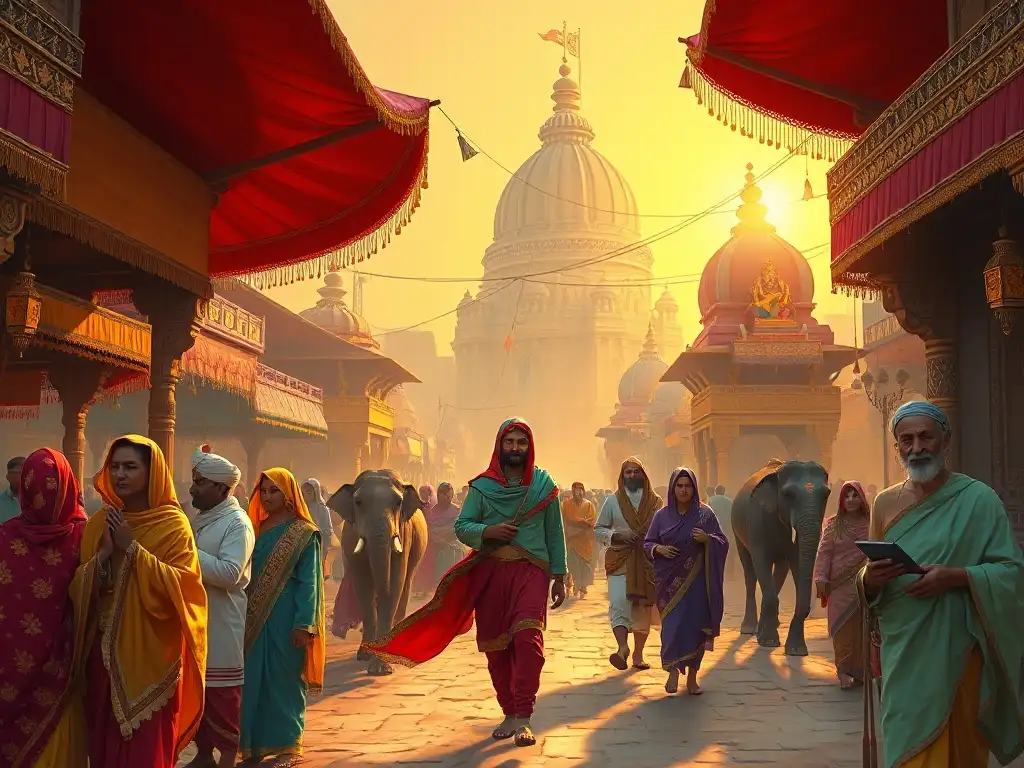
The intertwining of religion and trade in ancient India is evidenced through various case studies, particularly along major trade routes such as the Silk Road and the Maritime Trade Routes. These routes not only facilitated the exchange of goods but also served as conduits for cultural and religious interactions. The merchants who traversed these paths often carried with them not just commodities, but also their beliefs and practices, influencing the regions they encountered.
The Silk Road: A Religious Crossroad
The Silk Road, an extensive network of trade routes connecting the East and West, was pivotal in the exchange of not only silk and spices but also ideas, philosophies, and religions. Merchants, travelers, and pilgrims journeyed along this route, spreading religions such as Buddhism, Hinduism, and Jainism.
- Buddhism's Spread: As Buddhist monks and traders traveled from India to Central Asia and beyond, they established monasteries and shrines, thereby promoting the religion. The transmission of Buddhist texts and art significantly shaped the cultural landscapes of regions like China and Mongolia.
- Hinduism and Trade: Hindu merchants also played a role in disseminating their beliefs along the Silk Road. Temples often served as rest stops for traders, where they could worship and engage with local communities, fostering relationships that facilitated trade.
- Cultural Exchanges: The interaction between different religious groups led to syncretism, where local beliefs were often blended with the teachings of Buddhism and Hinduism. This cultural exchange not only enriched the spiritual lives of individuals but also encouraged trade partnerships that spanned vast distances.
The Maritime Trade Routes: Religion's Role in Commerce
The Maritime Trade Routes, which connected the Indian subcontinent with Southeast Asia, the Middle East, and Africa, were equally significant for the interplay between religion and commerce.
- Hindu and Islamic Influence: As trade flourished, Hindu traders established strong networks in Southeast Asia, where they influenced local cultures and religions. The spread of Hinduism and later Islam led to the establishment of important trade cities, such as Srivijaya, which became centers of commerce and religious learning.
- Trade and Pilgrimage: The sea routes also facilitated pilgrimages. For instance, the journey to the holy sites of Hinduism and Buddhism on the subcontinent was often undertaken by traders who, while conducting business, also performed religious duties, thus intertwining their economic and spiritual lives.
- Cultural Syncretism: The blending of religious practices along these maritime routes is evident in the adoption and adaptation of Indian religious motifs in Southeast Asian art and architecture, which were often commissioned by wealthy merchants seeking favor from the gods for their ventures.
Conclusion
Summary of the Relationship Between Religion and Trade in Ancient India
The relationship between religion and trade in ancient India was complex and multifaceted. Religion not only influenced the moral and ethical practices of traders but also provided a framework for trust and cooperation among diverse groups. Religious festivals and rituals often coincided with trade events, creating an environment conducive to commerce. The shared religious beliefs among traders facilitated smoother transactions, as they fostered a sense of community and mutual respect.
The Lasting Impact of Religion on Modern Trade Practices in India
The legacy of ancient religious influences on trade practices remains evident in modern India. Many contemporary business practices still reflect the ethical values derived from religious teachings. For instance, the concept of Dharma (duty) encourages fair trade and ethical business practices. Additionally, festivals rooted in religious traditions continue to play a significant role in the economic life of communities, driving commerce during peak seasons. The intersection of religion and trade, forged in ancient times, continues to shape the economic landscape of modern India, highlighting the enduring influence of its rich cultural heritage.
- Introduction to Religion and Trade in Ancient India
- Overview of Ancient Indian Trade Practices
- Importance of Religion in Ancient Economies
- Major Religions Influencing Trade in Ancient India
- The Intersection of Religion and Trade
- Trade Goods and Religious Significance
- The Influence of Religion on Trade Regulations
- Comparative Analysis of Religious Influence on Trade
- Case Studies of Religion and Trade in Major Trade Routes
- The Silk Road: A Religious Crossroad
- The Maritime Trade Routes: Religion's Role in Commerce
- Conclusion
- What role did religion play in ancient Indian trade practices?
- How did religious beliefs affect trade routes in ancient India?
- Were there specific gods or deities associated with trade in ancient India?
- How did trade contribute to the spread of religion in ancient India?
- What impact did the Gupta Empire have on religion and trade?
Frequently Asked Questions
What role did religion play in ancient Indian trade practices?
Religion significantly influenced trade practices by establishing ethical guidelines and social norms that traders followed, ensuring trust and fairness in transactions.
How did religious beliefs affect trade routes in ancient India?
Religious beliefs often determined the choice of trade routes, with merchants favoring paths that connected sacred sites, which facilitated both commerce and pilgrimage activities.
Were there specific gods or deities associated with trade in ancient India?
Yes, gods like Ganesha, the remover of obstacles, and Lakshmi, the goddess of wealth, were revered by traders, as they sought divine blessings for successful and prosperous ventures.
How did trade contribute to the spread of religion in ancient India?
Trade routes acted as conduits for the exchange of ideas, allowing religions such as Buddhism and Hinduism to spread across regions as merchants shared beliefs along with goods.
What impact did the Gupta Empire have on religion and trade?
The Gupta Empire promoted a flourishing trade economy that was closely linked to religious patronage, enhancing the cultural exchange and economic prosperity that defined the era.
Final Reflection: The Interwoven Tapestry of Religion and Trade in Ancient India
The intricate relationship between religion and trade in ancient India remains profoundly relevant today, as it highlights the ways in which belief systems can shape economic practices and social interactions. The historical significance of this connection not only informs our understanding of ancient societies but also serves as a reminder of how cultural values continue to influence modern commerce. As we navigate an increasingly globalized world, the lessons from ancient Indian trade practices urge us to consider the ethical dimensions of our economic decisions.
The impact of religion on trade in ancient India is a testament to the enduring power of belief systems in shaping societal structures and economic behaviors. From the sacred texts that guided merchants to the rituals that accompanied trade transactions, religion provided a moral framework that fostered trust and cooperation among traders. As Mahatma Gandhi once said, “The best way to find yourself is to lose yourself in the service of others.” This sentiment echoes the spirit of ancient Indian trade, where the intertwining of commerce and spirituality created a community-oriented approach that transcended mere profit-making.
As we reflect on the lessons of ancient Indian trade practices, let us embrace the idea that our economic choices can be informed by our values and beliefs. I invite you to consider how you can integrate the principles of integrity, community, and respect into your own interactions—be it in business or daily life. By doing so, we not only honor the legacy of our ancestors but also contribute to a more ethical and interconnected world, where trade serves as a bridge rather than a barrier.
Discover the Influence of Religion on Trade Practices!
Thank you for exploring the fascinating relationship between religion and ancient Indian trade practices. You've uncovered how spiritual beliefs shaped commerce, revealing the rich tapestry of cultural exchanges that defined the era. Now, it’s time to take that knowledge further and engage with this captivating history!
Here are some actionable steps to dive deeper:
- Explore the sacred texts: Read ancient scriptures such as the Vedas or the Arthashastra to understand the religious principles guiding trade practices.
- Join a discussion group: Connect with history enthusiasts on forums or social media platforms to share insights and expand your knowledge about ancient trade dynamics.
- Visit a local museum: Seek out exhibits that focus on ancient Indian artifacts related to trade, enhancing your understanding through firsthand experience.
What aspect of religion's impact on ancient trade practices surprises you the most, and why? Share your thoughts below!