
The Role of Women in Ancient Indian Trade and Economy

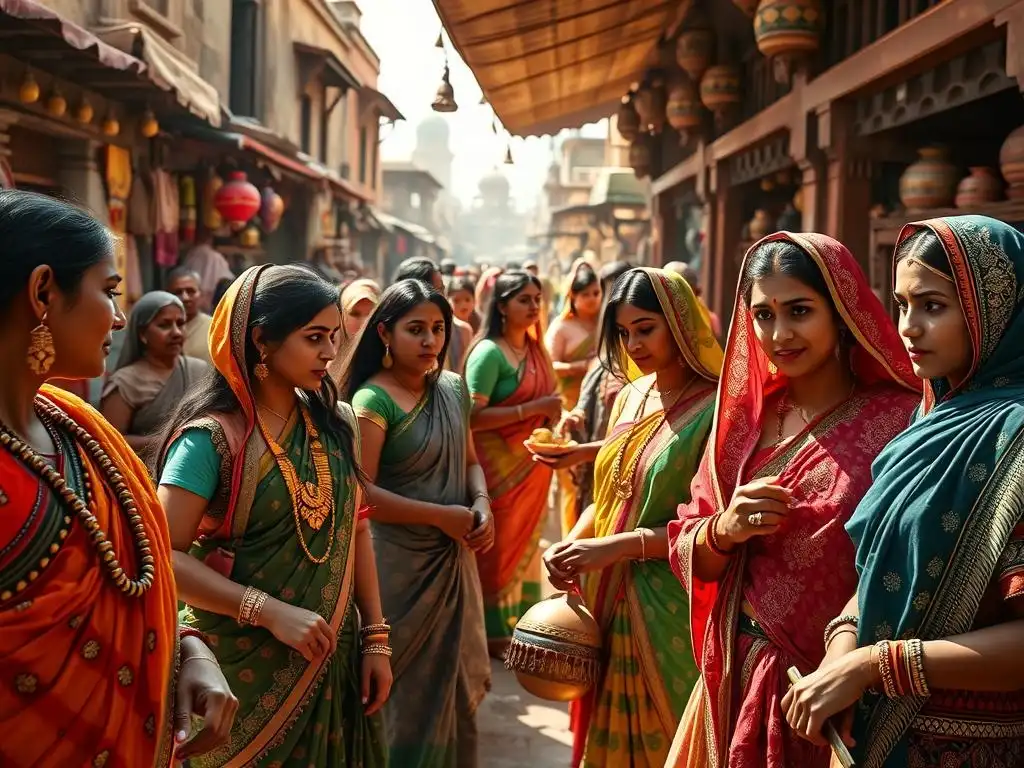
Welcome to Ancient India History, where we embark on a fascinating journey through the vibrant tapestry of India's past. Here, we delve into the intricate role of women in ancient Indian trade, uncovering their significant contributions to the economy and societal structures from the Indus Valley to the Gupta Empire. What were the dynamics of trade in a time when women's voices were often overshadowed?
Join us as we explore this captivating aspect of ancient civilization, and discover the profound impact these women had on shaping trade practices and economic growth. Read on to unlock the secrets of their legacy!
Introduction to Women in Ancient Indian Trade
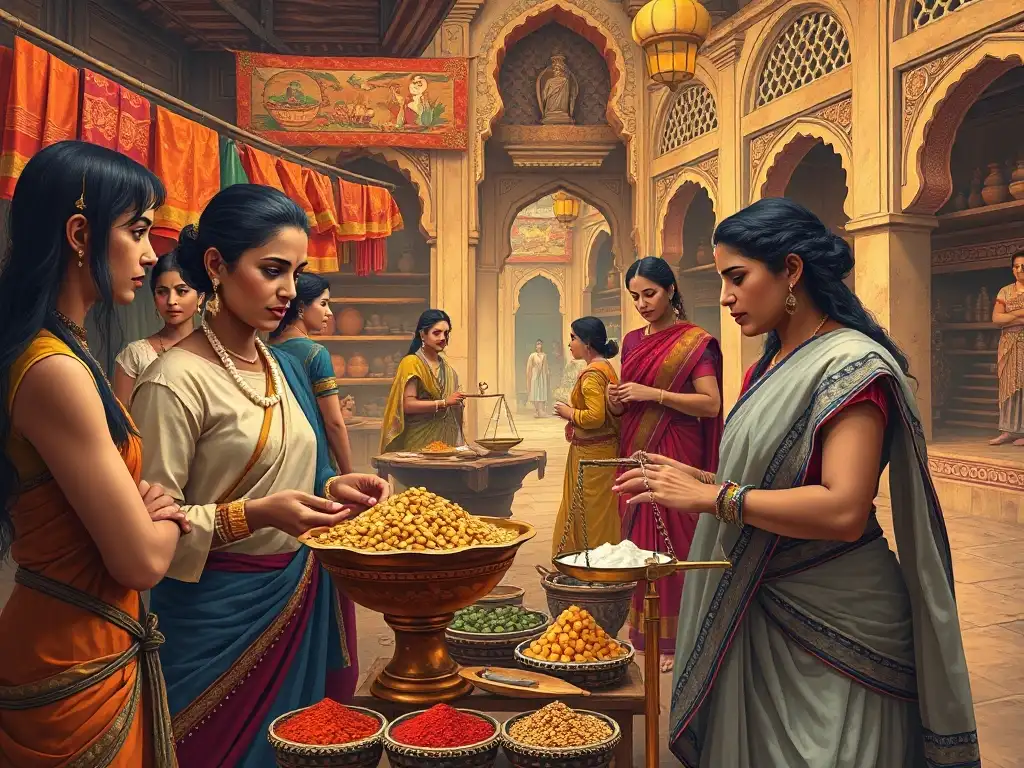
The role of women in ancient Indian trade and economy is a fascinating subject that highlights the integral part women played in shaping the economic landscape of their time. While often overlooked in historical narratives, women were not merely passive participants; they were active contributors to trade, commerce, and economic activities.
From the bustling markets of the Indus Valley Civilization to the thriving trade networks of the Gupta Empire, women engaged in a variety of roles that supported both local and long-distance trade. Understanding their contributions provides a richer perspective on the complexities of ancient Indian society and its economy.
Overview of Gender Roles in Ancient Indian Society
In ancient Indian society, gender roles were deeply ingrained, with specific expectations and responsibilities assigned to men and women. Typically, men were seen as the primary breadwinners and were often involved in trade and commerce. However, women, while primarily associated with domestic duties, also played crucial roles in the economic sphere.
- Household Managers: Women were responsible for managing household economies, which included producing goods for trade.
- Craftswomen: Many women were skilled artisans, creating textiles, pottery, and other items that were essential for trade.
- Market Participants: Evidence suggests that women actively participated in local markets as sellers and traders, engaging directly with the economy.
The flexibility of roles allowed women to influence economic activities in ways that were vital to sustaining their communities.
Significance of Women in Economic Activities
The significance of women in ancient Indian trade extends beyond mere participation; it encompasses the impact they had on economic growth and cultural exchange. Women contributed to both household economies and broader economic systems, influencing trade practices and market dynamics.
- Economic Independence: Many women gained a degree of economic independence through their involvement in trade, which empowered them within their communities.
- Cultural Exchange: Women acted as conduits of cultural exchange, sharing knowledge and practices across regions through their trade networks.
- Sustainability: Their contributions helped to sustain local economies, ensuring that resources were efficiently allocated and utilized.
Historical Context of Trade in Ancient India
To fully appreciate the role of women in ancient Indian trade, it is essential to understand the historical context of trade during this period. The trade networks were extensive, connecting various regions and cultures, with women playing a pivotal role in these exchanges.
Major Trade Routes and Their Importance
Ancient India was home to several major trade routes that facilitated the exchange of goods, ideas, and cultures. Some of the notable routes include:
- The Silk Road: Connecting India to Central Asia and beyond, this route allowed for the exchange of silk, spices, and other valuable commodities.
- The Spice Route: Particularly important for the trade of spices, this route enhanced India's economic status and attracted traders from all over the world.
- Maritime Trade Routes: With access to the Indian Ocean, ancient Indian ports became bustling centers of trade, where women were often seen engaging in trade activities.
These routes not only contributed to economic prosperity but also fostered cultural interactions that shaped the societies involved.
Economic Contributions of Ancient Indian Civilizations
The economic contributions of ancient Indian civilizations were immense, with trade being a key driver of growth. From the Indus Valley Civilization, which showcased advanced urban planning and trade practices, to the flourishing markets during the Gupta Empire, women played an essential role in these economic developments.
- Urban Centers: Cities such as Harappa and Mohenjo-Daro exemplified the sophistication of trade, where women were involved in various economic roles.
- Guilds and Cooperatives: Women participated in guilds, forming cooperatives that enhanced their bargaining power in trade.
- Cultural Artifacts: The trade of cultural artifacts, textiles, and craftsmanship included significant contributions from women, reflecting their skills and creativity.
Exploring the role of women in ancient Indian trade reveals a complex and dynamic contribution that was crucial to the economic fabric of their societies. Understanding this aspect provides a more comprehensive view of ancient India's rich history and diverse culture.
Women’s Participation in Trade Activities
Women played a significant role in the trade and economy of ancient India, contributing to both local markets and long-distance trade networks. Their involvement spanned various activities, from trading goods to participating in craftsmanship and production. Women in ancient Indian society were not confined to domestic roles; instead, many took part in economic activities that allowed them to engage with the broader market systems. Evidence from historical texts and archaeological findings indicates that women were integral to trade networks, influencing the economic landscape of their communities.
The participation of women in trade activities was often facilitated by their familial and social structures. In many cases, women inherited family businesses or were involved in cooperative trading practices. This allowed them to manage or operate shops and stalls in bustling markets, thereby asserting their presence in economic exchanges. Their roles were not only limited to selling goods; they also engaged in negotiations, pricing, and maintaining relationships with other traders, which were crucial for successful commerce.
Women as Traders and Merchants
Women in ancient India took on various roles as traders and merchants, actively participating in both local and long-distance trade. Historical accounts document women selling textiles, spices, and other goods in markets. For instance, women often worked alongside their husbands in family-operated businesses, sharing responsibilities and profits. Additionally, there is evidence suggesting that some women operated independently as merchants, particularly in urban areas where trade thrived.
In the context of long-distance trade routes like the Silk Road, women played a vital role as intermediaries and facilitators. They often acted as agents for their families or communities, negotiating deals and maintaining trade relationships across regions. This involvement was not only economically significant but also culturally influential, as women helped to spread ideas, traditions, and goods between diverse cultures.
Roles of Women in Craftsmanship and Production
The craftsmanship and production of goods in ancient India were significantly influenced by women. Many women were skilled artisans, engaged in the creation of textiles, pottery, and jewelry. These crafts were not only vital to local economies but also contributed to trade, as high-quality handmade goods were in demand both domestically and abroad.
Women often worked in cottage industries, where they produced goods from their homes. This practice allowed them to balance their domestic responsibilities with economic contributions. The textiles produced by women, particularly in regions like Gujarat and Tamil Nadu, became highly sought after and played a key role in trade exchanges. Moreover, women's craftsmanship was often passed down through generations, ensuring the continuation of these vital economic activities.
Influence of Social Status on Women’s Economic Roles
The social status of women in ancient India significantly influenced their roles in trade and the economy. Women from higher social strata often had more access to resources and opportunities to engage in trade. They could inherit property, manage businesses, and participate in guilds or trading associations, which were primarily male-dominated spaces.
Conversely, women from lower social classes faced more restrictions and were often limited to informal trade and local markets. Their economic contributions, while vital to their households, were less recognized in historical narratives. However, regardless of their social status, women demonstrated resilience and adaptability, finding ways to contribute to their communities' economies.
Case Studies of Prominent Women in Trade
Notable Figures in Ancient Indian Trade History
Several women stand out in the annals of ancient Indian trade history for their remarkable contributions. One such figure is Vasanti, a prominent trader known for her expertise in the textile industry during the Gupta period. She successfully managed a network of weavers and traders, significantly influencing the textile trade in her region. Her ability to negotiate favorable terms with other traders established her as a key player in the market.
Another notable figure is Arya, who is often cited in historical texts as a successful merchant in the spice trade. She leveraged her family's connections and her acumen to expand her business across trade routes, ensuring that her family's goods reached distant markets.
Impact of Women on Local and Regional Economies
The impact of women on local and regional economies in ancient India cannot be overstated. Their involvement in trade and craftsmanship contributed to economic diversification and growth. Women not only helped sustain their families through their economic activities but also played a crucial role in fostering community resilience.
Their participation in trade ensured the flow of goods, ideas, and cultural exchanges, enriching the societies in which they lived. In many cases, women's economic activities led to the establishment of thriving markets and trade networks that served as vital links between regions. The legacy of these women continues to be felt, as their contributions laid the groundwork for the intricate trade systems that would develop in India over the centuries.
Cultural Perspectives on Women in Trade
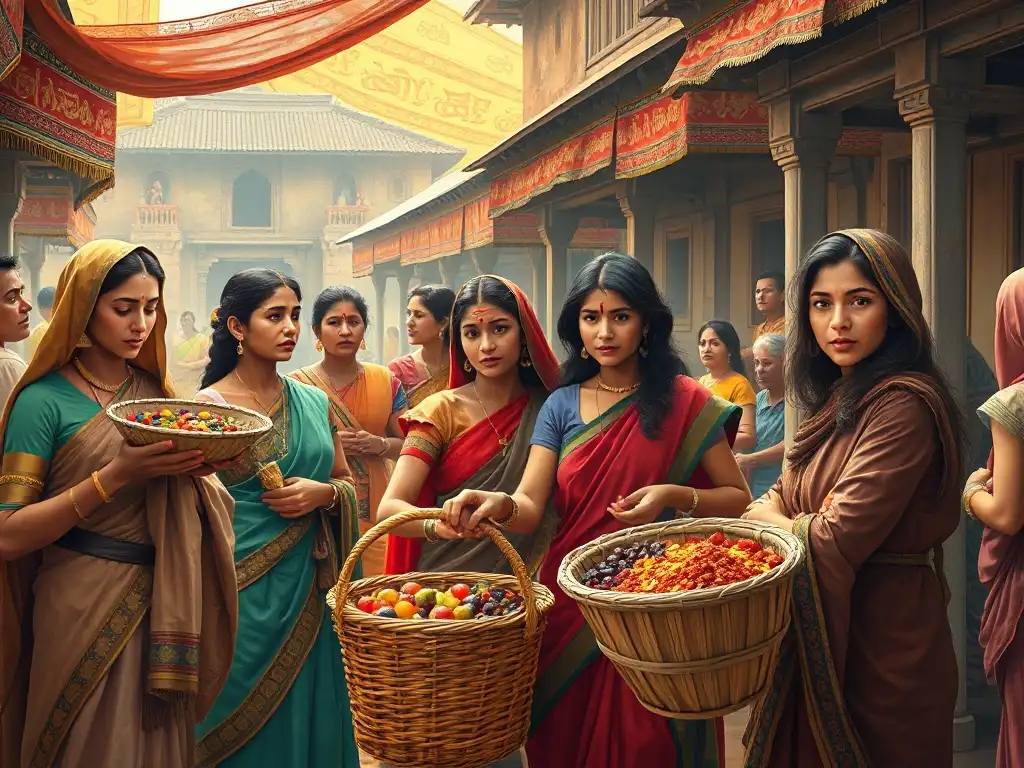
The role of women in ancient Indian trade was shaped by a complex interplay of cultural beliefs, social norms, and economic necessities. In many ancient Indian societies, women were not only involved in household management but also played a pivotal role in trade and commerce. Cultural perspectives that emphasized the importance of family often positioned women as key players in local economies, where their contributions were vital for sustaining livelihoods.
Women participated in various aspects of trade, from production to distribution. In agrarian communities, they were involved in the cultivation and processing of crops, which were then sold in local markets. Moreover, women were known to engage in textile production, creating garments and fabrics that were highly valued in trade. This involvement was not merely a byproduct of necessity; it was often respected and recognized within their communities, highlighting the multifaceted roles women played in ancient India's economic landscape.
Gender Norms and Their Influence on Economic Participation
Gender norms in ancient India significantly influenced women's economic participation. Traditional roles often confined women to domestic duties, limiting their visibility in public trade activities. However, these norms were not uniform across all regions or social classes. In some communities, women enjoyed greater autonomy, allowing them to participate more freely in trade. For instance, women from merchant families sometimes took on leadership roles in managing family businesses and trade ventures.
Despite these opportunities, prevailing patriarchal structures frequently imposed restrictions. Women were often expected to prioritize familial responsibilities over economic pursuits, which could hinder their participation in broader trade networks. Additionally, societal expectations often dictated that women should remain within the confines of their homes, which limited their ability to engage directly in trade activities, particularly in public marketplaces.
Representation of Women in Ancient Indian Literature and Art
The representation of women in ancient Indian literature and art provides valuable insights into their roles in trade and society. Texts such as the Arthashastra by Kautilya highlight the economic significance of women, indicating that they were involved in various trades and crafts. Literature from the period often depicted women as skilled artisans, traders, and even negotiators, reflecting their contributions to the economic framework of their communities.
Artistic representations, including sculptures and paintings, often featured women engaged in activities related to trade, such as weaving, pottery, and selling goods in markets. These depictions not only affirmed the presence of women in economic activities but also celebrated their skills and contributions. This cultural portrayal served to elevate women's roles in society, showcasing them as essential participants in the economic tapestry of ancient India.
Challenges Faced by Women in Ancient Trade
Despite their involvement in trade, women in ancient India faced numerous challenges that hindered their full participation in economic activities.
Socioeconomic Barriers to Participation
Socioeconomic barriers significantly impacted women's ability to engage in trade. Access to resources, education, and capital were often limited for women, particularly in lower socioeconomic strata. Without the necessary education or financial backing, many women found it difficult to establish their own businesses or participate in larger trade networks. This economic dependency often reinforced their roles within the household rather than allowing them to pursue independent trade activities.
Moreover, the lack of inheritance rights in many societies meant that women could not own property or assets, which further restricted their ability to invest in trade. Consequently, their economic contributions were often undervalued and unrecognized, leading to a systemic marginalization of women's roles in commerce.
Legal and Cultural Restrictions
Legal frameworks and cultural restrictions also played a crucial role in limiting women's participation in trade. In many cases, laws were structured in ways that favored male participation in economic affairs. Cultural expectations often dictated that women should refrain from public roles, confining them to domestic spaces. This legal and cultural landscape created a challenging environment for women seeking to engage in trade.
Furthermore, societal stigma associated with women participating in trade activities could deter them from pursuing economic opportunities. Cultural perceptions that viewed women as primarily caregivers rather than economic contributors perpetuated the cycle of exclusion. Despite their skills and potential, many women remained on the margins of trade, unable to fully realize their contributions to ancient Indian economies.
Legacy of Women in Ancient Indian Trade
The legacy of women in ancient Indian trade is profound, showcasing their integral role in the economic fabric of society. From the bustling markets of the Indus Valley Civilization to the vibrant trade routes established during the Maurya and Gupta empires, women were not merely passive participants; they were active contributors to commerce and trade. Evidence suggests that women engaged in various economic activities, including agriculture, textile production, and craft making, which were essential for both local consumption and long-distance trade.
Women often held positions as merchants and traders, particularly in specific regions. For instance, in coastal areas, women played crucial roles in maritime trade, facilitating the exchange of goods such as spices, textiles, and precious metals with distant lands. The existence of guilds that included women further emphasizes their organized involvement in trade. These contributions not only enriched their communities but also established a foundation for future generations, influencing gender roles in commerce and setting precedents for women’s participation in economic activities.
Long-term Impact on Subsequent Generations
The contributions of women in ancient Indian trade have left a lasting impact that transcends time. Their roles in commerce helped to challenge traditional gender norms, paving the way for subsequent generations to engage in economic activities. As women participated in trade, they acquired skills, knowledge, and networks that would benefit their daughters and granddaughters, fostering a culture of entrepreneurship among women.
Additionally, the economic independence gained through trade empowered women and provided them with a voice in societal matters. This legacy is reflected in later historical periods where women continued to engage in various economic pursuits, such as managing family businesses and contributing to local economies. The recognition of women’s roles in ancient trade is essential to understanding the evolution of gender dynamics in Indian society and the gradual progression towards gender equality in economic participation.
Influence on Modern Indian Trade Practices
The historical involvement of women in ancient Indian trade continues to influence modern Indian trade practices. Today, women are increasingly visible in various sectors, from entrepreneurship to leadership roles in businesses. The legacy of their ancestors serves as inspiration for contemporary women, encouraging them to pursue careers in trade and commerce.
Moreover, modern initiatives aimed at empowering women in business often draw from the historical significance of women's roles in trade. Programs that support women's entrepreneurship, access to markets, and financial resources are rooted in the understanding that women have always been vital to economic development. As such, acknowledging the historical contributions of women helps reinforce the importance of their role in the ongoing evolution of India's economy.
Conclusion
Summary of Key Points on Women’s Role in Trade
The examination of women in ancient Indian trade reveals their essential contributions and the multifaceted roles they played in shaping the economy. From their active participation in local markets to their involvement in long-distance trade, women not only boosted economic activities but also influenced social structures. Their legacy has fostered a tradition of female entrepreneurship that resonates in contemporary society.
Reflection on the Importance of Recognizing Women’s Contributions to Ancient Indian Economy
Recognizing women’s contributions to ancient Indian trade is crucial for several reasons. It not only honors their legacy but also challenges the historical narrative that often marginalizes women's roles in economic development. By understanding and appreciating the significant impact women had in trade, we can better advocate for gender equality in modern economic practices and ensure that the lessons from the past inform and inspire future generations. Acknowledging this history empowers women today and reinforces the idea that economic participation is a shared responsibility that benefits society as a whole.
- Introduction to Women in Ancient Indian Trade
- Historical Context of Trade in Ancient India
- Women’s Participation in Trade Activities
- Case Studies of Prominent Women in Trade
- Cultural Perspectives on Women in Trade
- Challenges Faced by Women in Ancient Trade
- Legacy of Women in Ancient Indian Trade
- Conclusion
Frequently Asked Questions
What was the role of women in ancient Indian trade?
Women played a significant role in ancient Indian trade by engaging in various activities such as craftsmanship, market management, and even merchandising. Their contributions were vital to the economic framework of their societies.
Did women participate in the economy during the Gupta Empire?
Yes, during the Gupta Empire, women were active in the economic sphere, taking part in trade and owning businesses. Their involvement contributed to the overall prosperity and diversity of the economy.
What types of goods did women trade in ancient India?
Women traded a range of goods, including textiles, pottery, and food products. They often specialized in handicrafts and local produce, which were essential to community sustenance and economic growth.
How did societal norms affect women's participation in trade?
Societal norms often dictated the boundaries within which women could operate. While many were involved in trade, cultural expectations sometimes limited their mobility and access to broader markets.
What impact did women have on ancient Indian society through trade?
Women significantly influenced social structures and economic development by facilitating trade networks. Their participation helped to foster community ties and support local economies, contributing to the rich cultural tapestry of ancient India.
Final Reflection: The Enduring Legacy of Women in Ancient Indian Trade
The contributions of women in ancient Indian trade and economy remain profoundly relevant today, as we continue to navigate the complexities of gender roles in commerce and society. The historical narrative of women's active participation in trade challenges the conventional perceptions of their roles, revealing a rich tapestry of influence that has shaped economic practices and social structures. This legacy not only highlights the resilience and resourcefulness of women but also serves as a reminder of the untapped potential that exists when gender barriers are dismantled.
The impact of women's involvement in trade during ancient times resonates deeply within our contemporary cultural landscape. Their stories of entrepreneurship and leadership inspire modern movements advocating for gender equality in business and economic opportunities. As we reflect on this historical context, we can appreciate the words of Indian author and activist Kamla Bhasin: Women are not just victims of history; they are also makers of history.
This acknowledgment of women's agency in shaping economic narratives encourages us to recognize and celebrate the ongoing contributions of women in various fields today.
As we move forward, let us take a moment to reflect on the lessons from the past and how they can inform our actions in the present. Consider how you can support and uplift women in your community, whether through mentorship, advocacy, or simply by recognizing their contributions. By embracing the spirit of collaboration and empowerment that characterized ancient Indian trade, we can create a more equitable future where every individual, regardless of gender, has the opportunity to thrive and succeed.
Empower Yourself: Dive into the Legacy of Ancient Indian Trade!
Thank you for exploring the fascinating role of women in ancient Indian trade and economy! Your interest not only enriches your understanding but also honors the powerful contributions these remarkable women made to history. Now, it's time to take action and connect with this legacy!
Here are some exciting next steps you can take:
- Join a local or online group focused on women's history or ancient economies to deepen your knowledge and share insights with others.
- Explore additional resources such as documentaries, books, or podcasts about women's roles in trade throughout history to further enhance your learning experience.
- Share this article with friends and family on social media to spark discussions about the significant impact women have had in shaping economies and societies.
What aspect of women’s roles in ancient Indian trade intrigues you the most, and how do you believe it influences contemporary views on women's contributions today?