
The Quest for SelfRealization: The Philosophical Journey of Ancient Yogis

Welcome to Ancient India History, where we embark on an intriguing exploration of the rich tapestry woven by ancient Indian civilizations. Dive into the depths of the philosophical journey of ancient yogis, uncovering the profound insights that shaped their quest for self-realization. What secrets did these sages uncover, and how do their teachings resonate with our modern lives? Join us as we peel back the layers of history, culture, and wisdom that continue to inspire and guide our understanding of yoga and wellness today. Your journey into the past begins here—let's discover the timeless philosophies that await!
Introduction to the Philosophical Journey of Ancient Yogis
The philosophical journey of ancient yogis is a profound exploration of self-realization and spiritual enlightenment that has shaped the very essence of Indian thought and culture. Rooted in centuries of rich traditions, these yogis embarked on a quest to understand the nature of existence, the self, and the universe. Their teachings and practices laid the groundwork for what we now recognize as yoga, transcending mere physical exercise to encompass a holistic approach to wellness and spirituality.
Ancient Indian civilizations, from the enigmatic Indus Valley to the intellectually vibrant Gupta Empire, produced thinkers and practitioners whose insights continue to resonate today. This journey was not just personal but collective, as these yogis sought to unravel the complexities of the human experience through meditation, ethical living, and philosophical inquiry. Their writings, often shrouded in poetic language and metaphor, invite us to reflect on our own paths toward self-discovery.
The quest for self-realization is characterized by several key elements, including:
- Meditation and Mindfulness: Ancient yogis employed various meditation techniques to achieve mental clarity and spiritual insight. These practices became foundational to both personal and communal spiritual experiences.
- Ethical Principles: The yogic path emphasized virtues such as compassion, truthfulness, and self-discipline, guiding practitioners toward a harmonious existence with themselves and the world around them.
- Philosophical Texts: Texts such as the Upanishads and the Bhagavad Gita encapsulate the teachings of these ancient sages, providing deep insights into the nature of reality and the essence of the self.
- Integration of Mind, Body, and Spirit: The holistic approach of ancient yogis underscores the interconnectedness of physical health, mental clarity, and spiritual depth, encouraging a balanced lifestyle.
As we delve deeper into the philosophical journey of ancient yogis, we not only uncover the rich history of yoga but also gain valuable perspectives on the ongoing search for meaning and self-awareness in our contemporary lives. Through this exploration, we can appreciate how the wisdom of the past continues to inform and inspire our modern understanding of wellness and spirituality.
- What is the main focus of the article "The Quest for Self-Realization: The Philosophical Journey of Ancient Yogis"?
- How did ancient yogis contribute to philosophy in India?
- What are some key practices mentioned in the article related to ancient yogis?
- How did the philosophical journey of ancient yogis influence modern spirituality?
- What role did ancient texts play in the philosophical journey of yogis?
Historical Context of Ancient Yoga Philosophy
The Roots of Yoga in Ancient Indian Civilization
The philosophical journey of ancient yogis is deeply rooted in the fabric of ancient Indian civilization, where spiritual practices and philosophical inquiry flourished alongside the development of urban centers. The origins of yoga can be traced back to the Indus Valley Civilization (circa 3300–1300 BCE), where archaeological findings, such as seals depicting figures in meditative postures, suggest early forms of yoga practices.
- Vedic Period (circa 1500–500 BCE):
- The Vedas, the oldest scriptures of Hinduism, emphasize the importance of meditation, sacrifices, and ritual practices.
- The concept of Dharma, or righteousness, began to take shape, influencing the ethical dimensions of yoga.
- Upanishadic Philosophy (circa 800–200 BCE):
- The Upanishads mark a significant evolution in thought, introducing the idea of Brahman (the ultimate reality) and Atman (the individual soul).
- Here, the yogic practices transitioned from external rituals to internal contemplation, laying the groundwork for the meditative aspects of yoga.
- Influence of Ascetic Traditions:
- Ascetic practices, prevalent among various sects, including the Ajivikas and Jains, contributed to the development of yoga.
- These movements emphasized renunciation and self-discipline, further shaping the philosophical journey of ancient yogis.
The convergence of these elements in ancient Indian civilization created a rich tapestry of thought that influenced the evolution of yoga as both a physical practice and a profound philosophical pursuit.
Key Texts Influencing the Philosophical Journey
The philosophical journey of ancient yogis is significantly illuminated by several key texts that outline the principles and practices of yoga. These texts serve not only as historical documents but also as guides for spiritual seekers.
- The Yoga Sutras of Patanjali:
- Compiled around the 2nd century BCE, this foundational text codifies the practice of yoga into eight limbs (Ashtanga), including ethical disciplines (Yama and Niyama), postures (Asana), breath control (Pranayama), and meditative absorption (Samadhi).
- Patanjali’s work emphasizes the importance of self-realization and the transcendence of the individual ego, marking a significant milestone in the philosophical journey.
- Bhagavad Gita:
- This 700-verse scripture, part of the Indian epic Mahabharata, explores the moral and philosophical dilemmas faced by the warrior Arjuna.
- The Gita discusses various paths of yoga, including Karma Yoga (the yoga of action), Bhakti Yoga (the yoga of devotion), and Jnana Yoga (the yoga of knowledge), providing a holistic view of the yogic journey.
- The Upanishads:
- These texts delve into the nature of reality and self, advocating for knowledge (Jnana) as a means of liberation (Moksha).
- They emphasize meditation and introspection as paths to understanding one’s true nature, reinforcing the philosophical underpinnings of yoga.
- Hatha Yoga Pradipika:
- Written in the 15th century by Swami Swatmarama, this text focuses on the physical aspects of yoga, detailing asanas, pranayama, and purification techniques.
- It bridges the gap between physical practice and spiritual enlightenment, showcasing the evolving nature of the philosophical journey.
These texts collectively illustrate the depth and richness of ancient yoga philosophy, guiding practitioners on their quest for self-realization and providing profound insights into the nature of existence.
The Life and Teachings of Ancient Yogis

Prominent Ancient Yogis and Their Philosophical Contributions
The legacy of ancient yogis is rich with profound philosophical insights that have shaped not only yoga practices but also the cultural and spiritual landscapes of India. Notable figures such as Patanjali, Adi Shankaracharya, and Vasishtha have made significant contributions that continue to resonate in modern yoga philosophy.
- Patanjali: Often referred to as the father of modern yoga, Patanjali's Yoga Sutras encapsulate the essence of yoga philosophy, providing a systematic approach to self-realization. His teachings emphasize the importance of ethical conduct ( Yamas and Niyamas), meditation, and the pursuit of knowledge. The Sutras serve as a guide, outlining the eight limbs of yoga, which lead practitioners towards ultimate liberation ( Kaivalya).
- Adi Shankaracharya: A pivotal figure in the Advaita Vedanta tradition, Shankaracharya's philosophical contributions advocate for non-dualism, asserting that the individual self ( Atman) and the universal consciousness ( Brahman) are one. His commentaries on ancient texts like the Bhagavad Gita and the Upanishads have laid the groundwork for understanding the interplay between yoga and philosophical inquiry.
- Vasishtha: An ancient sage known for his work Yoga Vasishtha, which is a dialogue between Lord Rama and Vasishtha, this text presents a blend of yoga philosophy and Vedanta. It discusses the nature of reality, the mind, and the path to enlightenment, highlighting the importance of self-inquiry and mindfulness in the yogic journey.
The Practices of Ancient Yogis
The practices of ancient yogis were diverse and deeply rooted in the quest for self-realization. These practices were not merely physical exercises but a holistic approach to achieving harmony between body, mind, and spirit.
- Meditation (Dhyana): Central to the yogic tradition, meditation practices aimed at calming the mind and fostering inner awareness. Techniques varied from focusing on breath ( Pranayama) to visualization and mantra repetition, leading practitioners towards deeper states of consciousness.
- Asanas (Postures): While the modern interpretation of yoga often emphasizes physical postures, ancient yogis viewed asanas as a means to prepare the body for prolonged meditation. Each posture was designed to enhance physical stability and mental focus, facilitating the journey inward.
- Pranayama (Breath Control): The control of breath was considered vital in balancing vital energies ( Prana) within the body. Techniques such as Nadi Shodhana (alternate nostril breathing) were practiced to purify the energy channels and promote mental clarity.
- Ethical Practices (Yamas and Niyamas): Ethical guidelines formed the foundation of a yogi's life. Yamas (restraints) like non-violence ( Ahimsa) and truthfulness ( Satya) were essential for personal development and societal harmony. Niyamas (observances) encouraged practices such as cleanliness ( Shaucha) and self-discipline ( Tapas), integral to the yogic path.
- Philosophical Inquiry: Ancient yogis engaged in philosophical discussions and self-inquiry to understand the nature of existence. Texts like the Upanishads prompted inquiries into the self, reality, and the cosmos, providing a framework for understanding one’s place in the universe.
The philosophical journey of ancient yogis is characterized by a profound exploration of self and existence. Through their teachings and practices, they have provided a timeless framework for individuals seeking spiritual growth and self-realization. The wisdom of these ancient sages continues to inspire contemporary yoga practitioners and philosophers alike, affirming the enduring relevance of their insights.
The Philosophical Concepts of Yoga
The philosophical journey of ancient yogis is deeply intertwined with a range of profound concepts that form the foundation of yoga practice. These concepts not only shape the understanding of yoga as a physical discipline but also highlight its spiritual and philosophical dimensions.
Understanding Key Philosophical Concepts
The essence of yoga philosophy can be traced back to ancient texts such as the Upanishads, Bhagavad Gita, and the Yoga Sutras of Patanjali. Each of these texts provides insights into various philosophical concepts that govern the practice of yoga. Here are some key concepts:
- Dharma:
- Refers to one's duty, righteousness, or moral law.
- Ancient yogis emphasized the importance of following one's dharma as a path toward self-realization and liberation.
- Karma:
- The law of cause and effect, where one's actions in this life influence future experiences.
- Yogis believed that understanding karma is vital for personal growth and self-awareness.
- Moksha:
- The ultimate goal of yoga, representing liberation from the cycle of birth and death (samsara).
- Achieving moksha requires self-realization and unity with the divine.
- Atman:
- The individual soul or self, which is believed to be eternal and divine.
- The realization of Atman is central to the yogic quest for understanding one's true nature.
- Brahman:
- The ultimate reality or cosmic spirit, representing the source of all existence.
- The philosophical journey often involves recognizing the unity between Atman and Brahman.
These concepts are not isolated; they interconnect and guide the yogic path toward higher consciousness. Ancient yogis employed various practices, including meditation, ethical living (Yamas and Niyamas), and physical postures (asanas), to deepen their understanding of these philosophies.
The Journey Towards Self-Realization
The journey towards self-realization in ancient yoga philosophy is a multi-faceted process involving both inward reflection and outward practice. It can be understood through several stages:
- Self-Observation:
- The initial step involves a critical examination of one’s thoughts, actions, and motivations.
- Yogis practiced mindfulness and meditation to cultivate self-awareness.
- Detachment (Vairagya):
- Letting go of attachments to material possessions and transient pleasures is essential for spiritual growth.
- This detachment allows individuals to focus on the deeper aspects of their being.
- Discipline (Sadhana):
- Consistent practice and dedication to yoga disciplines are crucial.
- Ancient yogis followed a disciplined routine that included meditation, breathing exercises (pranayama), and asanas.
- Realization of Oneness:
- As practitioners advance, they begin to perceive the interconnectedness of all beings.
- This realization fosters compassion and understanding towards others, aligning with the yogic principle of non-violence (Ahimsa).
- Union with the Divine:
- The culmination of the philosophical journey is the experience of union with Brahman.
- This state of enlightenment is characterized by profound peace, joy, and an understanding of the self as part of a larger cosmic whole.
The philosophical journey of ancient yogis is not merely an academic pursuit; it is a transformative process that invites practitioners to explore their inner landscapes. Through this exploration, individuals can uncover their true selves and realize their potential, making the teachings of ancient yogis profoundly relevant even in contemporary times.
The philosophical concepts of yoga provide a framework for understanding the journey towards self-realization. By embracing these teachings, individuals can embark on their own quests for enlightenment, drawing inspiration from the rich legacy of ancient yogis.
Modern Interpretations of Ancient Yogic Philosophy
The philosophical journey of ancient yogis has significantly influenced modern interpretations of yoga, shaping contemporary practices and beliefs. With roots in ancient Indian thought, particularly during the Vedic and post-Vedic periods, these philosophies emphasize self-realization, consciousness, and the pursuit of truth. Today, practitioners and scholars alike revisit these principles, adapting them to fit modern lifestyles and spiritual quests.
The Influence of Ancient Yogis on Contemporary Yoga Practices
Ancient yogis, such as Patanjali, who codified the Yoga Sutras, laid the groundwork for understanding the mind-body connection and the path to self-realization. Their teachings emphasized the importance of meditation (dhyana), ethical living (yama and niyama), and physical postures (asanas).
- Integration of Asanas:
- Modern yoga classes often include a variety of asanas designed to promote physical health, flexibility, and strength. However, the original purpose of asanas was to prepare the body for prolonged meditation. This foundational understanding continues to inform how contemporary yoga is practiced, emphasizing mindfulness and body awareness.
- Meditative Practices:
- Techniques such as mindfulness meditation and breathwork (pranayama) have become staples in modern yoga. These practices, rooted in the teachings of ancient yogis, encourage practitioners to cultivate inner peace and self-awareness, illustrating the timeless relevance of these philosophical concepts.
- Ethical Framework:
- The ethical guidelines set forth by ancient yogis, including non-violence (ahimsa) and truthfulness (satya), are increasingly emphasized in modern yoga schools. These principles serve as a moral compass for practitioners, guiding their interactions with themselves and others in a fast-paced world.
- Holistic Well-being:
- Modern interpretations of yoga often include a holistic approach to wellness, integrating physical, mental, and spiritual health, much like the ancient yogic philosophy which viewed these aspects as interconnected. This inclusivity has made yoga accessible to a broader audience, allowing individuals from various backgrounds to find personal meaning in its practice.
The philosophical journey of ancient yogis not only informs the physical practice of yoga but also enriches the spiritual experiences of contemporary practitioners, emphasizing that the quest for self-realization is a timeless journey.
Case Studies: Transformative Experiences from Ancient Yogic Practices
The legacy of ancient yogis is evident in various documented case studies that highlight transformative experiences arising from their practices. These accounts serve as powerful examples of the profound impact that yogic philosophy can have on personal development and spiritual growth.
- Case Study of Swami Vivekananda:
- Swami Vivekananda, a 19th-century yogi, is known for introducing yoga to the Western world. His teachings emphasized self-knowledge and universal brotherhood, advocating for the practical application of yoga in daily life. His experiences in meditation led him to profound insights about the self and the nature of reality, which he shared through lectures that continue to inspire millions today.
- The Life of Patanjali:
- The author of the Yoga Sutras, Patanjali, exemplifies the transformative journey of a yogi. His compilation of yogic philosophy not only provided a framework for practice but also illustrated his own journey towards self-realization. His teachings on the eight limbs of yoga (Ashtanga) serve as a guide for practitioners seeking personal transformation.
- Modern Adaptations:
- Contemporary practitioners report transformative experiences through retreats and intensive workshops rooted in ancient practices. For instance, individuals participating in silent retreats often describe profound insights and shifts in consciousness, echoing the experiences of ancient yogis who sought solitude for deeper understanding.
These case studies highlight the enduring relevance of ancient yogic practices and philosophies, showcasing their ability to facilitate transformative experiences that resonate with the spiritual seekers of today. By engaging with these teachings, modern practitioners continue the philosophical journey of ancient yogis, striving towards self-realization and inner harmony.
Conclusion: The Timeless Relevance of the Philosophical Journey of Ancient Yogis
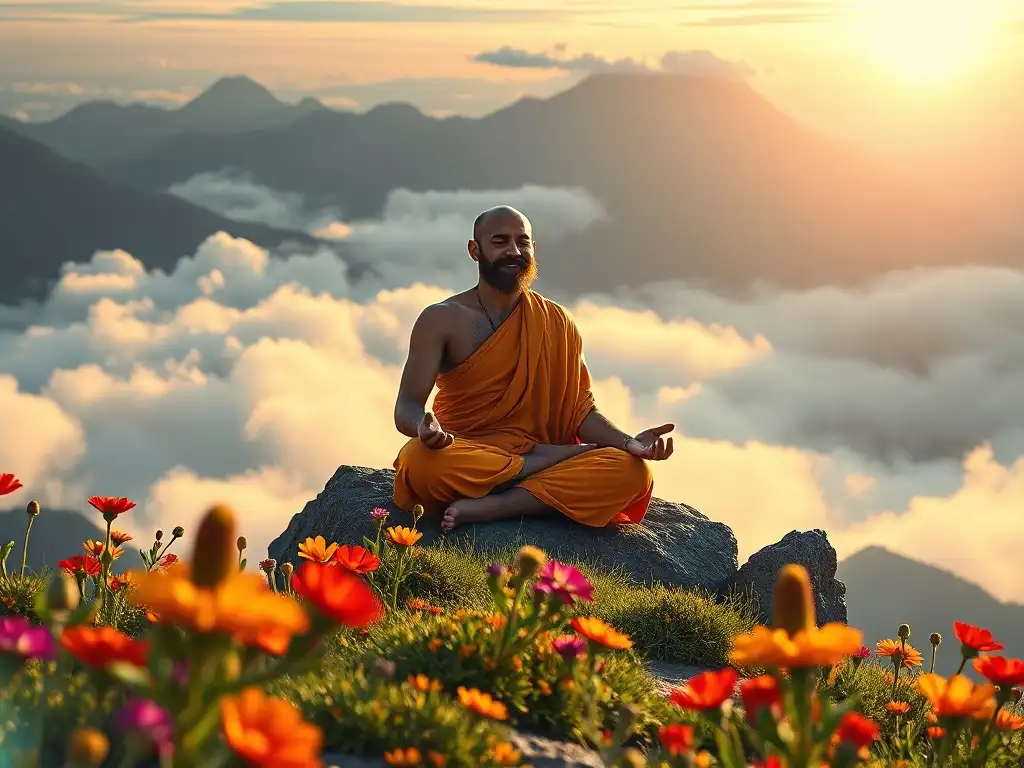
The philosophical journey of ancient yogis holds a profound significance that transcends time and continues to resonate in the modern world. These spiritual seekers explored the depths of consciousness, aiming for self-realization and enlightenment through disciplined practice, meditation, and ethical living. Their teachings and insights form a foundation that remains relevant in today's fast-paced and often chaotic society.
Embracing the Wisdom of Ancient Yogis in Today’s World
In contemporary life, the wisdom imparted by ancient yogis serves as a guiding light for individuals seeking balance, peace, and self-discovery. Here are some key aspects of how this wisdom can be integrated into daily life:
- Mindfulness and Meditation: The practices of mindfulness and meditation, which were central to the yogic path, can help individuals cultivate a deeper awareness of their thoughts and emotions. By engaging in regular meditation, one can reduce stress and enhance mental clarity.
- Ethical Living: The yamas and niyamas, ethical precepts laid out in ancient texts, encourage individuals to lead a life of integrity, compassion, and self-discipline. Incorporating these principles into daily interactions can foster healthier relationships and a greater sense of community.
- Holistic Health: The ancient yogic understanding of the interconnectedness of body, mind, and spirit emphasizes the importance of holistic health. By adopting practices such as yoga asanas, pranayama (breath control), and nutritious eating, individuals can promote overall well-being.
- Self-Reflection and Growth: The philosophical journey of ancient yogis encourages self-reflection and personal growth. Engaging in regular self-examination can help individuals identify their true purpose and align their actions with their values.
- Spiritual Inquiry: The quest for self-realization, as exemplified by ancient yogis, invites individuals to explore profound questions about existence, purpose, and the nature of reality. This spiritual inquiry can lead to a more meaningful and fulfilling life.
Incorporating these aspects into everyday life not only honors the legacy of ancient yogis but also empowers individuals to embark on their own philosophical journeys. As we navigate the complexities of modern existence, the teachings of these spiritual pioneers provide timeless wisdom that can guide us toward greater self-awareness, peace, and harmony.
By embracing the philosophical journey of ancient yogis, individuals can experience transformative growth, unlocking the potential for a more enlightened and purposeful life.
Recommended Resources for Further Exploration
Books and Texts on Yoga Philosophy
The philosophical journey of ancient yogis is well-documented in a variety of texts that have shaped the understanding of yoga and its principles. Here are some essential books and texts that delve into this profound journey:
- The Bhagavad Gita: Often regarded as a cornerstone of Indian philosophy, this sacred text presents a dialogue between Prince Arjuna and Lord Krishna, exploring the concepts of duty, righteousness, and self-realization. It emphasizes the importance of yoga as a means to achieve spiritual insight.
- The Yoga Sutras of Patanjali: This foundational text outlines the eight limbs of yoga (Ashtanga) and serves as a guide for practitioners seeking self-realization. Patanjali's work focuses on the mind's nature and practical steps to attain higher states of consciousness.
- The Upanishads: These ancient scriptures discuss the nature of reality, consciousness, and the ultimate purpose of life. The teachings within the Upanishads present a philosophical framework that has influenced yogic thought for centuries.
- Hatha Yoga Pradipika: This classic text on Hatha yoga offers insights into physical postures (asanas), breath control (pranayama), and the philosophical underpinnings of yogic practice.
These texts not only provide historical context but also serve as practical guides for those interested in exploring the philosophical journey of ancient yogis.
Online Courses and Workshops
In today's digital age, numerous online platforms offer courses and workshops that delve into the philosophical journey of ancient yogis. Here are some notable options:
- Yoga International: This platform offers a range of courses that explore yoga philosophy, including the teachings of the Yoga Sutras and the Bhagavad Gita. These courses often incorporate practical applications of philosophy in modern yoga practice.
- Coursera: Partnering with universities, Coursera provides courses on Indian philosophy and yoga. These courses are taught by experts and cover the historical and philosophical aspects of yoga, making them suitable for both beginners and advanced practitioners.
- The Shift Network: This platform hosts workshops and summits that focus on the spiritual aspects of yoga. Participants can engage with renowned teachers who discuss the philosophical journey of ancient yogis and its relevance today.
By engaging with these resources, practitioners can deepen their understanding of the philosophical journey of ancient yogis and how these teachings can be applied in contemporary life.
Communities and Retreats
Participating in communities and retreats can greatly enhance the exploration of the philosophical journey of ancient yogis. Here are some recommended options:
- Yoga Ashrams: Visiting traditional yoga ashrams in India, such as the Sivananda Ashram or the Krishnamacharya Yoga Mandiram, provides an immersive experience. These ashrams offer structured programs that include daily practice, philosophical discussions, and community living.
- Local Yoga Studios: Many yoga studios host workshops and discussion groups focused on yoga philosophy. Engaging with local practitioners can foster a deeper understanding of the teachings and their applications.
- Online Communities: Platforms like Facebook and Reddit have groups dedicated to yoga philosophy where members share insights, ask questions, and support each other in their journeys. Participating in these communities can provide valuable perspectives from fellow seekers.
By connecting with like-minded individuals and engaging in dedicated retreats, practitioners can further their exploration of the rich philosophical journey of ancient yogis, fostering a deeper connection to their own practice.
Frequently Asked Questions
What is the main focus of the article "The Quest for Self-Realization: The Philosophical Journey of Ancient Yogis"?
The article explores the philosophical principles and practices of ancient yogis, emphasizing their quest for self-realization and the impact on Indian civilization.
How did ancient yogis contribute to philosophy in India?
Ancient yogis contributed significantly by developing spiritual concepts and practices, laying the groundwork for later philosophical schools such as Vedanta and Yoga.
The article highlights practices such as meditation, breath control (pranayama), and asceticism, which were essential for achieving higher states of consciousness.
How did the philosophical journey of ancient yogis influence modern spirituality?
The philosophical journey of ancient yogis greatly influenced modern spirituality by introducing ideas of self-awareness, inner peace, and the importance of mindfulness in contemporary practices.
What role did ancient texts play in the philosophical journey of yogis?
Ancient texts like the Upanishads and Yoga Sutras served as foundational works that documented yogic philosophies, guiding practitioners on their journey toward self-realization.
Final Reflection: Embracing the Philosophical Journey of Ancient Yogis
In today's fast-paced world, the quest for self-realization remains as relevant as ever. As we navigate through the complexities of modern life, the teachings of ancient yogis offer profound insights into understanding our true selves and the universe around us. The philosophical journey of these sages not only illuminates the path to inner peace but also challenges us to confront our own beliefs and values. It is a reminder that the pursuit of wisdom is timeless and essential for personal growth.
The impact of the philosophical journey of ancient yogis extends far beyond their time, shaping cultural and social landscapes across generations. Their teachings resonate deeply within us, urging us to explore the depths of our consciousness and embrace our spiritual essence. As we reflect on their wisdom, we find echoes of their insights in contemporary discussions about mindfulness, mental health, and holistic living. The mind is everything. What you think you become.
This quote encapsulates the essence of their teachings, reminding us that our thoughts and beliefs shape our reality.
As you conclude this exploration of the philosophical journey of ancient yogis, I invite you to take a moment for personal reflection. Consider how these ancient teachings can inspire your own quest for self-realization. What steps can you take today to deepen your understanding of yourself and your place in the world? Embrace the wisdom of the past and let it guide you toward a more fulfilling and enlightened future. The journey is yours to embark upon, and every step you take brings you closer to the essence of who you truly are.
Embark on Your Journey to Self-Discovery!
Thank you for diving into the fascinating world of ancient yogis and their quest for self-realization. Your exploration of their profound philosophies can inspire a richer, more reflective life. Now, it's time to take what you’ve learned and apply it to your own journey!
Here are a few practical steps you can take:
- Start a daily meditation practice to connect with your inner self and foster self-awareness. Even just 10 minutes a day can transform your mindset!
- Explore the teachings of a yogi whose philosophy resonates with you—whether through books, documentaries, or online lectures—and integrate their wisdom into your daily life.
- Share your insights with friends or join a community group to discuss and reflect on the philosophies of self-realization.
What new understanding or practice are you most excited to embrace on your journey of self-discovery?