
Understanding the Connection Between Yoga and Hinduism in Ancient Texts

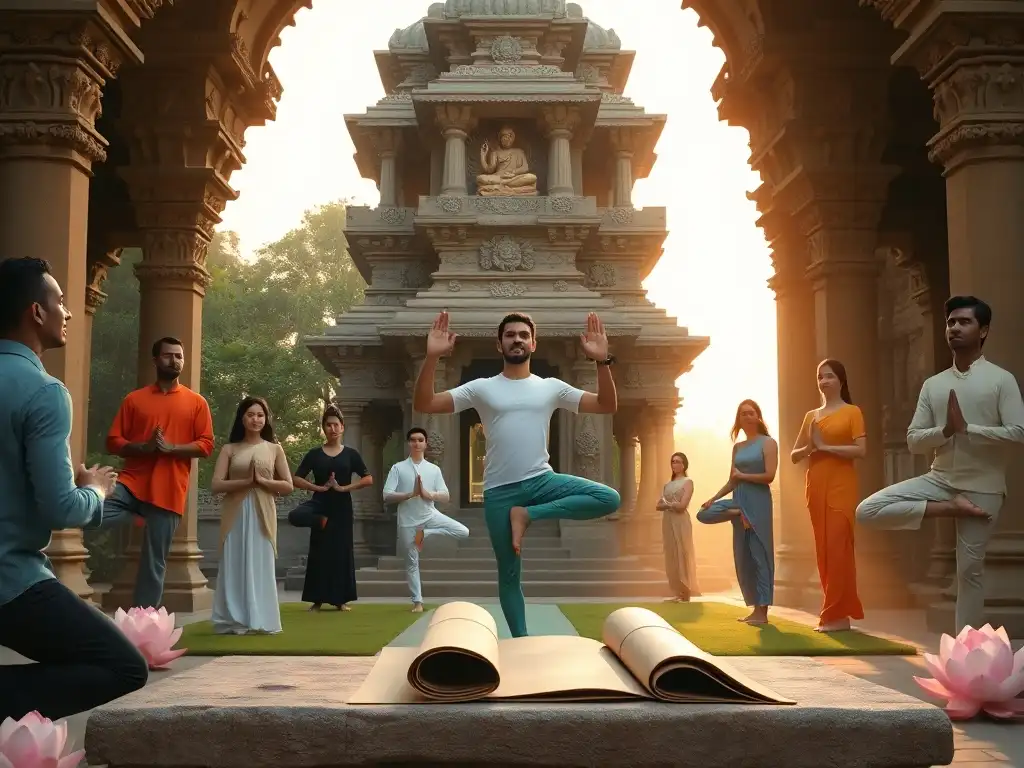
Welcome to Ancient India History, where we embark on a fascinating journey through time to uncover the rich tapestry of ancient Indian civilizations. In our latest article, Understanding the Connection Between Yoga and Hinduism in Ancient Texts, we delve deep into the profound relationship between these two pillars of Indian culture. Have you ever wondered how the spiritual practices of yoga are intricately woven into the philosophical fabric of Hinduism?
Join us as we explore ancient texts that illuminate this connection, offering insights that will not only enrich your understanding but also inspire your personal wellness journey. Dive in and discover the legacy that continues to shape our lives today!
Introduction to Yoga and Hinduism
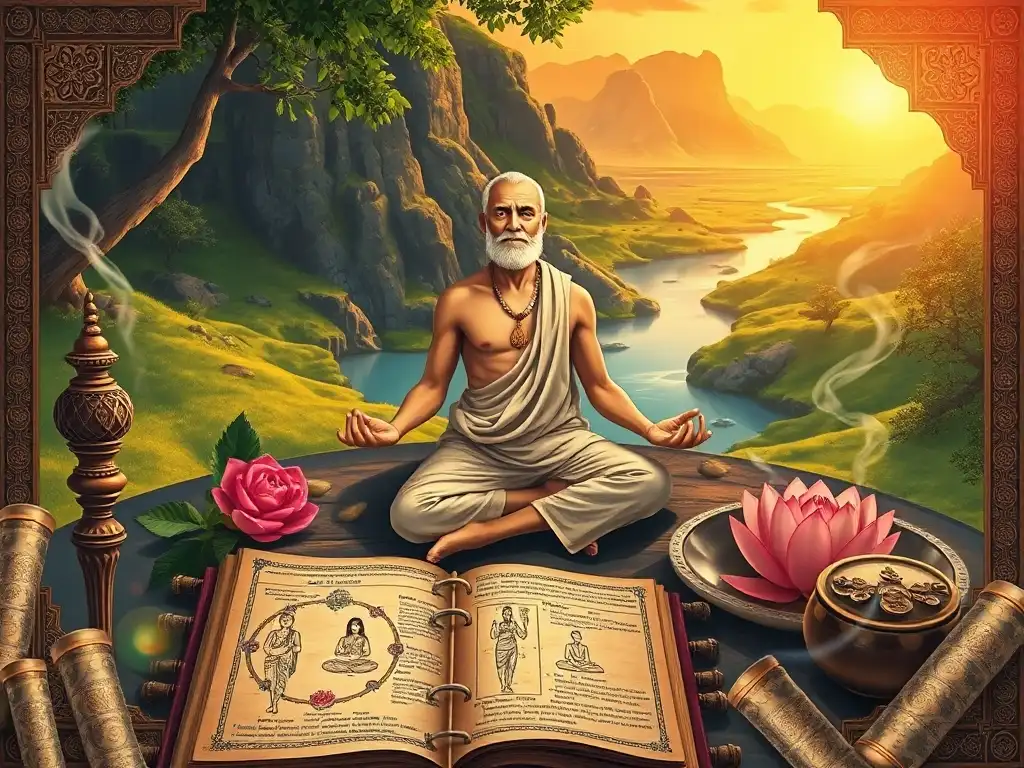
Yoga and Hinduism share a profound and intricate relationship that has evolved over millennia, deeply influencing each other's development. Both are foundational elements of ancient Indian culture, reflecting a holistic approach to life, spirituality, and well-being. The practice of yoga, often perceived solely as a physical discipline in modern times, encompasses a much broader spectrum of meanings and applications, deeply rooted in the philosophical and spiritual principles of Hinduism. This article aims to explore the rich tapestry woven between yoga and Hinduism as presented in ancient texts, highlighting their significance in shaping spiritual practices and philosophies.
As we delve into this exploration, we will uncover:
- The historical context of yoga and Hinduism.
- The ancient texts that document their interconnection.
- The philosophical underpinnings that bind these two practices.
Through this lens, we can gain a more nuanced understanding of how yoga transcends mere physical postures to embody a path toward spiritual enlightenment, aligning closely with the core tenets of Hindu philosophy.
Historical Context of Yoga and Hinduism
The historical development of yoga is inextricably linked to the evolution of Hinduism, a religion rich with diverse beliefs and practices. To comprehend their connection, we must first examine the roots of yoga within ancient Indian civilization.
The Roots of Yoga in Ancient Indian Civilization
Yoga, as a practice, can be traced back to the Indus Valley Civilization (approximately 3300–1300 BCE), where symbolic representations, such as seals depicting figures in yoga-like postures, suggest early forms of meditation and spiritual practice. Subsequent texts, including the Vedas and Upanishads, further articulate yoga's philosophical dimensions, emphasizing the importance of mental discipline, meditation, and the quest for self-realization.
- Key Texts and Concepts:
- Vedas: The foundational scriptures of Hinduism, containing hymns and rituals that highlight the importance of meditation.
- Upanishads: Philosophical writings that explore the nature of reality (Brahman) and the self (Atman), laying the groundwork for yogic thought.
The emergence of these texts showcases how yoga served not only as a physical practice but also as a profound spiritual discipline aimed at achieving unity with the divine.
Development of Hindu Philosophy and Yoga
The evolution of Hindu philosophy, particularly through the Bhagavad Gita and Yoga Sutras of Patanjali, illustrates the deep interconnection between yoga and Hindu thought. The Bhagavad Gita, written around the 2nd century BCE, integrates yoga as a means to attain spiritual wisdom, aligning it with the duties of life (dharma) and devotion (bhakti). Meanwhile, the Yoga Sutras codify yoga into an eightfold path (Ashtanga), emphasizing ethical conduct, meditation, and the ultimate goal of liberation (moksha).
- Key Developments:
- Bhagavad Gita: Proposes Karma Yoga (the yoga of action) and Bhakti Yoga (the yoga of devotion).
- Yoga Sutras of Patanjali: Introduces the systematic approach to achieving higher states of consciousness through disciplined practice.
The intricate connection between yoga and Hinduism, as documented in ancient texts, reveals a rich historical and philosophical framework that continues to influence contemporary practices. Understanding this relationship not only enriches our appreciation of yoga but also deepens our insight into the spiritual heritage of ancient Indian civilization.
Key Ancient Texts on Yoga and Hinduism
The relationship between yoga and Hinduism is deeply rooted in ancient Indian texts that explore and define both practices and philosophies. Key texts provide insights into how yoga evolved and its integration into the spiritual and religious fabric of Hinduism. Understanding these texts is crucial for anyone looking to grasp the profound connection between these two disciplines. Here are some of the most significant texts that illuminate this relationship.
The Vedas: The Foundation of Yoga and Hindu Philosophy
The Vedas, composed around 1500 BCE to 500 BCE, are the oldest sacred texts of Hinduism and the foundation of various philosophical and spiritual practices, including yoga. They consist of four collections: Rigveda, Samaveda, Yajurveda, and Atharvaveda.
- Rigveda: Contains hymns that invoke deities and describe rituals, some of which hint at early meditative practices.
- Samaveda: Focuses on melodies and chants, emphasizing the importance of sound in spiritual practices.
- Yajurveda: Provides instructions for rituals, highlighting the significance of action in yoga.
- Atharvaveda: Offers a more philosophical and mystical perspective, introducing concepts related to meditation and self-realization.
The Vedas lay the groundwork for understanding the interconnectedness of the universe and the individual, a core principle in both yoga and Hinduism.
The Upanishads: Mystical Teachings of Yoga
The Upanishads, written between 800 BCE and 400 BCE, are philosophical texts that explore the nature of reality and the self. They mark a transition from ritualistic practices of the Vedas to more introspective forms of spirituality.
Key concepts found in the Upanishads include:
- Brahman: The ultimate reality or cosmic spirit, which is the source of all existence.
- Atman: The individual soul, which is considered to be identical with Brahman.
- Meditation: Many Upanishads emphasize meditation (dhyana) as a means to realize the unity of Atman and Brahman.
The teachings of the Upanishads underscore the spiritual goals of yoga, such as self-awareness and liberation (moksha).
The Bhagavad Gita: A Manual for Life and Yoga
The Bhagavad Gita, composed around the 2nd century BCE, is a 700-verse dialogue embedded within the Indian epic Mahabharata. It addresses the moral and philosophical dilemmas faced by Prince Arjuna on the battlefield and provides a comprehensive guide to life and yoga.
In the Gita, Krishna imparts wisdom about:
- Karma Yoga: The path of selfless action.
- Bhakti Yoga: The path of devotion to God.
- Jnana Yoga: The path of knowledge and wisdom.
These paths illustrate how yoga can be integrated into daily life, emphasizing the importance of duty, righteousness, and devotion in achieving spiritual goals.
Yoga Sutras of Patanjali: A Systematic Approach to Yoga
The Yoga Sutras, compiled by the sage Patanjali around the 2nd century CE, is a foundational text for understanding the philosophy and practice of yoga within a Hindu context. It provides a structured framework for the practice of yoga, outlining its purpose and methodology.
Understanding the Yoga Sutras in a Hindu Context
The Yoga Sutras consist of 196 aphorisms (sutras) that address the nature of the mind, the practice of yoga, and the attainment of spiritual liberation. The text is divided into four chapters:
- Samadhi Pada: Discusses the nature of concentration and meditation.
- Sadhana Pada: Outlines the practical aspects of yoga practice.
- Vibhuti Pada: Explores the powers and achievements gained through yoga.
- Kaivalya Pada: Describes the ultimate state of liberation.
The Sutras emphasize the importance of discipline, ethical conduct, and self-awareness, situating yoga firmly within the spiritual and philosophical traditions of Hinduism.
The Eight Limbs of Yoga and Their Hindu Significance
One of the most influential aspects of the Yoga Sutras is the concept of the Eight Limbs of Yoga (Ashtanga Yoga), which serve as guidelines for ethical and spiritual living. These limbs are:
- Yama: Ethical standards and moral values.
- Niyama: Self-discipline and spiritual observances.
- Asana: Physical postures for health and stability.
- Pranayama: Breath control to enhance vitality and focus.
- Pratyahara: Withdrawal of the senses to foster inner awareness.
- Dharana: Concentration on a single point or object.
- Dhyana: The practice of meditation.
- Samadhi: A state of blissful union with the divine.
Each limb reflects essential Hindu principles, guiding practitioners toward holistic development and spiritual enlightenment. The Eight Limbs illustrate how yoga is not merely physical exercise but a comprehensive approach to living a life aligned with Hindu philosophy.
The Interplay of Yoga and Hindu Spiritual Practices
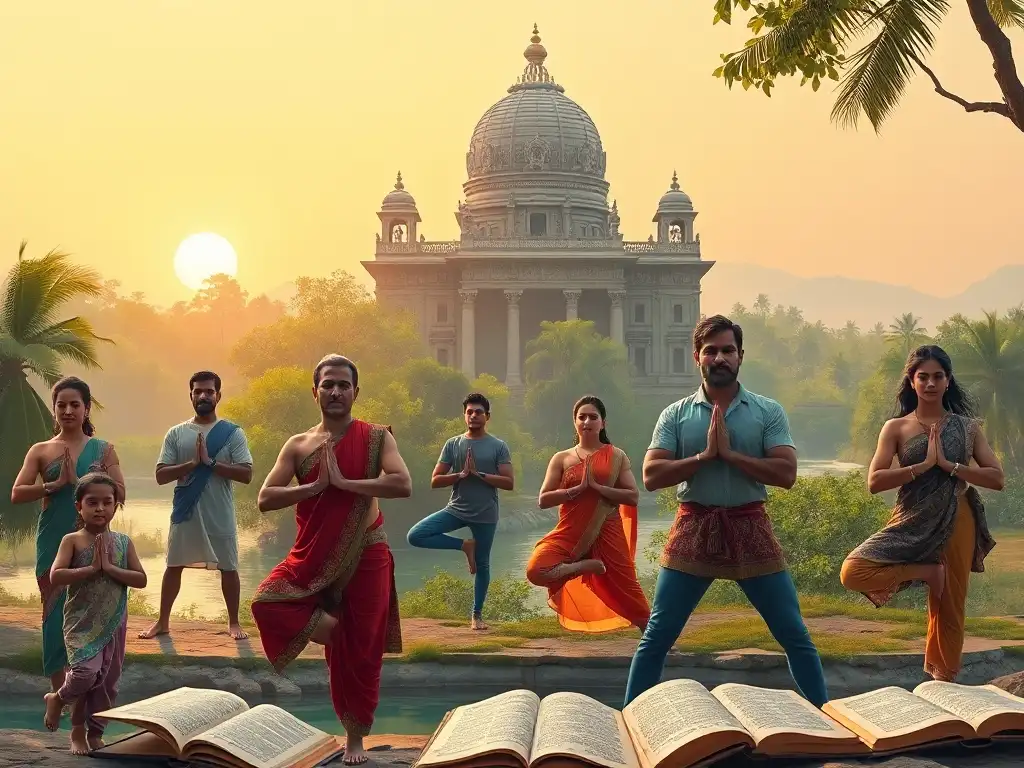
The relationship between Yoga and Hinduism is deeply intertwined, with Yoga serving as a vital component of Hindu spiritual practices. Dating back thousands of years, ancient texts such as the Vedas and Upanishads illustrate how Yoga was initially developed as a means to achieve spiritual enlightenment and self-realization. In these traditions, Yoga transcends mere physical postures; it encompasses a holistic approach to life that integrates ethical conduct, devotion, and meditation.
Hinduism views Yoga as a pathway to connect with the divine, promote inner peace, and cultivate a deeper understanding of the self. This interplay is evident in various schools of thought within Hindu philosophy, such as Vedanta and Samkhya, which emphasize the importance of self-discipline and mindfulness. Ancient texts like the Bhagavad Gita further elaborate on this connection by illustrating how the practice of Yoga can lead to liberation (moksha) from the cycle of birth and rebirth (samsara).
The evolution of Yoga within Hinduism showcases its adaptability and relevance across different periods and contexts. As Hinduism itself has evolved, so too has the interpretation and practice of Yoga, reflecting the diverse spiritual landscape of ancient India. This dynamic relationship continues to influence contemporary understandings of both Yoga and Hindu spirituality.
Rituals and Practices: Integrating Yoga into Hindu Worship
Rituals and practices play a crucial role in the integration of Yoga into Hindu worship. Various forms of Yoga, including Bhakti Yoga (the path of devotion) and Karma Yoga (the path of action), are often expressed through communal rituals and personal devotion. For instance, during puja (worship), practitioners may incorporate asanas (postures) and pranayama (breath control) to enhance their spiritual experience and deepen their connection with the divine.
The chanting of mantras, a significant aspect of Hindu rituals, aligns with the principles of Yoga by promoting mindfulness and concentration. This practice not only serves to honor deities but also aids in calming the mind and fostering a meditative state. The use of mudras (hand gestures) during rituals further exemplifies the physical embodiment of spiritual intentions, bridging the gap between physical practice and religious devotion.
Additionally, festivals and communal gatherings provide opportunities for collective Yoga practices, reinforcing the social dimensions of Hindu worship. These gatherings often include group meditations, yoga sessions, and devotional singing, emphasizing the importance of community in spiritual development. Through these rituals, Yoga becomes an integral aspect of Hindu worship, enhancing the overall religious experience and fostering a sense of unity among practitioners.
The Role of Meditation and Breath Control in Hinduism
Meditation and breath control are central to the practice of Yoga, particularly within the context of Hinduism. Ancient texts such as the Yoga Sutras of Patanjali outline the significance of these practices in achieving mental clarity, emotional stability, and spiritual growth. Meditation (dhyana) is viewed as a means to quiet the mind and connect with the divine, allowing practitioners to transcend the distractions of everyday life.
Breath control, known as pranayama, complements meditation by regulating the life force (prana) within the body. This practice not only improves physical health but also enhances mental focus and emotional resilience. Ancient practitioners understood the profound impact that breath has on the mind and body, recognizing it as a key element in the pursuit of self-realization.
In Hinduism, meditation and breath control are often practiced in conjunction with other yogic techniques, such as concentration (dharana) and contemplation (samadhi). Together, these practices create a comprehensive framework for spiritual development, enabling practitioners to cultivate awareness, inner peace, and a deeper connection to the divine. The emphasis on these elements within ancient texts underscores their enduring significance in the spiritual landscape of Hinduism.
Conclusion: The Enduring Legacy of Yoga and Hinduism
The legacy of Yoga and Hinduism is one of profound interconnectedness, with ancient texts providing a rich tapestry of insights into their relationship. This enduring legacy highlights how Yoga has been integral to Hindu spiritual practices, shaping the way individuals engage with their faith and pursue spiritual enlightenment.
As the practices of Yoga continue to evolve and adapt in contemporary society, the foundational principles rooted in Hindu philosophy remain relevant. The emphasis on meditation, breath control, and ethical living serves as a guiding light for practitioners seeking to deepen their spiritual journey.
Ultimately, the connection between Yoga and Hinduism, as evidenced in ancient texts, reinforces the importance of holistic practices that address the mind, body, and spirit. This enduring relationship not only enriches our understanding of ancient Indian civilization but also offers timeless wisdom applicable to modern spiritual seekers worldwide.
Further Reading and Resources
For those interested in delving deeper into the intricate relationship between yoga and Hinduism as depicted in ancient texts, a variety of resources can enhance your understanding and appreciation of this profound connection. Below is a curated list of recommended readings, documentaries, and online sources that provide valuable insights into the historical and philosophical aspects of yoga and Hinduism.
Books
-
The Yoga Sutras of Patanjali
A foundational text for both yoga and Hindu philosophy, this work outlines the principles of yoga practice and the philosophical underpinnings of Hindu thought. Various translations and commentaries are available, including ones by B.K.S. Iyengar and Swami Satchidananda.
-
The Bhagavad Gita
This revered scripture is not just a spiritual classic but also a philosophical guide that integrates concepts of yoga with duty, ethics, and the nature of the self. It is essential reading for anyone looking to understand the spiritual dimensions of yoga within Hinduism.
-
The Upanishads
A collection of ancient texts that explore the nature of reality and self, the Upanishads discuss various forms of meditation and the philosophy of yoga, making them crucial for understanding its origins and significance in Hinduism.
Articles and Journals
-
"Yoga and Hinduism: A Historical Perspective"
This scholarly article provides an in-depth analysis of the evolution of yoga within the context of Hindu philosophy, examining key texts and historical developments.
-
"The Role of Meditation in Hindu Practices"
A comprehensive review of how meditation intertwines with yoga in Hinduism, addressing both ancient practices and contemporary interpretations.
Documentaries
-
"Yoga: The Art of Transformation"
This documentary explores the historical evolution of yoga, featuring insights from scholars, practitioners, and ancient texts, providing a visual journey through the art and philosophy of yoga in relation to Hinduism.
-
"The Last Guru"
A captivating exploration of the lives of yoga practitioners and their connection to Hindu spiritual leaders, shedding light on the transmission of knowledge through generations.
Online Resources
-
The Internet Archive
A treasure trove of historical texts, the Internet Archive houses digital versions of ancient manuscripts related to yoga and Hinduism, allowing for free access to primary sources.
-
Yoga Alliance
This organization offers resources and articles that highlight the historical context of yoga within Hinduism, including educational materials for both practitioners and teachers.
By engaging with these resources, readers can gain a more nuanced understanding of how yoga and Hinduism are intertwined, both in ancient texts and in contemporary practice. Whether you are a scholar, practitioner, or a curious learner, these materials will enrich your exploration of this ancient and profound relationship.
- Introduction to Yoga and Hinduism
- Historical Context of Yoga and Hinduism
- Key Ancient Texts on Yoga and Hinduism
- Yoga Sutras of Patanjali: A Systematic Approach to Yoga
- The Interplay of Yoga and Hindu Spiritual Practices
- Conclusion: The Enduring Legacy of Yoga and Hinduism
- Further Reading and Resources
- What is the significance of Yoga in Hinduism?
- Which ancient texts discuss the relationship between Yoga and Hinduism?
- How did the practice of Yoga evolve in ancient India?
- Can you explain the connection between Yoga and meditation in ancient Hindu texts?
- What role did the Gupta Empire play in the development of Yoga and Hinduism?
Frequently Asked Questions
What is the significance of Yoga in Hinduism?
Yoga is an essential spiritual practice within Hinduism, designed to promote mental clarity, physical health, and spiritual growth. It connects the body, mind, and soul, reflecting key philosophical concepts in Hindu texts.
Which ancient texts discuss the relationship between Yoga and Hinduism?
The Vedas, Upanishads, and Bhagavad Gita are pivotal ancient texts that explore the principles of Yoga and its integration into Hindu philosophy. These texts provide foundational insights into meditative practices and spiritual disciplines.
How did the practice of Yoga evolve in ancient India?
Yoga in ancient India evolved through various stages, influenced by religious traditions, philosophical schools, and cultural practices, ultimately leading to its diverse forms seen today. The systematization of Yoga is attributed to both Hindu and Buddhist influences.
Can you explain the connection between Yoga and meditation in ancient Hindu texts?
In ancient Hindu texts, Yoga is often synonymous with meditation, emphasizing the importance of mindfulness and achieving inner peace. Both practices aim to cultivate a deeper understanding of the self and the universe.
What role did the Gupta Empire play in the development of Yoga and Hinduism?
The Gupta Empire marked a golden age for the arts and sciences, fostering the development of Yoga and Hindu philosophy. This period saw the compilation of key texts that solidified Yoga's place in Hindu practices.
Final Reflection: The Timeless Bond of Yoga and Hinduism in Ancient Texts
The intricate relationship between yoga and Hinduism, as explored in ancient texts, remains profoundly relevant today. In a world increasingly characterized by chaos and distraction, the teachings of these texts offer a pathway to inner peace and spiritual growth. The wisdom encapsulated in these ancient traditions serves as a reminder of the enduring power of mindfulness and self-discovery, urging us to reconnect with our inner selves amidst the noise of modern life.
Cultural and social landscapes continue to be shaped by the principles of yoga and Hinduism, which have transcended their origins to influence global wellness movements. The teachings found in ancient scriptures not only provide a foundation for physical practice but also foster a deeper understanding of our interconnectedness. As the renowned yogi B.K.S. Iyengar once said, Yoga does not just change the way we see things, it transforms the person who sees.
This transformation is vital in fostering compassion and awareness in our communities, highlighting the relevance of these ancient practices in contemporary society.
As you reflect on the insights gained from this exploration of yoga and Hinduism, I invite you to consider how you can incorporate these teachings into your daily life. Embrace the opportunity to cultivate mindfulness, compassion, and self-awareness, allowing the wisdom of ancient texts to guide your journey. By doing so, you not only honor the legacy of these traditions but also contribute to a more harmonious and connected world. Let the lessons of the past illuminate your path forward, inspiring you to live with intention and purpose.
Unveil the Deeper Connections: Take Action Today!
Thank you for diving into the fascinating exploration of the interplay between yoga and Hinduism in ancient texts! We hope you’ve gained valuable insights into this rich cultural tapestry. Now it’s time to turn that knowledge into action and deepen your understanding even further.
Here are some practical steps you can take right now:
- Join a local yoga class or workshop: This firsthand experience can enhance your connection to the practices discussed and provide a deeper appreciation of their spiritual significance.
- Read foundational texts on yoga and Hindu philosophy: Explore works such as the Bhagavad Gita and the Yoga Sutras of Patanjali to discover how they resonate with your personal journey.
- Share your thoughts: Engage with friends or connect on social media— which aspect of this connection captivates you the most? Start a discussion and spread this wisdom!
What insights have you gained about how yoga influences your daily life and spirituality? We invite you to share your reflections below!