
The Rise and Fall of the Chola Dynasty: A Journey Through Southern India's Powerhouse

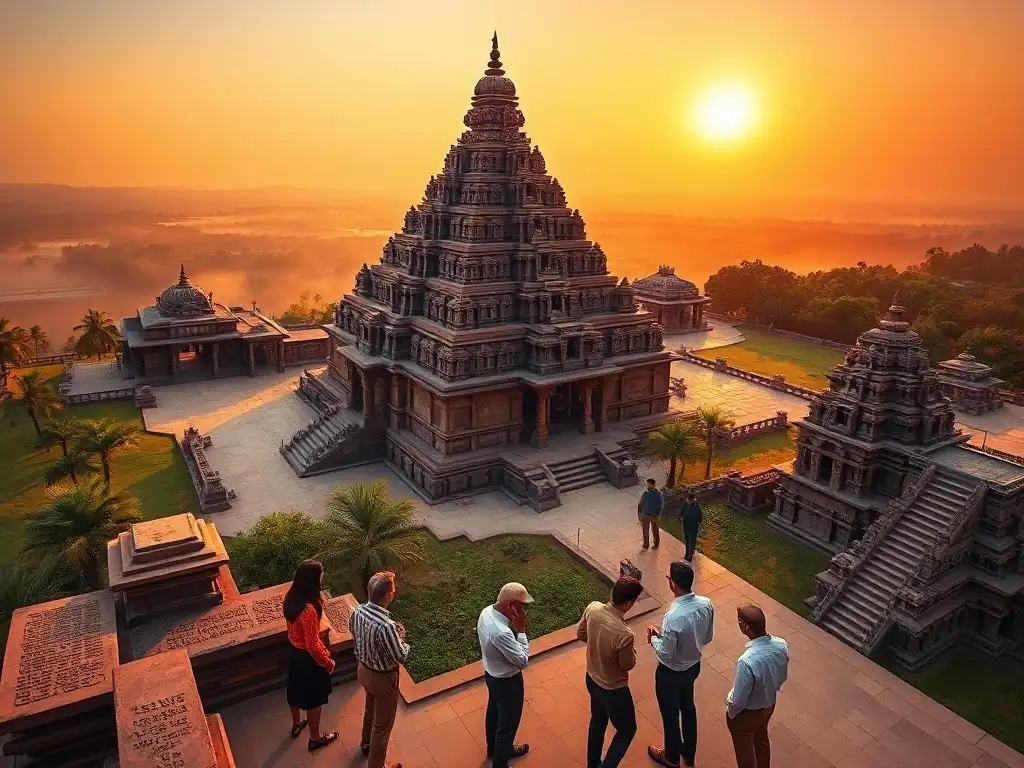
Welcome to Ancient India History, where we delve deep into the rich tapestry of India's past! In today’s exploration, we shine a light on the Chola Dynasty, a remarkable powerhouse that shaped Southern India through its vibrant culture and significant contributions. Have you ever wondered how this dynasty rose to prominence and what ultimately led to its decline? Join us as we unveil the fascinating journey of the Chola Dynasty, from its majestic temples to its formidable naval prowess, and discover the legacy that continues to influence modern India. Your adventure into the depths of history begins here!
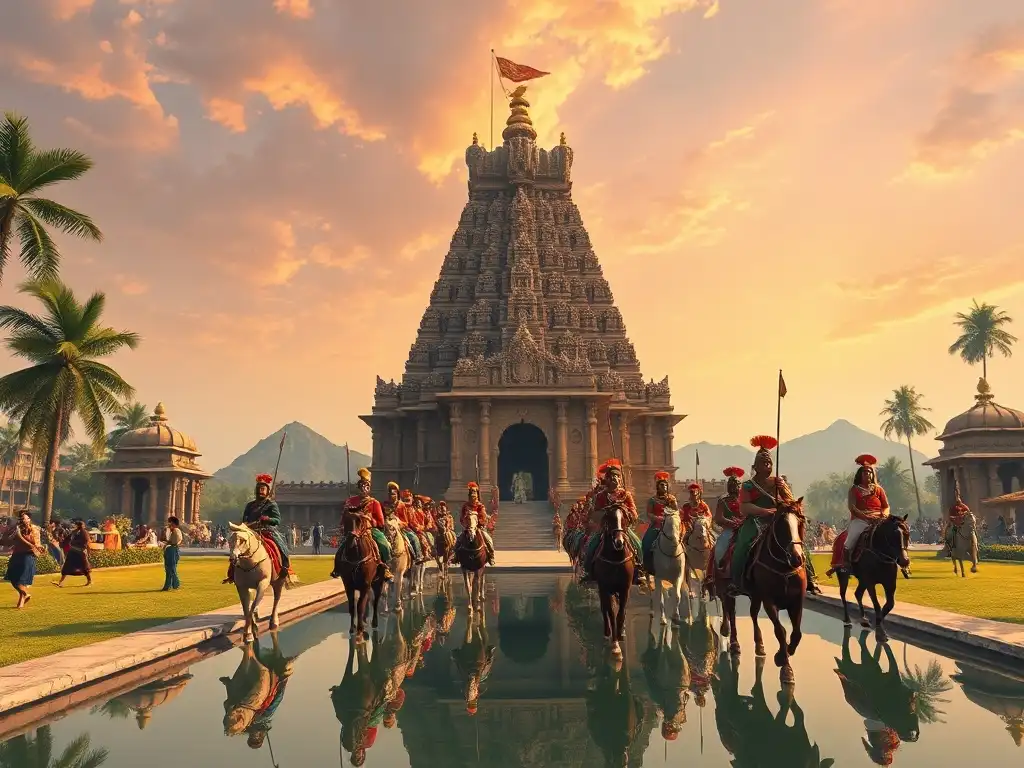
The Chola Dynasty stands as one of the most illustrious and influential dynasties in the expansive tapestry of ancient Indian history. Renowned for its remarkable contributions to art, architecture, administration, and trade, the Chola era marked a significant period of cultural and political development in Southern India. Spanning from the early medieval period to the apex of its power in the 11th century, the Chola Dynasty not only shaped the political landscape of its time but also left an indelible mark on the cultural heritage of India.
This article delves into the intricate history and vibrant culture of the Chola Dynasty, exploring its origins, achievements, and the eventual decline that punctuated its reign. Through this journey, we aim to highlight the profound significance of the Chola Dynasty in the broader context of Southern Indian history.
Introduction to the Chola Dynasty
The Chola Dynasty, with its roots tracing back to ancient times, is often celebrated for its military prowess and maritime trade. The dynasty flourished in the fertile lands of Tamil Nadu and extended its influence across the southeastern coast of India and beyond, reaching territories in Southeast Asia. This section will provide a comprehensive overview of the rich tapestry of Chola culture, including its language, literature, and spiritual practices, which collectively illustrate the dynasty's enduring legacy.
Overview of Chola Dynasty History and Culture
The Chola Dynasty's history is characterized by a series of remarkable achievements and transformations. Emerging in the 9th century under the leadership of rulers like Vijayalaya Chola, the dynasty witnessed a meteoric rise, reaching its zenith under the reign of Rajaraja Chola I and his son Rajendra Chola I. These emperors not only expanded the kingdom's territorial boundaries but also patronized the arts, leading to a flourishing of Dravidian architecture exemplified by the majestic Brihadeeswarar Temple in Thanjavur.
Culturally, the Chola Dynasty is known for its contributions to Tamil literature, dance, and music, significantly influencing the cultural landscape of Southern India. The richness of Chola art and architecture continues to be celebrated and studied, reflecting the sophistication and creativity of its time.
Significance of the Chola Dynasty in Southern India
The significance of the Chola Dynasty extends beyond mere conquests; it played a pivotal role in the development of trade routes and the establishment of a strong administrative framework. The Cholas were instrumental in fostering international trade relations, particularly with Southeast Asia, enabling cultural exchanges that enriched the region. Their innovative governance, characterized by local self-rule and efficient taxation systems, laid the groundwork for future political structures in Southern India.
Furthermore, the Chola Dynasty's patronage of Hindu temples as centers of learning and culture facilitated the spread of religion and philosophy, making it a cornerstone of Southern Indian society. The impact of the Chola Dynasty continues to resonate in modern-day Tamil culture and identity.
The Origins of the Chola Dynasty
The origins of the Chola Dynasty are steeped in legend and history, with early references tracing back to the Tamil Sangam literature. This section explores the formative years of the Chola Kingdom, shedding light on the socio-political landscape that paved the way for its future prominence.
Early History and Formation of the Chola Kingdom
The early history of the Chola Dynasty is marked by a gradual consolidation of power in the region of Tamil Nadu. Initially, the Cholas were one of the many dynasties vying for control over the fertile lands of the Kaveri Delta. The establishment of the Chola Kingdom is often attributed to the strategic leadership of Vijayalaya Chola, who reasserted Chola dominance after a period of decline.
Over the years, the Cholas expanded their territory through military conquests and alliances, establishing a formidable presence in Southern India. The administrative framework set in place during this time laid the foundation for the dynasty's future successes.
Key Figures in the Early Chola Dynasty
Several key figures emerged during the early Chola Dynasty, each contributing to its ascent. Notable among these was Vijayalaya Chola, who is credited with revitalizing the Chola power base. His successors, such as Aditya Chola I, further expanded the kingdom's boundaries and consolidated power. These rulers not only focused on military endeavors but also on cultural patronage, fostering an environment where art and literature could thrive.
The dynamic leadership and vision of these early Chola kings played a crucial role in shaping the identity of the Chola Dynasty and setting the stage for its remarkable achievements in the centuries to follow.
The Golden Age of the Chola Dynasty
The Chola Dynasty, which reigned from approximately the 9th to the 13th centuries CE, is often regarded as a pinnacle of South Indian civilization. This era is celebrated for its remarkable advances in various domains, marking it as a Golden Age in the history of ancient India. The Chola kings, particularly those from the 10th to the 12th centuries, such as Rajaraja Chola I and his son Rajendra Chola I, are credited with expanding their territory and influence significantly, establishing a vast empire that stretched beyond the Indian subcontinent.
During this period, the Chola Dynasty witnessed political stability and military prowess, which laid the groundwork for cultural and economic development. The empire's extensive trade networks extended to Southeast Asia, fostering not only commerce but also cultural exchanges. This interaction led to the spread of Tamil culture, art, and architecture across the region, positioning the Cholas as a dominant power in southern India and beyond.
Political Expansion and Dominance
The political expansion of the Chola Dynasty can be traced back to its strategic conquests and alliances. Under the leadership of Rajaraja Chola I, the dynasty embarked on a series of military campaigns aimed at consolidating power. The Cholas successfully conquered parts of present-day Tamil Nadu, Kerala, and even extended their reach to Sri Lanka, where they captured the Jaffna Peninsula. Rajendra Chola I further expanded the dynasty’s influence by launching naval expeditions that reached as far as the Maldives and parts of Southeast Asia, including present-day Indonesia.
This expansion was not merely about territorial acquisition; it was instrumental in establishing the Chola Dynasty as a formidable maritime power. The Chola navy played a crucial role in controlling trade routes, which enriched the empire economically. The centralization of power under the Chola kings resulted in a well-organized administrative system that facilitated governance across vast regions, ensuring the loyalty of local chieftains and integrating diverse cultures within the empire.
Cultural Flourishment During the Chola Era
The cultural flourishment during the Chola era is evident in various aspects, including art, architecture, literature, and religion. The Chola kings were great patrons of the arts, commissioning numerous temples that are now celebrated as architectural masterpieces. The Brihadeeswarar Temple in Thanjavur, a UNESCO World Heritage Site, exemplifies the grandeur of Chola architecture with its towering vimana (temple tower) and intricate sculptures.
In addition to architecture, the Chola period saw a surge in Tamil literature. The compilation of works such as the Tirukkural and the Silappatikaram reflects the richness of Tamil language and culture. The Cholas also played a pivotal role in promoting Shaivism, leading to the establishment of various temples dedicated to Lord Shiva, which became centers of worship and cultural activities.
The innovative contributions to dance and music during this time laid the foundation for classical Tamil arts. The Bharatanatyam dance form, which has its roots in the temples of the Chola period, showcases the dynasty's commitment to cultural expression. Overall, the Chola era is characterized by a robust cultural identity that left an indelible mark on the Indian subcontinent.
Decline of the Chola Dynasty
Despite its monumental achievements, the Chola Dynasty eventually faced a decline, influenced by internal strife and external pressures. By the late 12th century, the once-mighty empire began to weaken, leading to its eventual fragmentation and dissolution. Understanding the factors that contributed to this decline provides insight into the complexities of historical power dynamics.
Internal Factors Leading to Decline
Internally, the decline of the Chola Dynasty can be attributed to several factors, including succession disputes, administrative inefficiencies, and regional rebellions. After the death of Rajendra Chola III, the empire struggled with a lack of strong leadership. The fragmentation of authority among the Chola successors led to power struggles, weakening central control and diminishing the efficacy of governance.
The vastness of the empire also posed logistical challenges in maintaining effective communication and administration. Local chieftains increasingly asserted their autonomy, leading to regionalism that undermined the unity of the Chola state. Additionally, economic difficulties, possibly exacerbated by overextension of resources, contributed to internal discord. The loss of revenue from trade due to declining maritime power further weakened the dynasty's financial base, making it difficult to sustain military campaigns and administrative functions.
External Threats to the Chola Dynasty
The Chola Dynasty also faced significant external threats that accelerated its decline. The rise of rival powers, particularly the Pandyas and the Hoysalas, posed formidable challenges. Both kingdoms sought to expand their territories at the expense of the Cholas, leading to military confrontations that further drained the empire’s resources.
Moreover, the invasion of the Delhi Sultanate in the 13th century introduced new dynamics to South Indian politics. The Cholas, already weakened by internal strife, struggled to defend their territories against this emerging power. The combination of military defeats and the inability to effectively counter external aggression led to the gradual loss of control over crucial regions.
The decline of the Chola Dynasty was a complex interplay of internal disintegration and external pressures, marking the end of an era characterized by power, culture, and innovation in southern India. The legacy of the Chola Dynasty continues to be celebrated today, reflecting its profound impact on Indian history and culture.
Legacy of the Chola Dynasty
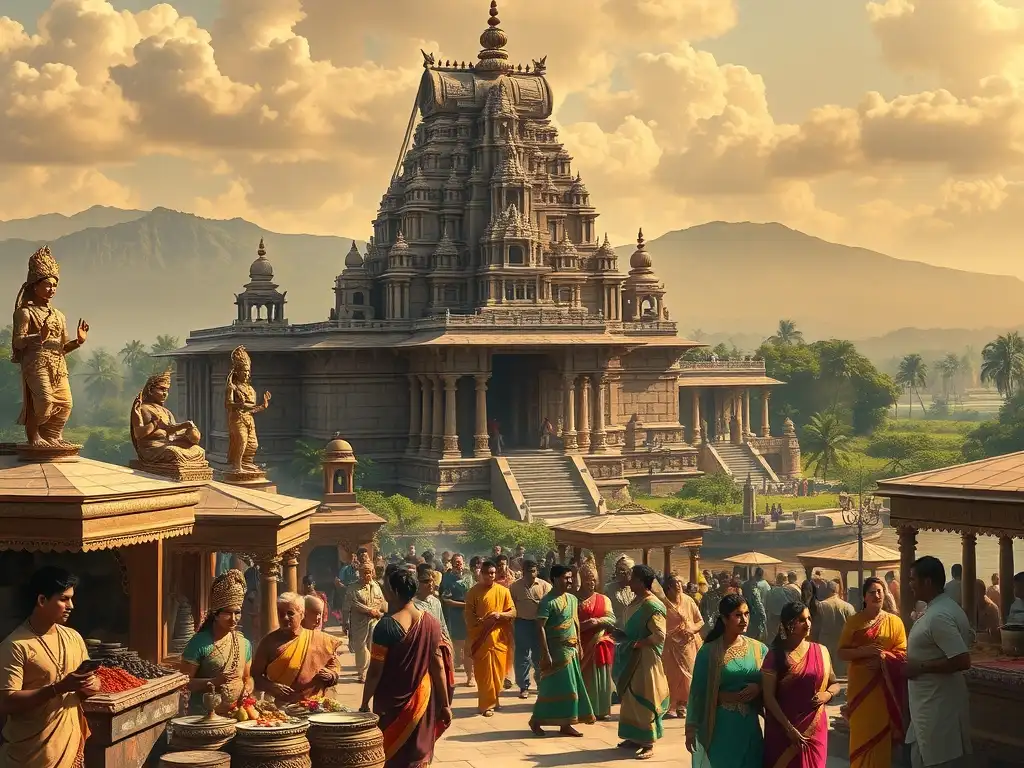
The Chola Dynasty, which flourished from approximately the 9th to the 13th centuries, left an indelible mark on Southern India and beyond. Known for their remarkable administrative capabilities, military prowess, and cultural contributions, the Cholas established a legacy that resonated through the ages. Their influence extended beyond mere territorial expansion; they played a pivotal role in shaping the cultural and political landscape of the region.
The legacy of the Chola Dynasty is evident in various aspects of Southern Indian life, from language and literature to religion and trade. Their reign is often characterized by the promotion of Tamil culture, which not only flourished under Chola patronage but also influenced neighboring regions. The Chola kings actively supported poets, scholars, and religious leaders, fostering a rich cultural milieu that celebrated Tamil heritage.
Influence on Southern Indian Culture and History
The Chola Dynasty profoundly influenced Southern Indian culture, serving as a catalyst for artistic and literary advancements. The patronage of the arts during their rule led to the creation of exquisite temple sculptures, intricate bronzes, and vibrant paintings that are still celebrated today. Chola temples, such as the Brihadeeswarar Temple in Thanjavur, exemplify their architectural brilliance and serve as UNESCO World Heritage Sites, attracting scholars and tourists alike.
Moreover, the Chola kings were instrumental in the spread of Hinduism and Tamil practices throughout Southern India and Southeast Asia. Their naval expeditions facilitated cultural exchanges, introducing Tamil customs and religious practices to regions such as Sri Lanka, Indonesia, and Malaysia. This cross-cultural interaction not only enriched the local cultures but also established the Cholas as a significant force in the broader historical narrative of India.
Contributions to Art, Architecture, and Governance
Art and architecture flourished under the Chola Dynasty, with monumental temples being one of their most significant contributions. The architectural style they pioneered, marked by towering vimanas (temple towers) and intricate carvings, set a standard for South Indian temple architecture. The use of bronze in sculptures, particularly the iconic Nataraja (dancing Shiva), showcases their artistic innovation and technical prowess.
In governance, the Chola administration was notable for its effective decentralization, with local assemblies (sabhas) playing a crucial role in decision-making and community affairs. This participatory governance model not only ensured efficient administration but also fostered a sense of local identity and responsibility. The Chola Dynasty's contributions to administrative practices influenced subsequent dynasties and laid the groundwork for future governance structures in South India.
The Chola Dynasty’s Impact on Later Dynasties
The influence of the Chola Dynasty extended well beyond their rule, impacting subsequent dynasties and shaping the political landscape of Southern India. The Pandyas and the Nayaks, who succeeded the Cholas, adopted many of their administrative techniques and cultural practices. The Chola legacy can be seen in the continuation of temple architecture, literature, and the Tamil language, which remained integral to Southern Indian identity.
Moreover, the Cholas’ military strategies and naval dominance inspired later rulers to expand their territories and engage in maritime trade. Their influence was not limited to Southern India; it reached into Southeast Asia, where the cultural and political frameworks established by the Cholas laid the foundation for future interactions between India and its neighbors.
Conclusion: The Enduring Legacy of the Chola Dynasty
The legacy of the Chola Dynasty is enduring, characterized by a remarkable blend of cultural, artistic, and administrative achievements. Their contributions continue to be celebrated and studied, providing valuable insights into the history of Southern India. The Chola period is often regarded as a golden age, where art, literature, and governance thrived, leaving a lasting imprint on the region's identity.
Reflection on Chola Dynasty History and Culture
Reflecting on the history and culture of the Chola Dynasty reveals a civilization that embraced innovation while staying rooted in tradition. Their ability to adapt and integrate diverse influences from within and beyond their borders contributed to a rich and dynamic culture. The legacy of the Chola Dynasty serves as a testament to the importance of cultural exchange and the role of governance in fostering societal growth.
Lessons Learned from the Rise and Fall of the Chola Dynasty
The rise and fall of the Chola Dynasty offer crucial lessons for contemporary societies. Their success was marked by effective governance, cultural patronage, and military strategy, while their decline highlights the vulnerabilities of even the most powerful empires to external pressures and internal strife. The Chola experience underscores the importance of adaptability, the preservation of cultural identity, and the need for cohesive governance structures in ensuring the sustainability of a civilization. As we study the Chola Dynasty, we gain insights into the complexities of history and the enduring influence of great civilizations.
Additional Resources and Further Reading
Exploring the Chola Dynasty's rich history and culture requires delving into various resources that provide broader insights into their contributions and legacy. Below are some recommended books and articles that can enhance your understanding of the Chola Dynasty and its significance within the context of Southern Indian history.
Recommended Books on Chola Dynasty History
-
"The Cholas: A History" by R. Nagaswamy
This comprehensive book covers the political, cultural, and artistic achievements of the Chola Dynasty. Nagaswamy's in-depth analysis provides readers with a thorough understanding of the dynasty's influence over Southern India and beyond.
-
"Chola Architecture" by K. R. Srinivasan
This work focuses on the unique architectural styles developed during the Chola period. It includes detailed discussions on prominent temples and monuments, illustrating the grandeur of Chola artistry.
-
"The Early Cholas: A Study in History and Culture" by N. C. S. Rajan
Rajan's book explores the early phases of the Chola Dynasty, providing insights into their origins and initial contributions to Southern Indian culture and governance.
-
"Chola Temples: A Legacy of Art and Culture" by V. R. Ramachandra
This book highlights the architectural brilliance of Chola temples and their significance as cultural hubs during the dynasty's reign. It offers an exploration of temple architecture, sculpture, and inscriptions.
-
"The Dynasties of South India" by M. K. Elankathir
While not exclusively focused on the Cholas, this book provides a broader context of Southern Indian dynasties, including their interrelations and cultural exchanges, with significant sections dedicated to the Chola Dynasty.
Relevant Articles on Southern Indian History and Culture
-
"The Chola Empire: Maritime Trade and Cultural Exchange"
This article discusses the Chola Dynasty's role in enhancing maritime trade routes, focusing on how their naval expeditions facilitated cultural exchanges across the Indian Ocean.
-
"The Influence of the Chola Dynasty on South Indian Art and Architecture"
An exploration of how Chola rulers influenced regional art forms and architectural styles, this article outlines the lasting impact of Chola aesthetics on later Southern Indian cultures.
-
"Chola Literature: An Overview"
This piece provides an overview of the literary contributions during the Chola period, focusing on notable works and authors that flourished under Chola patronage.
-
"Religious Practices in the Chola Period"
This article examines the religious landscape during the Chola Dynasty, detailing how Hinduism, Buddhism, and Jainism coexisted and influenced cultural practices.
-
"Women in Chola Society: Roles and Contributions"
A study that highlights the roles of women in Chola society, this article sheds light on their contributions to culture, economy, and politics during the dynasty's reign.
These resources provide a comprehensive foundation for anyone interested in the Chola Dynasty's history and culture, offering insights into their remarkable achievements and enduring legacy in Southern India.
- Introduction to the Chola Dynasty
- The Origins of the Chola Dynasty
- The Golden Age of the Chola Dynasty
- Decline of the Chola Dynasty
- Legacy of the Chola Dynasty
- Conclusion: The Enduring Legacy of the Chola Dynasty
- Additional Resources and Further Reading
Frequently Asked Questions
What was the significance of the Chola Dynasty in ancient India?
The Chola Dynasty was a major political and cultural force in Southern India, known for its advanced administration, maritime trade, and contributions to art and architecture.
How did the Chola Dynasty influence trade?
The Chola Dynasty played a crucial role in maritime trade, establishing routes to Southeast Asia and enhancing economic growth through commercial connections with other regions.
What are some notable achievements of the Chola Dynasty?
The Chola Dynasty is renowned for its temple architecture, particularly the Brihadeeswarar Temple, and its patronage of arts, including sculpture and literature.
When did the Chola Dynasty reach its peak?
The Chola Dynasty reached its peak during the 10th and 11th centuries, under rulers like Rajaraja Chola I and Rajendra Chola I, expanding its territory and influence significantly.
What led to the decline of the Chola Dynasty?
The decline of the Chola Dynasty was attributed to internal strife, administrative challenges, and the rise of other powers, such as the Pandyas and Kakatiyas, leading to its eventual downfall.
Final Reflection: The Enduring Legacy of the Chola Dynasty
The Chola Dynasty's history and culture resonate profoundly in today's world, showcasing a remarkable journey of power, art, and innovation. As we explore the rise and fall of this ancient dynasty, we uncover not just a tale of conquest and decline, but a narrative that continues to shape the cultural identity of Southern India. The Chola legacy, with its intricate temples and pioneering maritime trade, serves as a testament to the enduring influence of a civilization that thrived over a millennium ago.
Culture is not just a relic of the past; it is a living, breathing entity that informs our present and future. The Chola Dynasty's contributions to art, architecture, and governance have left an indelible mark on the cultural landscape of India. Their temples, adorned with exquisite sculptures, stand as monuments to creativity and devotion, while their advancements in trade and naval power laid the groundwork for future economic prosperity. As the historian K.A. Nilakanta Sastri aptly noted, The Chola Empire was not merely a political entity; it was a cultural phenomenon that influenced generations.
This ongoing influence invites us to reflect on how history shapes our current identity and values.
As we conclude our exploration of the Chola Dynasty, I invite you to consider how the lessons from this remarkable period can be applied to our lives today. Reflect on the importance of cultural heritage and the role it plays in shaping our communities. Embrace the spirit of innovation and resilience that characterized the Chola rulers, and let it inspire you to contribute positively to your own cultural narrative. By honoring the past, we can forge a brighter future, ensuring that the legacy of the Chola Dynasty continues to inspire generations to come.
Embark on Your Own Journey through Ancient India!
Thank you for exploring the fascinating rise and fall of the Chola Dynasty with us! We hope you've gained insights into this powerful era that shaped Southern India's history. Now, let's keep the momentum going and dive even deeper into the rich tapestry of Ancient India.
Here are some engaging steps you can take next:
- Explore your nearest library or online resource to uncover more about the Chola Dynasty’s art and culture. You might discover hidden treasures that bring history to life!
- Join a discussion forum or social media group focused on Ancient Indian history to share your newfound knowledge and learn from others who are passionate about this captivating era.
- Visit local museums or exhibitions dedicated to Indian history, where you can experience artifacts and narratives that vividly illustrate the story of the Chola Dynasty.
As you continue your exploration, we’d love to know: What aspect of the Chola Dynasty intrigues you the most, and how do you plan to uncover more about it?