
The Evolution of Trade Practices in Ancient India


Welcome to Ancient India History, where we embark on a fascinating journey through the rich tapestry of ancient Indian civilizations. Here, you’ll uncover the evolution of trade practices in ancient India, revealing how commerce shaped societies from the bustling streets of the Indus Valley to the sophisticated networks of the Gupta Empire. What drove these ancient merchants, and how did their practices influence cultures beyond their borders?
Dive into our main article to explore the intricate web of trade that not only fueled economies but also fostered cultural exchanges, laying the groundwork for the vibrant heritage we celebrate today. Your adventure into the depths of history begins here!

Introduction to Ancient Indian Trade Practices
The evolution of trade practices in ancient India is a captivating journey that showcases the ingenuity and adaptability of one of the world’s oldest civilizations. Trade was not merely a means of exchanging goods; it was a pivotal aspect of social, economic, and cultural development that shaped the very fabric of ancient Indian society.
From the bustling markets of the Indus Valley to the sophisticated trade networks established during the Mauryan Empire, ancient Indian trade practices were characterized by a remarkable diversity and complexity. This article aims to explore the various facets of these practices, highlighting their significance in connecting different regions and cultures, and their contributions to the prosperity of ancient India.
Overview of Trade in Ancient Civilizations
Trade in ancient civilizations was intrinsically linked to the growth of urban centers and the expansion of agriculture. The advent of settlement patterns led to the establishment of marketplaces, which facilitated the exchange of goods and services. In ancient India, trade was conducted through various means, including:
- Barter System: Goods were exchanged directly without the use of money. This system relied heavily on mutual needs and negotiation skills.
- Currency Introduction: The gradual introduction of metallic coins in later periods provided a standardized medium for trade, enhancing economic transactions.
- Trade Routes: The establishment of major trade routes, such as the Silk Road, connected India with far-reaching regions, facilitating not just trade but also cultural exchanges.
As a result, trade practices evolved to encompass a wide range of commodities, including textiles, spices, gems, and agricultural products, each playing a vital role in the economy.
Importance of Trade in Ancient Indian Economy
Trade was a cornerstone of the ancient Indian economy and contributed significantly to its development. The importance of trade can be summarized as follows:
- Economic Prosperity: Trade activities led to wealth accumulation and the flourishing of urban centers.
- Cultural Exchange: Interaction with traders from different regions facilitated the exchange of ideas, art, and technology, enriching Indian culture.
- Social Structures: The growth of trade led to the emergence of specialized professions and social classes, reshaping societal hierarchies.
Thus, ancient Indian trade practices not only bolstered economic growth but also fostered a sense of interconnectedness among diverse cultures.
Historical Context of Trade in Ancient India
Trade Practices in the Indus Valley Civilization
The Indus Valley Civilization (circa 2600–1900 BCE) is often regarded as one of the earliest examples of organized trade. Archaeological findings indicate that the inhabitants engaged in extensive trade with neighboring regions, as evidenced by:
- Standardized Weights and Measures: This facilitated fair trade practices.
- Seal Impressions: These artifacts suggest that trade was conducted with a variety of goods, including cotton textiles and pottery.
- Maritime Trade: Evidence of dockyards in cities like Lothal indicates that sea trade was a vital component of their economy.
The Role of Trade in Vedic Society
During the Vedic period (circa 1500–500 BCE), trade practices evolved further as society became more structured. The significance of trade in Vedic society can be highlighted through:
- Guilds and Merchant Classes: The emergence of guilds (shrenis) promoted organized trade, allowing merchants to form cooperative groups.
- Agriculture and Surplus Production: The agricultural surplus supported trade, with goods being exchanged for services and luxury items.
- Cattle as Wealth: Cattle became a significant part of trade and wealth measurement, influencing social dynamics.
Trade Developments during the Mauryan Empire
The Mauryan Empire (circa 322–185 BCE) marked a significant milestone in the evolution of trade practices in ancient India. Key developments included:
- Extensive Trade Networks: The Mauryan Empire established vast trade networks that connected India with regions as far as the Mediterranean, enhancing the flow of goods and culture.
- Standardization of Currency: The introduction of a standardized coinage system facilitated easier transactions and encouraged trade.
- State Support for Trade: The government played an active role in promoting trade through infrastructure development, including roads and trade routes.
The evolution of trade practices in ancient India was a multifaceted process that laid the groundwork for future economic systems and cultural exchanges. Understanding these practices allows us to appreciate the intricate connections that shaped ancient Indian civilization and its enduring legacy.
Major Trade Routes of Ancient India
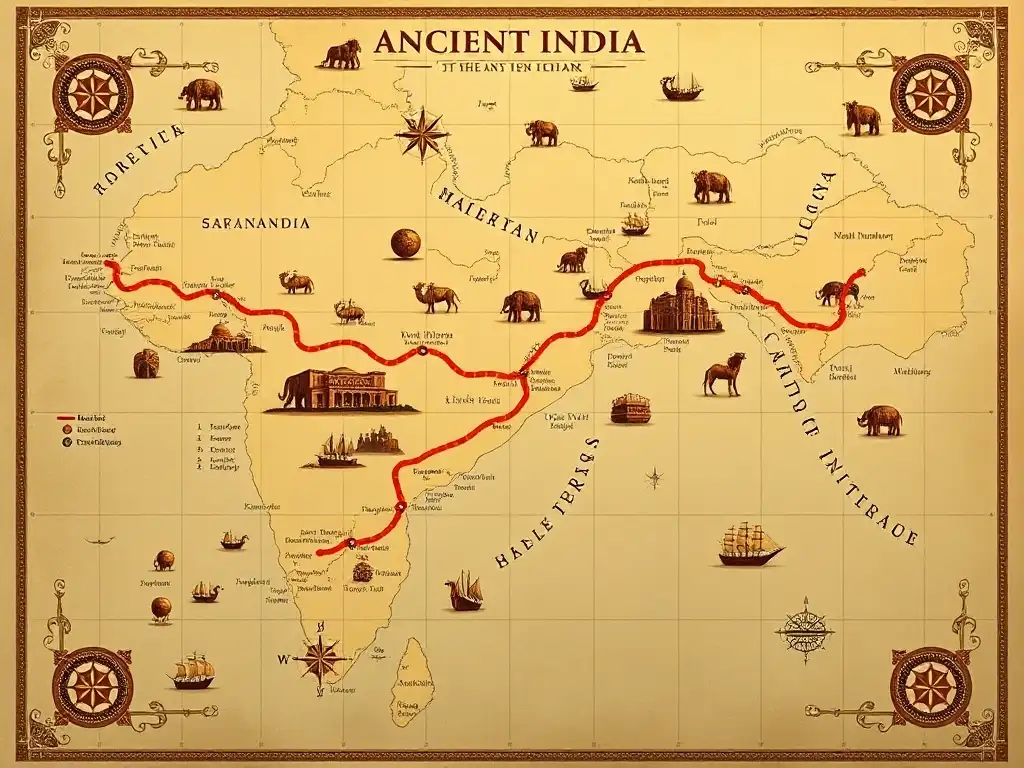
Ancient India was a hub of commerce and trade, with well-established routes that facilitated the exchange of goods, ideas, and culture. These trade routes were not merely pathways for merchants; they were the arteries of economic and cultural life, connecting various regions and fostering interactions that enriched ancient Indian civilization. The major trade routes included overland paths such as the Silk Road and extensive maritime routes that linked India with distant lands.
The Silk Road, a network of trade routes connecting East and West, played a crucial role in the exchange of silk, spices, and other luxury goods. Maritime routes, on the other hand, enabled trade with Southeast Asia, the Arabian Peninsula, and beyond, significantly influencing the economy and culture of ancient India. Additionally, regional trade networks flourished within the subcontinent, supporting local economies and facilitating the movement of goods across various kingdoms.
The Silk Road: Connecting Cultures and Economies
The Silk Road emerged as a vital commercial artery that linked India with the rest of the world, particularly China, Persia, and the Mediterranean. Spanning thousands of miles, this network of trade routes allowed for the exchange of not only tangible goods but also ideas, technologies, and cultural practices.
Silk, which originated in China, was one of the most coveted commodities traded along this route. Indian artisans were skilled in producing textiles and garments that complemented the luxurious silk, creating a vibrant marketplace for traders. Furthermore, precious gems, ivory, and spices like black pepper and cardamom were significant exports from India, captivating traders from distant lands.
The Silk Road also facilitated the spread of religious and philosophical ideas. Buddhism, for instance, traveled from India to Central Asia and beyond, demonstrating how trade was intertwined with cultural exchange. This connectivity fostered a spirit of cooperation and mutual influence among diverse civilizations.
The Maritime Trade Routes: Sea Trade and Its Impact
In addition to overland routes, ancient India boasted extensive maritime trade routes that connected it to various regions, including the Arabian Peninsula, Africa, and Southeast Asia. The coastline of India, with its natural harbors, served as ideal points for trade.
The Indian Ocean trade network was particularly significant, allowing for the exchange of goods like spices, textiles, and precious stones. Key ports such as Lothal, Muziris, and Arikamedu became bustling centers of commerce, where merchants from different cultures interacted and exchanged not only goods but also knowledge and technology.
The impact of maritime trade on ancient Indian society was profound. It contributed to the rise of coastal cities that became melting pots of cultures, ideas, and innovations. The wealth generated from trade also supported the patronage of arts and architecture, leading to the flourishing of civilizations along the coasts.
Regional Trade Networks within Ancient India
Within the Indian subcontinent, regional trade networks flourished, facilitating the exchange of goods among local communities and kingdoms. These networks were characterized by a variety of goods that reflected the diverse resources available in different regions.
For instance, the fertile plains of the Ganges were known for their agricultural products, while the Deccan plateau was rich in minerals and metals. The trade of grain, textiles, and metalwork was common, with bustling markets emerging in cities like Pataliputra and Taxila.
Local fairs and festivals often served as significant trade events, where merchants would gather to exchange goods and foster relationships. These regional networks not only supported local economies but also contributed to the overall prosperity of ancient India, uniting various cultures through trade.
Goods and Commodities in Ancient Indian Trade
The success of ancient Indian trade practices can be attributed to the diverse range of goods and commodities exchanged, which were highly sought after both domestically and internationally. The unique products of India were pivotal in establishing the country as a major trading power in the ancient world.
Key Exports of Ancient Indian Trade Practices
Ancient India was renowned for several key exports that captured the attention of global markets. Notably, the following commodities were highly valued:
- Spices: India was the world's leading supplier of spices such as black pepper, cardamom, and turmeric. These not only enhanced culinary dishes but also served as preservatives and had medicinal properties.
- Textiles: Indian cotton and silk textiles were in great demand, with intricate designs and vibrant colors that appealed to various cultures.
- Jewelry and Gems: The craftsmanship of Indian jewelers produced exquisite jewelry made from gold, silver, and precious stones like diamonds and rubies.
- Medicinal Herbs: Ayurveda, the ancient Indian system of medicine, contributed to the trade of various herbs and natural remedies, attracting interest from other civilizations.
These exports not only enriched the Indian economy but also established its reputation for quality and craftsmanship globally.
Imports that Shaped Ancient Indian Economy
While India was a significant exporter, it was also influenced by a range of imports that helped shape its economy and culture. Key imports included:
- Metals: India imported metals such as gold, silver, and copper, which were essential for crafting coins and jewelry.
- Luxury Goods: Items like glassware, perfumes, and textiles from regions like Persia and Rome found their way into Indian markets, introducing new styles and tastes.
- Agricultural Products: Grains and other agricultural products from neighboring regions helped sustain the population and contributed to food security.
These imports played a crucial role in integrating India into a broader economic network, enriching its culture and enhancing the quality of life for its inhabitants.
The Role of Spices and Textiles in Trade
Spices and textiles were arguably the cornerstones of ancient Indian trade practices. The allure of Indian spices was so significant that it motivated explorers and traders to embark on long journeys, often risking their lives for a chance to access these coveted items.
Spices, with their aromatic properties and preservative qualities, were essential not only for culinary uses but also for trade in medicinal applications. The demand for these spices was a driving force behind several maritime routes and led to the establishment of trade relations with countries as far away as Rome and China.
Similarly, textiles served as a symbol of wealth and status, with Indian fabrics being highly sought after in various markets. The expertise in dyeing and weaving techniques resulted in textiles that were not only beautiful but also diverse, catering to different tastes and needs across various cultures.
The evolution of trade practices in ancient India, characterized by major trade routes, diverse goods, and cultural exchanges, laid the foundation for a thriving economy and enriched the civilization as a whole.
Cultural and Economic Impact of Trade Practices
Trade practices in ancient India were pivotal in shaping both the cultural and economic landscape of the region. The intricate web of trade routes facilitated not just the exchange of goods but also the flow of ideas, technologies, and cultural practices. As merchants traversed vast distances, they brought with them unique cultural elements, which were absorbed and adapted by local societies. This interaction contributed to the rich tapestry of India's cultural heritage, influencing everything from art and architecture to religious beliefs and practices.
Economically, trade bolstered local economies, providing livelihoods for a multitude of people, from artisans to farmers. The rise of urban centers was often tied to their role as trade hubs, where commerce flourished and wealth accumulated. The introduction of coinage and standardized weights and measures enhanced trade efficiency, fostering a climate conducive to economic growth. This period marked the transition from a primarily agrarian economy to one that embraced commerce as a significant driving force.
Influence of Trade on Ancient Indian Society
The influence of trade on ancient Indian society was profound and multifaceted. With the establishment of trade routes connecting India to regions like the Middle East, Southeast Asia, and beyond, there was a remarkable shift in social dynamics. The emergence of a merchant class became a powerful force in society, challenging traditional power structures. This new class not only accumulated wealth but also gained significant influence in political and social spheres.
Furthermore, trade practices led to increased urbanization, as cities such as Taxila, Pataliputra, and Ujjain emerged as bustling centers of commerce. These urban centers became melting pots of diversity, bringing together people from different ethnic, linguistic, and cultural backgrounds. This interaction fostered a sense of community and cooperation, as traders and locals engaged in mutual exchange, enriching the social fabric of ancient India.
Trade and Cultural Exchange: A Two-Way Street
Trade in ancient India was not merely about the exchange of goods; it was a two-way street that facilitated cultural exchange. Indian merchants traded spices, textiles, and precious stones, while simultaneously absorbing cultural influences from distant lands. For instance, the influx of foreign ideas led to the evolution of art forms such as Gandhara art, which blended Greek and Indian styles.
Religious beliefs also crossed borders, with Buddhism and Hinduism spreading to various regions through trade routes. The Silk Road, in particular, served as a conduit for not just material goods but also philosophical ideas, fostering a rich dialogue between different cultures. This cross-pollination of ideas contributed to the development of a sophisticated intellectual landscape, evident in the writings of ancient scholars and philosophers.
The Economic Implications of Trade Practices
The economic implications of trade practices in ancient India were significant. As trade expanded, it encouraged specialization and the development of various industries. Artisans began to focus on specific crafts, leading to the production of high-quality goods that were in demand both locally and internationally. This specialization contributed to economic resilience and growth, allowing for the emergence of a thriving economy.
Moreover, trade practices facilitated the flow of wealth, which in turn supported the patronage of arts and sciences. Wealthy merchants and rulers invested in architecture, literature, and education, leading to a flourishing cultural environment. The economic prosperity generated by trade also enabled the establishment of infrastructure, such as roads and ports, further enhancing trade efficiency and connectivity.
Challenges Faced by Ancient Indian Trade
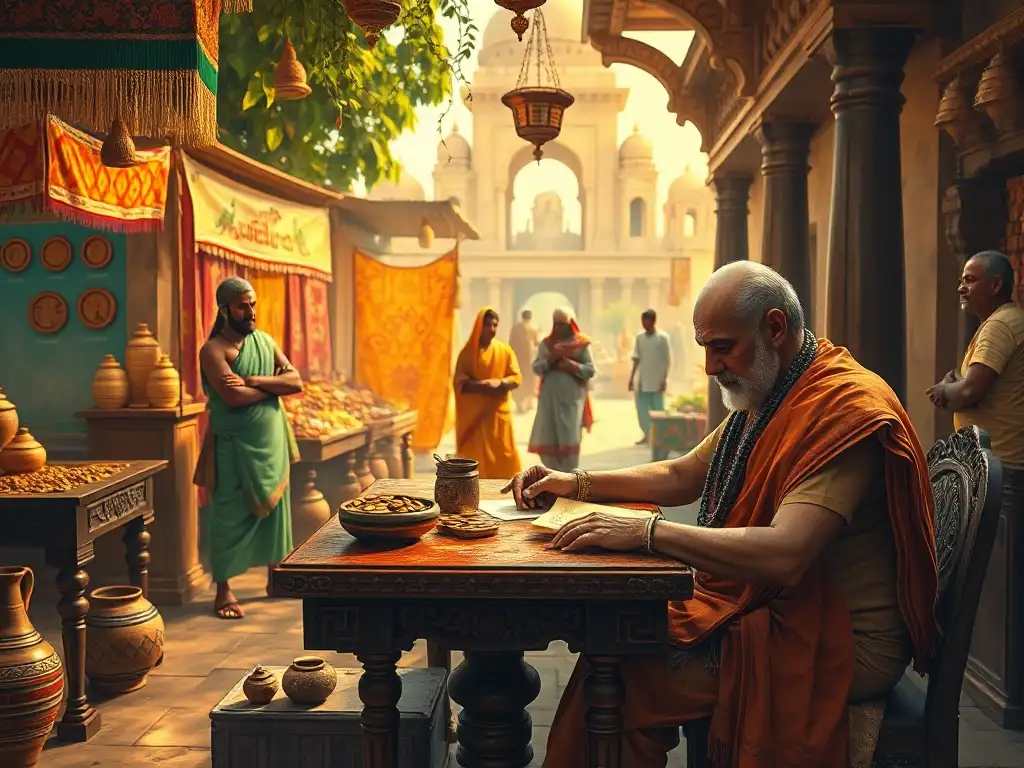
Despite the flourishing trade practices, ancient Indian trade faced several challenges that impacted its sustainability and growth. These challenges ranged from geopolitical factors to natural disasters, each posing risks to trade routes and economic stability.
Geopolitical Factors Affecting Trade Routes
Geopolitical factors played a crucial role in shaping ancient Indian trade routes. The shifting political landscape often disrupted established trade networks. For instance, invasions and conflicts could lead to the closure of key trade routes, severely impacting commerce. The rise and fall of empires, such as the Maurya and Gupta dynasties, influenced the stability and security of trade routes.
Additionally, competition from neighboring regions could affect trade dynamics. The establishment of rival trade networks by emerging powers in the region sometimes diverted commerce away from traditional routes. This geopolitical volatility necessitated adaptability among traders, who often had to navigate complex political terrains to maintain their livelihoods.
Natural Disasters and Their Impact on Trade
Natural disasters posed another significant challenge to ancient Indian trade practices. Floods, droughts, and earthquakes could devastate agricultural production, leading to food shortages and economic distress. Such events not only disrupted local markets but also impacted long-distance trade, as the availability of goods fluctuated dramatically.
For instance, the monsoon season, while crucial for agriculture, could also lead to catastrophic flooding, affecting trade routes and transport systems. Traders often had to contend with these unpredictable elements, which could jeopardize their investments and livelihoods.
The Decline of Major Trade Practices
The decline of major trade practices in ancient India can be attributed to a combination of internal and external factors. Internally, shifts in political power and the rise of regional kingdoms sometimes led to the fragmentation of trade networks. The fall of the Gupta Empire, for instance, marked a significant turning point, as political instability affected trade routes and economic conditions.
Externally, the emergence of new trade centers in other regions, such as the rise of maritime trade in Southeast Asia, diverted attention and resources away from traditional overland routes. The increasing dominance of European powers in the later centuries further diminished the significance of ancient Indian trade practices, leading to a gradual decline in their prominence.
The evolution of trade practices in ancient India reflects a complex interplay of cultural, economic, and geopolitical factors. Understanding these dynamics provides valuable insights into the rich history of ancient Indian civilizations and their contributions to global trade systems.
Legacy of Ancient Indian Trade Practices
The legacy of ancient Indian trade practices is profound and multifaceted, influencing not just the Indian subcontinent but also extending its reach to distant lands. Trade in ancient India facilitated the exchange of not only goods but also ideas, culture, and technology. The well-established trade networks, such as the Silk Road and the Maritime Silk Route, connected India to regions like Central Asia, the Middle East, and Southeast Asia. Goods like spices, textiles, and precious stones flowed out of India, while imports included metals, raw materials, and luxury items.
The ancient Indian merchants, known for their extensive knowledge and skills, played a crucial role in these trade dynamics. They developed sophisticated methods for navigation, accounting, and bargaining, which set the foundation for modern trading practices. Additionally, the establishment of trade guilds and market regulations demonstrated an early understanding of economic organization and the importance of fair trade practices.
Culturally, trade led to the spread of religions such as Buddhism and Hinduism, as merchants traveled along trade routes, sharing beliefs and philosophies. This exchange enriched the cultural tapestry of regions involved and fostered a spirit of cooperation and mutual respect among diverse civilizations.
How Ancient Trade Practices Influenced Modern Trade
Ancient Indian trade practices laid the groundwork for modern trade systems through various mechanisms. The use of standardized weights and measures, for example, ensured fairness in transactions and is a precursor to contemporary trading regulations. Additionally, the establishment of trade routes and market centers facilitated the development of logistics and supply chain management, which are vital in today's global economy.
Moreover, the integration of technology in trade, such as the invention of coins and the use of written records for transactions, highlights the evolution of commerce from barter systems to more complex financial systems. These innovations have continued to evolve, influencing banking and trade practices that dominate the global market today.
Furthermore, the intercultural exchanges that occurred through ancient trade networks have shaped modern business practices. Concepts such as negotiation, branding, and marketing can trace their origins back to the interactions and relationships formed by ancient traders, underscoring the enduring impact of these early economic exchanges.
Lessons from Ancient Indian Trade for Contemporary Economies
Contemporary economies can draw numerous lessons from ancient Indian trade practices. One key takeaway is the significance of building and maintaining strong trade relationships. The ancient merchants understood the value of partnerships, often establishing trust and rapport with their trading counterparts, which is essential in today's interconnected global market.
Sustainability is another lesson that can be gleaned from ancient practices. The ancient Indian approach to resource management and trade involved a respect for nature and a focus on sustainable practices, ensuring that trade did not deplete local resources. This perspective is increasingly relevant today as businesses and economies strive to balance growth with environmental stewardship.
Additionally, the adaptability of ancient traders in navigating various challenges, such as political changes or natural disasters, serves as a reminder for modern economies to remain flexible and resilient. Emphasizing innovation and adaptability can help contemporary businesses thrive in a rapidly changing economic landscape.
Preservation of Trade Heritage in Modern India
The rich heritage of ancient Indian trade practices is preserved in various forms in modern India. Museums showcasing historical artifacts, ancient trade routes, and the evolution of commerce highlight the importance of this legacy. Educational institutions often incorporate the study of ancient trade practices into their curriculums, ensuring that future generations understand their significance.
Moreover, traditional crafts and artisanal practices continue to thrive, reflecting the skills and techniques developed by ancient traders. Fair trade initiatives and local markets promote these crafts, connecting consumers with the heritage of Indian trade.
Cultural festivals and fairs that celebrate traditional trade practices not only preserve history but also provide a platform for artisans and local businesses to showcase their products, thereby sustaining the legacy of ancient Indian commerce in a contemporary context.
Conclusion: The Significance of Ancient Indian Trade Practices
The evolution of trade practices in ancient India is a testament to the ingenuity and resilience of its people. These practices not only shaped the economic landscape of the region but also fostered cultural exchanges that enriched civilizations across the globe. The impact of these ancient trading practices continues to resonate today, influencing modern trade dynamics and economic strategies.
Recap of the Evolution of Trade in Ancient India
The evolution of trade in ancient India can be traced through various phases, from the barter system used in early societies to the establishment of complex trade networks that connected India to the rest of the world. Significant developments included the use of coins, the formation of trade guilds, and the establishment of standardized trade practices. Each of these phases contributed to a thriving economy that was recognized globally for its richness and diversity.
Final Thoughts on the Importance of Understanding Ancient Trade Practices
Understanding ancient Indian trade practices is crucial not only for appreciating the historical context of commerce but also for recognizing the foundations of current economic systems. By studying these practices, we gain insights into sustainable trade, cultural exchange, and the importance of relationships in business. This knowledge not only honors the legacy of our ancestors but also equips us with valuable lessons that can guide contemporary and future economic practices.
- Introduction to Ancient Indian Trade Practices
- Overview of Trade in Ancient Civilizations
- Importance of Trade in Ancient Indian Economy
- Historical Context of Trade in Ancient India
- Major Trade Routes of Ancient India
- Goods and Commodities in Ancient Indian Trade
- Cultural and Economic Impact of Trade Practices
- The Economic Implications of Trade Practices
- Challenges Faced by Ancient Indian Trade
- Legacy of Ancient Indian Trade Practices
- Conclusion: The Significance of Ancient Indian Trade Practices
Frequently Asked Questions
What were the main trade practices in ancient India?
Ancient Indian trade practices involved barter systems, use of coinage, and extensive trade routes connecting to regions like the Middle East and Southeast Asia.
How did geography influence trade in ancient India?
The diverse geography of ancient India, with its coastal ports and river systems, facilitated maritime and overland trade, enhancing connections with other civilizations.
What role did the Indus Valley civilization play in trade?
The Indus Valley civilization was known for its advanced urban planning and established trade networks, evidenced by the discovery of seals and weights used for commercial transactions.
How did the Gupta Empire impact trade practices?
Under the Gupta Empire, trade flourished due to political stability, increased cultural exchange, and the establishment of trade guilds, which enhanced commercial activities.
What were some key goods traded in ancient India?
Ancient Indian traders exchanged a variety of goods, including spices, silks, precious stones, and metals, which were highly sought after in global markets.
Final Reflection: The Enduring Legacy of Ancient Indian Trade Practices
The evolution of trade practices in ancient India is not just a historical account; it is a testament to the ingenuity and resilience of a civilization that thrived through commerce and cultural exchange. Today, as we navigate a global economy that is increasingly interconnected, the lessons from ancient Indian trade practices resonate more than ever. They remind us that trade is not merely an economic transaction but a bridge that fosters relationships, understanding, and mutual growth among diverse cultures.
The influence of ancient Indian trade practices extends far beyond the past, shaping the cultural and social landscape of modern society. From the Silk Road to maritime routes, these practices facilitated not only the exchange of goods but also ideas, philosophies, and innovations. This rich tapestry of interactions has left an indelible mark on various aspects of life today. Trade is a vital link between cultures, a pathway to understanding and cooperation.
This quote encapsulates the essence of how ancient trade practices continue to inspire contemporary global interactions, emphasizing the importance of collaboration in a diverse world.
As we reflect on the significance of ancient Indian trade practices, I invite you to consider how these historical lessons can be applied in your own life. Embrace the spirit of collaboration and openness that characterized ancient traders, and seek to build bridges in your personal and professional relationships. By fostering connections and understanding across cultures, we can contribute to a more harmonious and prosperous future, echoing the legacy of those who came before us.
Unveil the Treasures of Ancient Trade Practices!
Thank you for diving into the fascinating world of trade in **Ancient India**! By exploring its evolution, you've gained valuable insights into how these practices shaped society and culture. Now, it’s your turn to take the next steps and deepen your understanding.
- Join a local history club or an online forum to discuss what you've learned and share insights with others who share your passion.
- Visit a museum that features artifacts from ancient trade routes to broaden your perspective on this cultural exchange.
- Consider creating a mini research project on a specific trade practice or region and share your findings with friends or family.
What aspect of ancient trade practices intrigues you the most, and how might it influence modern-day trading methods?