
Southern India's Role in the Indian Independence Movement: A Historical Account

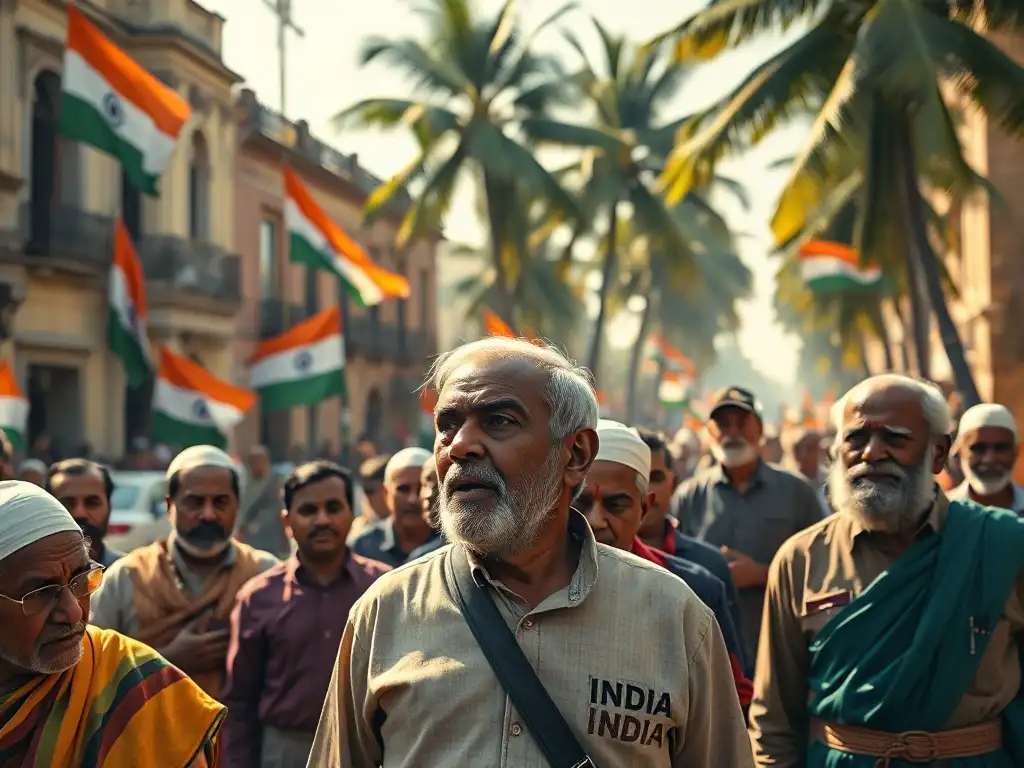
Welcome to Ancient India History, where we embark on a fascinating journey through time to uncover the rich tapestry of India's ancient civilizations. In this exploration, we delve into the Southern India's independence movement history, a pivotal chapter that shaped the nation's quest for freedom. Join us as we unveil the remarkable stories of resilience, culture, and courage that defined the southern regions' contributions to the Indian Independence Movement. Are you ready to discover how these historical events resonate even today? Read on, and let the past illuminate our present!
-
Southern India's Independence Movement History: A Historical Account
- Introduction to Southern India’s Role in the Indian Independence Movement
- Overview of the Indian Independence Movement
- Significance of Southern India in the Struggle for Freedom
- Historical Context of Southern India in the Pre-Independence Era
- Prominent Figures from Southern India in the Independence Movement
- Major Movements and Agitations in Southern India
- Cultural and Social Influences on the Independence Movement
- The Role of Literature and Arts in Mobilizing Support
- Social Reforms and Their Impact on the Freedom Struggle
- Post-Independence Reflection on Southern India's Contribution
- Legacy of Southern India’s Independence Movement History
- How Southern India Shaped Modern Indian Politics and Society
- Conclusion: The Lasting Impact of Southern India's Independence Movement
- References
-
Frequently Asked Questions
- What was the significance of Southern India's role in the independence movement?
- Who were some prominent leaders from Southern India involved in the independence movement?
- What major events took place in Southern India during the independence movement?
- How did Southern Indian culture influence the independence movement?
- What contributions did Southern Indian states make to the overall independence struggle?
- Final Reflection: The Enduring Legacy of Southern India's Independence Movement
- Ignite Your Passion for History: Take Action Today!
Southern India's Independence Movement History: A Historical Account
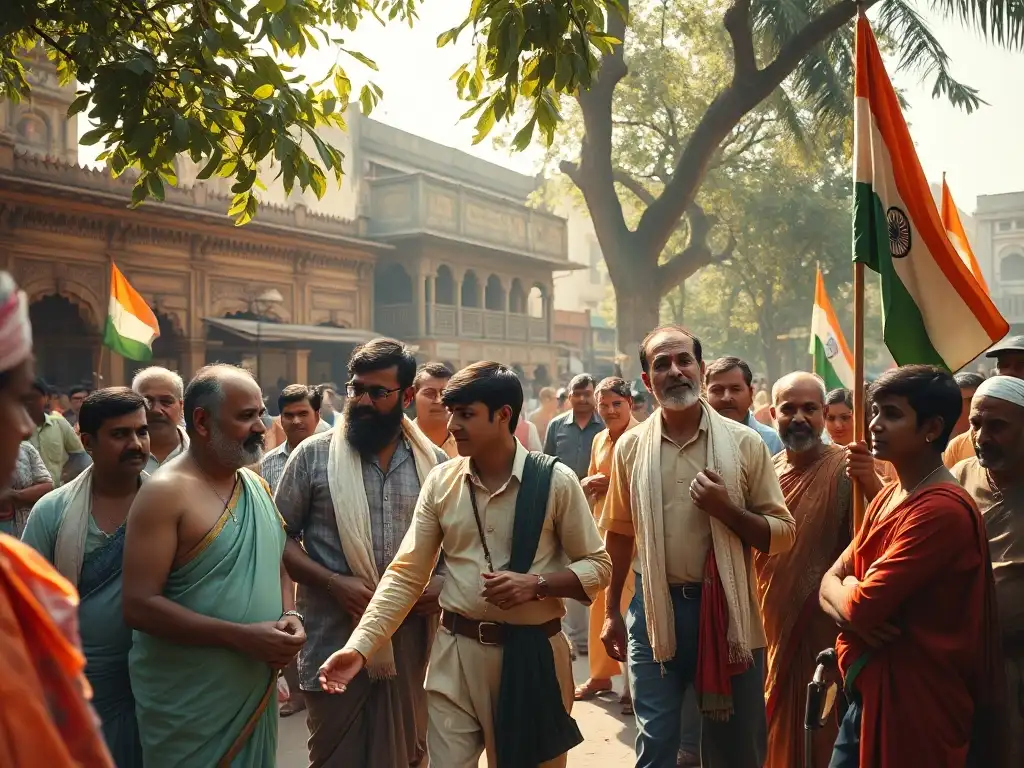
Introduction to Southern India’s Role in the Indian Independence Movement
The Indian Independence Movement was a monumental struggle that spanned several decades, culminating in the liberation of India from British colonial rule in 1947. While much of the discourse surrounding this movement often centers on the northern parts of the country, Southern India played a pivotal role in shaping the course of independence.
This article delves into the intricate tapestry of Southern India's contributions, figures, and events that significantly impacted the national struggle for freedom. By examining the unique cultural and political landscape of the region, we can gain a deeper understanding of how Southern India shaped the larger narrative of the Indian independence movement.
Overview of the Indian Independence Movement
The Indian Independence Movement was not a singular event but rather a series of coordinated efforts across various regions and strata of society aimed at ending British rule. It included a diverse array of participants, from political leaders and social reformers to common citizens. The movement was characterized by the use of both non-violent and militant strategies, with figures like Mahatma Gandhi advocating for peaceful resistance while others supported more aggressive tactics.
- Key Phases of the Movement:
- Early resistance (1857-1900)
- The rise of mass movements (1919-1947)
- The pivotal role of World War II in galvanizing public support
Significance of Southern India in the Struggle for Freedom
Southern India contributed significantly to the independence movement through its political activism, cultural renaissance, and social reform efforts. The region was home to numerous leaders and movements that inspired nationwide participation.
- Notable Contributions:
- C. Rajagopalachari: A prominent leader who advocated for civil disobedience and was instrumental in the Quit India Movement.
- E.V. Ramasamy (Periyar): A social reformer who focused on anti-caste movements, emphasizing equality and social justice.
- Women's Participation: Women from Southern India played crucial roles, organizing protests and rallies that highlighted the fight for independence.
Historical Context of Southern India in the Pre-Independence Era
Understanding the historical context of Southern India before the 20th century is essential to appreciate its role in the independence movement. The region was characterized by a distinct political landscape and socio-economic conditions that influenced its involvement in the struggle against British rule.
Political Landscape of Southern India Before the 20th Century
Before the 20th century, Southern India was marked by a complex political situation with various kingdoms and princely states, each with its own governance structures. The British gradually extended their control through treaties and military force, leading to significant changes in the political dynamics of the region.
- Key States:
- Mysore Kingdom: Known for its resistance against British domination under leaders like Tipu Sultan.
- Travancore and Cochin: These regions saw early reforms and were instrumental in the socio-political awakening.
Key Events Leading Up to the Independence Movement
Several key events in the late 19th and early 20th centuries set the stage for the independence movement in Southern India. These events galvanized public opinion and mobilized various sections of society toward the cause of independence.
- The Madras Presidency: The formation of political organizations like the Indian National Congress (INC) in Madras was crucial in uniting different groups against colonial rule.
- Non-Cooperation Movement (1920-1922): Southern India witnessed significant participation in this nationwide movement, reflecting the growing discontent with British policies.
By examining these aspects, we will uncover the rich and diverse history of Southern India's role in the Indian independence movement, providing valuable insights into this critical period in India’s past.
Prominent Figures from Southern India in the Independence Movement
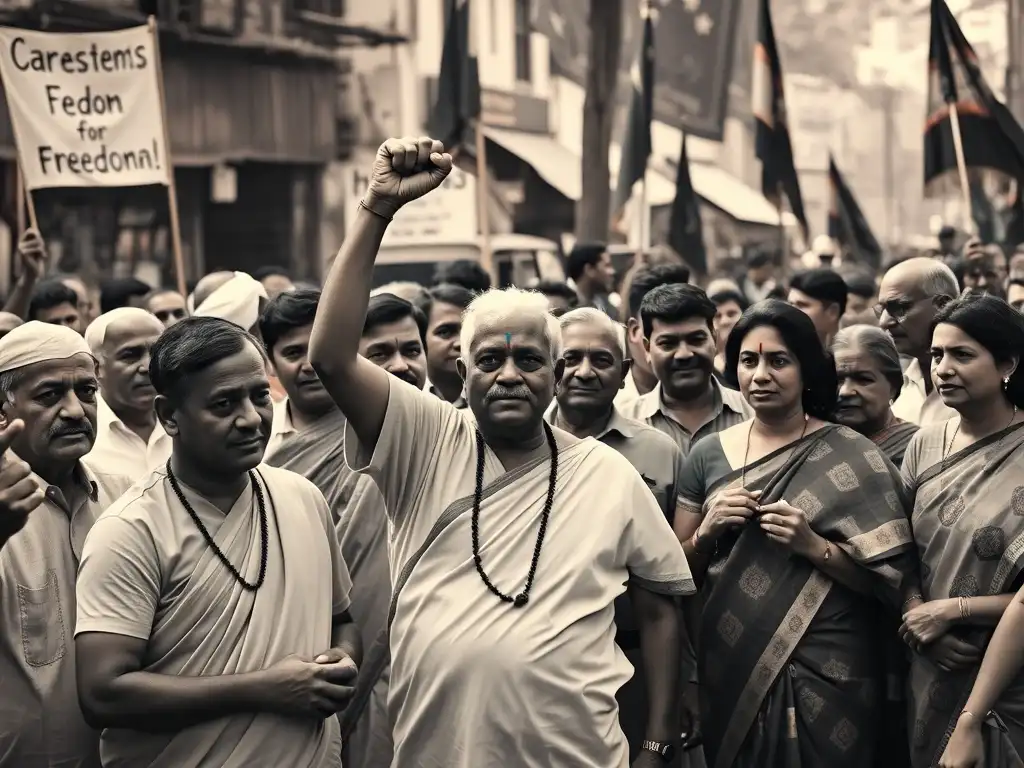
Southern India produced a myriad of influential leaders who played pivotal roles in the Indian independence movement. Their contributions not only galvanized local populations but also inspired national efforts against colonial rule. Key figures include:
- Mahatma Gandhi: Though originally from Gujarat, Gandhi’s strategies and philosophies had a profound impact in Southern India, particularly during his visits to states like Tamil Nadu and Kerala.
- C. Rajagopalachari: Known as 'Rajaji', he was a close associate of Gandhi and the first Indian Governor-General of independent India. His leadership in the Indian National Congress was critical in mobilizing support in the south.
- K. Kamraj: A prominent leader in Tamil Nadu, he played a significant role in the Congress party and was instrumental in organizing grassroots movements.
- B. R. Ambedkar: Though primarily associated with social reform, Ambedkar's advocacy for the rights of the marginalized in Southern India also aligned with the broader goals of the independence movement.
- Subhas Chandra Bose: While not from Southern India, his calls for a more militant approach resonated with many southern leaders and influenced local uprisings.
These leaders, among others, helped shape a robust resistance against British rule, each contributing uniquely to the tapestry of the independence movement.
Contributions of Leaders from Southern India
The contributions of Southern Indian leaders during the independence movement were multifaceted, encompassing political mobilization, social reform, and cultural revitalization.
- Political Mobilization: Leaders like C. Rajagopalachari and K. Kamraj organized mass rallies and campaigns, bringing together diverse communities to fight for a common cause. Their efforts in coordinating protests and forming alliances were crucial.
- Social Reform: Figures such as E.V. Ramasamy (Periyar) worked tirelessly on social issues, advocating for the rights of the oppressed and marginalized. This focus on social justice played a significant role in uniting people under the independence banner.
- Cultural Revitalization: Many leaders emphasized the importance of Indian culture and heritage, encouraging a return to traditional values and practices as a means of resistance against colonial influence.
The synergy of these contributions not only strengthened the movement in Southern India but also inspired similar efforts across the nation, showcasing a dynamic interplay of politics and social issues.
Major Movements and Agitations in Southern India
Southern India was a hotspot for various movements and agitations that were integral to the broader Indian independence struggle. These movements not only showcased the fervor for freedom but also highlighted regional issues that needed attention.
The Non-Cooperation Movement and Its Impact
Launched in 1920 by Mahatma Gandhi, the Non-Cooperation Movement marked a significant phase in Southern India's struggle for independence. The movement called for Indians to withdraw from British institutions and to refuse to cooperate with the colonial government.
- Local Participation: Southern states saw massive participation in the movement, with leaders like C. Rajagopalachari rallying support. In Tamil Nadu, significant boycotts of British goods and institutions were organized, leading to widespread protests.
- Impact on Society: The movement ignited a sense of nationalism among the masses, transcending social and caste barriers. Villagers and urban populations alike joined in solidarity, transforming the political landscape of Southern India.
The Non-Cooperation Movement established a framework for future protests and laid the groundwork for collective action against colonial rule, highlighting the unity and resolve of Southern Indians.
The Salt March and Southern Indian Participation
The Salt March of 1930, led by Gandhi, was a pivotal event in the Indian independence movement that resonated deeply in Southern India.
- Local Engagement: Southern leaders actively participated in the march and organized their own salt marches, defying British laws. Notable personalities like K. Kamraj mobilized local communities to produce salt and protest against the colonial monopoly.
- Cultural Significance: The act of making salt became a symbol of resistance, galvanizing public support and encouraging acts of civil disobedience throughout the region. This grassroots involvement showcased the deep-rooted desire for freedom among the people of Southern India.
The Salt March not only highlighted the injustices of British rule but also fostered a renewed spirit of activism that permeated Southern Indian society.
The Quit India Movement: A Southern Perspective
The Quit India Movement launched in 1942 represented a decisive moment in the independence struggle, and Southern India played a crucial role in its execution and impact.
- Widespread Protests: The call for immediate independence resonated strongly in Southern states, leading to mass protests, strikes, and civil disobedience campaigns. Leaders like K. Kamraj were pivotal in organizing these efforts, urging people to take to the streets.
- Government Response: The British response was severe, with mass arrests and repressive measures. However, the resilience shown by Southern Indians during this period highlighted their commitment to the cause of freedom.
- Legacy: The Quit India Movement galvanized widespread support across the region and solidified the resolve of Southern India to achieve independence. It served as a unifying force, bringing together diverse groups under a common goal.
The legacy of the Quit India Movement is still felt today, as it exemplified the strength and determination of Southern India in the fight for independence, influencing future generations to continue the pursuit of justice and equality.
The independence movement in Southern India was not merely a political struggle; it was deeply intertwined with cultural and social influences that shaped the aspirations and actions of its people. Various cultural movements, rooted in regional languages and traditions, ignited a sense of nationalism and unity among diverse communities. The revival of classical arts, folk traditions, and regional literature played a crucial role in fostering a collective identity.
Religious and social reformers like Swami Vivekananda and Periyar E. V. Ramasamy inspired many to challenge British rule and highlight social injustices. This was complemented by the significant role of women, who began to participate actively in the movement, advocating for both independence and social reforms. Their involvement in protests, educational initiatives, and leadership roles showcased the changing dynamics of society, pushing for equality and rights.
The Role of Literature and Arts in Mobilizing Support
Literature and the arts were vital in galvanizing public support for the independence movement in Southern India. Writers and poets used their craft to spread nationalist sentiments, criticize colonial rule, and inspire a sense of pride in Indian heritage. Notable figures like Subramania Bharati and Sarojini Naidu penned verses that resonated with the masses, making the struggle relatable and urgent.
Theatrical performances, folk songs, and art exhibitions also served as platforms for political discourse. Plays depicting the plight of the Indian populace under British rule stirred emotions and motivated citizens to join the cause. These creative expressions transcended educational barriers, reaching audiences across various social strata and igniting a collective consciousness that was pivotal for mobilizing support for the movement.
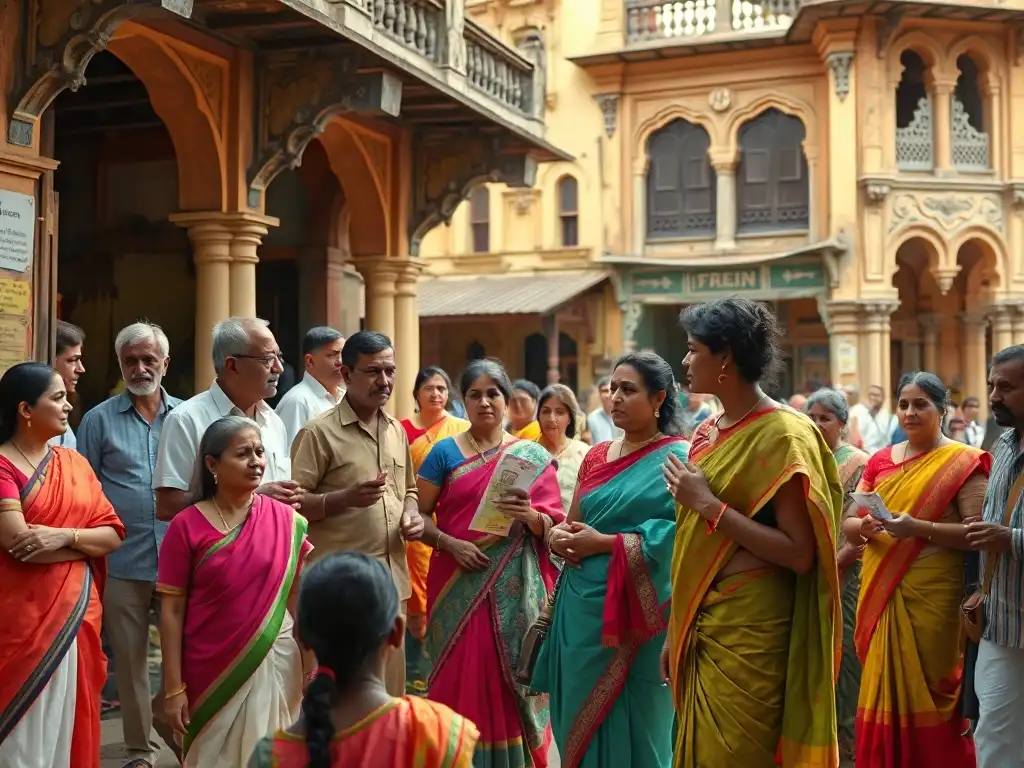
Social reform movements in Southern India significantly influenced the independence struggle by addressing the root causes of social injustice and inequality. Leaders like Dr. B.R. Ambedkar and E.V. Ramasamy championed the rights of marginalized communities, advocating for reforms that aligned with the ideals of freedom and equality. Their efforts to abolish untouchability and promote education among lower castes created a more inclusive environment.
These reforms not only enhanced social cohesion but also empowered individuals to challenge the colonial status quo. The participation of various social groups, including women and marginalized communities, expanded the movement's base, making it more representative of Indian society as a whole. This blend of social reform and political activism was crucial in strengthening the resolve of the people against British rule.
Post-Independence Reflection on Southern India's Contribution
The contributions of Southern India to the independence movement have left an indelible mark on the nation’s history, shaping its post-independence trajectory. The region's leaders and activists played crucial roles in various national movements, leaving behind a legacy of resilience and determination. The rich tapestry of cultural diversity and social reform movements that flourished in Southern India not only fueled the struggle for independence but also laid the groundwork for a more democratic and inclusive society.
In the years following independence, Southern India continued to influence national policies and development initiatives. The region became a hub for educational advancements and technological innovation, reflecting the progressive spirit that had been cultivated during the freedom struggle.
Legacy of Southern India’s Independence Movement History
The legacy of Southern India's independence movement is multifaceted, encompassing cultural, social, and political dimensions. It serves as a reminder of the power of unity in diversity, illustrating how various communities came together to challenge colonial oppression. The ideals of justice, equality, and self-governance that emerged from this struggle continue to resonate in contemporary India.
Moreover, the movement has inspired generations of activists and leaders who have fought for social justice and human rights. The commitment to addressing historical injustices and promoting inclusive governance can be traced back to the collective efforts of Southern India's freedom fighters, whose contributions are celebrated and remembered as integral to India’s identity.
How Southern India Shaped Modern Indian Politics and Society
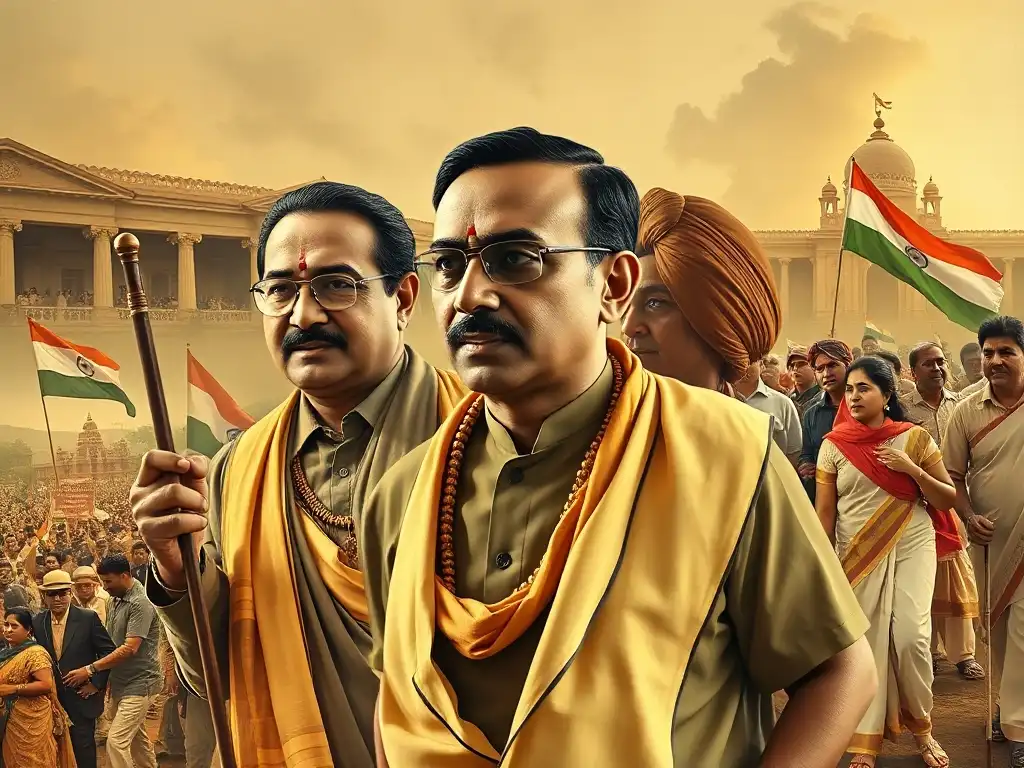
Southern India has played a pivotal role in shaping modern Indian politics and society. The region's emphasis on education, social justice, and regional autonomy has influenced national policies and political discourse. Political movements in Southern states often reflect the aspirations of diverse communities, advocating for rights and representation.
The legacy of leaders from Southern India, such as K. Kamaraj and M. Karunanidhi, continues to impact political strategies and grassroots movements today. Their emphasis on welfare policies, education, and economic development has set benchmarks for governance across the country. Furthermore, the region's rich cultural heritage continues to enrich India's national narrative, ensuring that Southern India remains an essential component of the country's evolving identity.
Conclusion: The Lasting Impact of Southern India's Independence Movement
The independence movement in Southern India played a pivotal role in shaping the broader narrative of India's struggle for freedom from British colonial rule. This region not only contributed significantly to the political discourse of the time but also fostered a sense of unity among diverse communities. The movements and leaders from Southern India, including figures like E.V. Ramasamy (Periyar), K. Kamaraj, and others, brought forth ideas of social reform and equality, which resonated across the nation.
The impact of Southern India's independence movement extends beyond the historical context; it has left an indelible mark on contemporary Indian society. The emphasis on social justice, linguistic pride, and regional identity has influenced modern political ideologies, ensuring that the voices of the southern states remain integral to national conversations. The legacy of these movements continues to inspire current generations to engage in civic duties and champion social reforms, underscoring the importance of historical awareness in contemporary governance.
Reflection on Historical Contributions to National Identity
The contributions of Southern India to the independence movement highlight the region's unique cultural and social dynamics that shaped India's national identity. The struggles against colonial rule were not merely political but were deeply intertwined with the region's rich heritage, languages, and traditions. Leaders from Southern India articulated a vision that encompassed both regional aspirations and national unity, fostering a sense of belonging among various ethnic and linguistic groups.
Moreover, movements such as the Non-Cooperation Movement and the Quit India Movement saw significant participation from Southern states, showcasing the collective efforts of people from different backgrounds. This collaboration helped forge a national identity that celebrated diversity while uniting under the common goal of independence. The historical contributions from Southern India have thus become an essential part of India’s narrative, serving as a reminder of the sacrifices made for freedom and the ongoing journey toward social equality.
Future of Historical Studies on Southern India and Independence
As interest in regional histories grows, the future of historical studies on Southern India and its role in the independence movement appears promising. Scholars are increasingly recognizing the need to investigate the intricacies of regional dynamics and their contributions to the larger narrative of Indian history. This shift is likely to lead to a more nuanced understanding of how Southern India's unique socio-political landscape influenced national movements.
Future research may focus on unearthing lesser-known stories of local leaders and grassroots movements, which can provide a more comprehensive view of the independence struggle. Additionally, interdisciplinary approaches that incorporate sociology, anthropology, and cultural studies can enrich historical analyses, offering fresh perspectives on the region's past. By emphasizing the importance of Southern India’s independence movement history, researchers can contribute to a more inclusive and diverse understanding of India's freedom struggle.
References
Suggested Reading on Southern India's Role in the Independence Movement
- "The Southern Indian Independence Movement" by K. R. Nair - This book delves into the specific events and figures from Southern India that were crucial to the independence movement.
- "Voices of the South: Regional Perspectives on the Indian Independence Movement": edited by A. P. Balakrishnan - A collection of essays exploring various regional movements, including those in Southern India.
- "Freedom Struggle in South India: A Historical Account": by M. R. Rao - This work provides a detailed analysis of the socio-political landscape of Southern India during the struggle for independence.
Key Historical Documents and Archives Related to the Movement
- The Tamil Nadu State Archives - Houses a wealth of documents, including correspondence, reports, and records from the independence movement period.
- The Indian National Congress Archives - Contains primary documents and minutes from meetings that detail the involvement of Southern Indian leaders in the national movement.
- Personal Letters and Diaries of Key Figures - Many personal narratives, such as those from K. Kamaraj and other leaders, offer intimate insights into the motivations and challenges faced during the independence struggle.
These resources are invaluable for anyone looking to deepen their understanding of Southern India's contributions to the independence movement and the historical context surrounding it.
Frequently Asked Questions
What was the significance of Southern India's role in the independence movement?
Southern India played a crucial role in the Indian independence movement by contributing key leaders, social reforms, and mass mobilizations that inspired nationwide efforts against colonial rule.
Who were some prominent leaders from Southern India involved in the independence movement?
Prominent leaders included C. Rajagopalachari, S. Subramania Bharati, and V. O. Chidambaram Pillai, who were instrumental in organizing protests and advocating for self-rule.
What major events took place in Southern India during the independence movement?
Key events included the Salt Satyagraha in 1930 and the Quit India Movement in 1942, which saw significant participation from the local populace and reinforced the demand for freedom.
How did Southern Indian culture influence the independence movement?
The rich cultural heritage of Southern India fostered a sense of unity and identity, which galvanized support for the movement and contributed to the articulation of nationalist ideas.
What contributions did Southern Indian states make to the overall independence struggle?
Southern Indian states contributed significantly through economic resources, human capital, and by serving as epicenters for political activism and intellectual discourse that shaped the independence narrative.
Final Reflection: The Enduring Legacy of Southern India's Independence Movement
Southern India's independence movement history is not just a tale of the past; it is a powerful reminder of the resilience and determination that shaped a nation. As we reflect on the struggles and triumphs of this region, we recognize that the fight for freedom was not merely a political endeavor but a profound assertion of identity and unity. The sacrifices made by countless individuals in Southern India resonate with us today, urging us to appreciate the freedoms we often take for granted.
The cultural and social impact of Southern India's role in the independence movement continues to echo through our society. From the fiery speeches of leaders to the grassroots mobilization of ordinary citizens, the spirit of activism ignited during this period has laid the groundwork for contemporary movements advocating for justice and equality. As Mahatma Gandhi once said, "> In a gentle way, you can shake the world." This sentiment rings true as we observe how the legacy of Southern India's struggle for independence inspires ongoing efforts for social change and empowerment across the nation.
As we conclude our exploration of Southern India's independence movement history, I invite you to reflect on the lessons learned from this pivotal chapter in our shared heritage. Consider how the courage and commitment of those who fought for freedom can inspire you in your own life. Whether it is standing up for your beliefs, supporting your community, or advocating for those who cannot speak for themselves, remember that every action counts. Let the spirit of Southern India's independence movement guide you as you contribute to a more just and equitable future for all.
Ignite Your Passion for History: Take Action Today!
Thank you for exploring the rich tapestry of Southern India's role in the Indian Independence Movement! As you’ve discovered, every region played a crucial part in shaping the course of history. Now, it’s your turn to keep this inspiring narrative alive!
Here’s how you can engage further and make a difference:
- Explore the stories of lesser-known freedom fighters from Southern India by researching local archives or libraries.
- Share this enlightening article with friends and family to spark discussions about history and its relevance today.
- Join a community of history enthusiasts online. Engage in forums or social media groups where you can share insights and learn from others.
What aspect of Southern India's contribution inspires you the most to delve deeper into the world of history?