
The Art of Ancient Indian Plastic Surgery: A Closer Look

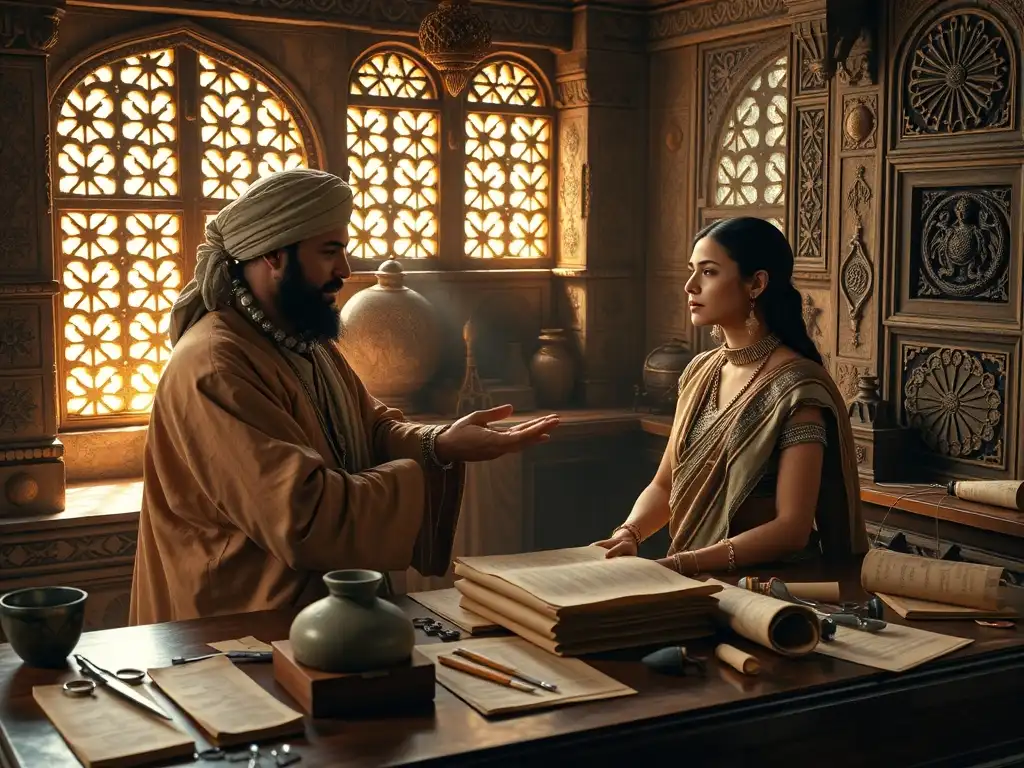
Welcome to Ancient India History, where we delve into the fascinating tapestry of India's rich and diverse past. Here, you will uncover remarkable insights into the cultural and scientific advancements of ancient Indian civilizations, from the awe-inspiring Indus Valley to the illustrious Gupta Empire. Today, we invite you to embark on an eye-opening journey into the realm of ancient Indian plastic surgery history.
Discover how the brilliant minds of yesteryears mastered surgical techniques that still resonate in modern medicine. As we peel back the layers of time, prepare to be captivated by the stories and innovations that shaped the very foundations of medical practices as we know them today. Dive in to explore this intriguing aspect of our heritage!
Introduction to Ancient Indian Plastic Surgery History
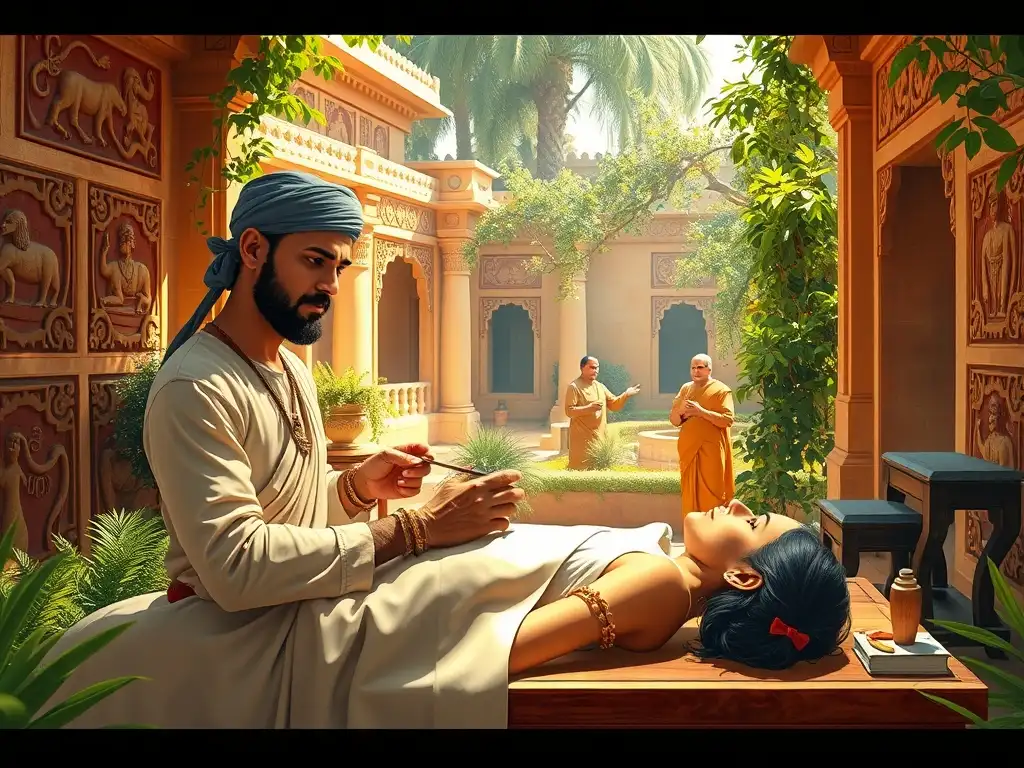
The history of ancient Indian plastic surgery is a fascinating journey into the remarkable medical practices that flourished in India thousands of years ago. Renowned for its innovative techniques and profound understanding of human anatomy, ancient Indian surgery laid the groundwork for many modern surgical practices. This article delves into the intricate history of plastic surgery in ancient India, exploring its cultural implications and historical significance. By examining ancient texts, surgical techniques, and the prominent figures who contributed to this field, we aim to highlight the ingenuity of ancient Indian civilizations and their lasting impact on medicine.
Overview of Ancient Indian Medical Practices
Ancient Indian medical practices, particularly those documented in texts like the Sushruta Samhita, showcase a rich tapestry of knowledge. This foundational text, attributed to the sage Sushruta, is often regarded as one of the earliest surgical manuals in the world. It details not only surgical procedures but also the ethical considerations and holistic approaches to healing that were integral to ancient Indian medicine.
- Key Aspects of Ancient Indian Medicine:
- Ayurveda: A holistic system emphasizing balance in bodily systems.
- Surgical Techniques: Innovations in procedures including rhinoplasty and reconstructive surgeries.
- Herbal Medicine: Use of natural remedies and herbs for healing.
Significance of Plastic Surgery in Ancient Indian Culture
Plastic surgery, particularly procedures like rhinoplasty, held significant cultural importance in ancient India. Beyond mere aesthetics, these surgeries were often linked to social status and personal identity. The ability to restore one’s appearance after trauma or due to congenital conditions was seen as a reflection of skill and compassion.
- Cultural Implications:
- Restoration of Dignity: Surgical interventions were crucial for individuals who experienced disfigurement.
- Artistry and Skill: Surgeons were regarded as artists, and their work was celebrated in literature and art.
- Ethical Considerations: The practice of surgery was governed by ethical standards, emphasizing the importance of patient care.
Historical Context of Plastic Surgery in India
The historical backdrop of plastic surgery in India is rich and multifaceted, tracing back to ancient texts that provide insight into the surgical practices of the time. Understanding this context helps appreciate the sophistication and advancements made by ancient Indian surgeons.
Early References to Surgical Techniques in Ancient Texts
The earliest references to surgical techniques can be found in the Sushruta Samhita, which dates back to approximately 600 BCE. This text not only outlines various surgical procedures but also categorizes them, providing a systematic approach to surgery that was unprecedented for its time.
- Notable Techniques Described:
- Rhinoplasty: Techniques for reconstructing the nose.
- Liposuction: Methods for removing excess fat.
- Wound Management: Advanced techniques for treating injuries.
Influential Figures in Ancient Indian Surgery
Several figures have played pivotal roles in the advancement of surgical practices in ancient India. Sushruta, often referred to as the "father of surgery," and other notable surgeons contributed to the establishment of surgical techniques that are still relevant today.
- Prominent Surgeons:
- Sushruta: His contributions to surgical techniques and ethics remain influential.
- Charaka: While primarily known for internal medicine, his work complemented surgical practices.
- Other Scholars: Various unnamed practitioners who advanced surgical knowledge through their teachings and practices.
By exploring these elements, we gain a deeper understanding of how ancient Indian plastic surgery not only addressed physical ailments but also shaped cultural perceptions of health, beauty, and identity.
Techniques and Methods in Ancient Indian Plastic Surgery
Ancient Indian plastic surgery is a fascinating subject that showcases the ingenuity and skill of early surgeons in India. Techniques developed in this era laid foundational principles of reconstructive surgery that resonate even in modern practices. Among the notable techniques were suture methods and flap surgery, which were meticulously documented in ancient texts such as the Sushruta Samhita, attributed to the renowned physician Sushruta.
Suturing Techniques: Sushruta introduced various suturing techniques that involved the use of threads made from plant fibers or animal parts. These sutures were used to close wounds and facilitate healing, demonstrating a sophisticated understanding of wound management.
Flap Surgery: One of the most remarkable contributions was the use of flap surgery, particularly in the reconstruction of the nose. Surgeons would take skin and underlying tissue from other parts of the body to restore damaged areas, showcasing both artistry and technical prowess.
Anesthesia and Pain Management: Ancient Indian surgeons also employed herbal anesthetics and other natural substances to alleviate pain during procedures. This holistic approach was a precursor to modern anesthetic practices, reflecting a deep understanding of patient care.
Overview of Ancient Surgical Instruments
The surgical instruments used in ancient Indian plastic surgery were crafted with precision and care, designed to meet the specific needs of various procedures. Notable instruments included:
- Scalpels: Made from sharpened metal, these were used for incisions.
- Forceps: Utilized to grasp and manipulate tissues, these were crucial for delicate procedures.
- Sutures: Threads made from natural materials were ingeniously crafted to ensure secure wound closure.
- Cauteries: Instruments used for cauterization, essential for controlling bleeding and preventing infection.
These tools were often made from materials such as bronze, iron, and even ivory, indicating a high level of craftsmanship. The preservation and documentation of these instruments in texts highlight the importance of surgical practice in ancient Indian society.
Key Procedures in Ancient Indian Plastic Surgery
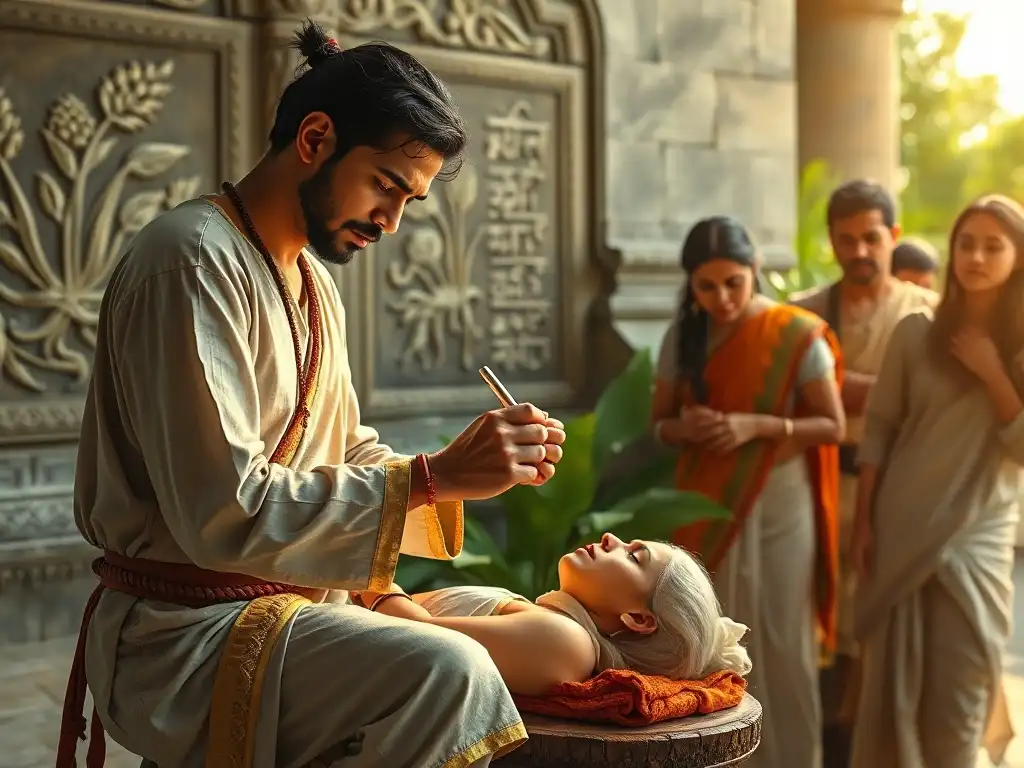
Several key procedures exemplify the advanced state of plastic surgery in ancient India. Among these, rhinoplasty and otoplasty stand out due to their complexity and significance.
- Rhinoplasty: Often referred to as "nose reconstruction," this procedure was primarily performed to repair noses that were injured or mutilated. The technique described in the Sushruta Samhita involved creating a new nose using a flap from the forehead, a method that remains influential today.
- Otoplasty: This procedure involved reconstructing or reshaping the ears, often addressing deformities or injuries. Techniques were developed to reposition or resize the ear, demonstrating a comprehensive understanding of aesthetic principles.
These procedures not only illustrate the surgical skills of ancient Indian practitioners but also reflect a cultural emphasis on physical appearance and societal status.
Philosophical and Ethical Considerations
The practice of plastic surgery in ancient India was not solely a technical endeavor; it was also deeply rooted in philosophical and ethical considerations that guided practitioners. The integration of surgical techniques with philosophical thought provided a comprehensive framework for understanding the human body and its aesthetics.
The Role of Ayurveda in Plastic Surgery
Ayurveda, the ancient Indian system of medicine, played a vital role in shaping the principles underlying plastic surgery. The philosophical foundation of Ayurveda emphasized balance and harmony within the body, which extended to surgical practices. Surgeons were trained to consider both the physical and spiritual aspects of healing, ensuring that procedures were performed with care and respect for the patient’s overall well-being.
The Ayurvedic texts outlined not only surgical techniques but also the importance of diet, lifestyle, and herbal remedies in promoting recovery. This holistic approach reinforced the idea that successful surgery required more than technical skill; it necessitated an understanding of the patient’s physical and emotional state.
Ethical Implications in Ancient Surgical Practices
The ethical considerations surrounding ancient Indian plastic surgery were significant. Practitioners adhered to strict codes of conduct, emphasizing the importance of consent and the patient’s dignity. The act of surgery was viewed as a sacred duty, with surgeons expected to treat their patients with compassion and respect.
Moreover, the ethical implications extended to the selection of patients. Procedures were often reserved for those deemed worthy, highlighting the intersection of social status and access to surgical care. This practice underscored a complex ethical landscape where the benefits of surgical intervention were weighed against societal norms and values.
The art of ancient Indian plastic surgery reflects a rich tapestry of techniques, instruments, and ethical considerations, emphasizing the profound understanding of human anatomy and the importance of holistic healing practices.
Case Studies and Historical Evidence
The rich history of plastic surgery in ancient India is well-documented through various texts and archaeological findings. One of the most pivotal sources is the Sushruta Samhita, attributed to Sushruta, often referred to as the "father of surgery." This ancient Sanskrit text not only outlines surgical techniques but also provides detailed case studies of various procedures. Historical evidence highlights the advanced understanding of human anatomy and surgical practices among ancient Indian physicians, who performed procedures that laid the groundwork for modern plastic surgery.
Numerous inscriptions and documents from the era indicate that reconstructive surgeries were performed to repair injuries from battles, congenital deformities, and accidents. For instance, records suggest that rhinoplasty (reconstruction of the nose) was a common procedure, often necessitated by societal norms and the stigma surrounding disfigurement. These cases serve not only as a testament to the surgical skills of ancient practitioners but also reflect the cultural attitudes towards health and beauty at the time.
Notable Cases of Ancient Indian Plastic Surgery
One notable case from the Sushruta Samhita describes a successful rhinoplasty performed on a soldier whose nose was amputated during battle. Sushruta's method involved taking a flap of skin from the forehead and using it to reconstruct the nose, a technique that demonstrated both surgical skill and a profound understanding of tissue healing and aesthetics.
Another case highlighted in ancient texts involves the reconstruction of a woman's ear that had been cut off as punishment. The procedure involved meticulous skin grafting techniques that would be impressive even by today's standards. These cases illustrate the practical application of complex surgical methods in ancient India, showcasing the remarkable ingenuity and expertise of surgeons during that era.
Analysis of Surgical Techniques Used in Historical Cases
Ancient Indian plastic surgeons employed a variety of sophisticated techniques that emphasized both functionality and aesthetics. The use of local anesthesia, likely derived from herbal concoctions, allowed for more humane and less painful procedures. Techniques such as flap surgery and skin grafting were prominent, with surgeons using the surrounding tissues to reconstruct damaged areas, minimizing scarring and promoting faster healing.
The detailed descriptions in the Sushruta Samhita reveal an understanding of the principles of surgery that align closely with contemporary practices. For example, the method of using a "forehead flap" for nasal reconstruction is still used today. Furthermore, the emphasis on cleanliness and the use of suturing techniques showed a significant understanding of infection control and wound management, which are vital components of modern plastic surgery.
Contributions to Modern Plastic Surgery
The legacy of ancient Indian plastic surgery is evident in contemporary practices, where many techniques have their roots in the methods developed by ancient surgeons. The principles of reconstructive surgery, particularly those related to skin grafts and the use of flaps, have been directly influenced by the practices documented in ancient texts.
Influence of Ancient Indian Techniques on Contemporary Practices
Modern plastic surgeons often cite ancient Indian practices as a foundational element in the evolution of surgical techniques. The methods described by Sushruta have inspired countless surgeons worldwide, emphasizing the importance of anatomical knowledge and patient care. For instance, the concept of using tissue from adjacent areas for reconstruction is a principle that remains integral to modern surgeries, including breast reconstruction and facial rejuvenation.
Moreover, the philosophical approach of treating the patient holistically, as seen in ancient Indian practices, has influenced contemporary surgical practices that prioritize not just the physical but also the psychological well-being of patients. This comprehensive approach has led to advancements in cosmetic surgery, where patient satisfaction and quality of life are key considerations.
Comparative Analysis: Ancient Indian vs. Modern Plastic Surgery
While ancient Indian plastic surgery laid the groundwork for many techniques used today, there are notable differences between the two. Modern plastic surgery benefits from advancements in technology, anesthesia, and post-operative care that were not available in ancient times. For instance, contemporary procedures often utilize minimally invasive techniques and advanced imaging technologies, enabling more precise interventions.
In contrast, ancient practices relied heavily on the surgeon's skills and techniques without the aid of modern tools. Despite these differences, the core principles of plastic surgery—restoring form and function, promoting healing, and enhancing aesthetic outcomes—remain constant. This enduring legacy underscores the significance of ancient Indian contributions to the field, showcasing how historical practices continue to shape and inform modern surgical techniques.
Conclusion: The Legacy of Ancient Indian Plastic Surgery
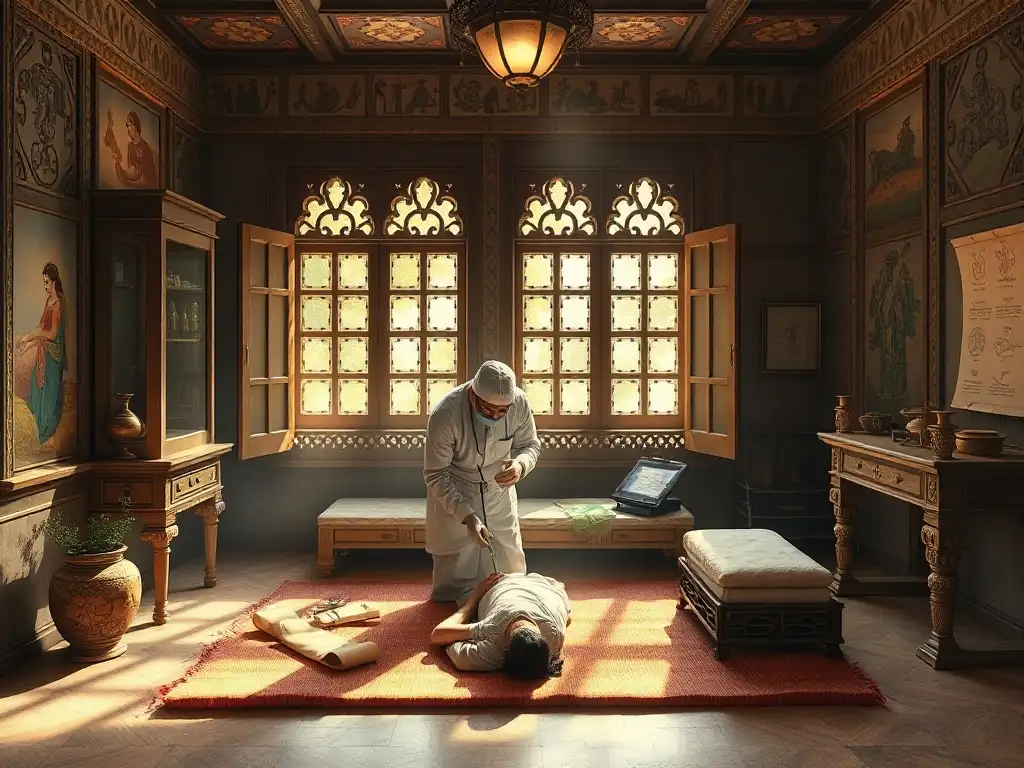
The legacy of ancient Indian plastic surgery is a remarkable testament to the advanced medical knowledge and surgical skills of ancient Indian practitioners. This rich tradition, rooted in texts such as the Sushruta Samhita, outlines not only surgical procedures but also ethical considerations and the importance of patient care. The techniques developed by ancient Indian surgeons have influenced medical practices around the world and continue to inspire modern surgical techniques.
The methods and philosophies surrounding plastic surgery in ancient India demonstrate a profound understanding of human anatomy and the intricacies involved in surgical interventions. From rhinoplasty to reconstructive surgery, ancient Indian plastic surgeons laid the groundwork for what would evolve into contemporary practices, showcasing the depth of their contributions to medicine and surgery.
Reflection on the Importance of Ancient Indian Medical Contributions
The contributions of ancient Indian medical practitioners extend far beyond the realm of plastic surgery. The holistic approach to health, combining physical, mental, and spiritual well-being, reflects a comprehensive understanding of medicine that was ahead of its time. Ancient Indian texts not only catalog surgical techniques but also emphasize the importance of diet, lifestyle, and herbal remedies in promoting health.
These contributions are significant in the context of global medical history. They highlight the interconnectedness of various civilizations and the ways in which knowledge was shared and adapted. Ancient Indian medical practices have enriched the medical landscape worldwide, and understanding their origins and evolution is crucial for appreciating modern medicine's development.
Future Research Directions in Ancient Surgical Techniques
As interest in ancient medical practices continues to grow, there are numerous avenues for future research in the field of ancient surgical techniques. One promising area is the interdisciplinary study of ancient texts, archaeology, and anthropology, which can uncover more about the practices and tools used by ancient surgeons.
Moreover, comparative studies between ancient Indian surgical techniques and those from other cultures could yield insights into the evolution of surgical practices globally. Research focused on the herbal remedies and anesthetic methods described in ancient texts also holds potential, as it may reveal valuable information that can inform current medical practices.
Additionally, the exploration of ancient surgical instruments and their materials through archaeological findings can enhance our understanding of the technological advancements made during that era. Such studies can contribute to a more comprehensive narrative of medical history and offer valuable lessons for modern medicine.
References
Key Texts and Resources on Ancient Indian Plastic Surgery History
- Sushruta Samhita – An ancient Sanskrit text attributed to Sushruta, often considered the father of surgery, it details numerous surgical techniques, including those related to plastic surgery.
- Vagbhata's Ashtanga Hridaya – Another key text that provides insights into the practices and philosophies of ancient Indian medicine.
- Scholarly articles and journals focusing on the history of medicine in ancient India can provide additional context and analysis of surgical practices.
Suggested Further Reading on Ancient Indian Medical Practices
- “The History of Medicine in India” – A comprehensive overview of the evolution of medical practices throughout ancient Indian history.
- “Ancient Indian Medicine: A Historical Overview” – This book discusses the contributions of various medical texts and their relevance to modern practices.
- Research papers that delve into specific surgical techniques and their implications on both ancient and modern medical practices can also enrich understanding in this field.
By exploring these texts and resources, readers can gain a deeper appreciation of the sophisticated medical practices that flourished in ancient India and their enduring impact on contemporary medicine.
- Introduction to Ancient Indian Plastic Surgery History
- Historical Context of Plastic Surgery in India
- Techniques and Methods in Ancient Indian Plastic Surgery
- Overview of Ancient Surgical Instruments
- Key Procedures in Ancient Indian Plastic Surgery
- Philosophical and Ethical Considerations
- Case Studies and Historical Evidence
- Contributions to Modern Plastic Surgery
- Conclusion: The Legacy of Ancient Indian Plastic Surgery
- Reflection on the Importance of Ancient Indian Medical Contributions
- Future Research Directions in Ancient Surgical Techniques
- References
Frequently Asked Questions
What is the significance of ancient Indian plastic surgery?
Ancient Indian plastic surgery is significant because it showcases innovative medical techniques that were advanced for their time, especially in reconstructive procedures.
When did plastic surgery first emerge in ancient India?
Plastic surgery first emerged in ancient India around 600 BCE, with notable contributions from Sushruta, often referred to as the "father of surgery."
What are some techniques used in ancient Indian plastic surgery?
Ancient Indian plastic surgery involved techniques such as rhinoplasty (nose reconstruction) and otoplasty (ear reconstruction), which were performed using local anesthesia.
How did ancient Indian practices influence modern surgery?
The practices of ancient Indian plastic surgery laid the groundwork for modern techniques, emphasizing the importance of anatomy, surgical precision, and patient care.
What texts describe ancient Indian plastic surgery methods?
The Sushruta Samhita is the primary text that details ancient Indian plastic surgery methods, providing insights into techniques, tools, and the philosophy behind surgical practices.
Final Reflection: Rediscovering the Legacy of Ancient Indian Plastic Surgery
The history of ancient Indian plastic surgery is not just a relic of the past; it is a testament to human ingenuity and resilience. As we navigate through the complexities of modern medicine and surgical advancements, the remarkable techniques and philosophies developed in ancient India continue to resonate today. The intricate practices of Sushruta and his contemporaries remind us that the pursuit of healing and enhancement has always been a fundamental aspect of human existence, transcending time and culture.
The influence of ancient Indian plastic surgery extends far beyond its historical context; it has shaped our understanding of medical ethics, patient care, and the importance of holistic healing. The principles laid down by ancient surgeons emphasize the interconnectedness of body, mind, and spirit, a concept that is increasingly relevant in today's healthcare discussions. The greatest wealth is health.
— Virgil. This quote encapsulates the enduring legacy of ancient practices that prioritize well-being, urging us to reflect on how these age-old insights can inform contemporary medical practices and patient interactions.
As we close this exploration of ancient Indian plastic surgery, I invite you to reflect on the lessons embedded within this rich history. Consider how the principles of compassion, innovation, and respect for the human body can inspire your own journey, whether in personal health, professional endeavors, or broader societal contributions. Embrace the wisdom of the past as we forge a future that honors the art of healing, ensuring that the legacy of ancient Indian plastic surgery continues to inspire generations to come.
Unveil the Secrets of Ancient Healing Techniques
Thank you for diving into the fascinating world of ancient Indian plastic surgery! You’ve uncovered the artistry and science that shaped modern practices, highlighting remarkable innovations in medicine. Now, it’s time to take that knowledge further and explore the rich heritage of healing in ancient cultures.
Here’s how you can continue your journey:
- Deepen your understanding: Read more articles on historical medical practices available on our website for a comprehensive view.
- Join the conversation: Share this article on social media or with friends who are passionate about the history of medicine and encourage them to engage in the discussion!
- Explore hands-on learning: Look into workshops or classes focused on historical medical practices or surgical techniques to experience this art firsthand.
What aspect of ancient Indian plastic surgery intrigues you the most, and how do you see it influencing modern practices today?