
The Ajanta and Ellora Caves: A Masterclass in RockCut Architecture

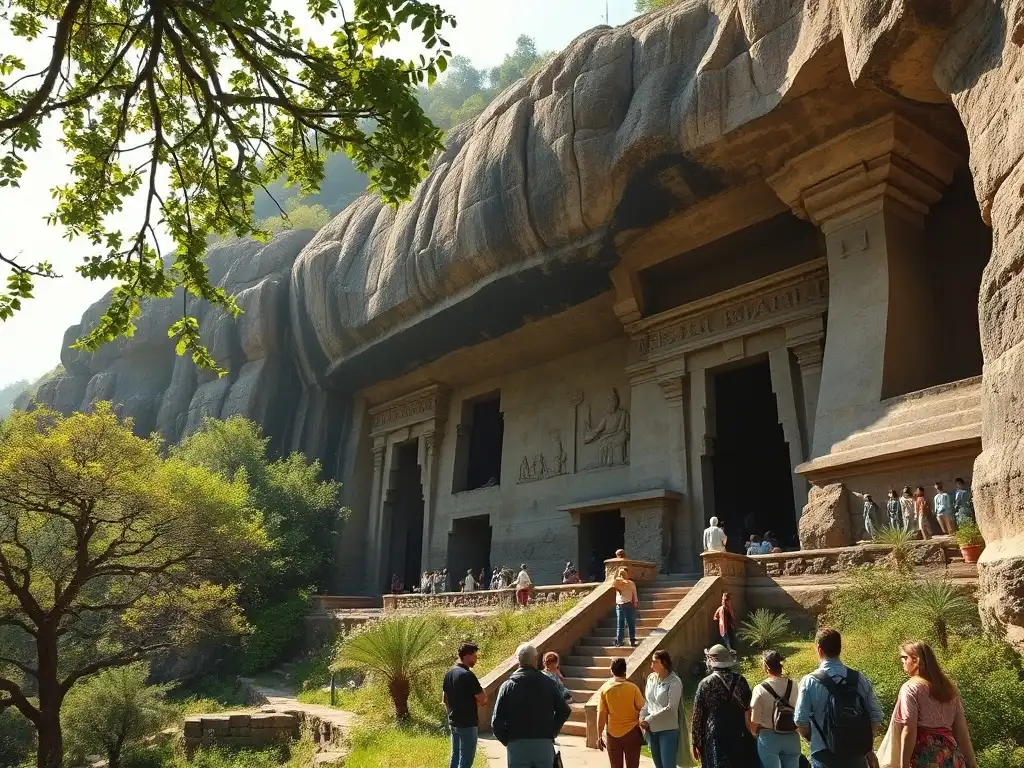
Welcome to Ancient India History, where we embark on a fascinating journey through the rich tapestry of India's past. Dive into the wonders of Ajanta Ellora caves architecture, a breathtaking testament to the artistry and ingenuity of ancient Indian civilizations. As we unravel the secrets of these magnificent rock-cut masterpieces, you’ll discover how they reflect the profound cultural and philosophical currents of their time. Prepare to be captivated as we explore the intricate designs and spiritual significance behind these historical marvels—your adventure into the heart of ancient India starts here!
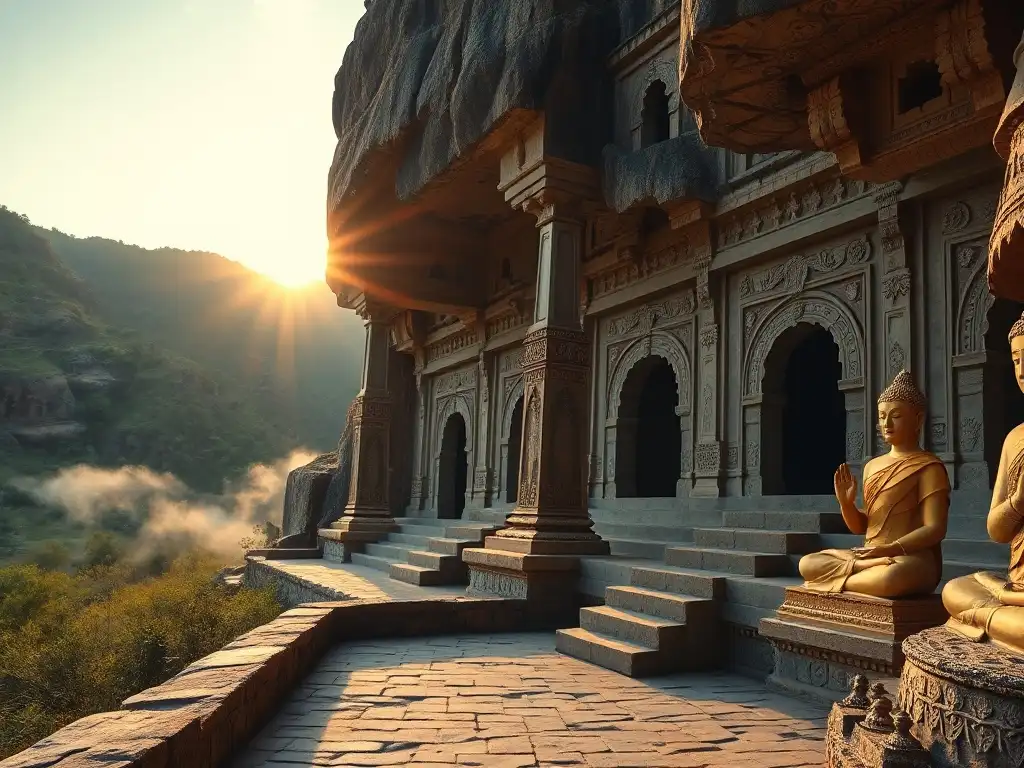
The Ajanta and Ellora Caves stand as a monumental testament to the ingenuity and artistic prowess of ancient Indian civilizations. Located in the western state of Maharashtra, these UNESCO World Heritage Sites showcase a remarkable blend of rock-cut architecture, intricate sculptures, and vibrant frescoes that reflect the spiritual and cultural ethos of their time.
Dating back to as early as the 2nd century BCE, the caves represent the zenith of artistic expression in ancient India, offering insights into the region's historical narratives, religious practices, and social dynamics. This article delves into the architectural marvels of the Ajanta and Ellora Caves, exploring their significance, historical context, and the cultural influences that shaped their design.
Introduction to Ajanta and Ellora Caves
The Ajanta and Ellora Caves are located about 100 kilometers apart, yet both sites share a common heritage of awe-inspiring rock-cut architecture. The Ajanta Caves, known primarily for their stunning Buddhist frescoes, consist of 30 rock-cut caves carved into a horseshoe-shaped cliff. In contrast, the Ellora Caves, a harmonious blend of Hindu, Buddhist, and Jain temples, encompass 34 caves that showcase the rich tapestry of India's religious diversity. Together, they serve as a remarkable window into ancient Indian life, art, and spirituality.
Overview of Rock-Cut Architecture in Ancient India
Rock-cut architecture is a unique form of construction that involves carving structures directly into rock formations. This technique dates back to the early centuries of the Common Era and represents a significant advancement in architectural design. Ancient Indian artisans demonstrated exceptional skill in this medium, creating not only monastic spaces but also grand temples and elaborate sculptures. The advantages of rock-cut architecture include durability and the ability to create intricate designs without the limitations of traditional building materials.
Key characteristics of rock-cut architecture in ancient India include:
- Intricate carvings and sculptures: Artists meticulously carved deities, animals, and decorative motifs into the rock faces.
- Cave complexes: Many sites feature interconnected caves designed for monastic living and worship.
- Innovative use of natural light: Architects skillfully positioned openings and skylights to enhance the ambiance within the caves.
Significance of Ajanta and Ellora in Indian Heritage
The Ajanta and Ellora Caves hold immense significance in the context of Indian heritage. Not only do they exemplify the extraordinary craftsmanship of ancient artisans, but they also serve as a record of the socio-religious dynamics of their time. The murals and sculptures found within these caves depict stories from Buddhist texts, Hindu epics, and Jain teachings, providing invaluable insights into the spiritual life of ancient India.
Additionally, these caves have played a crucial role in preserving India's cultural identity. They attract scholars, historians, and tourists alike, fostering a deeper understanding of the rich tapestry of Indian civilization. Their recognition as UNESCO World Heritage Sites underscores the global importance of these architectural wonders.
Historical Context of the Ajanta and Ellora Caves
Understanding the historical context of the Ajanta and Ellora Caves is essential to appreciate their architectural brilliance. These sites were not merely places of worship; they were vibrant centers of art, culture, and religious learning.
Origins and Timeline of the Caves
The origins of the Ajanta Caves can be traced back to the 2nd century BCE, with most of the caves being excavated during the 5th and 6th centuries CE. The Ellora Caves, on the other hand, were created later, between the 5th and 10th centuries CE. The timeline of these caves reflects the evolving artistic styles and theological perspectives of the time, transitioning from the early Buddhist influences at Ajanta to the syncretic architectural expressions seen at Ellora.
Cultural Influences on Ajanta Ellora Caves Architecture
The architecture of the Ajanta and Ellora Caves was deeply influenced by various cultural and religious currents. The Buddhist caves at Ajanta reflect the ideals of compassion and enlightenment, while the Hindu temples at Ellora showcase the grandeur of devotion and mythology. The interaction between different faiths during the period fostered a unique architectural language that is evident in the intricate carvings and iconography present in both cave complexes.
The Ajanta and Ellora Caves not only exemplify the technical mastery of rock-cut architecture but also serve as a rich repository of India's cultural and religious heritage. Their study offers a glimpse into the complexities and richness of ancient Indian civilization.
Exploring the Ajanta Caves
The Ajanta Caves, a UNESCO World Heritage site, are a remarkable testament to ancient Indian rock-cut architecture. Located in the state of Maharashtra, these caves date back to the 2nd century BCE and were primarily used as Buddhist monasteries and prayer halls. The complex consists of 30 caves, intricately carved into a horseshoe-shaped cliff overlooking a scenic gorge.
The artistry displayed in the Ajanta Caves is not just a reflection of architectural prowess but also of the spiritual and cultural ethos of the time. The caves feature exquisite frescoes and sculptures that depict the life of Buddha, along with various Jataka tales that illustrate his previous incarnations. These narratives are integral to understanding the moral and philosophical teachings of Buddhism, showcasing the rich narrative tradition of ancient Indian art.
Visitors to the Ajanta Caves are often struck by the serene atmosphere and the meticulously crafted details that speak volumes about the craftsmanship and dedication of the artisans who worked on these structures. The combination of natural beauty and human creativity makes Ajanta a unique destination for historians, archaeologists, and tourists alike.
Architectural Features of Ajanta Caves
The architectural features of the Ajanta Caves exhibit a blend of artistry and functionality, characteristic of rock-cut architecture. The caves are primarily excavated from volcanic basalt rock, with their interiors showcasing a variety of designs based on the specific use of each cave.
- Chaitya Halls and Viharas:
- The caves are divided into two main types: Chaitya halls, which are prayer halls with stupa at one end, and Viharas, which served as monastic quarters.
- The Chaitya halls are notable for their grand arched entrances and high vaulted ceilings, creating a sense of grandeur and spirituality.
- Intricate Carvings:
- The walls and ceilings of the caves are adorned with elaborate sculptures and intricate carvings, depicting divine figures, floral patterns, and geometric designs.
- The technique of carving from the rock surface, rather than adding materials, exemplifies the skill and precision of ancient artisans.
- Natural Light Utilization:
- The cave interiors are designed to maximize natural light, with strategic openings that illuminate the frescoes and sculptures, enhancing their visual impact.
These architectural elements reflect the profound understanding of space, light, and form, which were pivotal in creating an immersive environment for meditation and worship.
Notable Caves and Their Unique Aspects
Among the 30 Ajanta Caves, several stand out due to their unique features and artistic significance:
- Cave 1:
- Known for its stunning frescoes, this cave features a large Buddha figure seated in a teaching posture, surrounded by beautifully painted scenes from the Jataka tales.
- Cave 2:
- This cave is famous for its elaborate entrance and intricate carvings that depict celestial beings, showcasing the artisans' skill in creating lifelike representations.
- Cave 26:
- Renowned for its impressive chaitya hall, Cave 26 contains one of the largest stupas in Ajanta, adorned with exquisite relief sculptures, illustrating the deep spiritual significance of the site.
These notable caves not only highlight the artistic capabilities of ancient Indian craftsmen but also offer insights into the socio-religious contexts of the period.
Discovering the Ellora Caves
The Ellora Caves, also a UNESCO World Heritage site, are another pinnacle of ancient Indian rock-cut architecture, located about 30 kilometers from Aurangabad in Maharashtra. Unlike Ajanta, which is predominantly Buddhist, Ellora showcases a harmonious blend of three religions: Buddhism, Hinduism, and Jainism, with a total of 34 caves created between the 5th and 10th centuries CE.
The architectural grandeur of Ellora is evident in its monumental structures, particularly the Kailasa Temple, which is considered one of the most remarkable rock-cut temples in the world. The caves at Ellora are renowned for their intricate carvings, large sculptures, and the sheer scale of their construction, which reflects a high level of craftsmanship and artistic vision.
Visiting the Ellora Caves offers an enriching experience, as one can witness the evolution of rock-cut architecture and the intermingling of religious traditions that characterized ancient Indian society.
Architectural Innovations in Ellora Caves
The Ellora Caves represent significant architectural innovations that have influenced rock-cut architecture globally. Key features include:
- Monolithic Structures:
- Many of the caves, especially the Kailasa Temple (Cave 16), were carved from a single rock mass, showcasing an extraordinary feat of engineering. The temple complex is not only vast but also intricately detailed, with sculptures depicting various deities and mythological scenes.
- Complex Multi-Story Design:
- Unlike the more straightforward designs of Ajanta, Ellora's caves often feature multi-story layouts, with interconnected chambers and expansive courtyards, demonstrating advanced planning and execution.
- Diverse Religious Architecture:
- The coexistence of Buddhist, Hindu, and Jain caves at Ellora highlights a unique architectural dialogue, where each religious tradition influenced the design and ornamentation of the caves. This diversity is reflected in the varied styles of sculptures and carvings found throughout the site.
These innovations underscore the advanced understanding of architecture and design possessed by ancient Indian builders, allowing for the creation of complex, multi-functional spaces.
Key Highlights of Ellora Caves Architecture
The architecture of the Ellora Caves is distinguished by several key highlights that set it apart from other rock-cut sites:
- Kailasa Temple (Cave 16):
- This temple is a monumental representation of Lord Shiva, featuring a massive monolithic sculpture of the deity, surrounded by intricate carvings of various deities, animals, and floral motifs. The temple's sheer scale and design are a testament to the ingenuity of ancient builders.
- Sculptural Richness:
- The caves are adorned with thousands of sculptures, each telling a story or depicting a significant religious theme. The level of detail and expressiveness in these works exemplifies the artistic skill of the period.
- Architectural Harmony:
- The seamless integration of the caves with their natural rock surroundings reflects an architectural philosophy that respects and enhances the natural landscape. This harmony contributes to the spiritual atmosphere that envelops the site.
These key highlights not only showcase the architectural brilliance of the Ellora Caves but also emphasize their cultural and religious significance, making them a vital part of India's rich historical tapestry.
Comparative Analysis: Ajanta vs. Ellora Caves Architecture
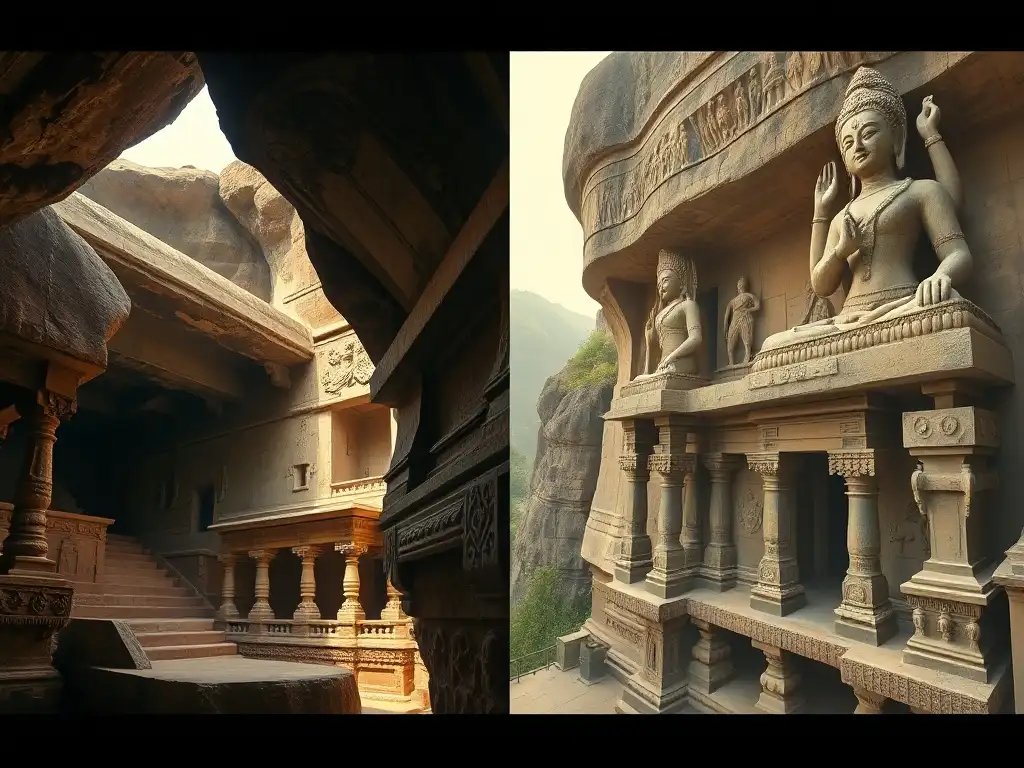
The Ajanta and Ellora Caves represent two of India’s most significant contributions to rock-cut architecture, showcasing a remarkable blend of artistry, religious significance, and historical context. While they share a common foundation in rock-cut techniques, their architectural styles, purposes, and artistic expressions differ substantially.
Similarities in Rock-Cutting Techniques
Both the Ajanta and Ellora caves are exemplary of the intricate rock-cut techniques that define ancient Indian architecture. The primary method involved chiseling directly into the rock face, creating both intricate interiors and exteriors.
- Tooling Methods: Artisans employed simple yet effective tools made from iron, enabling them to carve detailed sculptures and vast hallways.
- Structural Techniques: Both sites utilized the principles of structural engineering, ensuring the stability of the caves, which were carved out of volcanic rock.
Through these shared techniques, the caves exhibit a precision and craftsmanship that highlight the advanced skills of the artisans of their time.
Differences in Style and Purpose
While both cave complexes are masterpieces of rock-cut architecture, their stylistic elements and intended purposes reveal distinct contrasts.
- Ajanta Caves: Primarily serve as monastic complexes and are renowned for their detailed frescoes and intricate sculptures. The architecture here reflects a more serene and meditative environment, with viharas (monasteries) designed for Buddhist monks.
- Ellora Caves: Feature a broader range of religious practices, including Hindu, Buddhist, and Jain influences. The architecture is grander and more diverse, with the Kailasa temple being a prime example of monumental engineering, showcasing a blend of religious narratives.
These differences underline the unique cultural and religious contexts from which each site emerged, influencing their architectural expressions.
Influence of Religion on Architectural Choices
Religion played a pivotal role in shaping the architectural features of both the Ajanta and Ellora caves, reflecting the spiritual values and practices of the time.
- Ajanta Caves: The predominant Buddhist influence is evident in the stupa-like structures and the elaborate carvings depicting Jataka tales. The design choices emphasize meditation and spiritual enlightenment, aligning with Buddhist philosophies.
- Ellora Caves: The coexistence of multiple faiths is a hallmark of Ellora’s architecture. It features Hindu deities, Buddhist motifs, and Jain iconography, with each cave complex carefully designed to cater to the rituals and practices of its respective religion.
This religious diversity has not only enriched the architectural styles but also signifies a historical narrative of coexistence among different faiths in ancient India.
The Artistic Legacy of Ajanta and Ellora
The artistic legacy of the Ajanta and Ellora caves extends beyond their physical structures, influencing subsequent generations of artists and architects. Their intricate designs and narratives encapsulate the cultural ethos of ancient India.
Iconography and Symbolism in Cave Art
The cave art of Ajanta and Ellora is rich in iconography and symbolism, serving as a visual narrative of religious and cultural themes.
- Ajanta: The frescoes are vibrant and depict scenes from the life of the Buddha, emphasizing his teachings and moral codes. Symbolic representations, such as the lotus flower, signify purity and enlightenment.
- Ellora: The sculptures and carvings showcase deities from various religions, often portraying intricate stories from Hindu epics like the Ramayana and Mahabharata. The artistic choices reflect the socio-religious dynamics of the time, conveying a profound sense of spirituality.
This artistic richness not only serves as a historical document but also as a source of inspiration for contemporary art forms.
Preservation and Conservation Efforts for Ajanta Ellora Caves
Preservation and conservation of the Ajanta and Ellora caves are critical to maintaining their historical integrity and cultural significance. Various initiatives have been undertaken to ensure that these architectural marvels endure for future generations.
- Government Initiatives: The Archaeological Survey of India (ASI) has implemented measures to monitor the structural stability and environmental conditions surrounding the caves, addressing issues like moisture and pollution.
- Community Involvement: Local communities play a significant role in conservation efforts, promoting awareness about the importance of these sites while participating in preservation activities.
These combined efforts are essential to safeguard the caves, ensuring that their beauty and historical significance continue to thrive amidst modern challenges.
The Impact of Ajanta and Ellora Caves on Later Architecture
The Ajanta and Ellora Caves have left an indelible mark on the evolution of architectural styles, both within India and beyond. Their intricate designs, innovative construction techniques, and breathtaking artistry serve as a benchmark for rock-cut architecture. The caves demonstrate a fusion of artistic and functional elements that influenced subsequent architectural endeavors, showcasing how ancient builders harmonized aesthetics with practicality.
Influence on Indian Architecture Through the Ages
The architectural principles established in the Ajanta and Ellora Caves resonate throughout Indian history. Following their construction during the 2nd century BCE to the 6th century CE, later dynasties, such as the Chalukyas and the Rashtrakutas, drew inspiration from these caves. For instance, the Kailasa Temple at Ellora, carved from a single monolithic rock, exemplifies the advanced techniques that emerged from the Ajanta and Ellora tradition.
Moreover, the stylistic elements found in Ajanta, such as elaborate frescoes and intricate carvings, were mirrored in the temples of the medieval period. The use of rock-cut techniques persisted, influencing the design of significant structures like the Badami Caves and the Elephanta Caves. This lineage demonstrates how the innovations of the Ajanta and Ellora Caves contributed to the rich tapestry of Indian architectural heritage, providing a foundation for future generations of architects.
Global Recognition and UNESCO World Heritage Status
In 1983, the Ajanta and Ellora Caves were designated as UNESCO World Heritage Sites, a recognition that underscores their global significance. This status not only highlights the architectural brilliance of these caves but also emphasizes their cultural importance as a crossroad of religious and artistic expression.
The caves attract scholars, architects, and tourists from around the world, eager to study their unique rock-cut techniques and artistic narratives. The preservation of these sites is vital, as they serve as a window into ancient Indian civilization, showcasing the confluence of Buddhism, Hinduism, and Jainism. The global recognition of the Ajanta and Ellora Caves has fostered increased interest in rock-cut architecture, encouraging conservation efforts and scholarly research to ensure that these cultural treasures endure for future generations.
Conclusion: The Enduring Legacy of Ajanta and Ellora Caves Architecture
The legacy of the Ajanta and Ellora Caves extends far beyond their physical structures; they embody the artistic, spiritual, and cultural ethos of ancient India. These caves continue to inspire awe and admiration, serving as a testament to the ingenuity of ancient artisans who transformed solid rock into breathtaking works of art.
Reflections on the Importance of Rock-Cut Architecture in Ancient India
Rock-cut architecture represents a significant achievement in ancient engineering and artistic expression. The caves not only served religious purposes but also functioned as centers of learning and cultural exchange. This architectural style illustrates the resourcefulness of ancient Indian civilizations in utilizing available natural resources while creating spaces that fostered community and spirituality.
The Ajanta and Ellora Caves particularly reflect the social and religious dynamics of their time, showcasing how art and architecture can encapsulate a civilization's values and aspirations. Their importance in the broader narrative of ancient Indian architecture cannot be overstated, as they highlight a period of remarkable artistic and technical achievement.
The Future of Ajanta and Ellora in Cultural Heritage Preservation
As custodians of an invaluable cultural heritage, the future of the Ajanta and Ellora Caves hinges on effective preservation efforts. The challenges posed by environmental factors, tourism, and urbanization necessitate a collaborative approach to conservation. Ongoing research, restoration projects, and community engagement are essential to maintain the integrity of these sites.
Furthermore, raising awareness about the significance of rock-cut architecture among younger generations is crucial for fostering a sense of pride and responsibility. By integrating educational programs and sustainable tourism practices, we can ensure that the Ajanta and Ellora Caves continue to inspire and educate people from all walks of life, preserving their legacy for centuries to come.
- Introduction to Ajanta and Ellora Caves
- Historical Context of the Ajanta and Ellora Caves
- Exploring the Ajanta Caves
- Discovering the Ellora Caves
- Comparative Analysis: Ajanta vs. Ellora Caves Architecture
- The Artistic Legacy of Ajanta and Ellora
- The Impact of Ajanta and Ellora Caves on Later Architecture
- Conclusion: The Enduring Legacy of Ajanta and Ellora Caves Architecture
Frequently Asked Questions
What are the Ajanta and Ellora Caves?
The Ajanta and Ellora Caves are a series of ancient rock-cut caves in India, renowned for their intricate architecture and stunning sculptures that date back to the 2nd century BCE.
Why are the Ajanta and Ellora Caves significant?
These caves are significant for their historical and cultural value, showcasing the artistic achievements of ancient Indian civilizations, particularly during the Buddhist, Hindu, and Jain periods.
What architectural styles are found in the caves?
The caves feature a blend of architectural styles, including Buddhist stupas, intricate carvings, and detailed murals that reflect the religious and cultural diversity of the time.
How were the Ajanta and Ellora Caves constructed?
The caves were created through rock-cut architecture, where artisans meticulously carved into solid rock using simple tools, demonstrating advanced engineering skills for that era.
Are the caves recognized by UNESCO?
Yes, both the Ajanta and Ellora Caves are designated as UNESCO World Heritage Sites, acknowledged for their outstanding universal value in terms of art and architecture.
Final Reflection: The Timeless Legacy of Ajanta and Ellora Caves Architecture
The Ajanta and Ellora Caves stand as monumental testaments to the ingenuity and artistry of ancient civilizations, reminding us of the profound impact of rock-cut architecture on our cultural heritage. In today's fast-paced world, where modernity often overshadows tradition, these caves invite us to pause and reflect on the craftsmanship and dedication that went into their creation. They are not merely historical sites; they are living narratives of human creativity that continue to inspire architects and artists alike.
The influence of Ajanta and Ellora extends beyond their physical structures; they have become symbols of cultural identity and spiritual exploration. The intricate carvings and stunning frescoes found within these caves serve as a bridge connecting us to our past, fostering a deeper appreciation for the artistic expressions of those who came before us. As historian John Julius Norwich aptly stated, The past is a foreign country; they do things differently there.
This perspective encourages us to embrace the lessons of history, recognizing that the values and skills embodied in these caves remain relevant in our contemporary society.
As we conclude our exploration of the Ajanta and Ellora Caves, I invite you to reflect on the significance of preserving such architectural marvels in our modern world. Consider how you can incorporate the lessons of creativity, resilience, and cultural appreciation into your own life.
Whether through supporting heritage conservation efforts or simply taking the time to appreciate the artistry around you, each of us has a role to play in ensuring that the legacy of these magnificent caves endures for generations to come. Let us carry forward the spirit of the Ajanta and Ellora Caves, celebrating the beauty of our shared human experience.
Dive Deeper into the Wonders of Ancient India!
Thank you for exploring the magnificent world of the Ajanta and Ellora Caves with us! We hope you’ve gained invaluable insights into this masterpiece of rock-cut architecture and the rich history it represents. Now, it's time to take your journey further—let's transform this knowledge into an inspiring adventure!
Here are some exciting ways you can connect further with this incredible heritage:
- Plan a Visit: Consider visiting the Ajanta and Ellora Caves in person to experience their grandeur firsthand. Start planning your trip to immerse yourself in the rich historical narratives they hold!
- Join a Community: Connect with fellow history enthusiasts through online forums or social media groups dedicated to exploring Ancient Indian heritage. Share your insights and learn from the experiences of others!
- Spread the Word: Share this article with friends or on your social media platforms to help others discover the beauty and significance of India's ancient architecture!
What aspect of the Ajanta and Ellora Caves intrigues you the most, and how do you think it reflects the culture of ancient India?