
The Ancient City of Fatehpur Sikri: A Blend of Culture and Architectural Splendor

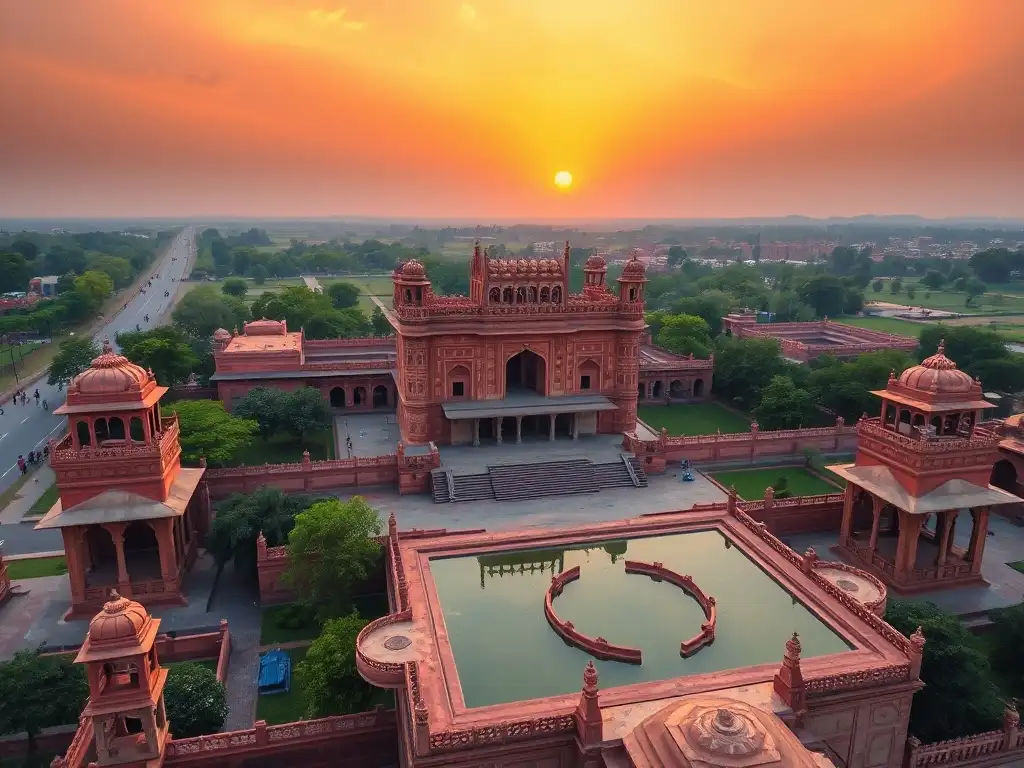
Welcome to Ancient India History, where we embark on a captivating journey through the vibrant tapestry of India's past. Delve into the Fatehpur Sikri architectural heritage, a remarkable testament to the ingenuity and creativity of ancient Indian civilizations. This extraordinary city, with its stunning blend of culture and architectural splendor, invites you to uncover the stories etched in its majestic structures.
As we explore the intricate designs and philosophical underpinnings that shaped this UNESCO World Heritage Site, prepare to be inspired and enlightened. Join us in discovering the profound legacy of Fatehpur Sikri and the rich history that continues to influence our world today!
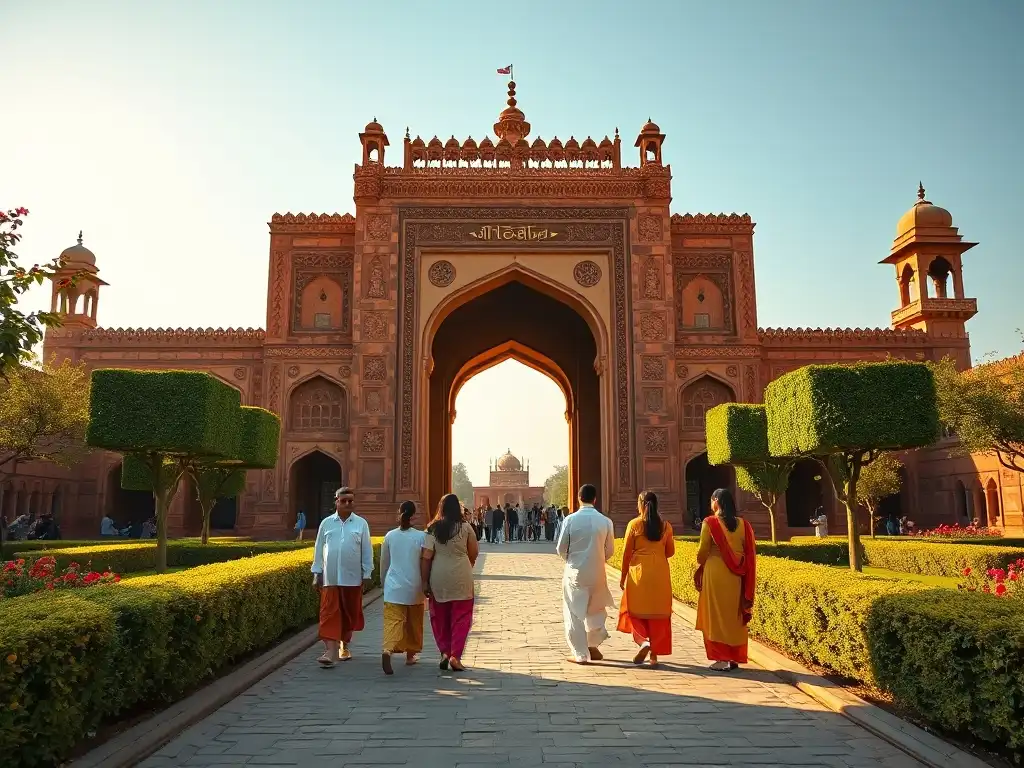
Introduction to Fatehpur Sikri
Fatehpur Sikri, a UNESCO World Heritage Site, stands as a testament to the grandeur of Mughal architecture and the rich cultural tapestry of ancient India. Located just 40 kilometers west of Agra, this city was constructed during the reign of Emperor Akbar in the late 16th century. It served as the capital of the Mughal Empire for a brief period and is renowned for its stunning blend of architectural styles, reflecting the diverse influences of Persian, Indian, and Islamic designs.
The city is not only an architectural marvel but also a significant historical site that showcases the political and religious philosophies of Akbar's era. As we delve deeper into Fatehpur Sikri, we will explore its historical significance and the architectural heritage that continues to captivate visitors today.
Historical Significance of Fatehpur Sikri
Fatehpur Sikri was founded in 1571 and served as the Mughal capital until 1585, when the court was moved back to Lahore. Its establishment was closely tied to Akbar's quest for a new capital that symbolized his vision of a unified empire. The city was built to honor the Sufi saint Salim Chishti, whose blessings Akbar sought for an heir. This connection to spirituality played a crucial role in shaping the city's identity, making it a center for religious tolerance and cultural synthesis.
The architectural layout of Fatehpur Sikri reflects Akbar's innovative ideas about governance and religion. It was here that he implemented his doctrine of Sulh-i-kul, or "Universal Peace," promoting harmony among different religious communities. Structures such as the Diwan-i-Khas (Hall of Private Audience) and the Panch Mahal exemplify this ethos, combining functionality with ornate artistry. The city witnessed significant cultural exchanges, making it a melting pot of ideas, art, and architecture that influenced subsequent generations.
Overview of Fatehpur Sikri Architectural Heritage
The architectural heritage of Fatehpur Sikri is a stunning synthesis of various styles that highlights the ingenuity of Mughal architects. The city is characterized by its extensive use of red sandstone, intricate carvings, and exquisite inlay work. Among the most notable structures are:
- Buland Darwaza: This grand gateway, towering at 54 meters, is considered one of the highest in the world and serves as the main entrance to the city.
- Jama Masjid: An impressive mosque that showcases a blend of Indo-Islamic architectural styles, featuring a large courtyard and a beautifully crafted prayer hall.
- Panch Mahal: A five-story palace that offers a panoramic view of the surrounding landscape, symbolizing the integration of nature and architecture.
- Diwan-i-Khas: This hall is famous for its central pillar, supporting a circular platform that was used for private discussions with nobility.
These structures not only highlight the architectural brilliance of the Mughal era but also embody the philosophical and cultural values of the time. The intricate designs and artistic elements found throughout Fatehpur Sikri serve as a reminder of the city's historical importance and its lasting impact on Indian architecture. As we continue to explore this magnificent site, we will uncover the stories and legacy that make Fatehpur Sikri a pivotal chapter in the narrative of ancient Indian history.
- Introduction to Fatehpur Sikri
- Historical Significance of Fatehpur Sikri
- Overview of Fatehpur Sikri Architectural Heritage
The Architectural Marvels of Fatehpur Sikri
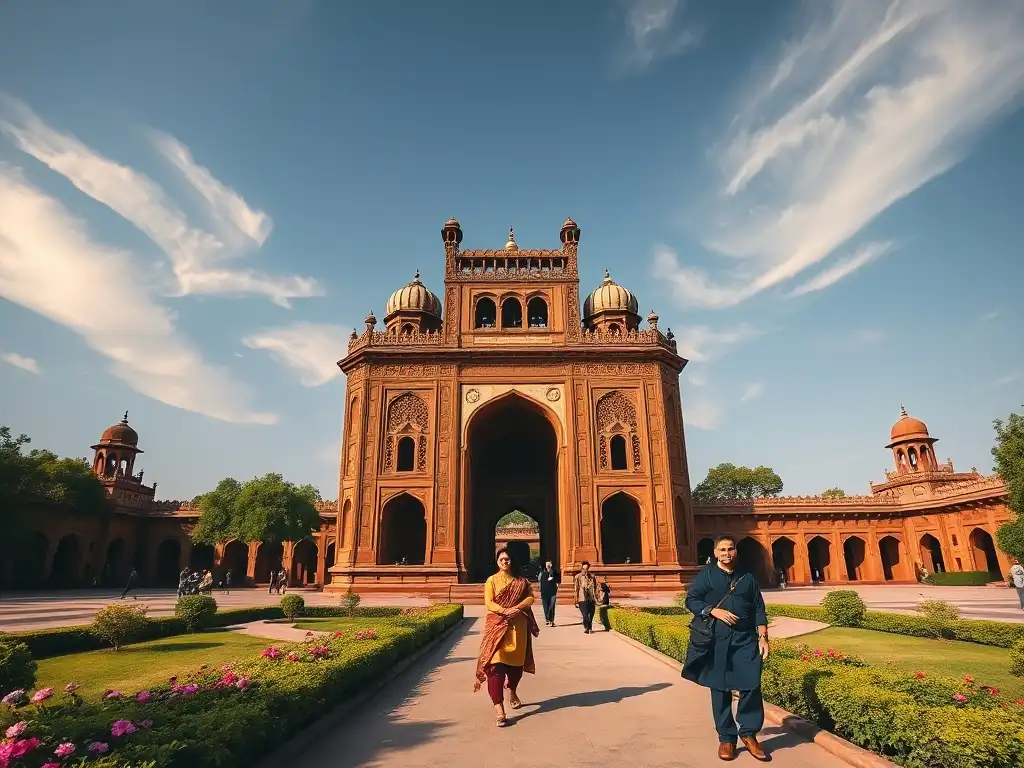
Fatehpur Sikri stands as a testament to the grandeur and sophistication of Mughal architecture, embodying a unique blend of cultural influences and architectural innovation. Established in the late 16th century by Emperor Akbar, this city was not only a political capital but also a vibrant center of art and culture. Its architectural heritage is a reflection of Akbar's vision of a unified empire, where diverse traditions and styles coalesced to create something truly spectacular.
The city is renowned for its harmonious urban planning, which integrates natural topography with exquisite structures, making it a crucial study for understanding the evolution of Indian architecture. The intricate designs, use of local materials, and careful attention to detail highlight the ingenuity of its creators and the rich cultural tapestry of the era.
Mughal Influence on Fatehpur Sikri's Design
The design of Fatehpur Sikri is deeply rooted in Mughal architectural principles, which are characterized by grand scale, symmetry, and a distinctive blend of Persian and Indian styles. Akbar's approach to architecture was innovative; he sought to incorporate elements from various cultures, which is particularly evident in Fatehpur Sikri.
- Persian Influence: The layout of the city, with its formal gardens and axial pathways, draws heavily from Persian garden designs, symbolizing paradise on earth.
- Indigenous Elements: Local architectural styles also played a significant role. The use of red sandstone, for instance, reflects the regional building practices, while intricate inlays and decorations showcase craftsmanship unique to Indian artisans.
- Cultural Fusion: The architectural elements exemplify a cultural amalgamation, with features such as chhatris (elevated dome-shaped pavilions) and jharokhas (overhanging enclosed balconies) that blend Mughal and local styles seamlessly.
This synthesis of styles not only served functional purposes but also conveyed Akbar’s message of tolerance and unity among his diverse subjects.
Key Architectural Features of Fatehpur Sikri
Fatehpur Sikri is replete with remarkable architectural features that highlight both its aesthetic appeal and functional design. Below are some of the key characteristics that define its architectural heritage:
Red Sandstone Structures
The use of red sandstone is one of the most significant aspects of Fatehpur Sikri's architectural heritage. This material not only gives the buildings their distinctive hue but also represents the local environmental context.
- Durability: Red sandstone is known for its resilience, which has allowed many structures to withstand the test of time.
- Visual Impact: The vibrant color of the stone contrasts beautifully with the blue skies and green landscapes, enhancing the visual splendor of the city.
- Sculptural Quality: The stone is amenable to intricate carving, allowing artisans to create detailed motifs and patterns that adorn many structures.
Intricate Carvings and Inscriptions
The craftsmanship displayed through the intricate carvings and inscriptions found throughout Fatehpur Sikri is a highlight of its architectural heritage.
- Artistic Expression: The carvings often depict floral patterns, geometric designs, and calligraphic inscriptions that reflect the artistic sensibilities of the time.
- Cultural Narratives: Many inscriptions are quotations from the Quran or poetic verses that serve to enhance the spiritual ambiance of the structures.
- Symbolism: The motifs used in the carvings often carry symbolic meanings, representing various aspects of life, nature, and spirituality.
Water Management Systems
An outstanding feature of Fatehpur Sikri is its advanced water management systems, which were essential for sustaining the city in its arid environment.
- Stepwells: The city is dotted with stepwells that not only provided water but also served as social gathering places, reflecting the communal aspects of Mughal society.
- Canals and Reservoirs: Ingenious canals were constructed to channel water from nearby sources into the city, showcasing advanced engineering techniques of the time.
- Sustainability: The effective management of water resources highlights the foresight of Akbar’s planners in creating a sustainable urban environment.
The architectural heritage of Fatehpur Sikri is a remarkable confluence of Mughal artistry, local craftsmanship, and innovative engineering. Each feature, from the robust red sandstone structures to the delicate carvings and sophisticated water management systems, contributes to the overall narrative of a city that embodies the cultural richness of ancient India.
Cultural Aspects of Fatehpur Sikri
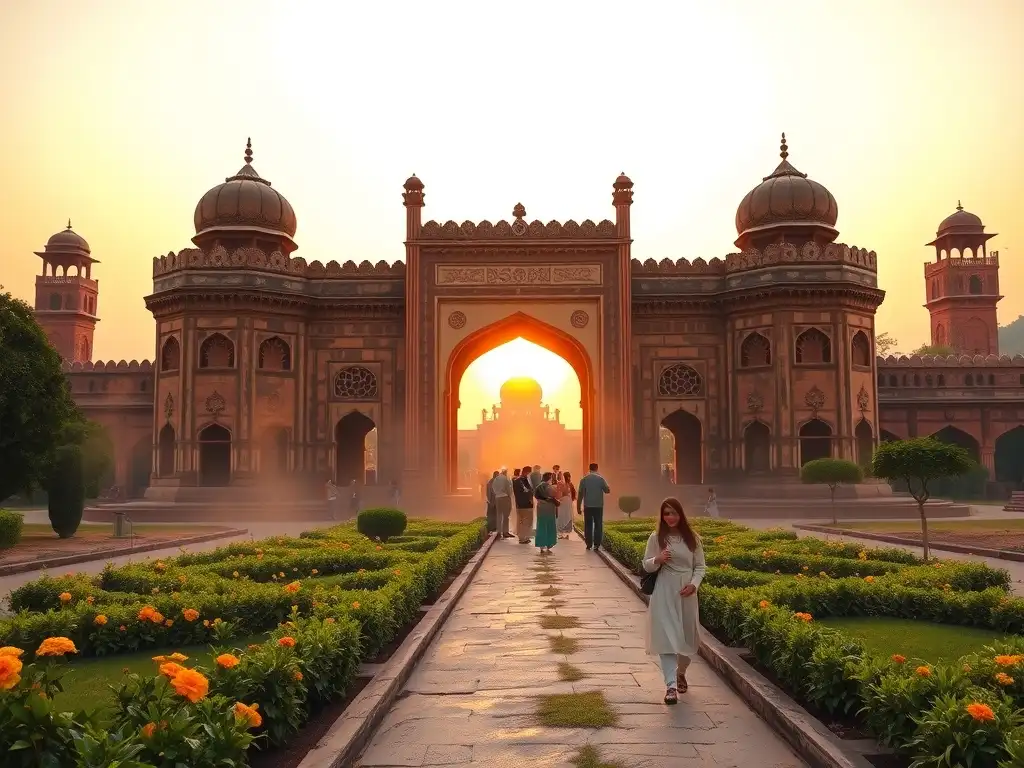
Religious Diversity Reflected in Architecture
Fatehpur Sikri stands as a testament to the rich tapestry of cultural and religious influences that shaped ancient Indian society. The architectural heritage of Fatehpur Sikri is characterized by a harmonious blend of Islamic and Hindu elements, reflecting the syncretic culture of the time.
The Jama Masjid: A Symbol of Islamic Faith
The Jama Masjid, one of the most prominent structures in Fatehpur Sikri, exemplifies Mughal architecture and Islamic artistry. Built in 1571, this grand mosque serves as a focal point for religious gatherings and prayers.
- Architectural Features:
- Constructed from red sandstone, the mosque features intricate carvings and calligraphy that convey verses from the Quran.
- The impressive entrance gate, known as the Buland Darwaza, stands at 40 meters high, making it one of the tallest gateways in India.
- The mosque's spacious courtyard can accommodate thousands of worshippers, showcasing the communal aspect of Islamic practices.
The Jama Masjid not only serves religious purposes but also symbolizes the importance of Islam in the cultural landscape of Fatehpur Sikri, where religious diversity thrived.
The Birbal Mahal: Hindu Influence and Design
In stark contrast, the Birbal Mahal exemplifies the Hindu architectural style, dedicated to Raja Birbal, one of the nine gems in Akbar's court. This palace reflects the aesthetic and cultural values of Hindu traditions.
- Architectural Features:
- The Birbal Mahal is noted for its delicate carvings, ornate pillars, and beautifully designed ceilings that highlight Hindu motifs.
- The layout of the palace is characterized by a series of interconnected rooms and courtyards, emphasizing privacy and intimacy, which resonates with traditional Hindu domestic architecture.
- The use of water features and gardens within the palace grounds indicates the significance of nature in Hindu culture.
The presence of the Birbal Mahal within Fatehpur Sikri illustrates the coexistence of Hindu and Islamic architectural styles, showcasing a unique cultural dialogue that enriched the heritage of the site.
Festivals and Traditions Celebrated at Fatehpur Sikri
Fatehpur Sikri is not only a center of architectural marvels but also a hub for various festivals and traditions that reflect the community's cultural vibrancy. These celebrations often highlight the harmonious coexistence of different religious practices.
-
Eid Celebrations:
The Jama Masjid becomes a focal point during Eid, attracting thousands of devotees who gather for prayers. The communal spirit is palpable, as people from various backgrounds come together to celebrate.
-
Diwali Festivities:
Diwali, the festival of lights, is celebrated with great fervor in Fatehpur Sikri. The town is adorned with lamps and decorations, and various cultural programs showcase local traditions, music, and dance.
-
Annual Fair:
An annual fair is held in honor of the Sufi saint Salim Chishti, whose tomb is located in Fatehpur Sikri. This fair attracts pilgrims and tourists alike, with stalls selling handicrafts, local cuisine, and traditional performances that reflect the region's rich heritage.
Through these festivals, the cultural fabric of Fatehpur Sikri is woven tighter, demonstrating how architectural heritage and community traditions coexist and thrive, making it a vibrant example of India's historical legacy.
Preservation of Fatehpur Sikri Architectural Heritage
Challenges in Conservation Efforts
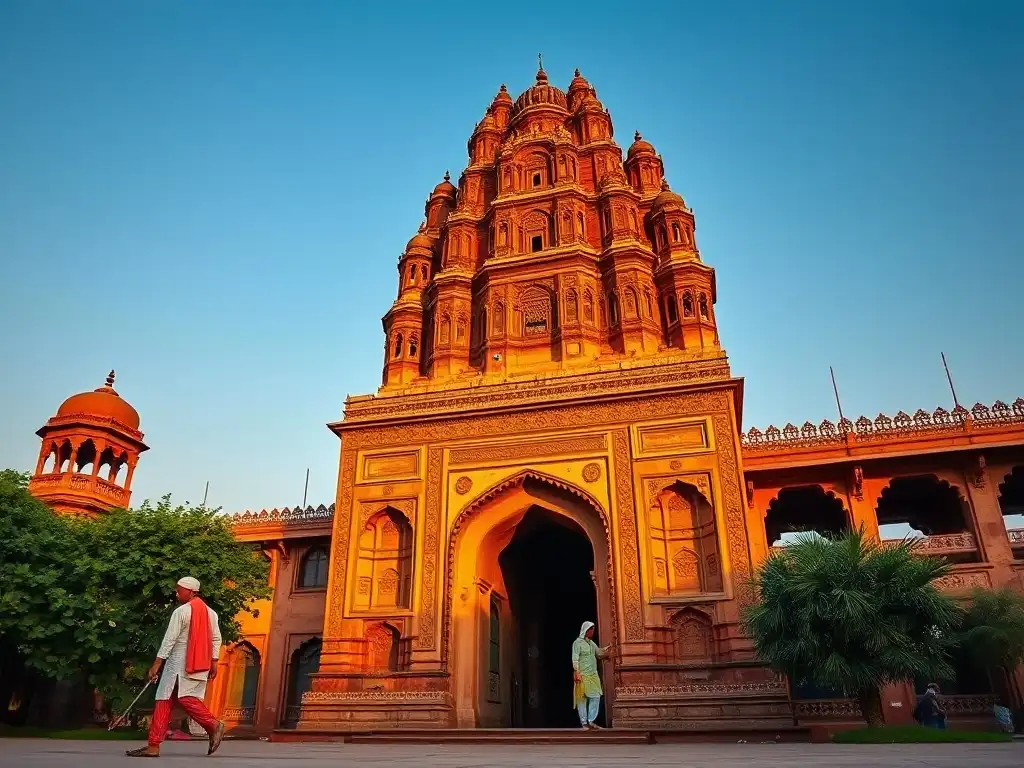
The preservation of Fatehpur Sikri's architectural heritage faces numerous challenges that stem from both natural and human-induced factors. One significant issue is the weathering of sandstone, which is the primary material used in the construction of this UNESCO World Heritage Site. The region's climate, characterized by extreme temperatures and seasonal rain, accelerates the erosion process.
Additionally, the presence of pollution poses a considerable threat. Urban development in nearby areas contributes to air and water pollution, which can lead to chemical reactions that deteriorate the intricate carvings and structural integrity of the monuments.
Another challenge is the increasing foot traffic from tourists. While tourism is vital for the local economy, the sheer volume of visitors can lead to physical wear and tear on the fragile structures. The delicate balance between allowing public access and protecting the site is a constant struggle.
Moreover, the lack of adequate funding and resources for restoration projects often hampers conservation efforts. Despite the site's historical significance, many initiatives remain underfunded, limiting the scope and effectiveness of preservation strategies.
Importance of Sustainable Tourism
Sustainable tourism is critical for the preservation of Fatehpur Sikri's architectural heritage. By promoting responsible travel practices, it is possible to minimize the negative impacts of tourism on the site while enhancing the visitor experience.
- Awareness and Education: Educating tourists about the cultural significance of Fatehpur Sikri helps foster respect for the heritage site. Informative tours that highlight the history and architecture encourage visitors to appreciate the site rather than merely view it as a backdrop for photographs.
- Visitor Management: Implementing measures to control the number of visitors, such as timed entry tickets, can reduce overcrowding. This strategy not only protects the structural integrity of the monuments but also enhances the overall experience for tourists.
- Local Community Involvement: Engaging the local community in tourism activities ensures that they benefit economically from the preservation of their heritage. This can lead to a greater community investment in the maintenance of the site and its surroundings.
- Eco-friendly Practices: Encouraging eco-friendly practices among visitors, such as minimizing waste and using sustainable transportation options, contributes to the site's preservation.
By integrating sustainable tourism practices, Fatehpur Sikri can maintain its architectural heritage for future generations while providing a meaningful experience for today’s visitors.
Government Initiatives for Heritage Protection
The Indian government has recognized the importance of protecting Fatehpur Sikri's architectural heritage and has initiated several programs aimed at conservation and management. These include:
- Restoration Projects: Government-funded restoration projects focus on repairing and maintaining the structures at Fatehpur Sikri. These initiatives often involve experts in historical architecture and conservation techniques to ensure that repairs are sympathetic to the original designs.
- Legal Framework: Implementation of laws and regulations designed to protect heritage sites is crucial. The Archaeological Survey of India (ASI) plays a key role in monitoring the site, enforcing regulations against unauthorized construction, and preventing encroachments.
- Awareness Campaigns: The government has launched campaigns to raise awareness about the importance of heritage conservation. These campaigns target both locals and tourists, promoting the value of preserving cultural landmarks like Fatehpur Sikri.
- Collaboration with NGOs: Partnerships with non-governmental organizations (NGOs) and international conservation agencies enhance resources and expertise in heritage protection. These collaborations can lead to innovative conservation techniques and community engagement initiatives.
Through these initiatives, the Indian government aims to safeguard the architectural heritage of Fatehpur Sikri, ensuring that it remains a symbol of India’s rich historical legacy while accommodating the needs of contemporary society.
Fatehpur Sikri in Modern Context
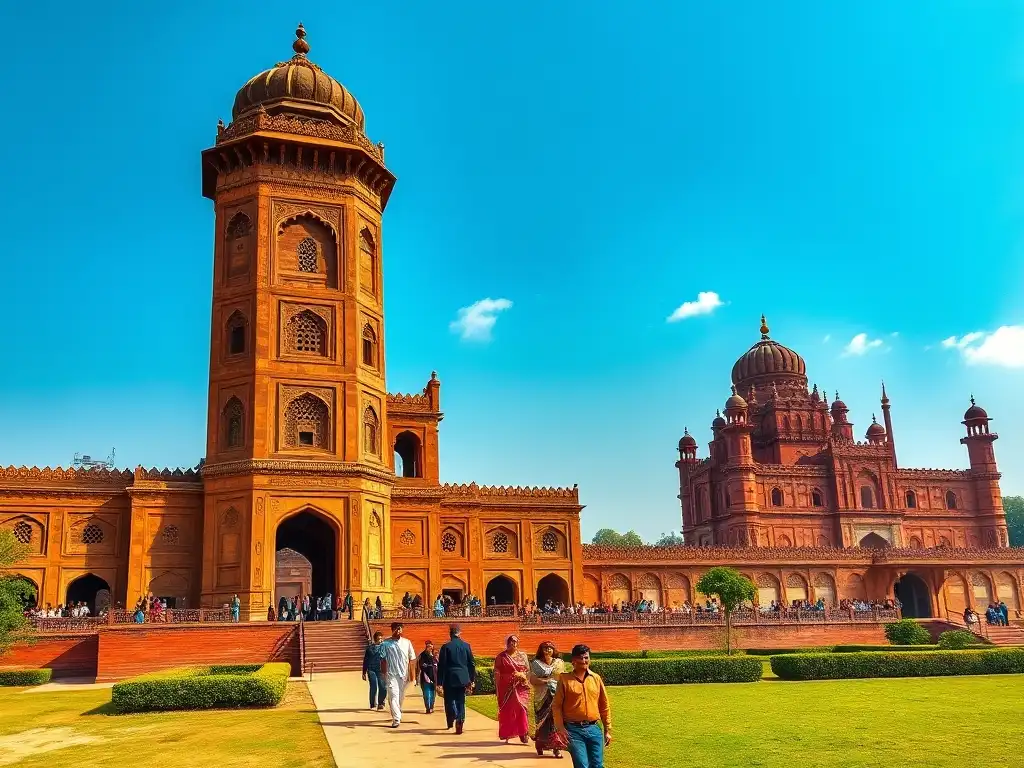
Fatehpur Sikri, the magnificent city built during the reign of Mughal Emperor Akbar in the late 16th century, stands as a testament to the rich architectural heritage of ancient India. Its historical significance and architectural brilliance continue to resonate in modern times, influencing contemporary architecture and urban planning.
Impact on Contemporary Architecture
The architectural innovations of Fatehpur Sikri, characterized by a harmonious blend of Islamic, Hindu, and Persian styles, serve as an inspiration for modern architects. Key elements that continue to influence contemporary designs include:
- Use of Red Sandstone: The predominant use of red sandstone in Fatehpur Sikri is reflected in various modern structures, emphasizing both aesthetic appeal and durability.
- Intricate Carvings and Inlay Work: The detailed carvings and intricate inlay work seen in monuments like the Buland Darwaza and the Diwan-i-Khas inspire artisans and architects today, urging them to incorporate local craftsmanship into modern buildings.
- Spatial Planning: The layout of Fatehpur Sikri, with its thoughtful integration of public and private spaces, influences urban design. Modern planners often draw from this historical blueprint to create functional yet aesthetically pleasing environments.
Moreover, the principles of sustainability evident in the city's design—such as natural ventilation and water management systems—are increasingly relevant in today's architectural practices, as we strive for eco-friendly solutions.
Fatehpur Sikri as a UNESCO World Heritage Site
Recognized as a UNESCO World Heritage Site in 1986, Fatehpur Sikri's designation underscores its global cultural significance. The criteria for this designation include:
- Outstanding Universal Value: Fatehpur Sikri showcases the zenith of Mughal architecture and serves as a symbol of the cultural fusion that marked this era.
- Preservation of Historical Integrity: The conservation efforts undertaken to maintain the integrity of the site reflect its importance in fostering cultural heritage and education.
- Cultural Exchange: The site represents a confluence of various traditions, illustrating the intermingling of different cultures during the Mughal period, thus promoting cross-cultural understanding.
The recognition has not only helped in preserving its architectural heritage but has also increased awareness and tourism, contributing to the local economy and fostering a sense of pride among residents.
Conclusion: Legacy of Fatehpur Sikri's Architectural Heritage
Fatehpur Sikri's architectural heritage is a remarkable legacy that continues to inspire and educate future generations. The city exemplifies the zenith of Mughal architecture, with its innovative designs and harmonious blend of cultural influences.
As modern architects and urban planners look back at historical precedents, the lessons drawn from Fatehpur Sikri can lead to more culturally rich and sustainable designs. The enduring nature of its architectural splendor not only preserves the past but also shapes the future of architectural practices.
In essence, the legacy of Fatehpur Sikri transcends time, reminding us of the intricate tapestry of culture and artistry that defines ancient Indian civilization, while simultaneously influencing contemporary thought and design in the field of architecture.
Call to Action: Exploring Fatehpur Sikri and its Rich History
Fatehpur Sikri stands as a testament to the architectural ingenuity and cultural richness of ancient India. As you delve into its majestic structures, you will encounter a unique blend of Mughal architecture infused with local styles, illustrating the confluence of different traditions. The intricate carvings, expansive courtyards, and thoughtfully designed buildings offer a vivid insight into the lives of those who once inhabited this city.
Visiting Fatehpur Sikri is not merely a journey to witness architectural splendor; it is an opportunity to immerse yourself in the history that shaped India. Here are some compelling reasons to explore this remarkable site:
- Architectural Marvels: Discover the stunning palaces, mosques, and public buildings that showcase the height of Mughal architectural achievement. The Buland Darwaza, Jodha Bai Palace, and the Tomb of Salim Chishti are just a few examples that illustrate the grandeur and skill of ancient craftsmen.
- Cultural Significance: Fatehpur Sikri was not just a political capital; it was also a cultural hub where art, music, and literature flourished. Engaging with the history of this city allows you to appreciate the diverse influences that have shaped Indian culture over the centuries.
- Educational Experience: A visit to Fatehpur Sikri offers a chance to learn about the Mughal Empire and its impact on Indian society. Guided tours and informational plaques provide deeper insights into the significance of various structures and the historical figures associated with them.
- Photography Opportunities: The stunning architecture and picturesque landscapes make Fatehpur Sikri a photographer's paradise. Capture the beauty of the intricate designs and expansive views, creating memories that will last a lifetime.
- Preserving Heritage: By visiting Fatehpur Sikri, you contribute to the preservation of this UNESCO World Heritage site. Your support helps ensure that future generations can also experience and learn from this vital piece of history.
Fatehpur Sikri is more than just an architectural site; it is a rich historical narrative waiting to be explored. Whether you are a history enthusiast, an architecture lover, or a curious traveler, Fatehpur Sikri promises an enriching experience that highlights the legacy of ancient Indian civilizations. Plan your visit today and step back in time to immerse yourself in the grandeur of Fatehpur Sikri!
Frequently Asked Questions
What is Fatehpur Sikri known for?
Fatehpur Sikri is renowned for its stunning architectural heritage, which showcases a blend of Mughal architecture and Indian influences. It served as the capital of the Mughal Empire under Akbar the Great.
Why was Fatehpur Sikri built?
Fatehpur Sikri was built as a capital city to honor the Sufi saint Salim Chishti and to serve as a center for administration and culture during Akbar's reign. Its construction began in 1571 and was completed in 1573.
What are some key structures in Fatehpur Sikri?
Key structures include the Buland Darwaza, Jama Masjid, and the Panch Mahal. These buildings reflect the architectural brilliance and cultural synthesis of the era.
How does Fatehpur Sikri reflect ancient Indian culture?
Fatehpur Sikri embodies ancient Indian culture through its artistic designs, religious harmony, and the incorporation of diverse architectural styles, representing the fusion of Hindu and Islamic traditions.
Why is Fatehpur Sikri considered a UNESCO World Heritage Site?
Fatehpur Sikri is designated as a UNESCO World Heritage Site due to its historical significance, exceptional architectural heritage, and its representation of the Mughal Empire's grandeur and cultural diversity.
Final Reflection: Embracing the Legacy of Fatehpur Sikri's Architectural Heritage
The architectural heritage of Fatehpur Sikri stands as a testament to the rich cultural tapestry of India, intertwining history, art, and spirituality in a way that resonates deeply with our contemporary world. As we navigate through an era marked by rapid urbanization and technological advancement, the significance of preserving such historical sites becomes increasingly vital. Fatehpur Sikri is not just a relic of the past; it is a living narrative that continues to inspire awe and reflection.
The influence of Fatehpur Sikri extends beyond its physical structures; it shapes our cultural identity and collective memory. This ancient city serves as a reminder of the harmonious coexistence of diverse cultures and religions. The intricate designs and architectural innovations found within its walls reflect a time when artistry flourished alongside intellectual pursuits. As Mahatma Gandhi once said, "> A nation's greatness is measured by how it treats its weakest members." This quote underscores the importance of safeguarding our heritage, as it is a reflection of our values and the legacy we leave for future generations.
As you contemplate the architectural splendor of Fatehpur Sikri, I invite you to reflect on your own connection to cultural heritage. Consider how the lessons from this ancient city can inspire you to appreciate and protect the historical narratives that shape your community. Whether through visiting heritage sites, engaging in cultural discussions, or advocating for preservation efforts, each action contributes to a broader understanding of our shared history. Let us honor the legacy of Fatehpur Sikri by ensuring that its stories and architectural brilliance continue to resonate for generations to come.
Unveil the Wonders of Fatehpur Sikri!
Thank you for exploring the rich tapestry of Fatehpur Sikri with us! We hope you’ve gained a deeper appreciation for this magnificent blend of culture and architectural brilliance. Now, it’s time to take that interest and transform it into action!
Here are some steps you can take to continue your journey:
- Plan a visit to Fatehpur Sikri: Experience the grandeur in person. Capture stunning photos, immerse yourself in the history, and feel the vibrant atmosphere of this UNESCO World Heritage Site.
- Share your experience: Engage with fellow history enthusiasts by sharing this article. Consider posting your favorite facts about Fatehpur Sikri on social media or in history forums to spark engaging discussions.
- Dive deeper: Explore more about Mughal architecture by reading additional resources on Ancient Indian history. You might uncover fascinating insights that enhance your understanding of this remarkable era!
What aspect of Fatehpur Sikri intrigues you the most and why? Let’s spark a conversation in the comments below!