
The Ramayana as a Source of Inspiration for Modern Leaders


Welcome to Ancient India History, where we embark on a journey through the rich tapestry of India's past, exploring the profound legacies of its ancient civilizations. Today, we delve into the timeless wisdom of the Ramayana, unearthing invaluable lessons for modern leadership that resonate even in our contemporary world. How can the epic tales of valor, duty, and righteousness guide today's leaders in navigating complex challenges? Join us as we uncover these insights and draw parallels that inspire and empower, encouraging you to delve deeper into the remarkable narratives that shaped a civilization.
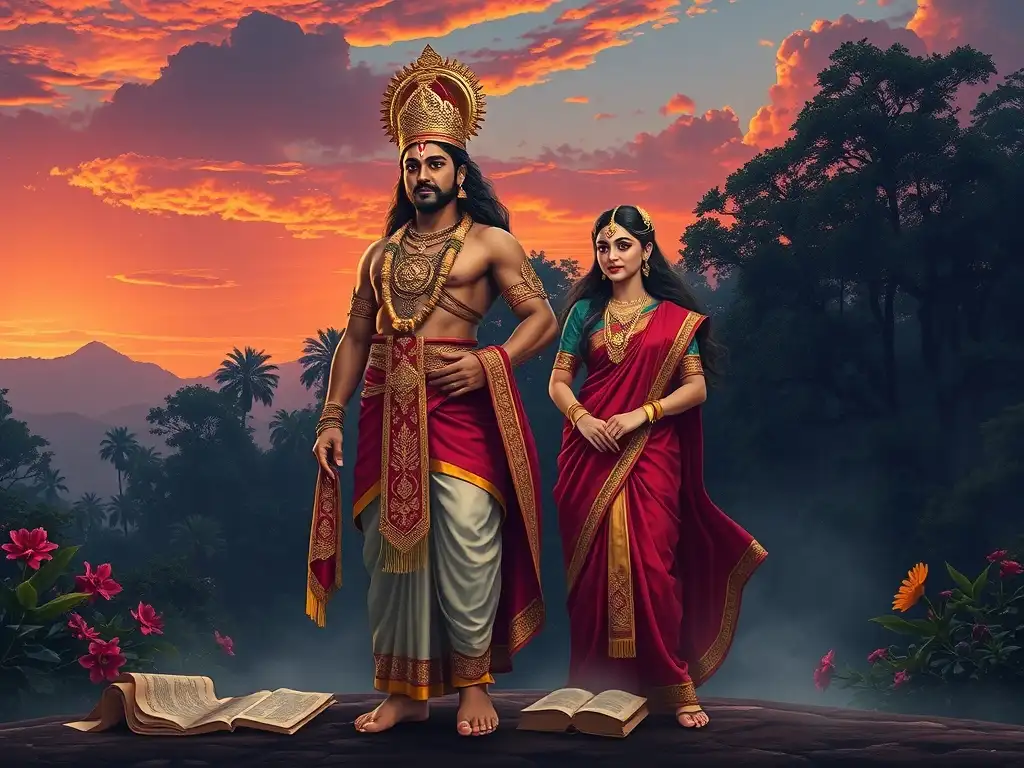
The Ramayana, one of the most revered epics of ancient India, serves not only as a tale of heroism and devotion but also as a profound source of wisdom for modern leadership. This ancient text, authored by the sage Valmiki, intricately weaves together narratives of duty, righteousness, and the complexities of human relationships.
As contemporary leaders navigate the challenges of a rapidly changing world, the lessons embedded within the Ramayana provide timeless guidance on moral integrity, decision-making, and the importance of empathy. This article aims to explore the valuable insights that modern leaders can draw from the Ramayana, highlighting its enduring relevance in today's leadership landscape.
Introduction to the Ramayana and Leadership
The Ramayana is more than just a story; it is a treasure trove of ethical teachings and leadership principles. At its core, the narrative revolves around Lord Rama, whose ideals of dharma (duty) and righteousness serve as a model for leaders. By examining the characters and events within the Ramayana, one can uncover essential lessons that resonate with the challenges faced by leaders in various fields today.
Overview of the Ramayana's Historical Significance
The Ramayana, composed around 500 BCE to 100 BCE, is not only a literary masterpiece but also a critical component of Indian cultural heritage. It reflects the social, political, and moral fabric of ancient Indian society. The epic chronicles the life of Rama, his exile, the abduction of his wife Sita, and the subsequent battle against the demon king Ravana. Each episode serves as a metaphor for the trials and tribulations that leaders often encounter.
- Cultural Influence: The Ramayana has influenced art, literature, and philosophy in India and beyond.
- Moral Framework: It provides a framework for understanding the principles of justice, loyalty, and sacrifice, which are essential in leadership.
The Role of Epic Literature in Shaping Values
Epic literature like the Ramayana plays a crucial role in shaping the moral and ethical values of society. It serves as a vehicle for transmitting cultural wisdom across generations. Through its rich narratives and allegorical characters, the Ramayana imparts lessons on governance, ethical dilemmas, and the significance of collective responsibility.
- Value Transmission: These stories instill values in individuals, impacting their character and leadership style.
- Crisis Management: The epic illustrates how leaders can navigate crises and maintain moral integrity in challenging situations.
Ramayana Lessons for Modern Leadership
The teachings of the Ramayana are particularly relevant in today's context, where leaders are often faced with complex ethical challenges and the need for decisive action. By reflecting on the epic's principles, modern leaders can cultivate qualities that resonate with their teams and communities.
Key Themes of Leadership in the Ramayana
- Dharma (Righteousness): Leaders must uphold ethical standards and act in the best interest of their people, just as Rama did throughout his journey.
- Sacrifice: The willingness to make personal sacrifices for the greater good is a recurring theme, exemplified by Sita's unwavering loyalty and Rama's commitment to his kingdom.
- Empathy and Compassion: The interactions between characters highlight the importance of understanding others’ perspectives, fostering a supportive environment for collaboration.
- Courage and Resilience: The epic teaches that true leadership involves facing adversities with courage and maintaining resolve, even in the face of overwhelming odds.
By integrating these lessons into their leadership practices, modern leaders can inspire their teams and drive meaningful change, echoing the timeless wisdom of the Ramayana.
Characters as Leadership Models
The Ramayana is not just a tale of heroism and adventure; it is a rich source of leadership principles demonstrated through its diverse characters. Each character embodies distinct qualities that modern leaders can learn from, making the Ramayana a timeless guide to effective leadership in various contexts.
Lord Rama: The Ideal Leader
Lord Rama, the protagonist of the Ramayana, epitomizes the concept of an ideal leader. He is often referred to as Maryada Purushottama, or the perfect man, representing virtues such as integrity, compassion, and righteousness. His commitment to Dharma (righteousness) is unwavering, guiding him through challenges and moral dilemmas.
- Decision Making: Rama's decisions are characterized by careful consideration and adherence to ethical principles. For example, his choice to exile himself for the sake of his father's honor illustrates the importance of self-sacrifice in leadership.
- Empathy and Compassion: Rama's treatment of allies and foes alike exemplifies empathy. He shows understanding towards others' struggles, which fosters loyalty and respect.
- Visionary Leadership: Rama leads with a clear vision for a just society, inspiring others to follow his path. His ability to articulate his goals helps to unite diverse groups towards a common purpose.
By embodying these qualities, modern leaders can learn to navigate complex environments with integrity and purpose, making Rama an enduring model of effective leadership.
Sita: The Strength of Resilience
Sita, the wife of Lord Rama, stands as a symbol of resilience and strength. Her character offers valuable lessons on perseverance in the face of adversity, which is pivotal for modern leaders.
- Courage Under Pressure: Throughout her trials, Sita exhibits remarkable courage. Her abduction by Ravana and subsequent trials reveal her unwavering spirit. This resilience is a crucial trait for leaders who face setbacks.
- Emotional Intelligence: Sita's ability to maintain her composure and dignity in dire circumstances showcases the importance of emotional intelligence. Leaders who can manage their emotions and remain calm can inspire confidence in their teams.
- Empowerment and Agency: Sita's journey reflects the importance of empowerment. Despite being in vulnerable positions, she asserts her agency, demonstrating that leaders should empower their teams to act decisively.
Sita's strength and resilience serve as a powerful reminder for modern leaders to cultivate inner strength and support their teams through challenges.
Hanuman: The Devoted Servant Leader
Hanuman, the devoted monkey god and one of the most beloved characters in the Ramayana, exemplifies the qualities of a servant leader. His unwavering devotion to Rama and commitment to service provide rich lessons for contemporary leadership.
- Loyalty and Dedication: Hanuman's loyalty to Rama is unparalleled. His readiness to undertake perilous tasks, such as crossing the ocean to deliver Rama's message, illustrates the impact of dedication in leadership roles.
- Team Collaboration: Hanuman is known for rallying allies and working collaboratively. His ability to unite various factions in the quest to rescue Sita highlights the importance of teamwork and collective effort in achieving goals.
- Courage to Serve: Hanuman's bravery in the face of adversity demonstrates that effective leaders often place the needs of others above their own. This servant leadership approach fosters trust and loyalty among team members.
Hanuman's example inspires modern leaders to embrace servant leadership, prioritizing the needs of their teams and building strong, collaborative environments.
Modern Applications of Ramayana Lessons
The timeless lessons from the Ramayana are not confined to ancient narratives; they have profound implications for contemporary leadership practices. Leaders today can draw from these insights to enhance their effectiveness and foster positive organizational cultures.
Implementing Dharma in Contemporary Leadership
The principle of Dharma, or righteousness, is central to the Ramayana and serves as a cornerstone for modern leadership. Leaders who embrace this concept can cultivate ethical workplaces and make principled decisions.
- Ethical Decision-Making: Leaders can apply the lessons of Dharma by prioritizing integrity in their choices. This involves considering the broader impact of decisions on stakeholders and aligning actions with ethical standards.
- Creating a Values-Driven Culture: By embedding values that resonate with the principles of Dharma, organizations can foster a culture of accountability and respect. Leaders must actively promote these values to inspire their teams.
- Balancing Interests: Just as Rama navigated complex relationships and conflicts, modern leaders should strive to balance diverse interests while adhering to a moral framework, ensuring fairness and justice in their leadership.
By implementing Dharma, leaders can build trust and credibility, creating an environment where ethical practices thrive.
Leadership in Crisis: Lessons from the Ramayana
The Ramayana presents numerous instances of leadership during crises, offering valuable insights for today’s leaders facing challenges and uncertainties.
- Resilience in Adversity: Rama’s response to adversity—such as his determination to rescue Sita—serves as a model for perseverance. Leaders must remain steadfast and focused on solutions during crises, inspiring their teams to do the same.
- Strategic Planning: The meticulous planning and execution seen in Rama’s strategy against Ravana highlight the importance of strategic foresight. Leaders should develop contingency plans and adapt strategies as situations evolve.
- Effective Communication: Throughout the Ramayana, clear communication is vital, especially during crises. Leaders must ensure transparent communication to maintain morale and clarity among their teams.
By learning from the crisis management strategies depicted in the Ramayana, modern leaders can navigate challenges with confidence and decisiveness, ultimately emerging stronger.
Comparative Analysis: Ramayana and Modern Leadership Theories
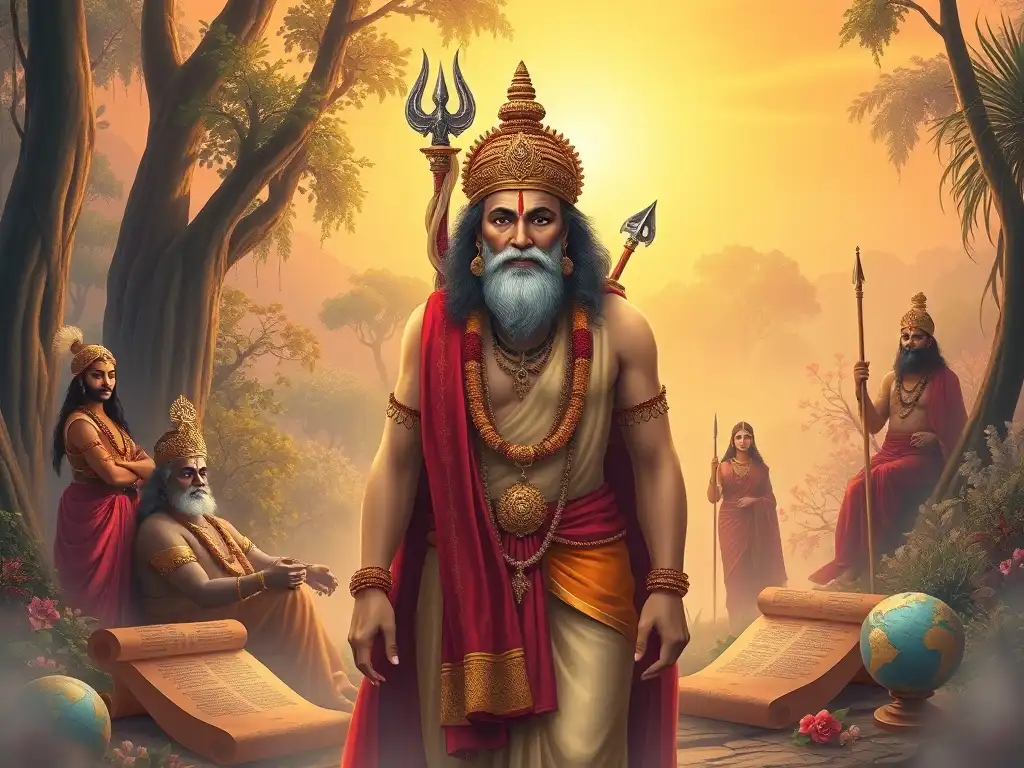
The Ramayana, an ancient epic, offers profound insights into leadership that resonate with contemporary leadership theories. By comparing key elements of the Ramayana with modern leadership frameworks, we can uncover timeless principles that guide effective leadership.
- Visionary Leadership: The character of Lord Rama embodies visionary leadership, a quality that is essential in modern contexts. Just as Rama had a clear vision to uphold dharma (righteousness) and restore order in the kingdom, modern leaders must articulate a compelling vision that inspires their teams and stakeholders.
- Crisis Management: The trials faced by Rama during his exile and the subsequent abduction of Sita showcase effective crisis management. Leaders today can learn from his resilience and adaptability in navigating challenges, emphasizing the importance of a calm and strategic approach in uncertain times.
- Team Dynamics: The collaborative efforts of Rama, Sita, and Hanuman reflect the significance of teamwork. Modern leadership theories stress the importance of cultivating a collaborative environment where diverse talents contribute towards a common goal, similar to the alliances formed in the Ramayana.
Transformational Leadership in the Context of the Ramayana
Transformational leadership, characterized by the ability to inspire and motivate followers to exceed their own interests for the greater good, is vividly illustrated in the Ramayana. Lord Rama exemplifies this through his actions and relationships:
- Inspiration: Rama’s unwavering commitment to truth and virtue serves as a source of inspiration for his followers. He leads by example, demonstrating how personal integrity can catalyze collective action.
- Empowerment: Rama empowers his allies, notably Hanuman and Lakshmana, by recognizing their strengths and entrusting them with significant responsibilities. This empowerment fosters loyalty and enhances team performance, showcasing a core principle of transformational leadership.
- Change Agents: Just as Rama initiated change by challenging the status quo and fighting against evil, modern leaders are called to be change agents, driving positive transformations within their organizations and communities.
Servant Leadership: Echoes of Hanuman’s Devotion
Hanuman’s character in the Ramayana embodies the essence of servant leadership, which emphasizes the leader's role as a servant first. This approach is particularly relevant in modern times:
- Selflessness and Service: Hanuman's dedication to Lord Rama exemplifies selflessness. He places the needs of others above his own, demonstrating that effective leadership often involves serving the greater good rather than seeking personal gain.
- Empathy and Compassion: Hanuman’s actions are driven by deep empathy for Rama and Sita. Modern leaders can learn from this by fostering a culture of compassion within their teams, recognizing the importance of emotional intelligence in leadership.
- Building Trust: Through his unwavering loyalty and commitment, Hanuman builds a foundation of trust. Trust is crucial in servant leadership, as it encourages open communication and collaboration among team members.
Ethical Leadership: Aligning with the Values of the Ramayana
The Ramayana is steeped in ethical teachings, offering a framework for ethical leadership that remains relevant today:
- Integrity and Honor: Lord Rama’s steadfast adherence to dharma illustrates the importance of integrity in leadership. Ethical leaders today are expected to uphold their values, even in the face of adversity, setting a moral example for others.
- Accountability: The Ramayana stresses accountability, particularly in Rama's willingness to accept the consequences of his decisions. Modern leaders must also demonstrate accountability, fostering a culture where team members feel responsible for their actions.
- Fairness and Justice: The epic portrays the significance of fairness and justice, as seen in Rama’s treatment of all characters, regardless of their status. Ethical leaders today are tasked with ensuring fairness in their decisions, promoting inclusivity, and addressing inequalities within their organizations.
Conclusion: Integrating Ramayana Lessons into Leadership Practices
The teachings of the Ramayana offer a rich tapestry of lessons that modern leaders can integrate into their practices. By drawing from the wisdom embedded in this ancient text, leaders can cultivate qualities that enhance their effectiveness and impact.
The Timeless Relevance of the Ramayana for Leaders Today
The core values and lessons from the Ramayana transcend time, making them applicable for today’s leaders. The epic’s emphasis on integrity, service, and ethical conduct aligns with the expectations of contemporary leadership, reinforcing the notion that great leadership is grounded in moral principles.
Encouraging Future Leaders to Learn from Ancient Wisdom
Encouraging future leaders to study the Ramayana can foster a deeper understanding of the qualities necessary for effective leadership. By learning from the experiences of its characters, modern leaders can develop a holistic approach that blends ancient wisdom with contemporary practices, ultimately guiding them towards becoming transformational figures in their communities and organizations.
By integrating these lessons, leaders can navigate the complexities of modern challenges while staying true to the timeless ideals exemplified in the Ramayana. 🌟
Additional Resources on Ramayana and Leadership
The Ramayana is not only a revered epic in Indian literature but also serves as a profound source of inspiration for contemporary leaders. To deepen your understanding of the lessons from the Ramayana and their application in modern leadership, a variety of resources are available, ranging from books and articles to workshops and seminars. Here are some recommended materials and opportunities that can enrich your knowledge and practical skills in leadership inspired by this ancient text.
Recommended Readings on the Ramayana
-
"The Ramayana: A New Translation" by Ramesh Menon
This modern translation provides an accessible version of the Ramayana, allowing readers to appreciate its timeless themes and moral lessons. Menon’s interpretations make the epic relatable to contemporary issues, highlighting leadership qualities exhibited by characters such as Rama and Sita.
-
"The Ramayana: A Historical Perspective" by A. K. Ramanujan
This scholarly work explores the historical context of the Ramayana while analyzing its characters through a leadership lens. Ramanujan’s insights into the socio-political environment of ancient India offer valuable lessons for modern leaders.
-
"Leadership Lessons from the Ramayana" by Swami Tejomayananda
This book distills essential leadership qualities depicted in the Ramayana, emphasizing virtues such as integrity, empathy, and strategic thinking. Swami Tejomayananda articulates how these traits can be applied in today’s corporate and social landscapes.
-
Articles and Journals
Numerous articles in academic journals delve into the themes of leadership in the Ramayana. Searching databases like JSTOR or Google Scholar can yield informative papers that provide deeper insights into the epic’s relevance to modern leadership practices.
Workshops and Seminars on Leadership Inspired by Epic Literature
-
Ramayana Leadership Workshops
These workshops often combine storytelling with practical exercises to illustrate the leadership principles embedded in the Ramayana. Participants engage in discussions and role-playing activities that allow them to explore the ethical dilemmas faced by the characters, fostering a deeper understanding of moral leadership.
-
Seminars by Leadership Experts
Various institutions and organizations host seminars where leadership experts discuss the Ramayana's influence on leadership styles and decision-making processes. These events can feature keynote speakers, panel discussions, and Q&A sessions, providing opportunities for participants to learn from experienced leaders.
-
Online Courses
With the rise of digital learning platforms, several online courses focus on the Ramayana’s teachings and their application to modern leadership challenges. These courses often include video lectures, interactive forums, and assignments that encourage participants to reflect on their leadership journey through the lens of the epic.
-
Cultural Festivals and Events
Events celebrating the Ramayana often include discussions on its leadership lessons. Attending these festivals can provide networking opportunities with like-minded individuals and access to workshops that explore the epic's themes in greater depth.
Incorporating these resources into your study of the Ramayana can significantly enhance your leadership skills and provide a framework for ethical decision-making in today’s complex world. By learning from the characters and narratives of this ancient epic, modern leaders can draw inspiration and guidance to navigate their own challenges with wisdom and integrity.
- Introduction to the Ramayana and Leadership
- Ramayana Lessons for Modern Leadership
- Characters as Leadership Models
- Modern Applications of Ramayana Lessons
- Comparative Analysis: Ramayana and Modern Leadership Theories
- Conclusion: Integrating Ramayana Lessons into Leadership Practices
- Additional Resources on Ramayana and Leadership
- What is the Ramayana's significance in ancient Indian history?
- How can modern leaders apply lessons from the Ramayana?
- What are some key leadership qualities illustrated in the Ramayana?
- How does the Ramayana address the concept of dharma in leadership?
- Can the Ramayana's teachings be relevant in today's corporate world?
Frequently Asked Questions
What is the Ramayana's significance in ancient Indian history?
The Ramayana is a critical epic that reflects moral values, dharma, and leadership principles of ancient India, influencing both culture and governance.
How can modern leaders apply lessons from the Ramayana?
Modern leaders can draw insights on integrity, loyalty, and sacrifice from the characters in the Ramayana to enhance their leadership skills and team dynamics.
What are some key leadership qualities illustrated in the Ramayana?
The Ramayana highlights courage, compassion, and strategic thinking, showcasing how these traits can lead to successful governance and effective decision-making in challenging times.
How does the Ramayana address the concept of dharma in leadership?
The Ramayana emphasizes that dharma (righteousness) is essential for leaders, guiding them to make ethical choices that benefit their followers and society at large.
Can the Ramayana's teachings be relevant in today's corporate world?
Absolutely! The leadership lessons from the Ramayana can inspire ethical practices, promote teamwork, and encourage leaders to navigate complexities with wisdom and integrity in the corporate landscape.
Final Reflection: The Timeless Wisdom of the Ramayana in Modern Leadership
The lessons from the Ramayana resonate profoundly in today's world, reminding us that effective leadership is rooted in values such as integrity, compassion, and resilience. As we navigate the complexities of modern society, the ancient wisdom encapsulated in this epic serves as a guiding light, illuminating the path for leaders who aspire to inspire and uplift those around them. The relevance of the Ramayana's teachings is not merely historical; it is a call to action for leaders today to embody the virtues exemplified by its characters.
The Ramayana has significantly shaped cultural narratives and social values, influencing leaders across generations. Its stories of duty, sacrifice, and moral dilemmas continue to inspire individuals to reflect on their own leadership journeys. As we witness leaders grappling with ethical challenges and the need for authenticity, the Ramayana offers a framework for navigating these turbulent waters. A leader is one who knows the way, goes the way, and shows the way.
This quote encapsulates the essence of leadership that the Ramayana imparts, urging us to lead with purpose and empathy.
As you reflect on the lessons drawn from the Ramayana, consider how you can incorporate these timeless principles into your own leadership style. Embrace the call to action: strive to lead with integrity, cultivate compassion in your interactions, and foster resilience in the face of adversity. By doing so, you not only honor the legacy of the Ramayana but also contribute to a more ethical and inspired leadership landscape for future generations. The journey of leadership is ongoing, and the wisdom of the Ramayana can serve as your compass in this ever-evolving world.
Unleash Leadership Wisdom Inspired by the Ramayana!
Thank you for exploring the profound lessons from the Ramayana with us! We hope you found valuable insights into how its timeless stories can inspire modern leaders.
Now it's time to put that knowledge into action. Here’s how you can begin your journey of inspired leadership:
- Reflect on a personal leadership challenge and identify a lesson from the Ramayana that you can apply to overcome it.
- Engage with your community by sharing your insights and discussing how these ancient teachings can shape contemporary leadership approaches.
- Host a discussion group with peers to explore the relevance of the Ramayana's principles in today's world.
Which leadership lesson from the Ramayana resonates most with you, and how do you plan to implement it in your life?