
The Ramayana and Its Connection to Yoga and Meditation Practices

Welcome to Ancient India History, where we embark on a fascinating journey through the rich tapestry of India’s past. In this exploration, we delve into the profound impact of the Ramayana on yoga and meditation practices, revealing how this epic literature has shaped spiritual traditions that resonate even today. As you uncover the intricate connections between ancient texts and modern practices, prepare to be inspired by the wisdom and legacy of Indian civilization. Dive in to discover how the Ramayana continues to influence seekers of peace and enlightenment!
- Introduction to the Ramayana and Its Historical Significance
- The Ramayana Influence on Yoga and Meditation Practices
- Characters of the Ramayana and Their Connection to Yoga
- Major Lessons from the Ramayana for Modern Yoga and Meditation
- The Ramayana's Cultural Legacy in Yoga and Meditation
- Conclusion: The Enduring Influence of the Ramayana on Yoga and Meditation
- Frequently Asked Questions
- Final Reflection: The Ramayana's Enduring Influence on Yoga and Meditation
- Unveil the Transformative Power of Yoga and Meditation Today!
Introduction to the Ramayana and Its Historical Significance
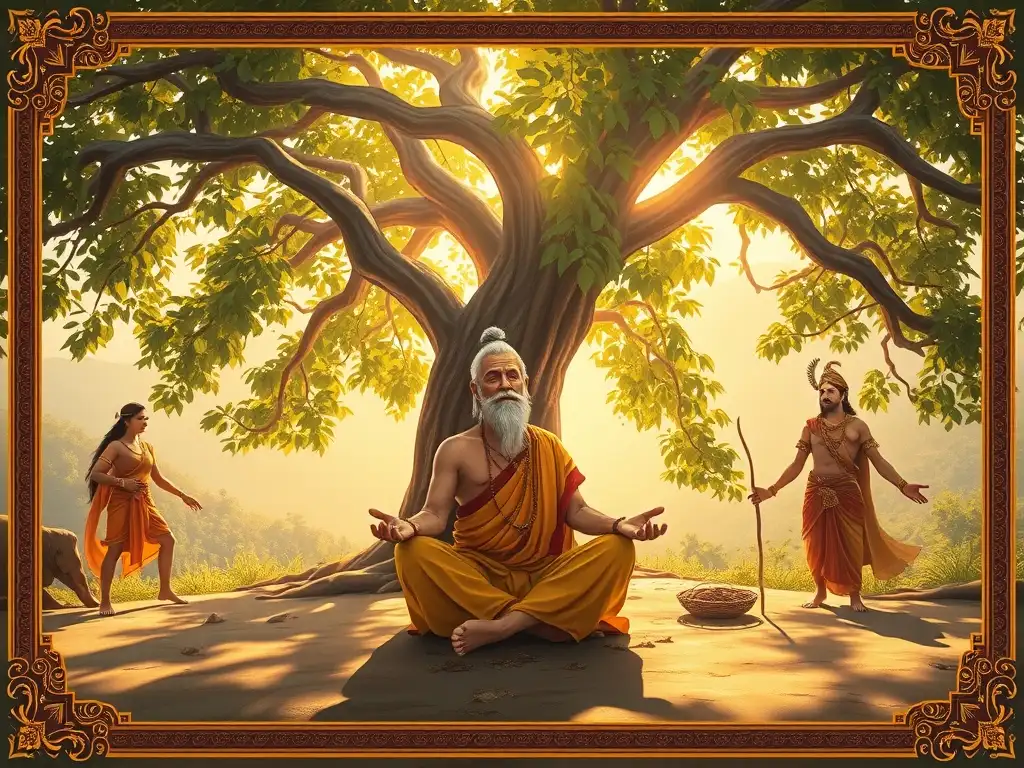
The Ramayana is one of the two great epics of ancient Indian literature, alongside the Mahabharata. Composed by the sage Valmiki, this epic not only narrates the adventures of Lord Rama, but also serves as a profound source of spiritual wisdom. Its themes of duty, righteousness, and devotion have influenced countless generations, shaping the moral and ethical fabric of Indian society.
Beyond its narrative, the Ramayana's influence extends into various aspects of Indian culture, particularly in the realms of yoga and meditation. As we explore the connections between the Ramayana and these practices, we uncover a rich tapestry of ideas that highlight the epic's enduring legacy in guiding individuals towards spiritual growth and self-realization.
Overview of the Ramayana as an Epic
The Ramayana is divided into seven Kandas (books), detailing the life and exploits of Lord Rama, his wife Sita, and his loyal companion Hanuman. This epic is not merely a story of heroism; it encapsulates the philosophical and moral dilemmas faced by its characters. Each section of the Ramayana is replete with teachings that address:
- Dharma (duty): The importance of fulfilling one's obligations.
- Bhakti (devotion): The power of love and devotion towards God.
- Karma (action): The significance of actions and their consequences.
The narrative structure of the Ramayana allows readers to engage with profound lessons embedded within the story, making it a timeless guide to living a righteous life.
Importance of the Ramayana in Ancient Indian Culture
The Ramayana has played a pivotal role in shaping not only literature but also the cultural and spiritual landscape of ancient India. Its impact is evident in various domains:
- Religious Practices: The epic is revered in Hinduism, often recited during religious ceremonies and festivals.
- Performing Arts: The themes and characters of the Ramayana have inspired numerous dance forms, theater, and art, showcasing its integration into various cultural expressions.
- Moral Framework: The Ramayana serves as a moral compass, teaching values such as loyalty, courage, and integrity, which continue to resonate with contemporary society.
Through oral traditions and adaptations, the Ramayana has transcended time, its teachings woven into the very fabric of Indian culture.
Introduction to Yoga and Meditation in Ancient India
Yoga and meditation are ancient practices rooted in Indian philosophy, aimed at achieving spiritual enlightenment and self-realization. These practices are deeply interlinked with the teachings found in the Ramayana, particularly in the following ways:
- Meditative Practices: Characters such as Rama and Hanuman exemplify meditation as a means of connecting with the divine, illustrating the importance of focus and devotion in spiritual pursuits.
- Philosophical Foundations: The Ramayana offers insights that align with the principles of yoga, emphasizing the need for self-discipline, moral integrity, and the pursuit of higher consciousness.
- Holistic Well-being: The teachings of the Ramayana encourage a balanced approach to life, advocating for the harmony of body, mind, and spirit—core tenets of yoga and meditation.
These connections highlight how the Ramayana not only narrates a story but also serves as a guide to achieving a deeper understanding of oneself and the universe through yoga and meditation practices.
The Ramayana Influence on Yoga and Meditation Practices
The Ramayana, one of the two great epics of ancient Indian literature, not only narrates the adventures of Lord Rama but also serves as a profound source of spiritual wisdom. This epic has significantly influenced various aspects of Indian culture, including the disciplines of yoga and meditation. The teachings embedded within the Ramayana provide insights into ethical living, devotion, and the cultivation of a tranquil mind, all of which are essential components of yoga and meditation practices.
Understanding Yoga and Meditation in the Context of the Ramayana
Yoga and meditation are ancient practices that have been deeply intertwined with Indian philosophy. In the context of the Ramayana, these practices are often portrayed as pathways to achieving higher states of consciousness and fulfilling one's dharma (duty).
- Yoga is defined not merely as a physical discipline but as a holistic approach that encompasses ethical living, self-discipline, and meditation.
- Meditation, as depicted in the Ramayana, is a means of attaining clarity and focus, enabling practitioners to connect with their inner selves and the divine.
The characters of the Ramayana, particularly Lord Rama and Sage Valmiki, embody the principles of yoga and meditation, showcasing their significance in achieving spiritual goals.
Key Themes of the Ramayana Relevant to Yoga and Meditation
The Ramayana is rich with themes that resonate with the core principles of yoga and meditation. Below are some of the most significant themes:
Dharma and Righteousness as Foundations of Practice
Dharma, or righteousness, is a central theme in the Ramayana. Lord Rama's adherence to dharma serves as an exemplar for all seekers.
- Principles of Dharma: The importance of duty, truthfulness, and moral integrity is emphasized throughout the narrative.
- Yoga Connection: Practitioners of yoga often seek to align their actions with their dharma, fostering a sense of purpose and ethical clarity.
Incorporating dharma into yoga practice cultivates a sense of responsibility and commitment to one's community and self, crucial for achieving balance and harmony.
Devotion and Bhakti in Yoga
The concept of Bhakti, or devotion, is vividly illustrated through the character of Hanuman, who epitomizes unwavering devotion to Lord Rama.
- Devotional Practices: The Ramayana highlights the significance of surrender to a higher power, a key aspect of Bhakti yoga.
- Influence on Meditation: This devotional aspect fosters a deep emotional connection that can enhance meditation practices, allowing practitioners to experience a profound sense of love and surrender.
Incorporating Bhakti into yoga and meditation enables practitioners to transcend the ego, facilitating a deeper connection with the divine.
The Role of Mindfulness in the Ramayana
Mindfulness, or the practice of being present, is subtly woven into the narrative of the Ramayana. Characters often reflect upon their actions and thoughts, demonstrating awareness of their surroundings and inner states.
- Lessons from the Epic: Lord Rama's contemplative nature showcases the importance of self-awareness in decision-making and personal growth.
- Mindfulness in Practice: By integrating mindfulness into yoga and meditation, practitioners can cultivate a deeper understanding of themselves and their relationship with the world around them.
Incorporating mindfulness techniques, such as breath awareness and focused attention, can significantly enhance the effectiveness of yoga and meditation practices, making them more transformative.
The teachings of the Ramayana serve as a timeless guide for those seeking to deepen their yoga practice and meditation techniques. By exploring the connections between these disciplines and the epic's profound themes, practitioners can enrich their spiritual journey and cultivate a more meaningful life.
Characters of the Ramayana and Their Connection to Yoga
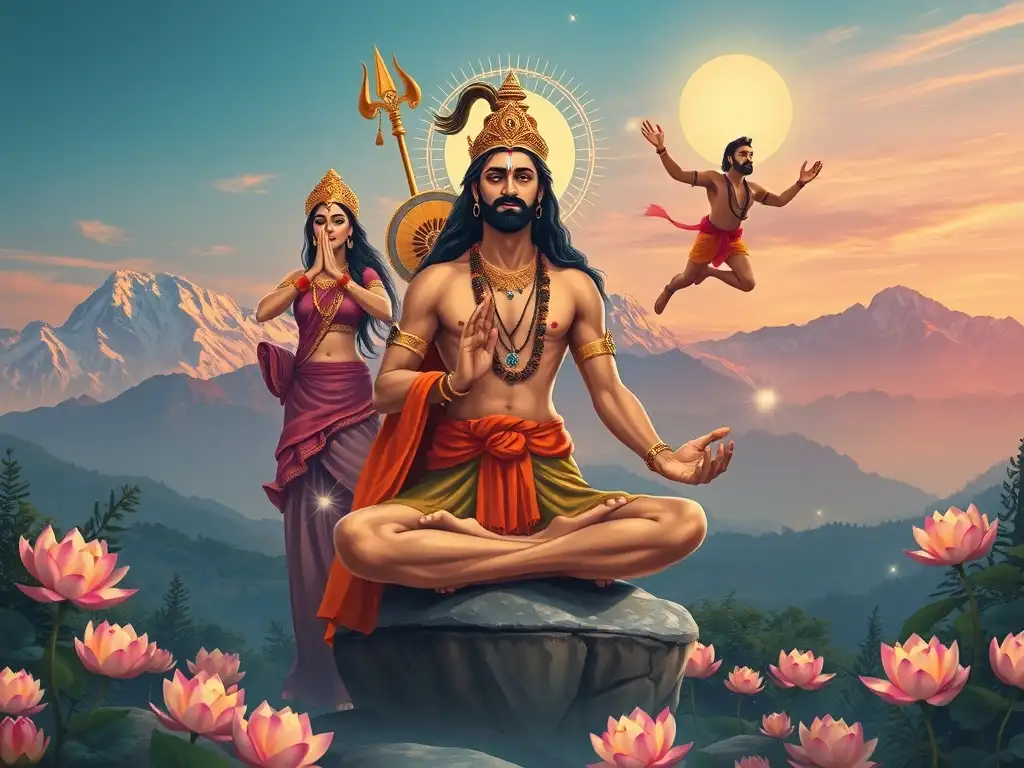
Lord Rama: The Ideal Yogi
In the Ramayana, Lord Rama is often depicted as the epitome of an ideal yogi. His character embodies the principles of dharma (righteousness), self-discipline, and unwavering commitment to truth. As a prince of Ayodhya and later a king, Rama's life is a testament to the values that yoga promotes, such as control over the mind and senses, and the pursuit of spiritual wisdom.
Rama's journey through the forest during his exile serves as a profound metaphor for the inner journey of self-discovery that yoga encourages. He faces numerous challenges, including the abduction of his wife, Sita, by the demon king Ravana. Throughout these trials, Rama maintains his composure, demonstrating the practice of sadhana (spiritual practice) and tapas (austerity). His ability to remain centered amid chaos teaches practitioners of yoga the importance of equanimity and focus.
Rama's relationship with his guru, Vasishtha, further illustrates the significance of guidance in the yogic path. The lessons imparted by his guru shape Rama’s character and decisions, highlighting the essential role of mentorship in both yoga and life. Ultimately, Lord Rama's adherence to dharma and his devotion to his ideals make him a model for yogis striving for spiritual awakening.
Sita: Embodiment of Strength and Resilience
Sita, the wife of Lord Rama, represents strength, resilience, and unwavering devotion. Her character is often celebrated for her courage and fortitude in the face of adversity. During her abduction by Ravana, Sita's mental strength shines through as she remains steadfast in her love for Rama, embodying the bhakti (devotion) aspect of yoga.
Sita's experience in captivity can be interpreted as a profound lesson in inner resilience. Despite being in a hostile environment, she maintains her dignity and faith, demonstrating the yogic principle of vairagya (detachment). This detachment does not signify abandonment but rather an understanding of the transient nature of life and relationships. Practitioners of yoga can learn from Sita the importance of holding onto one's values and beliefs, even when external circumstances are challenging.
Moreover, Sita's connection to nature and her ability to remain calm in distress reflect the yogic practice of pranayama (breath control) and meditation. Her interactions with her surroundings, particularly during her time in the forest, emphasize the significance of grounding oneself in nature, a core aspect of many yoga philosophies. Sita's journey is a powerful reminder of the inner strength that resides within each practitioner, encouraging them to cultivate resilience through their yoga practice.
Hanuman: The Ultimate Devotee and Symbol of Selfless Service
Hanuman, the monkey god and a central character in the Ramayana, is revered as the ultimate devotee of Lord Rama. His unwavering loyalty and selfless service make him a symbol of devotion in yoga. Hanuman's character embodies the bhakti yoga path, emphasizing love and devotion as essential components of spiritual practice.
One of the most significant aspects of Hanuman's character is his incredible strength and courage, which he harnesses in service of Rama. His feats, such as leaping across the ocean to reach Sita and his role in the battle against Ravana, illustrate the idea that true strength arises from devotion and humility. Hanuman teaches that the practice of yoga is not solely about physical prowess but about channeling one's energy and abilities for a higher purpose.
Furthermore, Hanuman's dedication to Rama exemplifies the yogic principle of seva (selfless service). His actions encourage practitioners to engage in acts of kindness and service towards others, fostering a sense of community and interconnectedness. By embodying these values, Hanuman serves as a guiding light for those on the yogic path, reminding them that devotion and service are integral to spiritual growth.
The characters of the Ramayana—Rama, Sita, and Hanuman—each represent distinct qualities that resonate with the principles of yoga. Through their stories, practitioners can draw inspiration for their own journeys, understanding that the path to spiritual awakening is enriched by the values of resilience, devotion, and selfless service.
Major Lessons from the Ramayana for Modern Yoga and Meditation
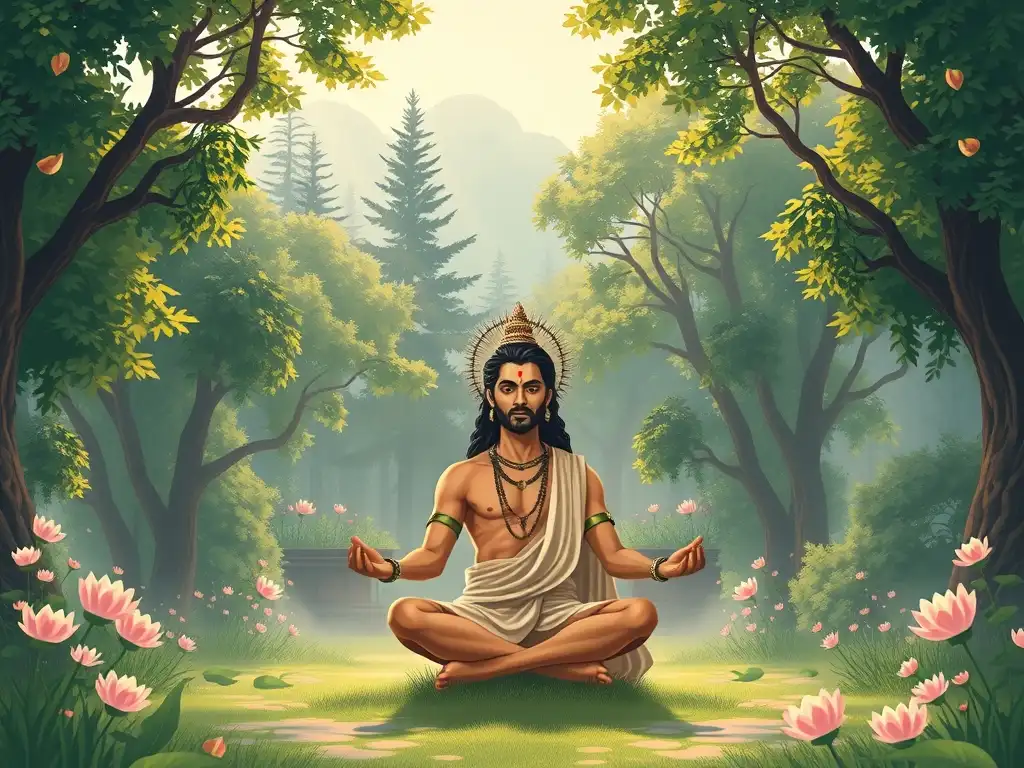
The Ramayana, one of the two major Sanskrit epics of ancient Indian literature, encompasses profound teachings that resonate deeply within the realms of yoga and meditation. Its narratives not only illustrate the principles of dharma (righteousness) but also provide insights into the human experience, making it a vital source of inspiration for modern practices of yoga and meditation. Here are some of the major lessons derived from the Ramayana that can be integrated into contemporary practices:
- Dharma and Righteousness: The Ramayana emphasizes the importance of living a life aligned with dharma. This principle can guide practitioners in yoga to set intentions that reflect ethical living and self-discipline.
- Devotion and Surrender: The character of Lord Rama embodies devotion and surrender to the divine will. Practicing bhakti (devotion) in yoga fosters a deeper connection to the self and the universe, enhancing meditation practices.
- The Strength of Community: The epic portrays the significance of relationships and community, as seen in the bonds between Rama, Sita, and their companions. In yoga, this translates to the importance of sangha (community) in supporting one’s spiritual journey.
- Overcoming Adversity: Rama's journey is filled with trials that ultimately lead to growth and enlightenment. This lesson inspires yoga practitioners to face challenges with resilience and determination, crucial for personal development.
- Balance of Mind and Body: The Ramayana teaches balance through its portrayal of emotional and physical struggles. Practicing yoga encourages harmony between mind and body, reflecting this lesson in daily life.
Integrating Ramayana Teachings into Yoga Practices
Integrating the teachings of the Ramayana into yoga practices involves a thoughtful approach, where the values depicted in the epic are woven into the fabric of physical and meditative practices. Here are several methods to achieve this integration:
- Setting Intentions: Before starting a yoga session, practitioners can recite verses or stories from the Ramayana that resonate with their intentions, creating a sacred space for practice.
- Asanas Inspired by Characters: Specific yoga poses (asanas) can be named or associated with characters from the Ramayana. For example, Vajrasana (Thunderbolt Pose) could symbolize the strength of Hanuman, encouraging practitioners to embody resilience and courage.
- Thematic Classes: Yoga instructors can design classes around the themes of the Ramayana, such as devotion (bhakti), duty (dharma), and love, guiding students through a journey that reflects these principles.
- Sanskrit Chants: Incorporating chants from the Ramayana during practice can elevate the spiritual atmosphere, promoting focus and connection to the teachings.
- Reflection and Discussion: Concluding sessions with discussions about the lessons learned from the Ramayana allows practitioners to reflect on how these teachings can be applied in their lives.
Meditation Techniques Inspired by the Ramayana
Meditation practices can also draw inspiration from the Ramayana, utilizing its narratives and characters to cultivate mindfulness and inner peace. Here are a few meditation techniques that can be explored:
- Character Visualization: Practitioners can visualize themselves embodying the qualities of characters such as Rama's wisdom or Sita's strength during meditation, allowing these traits to influence their mindset.
- Storytelling Meditation: Engaging in guided meditations that narrate key events from the Ramayana can help practitioners connect emotionally and spiritually, fostering a sense of empathy and understanding.
- Breath Control with Mantras: Using mantras derived from the Ramayana during pranayama (breath control) practices can enhance focus and deepen the meditative state, aligning the breath with the rhythm of the stories.
- Nature Immersion: Meditating in natural surroundings while reflecting on the forests and landscapes mentioned in the Ramayana can create a serene environment, promoting tranquility and contemplation.
- Mindfulness Practices: Incorporating mindfulness techniques that reflect the lessons of the Ramayana, such as letting go of attachments and cultivating gratitude, can enrich the meditation experience.
The Influence of Ramayana Philosophy on Contemporary Yoga
The philosophy embedded in the Ramayana significantly influences contemporary yoga practices, shaping the way practitioners approach their physical, mental, and spiritual journeys. Here are key aspects of this influence:
- Holistic Approach: The Ramayana promotes a holistic understanding of life, where the physical, emotional, and spiritual dimensions are interconnected. This perspective is fundamental in modern yoga, emphasizing the need for comprehensive well-being.
- Emphasis on Ethics: The ethical teachings found in the Ramayana, such as honesty, integrity, and respect for others, have become integral to the ethical principles guiding yoga practitioners today.
- Role of the Teacher: The relationship between Rama and his teacher Vasishtha highlights the importance of guidance in spiritual practices, influencing how contemporary yoga recognizes the role of teachers and mentors.
- Transformative Journey: The narrative of personal transformation in the Ramayana resonates with the contemporary pursuit of self-discovery through yoga, encouraging practitioners to embrace their journeys.
- Universal Values: The timeless values depicted in the Ramayana, such as compassion, love, and sacrifice, continue to inspire yoga practitioners to cultivate these qualities in their lives, promoting a more harmonious society.
The Ramayana offers rich insights and teachings that significantly enhance modern yoga and meditation practices. By integrating these lessons, practitioners can deepen their understanding and experience of yoga, fostering a more profound connection to themselves and the world around them.
The Ramayana's Cultural Legacy in Yoga and Meditation
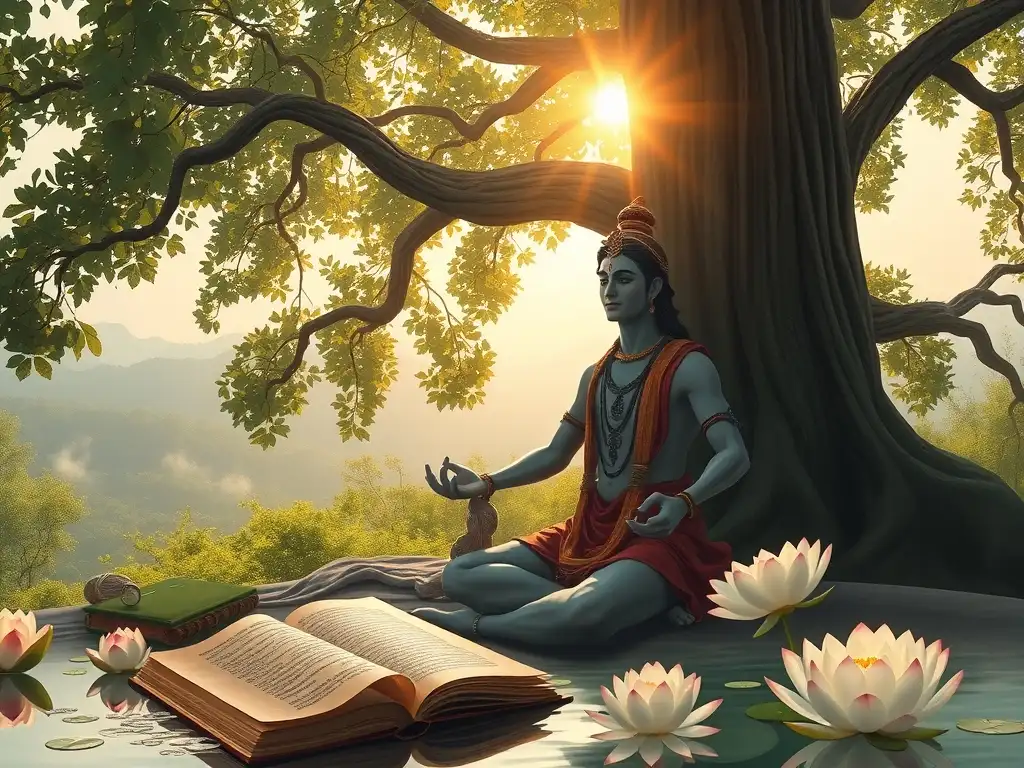
The Ramayana, one of the two great epics of ancient Indian literature, not only narrates the adventures of Lord Rama but also serves as a profound source of wisdom influencing yoga and meditation practices. Its teachings and characters embody principles that have been integrated into various aspects of spiritual discourse, shaping the way yoga is practiced and understood today. The Ramayana's cultural legacy in yoga extends beyond mere narratives; it offers a framework for ethical living, devotion, and self-realization that resonates deeply with practitioners.
Traditional Practices and Rituals Derived from the Ramayana
The Ramayana has inspired a variety of traditional practices and rituals that are integral to the spiritual landscape of yoga. Many of these practices are centered around the following themes:
- Devotional Practices: The concept of Bhakti (devotion) is central to the Ramayana. Rituals such as chanting the names of Rama, meditative practices focused on his virtues, and performing pujas (ritual worship) are prevalent. These practices foster a deep emotional connection with the divine, enhancing the practitioner's focus and concentration in yoga.
- Storytelling and Recitation: The recitation of the Ramayana, known as katha, plays a significant role in community gatherings. This oral tradition not only entertains but also serves as a meditative practice, allowing participants to immerse themselves in the narrative's teachings. The rhythmic recitation can create a calming effect, conducive to meditation and mindfulness.
- Festivals and Celebrations: Festivals such as Rama Navami, which celebrates the birth of Lord Rama, often include yoga and meditation sessions. These gatherings promote community spirit and provide a space for collective worship and reflection, reinforcing the connection between the epic and the practice of yoga.
- Moral and Ethical Guidelines: The Ramayana underscores the importance of Dharma (righteousness) through its characters. Practitioners often reflect on these principles during meditation, considering how they can implement the lessons of duty, honor, and truthfulness in their lives.
The Ramayana's Role in Shaping Yoga Schools and Lineages
The influence of the Ramayana on various schools of yoga is profound, with its narratives contributing to the philosophical foundations of several lineages:
- Hatha Yoga: The physical practices of Hatha Yoga emphasize balance and control, mirroring the struggles faced by Rama and Sita in their quest for righteousness. The emphasis on discipline in Hatha Yoga aligns with the moral lessons of the Ramayana.
- Bhakti Yoga: Strongly rooted in the themes of love and devotion found in the Ramayana, Bhakti Yoga focuses on the relationship between the devotee and the divine. This path encourages practitioners to cultivate a loving devotion to God, particularly through the figure of Rama.
- Raja Yoga: The principles of meditation and self-control outlined in the Ramayana resonate with the teachings of Raja Yoga. The epic's exploration of inner conflict and self-realization serves as a guide for practitioners aspiring to attain higher states of consciousness.
- Kundalini Yoga: The struggles of Rama and the triumph over obstacles can be likened to the awakening of Kundalini energy. The teachings of the Ramayana provide a narrative that encourages seekers to navigate their inner battles and awaken their spiritual potential.
The Global Impact of Ramayana on Yoga and Meditation Practices
As the Ramayana transcends geographical boundaries, its impact on global yoga and meditation practices becomes increasingly evident. The following points highlight this influence:
- Cultural Exchange: The Ramayana has been translated into numerous languages and adapted into various cultural contexts, allowing its teachings to reach a wider audience. This exchange fosters a greater understanding of yoga as a holistic practice rooted in ancient wisdom.
- Yoga Retreats and Workshops: Many yoga retreats worldwide incorporate teachings from the Ramayana, often focusing on its moral lessons and spiritual insights. Workshops on the epic's themes help practitioners deepen their understanding of yoga's philosophical underpinnings.
- Integration into Modern Yoga: Contemporary yoga styles frequently draw upon the Ramayana for inspiration, infusing lessons from the epic into their practices. These influences can be seen in the emphasis on mindfulness, ethical living, and the pursuit of higher consciousness.
- Interfaith Dialogue: The Ramayana's universal themes of love, duty, and righteousness facilitate interfaith discussions on spirituality and ethics. Such dialogues promote a broader appreciation of yoga and meditation as practices that can unite diverse beliefs and traditions.
The Ramayana's influence on yoga is profound and multifaceted, offering a rich tapestry of teachings that continue to shape practices and beliefs in both traditional and modern contexts. The epic serves not only as a source of inspiration but also as a guiding light for those seeking to deepen their spiritual journey through yoga and meditation.
Conclusion: The Enduring Influence of the Ramayana on Yoga and Meditation
Summary of Key Insights
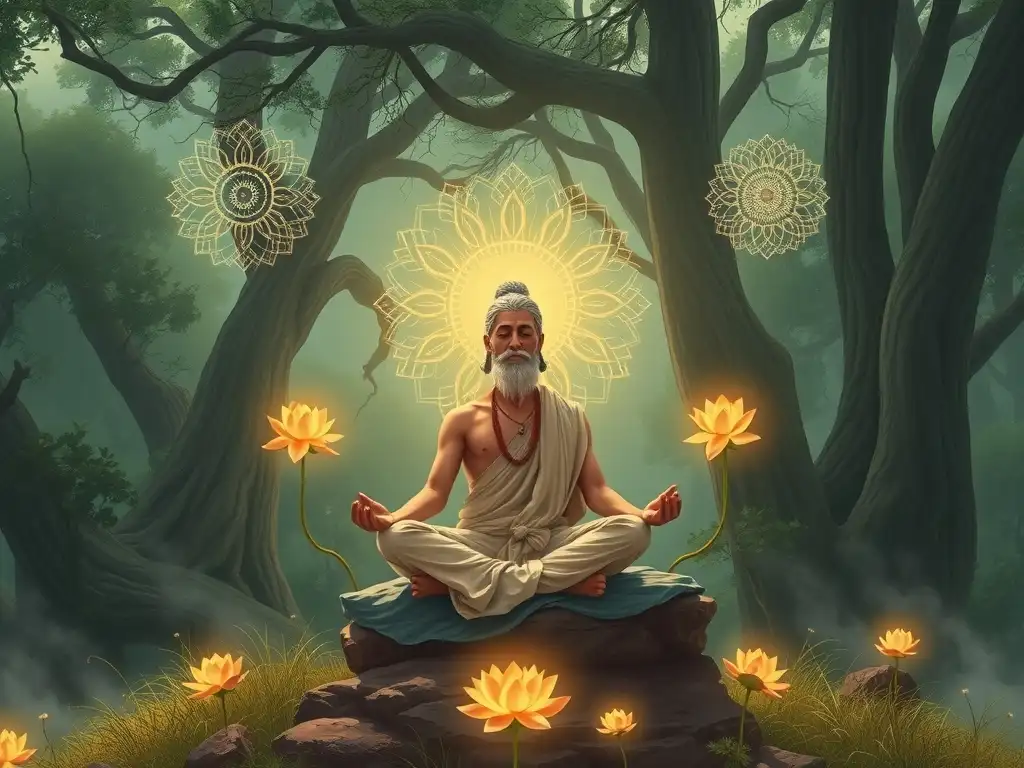
The Ramayana, one of the two great epics of ancient Indian literature, is not merely a narrative of divine exploits and moral lessons; it profoundly shapes the spiritual practices that underpin yoga and meditation. Here are some key insights regarding its influence:
- Philosophical Foundations: The epic lays down essential philosophical tenets that resonate deeply with yogic beliefs. Concepts such as dharma (duty/righteousness), karma (action), and moksha (liberation) are intricately woven into the fabric of the Ramayana, guiding practitioners in their spiritual journeys.
- Character Archetypes: The characters within the Ramayana, especially figures like Rama, Sita, and Hanuman, symbolize various virtues and qualities that yogic practices aim to cultivate. For instance, Rama exemplifies ideal dharma, while Hanuman represents selfless devotion and the pursuit of knowledge, both essential traits for a dedicated yogi.
- Meditative Practices: The narrative encourages meditative reflection on the trials and triumphs faced by its characters, promoting mindfulness and deeper introspection. Engaging with these stories can serve as a meditative practice in itself, enhancing one's focus and clarity.
The Relevance of the Ramayana in Today's Yoga Community
In contemporary yoga communities, the Ramayana continues to inspire and inform practices, teachings, and philosophies. Its relevance can be observed in several ways:
- Integration of Mythology: Many yoga instructors incorporate stories from the Ramayana into their classes, using them as a backdrop for discussions about ethics, personal growth, and spiritual development. This storytelling approach enriches the practice, making it more relatable and meaningful.
- Workshops and Retreats: Numerous yoga retreats and workshops focus on the spiritual teachings found in the Ramayana, exploring how these ancient insights can be applied to modern life. This blend of yoga and epic literature fosters a deeper understanding of both the physical and spiritual aspects of the practice.
- Cultural Heritage: The Ramayana serves as a bridge connecting practitioners to India's rich cultural heritage. By studying this epic, yoga enthusiasts gain insight into the historical context of their practice, fostering a sense of continuity and belonging within the larger tapestry of Indian spirituality.
Final Thoughts on the Intersection of Epic Literature, Yoga, and Meditation
The Ramayana stands as a monumental work that intersects with various aspects of yoga and meditation, offering timeless wisdom that transcends generations. Its narratives serve not only as moral and ethical guides but also as powerful tools for self-exploration and growth.
As yoga practitioners delve into the teachings of the Ramayana, they unlock a deeper understanding of their own practices and the cultural roots from which they arise. This exploration fosters a holistic approach to yoga, enriching the spiritual journey with insights drawn from one of the greatest literary epics in history. The Ramayana remains a living testament to the enduring influence of epic literature on the practice of yoga and meditation, inspiring countless individuals to pursue their paths with dedication and reverence.
Frequently Asked Questions
What is the Ramayana and its significance in Indian culture?
The Ramayana is an ancient Indian epic that narrates the life of Lord Rama, emphasizing virtues like duty, honor, and devotion. Its teachings have significantly influenced various aspects of Indian culture, including art, literature, and spiritual practices.
How does the Ramayana relate to yoga?
The Ramayana promotes yogic principles through its themes of self-discipline, moral values, and meditation. It illustrates the journey towards self-realization and the importance of inner peace, which are key elements in yoga practices.
In what ways has the Ramayana impacted meditation practices?
The Ramayana emphasizes mindfulness and concentration by showcasing characters who embody these traits. This has inspired various meditative techniques that focus on devotion and contemplation, enhancing spiritual experiences.
Are there specific yoga practices derived from the Ramayana?
Yes, certain yoga practices draw inspiration from the Ramayana, such as Bhakti Yoga, which focuses on devotion to God. The teachings of Lord Rama encourage practitioners to cultivate love and compassion, essential qualities in yoga.
How can one incorporate teachings from the Ramayana into their yoga practice?
Incorporating teachings from the Ramayana can be achieved by focusing on devotional aspects, practicing mindfulness, and reflecting on the moral lessons during yoga sessions. This approach can deepen the spiritual experience of yoga and meditation.
Final Reflection: The Ramayana's Enduring Influence on Yoga and Meditation
In exploring the Ramayana's profound influence on yoga and meditation practices, we uncover a timeless connection that resonates deeply in our contemporary lives. The epic not only serves as a narrative of heroism and virtue but also offers invaluable insights into the spiritual disciplines that guide us toward inner peace and self-realization. Today, as we navigate a world filled with distractions and stress, the teachings of the Ramayana remind us of the importance of mindfulness and the pursuit of dharma in our daily lives.
The Ramayana's themes of devotion, discipline, and the quest for truth continue to shape our cultural and social landscape. As we engage with these ancient teachings, we find a source of inspiration that transcends time and space. The practices of yoga and meditation, deeply rooted in the wisdom of the Ramayana, encourage us to cultivate resilience and compassion in our modern existence. The journey of a thousand miles begins with one step.
– Lao Tzu. This quote resonates with the essence of the Ramayana, urging us to take that first step toward self-discovery and spiritual growth.
As we reflect on the lessons imparted by the Ramayana, I invite you to embrace these teachings in your own life. Consider how the principles of yoga and meditation can enhance your journey toward self-awareness and fulfillment. Let the stories of Rama, Sita, and Hanuman inspire you to cultivate a practice that not only connects you to your inner self but also fosters a sense of community and compassion towards others. Together, let us honor the legacy of the Ramayana by integrating its wisdom into our daily lives, paving the way for a more harmonious and enlightened future.
Unveil the Transformative Power of Yoga and Meditation Today!
Thank you for exploring the fascinating connections between the Ramayana and the profound practices of yoga and meditation. We hope you're inspired by the rich teachings and insights that this timeless epic offers. Now, it's time to take action and integrate these practices into your life!
Here are some powerful steps you can take right now:
- Start your day with a mindfulness meditation: Dedicate just 10 minutes each morning to practice meditation, focusing on your breath and setting a positive intention for the day ahead.
- Explore the teachings of the Ramayana: Commit to reading a chapter each week and reflect on its lessons as they relate to your yoga practice or daily life.
- Join a community class or workshop: Connect with others who share your interest in yoga and meditation. Seek out local classes or online workshops that explore these traditional practices in depth.
What step will you take this week to deepen your connection with yoga and meditation? We would love to hear your thoughts in the comments below!