
The Role of International Trade in Promoting Indian Artisanal Products

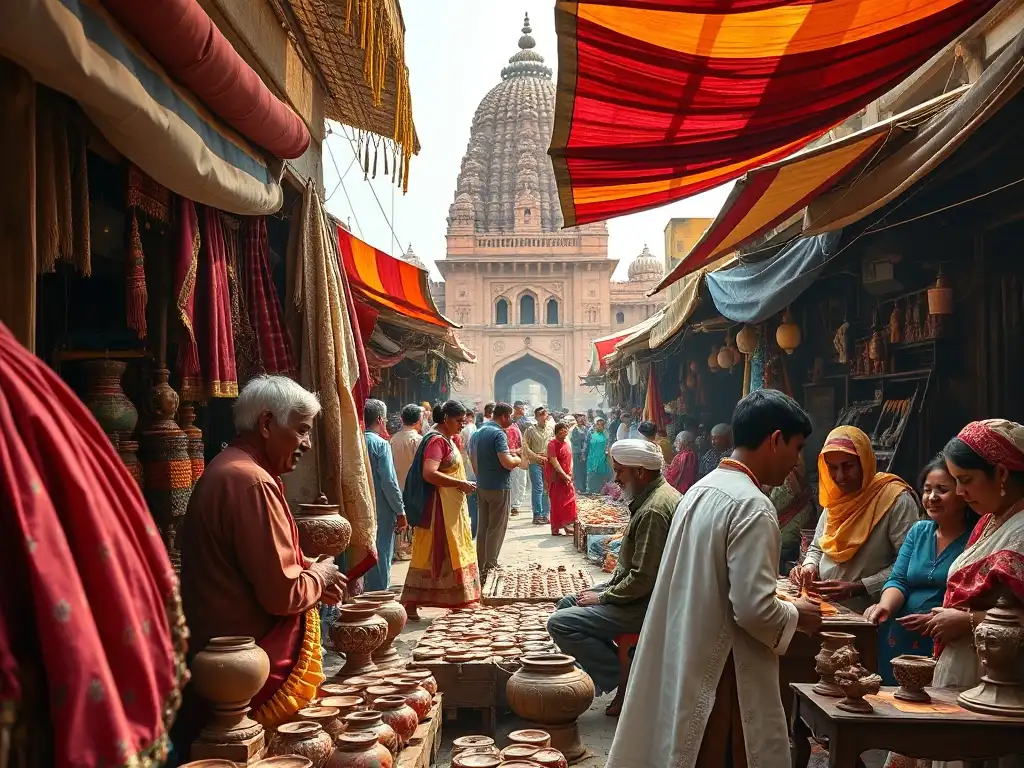
Welcome to Ancient India History, where we embark on a fascinating journey through the vibrant tapestry of ancient Indian civilization. Dive into our featured article on Ancient Indian artisanal trade history, where we unravel the intricate connections between international trade and the flourishing of Indian artisanal products. Discover how these exchanges not only enriched cultures but also shaped the economic landscape of the time. Prepare to be captivated by stories of skilled artisans and the global impact of their crafts—your exploration starts here!
-
The Role of International Trade in Promoting Ancient Indian Artisanal Products
- Introduction to Ancient Indian Artisanal Trade History
- The Evolution of International Trade in Ancient India
- Key Artisanal Products in Ancient Indian Trade
- The Impact of International Trade on Indian Artisans
- Cultural Exchange and Its Influence on Artisanal Techniques
- Challenges Faced by Artisans in the International Trade Landscape
- Opportunities for Promoting Ancient Indian Artisanal Products Today
- Conclusion: The Future of Ancient Indian Artisanal Trade
- Call to Action
-
Frequently Asked Questions
- What is the significance of artisanal trade in ancient India?
- How did international trade impact Indian artisans?
- What were some key artisanal products traded in ancient India?
- How did the Indus Valley Civilization contribute to artisanal trade?
- What role did the Gupta Empire play in enhancing trade?
- Final Reflection: Reviving Ancient Indian Artisanal Trade for a Global Future
- Unveil the Beauty of Indian Artisanship Today!
The Role of International Trade in Promoting Ancient Indian Artisanal Products
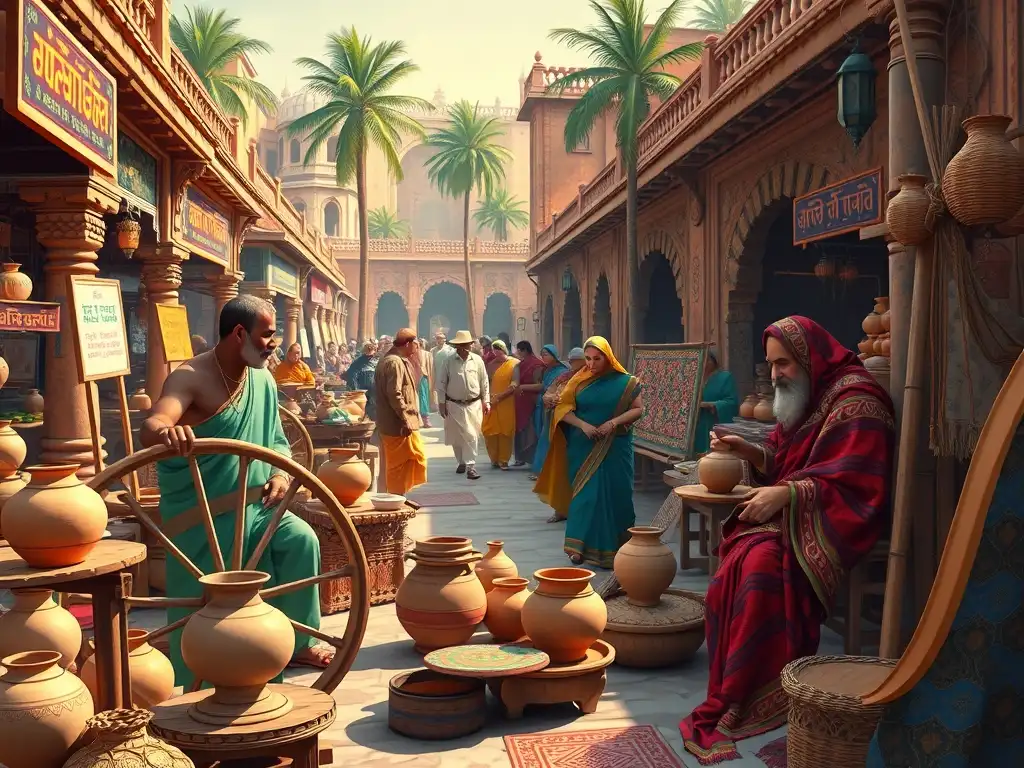
The rich tapestry of ancient Indian history is woven with threads of art, culture, and commerce, showcasing a civilization that thrived on the exchange of goods and ideas. One of the most fascinating aspects of this history is the role of international trade in promoting artisanal products, which not only contributed to the economic prosperity of ancient India but also facilitated cultural exchanges that have left a lasting impact on global art and craftsmanship.
This article delves into the intricate world of Ancient Indian artisanal trade history, exploring how trade routes, both overland and maritime, enabled Indian artisans to reach far-off markets and how this international exposure enriched their craft.
Introduction to Ancient Indian Artisanal Trade History
The history of artisanal trade in ancient India can be traced back to the Indus Valley Civilization, where evidence of sophisticated crafts and trade practices has been unearthed. From intricate beadwork to pottery and textiles, artisans showcased extraordinary skills that were sought after not only domestically but also internationally. The emergence of trade routes, such as the Silk Road and maritime paths to the Arabian Sea, opened doors to diverse markets, allowing Indian artisans to export their goods and, in return, import foreign influences that further enhanced their craftsmanship.
- Key Highlights of Ancient Indian Artisanal Trade:
- The Indus Valley Civilization (c. 3300–1300 BCE) demonstrated early trade practices.
- In the Mauryan Empire (c. 322–185 BCE), international trade flourished, connecting India with regions like Persia and the Mediterranean.
- The Gupta Empire (c. 240–550 CE) saw the peak of trade activities, with artisans producing exquisite handicrafts that gained prominence on global platforms.
Through these trade networks, ancient Indian artisans not only produced goods but also shared cultural narratives and artistic techniques, marking a significant chapter in the history of global art.
The Evolution of International Trade in Ancient India
As civilizations progressed, so did the complexity and scope of trade. The evolution of international trade in ancient India can be marked by several critical phases:
- Establishment of Trade Routes:
- The early trade routes, including the Silk Road, facilitated the movement of goods between India, Central Asia, and beyond.
- Maritime routes connecting India to Southeast Asia and East Africa played a crucial role in the spread of Indian artisanal products.
- Cultural Exchanges:
- Trade was not merely about goods; it was a conduit for cultural and artistic exchanges. Indian artisans adapted techniques and styles from other cultures, leading to unique amalgamations in art forms.
- Buddhism and Hinduism spread along trade routes, influencing art and architecture in various regions.
- Economic Impact:
- International trade bolstered the Indian economy, providing artisans with the means to innovate and produce higher-quality goods.
- Cities like Taxila and Pataliputra became bustling trade hubs, where artisans thrived, showcasing their crafts to a global audience.
Through these developments, the artisanal trade landscape of ancient India evolved, laying the groundwork for the vibrant handicraft traditions that continue to flourish today. The legacy of this rich history serves as a reminder of the enduring importance of trade in shaping cultural identities and fostering artistic innovation.
Key Artisanal Products in Ancient Indian Trade
Ancient India was renowned for its rich diversity of artisanal products, each reflecting the unique cultural heritage and craftsmanship of various regions. Among the most significant artisanal products traded internationally were textiles, pottery, metalwork, and jewelry.
- Textiles: Indian textiles, particularly silk and cotton fabrics, were highly sought after. The exquisite craftsmanship involved in weaving intricate patterns and dyes, such as indigo and madder, made them popular in international markets. The silk routes facilitated the exchange of these textiles, with regions like Varanasi and Kanchipuram becoming famous for their silk sarees.
- Pottery: The art of pottery in ancient India showcased both functionality and aesthetics. Terracotta and painted pottery from the Indus Valley Civilization were notable examples that attracted trade interest. The unique glazes and designs made these pottery items popular across trade routes.
- Metalwork: Ancient Indian artisans excelled in metallurgy, producing items ranging from everyday utensils to elaborate sculptures. The use of gold, silver, brass, and bronze in creating intricate designs contributed to the country's reputation in metalwork, attracting traders from distant lands.
- Jewelry: India has a long-standing tradition of jewelry-making, characterized by the use of precious stones and intricate designs. Items such as bangles, necklaces, and earrings were crafted using techniques that reflected the artisans' skills and were highly valued in international markets.
Overall, these artisanal products not only served as commodities but also as cultural artifacts that embodied the skills and traditions of ancient Indian artisans.
The Impact of International Trade on Indian Artisans
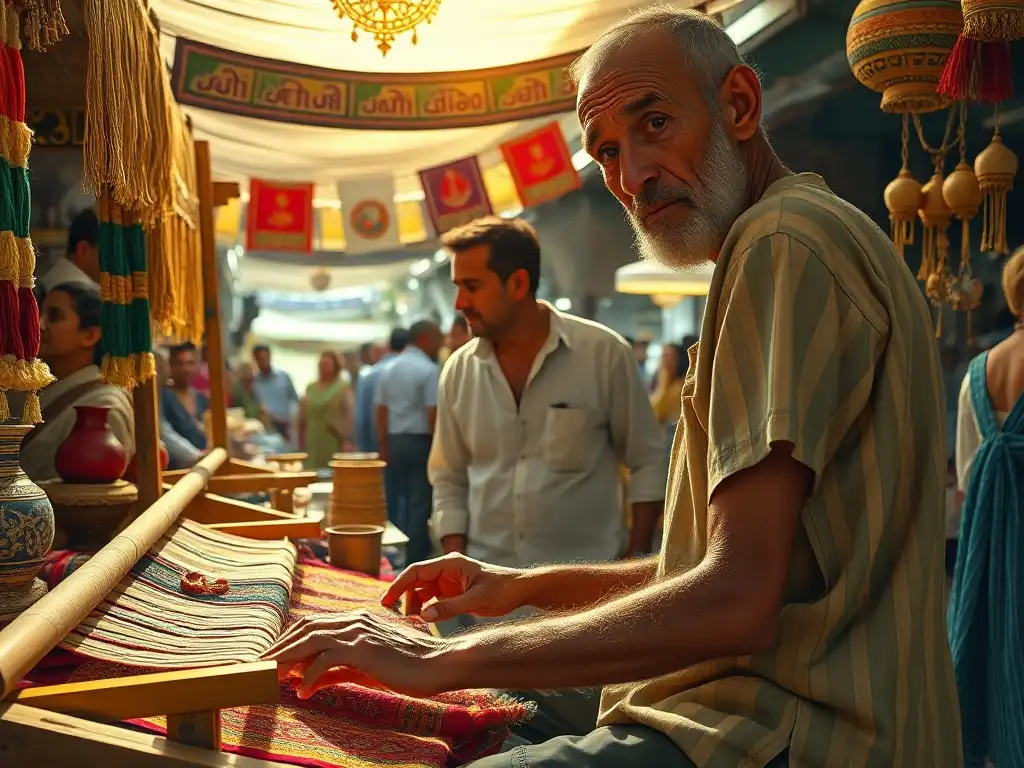
International trade played a crucial role in shaping the skills, techniques, and overall livelihood of Indian artisans throughout history. The influx of foreign goods, ideas, and cultures significantly impacted local craftsmanship and market dynamics.
Economic Benefits for Artisans
The economic advantages of international trade for Indian artisans were manifold. First and foremost, access to global markets allowed artisans to sell their products at competitive prices. This exposure led to increased demand for their goods, which in turn stimulated local economies.
- Job Creation: As demand for artisanal products grew, so did employment opportunities. Local artisans could hire apprentices and skilled workers, fostering a community of craftsmanship.
- Income Growth: With trade routes established, artisans could command better prices for their goods, leading to enhanced income levels. This financial stability enabled them to invest in better raw materials and tools, subsequently improving the quality of their products.
- Market Expansion: International trade opened new markets, allowing Indian artisans to diversify their offerings. This expansion not only increased their sales but also encouraged innovation in design and technique to cater to varying tastes and preferences.
Cultural Exchange and Its Influence on Artisanal Techniques
International trade facilitated a rich exchange of cultures, ideas, and techniques that significantly influenced Indian artisanship. The interaction with traders from various regions introduced new materials and methods, which artisans integrated into their craft.
- Adoption of New Techniques: As artisans encountered different crafting techniques through trade, many adopted and adapted these methods to enhance their own practices. For instance, the Persian influence on Indian carpet weaving introduced new patterns and styles that enriched local craftsmanship.
- Fusion of Styles: The blending of various cultural motifs led to the creation of hybrid art forms. This cross-pollination of styles resulted in unique products that appealed to both local and international markets, showcasing the versatility of Indian artisans.
- Cultural Narratives in Craft: Artisans often incorporated stories and cultural elements from their interactions with traders into their work. This integration not only added depth to their products but also preserved and communicated the rich history and traditions of India to a global audience.
The impact of international trade on Indian artisans was profound, promoting economic growth while fostering cultural exchange that enriched the artisanal landscape of ancient India.
Challenges Faced by Artisans in the International Trade Landscape
The international trade landscape presents several challenges for artisans in ancient Indian artisanal trade. These challenges can hinder their ability to reach global markets and diminish the visibility of their unique products. Understanding these obstacles is crucial for developing effective strategies to promote and support these artisans.
Competition with Mass-Produced Goods
One of the most significant challenges faced by artisans is the fierce competition posed by mass-produced goods. Global markets are often flooded with cheaper alternatives that compromise quality and authenticity. These products, manufactured in bulk, not only undercut traditional artisans on price but also overshadow their unique craftsmanship.
As consumers increasingly gravitate towards affordability and convenience, artisans struggle to maintain market share despite the superior quality and cultural significance of their handmade products. The need to emphasize the intrinsic value of artisanal goods—such as their historical context, cultural heritage, and the meticulous skill involved in their creation—is essential for artisans to differentiate themselves in a crowded marketplace.
Preservation of Traditional Knowledge and Skills
Another challenge is the preservation of traditional knowledge and skills that are at the core of ancient Indian artisanal practices. Many artisans come from generations of craftsmen who have inherited these techniques, yet the rapid pace of modernization poses a threat to these age-old traditions. Young people may be less inclined to learn these skills, drawn instead to urban lifestyles or more lucrative employment opportunities.
Additionally, the globalization of markets can sometimes lead to the appropriation and dilution of traditional designs and techniques, further endangering the authenticity of artisanal products. Efforts to document, teach, and integrate these skills into contemporary practices are vital for their survival and continued relevance in the global economy.
Opportunities for Promoting Ancient Indian Artisanal Products Today
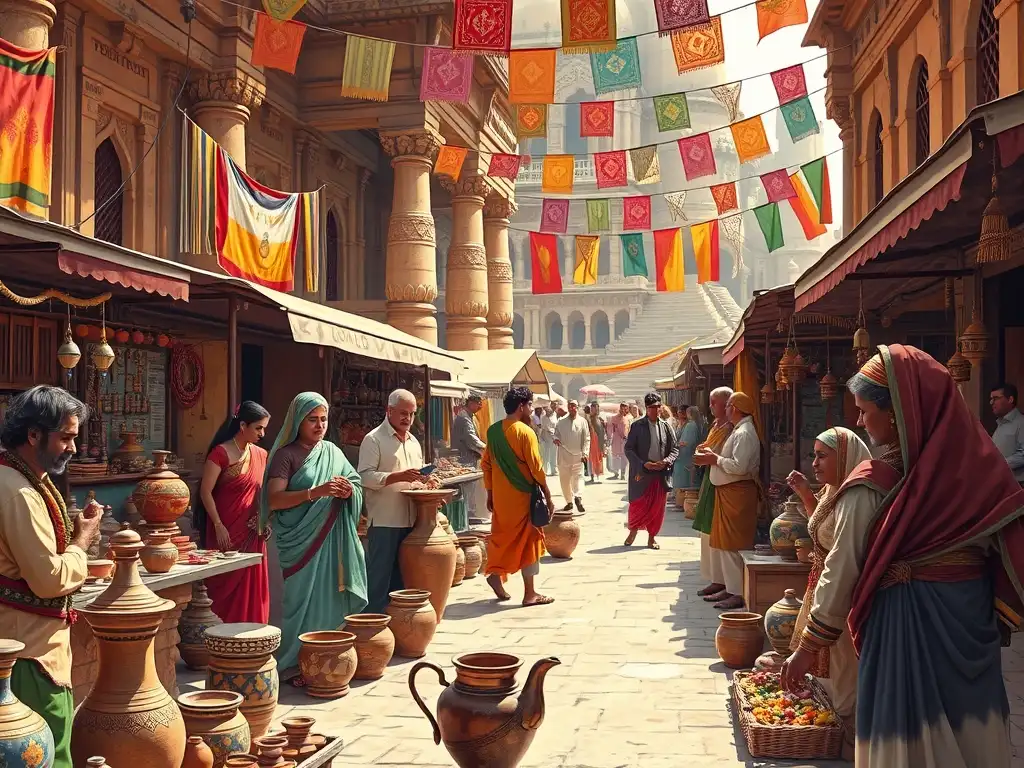
Despite the challenges, there are significant opportunities to promote ancient Indian artisanal products in the current global market. By harnessing modern technologies and collaborative networks, artisans can enhance their visibility and accessibility, ensuring that their crafts continue to thrive.
Leveraging E-commerce Platforms
The rise of e-commerce platforms has revolutionized the way artisans can reach international customers. Online marketplaces provide a cost-effective means for artisans to showcase their products to a global audience without the need for intermediaries. Websites that specialize in handmade and artisanal goods have gained popularity, allowing consumers to discover authentic products directly from the makers.
By utilizing social media and digital marketing strategies, artisans can build brand recognition and foster connections with potential buyers worldwide. Furthermore, e-commerce enables artisans to tell their stories, sharing the cultural significance of their crafts, which can enhance the appeal of their products and create a loyal customer base.
Collaboration with International Artisans
Collaboration with international artisans presents another promising opportunity for promoting ancient Indian artisanal products. By engaging in cross-cultural partnerships, artisans can exchange knowledge and techniques, leading to innovative product offerings that blend diverse artistic traditions. Joint ventures or cooperative ventures can enhance the market reach of both parties, allowing artisans to tap into new customer bases and gain insights into different market dynamics.
Such collaborations not only enrich the artisans' crafts but also foster cultural appreciation and understanding among diverse communities. By highlighting these partnerships, ancient Indian artisans can position themselves as part of a global network that values craftsmanship and heritage, ultimately promoting their unique products on an international scale.
Conclusion: The Future of Ancient Indian Artisanal Trade
The future of ancient Indian artisanal trade is poised on a promising trajectory, fueled by a resurgence in global interest in handcrafted products and sustainable practices. As consumers increasingly seek authenticity and craftsmanship, ancient Indian artisanal products, known for their exquisite quality and rich cultural significance, are gaining recognition on international platforms. This revival is further supported by the rise of digital marketplaces, enabling artisans to reach a broader audience without the constraints of traditional distribution channels.
Moreover, the integration of modern marketing strategies with traditional craftsmanship can enhance visibility and appeal. Social media platforms and online boutiques have become vital tools for artisans to showcase their work, share their stories, and connect with potential buyers worldwide. As these channels continue to evolve, they offer unprecedented opportunities for ancient Indian artisans to thrive in the global marketplace.
However, to realize this potential, it is essential to prioritize the preservation of traditional techniques and craftsmanship. Initiatives aimed at skill development, mentorship programs, and collaborations between artisans and designers can pave the way for innovation while respecting the heritage of artisanal trades. Furthermore, leveraging sustainable practices and ethical sourcing will not only cater to the growing demand for eco-friendly products but also enhance the narrative around Indian craftsmanship.
The future of ancient Indian artisanal trade holds immense promise. By embracing both tradition and modernity, harnessing technology, and focusing on sustainable practices, ancient Indian artisans can carve a significant niche in the global market, ensuring that their rich heritage continues to flourish for generations to come.
Call to Action
As we reflect on the vibrant history and future of ancient Indian artisanal trade, there is an urgent call to action for all stakeholders involved—artisans, consumers, policymakers, and investors.
- For Artisans: Embrace innovation while preserving traditional techniques. Explore online platforms to showcase your work and connect with a global audience.
- For Consumers: Support artisans by choosing handmade products. Your purchases not only promote craftsmanship but also contribute to the livelihoods of skilled artisans.
- For Policymakers: Implement support systems that facilitate access to markets for artisans. Promote educational programs that foster skill development and entrepreneurship.
- For Investors: Recognize the potential of ancient Indian artisanal products as a viable investment opportunity. Your support can drive sustainable growth and empower communities.
Together, we can celebrate and promote the rich heritage of ancient Indian artisanal trade, ensuring its legacy thrives in the modern world. Let us engage, support, and invest in the future of these remarkable crafts! 🌍✨
Frequently Asked Questions
What is the significance of artisanal trade in ancient India?
Artisanal trade played a crucial role in the economic development of ancient Indian civilizations, fostering cultural exchange and enhancing the global reputation of Indian crafts.
How did international trade impact Indian artisans?
International trade provided access to broader markets, allowing Indian artisans to showcase their skills and products, which led to increased innovation and the growth of various craft industries.
What were some key artisanal products traded in ancient India?
Ancient India was known for its textiles, metalwork, jewelry, and pottery, which were highly sought after in global markets due to their quality and intricate designs.
How did the Indus Valley Civilization contribute to artisanal trade?
The Indus Valley Civilization established early trade networks, allowing artisans to create and exchange products, thus laying the foundation for future artisanal trade practices in India.
What role did the Gupta Empire play in enhancing trade?
The Gupta Empire is often considered a golden age for artisanal trade, as it promoted economic prosperity, cultural advancements, and the establishment of trade routes that connected India with other civilizations.
Final Reflection: Reviving Ancient Indian Artisanal Trade for a Global Future
The exploration of ancient Indian artisanal trade history reveals a profound connection between cultural heritage and modern economic opportunities. Today, as the world increasingly values authenticity and craftsmanship, the relevance of promoting Indian artisanal products through international trade has never been clearer. The revival of these age-old practices not only honors our rich traditions but also empowers artisans, ensuring that their skills and stories continue to thrive in a global marketplace.
The influence of this topic extends beyond mere commerce; it is a celebration of identity and community. By recognizing the significance of artisanal craftsmanship, we foster a deeper appreciation for the cultural narratives embedded in each product. This ongoing dialogue between tradition and modernity is encapsulated in the words of Mahatma Gandhi: The best way to find yourself is to lose yourself in the service of others.
As we engage with these artisans and their crafts, we not only support their livelihoods but also contribute to the preservation of our shared cultural heritage.
As you reflect on the insights shared in this article, consider how you can contribute to the revival of ancient Indian artisanal trade. Embrace the opportunity to support local artisans, whether through purchasing their products, sharing their stories, or advocating for fair trade practices. Your actions can help bridge the gap between the past and the future, ensuring that the legacy of Indian craftsmanship continues to flourish in a rapidly changing world. Together, let us honor our artisans and celebrate the richness of their heritage, paving the way for a sustainable and vibrant future.
Unveil the Beauty of Indian Artisanship Today!
Thank you for diving into the fascinating world of international trade and its influence on Indian artisanal products! By exploring this topic, you've gained valuable insights into how global markets can empower local artisans and promote unique traditions. Now, it’s time to take action and support these talented craftspeople in meaningful ways.
Here are a few steps you can take right now:
- Explore Local Artisans: Visit a nearby craft fair or artisan market to discover and purchase one-of-a-kind products. Your support can truly make a difference!
- Share Your Discoveries: Inspire your friends and family by sharing this article on social media. Let's spread the word about the beauty and significance of Indian craftsmanship!
- Engage with the Community: Join platforms or groups dedicated to promoting artisanal products. Connect with artisans, learn about their stories, and participate in discussions on sustainability and fair trade.
What unique artisan product would you love to see gain global recognition? Share your thoughts in the comments below!