
How to Leverage Social Media for Exporting Indian Goods: Tips for Visibility

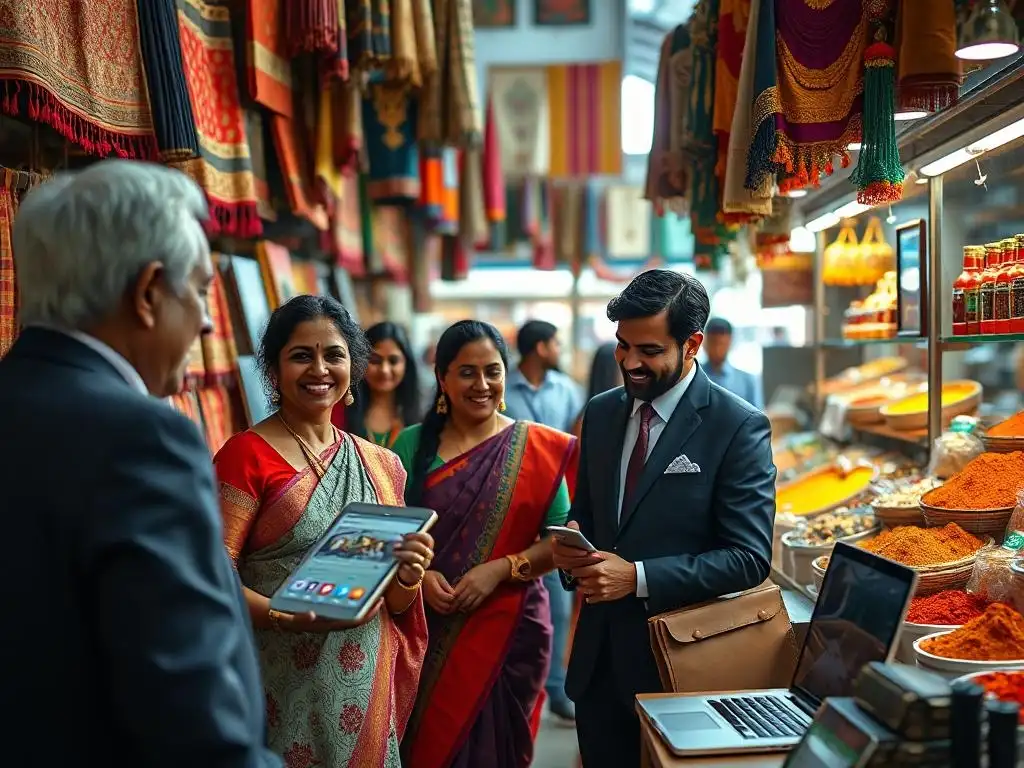
Welcome to Ancient India History, where we embark on a fascinating journey through the rich tapestry of India's past. Here, we delve into the remarkable civilizations that shaped the subcontinent, from the innovative Indus Valley to the illustrious Gupta Empire. Today, we're particularly excited to explore the modern implications of this heritage with our main article on Exporting Indian goods online.
Discover how today's entrepreneurs can leverage social media to enhance visibility and connect with global markets, all while honoring the enduring legacy of Indian craftsmanship. Ready to unlock the secrets of successful export strategies? Dive in and let the exploration begin!
- Introduction to Exporting Indian Goods Online
- Choosing the Right Social Media Platforms for Exporting
- Creating a Compelling Brand Presence on Social Media
- Building an Engaging Social Media Strategy for Exporting
- Utilizing Paid Advertising to Boost Visibility
- Leveraging Influencer Marketing in Exporting
- Analyzing and Tracking Your Social Media Performance
- Conclusion: Maximizing Your Export Potential Through Social Media
-
Frequently Asked Questions
- What are the benefits of using social media for exporting Indian goods online?
- Which social media platforms are most effective for exporting Indian goods?
- How can I create engaging content for my social media export strategy?
- What role do hashtags play in exporting Indian goods online?
- How can I measure the success of my social media efforts for exporting?
- Final Reflection: Embracing the Digital Frontier for Exporting Indian Goods
- Unlock Your Export Potential with Social Media!
Introduction to Exporting Indian Goods Online
In today's interconnected world, exporting Indian goods online has emerged as a vital avenue for businesses seeking to reach global markets. With a rich tapestry of cultural heritage, craftsmanship, and innovation, Indian products are highly sought after, ranging from textiles and handicrafts to technology and organic foods. Leveraging e-commerce platforms and social media not only enhances visibility but also facilitates direct engagement with potential customers worldwide. This article delves into effective strategies for utilizing social media to boost the export of Indian goods, providing actionable tips for businesses aiming to establish a robust online presence.
Understanding the Global Market for Indian Products
To effectively export Indian goods online, it is crucial to have a comprehensive understanding of the global market landscape. The demand for Indian products is driven by several factors, including:
- Cultural Appeal: Indian handicrafts and textiles are recognized for their intricate designs and cultural significance, attracting consumers who appreciate heritage and craftsmanship.
- Quality and Variety: From spices to garments, the diversity in quality and types of products available in India caters to various global markets.
- Rising Middle Class: The burgeoning middle class in countries such as the United States and Europe is increasingly interested in unique, high-quality products, providing a substantial customer base for Indian exporters.
In addition, understanding market trends and consumer preferences is essential. For instance, the growing trend towards sustainability has led to increased demand for eco-friendly and organic products. Thus, conducting thorough market research is indispensable for identifying key opportunities and positioning Indian goods effectively.
Social media plays a pivotal role in the strategy of exporting Indian goods online. It serves as a powerful tool for brand promotion, customer engagement, and market research. Here are some key reasons why social media is vital:
- Enhanced Visibility: Platforms like Instagram, Facebook, and Pinterest are visually driven, making them ideal for showcasing the beauty and uniqueness of Indian products. High-quality images and engaging content can attract a global audience.
- Direct Interaction: Social media allows businesses to interact directly with consumers, fostering relationships and building trust. Responding to inquiries, receiving feedback, and understanding customer preferences can significantly enhance customer loyalty.
- Cost-Effective Marketing: Compared to traditional advertising methods, social media offers a more affordable means of reaching a wider audience. Sponsored posts and targeted ads can be tailored to specific demographics, ensuring effective outreach.
- Trend Awareness: Social media is a powerful resource for staying up-to-date with market trends and consumer behavior. By monitoring discussions and engagement, businesses can adapt their strategies accordingly.
By harnessing the power of social media effectively, Indian exporters can significantly enhance their visibility, connect with potential buyers, and ultimately drive sales in the global market.

In today's digital age, selecting the right social media platforms is crucial for businesses involved in exporting Indian goods online. Each platform offers unique features, user demographics, and engagement methods that can significantly impact visibility and sales. Understanding these platforms helps you tailor your marketing strategies effectively.
Here are some of the most popular social media platforms:
- Facebook: With over 2.8 billion monthly active users, Facebook is a versatile platform ideal for building brand awareness and customer engagement.
- Instagram: Known for its visual content, Instagram has around 1 billion users and is particularly effective for showcasing products through high-quality images and videos.
- LinkedIn: This platform caters primarily to professionals and businesses, making it an excellent choice for B2B marketing and networking.
- Twitter: With its fast-paced nature, Twitter allows for real-time engagement and updates, making it suitable for customer service and brand announcements.
- Pinterest: A visual discovery engine, Pinterest is excellent for driving traffic to e-commerce websites, especially for products that cater to lifestyle and decor niches.
- WhatsApp: While primarily a messaging app, WhatsApp can be leveraged for direct customer communication and personalized marketing.
Best Platforms for Exporting Indian Goods: Facebook, Instagram, and LinkedIn
When focusing on exporting Indian goods online, three platforms stand out due to their extensive reach and marketing capabilities:
- Facebook
- Advantages:
- Extensive user base across various demographics.
- Robust advertising tools that allow for targeted marketing.
- The ability to create business pages, host events, and engage through groups.
- Strategies:
- Utilize Facebook Ads to target specific audiences based on location, interests, and purchasing behavior.
- Share engaging content regularly, including product showcases, customer testimonials, and behind-the-scenes looks at your business.
- Advantages:
- Instagram
- Advantages:
- High engagement rates with visual content.
- Features like Stories, Reels, and Shopping make it easy to showcase products dynamically.
- Strategies:
- Post high-quality images and videos of your products in use or styled in a lifestyle context.
- Collaborate with influencers to increase brand visibility and reach targeted audiences.
- Advantages:
- LinkedIn
- Advantages:
- Focus on professional networking and B2B interactions.
- Ideal for establishing partnerships and connecting with other businesses in the supply chain.
- Strategies:
- Share industry insights, company updates, and professional achievements to build credibility.
- Engage with relevant groups and discussions to expand your network and reach potential business clients.
- Advantages:
Niche Platforms: Exploring Pinterest and WhatsApp for Exporting
Apart from mainstream platforms, niche platforms like Pinterest and WhatsApp offer unique opportunities for exporting Indian goods online:
- Pinterest
- Advantages:
- Over 400 million users looking for inspiration and ideas.
- Users often have buying intent, making it a great platform for e-commerce.
- Strategies:
- Create visually appealing Pins that link directly to your e-commerce site.
- Utilize keywords and hashtags to improve discoverability and reach a wider audience.
- Advantages:
- WhatsApp
- Advantages:
- Direct communication with customers fosters trust and relationship-building.
- High open rates for messages compared to emails.
- Strategies:
- Use WhatsApp Business to create a professional presence and manage customer inquiries.
- Share product catalogs and updates, and offer personalized customer service through chat.
- Advantages:
By strategically utilizing these platforms, businesses can enhance their visibility and effectiveness in the global marketplace, making exporting Indian goods online a successful endeavor.

Crafting a Unique Brand Identity for Indian Goods
In the highly competitive landscape of exporting Indian goods online, establishing a unique brand identity is crucial. A well-defined brand identity not only differentiates your products but also resonates with your target audience. Here are some essential steps to create a compelling brand identity:
- Understand Your Audience:
- Conduct market research to identify your target customers' preferences and behaviors.
- Create buyer personas to tailor your messaging effectively.
- Define Your Brand Values:
- Articulate the core values that embody your brand, such as sustainability, craftsmanship, or cultural heritage.
- Ensure that these values are reflected in your marketing materials and social media presence.
- Develop a Unique Brand Voice:
- Establish a consistent tone for your communication, whether it's professional, friendly, or playful.
- Use this voice across all social media platforms to foster recognition and trust.
- Create a Memorable Logo and Visuals:
- Invest in professional design for your logo and other branding elements.
- Ensure that your visuals are culturally relevant and appealing to your audience.
- Tell Your Story:
- Share the story behind your products, highlighting the artisans, techniques, and cultural significance.
- Use storytelling to connect emotionally with your audience, making them more likely to engage with your brand.
Importance of Visual Content: High-Quality Images and Videos
Visual content plays a pivotal role in attracting attention and conveying the essence of your Indian goods. In the realm of exporting Indian goods online, high-quality images and videos can significantly enhance your brand's visibility and appeal. Here’s why visual content is essential:
-
First Impressions Matter:
High-quality images capture attention quickly. Potential buyers are more likely to engage with visually appealing posts, leading to increased interest in your products.
-
Showcase Details and Craftsmanship:
Detailed images allow potential customers to appreciate the intricacies of your products. For instance, close-ups of handwoven fabrics or handcrafted jewelry can highlight the skill involved.
-
Boost Engagement:
Posts with images and videos generate higher engagement rates. According to studies, social media posts that include visuals receive 94% more views than those without.
-
Leverage User-Generated Content:
Encourage customers to share their own photos and videos using your products. This not only provides authentic content but also builds a sense of community around your brand.
-
Utilize Video Marketing:
Videos can effectively showcase the usage of your products. Consider creating short clips that demonstrate how to use or style your goods, appealing to the visual learning preference of many consumers.
Examining successful Indian brands on social media can provide valuable insights into effective strategies for exporting Indian goods online. Here are a few exemplary case studies:
- FabIndia
- Overview: FabIndia is renowned for its ethnic and handcrafted products.
- Strategy: They leverage storytelling by sharing the artisans’ stories behind their products, emphasizing sustainability and cultural heritage. Their visually appealing posts feature high-quality images of their products in use, fostering an emotional connection.
- Chumbak
- Overview: Chumbak is famous for its quirky home decor and accessories.
- Strategy: They utilize vibrant colors and engaging visuals to capture attention. Their social media campaigns often encourage user participation through contests and challenges, resulting in increased engagement and brand loyalty.
- Tanishq
- Overview: Tanishq is a leading jewelry brand in India.
- Strategy: Tanishq effectively utilizes video content to showcase their exquisite designs. They run campaigns that highlight the craftsmanship and inspiration behind their collections, appealing to both emotional and aesthetic sensibilities.
These brands exemplify how a strong social media presence, combined with high-quality visual content and effective storytelling, can significantly enhance the visibility of Indian goods in the global market. By analyzing their strategies, aspiring exporters can adapt and implement similar tactics to succeed in their own ventures.

An effective social media strategy is crucial for businesses aiming to enhance their visibility in the global market, particularly when it comes to exporting Indian goods online. This strategy should be tailored to resonate with international audiences and showcase the unique qualities of Indian products. By focusing on key elements such as goal-setting, content planning, and audience engagement, exporters can create a robust online presence that drives sales and builds brand loyalty.
Setting Clear Goals for Exporting Indian Goods Online
Establishing clear goals is the foundation of any successful social media strategy. When exporting Indian goods online, consider the following objectives:
- Increase Brand Awareness: Aim to reach a broader audience by showcasing your products and brand story. Utilize metrics like impressions and reach to gauge success.
- Generate Leads: Focus on converting social media interactions into potential customers. Monitor leads through inquiries or click-through rates to your website.
- Boost Sales: Set specific sales targets that can be tracked through social media campaigns. Use conversion tracking tools to assess the impact of your social media efforts.
- Enhance Customer Engagement: Foster relationships with your audience by encouraging feedback and interaction. Measure engagement through likes, shares, and comments.
By clearly defining these goals, exporters can create targeted campaigns that align with their overall business objectives.
Content Planning: Types of Posts to Attract International Buyers
The type of content shared on social media is vital in attracting international buyers. Here are several content categories to consider:
- Product Showcases:
- High-quality images and videos highlighting the features and benefits of your goods.
- Use carousel posts to display multiple products in one go.
- Behind-the-Scenes Content:
- Share stories about the production process, showcasing craftsmanship and quality.
- Include employee spotlights to add a personal touch.
- Cultural Insights:
- Educate your audience about the cultural significance of your products, such as traditional Indian handicrafts or textiles.
- Use infographics to present interesting facts about India’s rich heritage.
- Customer Testimonials:
- Post reviews and feedback from international customers to build trust.
- Create video testimonials that add authenticity to your brand.
- Promotions and Discounts:
- Announce special offers or discounts for international buyers.
- Use urgency tactics, such as limited-time offers, to encourage quick decisions.
By diversifying content types, businesses can engage a wider audience and create a more appealing profile that encourages shares and interactions.
Engaging with Your Audience: Tips for Effective Communication
Effective communication is key to building relationships with potential buyers. Here are strategies to enhance engagement:
- Respond Promptly: Aim to respond to comments and messages within 24 hours. Quick responses show that you value customer inquiries and foster trust.
- Ask Questions: Encourage interaction by posing questions related to your products or industry. This can help gather insights while making your audience feel involved.
- Use Polls and Surveys: Create polls to understand your audience's preferences better. Surveys can provide valuable feedback on products and services.
- Share User-Generated Content: Encourage customers to share their experiences with your products. Reposting user-generated content can enhance community feeling and credibility.
- Host Live Sessions: Utilize live streaming for Q&A sessions or product demonstrations. This interactive format can create excitement and real-time engagement.
By implementing these communication strategies, businesses can create a loyal fan base and cultivate a supportive online community, vital for the success of exporting Indian goods online.
Utilizing Paid Advertising to Boost Visibility

Paid advertising on social media platforms can significantly enhance the visibility of Indian goods in the global marketplace. By investing in these advertising options, businesses can reach a wider audience, drive more traffic to their online stores, and ultimately increase sales. This section explores the various facets of utilizing paid advertising effectively for exporting Indian goods online.
Social media advertising encompasses a range of strategies used to promote products through platforms like Facebook, Instagram, Twitter, and LinkedIn. Each platform offers unique features and targeting options, allowing businesses to tailor their ads to specific audiences. Here are some key aspects to consider:
- Types of Ads:
- Image Ads: Simple and effective for showcasing products.
- Video Ads: Engaging content that can demonstrate product usage or tell a brand story.
- Carousel Ads: Allow multiple images or videos in a single ad, ideal for showcasing multiple products.
- Story Ads: Full-screen, immersive ads that appear in the Stories section of platforms like Instagram and Facebook.
- Budgeting:
- Paid advertising requires careful budgeting. Businesses should start with a clear goal and a modest budget to test different ad types and strategies.
- Monitor performance metrics such as click-through rates (CTR) and conversion rates to optimize spending.
- Ad Placement:
- Choose where your ads will appear. Options include news feeds, sidebars, and within user-generated content. Strategic placement can enhance visibility and engagement.
Targeting the Right Audience: Demographics and Interests
To maximize the effectiveness of paid advertising, it's crucial to target the right audience. Understanding the demographics and interests of potential customers can lead to higher conversion rates. Here’s how to effectively target your ads:
- Demographic Targeting:
- Age: Identify the age groups most likely to purchase your products.
- Gender: Tailor ads based on gender preferences if relevant to your products.
- Location: Focus on geographic areas where there's a demand for Indian goods.
- Interest-Based Targeting:
- Leverage data on user interests to create targeted ads. For example, if exporting handmade crafts, target users interested in arts, crafts, and cultural products.
- Utilize lookalike audiences to reach users similar to your existing customers.
- Behavioral Targeting:
- Analyze user behaviors, such as past purchase history or engagement with similar products, to refine targeting strategies.
By understanding the audience's needs and preferences, businesses can create more compelling ads that resonate with potential buyers, increasing the chances of successful conversions.
Case Example: Successful Ad Campaigns for Indian Products
Several businesses have successfully leveraged social media advertising to boost the export of Indian goods online. Here are notable examples that illustrate effective strategies:
- Brand A: Handcrafted Textiles
- Campaign Objective: Increase sales of traditional textiles in international markets.
- Strategy: Launched video ads on Instagram showcasing the craftsmanship and cultural significance of the products.
- Results: Achieved a 35% increase in website traffic and a 25% rise in sales within two months.
- Brand B: Organic Spices
- Campaign Objective: Raise awareness and drive online sales.
- Strategy: Used carousel ads on Facebook to highlight different spices, emphasizing their health benefits and authenticity.
- Results: Increased engagement by 50% and saw a 40% increase in online orders over three months.
- Brand C: Ayurvedic Skincare
- Campaign Objective: Expand brand reach in Western markets.
- Strategy: Targeted ads to health-conscious consumers, using demographic and interest-based targeting to reach potential customers interested in natural beauty products.
- Results: Successfully entered new markets with a 60% growth in customer base.
These case examples underscore the potential of social media advertising as a powerful tool for exporting Indian goods online. By creating targeted, engaging campaigns, businesses can significantly enhance their visibility and sales on a global scale.
Leveraging Influencer Marketing in Exporting

Influencer marketing has emerged as a powerful tool for businesses, especially in the realm of exporting Indian goods online. This strategy harnesses the reach and credibility of social media influencers to create authentic connections with potential customers. By leveraging influencer partnerships, exporters can enhance their visibility, establish trust, and ultimately drive sales. Here’s how to effectively implement influencer marketing in your exporting strategy.
Identifying Influencers for Promoting Indian Goods
When it comes to identifying the right influencers for promoting Indian goods, it’s essential to consider several factors:
- Relevance to Your Niche: Focus on influencers who have a strong connection to the products you are exporting. For instance, if you are exporting textiles, influencers in fashion, home decor, or sustainable living would be ideal.
- Audience Demographics: Analyze the demographics of an influencer's audience. Ensure that their followers align with your target market in terms of age, location, and interests.
- Engagement Rate: Instead of solely focusing on follower count, assess the engagement rate of the influencer’s posts. A smaller influencer with a highly engaged audience can often yield better results than a larger influencer with a passive following.
- Content Quality: Review the quality of the influencer's content. Look for visually appealing posts and authentic messaging that resonates with their audience.
- Platform Selection: Choose influencers based on the platforms where your target audience is most active. Instagram, Facebook, and YouTube are popular choices for showcasing products visually.
Collaborating with Influencers: Best Practices
Once you have identified potential influencers, the next step is to collaborate effectively. Here are best practices to ensure a successful partnership:
- Establish Clear Goals: Define what you aim to achieve through the collaboration. Whether it’s increasing brand awareness, driving traffic to your website, or boosting sales, clear objectives will guide the campaign.
- Craft an Authentic Message: Allow influencers creative freedom to present your products in a way that feels natural to their audience. Authenticity is key in influencer marketing, and audiences can easily spot inauthentic endorsements.
- Provide Product Samples: Send influencers samples of your products to review and showcase. This allows them to create genuine content based on their experiences with your goods.
- Utilize Different Content Formats: Encourage influencers to use various formats such as stories, posts, reels, or videos. Diverse content keeps the audience engaged and provides multiple touchpoints for your brand.
- Engage with the Content: Actively engage with the posts made by influencers. Comment, share, and like their content to show appreciation and amplify its reach.
Measuring the Impact of Influencer Partnerships
To determine the effectiveness of your influencer marketing campaigns, measuring the impact is crucial. Here are key metrics to consider:
- Reach and Impressions: Track how many people saw the influencer’s posts related to your products. This will give you an idea of the overall visibility generated.
- Engagement Metrics: Analyze likes, comments, shares, and saves on influencer content. High engagement indicates that the audience is responding positively to the message.
- Referral Traffic: Use tracking links to measure the amount of traffic directed to your website from influencer posts. This helps in understanding which influencers are driving the most visitors.
- Sales Conversions: Monitor any increase in sales that can be attributed to the influencer partnership. This can be done through unique discount codes or links.
- Brand Sentiment: Conduct surveys or monitor social media discussions to gauge changes in brand perception following the influencer campaign. Positive sentiment can lead to long-term customer relationships.
By strategically leveraging influencer marketing, exporters of Indian goods can enhance their visibility and forge meaningful connections with their target audience, ultimately driving more sales and growth in the competitive online marketplace.

To effectively leverage social media for exporting Indian goods online, it's essential to analyze and track your performance meticulously. This enables businesses to understand what resonates with their audience, optimize their strategies, and ultimately enhance their visibility and sales. By focusing on specific metrics, businesses can gauge the effectiveness of their social media efforts and make informed decisions.
Key Metrics to Monitor for Exporting Success
When it comes to tracking social media performance, certain key metrics stand out as vital indicators of success in exporting Indian goods. These metrics include:
- Engagement Rate: This measures the level of interaction (likes, shares, comments) your posts receive relative to your audience size. A high engagement rate indicates that your content resonates well with your audience.
- Reach and Impressions: Reach refers to the total number of unique users who see your content, while impressions measure how many times your content is displayed. Monitoring these can help you understand the visibility of your posts.
- Click-Through Rate (CTR): This metric tracks the percentage of users who click on your links compared to the number of total users who view the posts. A higher CTR suggests effective calls to action and relevant content.
- Conversion Rate: This measures how many of your social media visitors complete a desired action, such as making a purchase or signing up for a newsletter. Understanding conversion rates helps in evaluating the effectiveness of your sales funnel.
- Follower Growth Rate: Tracking how quickly your follower base is growing can indicate the overall health of your social media presence and the effectiveness of your outreach efforts.
By regularly monitoring these metrics, businesses can gain insights into their audience's preferences and behaviors, allowing for more tailored content and strategies.
Utilizing the right tools for tracking social media engagement is crucial for businesses looking to enhance their export efforts. Here are some effective tools that can help:
- Google Analytics: This powerful tool offers comprehensive tracking of website traffic, including referrals from social media platforms. By setting up goals, businesses can analyze how social media contributes to conversions and overall web traffic.
- Hootsuite: A popular social media management platform, Hootsuite enables users to schedule posts, monitor engagement, and analyze performance across multiple social media channels from a single dashboard.
- Sprout Social: This tool provides detailed analytics on social media engagement, audience demographics, and content performance. It also offers valuable insights into competitor performance, which can inform your strategies.
- Buffer: Buffer allows users to track engagement metrics and optimize posting times based on when their audience is most active. This can significantly enhance visibility and interaction rates.
- Facebook Insights and Twitter Analytics: Both platforms offer their native analytical tools, providing valuable data on post performance, audience engagement, and growth metrics tailored specifically for those channels.
By integrating these tools into your social media strategy, you can have a clearer picture of your performance and make data-driven decisions.
Adjusting Strategies Based on Performance Data
Once you have gathered performance data, it's critical to adjust your social media strategies accordingly. Here are some actionable steps to consider:
- Content Optimization: If certain types of posts (e.g., videos, infographics) generate higher engagement, prioritize creating more of that content. Tailoring your content to meet audience interests can drive better results.
- Timing Adjustments: Analyze when your audience is most active and adjust your posting schedule to maximize reach and engagement. Using data from tools like Hootsuite or Buffer can help optimize timing.
- Targeting and Segmentation: If certain demographics are more engaging than others, refine your target audience and tailor your messaging to resonate more with those segments.
- Iterative Testing: Implement A/B testing for different post formats, headlines, and images. Track which variations perform better and adapt your strategy based on these insights.
- Feedback Loop: Regularly solicit feedback from your audience through polls or surveys on social media. This can provide direct insights into their preferences and expectations.
By continuously analyzing performance data and making necessary adjustments, businesses can enhance their social media strategies, leading to improved visibility and increased success in exporting Indian goods online.
In the ever-evolving landscape of global trade, leveraging social media for exporting Indian goods online has become a pivotal strategy for businesses aiming to enhance their visibility and reach. By effectively utilizing various social media platforms, exporters can connect with potential customers, showcase their products, and build a strong brand presence in international markets. This conclusion serves to summarize key points and emphasize the importance of social media in the exporting process.
Recap of Key Tips for Exporting Indian Goods Online
- Identify Your Target Audience: Understanding the demographics, preferences, and purchasing behaviors of potential international customers is crucial. Use social media analytics tools to gather insights about your audience.
- Choose the Right Platforms: Different social media platforms cater to different audiences. For instance:
- Instagram: Ideal for visually appealing products.
- LinkedIn: Great for B2B interactions.
- Facebook: Offers broad reach and diverse advertising options.
- Create Engaging Content: High-quality images, videos, and stories can captivate your audience. Ensure your content highlights the uniqueness of Indian goods, such as craftsmanship, heritage, and cultural significance.
- Utilize Paid Advertising: Invest in targeted ads to reach specific demographics. Platforms like Facebook and Instagram provide robust advertising tools that can enhance your visibility.
- Engage with Your Audience: Respond to comments, questions, and messages promptly. Building a relationship with potential customers fosters trust and encourages purchases.
- Monitor and Adapt: Use analytics to track the performance of your social media efforts. Be ready to adapt your strategies based on what works best for your audience.
As you embark on your journey of exporting Indian goods online, remember that social media is not just a tool; it is a powerful ally in your growth strategy. By embracing the dynamic nature of these platforms, you can create meaningful connections with customers across the globe.
Take action:
- Start small by promoting your products on one or two platforms and gradually expand your presence.
- Experiment with different types of content to see what resonates most with your audience.
- Don’t hesitate to invest in training or seek expert advice to enhance your social media skills.
The potential for exporting Indian goods online is vast, and with the right social media strategies in place, you can maximize your reach and drive sales. Embrace the opportunities that social media presents and watch your business thrive!
Frequently Asked Questions
Using social media enhances visibility and reach, allowing exporters to connect with a global audience, showcase products, and engage with potential customers directly.
Platforms like Instagram, Facebook, and LinkedIn are particularly effective as they offer visual marketing, professional networking, and targeted advertising options to attract international buyers.
Focus on producing high-quality visuals, informative posts, and engaging videos that highlight the unique aspects of your Indian goods, emphasizing their cultural significance and quality.
Hashtags improve the discoverability of your posts, allowing your content to reach a wider audience interested in Indian exports. Use relevant and trending hashtags to increase your visibility.
Track metrics such as engagement rates, follower growth, and conversion rates to evaluate the effectiveness of your social media strategy in promoting and selling Indian goods online.
Final Reflection: Embracing the Digital Frontier for Exporting Indian Goods
In today's interconnected world, leveraging social media is not just an option but a necessity for exporting Indian goods online. The strategies outlined in this article highlight how businesses can enhance their visibility and reach a global audience. As we navigate an era where digital presence can make or break a brand, understanding the nuances of social media marketing becomes crucial for exporters aiming to thrive in competitive markets.
The influence of social media on the cultural and economic landscape is profound and ongoing. By harnessing these platforms, exporters not only promote their products but also share the rich heritage and craftsmanship of Indian goods with a global audience. This connection fosters a sense of community and appreciation for the unique stories behind each product.
As Mahatma Gandhi once said, “The best way to find yourself is to lose yourself in the service of others.” This sentiment resonates deeply in the context of exporting, where businesses serve not just their customers but also the larger narrative of Indian culture and innovation. > “In a world where you can be anything, be kind.”
As you reflect on the insights shared in this article, I invite you to take action. Consider how you can apply these strategies in your own endeavors, whether you are an exporter, a small business owner, or an entrepreneur. Embrace the power of social media to tell your story, connect with your audience, and elevate your brand.
The future of exporting Indian goods is bright, and with the right tools and mindset, you can be a part of this exciting journey. Let us move forward together, leveraging the digital frontier to showcase the best of what India has to offer to the world.
Thank you for exploring the world of social media and its powerful role in exporting goods internationally! You’ve gained valuable insights on enhancing visibility and expanding your market reach. Now, it’s time to put that knowledge into action and elevate your export strategies.
Here are some practical steps you can take to harness the power of social media effectively:
- Create a targeted social media strategy: Focus on platforms that resonate with your audience and establish clear objectives to guide your content and outreach efforts.
- Engage with your audience: Share compelling stories about your products, respond to comments, and participate in relevant discussions to foster a loyal community.
- Network with fellow exporters and suppliers: Collaborate, share experiences, and learn best practices by joining industry-specific groups or attending webinars.
Are you ready to leverage social media for your export success? What’s the first step you plan to take to enhance your online presence? Share your thoughts below!