
Ancient Crafts, Modern Markets: How Indian Artifacts Are Captivating Global Buyers

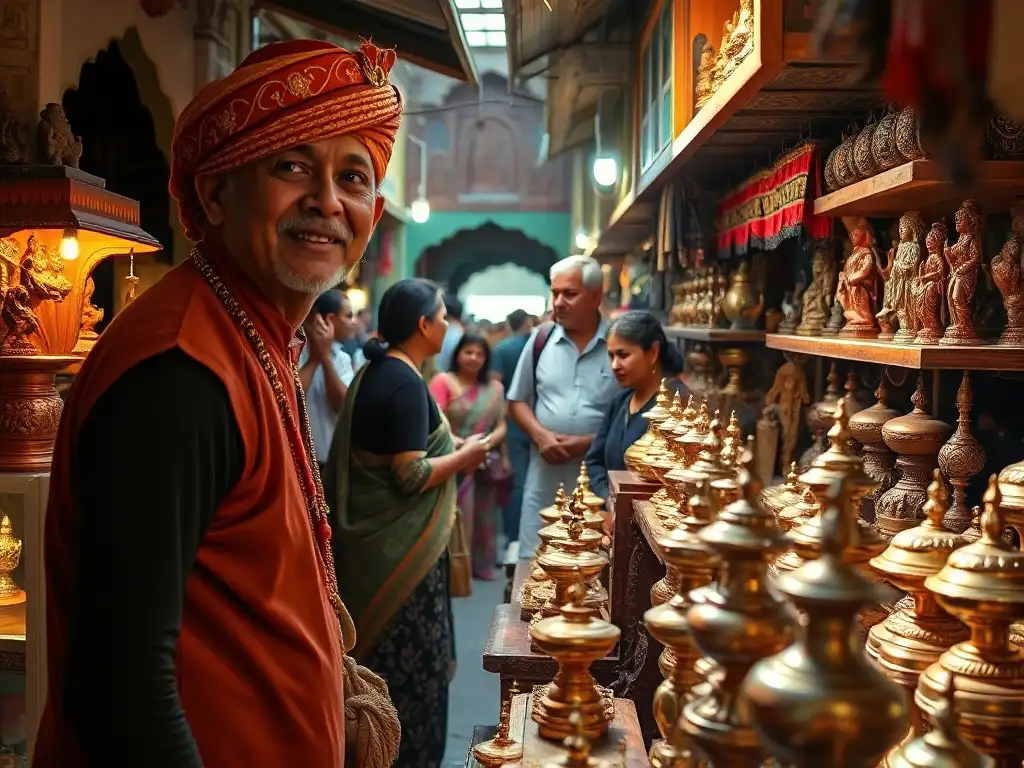
Welcome to Ancient India History, where we embark on a fascinating journey through the rich tapestry of ancient Indian civilizations! In our latest article, "Ancient Crafts, Modern Markets: How Indian Artifacts Are Captivating Global Buyers," we delve into the remarkable world of Indian artifacts for global buyers. Discover how the exquisite craftsmanship and cultural significance of these treasures are not only preserving history but also sparking international interest and investment today. Join us as we unveil the stories behind these artifacts and explore their impact on modern markets—prepare to be captivated!
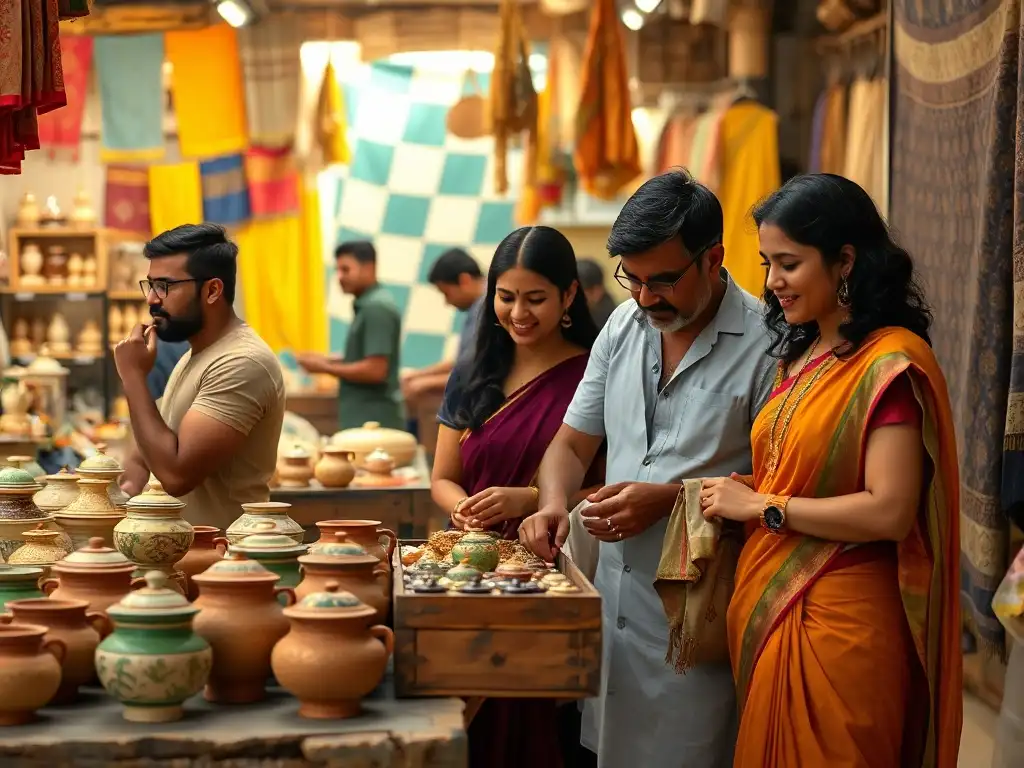
India's rich tapestry of history and culture has produced an impressive array of artifacts that not only reflect the artistry and craftsmanship of ancient civilizations but also resonate with contemporary global consumers. As we delve into the world of Indian artifacts for global buyers, we uncover how these timeless creations are not only valuable relics of the past but also significant commodities in today's marketplace.
The allure of Indian artifacts lies in their unique blend of traditional techniques, diverse materials, and deep-rooted symbolism, which captivates collectors and enthusiasts alike. In this article, we will explore the various dimensions of Indian artifacts, including their rich heritage, the types that are currently in demand, and the growing global market that seeks to preserve and celebrate this ancient craftsmanship.
Introduction to Indian Artifacts for Global Buyers
The growing interest in Indian artifacts among global buyers is indicative of a broader trend where ancient crafts are finding their place in modern markets. As consumers become more aware of the cultural significance and historical narratives embedded in these artifacts, the demand for authentic Indian craftsmanship has surged. This section will illuminate the factors driving this interest and the implications for artisans and collectors alike.
The Diversity of Indian Artifacts
India's diverse cultural landscape gives rise to a multitude of artifacts, each representing different regions, traditions, and historical contexts. This section will examine the variety of Indian artifacts available in the global market, showcasing their unique attributes and appeal.
Rich Heritage of Indian Crafts
Indian crafts have evolved over thousands of years, drawing from the influences of various dynasties, religions, and local traditions. Artisans have passed down techniques through generations, resulting in a rich heritage that includes:
- Textiles: Handwoven fabrics, intricate embroidery, and traditional dyeing techniques.
- Pottery: Terracotta and stoneware featuring both functional and decorative designs.
- Metalwork: Exquisite jewelry, utensils, and sculptures crafted from gold, silver, and bronze.
These crafts not only embody artistic expression but also represent the socio-economic conditions and cultural values of their time.
Types of Indian Artifacts in Demand Globally
With the global market expanding, certain types of Indian artifacts have gained notable popularity among buyers. Some of the most sought-after categories include:
- Traditional Handicrafts: Items such as wooden carvings, brass sculptures, and handmade pottery are highly valued for their craftsmanship.
- Antique Furniture: Vintage pieces that showcase Indian design aesthetics attract collectors and interior designers alike.
- Jewelry: Ethnic and contemporary designs made from precious and semi-precious stones are in high demand.
- Artworks: Paintings and sculptures by traditional artists are increasingly being recognized in international art circles.
Understanding these trends is essential for both buyers and sellers navigating the vibrant market of Indian artifacts. As we progress through this article, we will delve deeper into the nuances of the global market for these captivating pieces.
Understanding Global Buyers' Preferences
The global market for Indian artifacts has seen a significant transformation due to evolving consumer preferences and an increased appreciation for cultural heritage. Buyers today are not only looking for unique pieces but are also interested in the stories behind these artifacts. The allure of Indian artifacts often lies in their craftsmanship, history, and the traditional techniques employed in their creation.
Factors influencing buyer preferences include:
- Authenticity: Buyers are increasingly seeking genuine artifacts that reflect the rich heritage of Indian craftsmanship. This demand for authenticity drives sellers to maintain a connection with traditional artisans and their methods.
- Cultural Significance: Many global buyers are drawn to artifacts that encapsulate the cultural narratives of India, such as items that represent specific regions, rituals, or historical events.
- Sustainability: Eco-conscious consumers prefer items made from sustainable materials and produced through ethical practices. This trend is particularly relevant for Indian artisans who often use natural dyes and locally sourced materials.
What Attracts Buyers to Indian Artifacts?
Several key factors attract global buyers to Indian artifacts, making them highly sought after in international markets:
- Artistic Diversity: Indian artifacts showcase a vast array of artistic expressions, from intricate wood carvings and textiles to pottery and metalwork. This diversity appeals to collectors and enthusiasts who appreciate the variety of styles and techniques.
- Cultural Heritage: Artifacts often tell stories of India's rich history and cultural practices, making them more than just decorative items. Buyers are captivated by the narratives that accompany these pieces, enhancing their value.
- Handcrafted Quality: The handmade nature of many Indian artifacts adds a layer of uniqueness that mass-produced items lack. Global buyers are increasingly interested in owning one-of-a-kind pieces that reflect the artisan's skill and creativity.
- Investment Potential: Many buyers view Indian artifacts as not only decorative but also as investment opportunities. Rare pieces can appreciate significantly over time, making them attractive options for collectors.
Market Analysis: Who Are the Global Buyers?
The demographic profile of global buyers of Indian artifacts is diverse, encompassing various age groups, cultural backgrounds, and purchasing motivations. Key segments include:
- Art Collectors: Individuals who actively seek unique and rare pieces for their collections. They often have a deep appreciation for the history and culture associated with the artifacts.
- Interior Designers: Professionals who integrate Indian artifacts into modern design schemes, utilizing their aesthetic appeal to enhance spaces. They often purchase in bulk to cater to clients looking for distinctive decor.
- Tourists and Travelers: Individuals who seek authentic souvenirs during their travels to India. They are often motivated by the desire to take home a piece of the culture they experienced.
- Online Shoppers: With the rise of e-commerce, a younger, tech-savvy demographic has emerged as significant buyers of Indian artifacts. They are drawn to the convenience of online shopping and the ability to explore a wide variety of offerings from the comfort of their homes.
The Role of E-commerce in Selling Indian Artifacts
E-commerce has revolutionized the way Indian artifacts are marketed and sold globally. The rise of online platforms has made it easier for artisans and sellers to reach a broader audience, breaking geographical barriers. This shift has led to increased visibility for Indian artifacts and has opened up new revenue streams for artisans.
Platforms for Selling Indian Artifacts Online
Various online platforms have emerged as popular marketplaces for Indian artifacts. These include:
- Etsy: A global marketplace that focuses on handmade and vintage items, making it ideal for artisans to showcase their creations to a worldwide audience.
- Amazon Handmade: A dedicated section of Amazon that allows artisans to sell their handcrafted products, providing them with significant exposure and access to millions of potential buyers.
- Social Media Platforms: Platforms like Instagram and Facebook have become powerful tools for marketing and selling artifacts. Sellers can showcase their products visually and engage with potential customers directly.
Strategies for Effective Online Marketing of Indian Artifacts
To effectively market Indian artifacts online, sellers should consider the following strategies:
- Storytelling: Sharing the story behind each artifact can create an emotional connection with potential buyers. Highlighting the artisan's background, the cultural significance of the piece, and the traditional methods used can enhance its appeal.
- High-Quality Visuals: Investing in professional photography can make a significant difference in attracting buyers. High-resolution images showcasing the details and craftsmanship of the artifacts can entice customers.
- Search Engine Optimization (SEO): Utilizing relevant keywords, such as “Indian artifacts for global buyers,” in product descriptions and website content can improve visibility in search engine results, driving more traffic to the seller's online store.
- Customer Engagement: Building relationships with customers through newsletters, social media interactions, and personalized marketing can foster loyalty and encourage repeat purchases.
- Leveraging Reviews and Testimonials: Positive feedback from previous buyers can enhance credibility. Encouraging satisfied customers to leave reviews can significantly influence potential buyers' purchasing decisions.
By implementing these strategies, sellers can effectively tap into the growing global market for Indian artifacts, attracting a diverse range of buyers and ensuring sustainable growth in their businesses.
Challenges in the Global Market for Indian Artifacts
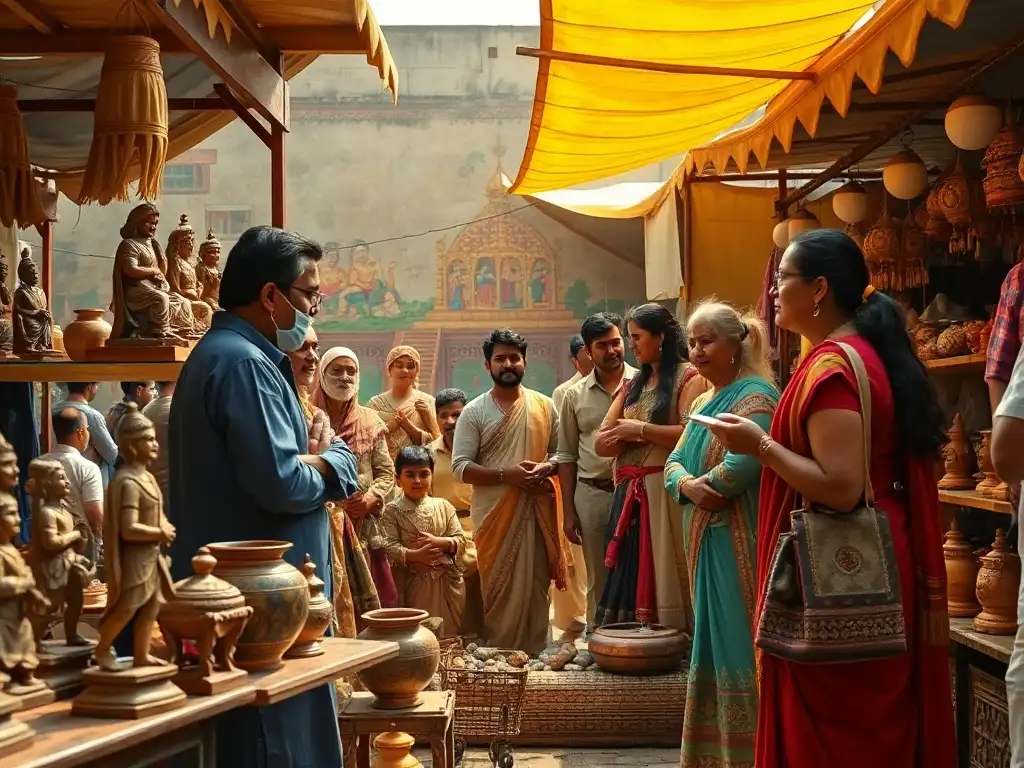
The global market for Indian artifacts presents numerous opportunities, but it is not without its challenges. Several factors hinder the seamless integration of these unique items into international markets. Understanding these challenges is crucial for artisans and sellers aiming to navigate this complex landscape effectively.
One significant challenge is the cultural sensitivity and authenticity of artifacts. Buyers often seek genuine pieces that reflect India's rich heritage, but the presence of replicas and counterfeit items can tarnish the market's reputation. Artisans must ensure that their products are authentic, which often requires a rigorous vetting process and transparent sourcing of materials.
Another challenge involves logistics and distribution. Shipping artifacts internationally can be complicated due to regulations, tariffs, and customs duties. Sellers often face delays and increased costs, which can deter potential buyers. Establishing reliable partnerships with logistics companies that understand the nuances of international shipping can help mitigate these issues.
Lastly, the imposition of legal restrictions on the sale of certain artifacts can also pose a challenge. Many countries have strict laws governing the export of antiquities, especially if they are considered part of cultural heritage. This can limit the availability of certain items in the global market, affecting both artisans and buyers.
Issues Faced by Artisans and Sellers
Artisans and sellers of Indian artifacts encounter several pressing issues that can impact their ability to thrive in the global marketplace. One major issue is access to global networks. Many artisans operate in rural areas with limited access to technology and marketing resources, hindering their ability to reach international buyers. To compete, they must leverage digital platforms and social media to showcase their creations effectively.
Moreover, pricing and valuation pose significant challenges. Artisans often struggle to price their artifacts competitively, especially when they lack knowledge about market dynamics and consumer preferences. This lack of understanding can lead to underpricing valuable pieces or overpricing items that may not resonate with buyers.
Another critical issue involves sustaining traditional craftsmanship. As global demand for Indian artifacts increases, there is a risk that artisans may shift towards mass production to meet commercial pressures. This shift can compromise the quality and authenticity of their work, ultimately leading to a loss of traditional skills and heritage.
Legal Considerations in Selling Indian Artifacts
Navigating the legal landscape is essential for anyone involved in the sale of Indian artifacts. Several legal considerations must be taken into account to ensure compliance and protect both sellers and buyers.
First, sellers must be aware of the heritage laws governing the export of artifacts. Many governments impose restrictions on the trade of cultural heritage items to prevent illicit trafficking. Sellers should familiarize themselves with the legal frameworks in both India and the importing countries to avoid legal repercussions.
Additionally, it is vital for sellers to obtain the necessary documentation for artifacts, particularly if they are classified as antiques or cultural property. This documentation may include provenance certificates, export permits, and any other relevant paperwork that proves the item’s authenticity and legal status.
Lastly, understanding intellectual property rights is critical when selling unique designs or craftsmanship. Artisans should be aware of how to protect their creations from unauthorized reproduction, ensuring that their artistic contributions are recognized and respected in the marketplace.
Case Studies: Successful Brands in the Indian Artifacts Market
Examining successful brands in the Indian artifacts market provides valuable insights into effective strategies and practices. These case studies highlight how innovative approaches and a deep understanding of global buyers can lead to success.
Spotlight on Notable Artisans and Companies
One notable artisan is Ravi Kumar, who specializes in traditional handwoven textiles. Through his brand, he has successfully tapped into the global market by leveraging social media platforms to showcase his intricate designs. His commitment to sustainability and fair trade practices has resonated with global buyers, resulting in a loyal customer base that values ethical sourcing.
Another example is the company Indus Heritage, which offers a range of handcrafted artifacts, from pottery to jewelry. Indus Heritage emphasizes storytelling in its marketing approach, sharing the cultural significance of each piece. This strategy not only educates potential buyers but also enhances the perceived value of the artifacts, leading to increased sales.
Lessons Learned from Successful Sales Strategies
Successful brands in the Indian artifacts market provide essential lessons for others looking to thrive. One key takeaway is the importance of building an online presence. Establishing a robust website and utilizing social media for marketing can significantly broaden reach and attract global buyers.
Additionally, effective customer engagement is crucial. Brands that prioritize communication and feedback often foster a strong community of enthusiasts who are more likely to make repeat purchases and recommend products to others.
Lastly, embracing collaboration with other artisans and brands can enhance visibility and access to new markets. Joint ventures or partnerships can lead to innovative product offerings and shared resources, ultimately benefiting all parties involved in the Indian artifacts ecosystem.
Conclusion: The Future of Indian Artifacts in Global Markets
The global market for Indian artifacts is poised for significant growth as cultural appreciation and consumer interest continue to rise. The unique craftsmanship, rich history, and inherent storytelling of Indian artifacts resonate with buyers around the world. As international consumers become increasingly aware of the value and heritage associated with these items, the demand for authentic Indian crafts is expected to surge.
Technological advancements and the rise of e-commerce platforms have further facilitated access to Indian artifacts for global buyers. Artisans and dealers now have the ability to showcase their products to a wider audience, transcending geographical boundaries. This shift not only opens up lucrative opportunities for artisans but also enhances the visibility of traditional crafts, ensuring their preservation for future generations.
Moreover, the growing trend of sustainable and ethical consumption aligns perfectly with the offerings of Indian artisans. Buyers today are more inclined to invest in products that tell a story and support local economies. As a result, Indian artifacts, with their unique narratives and cultural significance, are well-positioned to captivate the modern global market.
As interest in Indian artifacts continues to expand, it is crucial for stakeholders—artisans, marketers, and policymakers—to collaborate and innovate. By embracing modern marketing strategies while honoring traditional craftsmanship, the future of Indian artifacts in global markets looks promising.
Call to Action: Exploring Indian Artifacts
Are you ready to discover the captivating world of Indian artifacts? Whether you are an avid collector, a cultural enthusiast, or simply looking to enrich your living space, there is an extraordinary range of items waiting for you. Here’s how you can get started:
- Visit Local Markets: Explore artisan fairs and local markets that feature authentic Indian crafts. Engaging directly with artisans provides you with insights into their techniques and the stories behind their creations.
- Online Platforms: Utilize online marketplaces specializing in Indian artifacts. Many websites curate collections from various artisans, making it easy to find unique pieces that resonate with your personal style.
- Support Ethical Practices: When purchasing, consider supporting ethical and sustainable practices. Look for artisans who prioritize fair wages and environmentally friendly methods.
- Engage with Communities: Join forums or social media groups focused on Indian crafts. Connecting with like-minded individuals can enhance your understanding and appreciation of the artifacts.
- Educate Yourself: Read books, articles, and watch documentaries about Indian history and crafts. The more you know, the more you’ll appreciate the intricacies of each piece.
By diving into the world of Indian artifacts, you not only enhance your own collection but also support the preservation of rich cultural traditions. Start your journey today and become part of the global appreciation for these timeless treasures!
- Introduction to Indian Artifacts for Global Buyers
- The Diversity of Indian Artifacts
- Understanding Global Buyers' Preferences
- The Role of E-commerce in Selling Indian Artifacts
- Challenges in the Global Market for Indian Artifacts
- Case Studies: Successful Brands in the Indian Artifacts Market
- Conclusion: The Future of Indian Artifacts in Global Markets
- Call to Action: Exploring Indian Artifacts
Frequently Asked Questions
What are Indian artifacts?
Indian artifacts are historical objects created by ancient civilizations, showcasing their craftsmanship and cultural heritage. These items include pottery, textiles, sculptures, and tools that reflect the ingenuity of India's past.
Why are Indian artifacts appealing to global buyers?
Global buyers are drawn to Indian artifacts due to their unique designs, rich cultural significance, and the artisan skills involved in their creation. They offer a glimpse into the diverse history of India, making them sought-after collectibles.
How has the market for Indian artifacts changed in recent years?
The market for Indian artifacts has seen a surge in demand, driven by increased interest in ethnic decor and sustainable products. Online platforms and global exhibitions have expanded access to these treasures for buyers worldwide.
What role do ancient crafts play in modern markets?
Ancient crafts play a pivotal role by connecting traditional techniques with modern consumer preferences. This blend enhances the value of Indian artifacts, attracting buyers who appreciate both heritage and innovation.
How can one ensure the authenticity of Indian artifacts?
To ensure authenticity, buyers should look for certifications and purchase from reputable dealers. Researching the item's provenance and understanding its cultural context also help in verifying its legitimacy.
Final Reflection: The Timeless Allure of Indian Artifacts in a Global Marketplace
The intersection of ancient craftsmanship and modern commerce is more relevant today than ever, as Indian artifacts for global buyers continue to captivate hearts and minds across the world. The resurgence of interest in these unique pieces not only highlights the rich cultural heritage of India but also underscores the importance of preserving traditional crafts in an increasingly homogenized global market.
The influence of Indian artifacts extends far beyond mere aesthetics; they serve as a bridge connecting diverse cultures and fostering appreciation for artisanal skills that have been passed down through generations. As consumers become more conscious of their purchasing choices, the demand for authentic, handcrafted items grows, reflecting a desire for stories and traditions behind each piece. Art is not a thing; it is a way.
— Elbert Hubbard. This quote encapsulates the essence of how these artifacts embody the spirit of their creators and the cultures they represent, making them invaluable in today's interconnected world.
As we reflect on the significance of Indian artifacts in modern markets, I invite you to consider how you can engage with this rich tapestry of history and craftsmanship in your own life. Explore the stories behind the artifacts you encounter, support artisans by choosing handmade over mass-produced items, and share the beauty of these creations with others. By doing so, you not only enrich your own experience but also contribute to the preservation of a vibrant cultural legacy that deserves to be celebrated and cherished for generations to come.
Unveil the Timeless Beauty of Indian Artifacts Today!
Thank you for diving into the rich tapestry of Indian craftsmanship with us! We hope you found inspiration in how ancient arts are finding their place in today’s global marketplace. Now it’s time to take that spark of interest and turn it into action!
Here’s how you can engage further with this captivating world:
- Explore local galleries or online platforms that showcase the exquisite beauty and intricate craftsmanship of Indian artifacts.
- Connect with talented artists and artisans through social media to learn about their unique stories and the traditional techniques behind their creations.
- Consider sharing your favorite pieces on social media or with friends to help spread awareness about the incredible heritage of Indian crafts.
What piece of Indian craftsmanship would you like to bring into your home, and why? We invite you to share your thoughts in the comments!