
The Relationship Between Knowledge and Ignorance in Hindu Philosophy

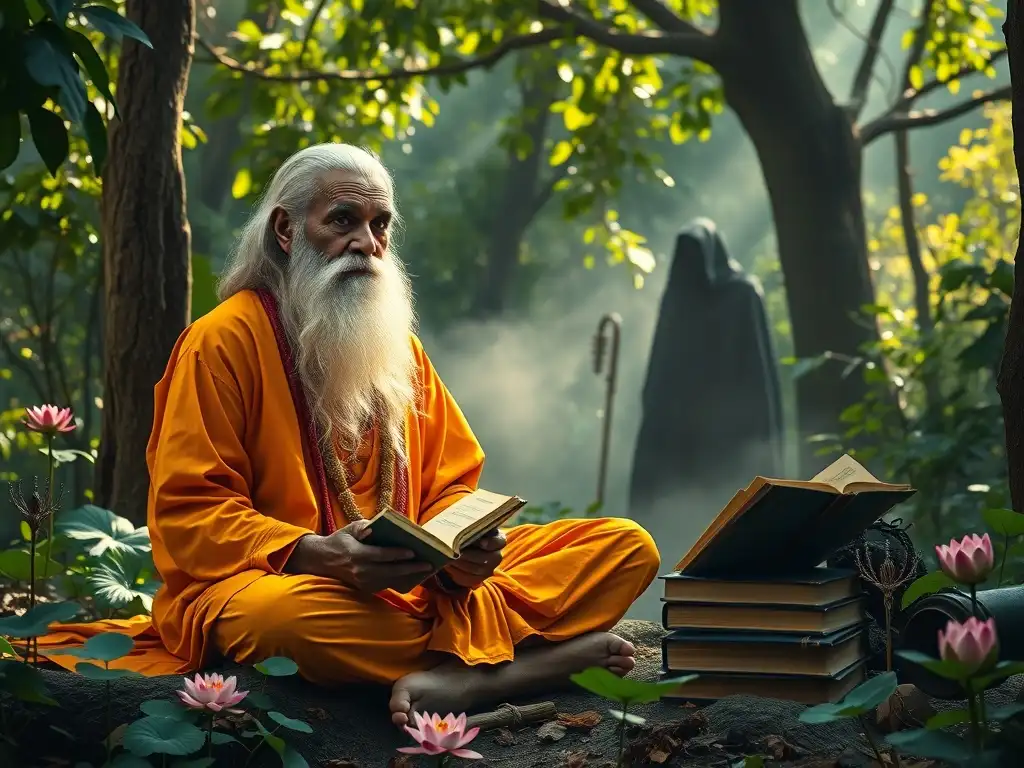
Welcome to Ancient India History, where we delve into the rich tapestry of ancient Indian civilizations and their profound contributions to the world. Today, we invite you to explore a fascinating topic that intertwines the very essence of human understanding: the intricate relationship between knowledge and ignorance in Hindu philosophy. What does it mean to truly know, and how does ignorance shape our spiritual journey?
Join us as we unravel these compelling questions and illuminate the wisdom of the ages, setting the stage for a deeper understanding of ancient Indian philosophies. Your journey into the past begins now—dive in and discover the insights waiting for you!

Hindu philosophy presents a profound exploration of the concepts of knowledge and ignorance, intricately woven into the spiritual and metaphysical fabric of ancient Indian thought. This relationship is not merely academic; it serves as a guiding principle for understanding the human experience and the quest for enlightenment.
From the early texts of the Vedas to the nuanced arguments of later philosophers, the interplay between knowledge (jnana) and ignorance (avidya) shapes the moral, ethical, and existential inquiries of the tradition. As we delve into this topic, we will uncover how ancient Indian thinkers articulated the essence of knowledge, the barriers erected by ignorance, and the pathways to achieving true understanding within the framework of Hindu philosophy.
Understanding Hindu Philosophy: An Overview
Definition of Hindu Philosophy
Hindu philosophy encompasses a vast array of schools of thought and spiritual practices that have developed over millennia. At its core, it seeks to answer fundamental questions about existence, the nature of reality, and the self. The philosophical discourse is characterized by its diversity, with six orthodox schools (Darshanas)—Nyaya, Vaisheshika, Samkhya, Yoga, Mimamsa, and Vedanta—each presenting unique perspectives on knowledge and ignorance.
Historical Context of Knowledge and Ignorance
Historically, the relationship between knowledge and ignorance in Hindu philosophy has been shaped by various cultural and intellectual movements. In the Vedic period, knowledge was associated with ritual and tradition, while later texts like the Upanishads began to explore the inner dimensions of knowledge as self-realization. This evolution reflects a growing understanding of ignorance not merely as a lack of information, but as a deeper spiritual blindness that obscures the true nature of reality.
Key Texts in Hindu Philosophy
Several key texts illuminate the concepts of knowledge and ignorance in Hindu philosophy:
- The Vedas: Ancient scriptures that lay the foundation for various philosophical ideas.
- The Upanishads: Philosophical treatises that delve into the nature of reality and the self, emphasizing the distinction between ultimate knowledge (Brahman) and ignorance (avidya).
- The Bhagavad Gita: A dialogue that addresses the moral and ethical dimensions of knowledge, encouraging discernment between right and wrong.
- The Yoga Sutras of Patanjali: Provides practical guidance on overcoming ignorance through disciplined practice and meditation.
The Concept of Knowledge in Hindu Philosophy
Types of Knowledge in Hindu Thought
In Hindu philosophy, knowledge is categorized into several types, each reflecting different aspects of understanding:
- Pratyaksha (Direct Perception): Knowledge gained through sensory experience.
- Anumana (Inference): Knowledge derived from reasoning and logical deduction.
- Shabda (Verbal Testimony): Knowledge acquired through scriptures and teachings from enlightened beings.
These distinctions highlight the multifaceted nature of knowledge, emphasizing that true understanding often transcends mere empirical evidence.
The Role of Knowledge in Spiritual Growth
Knowledge plays a crucial role in spiritual development within the Hindu tradition. It is seen as a means to transcend ignorance and attain liberation (moksha). The journey from ignorance to knowledge is depicted as a transformative process, where individuals move from the shadows of misunderstanding into the light of wisdom. This evolution is not just intellectual; it involves cultivating discernment, ethical living, and ultimately, a deeper connection with the divine.
In this exploration of the relationship between knowledge and ignorance in Hindu philosophy, we will further examine the implications of these concepts and their relevance to contemporary spiritual practices, ensuring a comprehensive understanding of this vital aspect of ancient Indian thought.
The Nature of Ignorance in Hindu Philosophy
In Hindu philosophy, ignorance, or Avidya, is considered a fundamental obstacle to spiritual growth and enlightenment. It is not merely the absence of knowledge but a profound misunderstanding of the true nature of reality. This ignorance leads individuals to mistake the transient and illusory aspects of life for the ultimate truth. As a result, the pursuit of worldly pleasures often takes precedence over the quest for spiritual wisdom. The concept of ignorance is intricately linked to the notion of Maya, the cosmic illusion that veils the true nature of the self and the universe, leading to confusion and suffering.
Definition of Ignorance (Avidya)
Avidya, derived from the Sanskrit root 'vid' meaning "to know," signifies a lack of knowledge or awareness. In the context of Hindu philosophy, it represents a more profound spiritual ignorance regarding the self and the divine. Ignorance is viewed as the root cause of all suffering, as it clouds judgment and leads to attachment, desire, and ultimately, rebirth in the cycle of samsara. This misconception about one's true nature—believing oneself to be separate from Brahman (the ultimate reality)—is a key aspect of Avidya, as it perpetuates the cycle of birth and death.
Types of Ignorance: Individual and Collective
Ignorance can manifest on both individual and collective levels in Hindu philosophy.
- Individual Ignorance: This refers to personal misconceptions and lack of awareness about one's true self. It encompasses the personal desires, fears, and attachments that distract an individual from realizing their unity with the divine. Each person's journey toward knowledge involves overcoming these individual forms of ignorance through practices such as meditation, study of scriptures, and guidance from spiritual teachers.
- Collective Ignorance: This type of ignorance affects societies and communities. It encompasses the shared beliefs, traditions, and cultural practices that may perpetuate misunderstandings about spirituality and the nature of reality. Collective ignorance can lead to dogmatism and rituals devoid of deeper meaning, hindering the spiritual evolution of the community as a whole.
The Consequences of Ignorance in Human Life
The consequences of ignorance in Hindu philosophy are profound and multifaceted. Avidya leads to a range of negative outcomes, including:
- Suffering and Despair: The inability to see beyond the material world results in attachment to transient pleasures, leading to disappointment and suffering when those pleasures fade.
- Misperception of Reality: Ignorance creates a distorted view of life, causing individuals to engage in actions motivated by ego and desire rather than truth and compassion.
- Continued Rebirth: Avidya perpetuates the cycle of samsara, binding individuals to a life of repeated births and deaths, where they must confront the same lessons until they attain knowledge and liberation.
- Conflict and Division: On a collective level, ignorance can foster misunderstandings and conflicts among groups, as differing beliefs and practices lead to division rather than unity in the pursuit of spiritual truth.
The Dynamic Between Knowledge and Ignorance
The relationship between knowledge and ignorance in Hindu philosophy is dynamic and interdependent. Knowledge, or Vidya, is seen as the antidote to Avidya, illuminating the path toward spiritual awakening and self-realization. This dynamic is crucial for understanding the journey of the soul toward liberation, as it highlights the transformative power of knowledge in dispelling the darkness of ignorance.
How Knowledge Counteracts Ignorance
Knowledge in Hindu philosophy serves to dispel ignorance by:
- Illuminating the Truth: Through spiritual teachings, scriptures, and practices, knowledge reveals the true nature of the self as non-dual and interconnected with Brahman. This understanding helps individuals transcend the illusions created by Avidya.
- Cultivating Awareness: Knowledge fosters mindfulness and awareness, allowing individuals to recognize their attachments and desires. This recognition is the first step toward overcoming ignorance and achieving liberation.
- Empowering Transformation: Knowledge empowers individuals to make conscious choices aligned with their spiritual goals, encouraging them to engage in practices that promote personal growth and self-realization.
The Cycle of Ignorance and Knowledge
The cycle of ignorance and knowledge forms a continuous loop in Hindu philosophy. As individuals encounter ignorance, they seek knowledge to overcome it. However, the journey is not linear; rather, it involves a cyclical process where one may oscillate between moments of clarity and confusion.
- Ignorance leads to suffering, prompting individuals to seek knowledge as a means of liberation.
- Knowledge, in turn, dispels ignorance, leading to greater awareness and understanding.
- Yet, as individuals evolve, they may encounter new layers of ignorance, necessitating further exploration and learning.
This cycle emphasizes the importance of continual learning and self-reflection on the path to enlightenment, illustrating that the quest for knowledge is an ongoing journey rather than a destination.
The Importance of Self-Realization in Overcoming Ignorance
Self-realization is central to overcoming ignorance in Hindu philosophy. It involves recognizing one's true nature beyond the physical body and the mind, understanding oneself as a part of the divine whole. This profound realization is achieved through:
- Meditation and Contemplation: These practices allow individuals to quiet the mind, leading to insights that reveal the illusion of separateness and the interconnectedness of all beings.
- Study of Sacred Texts: Engaging with texts such as the Upanishads, Bhagavad Gita, and other philosophical treatises provides frameworks for understanding the nature of reality and the self.
- Guidance from Gurus: Spiritual teachers play a crucial role in guiding seekers through the complexities of knowledge and ignorance, offering wisdom and support on their journey.
Ultimately, self-realization leads to liberation from the cycle of samsara, enabling individuals to transcend ignorance and experience the bliss of unity with the divine. In this light, the relationship between knowledge and ignorance is not just theoretical but profoundly practical, impacting the spiritual journey of every individual.
Philosophical Schools and Their Views on Knowledge and Ignorance
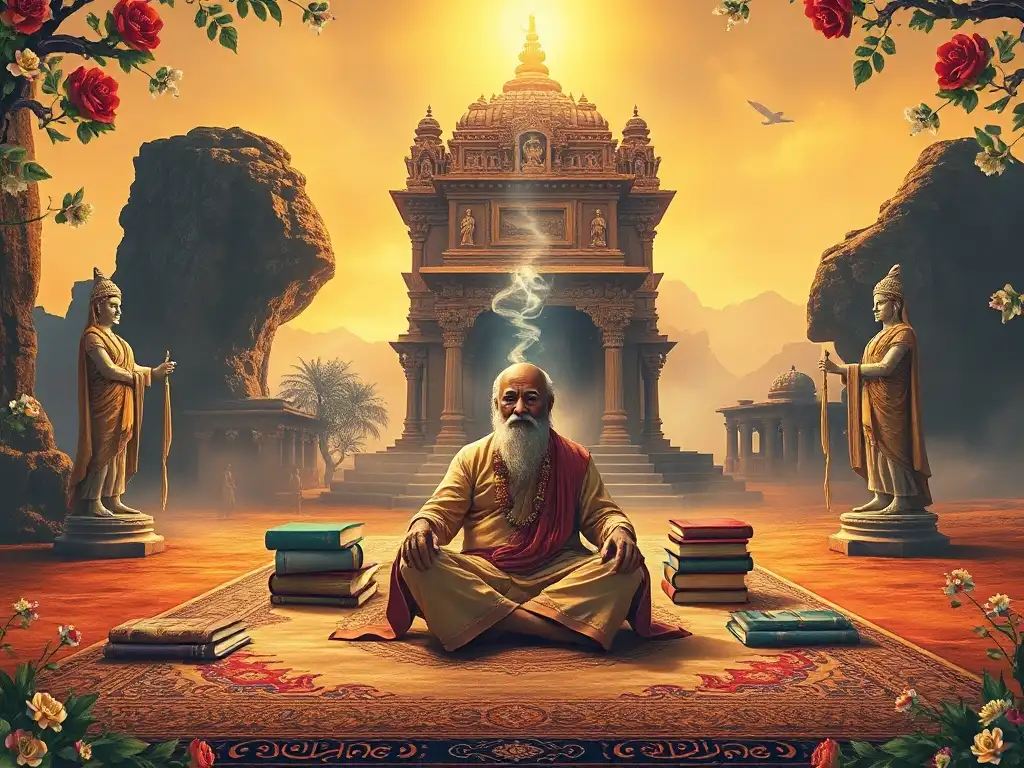
In Hindu philosophy, different schools present diverse interpretations of knowledge (jnana) and ignorance (avidya). These interpretations shape the understanding of reality, the self, and the universe, influencing spiritual practices and ethical living. The major philosophical schools, such as Advaita Vedanta, Dvaita Vedanta, and Samkhya, offer unique perspectives on how knowledge and ignorance interact and their significance in human existence. Each school provides a framework for understanding the nature of reality, the self, and the ultimate goal of life, all of which are intertwined with the concepts of knowledge and ignorance.
Advaita Vedanta: Non-Dualism and Ignorance
Advaita Vedanta, primarily articulated by the philosopher Adi Shankaracharya, posits a non-dualistic view of reality. According to this school, the ultimate reality is Brahman, the singular, unchanging essence of the universe. In this context, ignorance (avidya) is viewed as the root cause of human suffering and the perception of duality.
Advaita teaches that most people are trapped in a state of ignorance, mistaking the transient world for the ultimate reality. This misconception leads to a cycle of birth and rebirth (samsara), driven by desires and attachments. The path to liberation (moksha) requires knowledge (jnana) that reveals the true nature of the self (Atman) as non-different from Brahman.
The process of attaining this knowledge involves self-inquiry and meditation, allowing individuals to transcend ignorance and realize their inherent unity with the cosmos. Thus, in Advaita Vedanta, overcoming ignorance is paramount to achieving spiritual enlightenment and liberation from the cycle of rebirth.
Dvaita Vedanta: Dualism and the Nature of Knowledge
In contrast, Dvaita Vedanta, founded by Madhvacharya, emphasizes a dualistic philosophy where the distinction between the individual soul (jiva) and the Supreme Being (Ishvara) is fundamental. Unlike Advaita, which sees the self and Brahman as identical, Dvaita asserts that they are eternally separate entities.
Knowledge in Dvaita is crucial for understanding the nature of this separation and the relationship between the soul and God. Ignorance is viewed as a lack of awareness regarding this distinction, leading to erroneous beliefs about the nature of reality. To acquire true knowledge, followers engage in devotion (bhakti) to Ishvara, which fosters a deeper understanding of their own identity and relationship with the divine.
In Dvaita philosophy, the attainment of knowledge is not just an intellectual exercise but a transformative process that nurtures love and devotion, ultimately guiding individuals toward spiritual fulfillment and liberation.
Samkhya: Knowledge, Ignorance, and the Nature of Reality
Samkhya, one of the oldest philosophical systems in Hinduism, offers a dualistic view that categorizes reality into two fundamental principles: Purusha (consciousness) and Prakriti (matter). Knowledge and ignorance are seen as key elements that help individuals navigate this duality.
In Samkhya philosophy, ignorance (avidya) is characterized by the inability to perceive the distinction between Purusha and Prakriti. This ignorance leads to entanglement in the material world, resulting in suffering. Knowledge (jnana) is thus defined as the realization of the true nature of existence, allowing individuals to recognize their eternal consciousness separate from the changing phenomena of the physical world.
The pursuit of knowledge in Samkhya involves analytical reasoning and self-reflection, enabling practitioners to discern the real from the unreal. This clarity ultimately leads to liberation (kaivalya), where the individual soul recognizes its true essence and achieves freedom from the cycles of birth and rebirth.
Practical Implications of Knowledge and Ignorance in Daily Life
The philosophical concepts of knowledge and ignorance in Hinduism have profound implications for daily living. They influence personal conduct, ethical decisions, and spiritual practices, shaping how individuals engage with the world around them. The pursuit of knowledge is seen as a vital aspect of living a meaningful and fulfilling life, while ignorance is often viewed as a barrier to spiritual progress and personal well-being.
The Pursuit of Knowledge in Hindu Practices
In Hindu culture, the pursuit of knowledge is integral to various practices, including study (svadhyaya), meditation (dhyana), and philosophical inquiry. The ancient texts, such as the Vedas and Upanishads, emphasize the importance of acquiring wisdom and understanding as a means to transcend ignorance.
Many Hindu rituals and ceremonies underscore the significance of knowledge, celebrating learning as a form of spiritual enrichment. For instance, the ceremony of Upanayana, or the sacred thread ceremony, marks a young individual's initiation into formal education, emphasizing the transformative power of knowledge in personal development.
Rituals and Teachings Addressing Ignorance
Rituals in Hinduism often aim to dispel ignorance and promote knowledge through specific teachings and practices. For example, the chanting of mantras and the performance of pujas (worship rituals) are believed to purify the mind and foster a greater understanding of the divine.
Additionally, teachings from scriptures, like the Bhagavad Gita, guide individuals in recognizing their ignorance and encourage them to seek knowledge as a path to spiritual growth. The Gita’s discourse on self-realization and duty serves as a practical framework for overcoming ignorance in everyday life.
The Role of Gurus in Transmitting Knowledge
In Hindu tradition, gurus (spiritual teachers) play a pivotal role in guiding individuals on their journey toward knowledge and self-realization. The relationship between a guru and disciple is foundational in Hindu philosophy, emphasizing the importance of mentorship in overcoming ignorance.
Gurus impart wisdom through teachings, personal experiences, and guidance, helping disciples navigate complex philosophical concepts and practical applications. This transmission of knowledge is often viewed as a sacred duty, with a strong emphasis on the guru's responsibility to illuminate the path for their students. Consequently, the role of gurus is crucial not only in fostering individual growth but also in preserving the rich philosophical traditions of Hinduism for future generations.
Conclusion: The Interplay of Knowledge and Ignorance in Hindu Philosophy
In Hindu philosophy, the relationship between knowledge and ignorance is not merely a dichotomy but rather a complex interplay that shapes human understanding and experience. This dynamic is deeply rooted in the teachings of ancient texts and the insights of various philosophical schools within Hinduism, such as Vedanta, Samkhya, and Yoga.
Knowledge (jnana) is often revered as a pathway to liberation (moksha), while ignorance (avidya) is viewed as the root cause of suffering and the cycle of rebirth (samsara). Thus, the journey from ignorance to knowledge is a central theme in Hindu philosophical discourse, reflecting a transformative process that individuals must undertake to attain spiritual enlightenment.
Summary of Key Insights
The exploration of knowledge and ignorance in Hindu philosophy reveals several key insights:
- Avidya as a Fundamental Obstacle: Ignorance is seen as a primary hindrance to achieving true understanding and enlightenment. It is not simply a lack of information but a profound misunderstanding of the nature of reality. This ignorance leads individuals to misidentify themselves with their physical bodies and external circumstances rather than their true essence, which is eternal and unchanging.
- Jnana as Transformative Power: Knowledge, particularly self-knowledge, is considered the antidote to ignorance. It enables individuals to discern the eternal self (Atman) from the temporary material world (Maya). Through practices such as meditation, study of scriptures, and self-inquiry, seekers can cultivate jnana, leading to liberation from the cycles of birth and death.
- Philosophical Schools and Their Perspectives: Different schools of thought within Hindu philosophy offer various approaches to understanding knowledge and ignorance. For instance, Advaita Vedanta emphasizes non-dualism and the ultimate oneness of Atman and Brahman, whereas Sankhya provides a dualistic perspective that distinguishes between consciousness and matter.
The Relevance of Knowledge and Ignorance Today
The themes of knowledge and ignorance in Hindu philosophy remain highly relevant in contemporary society. In an age characterized by rapid information exchange and technological advancement, discerning true knowledge from misinformation has become increasingly challenging. The principles derived from Hindu philosophy can guide individuals in their quest for authentic understanding, encouraging them to cultivate critical thinking and self-awareness. The emphasis on self-inquiry and introspection can also offer valuable tools for navigating the complexities of modern life, fostering a deeper connection with oneself and the surrounding world.
Moreover, the spiritual principles derived from Hindu philosophy emphasize the importance of ethical living and compassion, which are essential in addressing the myriad social and environmental challenges faced today. By embracing the journey from ignorance to knowledge, individuals can contribute positively to society and promote a culture of understanding and empathy.
Final Thoughts on the Journey from Ignorance to Knowledge in Hindu Philosophy
The journey from ignorance to knowledge in Hindu philosophy is not merely an intellectual pursuit but a profound spiritual transformation. It invites individuals to embark on a path of self-discovery and introspection, ultimately leading to a deeper understanding of the self and the universe. This journey, marked by the overcoming of avidya through the cultivation of jnana, is essential for attaining liberation and experiencing the inherent unity of all existence.
As seekers navigate this journey, they are encouraged to engage with the rich philosophical traditions of Hinduism, learning from the insights of ancient sages and contemporary thinkers alike. By doing so, they can enrich their understanding of the interplay between knowledge and ignorance, fostering personal growth and contributing to a more enlightened and harmonious society. The teachings of Hindu philosophy offer timeless wisdom that continues to inspire and guide individuals in their quest for truth and meaning in life.
- Understanding Hindu Philosophy: An Overview
- The Concept of Knowledge in Hindu Philosophy
- The Nature of Ignorance in Hindu Philosophy
- The Dynamic Between Knowledge and Ignorance
- Philosophical Schools and Their Views on Knowledge and Ignorance
- Practical Implications of Knowledge and Ignorance in Daily Life
- Conclusion: The Interplay of Knowledge and Ignorance in Hindu Philosophy
- What is the primary theme of Hindu philosophy regarding knowledge and ignorance?
- How do ancient Indian texts address the concept of ignorance?
- What role does meditation play in gaining knowledge in Hindu philosophy?
- How does the Gupta Empire contribute to the understanding of knowledge and ignorance?
- Can the teachings of Hindu philosophy be applied to modern life?
Frequently Asked Questions
What is the primary theme of Hindu philosophy regarding knowledge and ignorance?
Hindu philosophy emphasizes the interconnection between knowledge and ignorance. It teaches that true knowledge leads to self-realization, while ignorance is seen as a barrier to spiritual enlightenment.
How do ancient Indian texts address the concept of ignorance?
Ancient Indian texts, such as the Upanishads and Bhagavad Gita, explore ignorance as a fundamental aspect of human existence, suggesting that overcoming it is essential for achieving moksha or liberation.
What role does meditation play in gaining knowledge in Hindu philosophy?
Meditation is considered a vital practice for acquiring self-knowledge and overcoming ignorance. It helps practitioners achieve a higher state of consciousness and connect with their true selves.
How does the Gupta Empire contribute to the understanding of knowledge and ignorance?
The Gupta Empire was a golden age for learning and philosophy in ancient India, promoting scholarship in various fields, including astronomy and mathematics, which further enriched the discourse on knowledge and ignorance.
Can the teachings of Hindu philosophy be applied to modern life?
Yes, the teachings of Hindu philosophy regarding knowledge and ignorance can be applied to modern life by encouraging individuals to pursue wisdom, self-awareness, and a deeper understanding of their existence and purpose.
Final Reflection: The Dance of Knowledge and Ignorance in Hindu Philosophy
In exploring the intricate relationship between knowledge and ignorance in Hindu philosophy, we uncover a timeless dialogue that resonates profoundly in today's world. The philosophical teachings that emphasize the journey from ignorance to enlightenment are not merely historical artifacts; they are vital frameworks that guide our understanding of self and society. As we navigate an era rife with misinformation and superficial understanding, the call to seek deeper knowledge becomes ever more pressing.
The influence of this philosophical discourse extends far beyond ancient texts; it shapes our cultural and social landscapes today. In a world where knowledge is often overshadowed by ignorance, the teachings of Hindu philosophy remind us of the importance of discernment and wisdom. As Mahatma Gandhi once said, Live as if you were to die tomorrow. Learn as if you were to live forever.
This quote encapsulates the essence of our pursuit: to embrace knowledge as a lifelong journey while recognizing the shadows of ignorance that can cloud our understanding.
As we reflect on the lessons drawn from Hindu philosophy, I invite you to consider your own relationship with knowledge and ignorance. What steps can you take to cultivate a deeper understanding in your life? Let this be a call to action: engage with the world around you, question assumptions, and seek wisdom in every experience. By doing so, you not only honor the rich tradition of Hindu philosophy but also empower yourself to contribute positively to a society that thrives on knowledge and enlightenment.
Unveil the Wisdom: Transform Your Understanding Today!
Thank you for taking the time to explore the profound insights on the relationship between knowledge and ignorance in Hindu philosophy. Your engagement with this topic opens doors to a deeper understanding and personal growth. Now, it's time to take the next step in your journey!
Here's how you can continue your exploration:
- Dive deeper into study: Choose a specific aspect of Hindu philosophy that intrigues you, and commit to learning more. Seek out books, articles, or podcasts that expand on this theme.
- Join a discussion group: Connect with like-minded individuals who share your curiosity. Engage in discussions that challenge your perspective and broaden your understanding.
- Share your insights: Start a conversation on social media or write a blog post reflecting on your learnings. Inviting others to engage can spark meaningful exchanges.
What aspect of knowledge and ignorance in Hindu philosophy resonates with you the most, and how do you plan to incorporate these insights into your life?